

Consumer Insights
Uncover trends and behaviors shaping consumer choices today
Procurement Insights
Optimize your sourcing strategy with key market data
Industry Stats
Stay ahead with the latest trends and market analysis.
The France cocoa market attained a value of USD 1.16 Billion in 2025 and is projected to expand at a CAGR of 2.10% through 2035. The market is further expected to achieve USD 1.43 Billion by 2035. The premiumization trend is driving demand for cocoa from particular sources, specific taste characteristics, clean labels, and functional chocolate ingredients. It motivates ingredient suppliers to develop portfolio solutions for these needs.
The France cocoa market is becoming increasingly concentrated on traceable sourcing, formula optimization, and premium applications of chocolate. Cocoa prices surged in 2024 from below USD 2,500 per metric ton to above USD 12,000 owing to a supply shock while improving harvests led to stabilization of cocoa prices in 2025. The increased volatility of cocoa supply is leading French chocolate makers and cocoa manufacturers to secure reliable sourcing of their products, optimize recipes, and produce products that get the maximum out of each cocoa component.
Innovations in product development are going beyond traditional applications of chocolate. At Barry Callebaut, innovations are centered on fermentation, fat science, flavor mapping, reducing sugar content, dairy-free and protein-rich ideas. The company is also experimenting with different alternative ways to solve the problem of cocoa scarcity. According to the France cocoa market analysis, 70% of customers expected functional properties from chocolate, which creates an opportunity for French manufacturers to come up with healthier confectionary and baking products. Further, in September 2026, Döhler acquired Nukoko, strengthening cocoa-free chocolate innovation through fermentation technology and fava bean-based ingredients for confectionery applications.
In addition, other factors include the need for traceability and formulation. Suppliers of cocoa beans are upgrading farm management information systems in response to new deforestation regulations. Meanwhile, manufacturers in the France cocoa market are formulating their products based on low-sugar, non-dairy, high-protein and functional benefits. Such developments open up opportunities for ingredient suppliers who can deliver consistent cocoa performance along with traceable sourcing. Brands want unique origins and processing features, which means that cocoa liquor, butter, and powder may be differentiated through their taste and functionality properties.

Read more about this report - REQUEST FREE SAMPLE COPY IN PDF
Soufflet Malt collaborated with Ferments du Futur to produce cocoa substitute products made from germinated grains via a solid-state fermentation process. Cocoa companies in France can investigate fermentation-based cocoa alternatives that can be locally produced for use by chocolate producers looking for sustainable supply chain solutions.
French chocolate maker, Olivier Bordais, made Chocolat Rouge's first Cameroon-based chocolates. Producers in the France cocoa market can develop collaborations with processors from Africa, making premium chocolates based on origin, traceability and local cocoa processing.
Soufflet Malt and Ferments du Futur initiated an 18-month process to create cocoa-like tastes by fermenting barley malt and other grains. French ingredient companies have the opportunity to make investments in fermentation technology platforms and cocoa flavors in order to provide manufacturers with cocoa-free formulations.
Barry Callebaut announced the launch of Cacao Max and ChoViva, which includes a cocoa-free chocolate concept made from sunflower seeds in partnership with Planet A Foods. Confectionery companies have the chance to offer premium cocoa alternatives and hybrid chocolates, widening the France cocoa market scope.
Traceability is moving away from a reporting practice to a business need, further reshaping the France cocoa market dynamics. The EU Deforestation Regulation will require covered cocoa products placed on the European market to prove that their production is deforestation-free and compliant with the law, starting December 30, 2026, for large-scale and medium operators. The national strategy of France confirms that cocoa and cocoa butter are covered. By 2025, Barry Callebaut mapped more than 1.5 million cocoa farms, meeting the level of traceability required under EUDR, as per targets announced by the company in May 2023.
Sustainable cocoa programs are increasingly aligning French chocolate consumption with resilient producers, biodiverse cocoa landscapes, and social safeguards. The French Sustainable Cocoa Initiative involves the government, chocolate manufacturers, cocoa traders, retailers, civil society, and CIRAD in responsible supply chains. It covers topics such as forced and child labor, livelihoods of producers, and women's empowerment. Moreover, the new research roadmap developed by CIRAD highlights the topics of agrobiodiversity, genetic diversity of cocoa, market development, and producer empowerment. For ingredient suppliers, these initiatives provide an opportunity to distinguish cocoa by sustainability criteria, further accelerating the France cocoa market penetration. In September 2026, Mars reached 98% responsible cocoa sourcing, with equivalent volumes deforestation- and conversion-free under its sourcing program.
Cocoa shortage is driving the innovation of formulations within the France cocoa market, where manufacturers try to ensure product performance amidst potential disruptions. Barry Callebaut is focusing on fermentation, fat technology, and flavor mapping as methods to create a unique chocolate experience. In November 2025, Barry Callebaut partnered with NotCo AI to apply artificial intelligence to chocolate recipe development, accelerating formulation and innovation cycles. It is significant for the French food manufacturers as the reformulation should maintain texture, flavor, and processability of the product, rather than just reduce the amount of cocoa.
Functional and better-for-you chocolate creates new formulation possibilities for French cocoa suppliers. In July 2026, Foreverland developed cocoa-free chocolate using carob and chicory, offering a functional, no-added-sugar alternative for confectionery applications. Following this France cocoa market trend, the cocoa ingredient is expanded from simple indulgence to snacks, nutrition-led confectionery, and premium bakery. The formulation opportunity for B2B customers is becoming increasingly technical, as suppliers have to provide cocoa powder, cocoa liquor, and fats that will perform properly with sugar, dairy, or other ingredients.
A logistics initiative for lower-carbon cocoa appears on the horizon, as processors start to look into carbon footprints beyond the manufacturing process, boosting the France cocoa market value. Cargill outlines the process of using electric barges, biofuel trucks, and energy-saving storage to minimize emissions along the entire supply chain. In the case of French customers, such an approach would help boost the sustainability of suppliers as well as meet broader carbon footprint reduction objectives of the corporation. In April 2026, Mars and ofi launched a five-year Ecuador cocoa initiative using regenerative farming to reduce emissions and strengthen farmer resilience. Such considerations also have potential in the context of warehouse layout, transportation planning, and shipment consolidation, which will help minimize the environmental impact and exposure risk.
The Expert Market Research's report titled “France Cocoa Market Report and Forecast 2026-2035” offers a detailed analysis of the market based on the following segments:
Market Breakup by Type
Key Insight: The type structure considered in the France cocoa market report includes cocoa butter, cocoa powder, and cocoa liquor, with all having distinct needs in terms of processing and finished product. The demands for cocoa butter include fat functionality, mouthfeel, tempering properties, and premium chocolates. The cocoa powder segment boats high demands for flexibility in its usage, since it is useful in bakery, beverages, dairy, and confectionery formulations. In the case of cocoa liquor, demand is driven by the growing chocolate industry, as well as the product’s origin and consistency in cocoa solids and fat content.
Market Breakup by Application
Key Insight: As per the France cocoa market report, the food and beverages segment is characterized by the broad adoption of recipes, as well as the demand for cocoa ingredients that are specific to the application. For confectionery, it is driven by the need for premium chocolates, reformulation, and differentiation in terms of flavors. The dairy sector makes use of the suitability of cocoa for desserts and flavored products, whereas the bakery sector depends on the color, flavor, and processability of the ingredient. Cosmetics and pharmaceuticals make use of cocoa ingredients when there are relevant formulation properties.
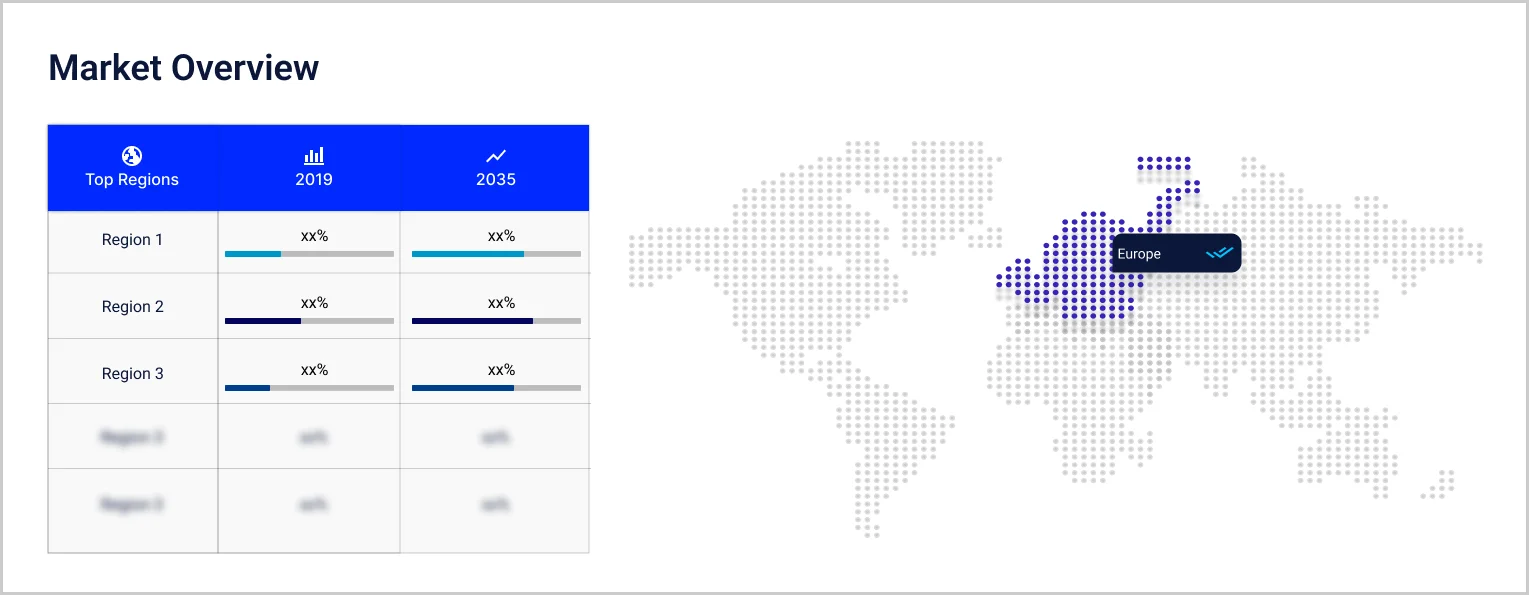
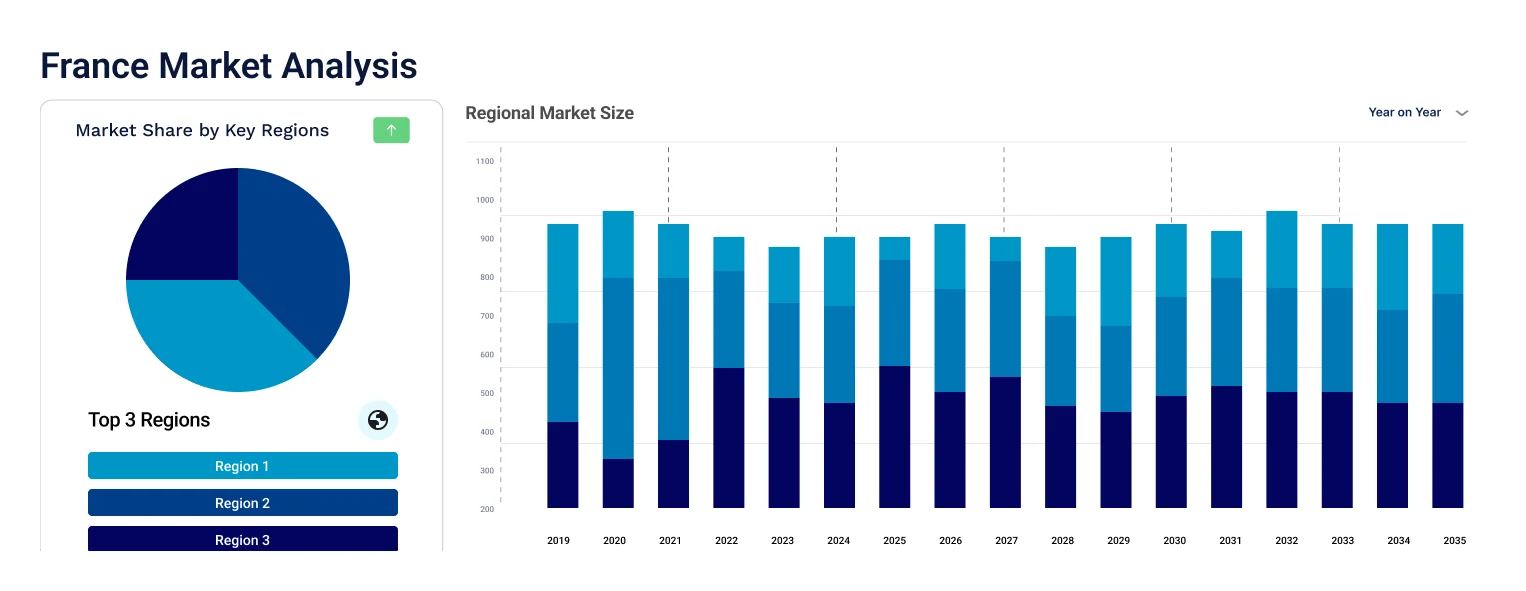
Cocoa powder registers as the dominant segment due to its broad formulation flexibility across bakery, dairy, beverages, and chocolate products
The main segment of the product is the cocoa powder owing to the extensive usage of the cocoa powder in baking, beverages, dairy products, and chocolates. Companies in the France cocoa market appreciate the powder variant due to its ability to add color, intense cocoa flavor and flexibility in dosage. Suppliers improve the quality of the product by enhancing alkalization, flavor stability, and dispersibility for industrial applications. In November 2025, CSM Ingredients launched Nuaré, a cocoa-alternative range designed to expand formulation possibilities across bakery and ice cream applications.

Read more about this report - REQUEST FREE SAMPLE COPY IN PDF
The fastest growing segment of the product is the cocoa liquor owing to the need of manufacturers for the product with concentrated cocoa flavor and fewer components for processing. The cocoa liquor contains all the necessary ingredients such as cocoa solids and cocoa butter which are needed to produce the chocolate. In August 2026, C16 Biosciences developed Palmless, a precision-fermented cocoa butter alternative using Torula oil, targeting sustainable chocolate and beauty applications.
By application, the food and beverage category registers as the dominant application due to broad cocoa integration across drinks, desserts, bakery, dairy, and confectionery formulations
The food and beverage category dominates the France cocoa market, given the incorporation of the cocoa ingredients in drinks made from chocolate, deserts, bakery mixes, dairy items, and confectionery. French companies make use of the cocoa powder, liquor, and butter on the basis of flavor, texture, color, and performance in terms of fat. Suppliers provide their clients with the application-specific grades and formulation consistency. The demand is influenced by the need to reformulate the products, since brands aim at indulgent products but with less sugar content. In July 2026, Mondelēz launched premium Belgian chocolate brand Côte d'Or, expanding its portfolio with an established European chocolate brand.

Read more about this report - REQUEST FREE SAMPLE COPY IN PDF
Confectionery commands the largest share in the France cocoa market revenue, as companies are looking for high-quality textures, unique cocoa origins, low sugar content and unique chocolate experiences. Manufacturers are trying to develop flavor maps, fermented cocoa profiles, alternative coatings and plant-based formulations, thus making their products appealing under the variable conditions of cocoa. Ingredient suppliers are expected to capitalize on the market opportunities by providing suppliers with the cocoa liquor, butter and powder with consistent performance in molded, filled, coated, and layered products.
Competitiveness lies in supply chain robustness, traceability, formulation assistance, and the capability to turn innovations in cocoa into commercial solutions for customers. Leading France cocoa market players are enhancing their systems of sourcing due to EUDR regulations, meanwhile developing processing capabilities that ensure greater consistency, flavor, and recipe flexibility. There are possibilities in applications of chocolate with low sugar content, without dairy, enriched with protein, functional and premium cocoa origin, where ingredients’ performance plays an equally important role as sourcing credentials.
Technical services for industrial clients may include application labs, sensory evaluation, recipe development, and prototyping. Alternative cocoa sources may become a possibility in the light of volatility of raw materials that drive France cocoa companies to review compound coatings and cocoa-reduced formulas. Logistics innovations, reduced emission transportation, and effective storage might help with sourcing aims and at the same time reduce supply chain risks. Collaborations with research institutions, retail partners and farmers associations may enhance access to traceable cocoa as well as sourcing based on biodiversity.
Founded in 1865 and located near Minneapolis, Minnesota, United States, Cargill provides cocoa liquor, butter, powder, and chocolate solutions to industry players. The market significance of the company is justified by the sourcing of the product, its processing expertise, sustainability programs, and reduced emissions from logistics operations. The company creates application-specific cocoa solutions in local markets.
Founded in 1996 and based in Zurich, Switzerland, Barry Callebaut provides industrial chocolate and cocoa customers with cocoa solutions, chocolate solutions, coatings, and gourmet solutions. Innovations of the company include the use of fermentation, fat technologies, flavor mapping, reduced sugar concepts, plant-based formats, and non-cocoa alternatives, while the traceability program supports EUDR readiness.
Founded in 1866 and based out of Vevey, Switzerland, Nestlé operates in France through its chocolates and confections as well as food production expertise. Its cocoa strategy involves responsible sourcing, farmer partnerships, traceability, and innovations in recipes. Nestlé's size enables it to create high-quality, portion-controlled, and reformulated chocolate products due to changing consumer trends.
Founded in 2012 and based out of Chicago, Illinois, United States, Mondelēz International operates in France through its snacking brands and chocolate products. Its cocoa strategy revolves around securing its supply, responsible sourcing, product renovations, and innovation in chocolates. Its size allows Mondelēz to forge partnerships along the entire cocoa value chain.
Other key players in the market include BASF SE, Buhler AG, Ferrero International S.A., and Mars Inc., among others.
*Please note that this is only a partial list; the complete list of key players is available in the full report. Additionally, the list of key players can be customized to better suit your needs.*
Unlock the latest insights with our France cocoa market trends 2026 report. Discover regional growth patterns, consumer preferences, and key industry players. Stay ahead of competition with trusted data and expert analysis. Download your free sample report today and drive informed decisions in the market.


Upto 15% Off
USD
$2499 $2249
$3999 $3599
$4999 $4249
$5999 $5099


*While we strive to always give you current and accurate information, the numbers depicted on the website are indicative and may differ from the actual numbers in the main report. At Expert Market Research, we aim to bring you the latest insights and trends in the market. Using our analyses and forecasts, stakeholders can understand the market dynamics, navigate challenges, and capitalize on opportunities to make data-driven strategic decisions.*
The market is projected to grow at a CAGR of 2.10% between 2026 and 2035.
The cocoa market is categorised based on application, which includes food, beverage, cosmetics and pharmaceuticals industry.
Based on type, the market is divided into cocoa butter, cocoa powder and cocoa liquor.
Based on food and beverage applications, the market is subdivided into confectionery, dairy and bakery, among others.
The key players in the market include Cargill Inc., Barry Callebaut AG, Nestle S.A., Mondelez International, Inc., BASF SE, Buhler AG, Ferrero International S.A., and Mars Inc., among others.
In 2025, the market reached an approximate value of USD 1.16 Billion.
The market is estimated to witness a healthy growth in the forecast period of 2026-2035 to reach about USD 1.43 Billion by 2035.
Companies face cocoa price volatility, supply disruptions, EUDR compliance costs, traceability gaps, climate risks, cadmium concerns, changing formulations, and margin pressure while navigating retailer expectations and sustainability demands across procurement.
Stakeholders are strengthening traceability, developing cocoa-efficient formulations, expanding premium and functional ingredients, improving logistics, supporting farmer resilience, and using partnerships to accelerate innovation while aligning procurement, product development, and compliance teams.
Explore our key highlights of the report and gain a concise overview of key findings, trends, and actionable insights that will empower your strategic decisions.
| REPORT FEATURES | DETAILS |
| Base Year | 2025 |
| Historical Period | 2019-2025 |
| Forecast Period | 2026-2035 |
| Scope of the Report |
Historical and Forecast Trends, Industry Drivers and Constraints, Historical and Forecast Market Analysis by Segment:
|
| Breakup by Type |
|
| Breakup by Application |
|
| Market Dynamics |
|
| Competitive Landscape |
|
| Companies Covered |
|
Datasheet
One User
USD 2,499
USD 2,249
tax inclusive*
Single User License
One User
USD 3,999
USD 3,599
tax inclusive*
Five User License
Five User
USD 4,999
USD 4,249
tax inclusive*
Corporate License
Unlimited Users
USD 5,999
USD 5,099
tax inclusive*
*Please note that the prices mentioned below are starting prices for each bundle type. Kindly contact our team for further details.*
Flash Bundle
Small Business Bundle
Growth Bundle
Enterprise Bundle
*Please note that the prices mentioned below are starting prices for each bundle type. Kindly contact our team for further details.*
Flash Bundle
Number of Reports: 3
20%
tax inclusive*
Small Business Bundle
Number of Reports: 5
25%
tax inclusive*
Growth Bundle
Number of Reports: 8
30%
tax inclusive*
Enterprise Bundle
Number of Reports: 10
35%
tax inclusive*
How To Order

Select License Type
Choose the right license for your needs and access rights.

Click on ‘Buy Now’
Add the report to your cart with one click and proceed to register.

Select Mode of Payment
Choose a payment option for a secure checkout. You will be redirected accordingly.
Strategic Solutions for Informed Decision-Making
Gain insights to stay ahead and seize opportunities.

Get insights & trends for a competitive edge.

Track prices with detailed trend reports.

Analyse trade data for supply chain insights.

Leverage cost reports for smart savings

Enhance supply chain with partnerships.

Connect For More Information
Our expert team of analysts will offer full support and resolve any queries regarding the report, before and after the purchase.
Our expert team of analysts will offer full support and resolve any queries regarding the report, before and after the purchase.
We employ meticulous research methods, blending advanced analytics and expert insights to deliver accurate, actionable industry intelligence, staying ahead of competitors.
Our skilled analysts offer unparalleled competitive advantage with detailed insights on current and emerging markets, ensuring your strategic edge.
We offer an in-depth yet simplified presentation of industry insights and analysis to meet your specific requirements effectively.




