

Consumer Insights
Uncover trends and behaviors shaping consumer choices today
Procurement Insights
Optimize your sourcing strategy with key market data
Industry Stats
Stay ahead with the latest trends and market analysis.
The India orthopedics implants market was valued at USD 2.54 Billion in 2025, driven by the rising aging population that is more prone to orthopedic diseases across the region. The market is anticipated to grow at a CAGR of 8.02% during the forecast period of 2026-2035, with the values likely to reach USD 5.49 Billion by 2035.
Compound Annual Growth Rate
8.02%
Value in USD Billion
2026-2035
The implants market is experiencing strong growth, driven by an aging population, rising cases of osteoarthritis, and osteoporosis, along with increased incidence of road accidents and sports injuries. Improved healthcare infrastructure, growing awareness, and advancements in surgical techniques further support demand. The market is anticipated to grow at a CAGR of 8.02% during the forecast period of 2026-2035. A significant rise in joint replacement surgeries, particularly knee and hip implants, reflects this trend. Demand is also fueled by the need for affordable, high-quality implants, especially in tier-2 and tier-3 cities. Government initiatives like “Make in India” and partnerships enabling local manufacturing are key drivers, enhancing accessibility and reducing dependency on imported devices.
Rising Aging Population to Boost Market Demand
A key growth driver for the Indian orthopedic implants market is the rapidly aging population, particularly the rising share of individuals aged 60 and above. The Economic and Social Commission for Asia and the Pacific reports that in India, between 1950 and 2023, the proportion of people aged 60+ nearly doubled from 5.4% to 10.7%, and it is projected to reach 20.8% by 2050. Similarly, the 65+ age group is expected to more than double, growing from 7.1% in 2023 to 15.0% in 2050, while the 80+ demographic will triple during the same period. This demographic shift will lead to a substantial increase in age-related musculoskeletal conditions such as osteoarthritis, fractures, and degenerative joint diseases, thereby driving demand for orthopedic procedures and implants such as joint replacements, spinal implants, and trauma fixation devices. As life expectancy rises and the population ages, the need for orthopedic care and devices tailored to elderly patients is set to become a major factor fueling sustained market growth in India.
KEM Hospital in Mumbai performed the city's first knee replacement using a cementless implant on a 53-year-old patient with severe osteoarthritis. The technology relies on bone growing into the implant for fixation rather than using bone cement and is considered particularly relevant for younger and more active patients. The procedure demonstrates increasing adoption of advanced fixation technologies within Indian hospitals. It could support demand for cementless knee systems, porous implant surfaces and associated surgical capabilities as Indian orthopaedic centres expand their use of newer joint-replacement technologies.
Zimmer Biomet announced plans to hire approximately 500 employees over three years for its new technology centre in Bengaluru. The centre will cover software engineering, product design, research and development, quality and regulatory functions, with a significant focus on artificial intelligence, robotics, surgical planning, and product innovation. Although the investment is broader than implant manufacturing, Zimmer Biomet is a major orthopedic-device manufacturer with a portfolio spanning implants and robotic surgical technologies. The Bengaluru expansion can strengthen India's role in the company's global orthopaedic innovation network and accelerate development of digitally enabled implant procedures.
India's Ministry of Health and Family Welfare proposed amendments to the Medical Devices Rules, 2017, that would reduce the proposed licensing timeline for Class C and Class D medical devices from 105 days to 90 days. The categories include high-risk products such as hip and knee implants and other orthopaedic implants. Faster regulatory processing could improve the speed at which domestically manufactured implants reach the Indian market, while increasing predictability for manufacturers investing in local production. The proposal could consequently support competition, product availability and innovation across India's orthopedic-device manufacturing ecosystem, thus boosting the growth of the India orthopedic implants market.
Researchers at IIT Bhilai developed an indigenous approach for producing biodegradable magnesium-alloy implants with a specialized titanium coating. Magnesium is attractive for orthopaedic applications because of its biocompatibility and ability to gradually dissolve the body, potentially eliminating the need for a second surgery to remove an implant. The titanium coating was developed to address the problem of magnesium corroding too rapidly before bone healing is complete. The research represents progress in indigenous implant materials and could eventually support India's development of resorbable orthopedic implants for bone-healing and fixation applications.
Cementless fixation technology is increasingly being exposed in India's joint replacement market, especially during knee and hip replacements for relatively young and active patients. The principle of cementless fixation is that there are porous or specially designed surfaces of implants that allow biological fixation of the implant through ingrowth of bone into and around it. Successful performance of the cementless knee replacement at KEM hospital in Mumbai in September 2026 indicates increasing interest in this technology among clinicians. Its popularity may result in increased demand for implants with porous surfaces or other types of surfaces. However, adoption will depend on surgeon training, patient selection, implant costs and long-term clinical evidence, making technological education an important component of market development.
Robot-assisted orthopaedic surgery is gaining traction in the Indian market within knee and hip replacement programs to achieve consistency in the position of the implants and the surgery process. The modern robot-assisted orthopaedic surgery technology is based on imaging, pre-operative planning, and intra-operative navigation to assist surgeons in carrying out bone cuts and implants as per the plan. For instance, the ROSA Knee platform from Zimmer Biomet is aimed at assisting in the performance of total knee arthroplasty through bone resection and intra-operative navigation. The Persona implants portfolio of Zimmer Biomet is incorporated with the ROSA Knee platform. Increasing hospital investment in such technologies is creating a connected market for implants, robotic platforms, digital planning software and surgeon training, hence driving the India orthopedic implants market growth.
India's orthopaedic-device ecosystem is increasingly moving toward domestic manufacturing, technology transfer and local product development. Industry initiatives are expanding capabilities for producing implants within India rather than relying predominantly on imported systems. In February 2026, one Indian implant business reported plans involving manufacturing-asset acquisition, technology-transfer partnerships and development of knee and hip products, with a longer-term objective of substantially increasing implant production. This localisation trend can improve supply availability, reduce exposure to international logistics disruptions and create opportunities for lower-cost implant systems. It also supports India's broader medical-device manufacturing ambitions and can strengthen domestic capabilities in precision engineering and implant materials.
Additive manufacturing is emerging as an important technology for India's advanced orthopaedic implant ecosystem, particularly where conventional implants cannot adequately address complex anatomical defects. In August 2025, OIC International, Medi Mold of AMTZ and Fives-AddUp announced a strategic partnership to establish an advanced 3D-printing facility for orthopaedic implants in India. The initiative targets precision engineering and customised implant manufacturing. 3D printing can enable complex porous structures, patient-specific geometries, and designs that are difficult to manufacture through conventional methods. Increasing adoption could therefore expand India's capabilities in revision surgery, complex trauma and customised reconstruction while supporting the development of higher-value domestic implant products.
Hip and knee replacements continue to be key segments of the orthopaedic implant industry in India, with manufacturers now looking to differentiate products through design of implants, bearing material, mode of fixation and surgical capability. The CATALYSTEM Primary Hip System by Smith+Nephew was among the products that helped drive the firm’s superior performance in the hip implant segment during its first quarter of 2026, as the company extended its launch of the product. This reflects that innovation continues in primary joint reconstructions and not just implant availability as competition. Indian hospitals are consequently gaining access to increasingly specialised systems, while surgeon preference, implant longevity, clinical outcomes and compatibility with newer surgical approaches are becoming more important factors influencing procurement decisions.
The market report offers a detailed analysis of the market based on the following segments:
Market Breakup by Product
Market Breakup by Material
Market Breakup by End User
Market Breakup by Region
Lower Extremity Implants to Hold a Substantial Market Share for Segmentation by Product
For market share by product, lower extremity implants, especially knee and hip replacements, account for a significant share due to the rising prevalence of osteoarthritis and an aging population. For instance, in January 2025 Alkem MedTech and U.S.-based Exactech Inc., entered a partnership marking the first design and technology transfer collaboration in India’s musculoskeletal sector. This alliance enables Alkem MedTech to domestically manufacture and market Exactech’s globally recognized joint replacement systems, including Truliant, Optetrak Logic, and Alteon. It strengthens India’s capabilities in producing advanced orthopedic implants, reduces reliance on imports, and aligns with the Make in India initiative, positioning Alkem MedTech as a key player in the market. This development is expected to enhance affordability, surgeon confidence, and product accessibility. Other segments such as spinal and dental implants are emerging rapidly, fueled by lifestyle changes, increasing surgical interventions, and improved healthcare access.
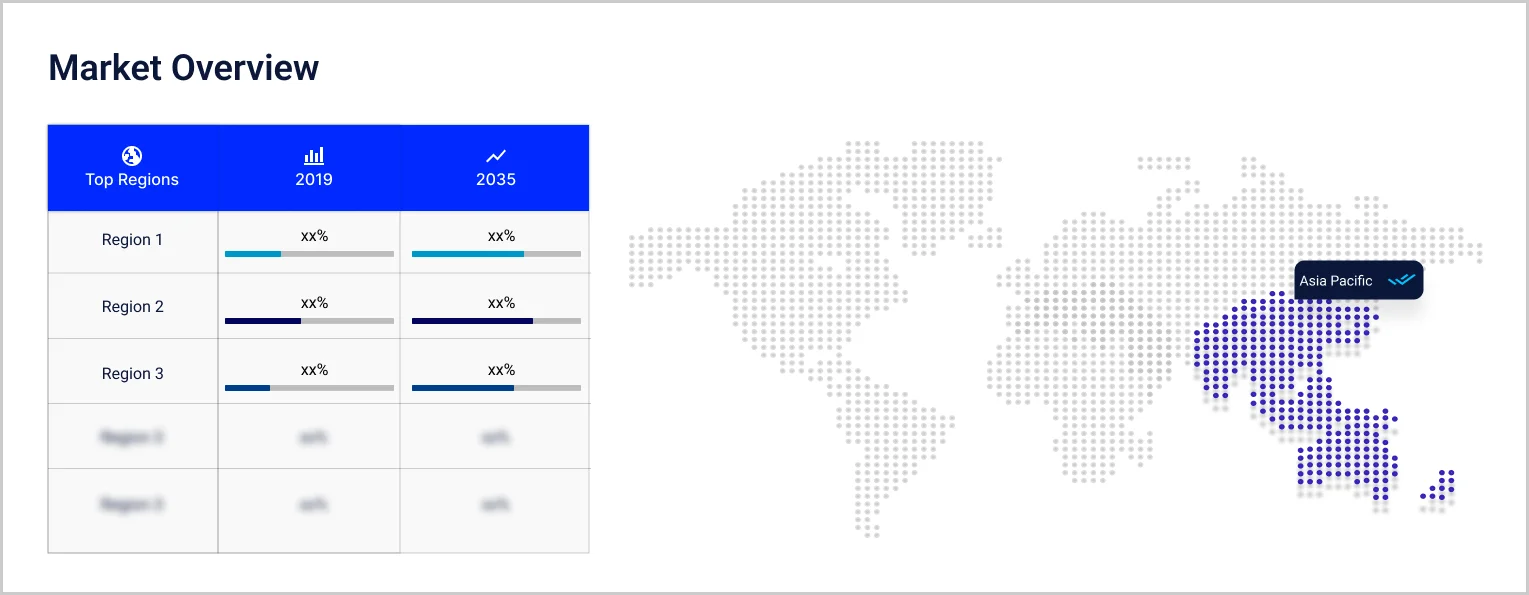
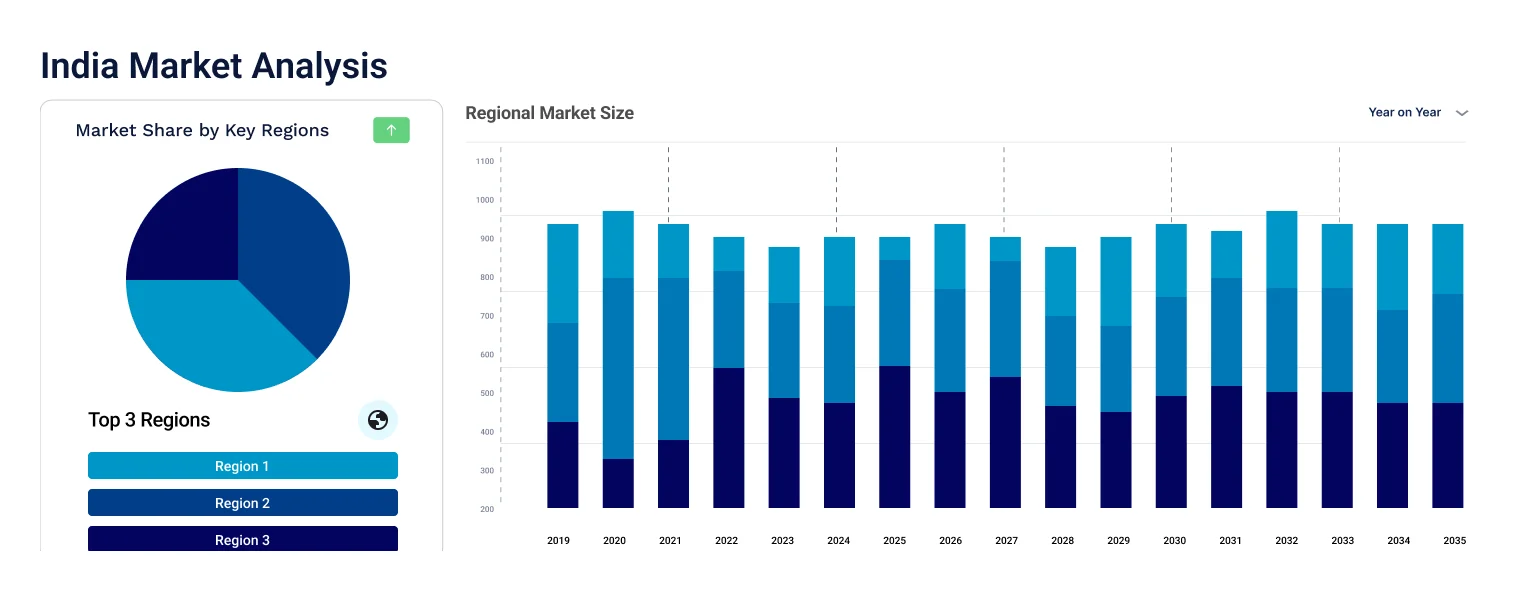
North and South India to Account for a Significant Market Share by Region
Based on region, northern India (encompassing states like Delhi, Punjab, Haryana, and Uttar Pradesh) is characterized by high patient volumes, driven by its large population and increasing incidence of joint disorders and trauma cases. The region benefits from expanding government healthcare initiatives such as Ayushman Bharat, which have improved access to orthopedic surgeries in public hospitals. In contrast, southern India, including Tamil Nadu, Karnataka, and Kerala, leads in terms of healthcare infrastructure, clinical expertise, and adoption of advanced orthopedic technologies. Cities like Chennai, Bengaluru, and Hyderabad are hubs for joint replacement surgeries and medical tourism, attracting both domestic and international patients. With top-tier private hospitals, research institutions, and skilled surgeons, Southern India is driving innovation in implant procedures and rapidly adopting newer technologies such as customized and 3D-printed implants.
The key features of the market report comprise patent analysis, funding and investment analysis, and strategic initiatives by the leading players. The major companies in the market are as follows:
Stryker is a global leader in medical technologies, with a strong presence in India’s orthopedic implant market. Its portfolio includes joint replacement systems (e.g., Triathlon® knee, Exeter® hip), trauma implants, spine solutions, and surgical navigation systems. In India, Stryker operates through distribution and local partnerships, offering advanced implant solutions and supporting surgeon training programs. It focuses on innovation in robotics (MAKO system) and digital surgery. Stryker’s India operations reflect its broader mission of improving patient outcomes through precision implants, making it a trusted brand among top-tier Indian hospitals and orthopedic surgeons.
Zimmer Biomet is a prominent player in the global orthopedic implants industry, with a well-established footprint in India. The company offers a comprehensive product portfolio, including knee and hip implants (Persona®, NexGen®), trauma systems, sports medicine products, and robotic surgery platforms. Its solutions are used widely in both private and public healthcare sectors across major Indian cities. Zimmer Biomet India also supports continuing education for surgeons and partners with institutions to improve surgical outcomes. The company’s focus on personalized care and digital technologies positions it as a key contributor to India's growing joint replacement market.
Smith & Nephew has a long-standing reputation in orthopedics, specializing in joint reconstruction, sports medicine, and trauma solutions. In India, it offers implants for knees (LEGION®), hips, and shoulder replacements, along with arthroscopy instruments and wound care products. The company supports surgical training and education initiatives across the country to enhance procedural adoption. Smith & Nephew leverages its innovation in minimally invasive surgery and has gained traction in India’s urban healthcare centers. Its presence is growing in tier-2 markets as awareness of advanced orthopedic care increases, particularly in arthroscopy and sports injury management.
Johnson & Johnson MedTech, through its subsidiary DePuy Synthes, is a major player in the Indian orthopedic implants space. Its extensive portfolio includes joint replacement solutions (ATTUNE® knee, CORAIL® hip), trauma fixation devices, spine implants, and robotic-assisted surgery systems. The company has a long-standing presence in India, with investments in surgeon training, digital surgery platforms, and improving access to quality care. J&J MedTech aligns its operations with India’s healthcare needs, offering both premium and cost-effective solutions. Its strong brand reputation, clinical support, and innovation in patient-specific implants make it a leader in the orthopedic segment.
*Please note that this is only a partial list; the complete list of key players is available in the full report. Additionally, the list of key players can be customized to better suit your needs.*
Other players in the market include Medtronic PLC, B Braun Melsungen SE, Meril Life Sciences, and Globus Medical.


Upto 15% Off
USD
$1999 $1799
$3099 $2789
$4599 $3909
$5999 $5099


*While we strive to always give you current and accurate information, the numbers depicted on the website are indicative and may differ from the actual numbers in the main report. At Expert Market Research, we aim to bring you the latest insights and trends in the market. Using our analyses and forecasts, stakeholders can understand the market dynamics, navigate challenges, and capitalize on opportunities to make data-driven strategic decisions.*
Explore our key highlights of the report and gain a concise overview of key findings, trends, and actionable insights that will empower your strategic decisions.
| REPORT FEATURES | DETAILS |
| Base Year | 2025 |
| Historical Period | 2019-2025 |
| Forecast Period | 2026-2035 |
| Scope of the Report |
Historical and Forecast Trends, Industry Drivers and Constraints, Historical and Forecast Market Analysis by Segment:
|
| Breakup by Product |
|
| Breakup by Material |
|
| Breakup by End User |
|
| Breakup by Region |
|
| Market Dynamics |
|
| Supplier Landscape |
|
| Companies Covered |
|
Datasheet
One User
USD 1,999
USD 1,799
tax inclusive*
Single User License
One User
USD 3,099
USD 2,789
tax inclusive*
Five User License
Five User
USD 4,599
USD 3,909
tax inclusive*
Corporate License
Unlimited Users
USD 5,999
USD 5,099
tax inclusive*
*Please note that the prices mentioned below are starting prices for each bundle type. Kindly contact our team for further details.*
Flash Bundle
Small Business Bundle
Growth Bundle
Enterprise Bundle
*Please note that the prices mentioned below are starting prices for each bundle type. Kindly contact our team for further details.*
Flash Bundle
Number of Reports: 3
20%
tax inclusive*
Small Business Bundle
Number of Reports: 5
25%
tax inclusive*
Growth Bundle
Number of Reports: 8
30%
tax inclusive*
Enterprise Bundle
Number of Reports: 10
35%
tax inclusive*
How To Order

Select License Type
Choose the right license for your needs and access rights.

Click on ‘Buy Now’
Add the report to your cart with one click and proceed to register.

Select Mode of Payment
Choose a payment option for a secure checkout. You will be redirected accordingly.
Strategic Solutions for Informed Decision-Making
Gain insights to stay ahead and seize opportunities.

Get insights & trends for a competitive edge.

Track prices with detailed trend reports.

Analyse trade data for supply chain insights.

Leverage cost reports for smart savings

Enhance supply chain with partnerships.

Connect For More Information
Our expert team of analysts will offer full support and resolve any queries regarding the report, before and after the purchase.
Our expert team of analysts will offer full support and resolve any queries regarding the report, before and after the purchase.
We employ meticulous research methods, blending advanced analytics and expert insights to deliver accurate, actionable industry intelligence, staying ahead of competitors.
Our skilled analysts offer unparalleled competitive advantage with detailed insights on current and emerging markets, ensuring your strategic edge.
We offer an in-depth yet simplified presentation of industry insights and analysis to meet your specific requirements effectively.




