

Consumer Insights
Uncover trends and behaviors shaping consumer choices today
Procurement Insights
Optimize your sourcing strategy with key market data
Industry Stats
Stay ahead with the latest trends and market analysis.

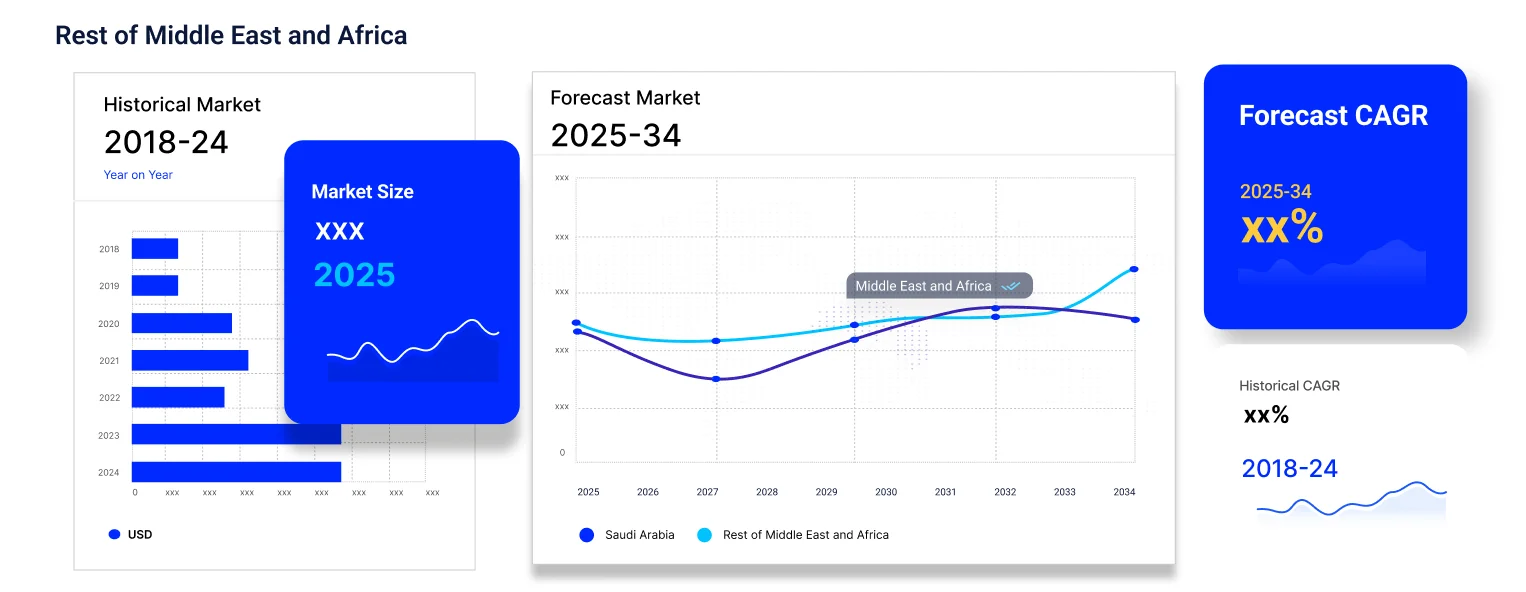
The Middle East fragrances market was valued at USD 4.04 Billion in 2025 and is expected to grow at a CAGR of 7.50% during the forecast period of 2026-2035. One of the main factors stimulating the market growth is a strong cultural affinity to perfumes and rapidly evolving consumer tastes, observed mainly in Saudi Arabia and United Arab Emirates, aiding the market to reach a value of USD 8.33 Billion by 2035.
Moreover, the market benefits from government programmes and digital retail innovation. For instance, Saudi Arabia’s Vision 2030 encourages domestic production of luxury goods, including fragrance manufacturing, with brands like Ajmal and Rasasi now scaling regional operations. On the other hand, United Arab Emirates’ ‘Make it in the Emirates’ campaign is encouraging perfume makers by offering incentives for localised manufacturing.
Niche and bespoke fragrance categories are gaining traction among younger demographics seeking personalised and sustainable options, thereby boosting the overall demand in the Middle East fragrances market. The rise of biotech fragrances, supported by lab-grown ingredients and eco-friendly practices, is encouraging local and global brands to innovate. Leading players are integrating AI in scent customisation, by leveraging consumer data to formulate mood-based perfumes.
Furthermore, the market observes an increase in marketing techniques to broaden the global client base. In January 2022, Moncler, an Italian luxury goods and jewellery firm, introduced its first fragrance line in global travel retail with Qatar Duty-Free. Manufacturers are also incorporating natural essences into fragrances, which are considered safer, healthier, and more therapeutic than their synthetic counterparts. Usage of locally popular scents is also bolstering Middle East fragrances market growth.
Base Year
Historical Period
Forecast Period
Compound Annual Growth Rate
7.5%
Value in USD Billion
2026-2035
*this image is indicative*
Synthetic biology is now playing a central role in the Middle East fragrances market dynamics. For example, firms like Firmenich and Symrise are working with local GCC brands to synthesise scent molecules in a sustainable manner. These inventions decrease dependency on naturally sourced materials like oud and ambergris, while complying with environmental goals of the region. Local fragrance laboratories are receiving substantial funding to implement low-carbon production methods under the Abu Dhabi Green Agenda 2030, driving notable improvements in both cost-efficiency and scalability.
AI-driven scent profiling tools are transforming the overall Middle East fragrances market trends, especially in UAE and Qatar. Apps and in-store kiosks launched by companies like Phlur and pH Fragrances now analyse skin pH and personal preferences to recommend or create a one-of-a-kind perfume. In Saudi Arabia, local start-ups offer subscription-based custom fragrance services. These trends are fostering niche brands that can challenge global players and thus, are fundamentally changing consumer expectations of the premium and luxury categories.
The resurgence of home-grown fragrance houses is further boosting the Middle East fragrances market development. Brands like Khaltat and Ghawali are taking advantage of Arab traditions while they are adapting to modern packaging and marketing trends. Dubai Design District has become a hub for artisanal fragrance creators, backed by government grants and mentorship programmes. Many of these labels now embrace sustainable sourcing and personalised scent formulation, using AI to recommend fragrance blends based on skin chemistry and lifestyle. Additionally, retail technology integrations like NFC-enabled perfume bottles are being piloted, offering buyers deeper insight into product origins and olfactory notes.
Offline and online sales are converging through augmented reality (AR) and virtual scent trials, stimulating the Middle East fragrances market revenue growth. Sephora Middle East and Faces are testing digital kiosks to help consumers discover notes of scents without the need of the physical testers, an innovation accelerated by hygiene considerations post-pandemic. Smart scent diffusers integrated in retail shelf spaces are currently being piloted in malls in the UAE as opposed to experiential retail. Retailers are also leveraging real-time insights to capture customer preferences.
The market is being further shaped by cross-regional partnerships. French luxury houses like Maison Francis Kurkdjian have partnered with UAE distributors to develop hybrid scents tailored for Arab preferences. Similarly, Saudi firms are working with Indian attar producers to craft woody blends. These alliances are supported by bilateral trade agreements and cultural exchange programmes. This blend of artisanal expertise and global branding is redefining product portfolios and enhancing export potential.
Read more about this report - REQUEST FREE SAMPLE COPY IN PDF
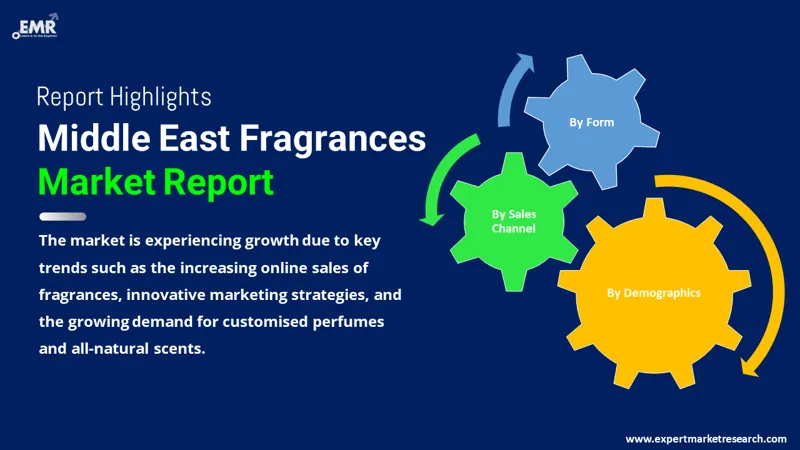
The EMR’s report titled “Middle East Fragrances Market Report and Forecast 2026-2035” offers a detailed analysis of the market based on the following segments:
Market Breakup by Form
Key Insight: Perfumes remain the dominant form in the Middle East fragrances market due to their deep cultural embedding and luxury appeal. Deodorants appeal to the everyday urban population, while colognes are gaining favour among young male consumers. Body mists and roll-ons are often favoured by female consumers for daily freshness. Aftershaves cater mainly to grooming-conscious men, particularly in urban Saudi Arabia. Custom-made offerings are gaining popularity among high-net-worth individuals. Scented oils and concentrated attars continue to retain niche popularity, often bought during religious festivities.
Market Breakup by Demographics
Key Insight: Women continue to drive majority of the fragrance demand in the Middle East due to cultural norms, beauty habits, and spending capacity. Men form a strong consumer base, particularly in Saudi Arabia and the UAE, where grooming culture is on the rise. Meanwhile, the unisex demographic is expanding rapidly, reflecting lifestyle changes and growing gender fluidity among younger consumers.
Market Breakup by Sales Channel
Key Insight: Offline retail occupies a substantial share in the Middle East fragrances market due to traditional preference for scent testing, brand prestige, and in-store customer experiences. Malls and duty-free stores are the main contributors of volume sales in the luxury and premium fragrance categories. However, online sales are growing in popularity owing to the increased use of AR tools, mobile-first consumer behaviour and strong digital marketing initiatives. Influencer-led mobile product placements and localised eCommerce sites are providing great traction for newer brands.
Market Breakup by Country
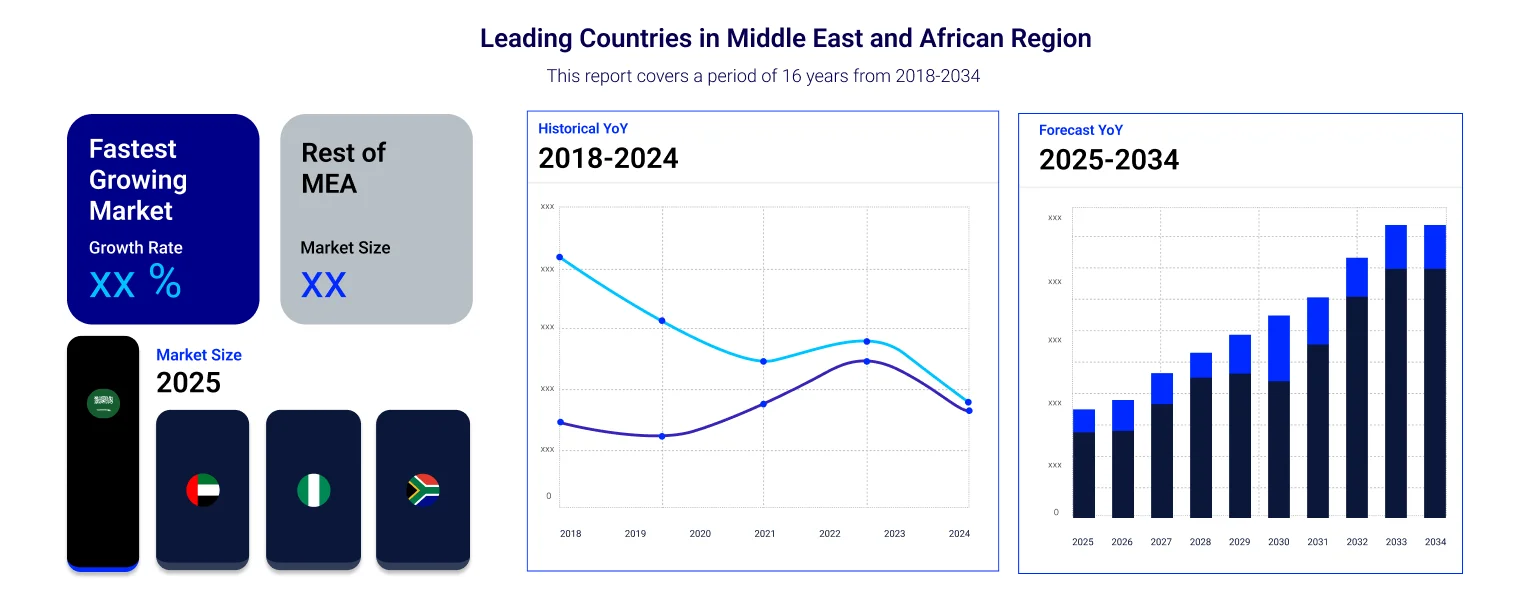
Key Insight: The Middle East fragrances industry finds strong stability across Saudi Arabia, UAE, Kuwait, Iraq, and others. Saudi Arabia leads the market with heritage-backed demand, and the increased government push for localisation. The UAE market is experiencing a greater merging of global appeal and regional authenticity. Kuwait presents increasing demand among younger, brand conscious consumers, and strong cross-border eCommerce activity. Iraq continues to grow with its recovery-focused economy and cultural affinity towards oil-based scents.
Read more about this report - REQUEST FREE SAMPLE COPY IN PDF
By Type, Perfume Dominates the Market with a Significant Share
Perfumes hold the dominant share of the market, deeply rooted in the region’s cultural appreciation for luxury and the art of scent layering. While iconic European houses like Dior and Chanel maintain a strong presence in the market, regional brands such as Arabian Oud and Al Haramain are flourishing by offering rich, oil-based fragrances specifically designed for the Gulf’s unique climate. Government-backed initiatives, like Beautyworld Middle East in Dubai, have amplified exposure for niche perfume houses, leading to high-volume sales. Moreover, demand is surging in the premium category, with oud, amber, and rose remaining key preferences among consumers.
The custom-made category is witnessing fast-paced growth in the Middle East fragrances market as tech-savvy and affluent consumers seek hyper-personalised fragrances. Boutiques in Dubai and Riyadh now offer AI scent profiling, combining genetics, preferences, and lifestyle data to develop unique olfactory fragrances. Brands like Chanel are using nano-emulsion technologies to create on-demand, alcohol-free fragrances. These developments are drawing investment from high-end retail technology firms and attracting niche perfumers globally.
By Demographics, Women Occupy a Sizeable Share in the Market
Women represent the dominant consumer base in the market. Their preference spans from classic French scents to bold regional compositions like oud-rose or amber-saffron blends. GCC women frequently use multiple fragrance products layered together, which drives volume sales. Women's exclusive perfume boutiques, such as Hind Al Oud and Ghawali, offer high-end personalised scent experiences and experience heavy demand. Moreover, customised marketing with influencers coupled with exclusive product lines for women boost growth, especially in Kuwait and UAE.
Unisex fragrances are trending among young urban consumers who appreciate versatility and modern aesthetics, adding to the Middle East fragrances market value. Brands like Tom Ford, Le Labo, and Maison Margiela have gained much popularity by releasing gender-neutral perfumes that disrupt the traditional scent binary. Unisex scents can be worn in a corporate or casual setting, thereby catering to a broad audience. Niche regional brands have begun to take advantage of increasing focus on minimalism with neutral blends of citrus, vetiver, and musk.
By Sales Channel, the Offline Category Secures the Bigger Market Share
Despite the global shift to online shopping, offline stores remain the most significant distribution channel in the Middle Eastern market, largely driven by a cultural preference for in-person scent testing and immersive luxury shopping experiences. Boutiques in iconic locations like The Dubai Mall and Al Hamra Mall offer personalised consultations and high-tech scent discovery lounges. High-end retailers such as Sephora Middle East and niche perfumers witness a surge in foot traffic during festive periods and gifting seasons. Meanwhile, duty-free counters at major airports like Doha and Riyadh are also witnessing steady growth.
Online sales are increasingly propelling the Middle East fragrances market expansion. This distribution channel category is supported by rising mobile penetration and AI-powered e-commerce platforms like Namshi, Ounass, and Amazon.ae. AI bots and AR-driven virtual try-ons are helping customers explore scents without testers. The Saudi Ministry of Commerce has recently introduced new licensing pathways that is helping e-perfumeries to expand cross-border reach. Social media campaigns, influencer marketing, and direct-to-consumer models are boosting niche brand visibility.
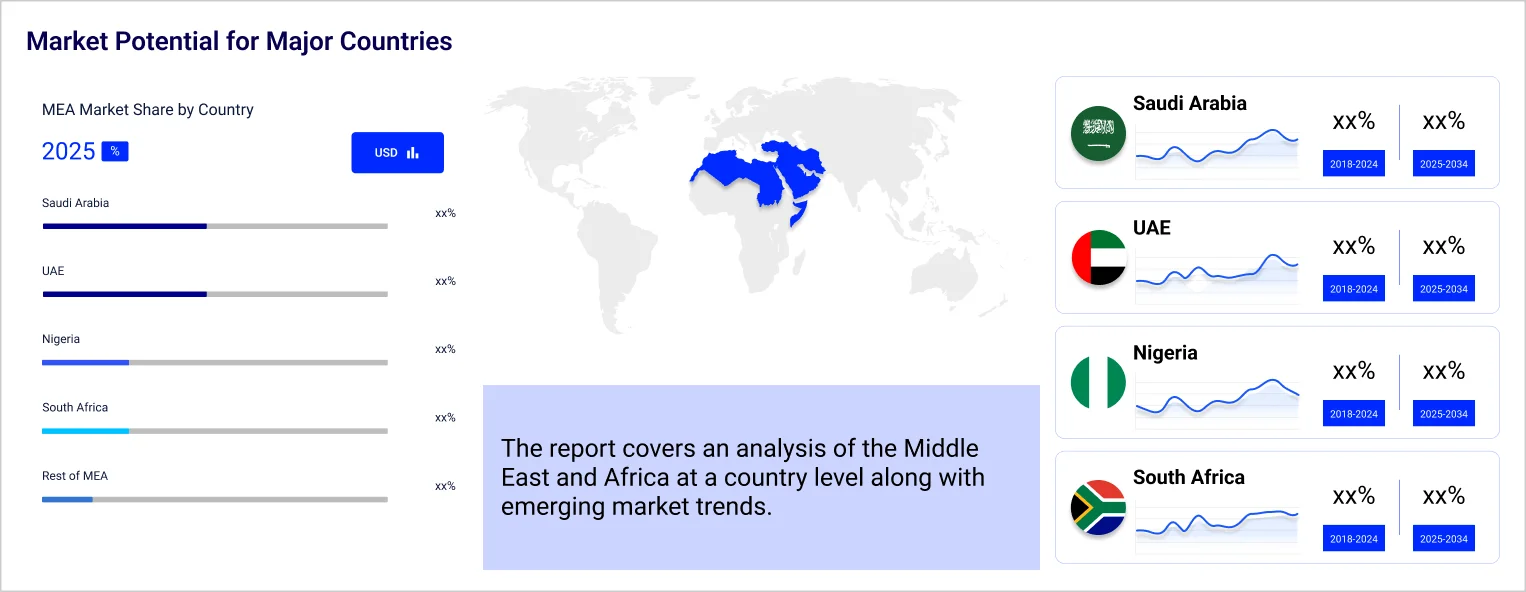
By Country, Saudi Arabia Accounts for the Largest Revenue Share
The Saudi market remains dominant owing to cultural tradition and modern consumerism. The long-standing habit of using oud and attar-based fragrances rooted in tradition, has persisted high per capita fragrance consumption. The Saudi Vision 2030 programme, promoting local manufacturing and luxury retail, has created opportunities for both domestic and international fragrance brands. Trends include launching luxury perfumery zones in malls and dedicated souqs. Consumers in this region have also actively sought limited-edition product lines along with ingredient transparency.
UAE strengthens the overall demand in the Middle East fragrances market owing to its role as a trading hub. Dubai and Abu Dhabi have emerged as central hubs for luxury and artisanal fragrances, drawing early-stage innovations from global perfume houses. Recent highlights include exclusive duty-free launches at Dubai International Airport, along with high-traffic perfumery pop-ups in vibrant locations like DIFC and The Dubai Mall. Government support for SMEs through platforms like Dubai SME 100 has nurtured boutique fragrance houses. Emiratis, expats, and tourists alike drive this demand, especially for oud-fusion products and experimental blends.
Key Middle East fragrances market players including L’Oréal, Estée Lauder, and Coty, have established their presence through strong department store networks and influencer collaborations. In contrast, regional brands like Arabian Oud, Ajmal, Rasasi, and Swiss Arabian command significant shelf space and cultural resonance, particularly in markets such as Saudi Arabia, the UAE, and Kuwait.
Moreover, several Middle East fragrance companies are embracing digital innovation, rolling out blockchain-based authenticity trackers to ensure product transparency. Some are also reimagining retail through multi-sensory flagship stores that feature AI-powered fragrance advisors and immersive scent chambers. These homegrown brands continue to thrive by balancing heritage with innovation, respecting traditional preferences while exploring modern formats. Meanwhile, startups are capturing attention with sustainable, custom-blended offerings tailored to Gen Z and affluent millennials. At the same time, foreign perfume houses like Maison Francis Kurkdjian and Byredo are partnering with local distributors to better align with cultural nuances and regulatory frameworks.
Ajmal Perfume, established in 1951, is one of the most well-known perfume brands worldwide. Headquartered in Dubai in the United Arab Emirates, the company has a large portfolio of more than 300 of the finest perfumes and a robust retail presence globally.
AL Haramain Perfumes LLC, founded in 1970, is a manufacturer and retailer of fragrances, with headquarters in Ajman in the United Arab Emirates. With a sizable and expanding network of upscale retail locations for its excellent range of products, the company has developed into a globally recognised perfume brand.
Abdul Samad Al Qurashi Company, which has its headquarters in Makkah, Saudi Arabia, is one of the largest manufacturers of Arabian fragrances, including Aoud and Amber. The company was founded in 1852 and has grown to be among the greatest perfume manufacturers worldwide.
Guccio Gucci S.p.A., established in 1921 and headquartered in Florence, Italy, has strengthened its presence in the Middle East through exclusive perfume launches like "Oud Absolu". The brand works closely with regional luxury retailers and offers Middle East-specific scent notes.
*Please note that this is only a partial list; the complete list of key players is available in the full report. Additionally, the list of key players can be customized to better suit your needs.*
Other key players in the market are LVMH Moët Hennessy, Giorgio Armani S.p.A, The Fragrance Kitchen, Calvin Klein, Inc., Yas The Royal Name of Perfumes, ODICT, and HB USA Holdings, Inc. (Kayali), among others.
Explore the latest trends shaping the Middle East fragrances market 2026-2035 with our in-depth report. Gain strategic insights, future forecasts, and key market developments that can help you stay competitive. Download a free sample report or contact our team for customised consultation on Middle East fragrances market trends 2026.
Saudi Arabia E-Commerce Cosmetics and Fragrances Market
North America Flavours and Fragrances Market
Latin America Flavours and Fragrances Market
Asia Pacific Flavours and Fragrances Market
South Korea Fragrances and Perfume Market
Europe Fragrances and Perfumes Market
Europe Flavours and Fragrances Market
GCC Flavours and Fragrances Market
Flavours and Fragrances Market
Fragrances and Perfumes Market
Home Fragrances Market


Upto 25% Off
USD


*While we strive to always give you current and accurate information, the numbers depicted on the website are indicative and may differ from the actual numbers in the main report. At Expert Market Research, we aim to bring you the latest insights and trends in the market. Using our analyses and forecasts, stakeholders can understand the market dynamics, navigate challenges, and capitalize on opportunities to make data-driven strategic decisions.*
Get in touch with us for a customized solution tailored to your unique requirements and save upto 35%!
In 2025, the Middle East fragrances market reached an approximate value of USD 4.04 Billion.
The market is projected to grow at a CAGR of 7.50% between 2026 and 2035.
The market is estimated to witness a healthy growth in the forecast period of 2026-2035, reaching a value of around USD 8.33 Billion by 2035.
Key strategies driving the market include focusing on hyperlocal scents, expanding AR and AI tools, offering sustainable packaging, collaborating with OEM hubs, and leveraging influencer micro-campaigns.
Increase in sales of fragrances via online sales channels, rising innovation in marketing strategies, and growing popularity of customised perfumes and all-natural scents are the key trends propelling the growth of the market.
The various forms of fragrance in the market are perfume, deodorant, cologne, scent, body mist, aftershave, roll-on, and custom made, among others.
The major sales channels in the fragrances market in the Middle East are online and offline.
The major players in the Middle East fragrances market, according to the report, are Ajmal Perfume, Guccio Gucci S.p.A., LVMH Moët Hennessy, AL Haramain Perfumes LLC, Giorgio Armani S.p.A, Abdul Samad Al Qurashi Company, The Fragrance Kitchen, Calvin Klein, Inc., Yas The Royal Name of Perfumes, ODICT, and HB USA Holdings, Inc. (Kayali), among others.
The key challenges faced by companies in the Middle East fragrances market are rising costs of natural ingredients, evolving halal compliance regulations, and increasing demand for sustainable sourcing, which complicate product development and supply chain strategy.
Explore our key highlights of the report and gain a concise overview of key findings, trends, and actionable insights that will empower your strategic decisions.
| REPORT FEATURES | DETAILS |
| Base Year | 2025 |
| Historical Period | 2019-2025 |
| Forecast Period | 2026-2035 |
| Scope of the Report |
Historical and Forecast Trends, Industry Drivers and Constraints, Historical and Forecast Market Analysis by Segment:
|
| Breakup by Form |
|
| Breakup by Demographics |
|
| Breakup by Sales Channel |
|
| Breakup by Country |
|
| Market Dynamics |
|
| Competitive Landscape |
|
| Companies Covered |
|
Datasheet
One User
USD 2,499
USD 2,249
tax inclusive*
Single User License
One User
USD 3,999
USD 3,599
tax inclusive*
Five User License
Five User
USD 4,999
USD 4,249
tax inclusive*
Corporate License
Unlimited Users
USD 5,999
USD 5,099
tax inclusive*
*Please note that the prices mentioned below are starting prices for each bundle type. Kindly contact our team for further details.*
Flash Bundle
Small Business Bundle
Growth Bundle
Enterprise Bundle
*Please note that the prices mentioned below are starting prices for each bundle type. Kindly contact our team for further details.*
Flash Bundle
Number of Reports: 3
20%
tax inclusive*
Small Business Bundle
Number of Reports: 5
25%
tax inclusive*
Growth Bundle
Number of Reports: 8
30%
tax inclusive*
Enterprise Bundle
Number of Reports: 10
35%
tax inclusive*
How To Order

Select License Type
Choose the right license for your needs and access rights.

Click on ‘Buy Now’
Add the report to your cart with one click and proceed to register.

Select Mode of Payment
Choose a payment option for a secure checkout. You will be redirected accordingly.
Gain insights to stay ahead and seize opportunities.

Get insights & trends for a competitive edge.

Track prices with detailed trend reports.

Analyse trade data for supply chain insights.

Leverage cost reports for smart savings

Enhance supply chain with partnerships.

Connect For More Information
Our expert team of analysts will offer full support and resolve any queries regarding the report, before and after the purchase.
Our expert team of analysts will offer full support and resolve any queries regarding the report, before and after the purchase.
We employ meticulous research methods, blending advanced analytics and expert insights to deliver accurate, actionable industry intelligence, staying ahead of competitors.
Our skilled analysts offer unparalleled competitive advantage with detailed insights on current and emerging markets, ensuring your strategic edge.
We offer an in-depth yet simplified presentation of industry insights and analysis to meet your specific requirements effectively.





Share