

Consumer Insights
Uncover trends and behaviors shaping consumer choices today
Procurement Insights
Optimize your sourcing strategy with key market data
Industry Stats
Stay ahead with the latest trends and market analysis.
The North America PVC pipes market attained a volume of 4.38 MMT in 2025 and is projected to expand at a CAGR of 4.20% through 2035. The market is further expected to reach 6.61 MMT by 2035. Ageing municipal water and sewer networks, federal replacement funding, and the steady substitution of corroding metal and clay pipe with corrosion-proof plastic are pushing utilities, irrigation districts and contractors toward polyvinyl chloride across water supply, sewerage, plumbing and agricultural delivery systems.
PVC pipe covers the rigid and chlorinated polyvinyl chloride piping used to carry potable water, wastewater, irrigation supply and conditioned air across buried and in-building systems, together with the gasketed joints, fittings and pressure classes that govern how it is specified. Adoption across the region is long established, with the material introduced to North America in the early 1950s and now standard in municipal distribution, collection and agricultural delivery. Ageing networks, corrosion failures in legacy metal mains and the cost gap against ductile iron continue to widen the buyer base for the North America PVC pipes market.
Demand is concentrating around suppliers able to serve federally funded replacement programmes at volume, and public spending is now the single clearest demand signal. In May 2026, the United States Environmental Protection Agency announced nearly USD 2.9 billion in fiscal year 2026 funding through the Drinking Water State Revolving Fund to accelerate lead service line replacement, with roughly USD 2.875 billion distributed to states and an estimated four million lead and galvanised service lines still requiring replacement nationwide. Volumes of that order convert directly into orders across the North America PVC pipes market, since replacement lines are overwhelmingly specified in plastic.
Producers are converging on a common development direction, widening from commodity extrusion toward higher pressure classes, molecularly oriented grades and larger diameters that compete for transmission work once reserved for iron. Input economics are shaping those choices, and North American suspension PVC resin prices rose in March 2026 alongside polypropylene and polystyrene as supply constraints, higher feedstock costs and stronger export demand tightened domestic supply, reversing the prolonged weakness of the prior year. Firmer resin pricing is pushing pipe makers toward product mix and distribution reach rather than volume alone.
Compound Annual Growth Rate
4.2%
Value in MMT
2026-2035
Read more about this report - REQUEST FREE SAMPLE COPY IN PDF
| North America PVC Pipes Market Report Summary | Description | Value |
| Base Year | MMT | 2025 |
| Historical Period | MMT | 2019-2025 |
| Forecast Period | MMT | 2026-2035 |
| Market Size 2025 | MMT | 4.38 |
| Market Size 2035 | MMT | 6.61 |
| CAGR 2019-2025 | Percentage | XX% |
| CAGR 2026-2035 | Percentage | 4.20% |
| CAGR 2026-2035 - Market by Region | United States | 3.8% |
| CAGR 2026-2035 - Market by Product Type | Rigid PVC | 11.4% |
| CAGR 2026-2035 - Market by End Use | Building and Construction | 10.7% |
| 2025 Market Share by Country | Canada | 9.4% |
The state signed legislation requiring property-owner access for private-side lead service line replacement in cities above one million residents, and wherever replacement is offered at no cost to the homeowner. Access refusals had stalled programmes even where funding was secured. Removing that barrier converts budgeted dollars into installed pipe across the North America PVC pipes market far more reliably.
The final watershed plan and environmental assessment cleared the way for piping and lining roughly 14.3 miles of the district's D Main Canal and laterals in southern Oregon, alongside pump station upgrades. Conversion from open channel to buried pipe removes seepage and evaporation losses entirely. Approvals of this kind create multi-year large-diameter demand from a single district.
Replacement of the Bearspaw feeder main moved toward a December 2026 completion following two catastrophic breaks, in a city that lost roughly a quarter of its treated water supply to leaking pipes during 2024. Federal attention on network losses is widening the programme beyond one city. Loss reduction gives Canadian utilities a measurable case for accelerated replacement across the North America PVC pipes market.
Construction started in southern California on the replacement of 4,000 linear feet of eight-inch distribution pipeline installed during the 1960s, following a history of failures and service outages along the route. Small-diameter renewal projects of this scale repeat across hundreds of districts each year. Cumulative distribution renewal supplies steady baseline volume for the North America PVC pipes market.
Federal replacement money moves through state revolving funds rather than direct awards, so the pace of installation depends on whether smaller communities can navigate application cycles and carry loan obligations. Forgivable loans and principal forgiveness have become the instruments across the North America PVC pipes market that make participation viable for towns without strong balance sheets. Nearly half of the current allotment is mandated as grants or principal forgiveness. In July 2026, the town of Cicero launched a lead service line replacement project backed by a USD 2.7 million forgivable loan from its state environmental agency, showing how the financing structure reaches municipalities that could not otherwise fund replacement.
Transmission mains built in the 1960s and 1970s are failing on corrosion rather than age alone, and once a line becomes inoperative the replacement decision is rarely a like-for-like rebuild. Utilities are using these failures to move up in diameter and change material at the same time, since a corrosion-proof line removes the recurring repair cost that justified the project. Pump stations are typically rebuilt alongside. In February 2026, El Dorado Irrigation District commissioned the pump station for its Sly Park Intertie replacement in California, restoring a six-mile link that had been out of service since corrosion-driven leaks in 2013.
Pipe extrusion economics sit downstream of resin, so trade measures that move polyvinyl chloride across borders feed directly into domestic availability and pricing in the North America PVC pipes market. North American producers run substantial export volumes, and export access influences how much material stays in the regional market. Tariff changes therefore matter to pipe buyers as much as to resin makers. In February 2026, the Vinyl Institute, which represents United States manufacturers of polyvinyl chloride resin, welcomed a new trade framework between the United States and India aimed at reducing tariffs and non-tariff barriers and lifting American exports into one of the fastest-growing consuming markets.
Utilities have shifted from bidding individual replacements to running rolling capital programmes that sequence pipeline segments, pump stations and treatment links over several budget years. The approach smooths contractor availability and lets agencies lock material specifications across an entire programme instead of renegotiating each award. Suppliers across the North America PVC pipes market gain visibility over multi-season volume as a result. Placer County Water Agency in California began construction on its Foothill Pump Station modification in October 2025 within a wider programme that sequences further pipeline replacements across interstate crossings through to spring 2027.
The pace of national replacement rests on rules that are still being tested in court, and utilities plan capital programmes against deadlines that may yet move. Industry bodies have argued that federal cost estimates understate what full replacement demands of communities and their customers, while regulators have defended the mandated timetable. The dispute shapes how quickly budgeted volume converts into installed pipe across the North America PVC pipes market. In September 2025, the American Water Works Association filed its opening brief in the petition for review of the Lead and Copper Rule Improvements, contending that nationwide replacement costs had been materially underestimated.
The Expert Market Research’s report titled "North America PVC Pipes Market Report and Forecast 2026-2035" offers a detailed analysis of the market based on the following segments:
Market Breakup by Application
Key Insight: Water supply holds the leading application share of the North America PVC pipes market, carrying potable distribution and service lines where corrosion resistance and smooth bores protect flow and water quality. Irrigation is the fastest-growing application as districts convert open canals to buried pressurised delivery. Sewerage draws steady gravity and force main volume, while plumbing covers in-building drain, waste and vent lines alongside chlorinated grades for hot water. HVAC uses the material for condensate and chilled water runs, oil and gas for low-pressure gathering and produced water lines, and the others category spans electrical conduit, drainage and telecommunications ducting.
Market Breakup by Region
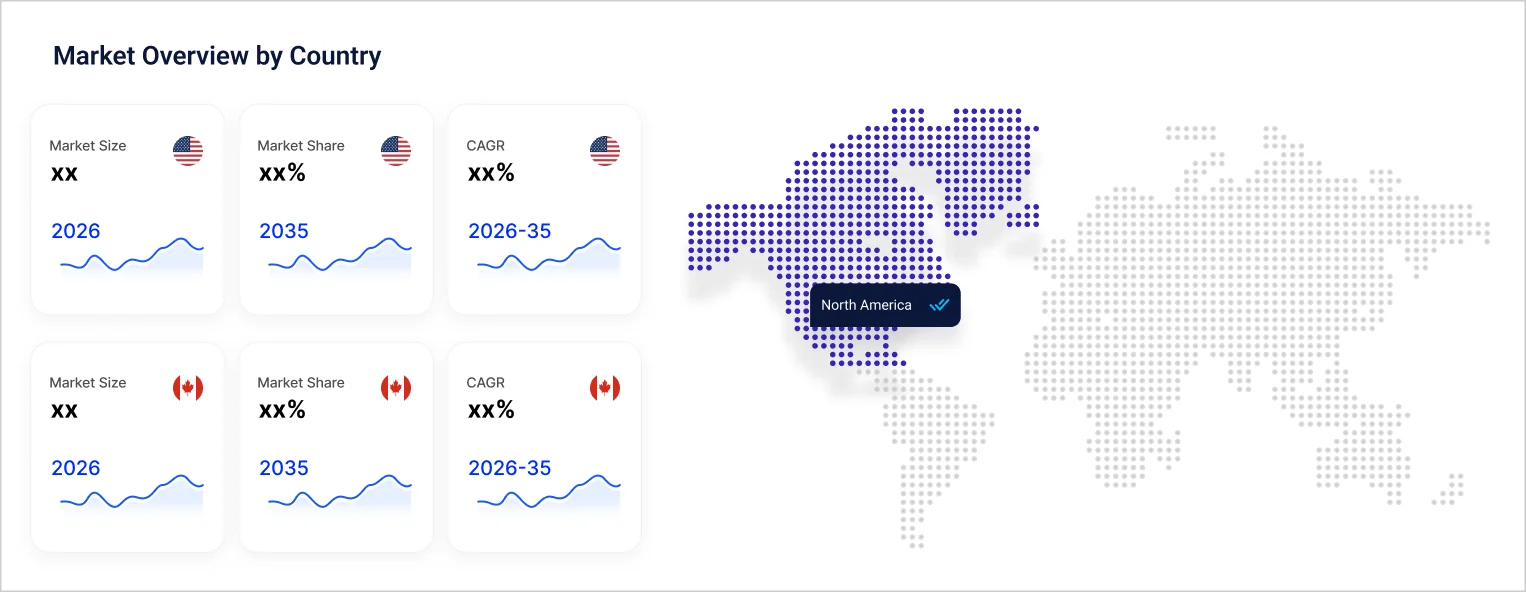
Key Insight: The United States accounts for the overwhelming share of the North America PVC pipes market, reflecting the scale of its municipal networks, the size of its irrigated acreage and the concentration of federal replacement funding. State-level planning is formalising that pipeline of work, and Utah published a unified water infrastructure plan in March 2026 setting out project data and cost shares extending across drinking water, agricultural off-farm pipelines and sewer schemes. Canada contributes a smaller but steadily growing volume, driven by prairie irrigation modernisation and urban distribution renewal in cities carrying high treated water losses.
By application, water supply accounts for the largest share of the market through municipal distribution renewal and the shift away from corroding metal mains
Water supply leads the North America PVC pipes market because potable distribution and service lines represent the largest installed length in any utility network, and replacement programmes target them first on public health grounds. Utility output is scaling accordingly, and DC Water reported in May 2026 that it had replaced more than 3,100 lead service lines during fiscal 2025 against 2,200 the year before, a 43 percent increase carrying its cumulative programme past 10,000 lines.
Irrigation is the fastest-growing application as districts nationwide convert open canals into buried pressurised pipelines, eliminating seepage while improving delivery reliability to farms. Conserved water can be left instream, unlocking conservation funding for the North America PVC pipes market alongside agricultural benefit. In September 2025, landowners on the EL 22.1 system and the East Columbia Basin Irrigation District in Washington state signed an agreement to move construction of a canal-to-pipeline conversion forward, showing how private agreements are unlocking projects that public funding alone had left stalled.
Read more about this report - REQUEST FREE SAMPLE COPY IN PDF
The United States leads the market through the scale of its municipal replacement funding, irrigated acreage and residential construction base
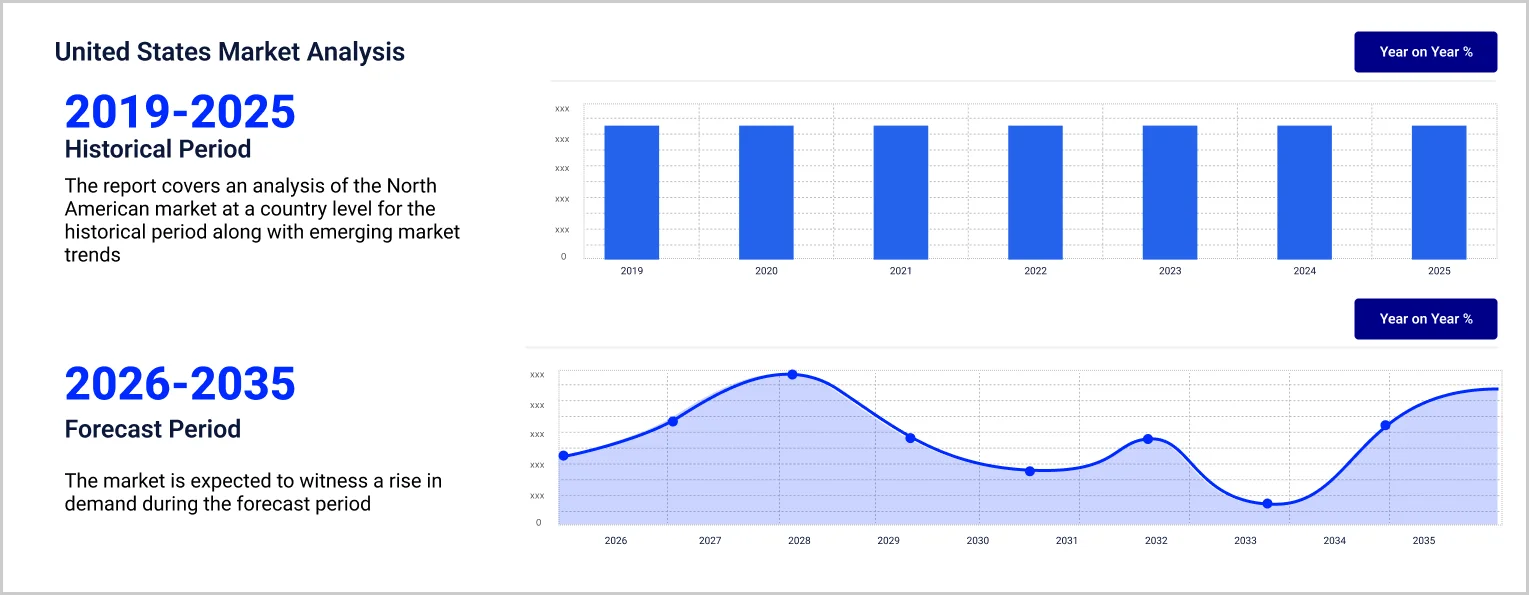
The United States commands the dominant position in the North America PVC pipes market, supported by the largest municipal water and sewer network in the region, a deep contractor base and multi-year federal programmes that underwrite replacement work. Lead service line funding alone has directed nearly USD 15 billion to state and local projects over five annual rounds, and allocations concentrate in states carrying the heaviest legacy burden, with Ohio alone receiving USD 201.8 million in the fiscal year 2026 round announced during May 2026. Sunbelt population growth adds new-build demand alongside renewal.
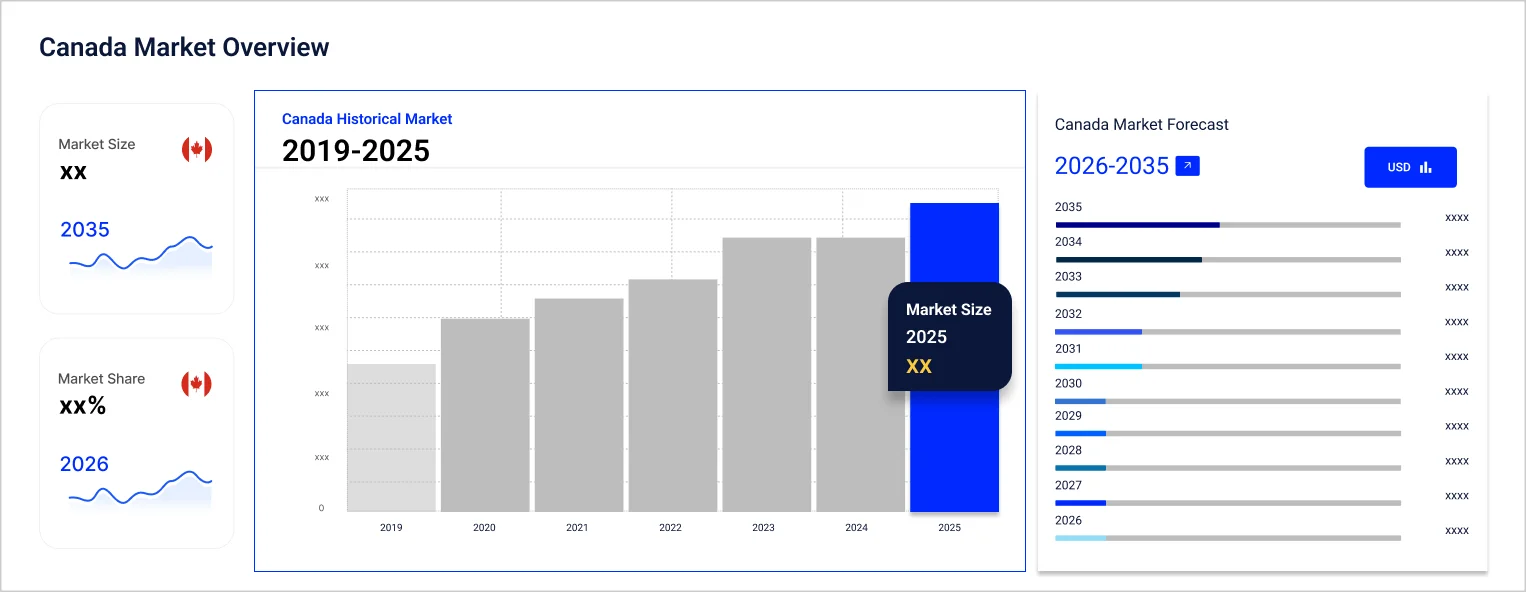
Canada is expanding steadily as provincial irrigation modernisation and urban distribution renewal gather pace, with other municipalities moving quickly to avoid the failures that have hit larger cities. Prairie irrigation districts are converting canal systems to closed pipeline networks that eliminate evaporation and return flows, while smaller utilities work through backlogs of mains that have exceeded their service life. In January 2026, Medicine Hat in Alberta began a CAD 6.3 million twinning of its Kipling Street feeder main, replacing a line dating to 1972 that serves about one third of the city, illustrating how mid-sized Canadian utilities are accelerating renewal ahead of their own potential failures.
The regional industry is consolidating around integrated producers as leading North America PVC pipes companies invest in extrusion capacity, larger diameters and molecularly oriented grades to defend municipal and agricultural accounts. Producers are prioritising fill rates, distribution reach and certification breadth to differentiate offerings in a segment where the base product is broadly comparable across suppliers. Resin integration is a decisive advantage, since backward links into vinyls supply insulate pipe operations from feedstock swings that periodically compress extrusion margins.
Major North America PVC pipes market players are also competing on service infrastructure, adding distribution centres, technical support and jobsite delivery that shorten lead times for contractors working to funded deadlines. Opportunities are emerging in lead service line replacement, canal-to-pipeline conversion across irrigated regions, and higher pressure classes that displace ductile iron on transmission duty. Suppliers combining dependable supply with wide certification coverage and strong regional service networks are positioned to strengthen their standing as replacement programmes run through the coming decade.
Founded in 1982 and headquartered in Los Angeles, California, United States, the company is the largest plastic pipe manufacturer in the world and a central supplier to the market. It operates more than twenty manufacturing plants across the region, producing pressure and non-pressure pipe for municipal water, sewer, irrigation, plumbing and electrical applications. Its products carry a fifty-year warranty, a commitment that has become a reference point for municipal buyers assessing long-term asset performance.
Founded in 1986 and headquartered in Houston, Texas, United States, the group supplies the market through a vertically integrated vinyls chain that links resin production to pipe extrusion. Its pipe operations serve municipal water and sewer, residential plumbing, irrigation, agricultural and retail channels from plants across the United States, and the business has extended into molecularly oriented grades aimed at pressure applications in municipal distribution.
Founded in 1901 and headquartered in Charlotte, North Carolina, United States, the company manufactures both plastic and cast iron piping systems and holds a long-established position in the market. Its plastics range covers drain, waste and vent systems, pressure pipe and chlorinated grades for hot water distribution, supplied through wholesale plumbing channels. Domestic manufacturing across multiple states underpins its supply position with contractors serving the market.
Founded in 1951 and headquartered in Oakville, Ontario, Canada, the company supplies thermoplastic piping systems across the market, serving municipal, irrigation, industrial, plumbing, mechanical, electrical and telecommunication sectors. It operates extrusion and moulding facilities on both sides of the border and has invested in high-speed extrusion lines, closed-loop wall monitoring and automated bundling to lift fill rates for customers in the United States and Canada.
Other key players in the market include Cresline Plastic Pipe Co., Inc., Dura-Line LLC, Diamond Plastics Corp., and Cantex Inc., among others.
*Please note that this is only a partial list; the complete list of key players is available in the full report. Additionally, the list of key players can be customized to better suit your needs.*
Unlock the latest insights with our North America PVC pipes market trends 2026 report. Discover regional growth patterns, application economics, and key industry players. Stay ahead of competition with trusted data and expert analysis. Download your free sample report today and drive informed decisions in the market.
Central America PVC Pipes Market
United States PVC Pipes Market


Upto 15% Off
USD
$2499 $2249
$3999 $3599
$4999 $4249
$5999 $5099


*While we strive to always give you current and accurate information, the numbers depicted on the website are indicative and may differ from the actual numbers in the main report. At Expert Market Research, we aim to bring you the latest insights and trends in the market. Using our analyses and forecasts, stakeholders can understand the market dynamics, navigate challenges, and capitalize on opportunities to make data-driven strategic decisions.*
In 2025, the market reached an approximate volume of 4.38 MMT.
The market is projected to grow at a CAGR of 4.20% between 2026 and 2035.
The revenue generated from the North America PVC Pipes market is expected to reach 6.61 MMT by 2035.
The market is categorised according to the applications, into irrigation, water supply, sewerage, plumbing, HVAC, and oil and gas, among others.
The key players in the market include JM Eagle Inc, Westlake Pipe & Fittings, Charlotte Pipe and Foundry Company, IPEX Inc., Cresline Plastic Pipe Co., Inc., Dura-Line LLC, Diamond Plastics Corp., and Cantex Inc., among others.
The primary countries in the PVC pipes market in North America are the United States and Canada.
The key trends in the market include the launch of different variants of PVC pipes, rapid transition from lead-based pipes to plastic pipes, and the increasing applications of PVC pipes for irrigation.
PVC pipes are considered to be significantly strong, capable of withstanding a weight of more than 28-30 pounds.
Producers face resin price volatility, contractor and workforce shortages that slow installation, permitting and property access delays on private-side replacement, competition from ductile iron and polyethylene, and uncertainty over federal replacement timelines still being tested in court.
Expanding extrusion capacity, moving into molecularly oriented and larger-diameter grades, integrating backward into resin supply, widening distribution and technical service coverage, and aligning product certification with municipal and agricultural funding programmes.
Explore our key highlights of the report and gain a concise overview of key findings, trends, and actionable insights that will empower your strategic decisions.
| REPORT FEATURES | DETAILS |
| Base Year | 2025 |
| Historical Period | 2019-2025 |
| Forecast Period | 2026-2035 |
| Scope of the Report |
Historical and Forecast Trends, Industry Drivers and Constraints, Historical and Forecast Market Analysis by Segment:
|
| Breakup by Application |
|
| Breakup by Region |
|
| Market Dynamics |
|
| Competitive Landscape |
|
| Companies Covered |
|
Datasheet
One User
USD 2,499
USD 2,249
tax inclusive*
Single User License
One User
USD 3,999
USD 3,599
tax inclusive*
Five User License
Five User
USD 4,999
USD 4,249
tax inclusive*
Corporate License
Unlimited Users
USD 5,999
USD 5,099
tax inclusive*
*Please note that the prices mentioned below are starting prices for each bundle type. Kindly contact our team for further details.*
Flash Bundle
Small Business Bundle
Growth Bundle
Enterprise Bundle
*Please note that the prices mentioned below are starting prices for each bundle type. Kindly contact our team for further details.*
Flash Bundle
Number of Reports: 3
20%
tax inclusive*
Small Business Bundle
Number of Reports: 5
25%
tax inclusive*
Growth Bundle
Number of Reports: 8
30%
tax inclusive*
Enterprise Bundle
Number of Reports: 10
35%
tax inclusive*
How To Order

Select License Type
Choose the right license for your needs and access rights.

Click on ‘Buy Now’
Add the report to your cart with one click and proceed to register.

Select Mode of Payment
Choose a payment option for a secure checkout. You will be redirected accordingly.
Strategic Solutions for Informed Decision-Making
Gain insights to stay ahead and seize opportunities.

Get insights & trends for a competitive edge.

Track prices with detailed trend reports.

Analyse trade data for supply chain insights.

Leverage cost reports for smart savings

Enhance supply chain with partnerships.

Connect For More Information
Our expert team of analysts will offer full support and resolve any queries regarding the report, before and after the purchase.
Our expert team of analysts will offer full support and resolve any queries regarding the report, before and after the purchase.
We employ meticulous research methods, blending advanced analytics and expert insights to deliver accurate, actionable industry intelligence, staying ahead of competitors.
Our skilled analysts offer unparalleled competitive advantage with detailed insights on current and emerging markets, ensuring your strategic edge.
We offer an in-depth yet simplified presentation of industry insights and analysis to meet your specific requirements effectively.




