

Consumer Insights
Uncover trends and behaviors shaping consumer choices today
Procurement Insights
Optimize your sourcing strategy with key market data
Industry Stats
Stay ahead with the latest trends and market analysis.
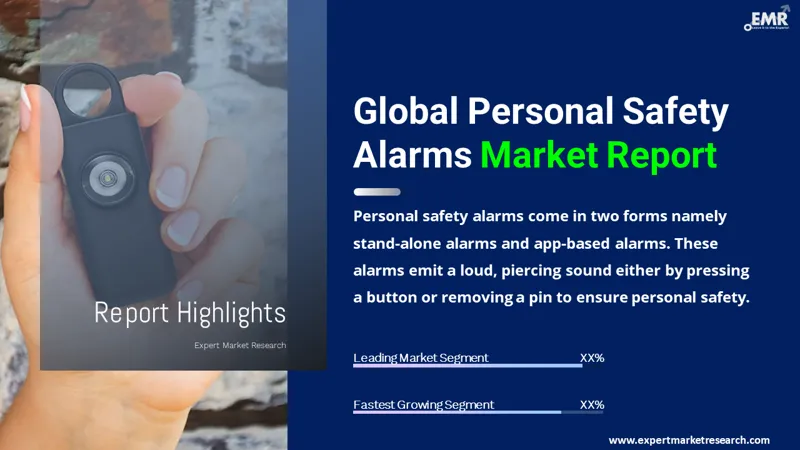
The global personal safety alarms market attained a value of USD 106.80 Million in 2025 and is projected to expand at a CAGR of 6.70% through 2035. The market is further expected to achieve USD 204.28 Million by 2035. Investments by universities, rideshare service providers, and employers in employee safety solutions are further fueling the use of personal safety alarms that have GPS capabilities and emergency alerting apps across the world.
According to The Guardian, growing UK employer focus on lone worker protection mandates through Q1 2026 sustained demand for connected personal safety alarms across healthcare, social care, retail, and field service sectors. Devices integrating GPS tracking, cellular connectivity, and 24/7 monitored response, including products from SoloProtect and Reliance Protect, remain central to corporate compliance with Health and Safety Executive guidance.
As reported by The Hindu, several Indian state governments through March 2026 expanded distribution of personal safety alarm devices and panic-button-enabled smartphones to women in colleges, public transport, and rural communities, supported by central Nirbhaya Fund allocations. The initiative, alongside corporate ESG-driven employee safety procurement, continues anchoring regional growth in the personal safety alarm category.
The global personal safety alarms market is exhibiting improved commercial traction amid an increased preference for portable emergency response solutions among urban consumers, campus organizations, and enterprise mobility segments. For example, in February 2026, BoomBird’s founder created rechargeable personal safety alarms, helping women deter threats through loud alerts in India. The product strategy adopted by the firm aligns with the prevailing trend in the industry towards connected safety ecosystems, away from traditional siren-based alarm systems.
Innovation in the personal safety alarms market is becoming more inclined towards multifunctional devices and subscription-based services. Firms are adding GPS tracking capabilities, fall detection sensors, remote emergency contact activation features, and cloud-based monitoring solutions to generate demand and boost functionality. For example, in March 2026, Greenlight launched Safe Family, a screen-free GPS tracker offering location alerts, SOS, and family safety. A number of companies are also engaging with universities, hospitality firms, and logistics companies to offer bulk purchase deals for workforce safety measures. Collaboration between wearable device vendors and telecom companies is also resulting in improved connectivity for emergency responses in low-network areas. At the same time, OEM vendors in Asia are increasing low-cost manufacturing capacities for white-label products.
Growth in the personal safety alarms market is further being fueled by increased demand for personal safety solutions for senior citizens and increased use of wearable technology for solo travelers. The aging population in North America, Europe, and certain parts of Asia is fueling interest in the installation of panic alarm systems that can be used along with caregiver apps. At the same time, the market observes an increased awareness about gender-specific safety products, which is prompting manufacturers to develop compact wearable alarms that look like accessories, keychains, or smart jewelry.
Compound Annual Growth Rate
6.7%
Value in USD Million
2026-2035
Read more about this report - REQUEST FREE SAMPLE COPY IN PDF
| Global Personal Safety Alarms Market Report Summary | Description | Value |
| Base Year | USD Million | 2025 |
| Historical Period | USD Million | 2019-2025 |
| Forecast Period | USD Million | 2026-2035 |
| Market Size 2025 | USD Million | 106.80 |
| Market Size 2035 | USD Million | 204.28 |
| CAGR 2019-2025 | Percentage | XX% |
| CAGR 2026-2035 | Percentage | 6.70% |
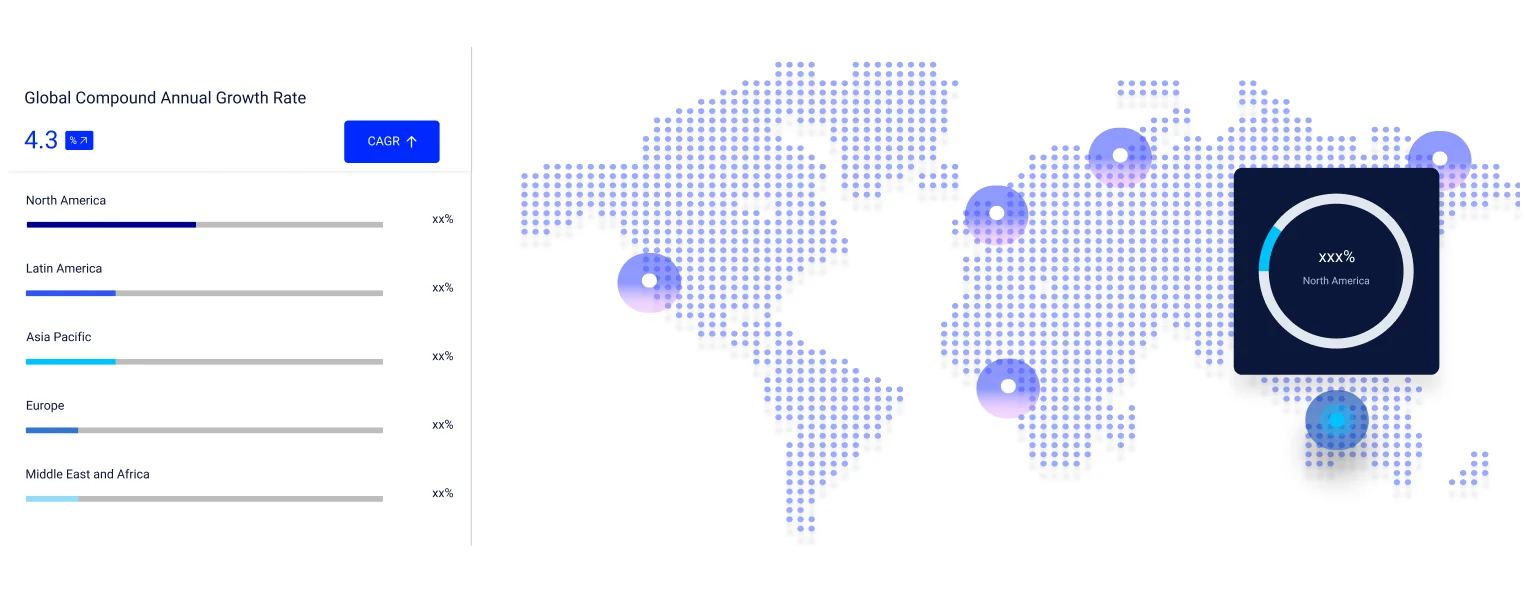
| CAGR 2026-2035 - Market by Region | Asia Pacific | 11.7% |
| CAGR 2026-2035 - Market by Country | India | 8.0% |
| CAGR 2026-2035 - Market by Country | Brazil | 7.6% |
| CAGR 2026-2035 - Market by Type | Mobile Phone App | 10.1% |
| CAGR 2026-2035 - Market by Distribution Channel | Online | 16.2% |
| Market Share by Country 2025 | Mexico | 3.2% |
Halo, a rechargeable connected safety device that features loud sirens, strobe lights, and contact tracking was introduced by Pebblebee. These innovations present a chance for organizations in the personal safety alarms market to leverage connected alarms, privacy-friendly tracking, and multipurpose safety systems.
SoloProtect diversified its product line with the launch of SoloProtect Mini, an alarm system designed to aid lone workers in emergency situations. This demonstrates how organizations can offer safety solutions for enterprises using lightweight alarm devices.
The company released a personal safety alarm that works through pre-order, improving mobile connectivity-based emergency response and personal emergency notification. These kinds of developments in the personal safety alarms market show how companies can introduce alarms that work through apps, providing better connectivity and accessibility.
SwitchBot launched a compact personal security alarm, enhancing portable protection with lightweight design and convenient daily-carry usability. Such developments highlight opportunities for companies to design compact, consumer-friendly alarms combining portability, simplicity, and broader smart safety adoption.
AI is emerging as one of the key differentiators in the market, as vendors are emphasizing predictive emergency response abilities rather than traditional alarms based on sirens. AI-powered motion detection, anomaly detection, and automatic distress notifications are being used by companies in their wearable personal safety alarms. Demonstrating this shift in the personal safety alarms market, in February 2026, ADT acquired Origin AI to enhance home security with AI sensing, ambient intelligence, and privacy-focused detection.
The growing emphasis on the safety of women in public spaces is significantly fueling innovation in the personal safety alarms market. Smart personal safety alarms embedded within jewelry, smart keychains, and fitness bands are being developed by vendors for better convenience and subtle design. Governments are also making investments in public safety. Capitalizing on such trends, in March 2026, Noonlight upgraded its video monitoring solution with AI filtering, advanced verification, and faster response tools reducing false dispatches.
The aging population across the world is creating business opportunities for wearable emergency alerts with fall detectors and remote connections to caregivers, generating demand in the personal safety alarms market. Hospitals and assisted living facilities are rapidly implementing GPS-enabled panic alerts to reduce emergency response time among senior patients. According to the World Health Organization, the global number of people 60 years and above will almost double by 2050, hence driving sustained demand for connected safety monitoring devices. Leveraging such trends, in March 2026, Life Assure expanded senior safety solutions with GPS-enabled medical alerts, supporting mobility, monitoring, and faster emergency assistance.
Organizations are increasingly incorporating personal safety alarms into their work force protection policies especially for employees working night shifts or in isolated locations. Firms in construction, healthcare, hospitality, and logistics sectors are providing wearable emergency devices linked to central monitoring systems. Occupational safety standards in North America and Europe are further promoting the use of such devices, boosting the personal safety alarms market penetration. In October 2023, Blackline Safety Corp. launched its latest range of industrial lone worker monitoring products that included SOS communication wearables for field workers.
The market is moving towards a subscription-based approach, whereby alarms are used in conjunction with mobile apps, cloud computing, and emergency services. Companies in the personal safety alarms market are diversifying revenue streams by using premium monitoring packages and personal safety apps linked to smartphones. For instance, India launched SACHET, a mobile emergency alert system enabling localized disaster warnings, multilingual reach, and faster citizen safety in May 2026. Telecom companies are partnering with safety devices makers to offer better low-network emergency connectivity.
Read more about this report - REQUEST FREE SAMPLE COPY IN PDF
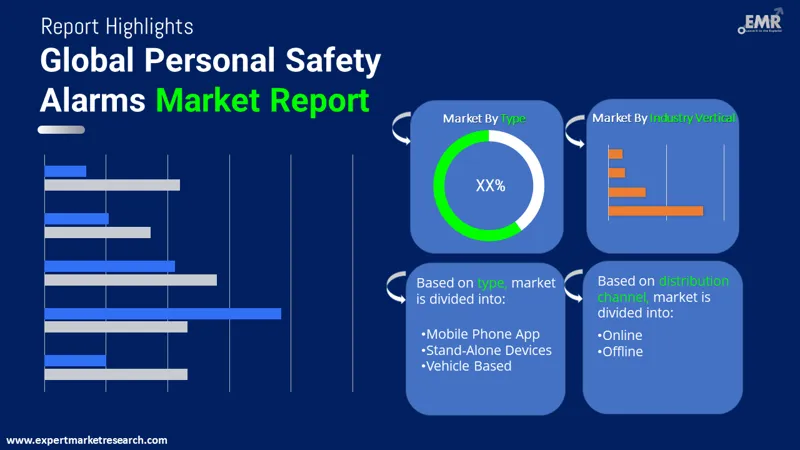
The Expert Market Research's report titled “Global Personal Safety Alarms Market Report and Forecast 2026-2035” offers a detailed analysis of the market based on the following segments:
Market Breakup by Type
Key Insight: The mobile application solutions in the personal safety alarms market are mainly influenced by growing dependence on smartphones, connectivity monitoring ecosystems, and the need for real-time emergency communication. The stand-alone wearables keep growing in terms of popularity as more elderly users and healthcare institutions look for reliable wearable security systems that do not involve complicated digital interfaces. For example, in February 2026, NAMI introduced Agile Security, enhancing personal safety through connected alerts, rapid response features, and smarter emergency communication. Wearable vehicle alarm systems are also steadily growing due to rising interest in driver safety technology solutions.
Market Breakup by Distribution Channel
Key Insight: As per the personal safety alarms market report, online distribution continues to be the predominant mode of distribution because of the increasing demand for smartphones, ease of payments online, and quick growth of subscription-based services for consumers. The offline distribution channel continues to play a vital role in institutional purchases, and for elderly customers and product demonstration where trust and usability features influence decision-making processes. Companies are using an omnichannel sales approach that combines digital marketing and healthcare distribution.
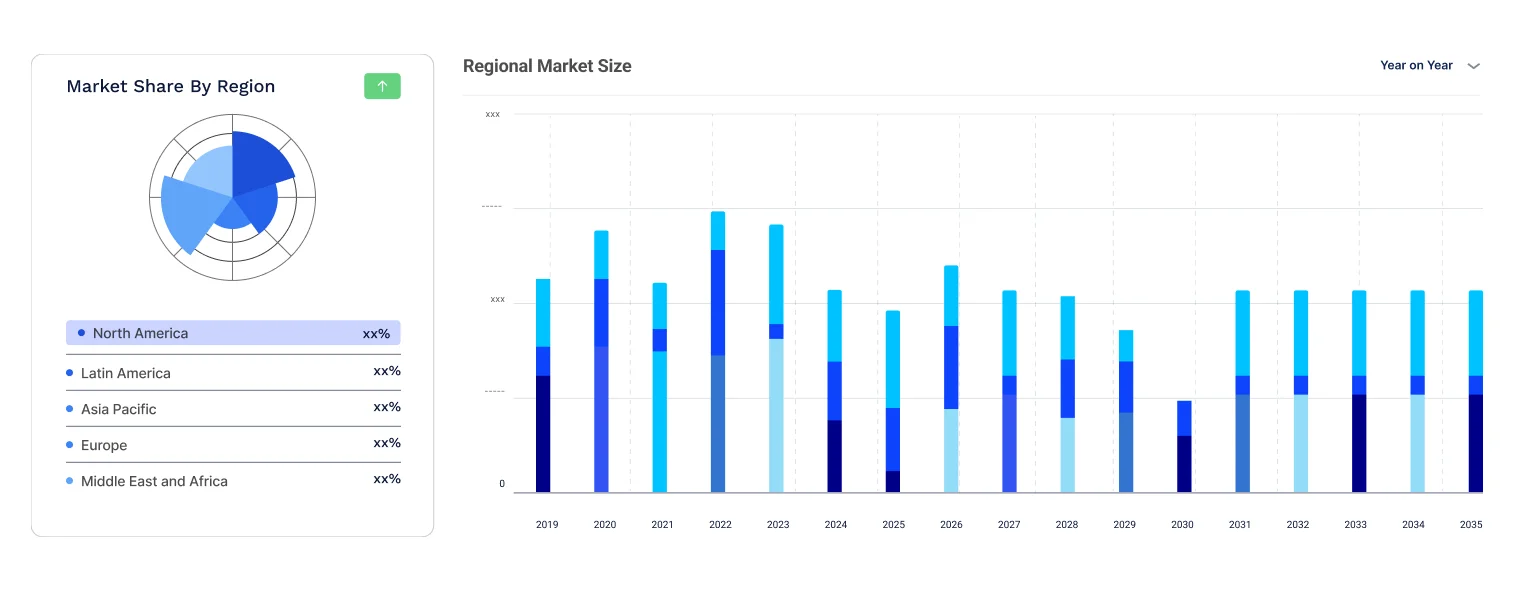
Market Breakup by Region
Key Insight: North America remains positioned at the forefront of the personal safety alarm market dynamics through the implementation of connected monitoring systems, investment in institutional safety measures, and heightened awareness among consumers about wearable emergency devices. Europe experiences steady growth through workplace safety legislation, elder care systems, and the increasing popularity of discreet wearable alarms. The Asia Pacific market is growing at an accelerated pace owing to urban mobility issues, connectivity advancements, and government-sponsored safety programs aimed at women and elders. For example, in November 2025, China and Japan issued student safety alerts amid social tensions, urging caution, travel awareness, and emergency preparedness. Latin America is witnessing rising adoption driven by smartphone-based safety applications and growing urban safety concerns. Meanwhile, the Middle East and Africa market is expanding gradually, supported by smart city initiatives, hospitality sector safety investments, and increasing awareness of emergency response wearables.
Read more about this report - REQUEST FREE SAMPLE COPY IN PDF
By type, the mobile phone app segment dominates the market owing to connected emergency response demand
Personal safety alarms based on mobile phone apps are being increasingly adopted owing to high smartphone adoption rates and a growing trend towards using apps for emergencies. The benefits of such platforms include GPS tracking, immediate distress signals, cloud integration, and real-time location updates. These devices are more appealing to young people and urban commuters as well. For example, in September 2025, Guardely launched next-generation personal safety technology, improving emergency response, user protection, and connected security monitoring.
Independent personal safety alarms are experiencing fast growth in the personal safety alarms market due to high demand among the elderly population and healthcare organizations for easy-to-use devices that are not complicated to use. Independent personal safety alarms are now incorporating features like rechargeable batteries, LTE connection, fall sensors, and water-resistant design. Personal safety alarms in the form of wearable panic buttons are being used in assisted living facilities.
The online distribution segment captures the strongest demand through direct-to-consumer technology-focused safety sales
The online distribution channels tend to be prevalent in the personal safety alarms market owing to the growing consumer inclination towards making comparisons and activating subscriptions directly via online shopping platforms. The use of digital marketing and influencer marketing campaigns for the promotion of safety awareness among the youth and professional segments is gaining momentum among companies in the industry. International expansion through e-commerce is becoming easier for brands without any significant investments in the retail sector. Personalization, subscription plans, and efficient delivery methods are enhancing online sales performance. Leveraging such trends, in May 2024, SABRE launched pepper spray with built-in alarm, combining dual-threat protection, deterrence, and enhanced women’s personal safety.
Offline distribution channels continue to grow steadily with the increasing availability of personal safety devices through hospitals, pharmacies, electronics retailers, and security equipment distributors. Organizations tend to purchase products via offline channels due to the ease of product demonstration, workforce deployment discussion, and provision of after-sales services. Older customers tend to have greater trust in offline purchases where instructions regarding usage are available in person. Retail partnerships with healthcare and mobility equipment firms are enhancing regional reach.
Read more about this report - REQUEST FREE SAMPLE COPY IN PDF
North America secures the largest share of the market through advanced connected safety technology adoption rates
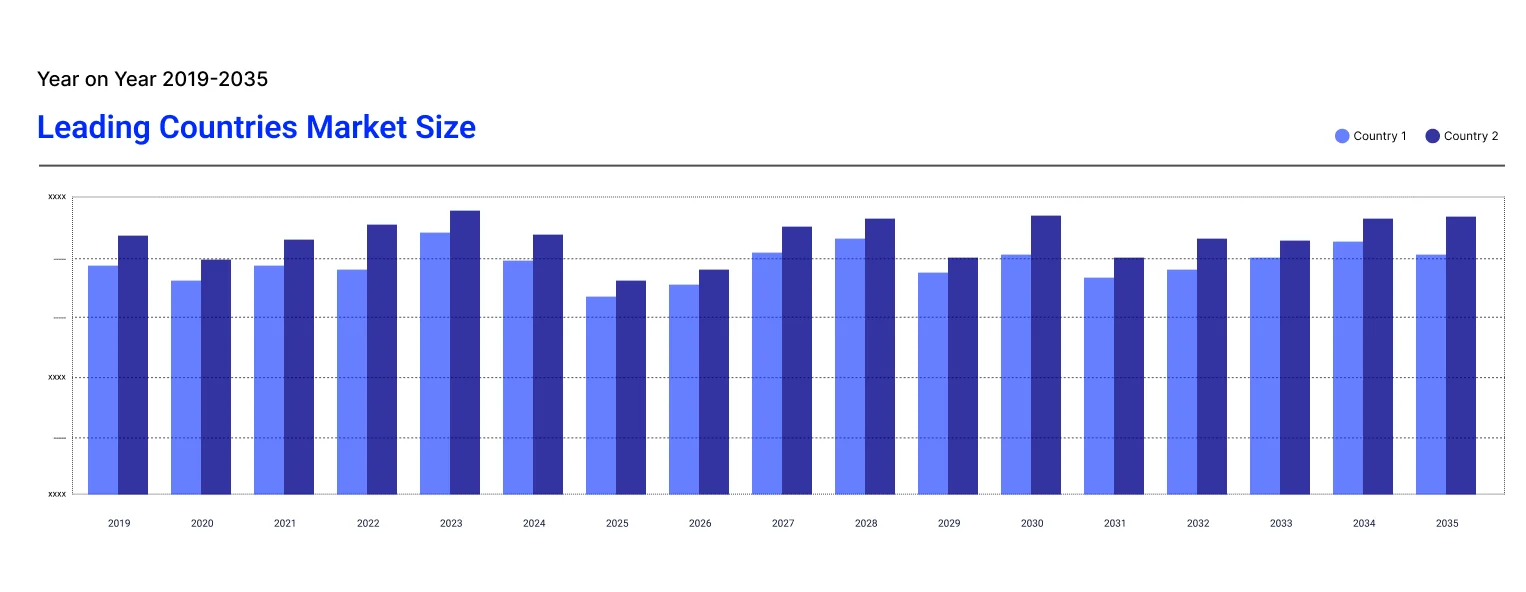
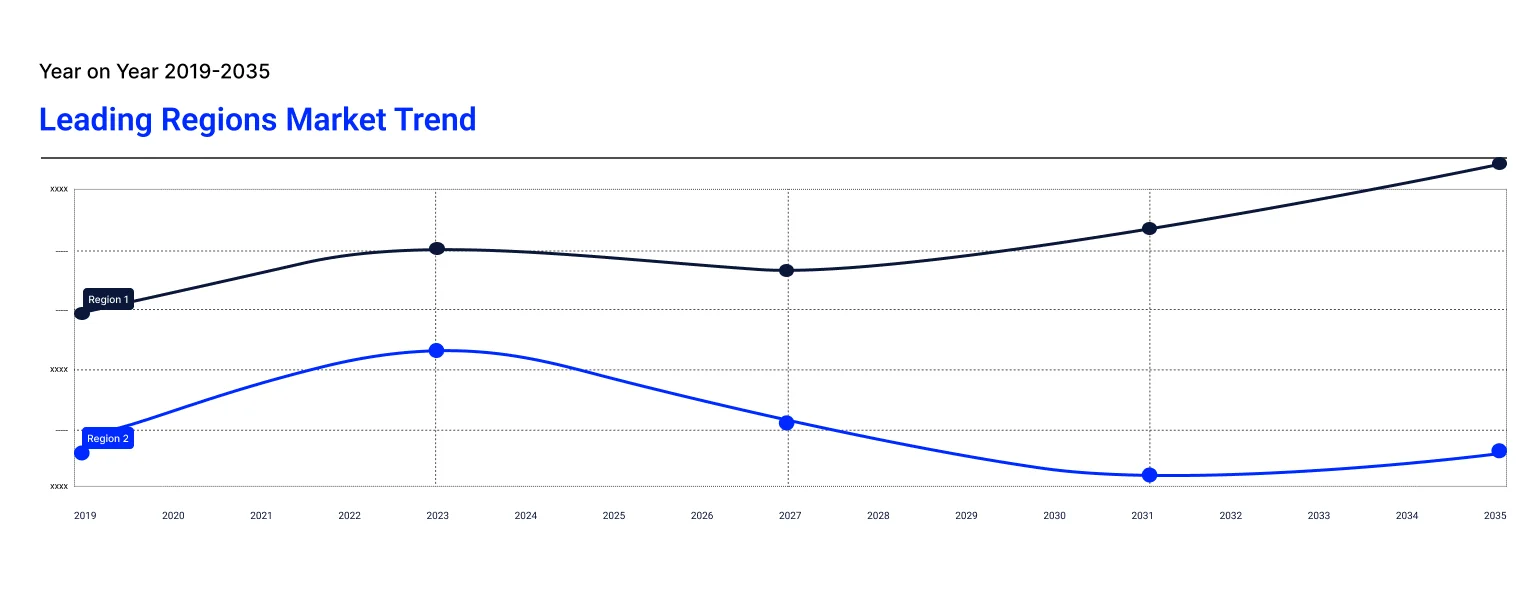
North America is viewed as the major market in terms of its size since consumers have significant knowledge about personal security technologies as well as a wide adoption of connected wearables. Universities, corporate organizations, and healthcare facilities in the United States and Canada are investing heavily in emergency communications as well as lone worker monitoring systems. In addition, the region enjoys a higher level of smartphone penetration and the fast adoption of digital safety subscriptions. For example, Bestie Defense launched a 3-in-1 personal safety device combining alarm, flashlight, and emergency protection in April 2025.
Asia Pacific emerges to be the fastest growing regional market owing to the growing urban population, women employment rates, and smartphone ownership. Governments in India, China, Japan, and Southeast Asia are making efforts to increase public safety through initiatives that promote emergency response solutions among women and elderly consumers. Local developers in Asia Pacific are introducing wearable alarms and emergency communications apps suitable for budget-conscious consumers. E-commerce growth in the region also increases product availability, boosting the overall personal safety alarms market revenue.
The market is evolving to be more innovation-oriented with the development of advanced safety ecosystem connectivity, wearability features, and monitoring service subscriptions. Innovations such as AI-based emergency detection systems, silent distress alerts, GPS technology, and cloud-based monitoring are being leveraged by personal safety alarms market players to provide differentiation over conventional siren alarms. Several industry players are offering workforce safety solutions to enterprises in the university sector, healthcare sector, hospitality segment, and logistics industry. Smaller devices embedded within jewelry products, wearable technology, and keychains are some examples of innovations aimed at targeting younger customers and women.
Leading personal safety alarm companies are making strategic partnerships with telecommunication companies, emergency response solutions, and online retailers to enhance service availability and generate recurring revenue. The OEM suppliers from Asia continue increasing white-label manufacturing options, while the premium personal safety alarm brands target better designs, multi-language applications, and data-enabled emergency communications.
JNE Security Ltd. was founded in 1990 and has its headquarters located in the United Kingdom. The company provides services in the form of electronic security and emergency alarms to both business and individual customers. Its main areas of specialization include personal safety alarms through portable alarms, monitoring integration, and emergency communication systems. JNE Security Ltd. is increasingly focusing on compatibility between smart alarms and security system infrastructures.
Mace Security International Inc. was established in 1965 and has its headquarters in Cleveland, Ohio, United States. The company specializes in offering personal defense and security services through various types of products, such as portable alarms. It mainly targets urban populations, students, and travelers through emergency alarm systems that incorporate loud siren systems and portable units.
SABRE - Security Equipment Corp. was founded in 1960 and is based in the United States. The company operates in personal safety products, which include alarm devices, pepper sprays, and emergency products. SABRE caters extensively to women-specific safety products through the launch of small key-chain alarms, application-enabled devices, and portable emergency devices for travelers.
BASU was founded in 2015 and is based in the United States. BASU operates in lightweight safety alarm devices, which include personal security alarms for city dwellers, runners, cyclists, and students. The company has a strong presence in the personal safety alarms market through stylish products offered across accessories and sports equipment segments.
Other key players in the market include Doberman Security Products, Inc., among others.
*Please note that this is only a partial list; the complete list of key players is available in the full report. Additionally, the list of key players can be customized to better suit your needs.*
Unlock the latest insights with our personal safety alarms market trends 2026 report. Discover regional growth patterns, consumer preferences, and key industry players. Stay ahead of competition with trusted data and expert analysis. Download your free sample report today and drive informed decisions in the market.


Upto 15% Off
USD
$2499 $2249
$3999 $3599
$4999 $4249
$5999 $5099


*While we strive to always give you current and accurate information, the numbers depicted on the website are indicative and may differ from the actual numbers in the main report. At Expert Market Research, we aim to bring you the latest insights and trends in the market. Using our analyses and forecasts, stakeholders can understand the market dynamics, navigate challenges, and capitalize on opportunities to make data-driven strategic decisions.*
The global personal safety alarms market is projected to grow at a CAGR of 6.70% between 2026 and 2035.
The major drivers of the market include the rising need for child safety alarms, increasing safety demand from older people, flourishing e-commerce industry, and rising popularity of specialty stores.
Factors such as rising rates of crimes and safety concerns among consumers are key trends driving the market further.
The major regions in the industry are North America, Europe, Asia Pacific, Latin America, the Middle East and Africa with North America accounting for the largest share in the market.
The types of personal safety alarms in the industry are mobile phone app, stand-alone devices, and vehicle based.
The distribution channels include offline and online segments.
The major players in the industry are BASU, Doberman Security Products Inc., JNE Security Ltd., Mace Security International Inc., and SABRE – Security Equipment Corp., among others.
In 2025, the market reached an approximate value of USD 106.80 Million.
Explore our key highlights of the report and gain a concise overview of key findings, trends, and actionable insights that will empower your strategic decisions.
| REPORT FEATURES | DETAILS |
| Base Year | 2025 |
| Historical Period | 2019-2025 |
| Forecast Period | 2026-2035 |
| Scope of the Report |
Historical and Forecast Trends, Industry Drivers and Constraints, Historical and Forecast Market Analysis by Segment:
|
| Breakup by Type |
|
| Breakup by Distribution Channel |
|
| Breakup by Region |
|
| Market Dynamics |
|
| Competitive Landscape |
|
| Companies Covered |
|
| Report Price and Purchase Option | Explore our purchase options that are best suited to your resources and industry needs. |
| Delivery Format | Delivered as an attached PDF and Excel through email, with an option of receiving an editable PPT, according to the purchase option. |
Datasheet
One User
USD 2,499
USD 2,249
tax inclusive*
Single User License
One User
USD 3,999
USD 3,599
tax inclusive*
Five User License
Five User
USD 4,999
USD 4,249
tax inclusive*
Corporate License
Unlimited Users
USD 5,999
USD 5,099
tax inclusive*
*Please note that the prices mentioned below are starting prices for each bundle type. Kindly contact our team for further details.*
Flash Bundle
Small Business Bundle
Growth Bundle
Enterprise Bundle
*Please note that the prices mentioned below are starting prices for each bundle type. Kindly contact our team for further details.*
Flash Bundle
Number of Reports: 3
20%
tax inclusive*
Small Business Bundle
Number of Reports: 5
25%
tax inclusive*
Growth Bundle
Number of Reports: 8
30%
tax inclusive*
Enterprise Bundle
Number of Reports: 10
35%
tax inclusive*
How To Order

Select License Type
Choose the right license for your needs and access rights.

Click on ‘Buy Now’
Add the report to your cart with one click and proceed to register.

Select Mode of Payment
Choose a payment option for a secure checkout. You will be redirected accordingly.
Strategic Solutions for Informed Decision-Making
Gain insights to stay ahead and seize opportunities.

Get insights & trends for a competitive edge.

Track prices with detailed trend reports.

Analyse trade data for supply chain insights.

Leverage cost reports for smart savings

Enhance supply chain with partnerships.

Connect For More Information
Our expert team of analysts will offer full support and resolve any queries regarding the report, before and after the purchase.
Our expert team of analysts will offer full support and resolve any queries regarding the report, before and after the purchase.
We employ meticulous research methods, blending advanced analytics and expert insights to deliver accurate, actionable industry intelligence, staying ahead of competitors.
Our skilled analysts offer unparalleled competitive advantage with detailed insights on current and emerging markets, ensuring your strategic edge.
We offer an in-depth yet simplified presentation of industry insights and analysis to meet your specific requirements effectively.




