

Consumer Insights
Uncover trends and behaviors shaping consumer choices today
Procurement Insights
Optimize your sourcing strategy with key market data
Industry Stats
Stay ahead with the latest trends and market analysis.
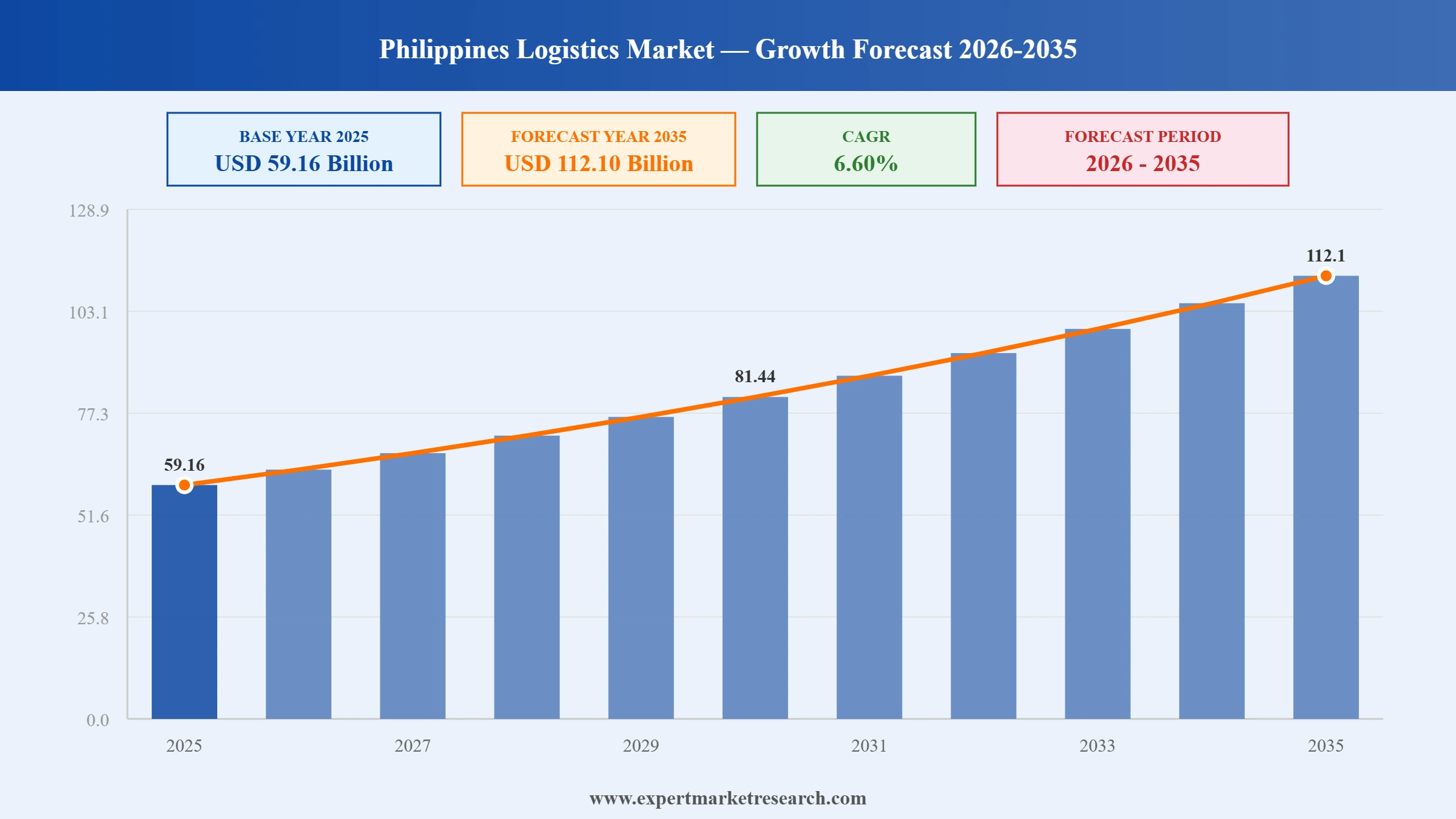
The Philippines Logistics Market reached a value of USD 59.16 Billion in 2025 and is set to grow at a CAGR of around 6.60% through 2026-2035. Rising e-commerce, growing foreign investment, improving transportation infrastructure, and digitalisation of supply chains are reinforcing growth momentum. The market is on track to reach USD 112.10 Billion by 2035. As an archipelago of more than 7,000 islands, the Philippines relies on logistics to connect domestic and global trade, with government infrastructure programmes and technology adoption fuelling the market.
Read more about this report - REQUEST FREE SAMPLE COPY IN PDF
The Philippines logistics market is being shaped by e-commerce, infrastructure investment, and digitalisation. Leading players are expanding gateways and hubs, opening automated facilities, and adjusting operations, reinforcing the country's role as a regional logistics node in Southeast Asia.
In May 2026, FedEx held the groundbreaking for the expansion of its Clark gateway facility in the Philippines, reinforcing the country's role as a key trans-shipment gateway within its Asia Pacific network. Construction begins in the second quarter of 2026, with sustainability features integrated into the design.
In March 2026, A.P. Moller-Maersk introduced new export and import fuel surcharges in the Philippines, reflecting rising global fuel costs and operating pressures. The adjustment underscores the impact of energy prices and cost dynamics on ocean and inland logistics in the archipelagic market.
In August 2025, DHL Express opened a USD 10.5 million Cebu Gateway in Mactan, a highly automated facility twice the size of its predecessor. With about 3,875 square metres and capacity of 825 inbound pieces per hour, it strengthens express logistics in the Visayas region.
In February 2025, UPS began construction of a new transport hub at New Clark City, expected to be operational by the end of 2026, as part of a USD 250 million Asia Pacific investment. The hub enhances air-cargo capacity and service reliability beyond Metro Manila.
E-commerce anchors the Philippines logistics market. Rising smartphone penetration, online marketplaces, and millions of active online users are driving demand for last-mile delivery, warehousing, and fulfilment, particularly among small and medium enterprises across Metro Manila and provincial hubs.
Infrastructure investment is reshaping the Philippines logistics market. Government flagship programmes spanning ports, airports, railways, and expressways, including the Luzon Economic Corridor and Clark developments, are improving connectivity, reducing costs, and unlocking underserved provincial logistics lanes nationwide.
Digitalisation is a key trend in the Philippines logistics market. Adoption of artificial intelligence, IoT, blockchain, robotics, and big data, alongside port digitalisation, is improving transparency, route optimisation, document authenticity, and operational efficiency across the logistics value chain.
Multimodal connectivity is critical in the Philippines logistics market. As an archipelago, the country relies on roadways as the domestic backbone, seaways and roll-on roll-off services for inter-island trade, growing air cargo, and emerging rail links to connect goods across regions.
Third-party logistics and warehousing are expanding in the Philippines logistics market. Growth in 3PL and integrated supply chain services, alongside investment in modern warehousing and temperature-controlled cold chain for pharmaceuticals and food, is supported by rising foreign participation and demand.
The report of Expert Market Research's titled “Philippines Logistics Market Report and Forecast 2026-2035” offers a detailed analysis of the market based on the following segments:
Market Breakup by Model Type
Key Insight: The 3 PL segment accounts for the largest share of the market and grows fastest, driven by outsourcing and e-commerce-led demand for integrated logistics. The 1 PL and 2 PL segments remain relevant for in-house and asset-based transport, while emerging 4 PL and integrated models broaden the market.
Market Breakup by Transportation Mode
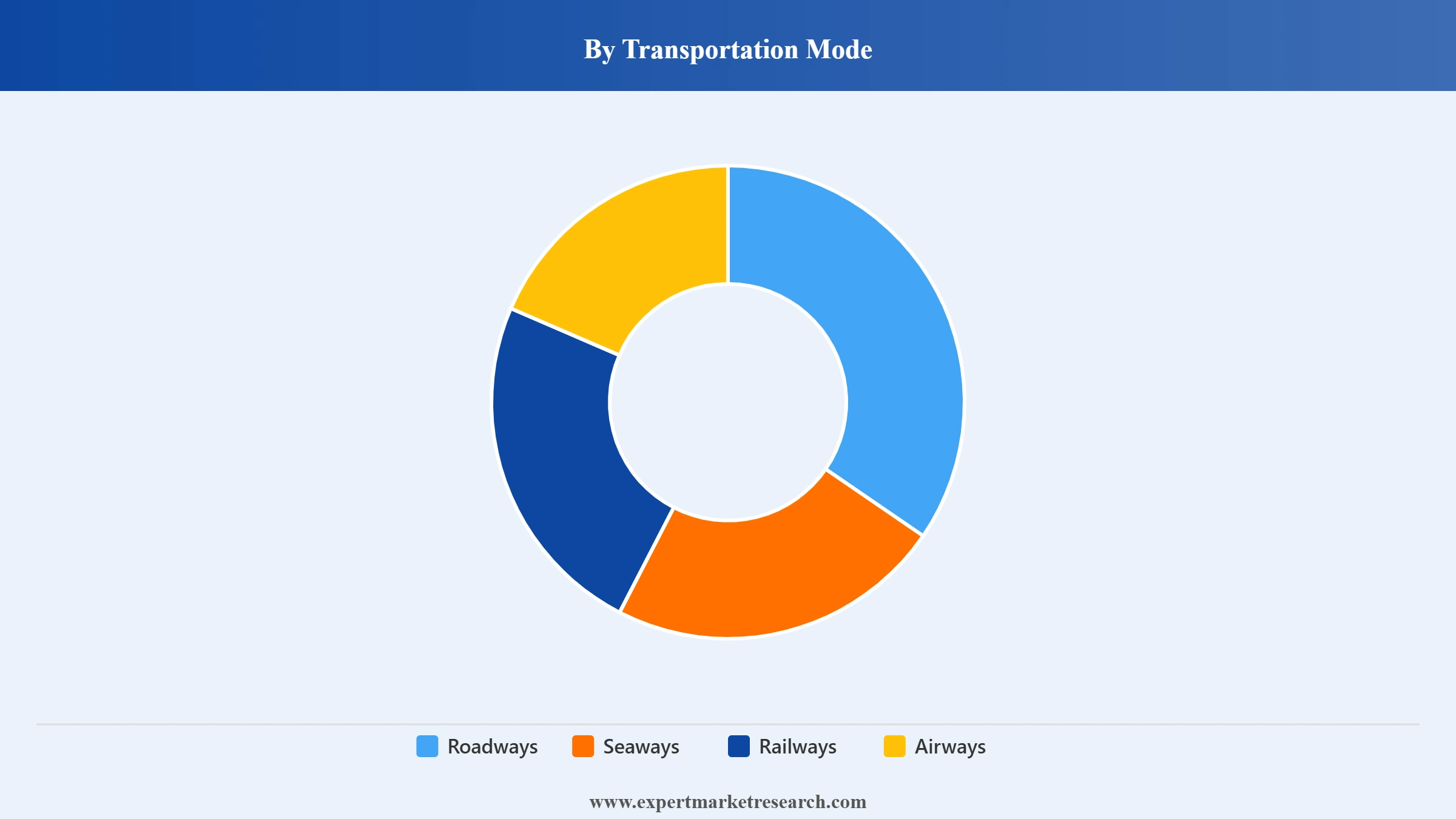
Key Insight: Roadways form the domestic backbone of the market, while seaways are critical for inter-island and bulk trade across the archipelago. Airways grow fast on high-value electronics and pharmaceutical cargo, and railways, though small, are set to expand with new rail infrastructure projects.
Market Breakup by End User
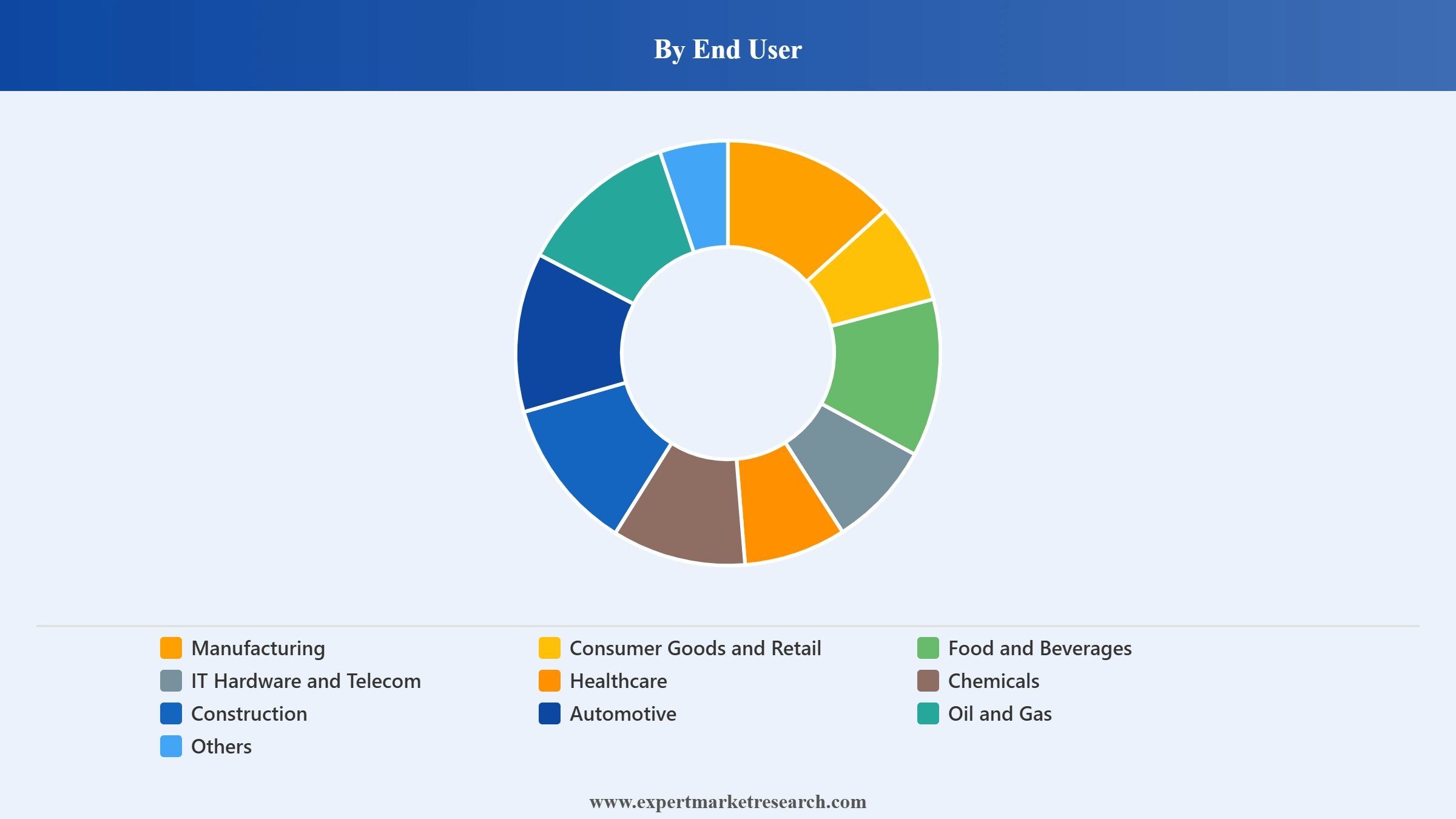
Key Insight: Consumer goods and retail and manufacturing account for the largest shares of the market, driven by e-commerce and electronics exports. Food and beverages and healthcare grow on cold chain demand, while chemicals, construction, automotive, and oil and gas provide steady, logistics-intensive demand.
Read more about this report - REQUEST FREE SAMPLE COPY IN PDF
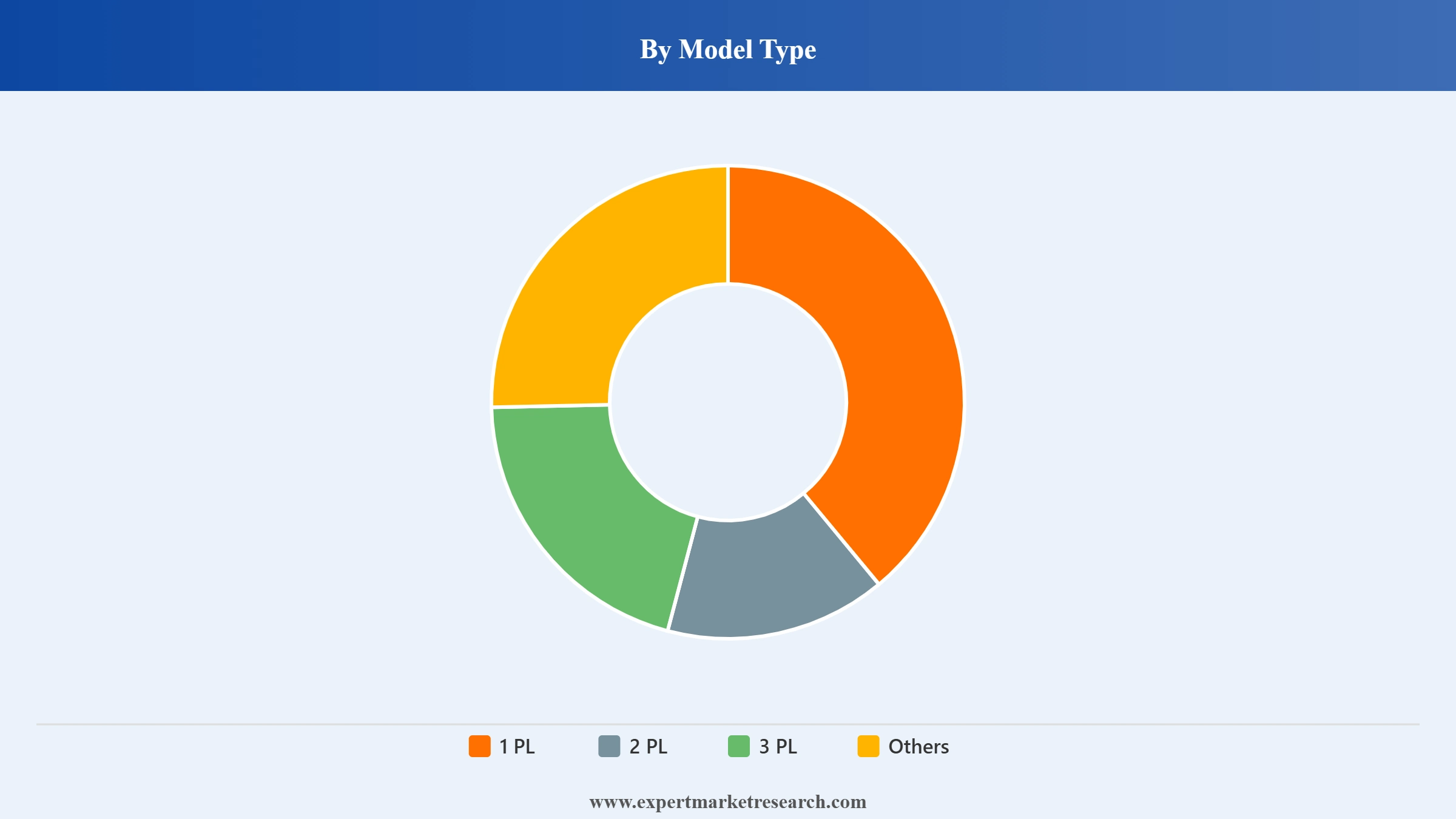
By Model Type, 3 PL leads and grows fastest
The 3 PL segment leads the market, as businesses outsource transportation, warehousing, and distribution to integrated providers to manage cost, scale, and complexity. Rapid e-commerce growth and the need for end-to-end supply chain solutions reinforce 3 PL as the core of the Philippines logistics market.
Read more about this report - REQUEST FREE SAMPLE COPY IN PDF
The 1 PL and 2 PL segments remain relevant, with shippers retaining in-house logistics or using asset-based carriers for transport and warehousing. Emerging 4 PL and lead-logistics models grow as providers offer orchestration, technology, and visibility across increasingly complex domestic and cross-border supply chains.
By Transportation Mode, Roadways and Seaways dominate
Roadways dominate the market as the backbone of domestic freight, moving goods across urban and provincial lanes, while seaways are indispensable for inter-island and bulk cargo across the archipelago. Together they carry the bulk of tonnage, supported by ports, roll-on roll-off services, and highway investment.
Read more about this report - REQUEST FREE SAMPLE COPY IN PDF
Airways grow fastest, propelled by high-value electronics, pharmaceuticals, and time-sensitive shipments, with expanding gateways at Clark and other hubs. Railways account for a small share today but are set to grow as new rail corridors add a land-based alternative to road and coastal routes across the country.
By End User, Consumer Goods and Retail and Manufacturing lead
Consumer goods and retail and manufacturing lead the market, driven by e-commerce, rising domestic consumption, and electronics and export-oriented production. These sectors generate sustained demand for transportation, warehousing, and distribution across the country's expanding supply chains.
Read more about this report - REQUEST FREE SAMPLE COPY IN PDF
Food and beverages and healthcare grow on cold chain and temperature-controlled logistics for perishables, vaccines, and biologics, while chemicals, construction, automotive, and oil and gas provide steady, logistics-intensive demand, broadening the end-user base of the Philippines logistics market.
The Philippines is an emerging logistics hub within Asia Pacific
Within the Asia Pacific logistics market, the Philippines is an emerging hub, anchored by its strategic location in Southeast Asia, a large and digitally active population, and rapid e-commerce growth. Its archipelagic geography makes multimodal logistics essential, while government infrastructure programmes and the Luzon Economic Corridor concentrate investment and strengthen connectivity, with Metro Manila and Clark as key gateways.
Across Asia Pacific, China is the largest logistics market, with Japan, India, and Australia representing significant and mature markets, while ASEAN economies, including the Philippines, are among the fastest-growing on rising trade, consumption, and digital adoption. Deepening regional integration and foreign participation position the Philippines to capture a growing share of Asia Pacific logistics demand.
The Philippines logistics market is competitive and moderately fragmented, combining global integrators and freight forwarders with strong domestic providers. Leading players include FedEx, United Parcel Service, Deutsche Post (DHL), and Airspeed International, alongside Omni Logistics, Schenker, C.H. Robinson, DSV, CMA CGM (CEVA Logistics), Kuehne + Nagel, Nippon Express, Expeditors, and A.P. Moller-Maersk.
Competition centres on network reach, technology, and service reliability. Leading players invest in gateways and hubs, automated and temperature-controlled facilities, digital platforms, and multimodal capabilities, while e-commerce, infrastructure investment, and foreign participation reshape strategy across the Philippines logistics market.
Headquartered in Memphis, United States, FedEx is one of the world's largest express transportation companies, offering air and ground delivery, freight, and supply chain services. In the Philippines, it operates a key trans-shipment gateway at Clark, which it is expanding to strengthen Asia Pacific connectivity.
Headquartered in Atlanta, United States, UPS is a leading global package delivery and supply chain company, offering air and ground logistics, freight forwarding, and contract logistics. In the Philippines, UPS is investing in a new transport hub at New Clark City as part of its broader Asia Pacific expansion.
Headquartered in Bonn, Germany, Deutsche Post DHL is the world's largest logistics company, spanning DHL Express, Global Forwarding, and Supply Chain. In the Philippines, DHL operates express gateways, including a highly automated Cebu facility, supporting fast, reliable international and domestic logistics.
Headquartered in the Philippines, Airspeed International is a leading domestic logistics provider offering international and domestic freight forwarding, express courier, customs brokerage, and warehousing. Its strong local network and integrated services support trade and distribution across the country's archipelagic geography.
Other key players in the market include Omni Logistics, LLC, Schenker AG, C.H. Robinson Worldwide Inc., DSV A/S, CMA CGM Group (CEVA Logistics SA), Kuehne + Nagel International AG, Nippon Express Co., Ltd., Expeditors International of Washington, Inc., A.P. Moller-Maersk A/S, and others.
*Please note that this is only a partial list; the complete list of key players is available in the full report. Additionally, the list of key players can be customized to better suit your needs.*
The Philippines logistics market faces significant operational challenges rooted in the country's unique archipelagic geography, chronic infrastructure deficits, and severe traffic congestion in major urban centres. Comprising over 7,600 islands, the Philippines presents fundamental inter-island connectivity challenges that drive high freight costs and extended delivery timelines compared to geographically contiguous markets of equivalent economic scale. Metro Manila consistently ranks among Asia's most congested urban environments, with the Japan International Cooperation Agency estimating that traffic congestion costs the Philippine economy approximately PHP 3.5 billion per day in lost productivity directly inflating last-mile delivery costs and reducing delivery reliability for urban logistics operators. Typhoon exposure and seasonal flooding further disrupt logistics infrastructure, adding operational risk that elevates insurance and contingency planning costs across the supply chain.
Structural restraints moderate the pace of logistics market formalisation and efficiency improvement. Limited cold chain infrastructure outside major urban centres constrains the commercial viability of temperature-sensitive food and pharmaceutical distribution to secondary cities and provincial markets, suppressing growth in high-value logistics segments. The logistics sector's heavy dependence on road transport combined with underinvestment in rail freight infrastructure creates persistent capacity bottlenecks on key commercial corridors. Foreign ownership restrictions in certain logistics and transportation sub-sectors under the Philippine Constitution have historically limited the entry of global third-party logistics operators seeking full operational control.
Despite these challenges, the Philippines logistics market presents compelling growth opportunities supported by government infrastructure investment and e-commerce expansion. The Marcos administration's flagship infrastructure development agenda including the Metro Manila Subway, EDSA Busway expansion, and regional port modernisation is progressively addressing the connectivity gaps that have historically elevated logistics costs. The rapid growth of Philippine e-commerce, accelerated by high smartphone penetration and a young digitally engaged population, is creating sustained demand for last-mile delivery networks across Luzon, Visayas, and Mindanao. The Philippines' position as a preferred nearshoring destination for business process outsourcing and light manufacturing is also generating growing demand for commercial freight and specialised logistics services.
Our full report for 2026-2035 provides the demand analysis, model type, transportation mode, and end-user segmentation, and competitive benchmarking to navigate the Philippines logistics market with confidence. Reach out to our team to access the complete report or request a customised version.


Upto 15% Off
USD
$2499 $2249
$3999 $3599
$4999 $4249
$5999 $5099


*While we strive to always give you current and accurate information, the numbers depicted on the website are indicative and may differ from the actual numbers in the main report. At Expert Market Research, we aim to bring you the latest insights and trends in the market. Using our analyses and forecasts, stakeholders can understand the market dynamics, navigate challenges, and capitalize on opportunities to make data-driven strategic decisions.*
The market is estimated to be valued at USD 59.16 Billion in 2025.
The market is projected to grow at a CAGR of 6.60% between 2026 and 2035.
The logistics market is expected to reach USD 112.10 Billion in 2035.
The market is categorised according to its model type, which includes 1 PL, 2 PL, 3 PL, and others.
The key market players are FedEx Corporation, PostNL N.V., United Parcel Service, Inc., TNT Holdings B.V., C.H. Robinson Worldwide Inc., Deutsche Post AG, Schenker AG, DSV A/S, CMA CGM Group (CEVA Logistics SA), Kuehne + Nagel International AG, Nippon Express Co., Ltd., Expeditors International of Washington, Inc., A.P. Møller – Mærsk A/S, and others.
The market is driven by factors that include digitalisation, economic growth, and strategic infrastructure initiatives, among others.
The market is categorised according to its transportation mode, which includes roadways, seaways, railways, and airways.
The average salary for logistics managers across Europe, encompassing 13 EU member states plus the UK, stands at USD 67.5 thousand. Notably, Switzerland has the highest average salary for logistics managers, exceeding USD 120 thousand annually.
Explore our key highlights of the report and gain a concise overview of key findings, trends, and actionable insights that will empower your strategic decisions.
| REPORT FEATURES | DETAILS |
| Base Year | 2025 |
| Historical Period | 2019-2025 |
| Forecast Period | 2026-2035 |
| Scope of the Report |
Historical and Forecast Trends, Industry Drivers and Constraints, Historical and Forecast Market Analysis by Segment:
|
| Breakup by Model Type |
|
| Breakup by Transportation Mode |
|
| Breakup by End User |
|
| Market Dynamics |
|
| Competitive Landscape |
|
| Companies Covered |
|
Datasheet
One User
USD 2,499
USD 2,249
tax inclusive*
Single User License
One User
USD 3,999
USD 3,599
tax inclusive*
Five User License
Five User
USD 4,999
USD 4,249
tax inclusive*
Corporate License
Unlimited Users
USD 5,999
USD 5,099
tax inclusive*
*Please note that the prices mentioned below are starting prices for each bundle type. Kindly contact our team for further details.*
Flash Bundle
Small Business Bundle
Growth Bundle
Enterprise Bundle
*Please note that the prices mentioned below are starting prices for each bundle type. Kindly contact our team for further details.*
Flash Bundle
Number of Reports: 3
20%
tax inclusive*
Small Business Bundle
Number of Reports: 5
25%
tax inclusive*
Growth Bundle
Number of Reports: 8
30%
tax inclusive*
Enterprise Bundle
Number of Reports: 10
35%
tax inclusive*
How To Order

Select License Type
Choose the right license for your needs and access rights.

Click on ‘Buy Now’
Add the report to your cart with one click and proceed to register.

Select Mode of Payment
Choose a payment option for a secure checkout. You will be redirected accordingly.
Strategic Solutions for Informed Decision-Making
Gain insights to stay ahead and seize opportunities.

Get insights & trends for a competitive edge.

Track prices with detailed trend reports.

Analyse trade data for supply chain insights.

Leverage cost reports for smart savings

Enhance supply chain with partnerships.

Connect For More Information
Our expert team of analysts will offer full support and resolve any queries regarding the report, before and after the purchase.
Our expert team of analysts will offer full support and resolve any queries regarding the report, before and after the purchase.
We employ meticulous research methods, blending advanced analytics and expert insights to deliver accurate, actionable industry intelligence, staying ahead of competitors.
Our skilled analysts offer unparalleled competitive advantage with detailed insights on current and emerging markets, ensuring your strategic edge.
We offer an in-depth yet simplified presentation of industry insights and analysis to meet your specific requirements effectively.




