

Consumer Insights
Uncover trends and behaviors shaping consumer choices today
Procurement Insights
Optimize your sourcing strategy with key market data
Industry Stats
Stay ahead with the latest trends and market analysis.
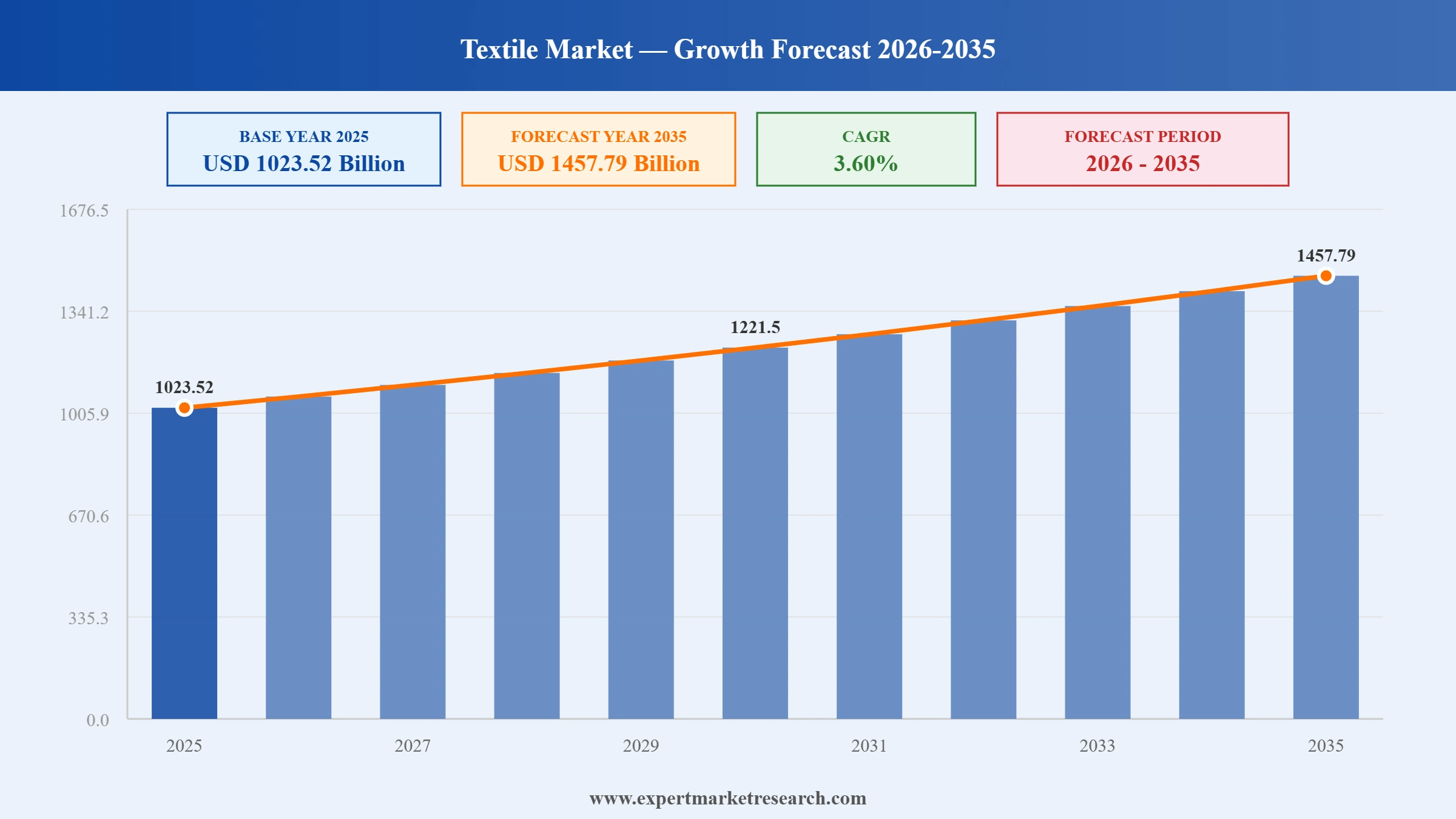
The global textile market attained a value of USD 1023.52 Billion in 2025 and is projected to expand at a CAGR of 3.60% through 2035. The market is further expected to achieve USD 1457.79 Billion by 2035. Rapidly increasing applications of technical textiles in various segments such as healthcare, automobiles, construction, and industries are enabling producers to derive additional income streams while simultaneously motivating producers to invest in innovative fibers and efficient production processes.
Governments around the world, including countries in Asia, Europe, and North America, are promoting sustainable production of textiles using the principles of a circular economy, recycling, and investment in innovative methods of fiber extraction and reduced emissions in production. Secondly, the textile market observes an increasing trend toward performance-based textiles owing to high demand for these products in the automotive sector, medicine, and protective equipment.
One significant trend emerging in the global textile market is the opening of a new industrial textile recycling plant by Circ, Inc. in France, announced in May 2025, which will recycle polyester and cotton from mixed textile waste. This initiative highlights how prominent players in the industry are going past pilot tests to create recycling facilities. Data from the European Environment Agency indicate that textile consumption is one of the major sources of environmental impact stemming from household consumption across Europe.
The growth of the global textile market is further being driven by investments in state-of-the-art technology, smart manufacturing processes, and advanced sustainable materials. Leading firms are extending their product lines with natural and sustainable raw materials, eco-friendly dyeing methods, and cutting-edge technologies for producing high-performance technical textiles for applications in areas like healthcare, automotive, construction, and industrial filtration. For example, in February 2026, Mafatlal Industries launched Mafatlal MedFits, a D2C medical apparel platform, expanding healthcare textiles reach through digital channels. Additionally, AI and robotics technology are being incorporated in textile production plants for improving quality, minimizing waste, and managing energy consumption.
Read more about this report - REQUEST FREE SAMPLE COPY IN PDF
| Global Textile Market Report Summary | Description | Value |
| Base Year | USD Billion | 2025 |
| Historical Period | USD Billion | 2019-2025 |
| Forecast Period | USD Billion | 2026-2035 |
| Market Size 2025 | USD Billion | 1023.52 |
| Market Size 2035 | USD Billion | 1457.79 |
| CAGR 2019-2025 | Percentage | XX% |
| CAGR 2026-2035 | Percentage | 3.60% |
| CAGR 2026-2035 - Market by Region | Asia Pacific | 3.7% |
| CAGR 2026-2035 - Market by Country | India | 4.0% |
| CAGR 2026-2035 - Market by Country | Brazil | 3.7% |
| CAGR 2026-2035 - Market by Raw Material | Chemical | 3.7% |
| CAGR 2026-2035 - Market by End Use | Household | 3.7% |
| Market Share by Country 2025 | China | 14.0% |
Apparel Demand and Emerging Market Consumption Growth
Rising disposable incomes across emerging economies in Asia, Africa, and Latin America are the most powerful volume-growth driver for the global textile market. As per-capita income rises in countries including India, Vietnam, Indonesia, the Philippines, and Sub-Saharan African nations, spending on clothing, home textiles, and personal goods increases proportionally. This consumption growth is occurring in markets with large and young populations, creating a decades-long secular demand tailwind that supports baseline growth even in the absence of significant innovation or premiumization.
The global middle class expansion, concentrated primarily in Asia, is the most important demographic driver. An estimated 1.2 billion people are projected to join the global middle class by 2030, the majority of them in Asia. This cohort's first significant increase in textile consumption typically moves up the quality ladder rapidly, benefiting both fast fashion and premium branded apparel markets and creating durable demand for the raw materials and finished goods that the textile supply chain produces.
Technical Textiles and Industrial Applications
Technical textiles represent the most dynamic and highest-value segment of the global textile market. Unlike conventional apparel fabrics, technical textiles are engineered to deliver specific functional performance: filtration efficiency, electrical conductivity, thermal insulation, ballistic protection, wound management properties, or structural reinforcement. These requirements demand precision manufacturing, advanced chemistry, and continuous innovation, creating significant barriers to entry and supporting premium pricing that the commodity apparel textile market cannot sustain.
Key application areas driving this growth include medical textiles, geotextiles for road construction and erosion control, protective textiles for industrial workers, automotive textiles for interior, filtration, and insulation applications, and agrotextiles for crop protection and greenhouse covering.
Healthcare textiles in particular are experiencing exceptional growth, driven by aging global populations, increased healthcare infrastructure investment, and the COVID-19 era's permanent elevation of hygiene and infection prevention standards. Single-use nonwoven medical textiles, antimicrobial wound dressings, and compression therapy garments are among the highest-demand categories in this segment.
Sustainable Fibers and Circular Economy Adoption
The growing consumer, regulatory, and investor demand for sustainable textiles is reshaping the industry's material and process base. Polyester currently accounts for approximately 59% of global fiber output, and while its performance, durability, and cost advantages are well established, its dependence on virgin petrochemical feedstocks and its contribution to microplastic pollution are significant liabilities in a regulatory environment that is rapidly moving against single-use and non-recyclable materials.
Recycled polyester made from post-consumer PET plastic bottles (rPET) is the most widely adopted sustainable alternative, currently representing approximately 6.9% of fiber production. However, textile-to-textile chemical recycling, in which old garments are broken down and reformed into new fibers, accounts for less than 1% of production, a significant gap that represents both the industry's sustainability challenge and its largest circular economy opportunity. Innovations in enzymatic hydrolysis, chemical depolymerization, and mechanical recycling are moving rapidly toward commercial scale, promising to close this gap within the forecast period.
Bio-based and next-generation fibers are emerging as credible alternatives to conventional synthetic materials. Lyocell is a cellulose fiber derived from sustainably managed wood pulp that is fully biodegradable and produced in a closed-loop solvent process. Mycelium-based leather alternatives, derived from fungal root networks grown on agricultural waste, are reaching commercial production with the mycelium leather market. These materials offer the same durability as conventional alternatives without the fossil fuel dependency or pollution profile of synthetic production.
Smart Textiles and Wearable Technology Integration
Smart textile fabrics with integrated electronic sensors, conductive yarns, and responsive properties are creating an entirely new product category at the intersection of the textile and technology industries. Healthcare smart textiles that monitor vital signs, body temperature, and muscle activity through garment-embedded sensors are transitioning from prototype to commercial product, driven by the convergence of miniaturized electronics, flexible circuitry, and consumer adoption of health monitoring devices. Performance sportswear incorporating biometric sensors, GPS tracking, and real-time performance feedback is a rapidly scaling application.
In 2026, the smart textiles category is experiencing a significant expansion into bio-synthetic materials derived from algae and food waste that offer the structural properties of conventional synthetics without the microplastic footprint. Temperature-regulating fabrics using phase-change materials, UV-responsive coatings that activate sun protection above certain light intensity thresholds, and antibacterial finishes derived from natural silver nanoparticles are examples of functional innovation that commands premium pricing and protects margins in an otherwise commoditized market segment.
E-Commerce and Fast Fashion Supply Chain Dynamics
The growth of e-commerce as the primary channel for apparel retail has accelerated the velocity of the fashion cycle and increased the volume of textile production required to serve consumer demand for continuous new styles. The rise of ultra-fast fashion platforms, which can move from trend identification to commercial product in as few as seven to fourteen days, has placed exceptional demands on textile suppliers for speed, flexibility, and low minimum order quantities. While this model has expanded textile production volumes, it has also intensified concerns about overproduction, textile waste, and the environmental impact of rapid product obsolescence.
The relationship between e-commerce growth and textile demand is expected to remain positive through the forecast period, as online retail continues to penetrate clothing markets in Asia Pacific and Africa where e-commerce infrastructure is developing rapidly.
NZ Tex Group joined the Spinnova ecosystem to support commercial-scale production of sustainable, wood-based textile fibers. The partnership demonstrates the viability of circular textile manufacturing and may encourage other companies in the textile market to invest in scalable, low-impact fiber innovations to meet growing sustainability demands and regulatory expectations.
Increased OCTAIR insulation fiber production capacity was planned at the Matsuyama plant. This strategy was designed to cater to growing demand for the product in apparel and industrial textile sectors. Corporations would have opportunities to produce advanced textiles for automotive, outdoor apparel, and workwear using increased insulation fiber capacity.
Filatex India disclosed its intentions to develop a plant for recycling textiles that would be operational by September 2026. Textile companies may choose to invest in recycling technologies and recycled fiber products in response to increasing sustainability demands from global buyers.
A textile sorting plant opened in Europe by PICVISA and Girbau featured automation technologies for textile sorting and identification. Such innovations in textile waste management technologies enhance textile waste recovery efficiency and streamline recycling processes, helping companies comply with increasingly stringent regulations promoting textile circularity. Companies may choose to implement such technologies for waste sorting and management, boosting the textile market value.
Fiber recycling is becoming a common practice among textile companies as they invest in recycling plants to lower their dependency on new raw materials. Currently, the focus is on technologies that will allow separating blended fibers, which is one of the hardest tasks for the industry. For example, in March 2026, Worn Again Technologies launched its Accelerator facility in Switzerland to demonstrate commercial-scale polycotton recycling. There are government measures promoting the transition, such as Circular Economy Action Plan and Extended Producer Responsibility plans in the European Union, positively impacting the textile market growth dynamics.
Traceability of production processes in the global industry is becoming one of the key priorities for companies. It allows providing transparent information regarding the process from raw material sources to final products using different technologies, including blockchain platforms, RFID chips, and digital product passports. The recently passed Ecodesign for Sustainable Products Regulation makes this process faster since the document requires more comprehensive product descriptions and traceability from suppliers. The most prominent suppliers are introducing innovative systems to ensure compliance with the regulation and preserve access to the European textile market. For example, in February 2024, Aware launched a funding round to expand textile traceability solutions, strengthening sustainable supply-chain transparency globally.
The market witnesses massive demand among the automotive, defense, healthcare, and infrastructure industries with regard to the use of technical textiles. Manufacturers are working to increase their production of specialized fabrics that offer better performance in durability, fire resistance, filtration, and lightweight properties. For instance, in the automotive industry, there are more companies utilizing technical textiles to lighten their cars and make them fuel-efficient. Infrastructure and health care projects funded by the government are other factors that are driving the demand in the textile market. Aligning with this trend, in January 2026, Alok Industries unveiled sustainable, performance-driven home textiles at Heimtextil, featuring innovative product launches.
One of the most important areas of focus in the industry is that of water conservation because manufacturers are dealing with tougher regulatory guidelines as well as increased input costs. As a result, the use of new technology such as digital printing, no-water dyeing techniques, and chemical management systems are becoming popular ways of conserving water. Many textile companies are teaming up with technology providers to invest in low liquor ratio dyeing systems and water recycling plants. In September 2025, Deven Supercriticals launched world's first waterless textile dyeing plant with Arvind and H&M partnership, accelerating the overall growth in the textile market.
Textile firms around the world are becoming more diverse in their production arrangements as part of the efforts to make their supply chains resilient and minimize any possible geopolitics concerns. Manufacturers are increasingly diversifying their relationships in terms of sourcing, while setting up their own production facilities in proximity to major consumer markets. Examples of such developments include investment increases made by textile and apparel firms in places like Mexico, Türkiye, and several other nations from the Southeast Asia region, where manufacturers can benefit from reduced delivery timeframes and greater agility in supply chains. Aligning with this trend in the textile market, in June 2026, CANAINTEX launched ESG consulting services, helping textile firms improve sustainability, compliance, transparency, and competitiveness.
Environmental Regulation and Compliance Burden
The European Union has enacted the most comprehensive regulatory framework for textile sustainability in history, and compliance is transforming the cost structure and supply chain requirements for every company that sells textile products into the EU market. The EU's Ecodesign for Sustainable Products Regulation (ESPR), which entered into force in July 2024, sets minimum standards for the durability, repairability, and recyclability of textile products. These standards apply to any company selling into the EU regardless of where the product was manufactured, effectively imposing EU sustainability standards on global textile supply chains.
Extended Producer Responsibility schemes for textiles are required in all EU member states by September 2025, requiring clothing and footwear producers, including online sellers, to cover the costs of collecting, sorting, and recycling their products at end of life. From January 2025, EU law mandates separate collection of textile waste across all member states. From July 19, 2026, large companies are prohibited from destroying unsold consumer products, including textiles, forcing brands to develop alternative approaches to inventory management and excess stock disposal.
These regulations create significant compliance investment requirements and are changing procurement and product development strategies for brands and retailers operating in European markets. Companies with transparent, well-documented supply chains and genuine sustainability credentials are advantaged; those with opaque sourcing and high waste rates face material commercial risk.
Microplastic Pollution and Synthetic Fiber Scrutiny
The textile industry's contribution to microplastic pollution is receiving increasing regulatory and consumer attention. Synthetic fibers, primarily polyester, nylon, and acrylic, shed microplastic particles during washing that pass through wastewater treatment systems and enter waterways, oceans, and the food chain. A single laundry cycle can release approximately 700,000 microplastic fibers, and the cumulative effect of global textile washing deposits more than 500,000 tonnes of microplastics on the ocean floor annually. Emerging regulations in several jurisdictions are requiring washing machine manufacturers to install microplastic filters, and there is growing policy discussion around limiting microplastic shedding from textiles at the product design stage.
For the textile industry, the microplastic issue creates pressure to develop synthetic fibers with reduced shedding rates, to accelerate the development of bio-based alternatives, and to improve filtration at the manufacturing and household washing stage. These requirements add cost and complexity to production but also create competitive differentiation opportunities for innovators.
Supply Chain Concentration and Geopolitical Risk
The global textile supply chain is highly geographically concentrated. Asia Pacific accounts for approximately 49.9 to 54% of global textile production, with China alone responsible for over 32% of global textile exports. Bangladesh, Vietnam, India, and Indonesia account for substantial additional shares of global apparel manufacturing. This concentration creates significant exposure to geopolitical tensions, trade policy shifts, labor market disruptions, and natural disasters in producing countries.
US-China trade tensions and the ongoing tariff environment have been the most significant supply chain disruption driver, prompting brands to accelerate diversification of sourcing to Vietnam, Bangladesh, Cambodia, and India under the "China-plus-one" sourcing strategy. India's Production-Linked Incentive (PLI) scheme for textiles has driven a 9% increase in textile shipments, reinforcing the country's appeal as a destination for diversification, with competitive labor costs, improving infrastructure, and a growing domestic market.
Fast Fashion Overconsumption and Second-Hand Market Pressure
The social and environmental costs of fast-fashion overproduction are receiving unprecedented attention from mainstream media and regulators, and the rapid growth of the second-hand clothing market is creating a structural headwind for new garment production volumes in developed markets. Platforms that facilitate peer-to-peer resale of second-hand clothing are growing rapidly, particularly among younger consumer cohorts who increasingly view second-hand clothing as a financially and environmentally preferable alternative to new fast fashion.
The Expert Market Research's report titled “Global Textile Market Report and Forecast 2026-2035” offers a detailed analysis of the market based on the following segments:
Market Breakup by Raw Material
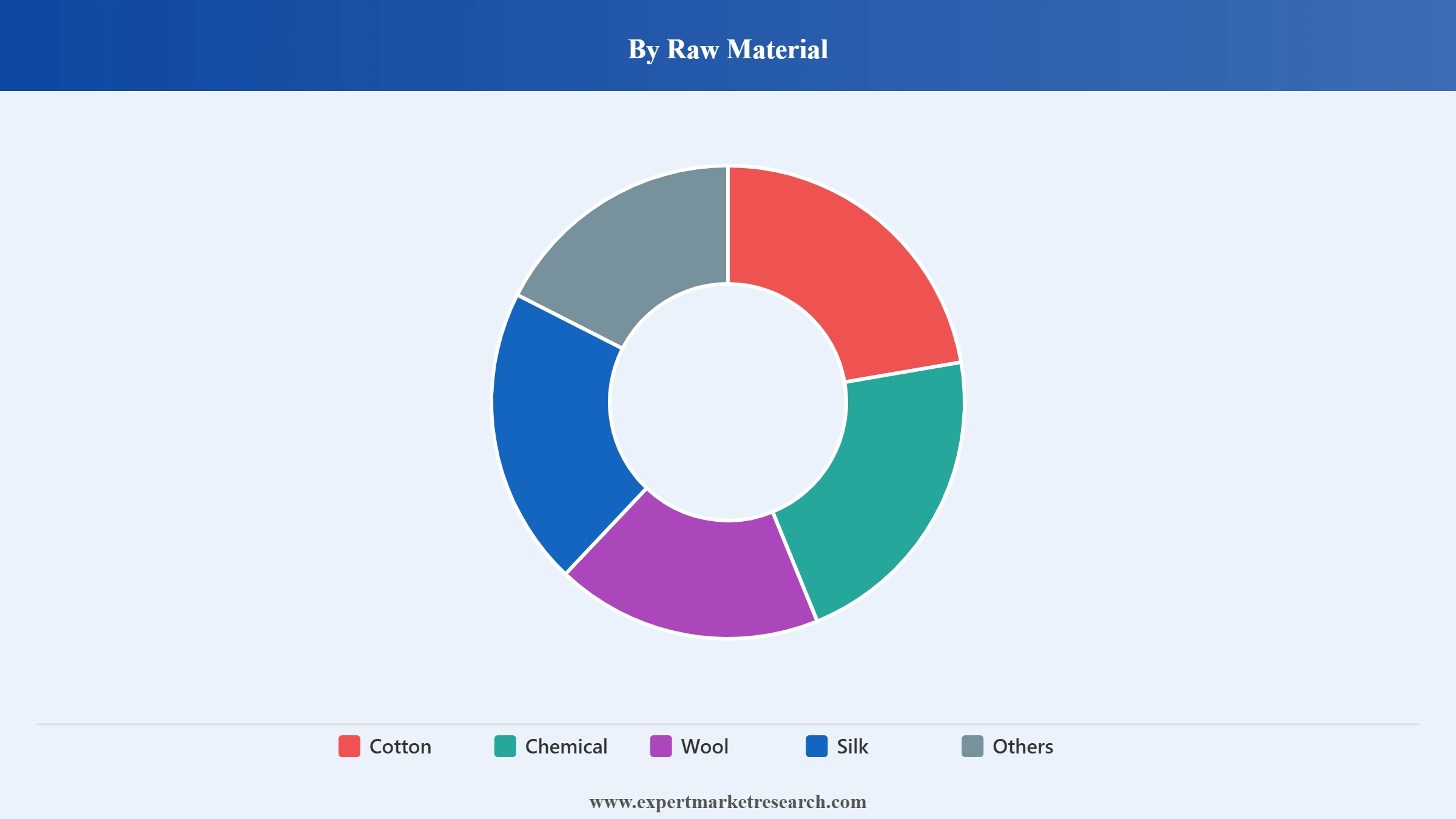
Key Insight: The characteristics of the raw material environment are influenced by differing levels of performance demands and user preference. Cotton dominates the textile market by a notable margin due to its comfort, flexibility, and acceptance by both apparel and home textiles industries. The chemical fibers industry is thriving due to its ability to meet technical requirements as well as mass production needs. Wool remains important owing to the luxury market demands for quality insulation fabrics as well as winter clothing. Silk continues to be attractive to luxury brands as an exclusive and comfortable material.
Market Breakup by Product
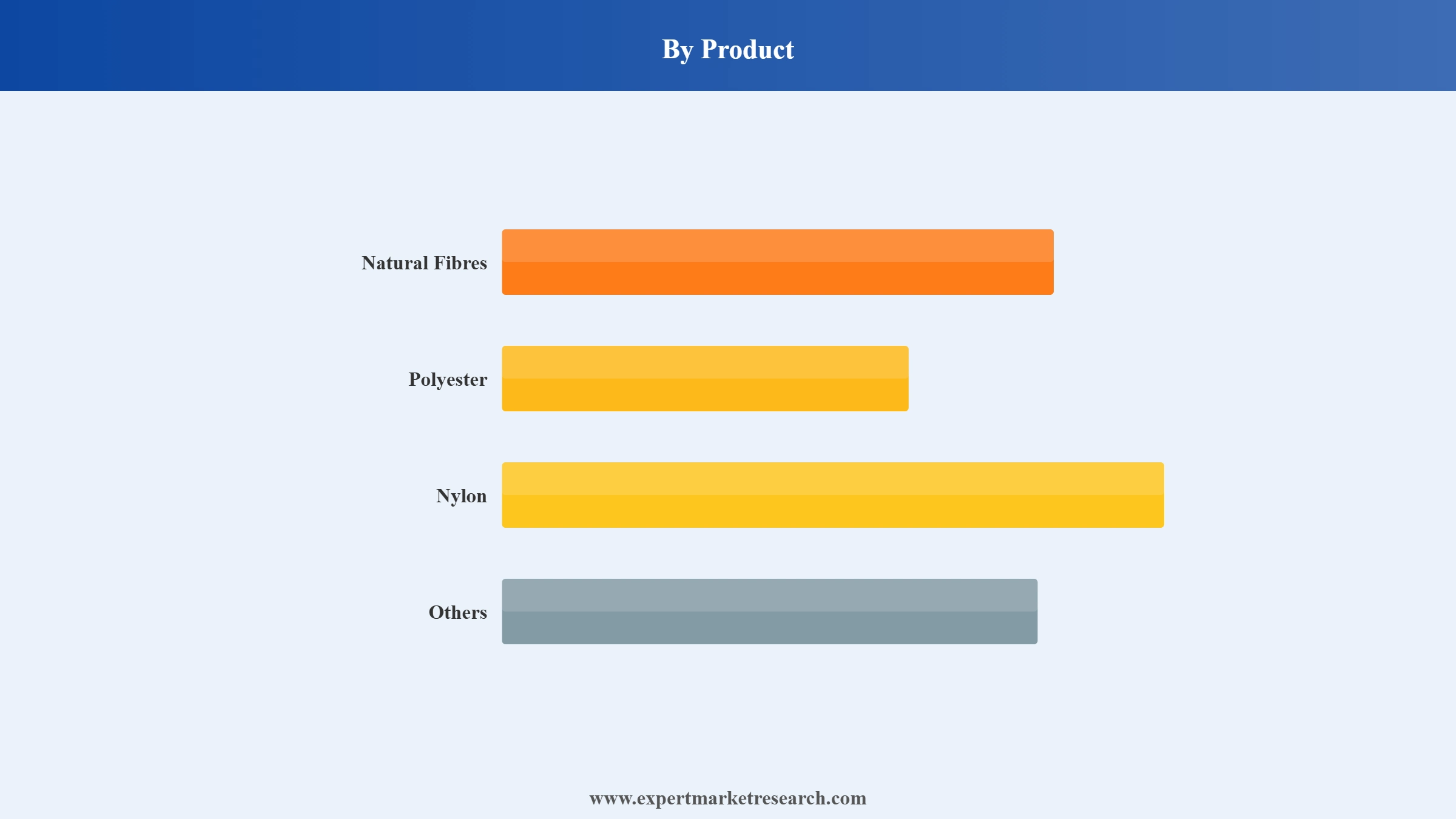
Key Insight: Polyester is positioned at the forefront of the textile market since it provides manufacturing flexibility, durability, and economy of scale. The use of natural fibers increases rapidly as companies seek more sustainable sources. The significance of nylon does not decrease; on the contrary, it continues playing an essential role in performance apparel and industrial textile due to its abrasiveness and high level of durability. Other types of fabrics provide support for specific applications.
Market Breakup by Application
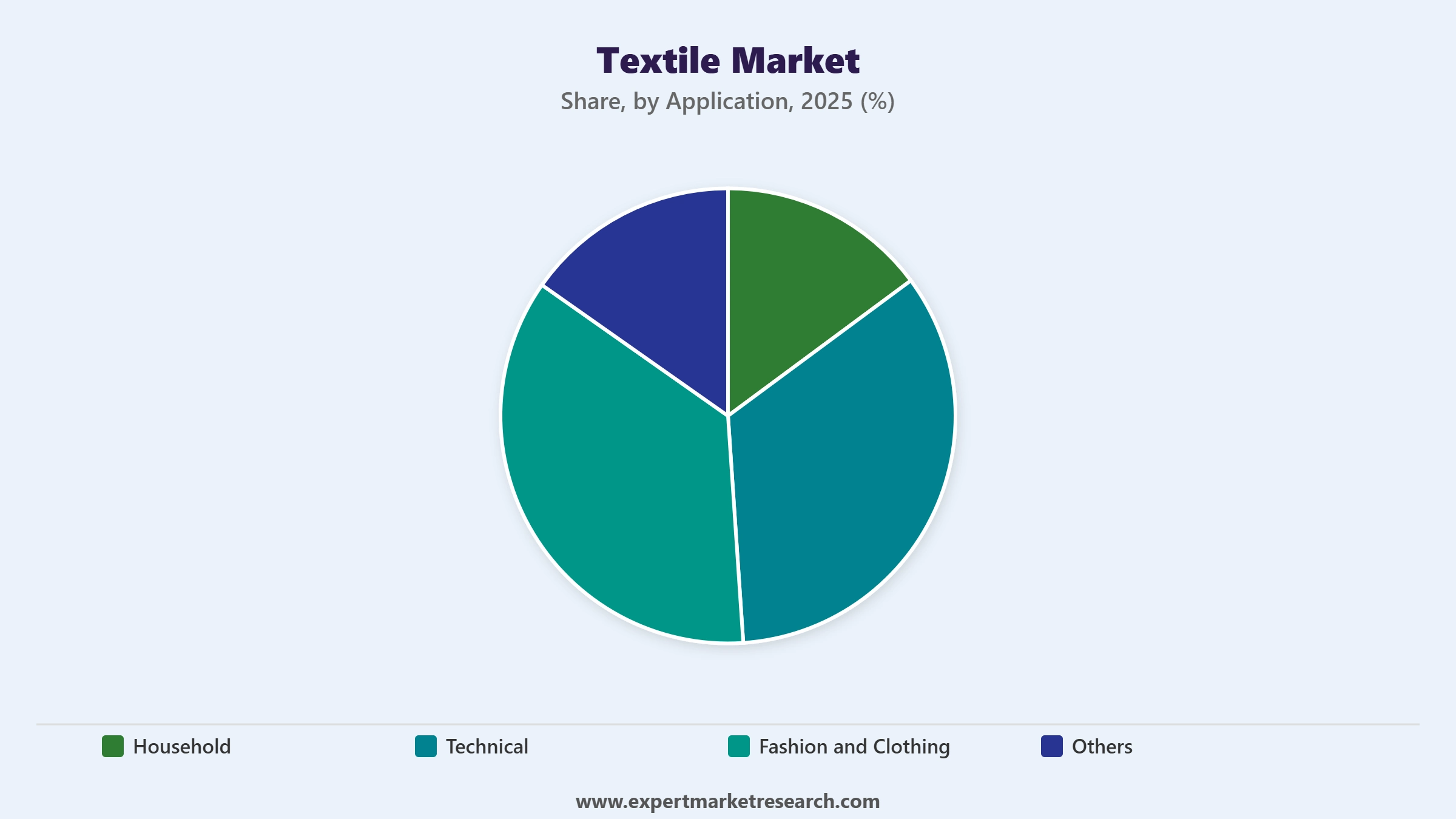
Key Insight: The application trends show that the textile market is expanding into areas outside its conventional application domain. Fashion and clothing maintain their dominance because of their ability to innovate constantly, as well as due to seasonality and brand-based consumption practices. Technical textiles are growing rapidly owing to the need for specialized materials with superior performance properties. Household textiles keep gaining traction due to consumer interest in creating comfortable environments and luxurious living spaces. Other textile applications are diversifying the market due to special performance needs. In June 2026, UAE launched the Naseej National Initiative for Textile Circularity to tackle textile waste through recycling, reuse, collection, and circular business models.
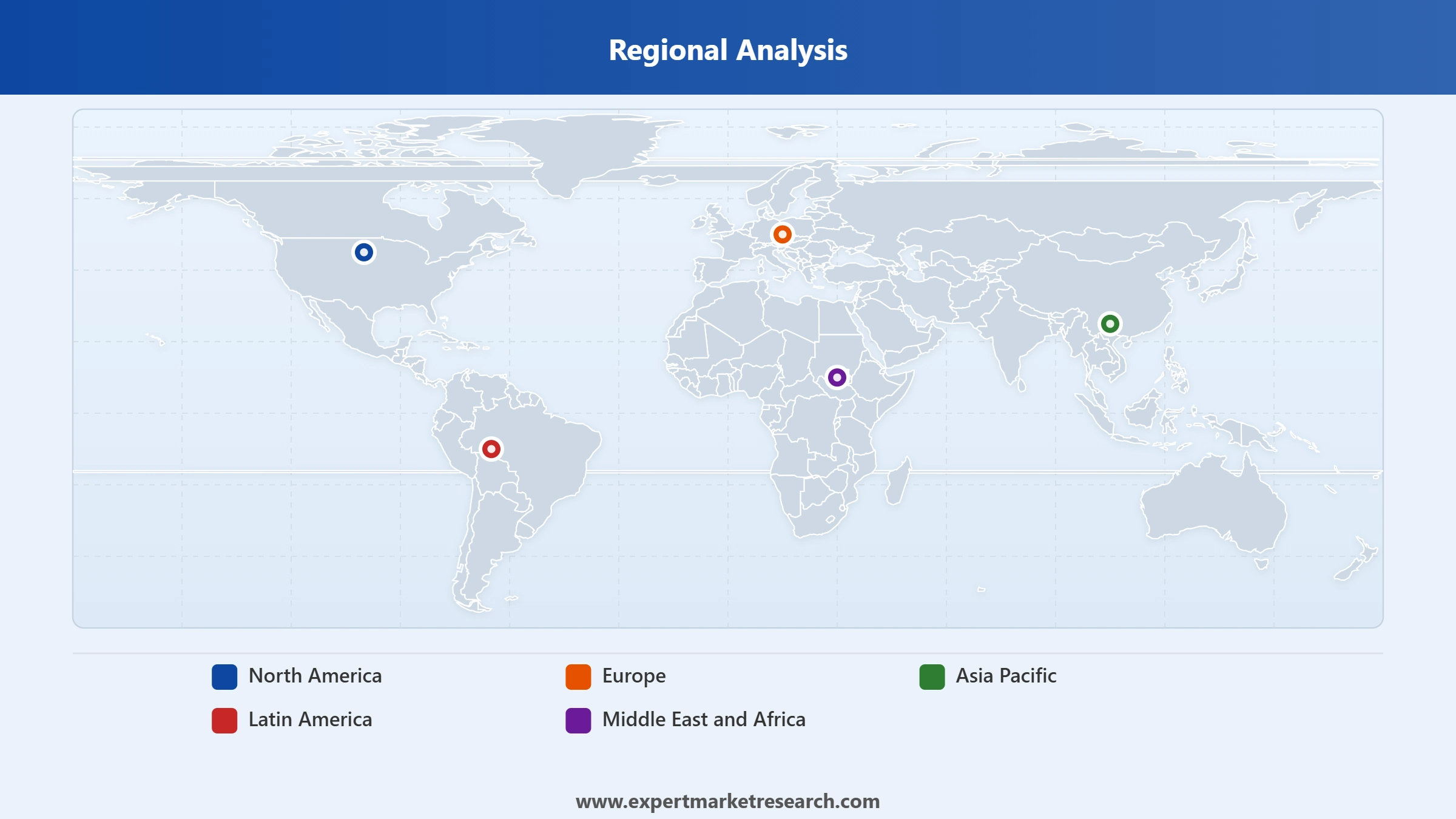
Market Breakup by Region
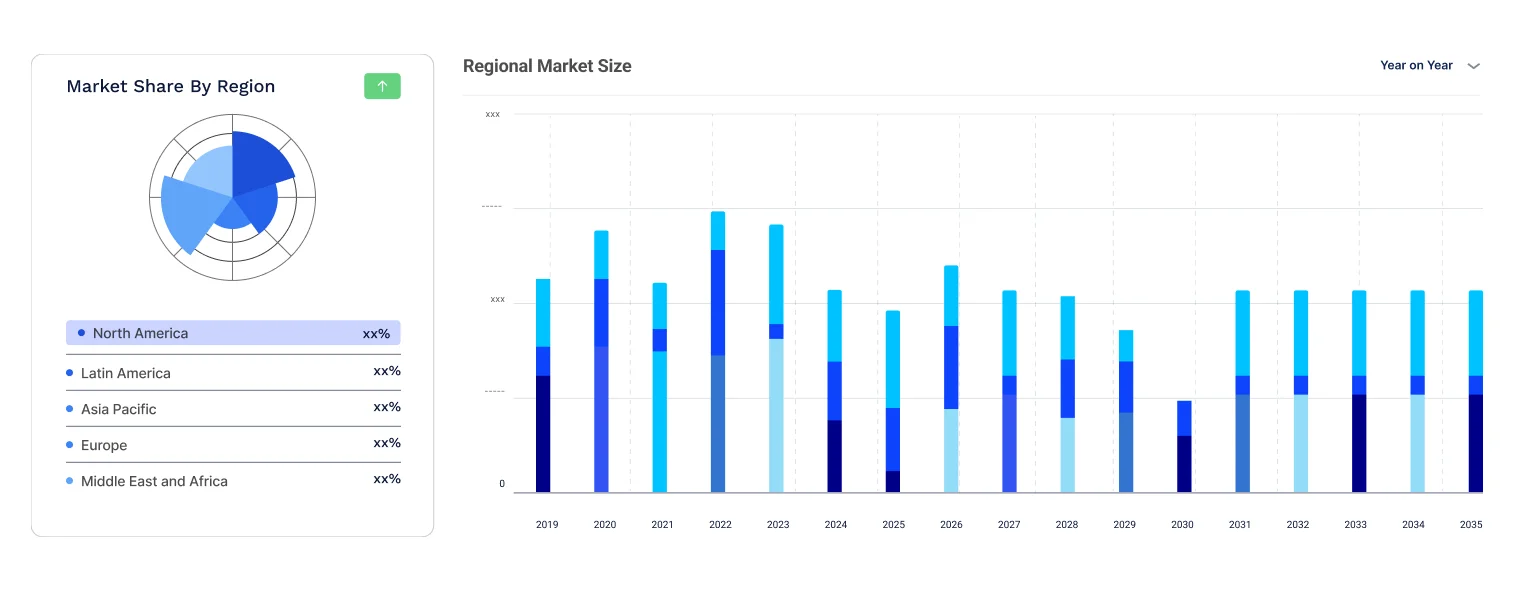
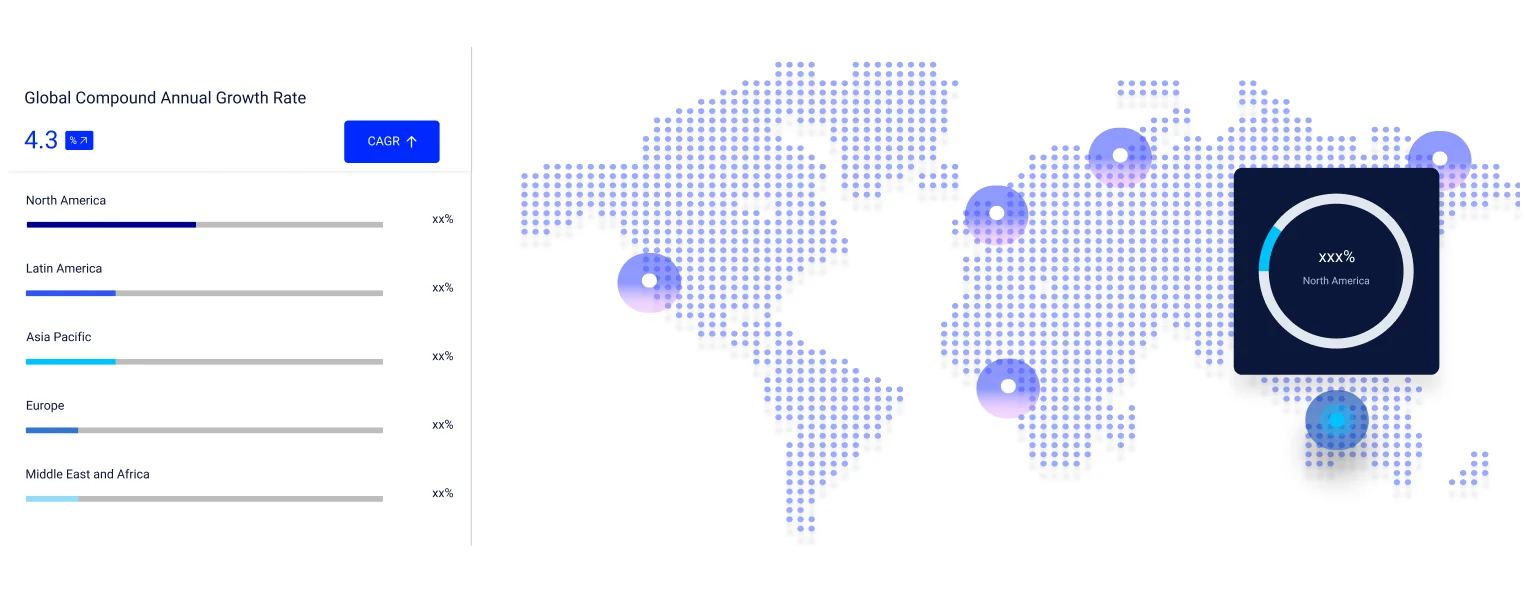
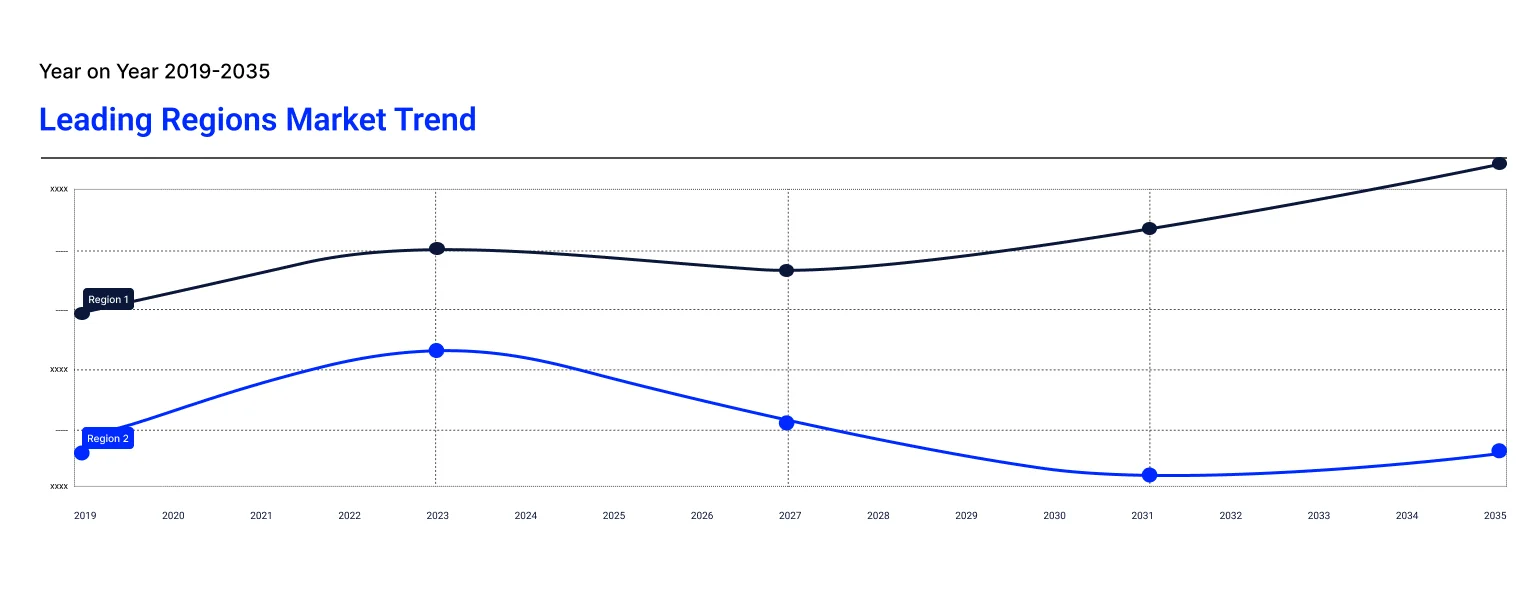
Key Insight: The regional market performance can be attributed to variances in the maturity level of manufacturing, the policies of the nations on industries, and the consumption trends. Asia Pacific emerges as the leading region with a strong textile environment, productivity, and exporting of goods. The Middle East and Africa textile market shows significant growth in progress towards the establishment of industries and diversification in manufacturing. In January 2026, Sansaar debuted in Dubai, expanding Indian home furnishings across GCC through strategic distribution partnerships. North America stands strong due to innovations, technical textiles, and products of higher value being produced in the region.
Read more about this report - REQUEST FREE SAMPLE COPY IN PDF
By raw material, cotton registers the largest share of the market due to versatility and comfort
The continued dominance of cotton is seen from the wide use of fiber material in the manufacture of clothing items, household fabrics, and industrial textiles. Cotton continues to be preferred for the manufacture of textile products owing to its natural breathable nature, flexibility, dyeability, and versatility in different types of fabric construction. Textile market players are increasingly using sustainably produced cotton as part of their compliance with retailers' procurement standards and environmental considerations. This flexibility is further enhanced by the suitability of the fiber for the manufacture of premium, bulk, and mixed textiles. In November 2025, Recover launched Recover Fabrics, expanding recycled textile solutions for sustainable, circular fashion manufacturing.
Read more about this report - REQUEST FREE SAMPLE COPY IN PDF
The growth rate for chemical fibers in the textile market is becoming exponential owing to the high demand for such textile fibers that are efficient, durable, and economical to use. Polyester, viscose, acrylic, and other types of man-made fibers are increasingly becoming popular in sportswear, industrial textiles, automotive fabrics, and other applications. Companies involved in the manufacture of these fibers are now looking at recycling and biodegradable versions of such fibers. The durability and efficiency of these fibers in handling moisture is making more manufacturers prefer them. In February 2025, Techtextil launched a dedicated Textile Chemicals & Dyes segment, spotlighting innovation, sustainability, and performance textiles.
Polyester products dominate the market owing to durability and scalability
The use of polyester is prevalent in the global textile market owing to its cost-effectiveness, durability, wrinkle-resistance, and flexibility in varied application sectors. Textile producers are utilizing polyester increasingly for the facilitation of large-scale textile production processes for garments, interior furnishings, specialized industrial fabrics, and sportswear among others. The capability of blending technology for this fiber enables textile producers to enhance their fabric quality and reduce production costs. Increased focus on production of recycled polyester is allowing companies to meet their sustainability objectives without reducing their efficiencies. In March 2026, H&M Group and Vargas launched Syre, scaling textile-to-textile recycled polyester production for circular fashion.
Read more about this report - REQUEST FREE SAMPLE COPY IN PDF
Natural fibers emerge to be the fastest-growing product segment owing to increasing demand by consumers and brands for sustainably sourced and environmentally friendly textiles. Natural fibers are increasingly becoming preferred options for companies for use in garment and furnishing products and higher value-added textile applications due to rising consumer consciousness regarding environmental protection. Increasing investments by textile producers in regenerative farming practices and sustainable sourcing practices for natural fibers are aiding their faster growth in the textile market. In February 2026, Grasim showcased sustainable linen, wool, and natural fiber innovations, strengthening India’s premium textile exports.
Fashion and clothing applications lead demand through continuous apparel consumption
The fashion and apparel sector is by far the most significant application area for the textile market, driven by the continuous consumer preference for apparel products in all the market segments, including luxury, mid-market, and budget ranges. Brand companies are consistently launching new fabric lines and products to stay competitive, and fabric suppliers are working to deliver enhanced fabric functionality, increased aesthetics, and accelerated delivery timeframes. The trend toward online commerce and custom products provides an additional boost to this demand trend. In June 2025, Trützschler Nonwovens advanced zero-waste production technologies, improving energy efficiency and sustainable nonwoven manufacturing.
Read more about this report - REQUEST FREE SAMPLE COPY IN PDF
The fastest-growing application sector is represented by the technical textiles segment owing to the rapidly increasing demand from various industries, including medical, automotive, building, farming, military, and industrial. Technical textiles have specific properties and functionalities that range from filtration and reinforcement to moisture control and fire protection features. Currently, producers are targeting high-end applications where the performance aspect is more important than fabric aesthetics. With the adoption of novel materials and technologies, the commercial opportunities in this segment continue to emerge.
Asia Pacific secures the dominant share of the market due to manufacturing strength and supply networks
The Asia Pacific region is set to retain its lead in the textile market due to its highly developed infrastructure, logistics capabilities, and export strengths. Investments are still being made in spinning, weaving, dyeing, and apparel manufacturing activities in countries like China, India, Bangladesh, and Vietnam. This region boasts well-established supply chains, ready access to skilled labor, and an increased domestic consumption of textiles. There are many automation efforts, sustainability practices, and modern production techniques being used to enhance competitiveness. In September 2025, Databeyond launched China’s first fully automated textile waste sorting line, boosting recycling efficiency through AI.
Read more about this report - REQUEST FREE SAMPLE COPY IN PDF
The Middle East and Africa region is expected to witness rapid textile market expansion as nations are adopting industrial diversification policies and strengthening their capacity to manufacture goods. Manufacturing establishments are receiving investments in factories and industrial parks to boost manufacturing activities. Several nations are emphasizing value addition instead of exporting raw materials. Urbanization, expansion of retail industries, and better trade linkages are other factors that are boosting growth in the region.
Strategies that some key textile market players applying to create a competitive advantage and satisfy consumer needs include innovation and product diversification through the continuous development of new fabrics, designs, and materials that would attract a greater number of consumers and also respond to their growing demand for eco-friendliness. The aspect of sustainability is also becoming increasingly important in helping companies implement environmentally friendly manufacturing methods and use organic materials, as well as introducing recycling programs to attract more responsible clientele. E-commerce and social media are being utilized as tools for increasing consumer interaction.
Analytics are also being applied to analyze consumer behavior patterns and predict future trends in order to produce more effective products and manage inventories. Optimization of supply chains allows textile companies to save money on shipping, storage, and other operations. In addition, many companies are adopting a strategy based on just-in-time production and building good relations with suppliers to reduce delivery time and guarantee product quality. Localizing production facilities near key markets also contributes to these processes.
BLF Limited was incorporated in 1970 and is based in the state of Rajasthan, India. It is a well-known textile brand of India manufacturing poly-viscose suiting fabrics, cotton fabrics, yarns, and furnishing fabrics. BSL Limited has an excellent market presence both nationally and globally, owing to its focus on quality.
INVISTA S.R.L. was founded in 2004 and is based in Italy. This is a globally recognized player in the fiber, resins, and intermediates industry. This company provides several types of products like spandex fibers, polyester fibers, and nylon fibers for use by different industries.
Formed in 1988 in Shandong province of China, Lu Thai Textile Co., Ltd is one of the most prominent manufacturers of textiles. This company makes yarn-dyed fabrics, shirts, and garments made out of different kinds of fibers like cotton, silk, wool, and man-made fibers. Some of Lu Thai Textile's main buyers include South Korea, Japan, Europe, and the United States.
Established in 1979 in Madurai if India, Paramount Textile Limited is a vertically integrated textile mill that manufactures various fabrics using specialty yarns such as Supima, Giza, and Suvin cotton. Paramount Textile is recognized worldwide for making high-end bed linens and has a large-scale export business in Europe and the United States.
Other key players in the textile market include Paulo de Oliveira, S.A., Successori REDA S.p.A., Shandong Jining Ruyi Woolen Textile Co. Ltd., Shandong Demian Incorporated Company, Shijiazhuang Changshan Textile Co., Ltd., Weiqiao Textile Company Limited, DBL Group, B.D. Textile Mills Pvt. Ltd., IBENA Inc., Heytex Bramsche GmbH, Bahariye AŞ, Fratelli Balli S.p.A., İpekiş Mensucat Türk A.Ş., Lakhmi Woollen Mills, Wilh. Wülfing GmbH & Co. KG, Lanificio F.lli Cerruti, Özlem Kumaş Ltd., Trabaldo Togna S.p.A., Yünsa Yünlü Sanayi ve Ticaret A.Ş., Xinhui Woollen Textile Co., Ltd., O'Formula Co., Ltd., Wuxi Xiexin Group Co., Ltd., The Bombay Dyeing & Mfg. Co., Ltd., Huafu Top Dyed Melange Yarn Co., Ltd., Mayur Fabrics, Solvay S.A., Sinopec Yizheng Chemical Fibre Company Limited, Li & Fung Group, JCT Limited, and Toray Industries, Inc., among others.
*Please note that this is only a partial list; the complete list of key players is available in the full report. Additionally, the list of key players can be customized to better suit your needs.*
Unlock the latest insights with our textile market trends 2026 report. Discover regional growth patterns, consumer preferences, and key industry players. Stay ahead of competition with trusted data and expert analysis. Download your free sample report today and drive informed decisions in the market.
Medical Textiles Market
Mexico Textile Market
Europe Textile Market
Italy Textile Market


Upto 15% Off
USD
$2499 $2249
$3999 $3599
$4999 $4249
$5999 $5099


*While we strive to always give you current and accurate information, the numbers depicted on the website are indicative and may differ from the actual numbers in the main report. At Expert Market Research, we aim to bring you the latest insights and trends in the market. Using our analyses and forecasts, stakeholders can understand the market dynamics, navigate challenges, and capitalize on opportunities to make data-driven strategic decisions.*
In 2025, the market reached an approximate value of USD 1023.52 Billion.
The market is projected to grow at a CAGR of 3.60% between 2026 and 2035.
The market is estimated to witness healthy growth during 2026-2035 to reach around USD 1457.79 Billionby 2035.
Textile is a flexible material composed of a network of natural or artificial fibres, called yarn.
Prato is considered to be one of the largest industrial districts in Italy, the largest textile centre in Europe, and an important centre for the production of woolen yarns and fabrics, globally.
Key strategies include sustainability through eco-friendly materials, technological innovation like smart fabrics, supply chain optimization, fast fashion and customization to meet consumer demand, and expanding into emerging markets. Collaborations with tech firms and startups also drive innovation and competitiveness in this evolving industry.
The key trends propelling the market growth include rising applications of textiles in various sectors and the growing fashion and clothing sector.
The major regions in the market are North America, Latin America, the Middle East and Africa, Europe, and the Asia Pacific.
The different product types included in the market report are natural fibres, polyester, and nylon, among others.
The key players in the market report include BSL Limited, INVISTA S.R.L., Lu Thai Textile Co., Ltd., Paramount Textile Limited, Paulo de Oliveira, S.A., Successori REDA S.p.A., Shadong Jining Ruyi Woolen Textile Co. Ltd., Shandong Demian Incorporated Company, Shijiazhuang Changshan Textile Co., Ltd, Weiqiao Textile Company Limited, DBL Group, B.D. Textile Mills Pvt. Ltd., IBENA Inc., Heytex Bramsche GmbH, Bahariye AS, Fratelli Balli S.p.A., ipekis Mensucat Turk A.S, Lakhmi Woollen Mills, Wilh. Wülfing GmbH & Co. KG, Lanificio F.lli Cerruti, Özlem Kumas, Ltd., Trabaldo Togna S.p.A., Yünsa Yünlü Sanayi ve Ticaret A.S., Xinhui Woollen Textile Co., Ltd., O'Formula Co., Ltd., Wuxi Xiexin Group Co., Ltd., The Bombay Dyeing & Mfg. Co., Ltd, Huafu Top Dyed Melange Yarn Co., Ltd., Mayur Fabrics, Solvay S.A., Sinopec Yizheng Chemical Fibre Company Limited, Li & Fung Group, JCT Limited, and Toray Industries, Inc., among others.
Polyester dominates the market, due to its affordability, wrinkle resistance, strength, and ease of care.
Textile market research is based on raw materials, product types, applications, regional trends, market demand, competitive landscape, and technological advancements.
Recent developments include the adoption of smart textiles, bio-based fibers, recycled polyester, digital printing technologies, and increased investments in sustainable manufacturing processes.
Explore our key highlights of the report and gain a concise overview of key findings, trends, and actionable insights that will empower your strategic decisions.
| REPORT FEATURES | DETAILS |
| Base Year | 2025 |
| Historical Period | 2019-2025 |
| Forecast Period | 2026-2035 |
| Scope of the Report |
Historical and Forecast Trends, Industry Drivers and Constraints, Historical and Forecast Market Analysis by Segment:
|
| Breakup by Raw Material |
|
| Breakup by Product |
|
| Breakup by Application |
|
| Breakup by Region |
|
| Market Dynamics |
|
| Competitive Landscape |
|
| Companies Covered |
|
Datasheet
One User
USD 2,499
USD 2,249
tax inclusive*
Single User License
One User
USD 3,999
USD 3,599
tax inclusive*
Five User License
Five User
USD 4,999
USD 4,249
tax inclusive*
Corporate License
Unlimited Users
USD 5,999
USD 5,099
tax inclusive*
*Please note that the prices mentioned below are starting prices for each bundle type. Kindly contact our team for further details.*
Flash Bundle
Small Business Bundle
Growth Bundle
Enterprise Bundle
*Please note that the prices mentioned below are starting prices for each bundle type. Kindly contact our team for further details.*
Flash Bundle
Number of Reports: 3
20%
tax inclusive*
Small Business Bundle
Number of Reports: 5
25%
tax inclusive*
Growth Bundle
Number of Reports: 8
30%
tax inclusive*
Enterprise Bundle
Number of Reports: 10
35%
tax inclusive*
How To Order

Select License Type
Choose the right license for your needs and access rights.

Click on ‘Buy Now’
Add the report to your cart with one click and proceed to register.

Select Mode of Payment
Choose a payment option for a secure checkout. You will be redirected accordingly.
Strategic Solutions for Informed Decision-Making
Gain insights to stay ahead and seize opportunities.

Get insights & trends for a competitive edge.

Track prices with detailed trend reports.

Analyse trade data for supply chain insights.

Leverage cost reports for smart savings

Enhance supply chain with partnerships.

Connect For More Information
Our expert team of analysts will offer full support and resolve any queries regarding the report, before and after the purchase.
Our expert team of analysts will offer full support and resolve any queries regarding the report, before and after the purchase.
We employ meticulous research methods, blending advanced analytics and expert insights to deliver accurate, actionable industry intelligence, staying ahead of competitors.
Our skilled analysts offer unparalleled competitive advantage with detailed insights on current and emerging markets, ensuring your strategic edge.
We offer an in-depth yet simplified presentation of industry insights and analysis to meet your specific requirements effectively.




