

Consumer Insights
Uncover trends and behaviors shaping consumer choices today
Procurement Insights
Optimize your sourcing strategy with key market data
Industry Stats
Stay ahead with the latest trends and market analysis.

The global tyre market size was valued at USD 250.33 Billion in 2025. The industry is expected to grow at a CAGR of 5.40% during the forecast period of 2026-2035 to reach a value of USD 423.56 Billion by 2035.
The tyre market growth can be attributed to the rising trend of electrification, digitisation, and sustainability. Tyre exports from India recorded a robust 11.7% growth in the first half (April-September) of FY 2024-25, touching Rs 12,131 crore in value. The sector is moving beyond traditional manufacturing towards smart, eco-conscious solutions. Notably, the EU Green Deal and India’s National Electric Mobility Mission Plan (NEMMP) 2020 have sparked strategic shifts, encouraging the adoption of green materials and electric-compatible tyre technologies. The United Kingdom’s Department for Business and Trade has also pledged EUR 360 million to support green automotive innovation, including sustainable tyre development.
OEMs and startups alike are increasingly investing on advanced material science. For example, Michelin’s bio-sourced tyres and Goodyear's airless tyre prototypes have redefined the limits of conventional design, boosting the tyre market dynamics. Meanwhile, AI-based predictive maintenance and RFID tagging are now being embedded into tyre management systems, aiming to boost fleet productivity and reduce carbon footprints.
With growing urbanisation and the boom in e-commerce logistics, demand for tyres, particularly for light and medium commercial vehicles, is spiking. Asia Pacific holds the largest market share, propelled by aggressive automotive production in China, India, and ASEAN nations. However, Latin America and Africa are catching up fast due to infrastructure development and policy support for localised manufacturing.
Base Year
Historical Period
Forecast Period
Tyre manufacturers are adopting strategies to reduce their carbon footprint. For instance, Continental aims to use over 40% renewable and recycled materials in its tyre production by 2030.
Electric vehicle production and sales have been growing exponentially due to its cost efficiency, improving battery technology, and government support. In 2023, BYD, a Chinese conglomerate, led EV production globally with 3.0 million EVs manufactured, followed by Tesla with 1.8 million EVs.
Innovations such as smart sensors integrated into tyres to deliver real-time data and airless tyres providing exceptional durability are shaping the market. In December 2024, Beontag partnered with tyre manufacturer Michelin to incorporate UHF-embedded tags to enable complete traceability of new tyres, including manufacture date, storage location, distribution, installation, replacement, and refurbishment.
Compound Annual Growth Rate
5.4%
Value in USD Billion
2026-2035
*this image is indicative*
Read more about this report - REQUEST FREE SAMPLE COPY IN PDF
| Global Tyre Market Report Summary | Description | Value |
| Base Year | USD Billion | 2025 |
| Historical Period | USD Billion | 2019-2025 |
| Forecast Period | USD Billion | 2026-2035 |
| Market Size 2025 | USD Billion | 250.33 |
| Market Size 2035 | USD Billion | 423.56 |
| CAGR 2019-2025 | Percentage | XX% |
| CAGR 2026-2035 | Percentage | 5.40% |
| CAGR 2026-2035 - Market by Region | Asia Pacific | 6.9% |
| CAGR 2026-2035 - Market by Country | India | 7.7% |
| CAGR 2026-2035 - Market by Country | China | 7.5% |
| CAGR 2026-2035 - Market by Vehicle Type | Two Wheelers | 7.2% |
| CAGR 2026-2035 - Market by Sales Channel | Aftermarket | 9.0% |
| Market Share by Country 2025 | Europe | 23.4% |
The electric vehicle segment is expanding fast. Tyres are being re-engineered to handle higher torque, increased vehicle weight, and reduced rolling resistance. Michelin’s “Pilot Sport EV” and Apollo’s EV-specific tyres demonstrate this shift in the tyre market. According to the IEA, EV sales rose to 14 million units in 2023, creating a staggering demand for high-performance, low-noise tyres. Governments such as South Korea’s Ministry of Environment are offering R&D subsidies for tyre makers pivoting to EVs. These tyres feature silica-rich compounds and acoustic foams, transforming user experience.
Tyre manufacturers are investing in sensor-enabled products that provide real-time data on pressure, temperature, and wear. Bridgestone’s IntelliTire and Continental’s ContiConnect platform are enabling fleet operators to reduce downtime by a significant extent, propelling further demand in the tyre market. Government-backed initiatives in Europe, such as Germany’s Digital Hub Mobility programme, are accelerating the adoption of connected vehicle ecosystems. These smart tyres support predictive maintenance models which are particularly valuable for logistics and last-mile delivery firms.
Environmental regulations are compelling tyre companies to explore circular business models. Michelin’s partnership with Scandinavian Enviro Systems aims to produce tyres using recovered carbon black, a breakthrough in recycling. Meanwhile, India’s MoEFCC has mandated Extended Producer Responsibility (EPR) for tyre recycling. EU’s tyre labelling regulation also incentivises energy-efficient designs. Such initiatives are encouraging the industry towards eco-friendly alternatives like dandelion rubber and soy-based oils. This sustainability shift is not only consumer-driven but also operationally strategic, as firms look to lower material costs and reduce dependency on virgin raw materials.
Tyre manufacturers are experimenting with 3D printing to shorten prototyping cycles and enable on-demand customisation. Michelin’s research hub in Ladoux, France, is prototyping bespoke tread patterns for motorsport clients using additive manufacturing. The U.S. Department of Energy has supported such technological innovations under the Advanced Materials and Manufacturing Office to reduce material waste. Custom designs help adapt tyres for regional terrains, such as sandy off-road tyres for Middle Eastern markets or ice-grip treads in Nordic regions.
Read more about this report - REQUEST FREE SAMPLE COPY IN PDF
The EMR’s report titled “Global Tyre Market Report and Forecast 2026-2035” offers a detailed analysis of the market based on the following segments:
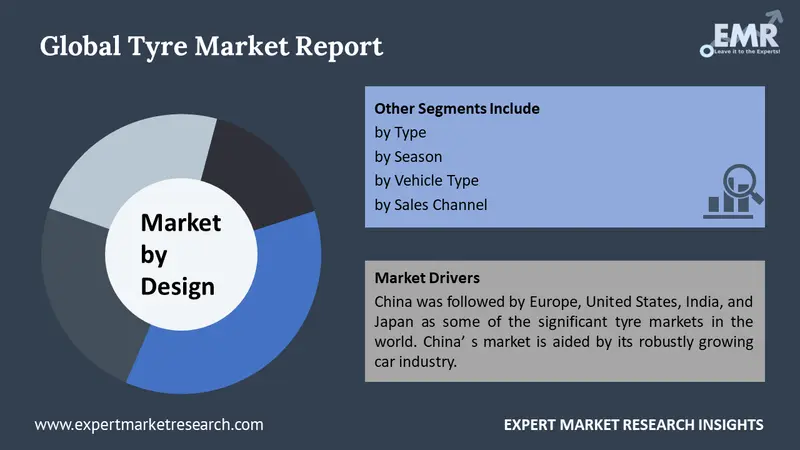
Market Breakup by Design
Key Insight: Radial and bias tyres serve different consumer demands. Radials dominate the tyre industry due to better mileage, fuel efficiency, and comfort, making them ideal for modern passenger and commercial fleets. Bias tyres, on the other hand, are regaining relevance in segments where rugged durability, lower upfront costs, and ease of repair are critical. Construction and mining sectors, in particular, rely heavily on bias types. The market is increasingly becoming application-driven, where the design choice depends less on global trends and more on terrain, payload, and operating economics.
Market Breakup by Type
Key Insight: As per the tyre market report, tube tyres dominate in regions and sectors where cost sensitivity, repair simplicity, and rugged durability remain key, such as agriculture, rural logistics, and heavy-load transit. Tubeless tyres, meanwhile, are growing rapidly across urban and developed markets owing to their enhanced safety, lower maintenance, and fuel-saving attributes. Their uptake is strong in personal vehicles, light EVs, and high-performance fleets.
Market Breakup by Season
Key Insight: Seasonal tyres address distinct regional needs shaped by climate and regulation, boosting the tyre market trends and dynamics. Winter tyres remain essential in colder countries, driven by safety mandates and their superior performance on icy roads. In contrast, summer and all-season tyres are widely preferred in temperate regions for their balanced handling and reduced upkeep. Among commercial fleets, all-season variants are seeing increased adoption due to their convenience of eliminating the need for seasonal swaps and simplifying inventory.
Market Breakup by Vehicle Type
Key Insight: Each vehicle category considered in the tyre market report, drives distinct requirements. Two-wheelers and three-wheelers seek lightweight, fuel-efficient tyres suited to urban and semi-urban commutes. Passenger vehicles demand comfort, noise reduction, and high-speed safety. Heavy commercial vehicles prioritise load-bearing capacity and tread longevity, while light and medium commercial vehicles favour fuel economy and city manoeuvrability. Product differentiation arises from terrain adaptability, load factors, and government emission standards, guiding procurement strategies across OEMs and fleet managers.
Market Breakup by Sales Channel
Key Insight: Tyre sales are broadly split between OEMs and the aftermarket. OEMs prioritise integration with latest vehicle technology like EV tyre compatibility and sensor-embedded designs. Meanwhile, aftermarket remains vital in regions where vehicle lifespans are extended, especially in Latin America and South Asia. The aftermarket segment growth is boosted by digital tyre retailing, predictive maintenance tools, and vehicle upcycling initiatives.
Market Breakup by Region
Key Insight: Tyre demand differs widely across regions due to varying infrastructure, regulations, and vehicle popularity. Asia Pacific leads the global market, backed by massive manufacturing hubs and rapid EV integration. North America and Europe focus more on sustainable, smart tyre technology, driven by stricter regulations and advanced mobility trends. Latin America shows rising potential in the aftermarket space, driven by ageing vehicles and expanding road connectivity. Meanwhile, the Middle East and Africa are gaining pace with infrastructure projects and surging two-wheeler use.
| CAGR 2026-2035 - Market by | Vehicle Type |
| Two Wheelers | 7.2% |
| Passenger Cars | 6.8% |
| Three Wheelers | 6.5% |
| Light Commercial Vehicles | XX% |
| Medium and Heavy Commercial Vehicles | XX% |
| Off-The-Road (OTR) | XX% |
| CAGR 2026-2035 - Market by | Sales Channel |
| Aftermarket | 9.0% |
| OEM | XX% |
| CAGR 2026-2035 - Market by | Region |
| Asia Pacific | 6.9% |
| North America | 6.5% |
| Europe | XX% |
| Latin America | XX% |
| Middle East | XX% |
By Design, the Radial Segment Accounts for the Largest Share of the Market
Radial tyres continue dominating the global tyre industry owing to their superior fuel efficiency, road grip, and longer tread life as also reflected in the tyre market report. Their popularity is growing in passenger vehicles, heavy trucks and buses. Continental and Bridgestone are incorporating silica-based compounds and hybrid belts into radial tyres to make them compatible with electric and hybrid models. The Indian government’s vehicle scrappage policy is also accelerating the replacement cycle for commercial tyres, most of which are radial. Additionally, improved retread ability makes radial tyres more attractive in long-haul logistics. These factors are compelling OEMs and fleet operators to standardise radial solutions across different categories.
Bias tyres, though often perceived as outdated, are resurging in specific use-cases, especially in agriculture, mining, and military transport, boosting the tyre market growth. Their reinforced sidewall construction makes them suitable for rough terrain and heavy loads. Recent innovations by companies like BKT and CEAT include dual-compound bias tyres with enhanced puncture resistance and longer wear-life. These are gaining traction in markets like Africa, Southeast Asia, and parts of South America, where road infrastructure may not always favour radial solutions. Furthermore, bias tyres are easier to retread, and their upfront costs are significantly less, which appeals to fleet operators with budget constraints.
By Type, Tube Tyre Remain Dominant in the Market
Tube tyres continue to hold a major share in rural and heavy-duty vehicle applications, especially in emerging economies. Their simple design, easy repairability, and lower upfront cost make them a preferred option for trucks, tractors, and older model two-wheelers. In markets like India and parts of Africa, where roads remain inconsistent and service networks sparse, tube tyres offer practical utility. Companies in the tyre industry are enhancing tube tyre performance by using advanced rubber compounds and layered casing to reduce heat buildup and improve longevity.
Tubeless tyres are fast outpacing traditional designs, particularly in passenger vehicles, electric scooters, and light commercial fleets. Their safety profile, including slow air leakage and better heat dissipation, makes them attractive for high-speed and urban mobility applications. Innovations include self-sealing treads and nanomaterial-infused linings that resist punctures, expanding the tyre market scope. OEMs are now standardising tubeless tyres, even on entry-level vehicles, to improve fuel efficiency and ride comfort. In EVs, where rolling resistance matters greatly, tubeless configurations help extend battery range. Urbanisation, coupled with rising consumer preference for low-maintenance solutions, is reinforcing the tubeless trend.
By Season, Summer and All-Season Tyres Occupy a Significant Share of the Global Market
Summer and all-season tyres serve broader geographies, especially in temperate and tropical zones. Summer tyres provide superior dry and wet road handling in warmer climates, whereas all-season variants balance performance across varied terrains. These are preferred in the tyre markets of United Kingdom, United States, and parts of Asia where seasonal change is less extreme. Michelin’s CrossClimate series has attracted B2B buyers like leasing firms and delivery fleets with cost-effective year-round utility. Their lower rolling resistance also contributes to fleet fuel efficiency.
Winter tyres remain a crucial niche in colder regions where snow and ice traction are essential, driving the tyre market revenue. They are engineered with softer rubber compounds that remain flexible in freezing temperatures and come with deep tread designs. Countries like Germany and Sweden legally mandate winter tyres during specific months, which creates predictable, recurring demand. Continental and Nokian are developing winter tyres embedded with noise-cancelling technologies and eco-friendly tread oils. Their grip-enhancing properties also support safety benchmarks in fleet vehicles operating in alpine or Nordic zones.
By Vehicle Type, Passenger Vehicles Dominate the Market Revenue
Passenger vehicles have significantly contributed to the ongoing tyre demand due to their sheer volume in urban and suburban mobility ecosystems. This segment is driven by rising private vehicle ownership and the evolving demands of modern car platforms, especially EVs and hybrids. In 2023, global passenger car production was over 68 million units. Manufacturers like Bridgestone and Michelin are rolling out low rolling-resistance tyres and noise-cancelling treads optimised for high-speed, comfort-focused driving. Consumers are also inclining toward premium tyre variants with integrated wear sensors and safety certification tags.
Tyres for two- and three-wheelers are witnessing significant growth in the tyre industry, particularly across Asia, Africa, and Latin America. These vehicles dominate last-mile logistics, food delivery, and urban commuting, often in congested or unpaved road conditions. In 2023, the global three-wheeler market grew by 13%, reaching 4.5 million units in sales. Regional tyre makers are innovating with puncture-resistant compounds, extended tread life, and fuel-saving low-resistance profiles. Electric two-wheelers are also fuelling demand for specialised lightweight tyres with superior grip. With mobility startups scaling rapidly, particularly in India and Southeast Asia, OEMs and aftermarket suppliers are capitalising on volume-driven growth.
By Sales Channel, OEMs Continue to be the Dominant Segment in the Market
Original Equipment Manufacturers (OEMs) remain the primary channel for tyre distribution, especially for newly sold vehicles, fleet installations, and government tenders. OEM partnerships are now heavily driven by performance innovation, environmental standards, and vehicle compatibility, especially for electric and hybrid platforms. Manufacturers like Pirelli and Goodyear are working closely with automakers to co-develop EV-specific tyres optimised for torque delivery, reduced rolling resistance, and acoustic comfort. Moreover, digital integration such as TPMS compatibility and data-driven wear tracking is becoming a priority. The OEM channel ensures high-margin, high-volume distribution, while enabling brands to establish long-term relationships with automakers and fleet managers.
The aftermarket segment is expanding rapidly, fuelled by rising vehicle parc, longer ownership cycles, and growing preference for cost-effective replacements. Consumers and businesses are increasingly turning to digital platforms for tyre selection, often bundled with installation and predictive maintenance services, fuelling the tyre market development. The U.S. Tire Manufacturers Association (USTMA) announced that the total United States tyre shipments of 338.9 million units in 2024. E-commerce integration and hyperlocal delivery models are transforming distribution. Startups and legacy brands alike are introducing data-enabled tyre fitment tools and subscription models for B2B fleet operators. Retreading and upcycling solutions are gaining traction in developing markets, offering affordable and sustainable alternatives. Moreover, independent garages and fleet operators prefer aftermarket brands offering flexible pricing, quicker availability, and varied inventory.
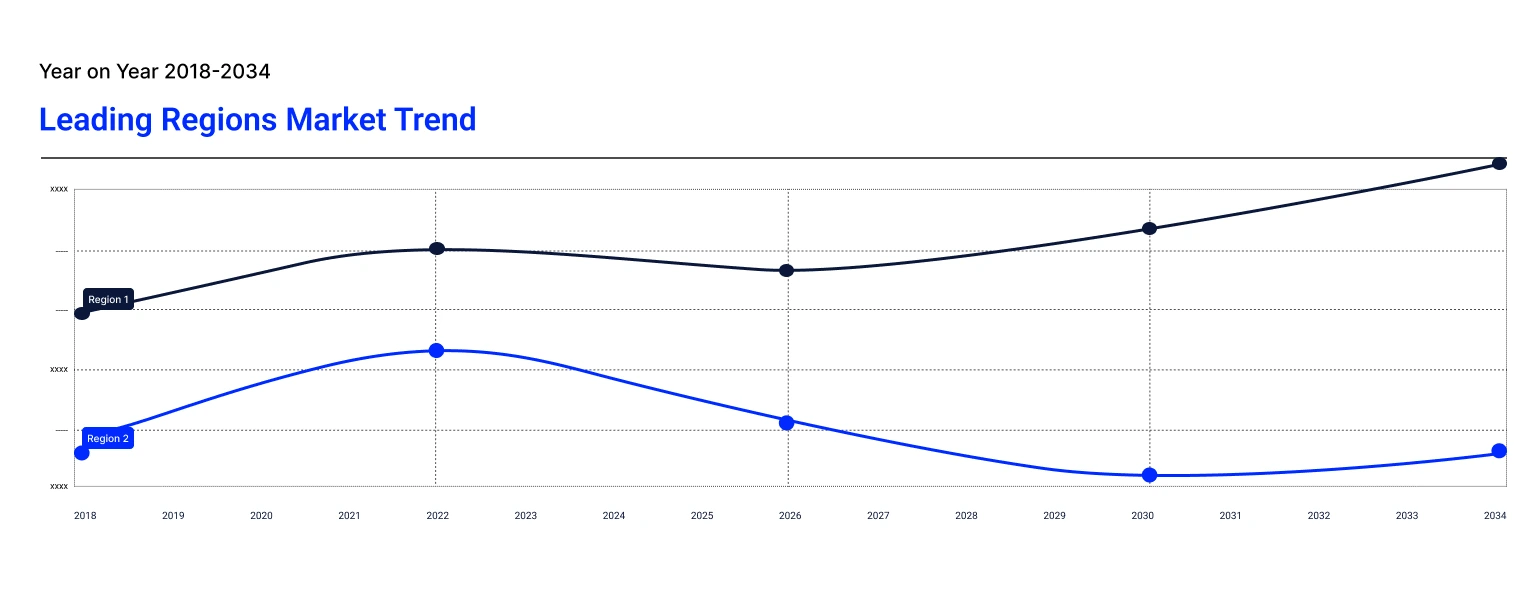
Asia Pacific Currently Holds the Leading Position in the Industry
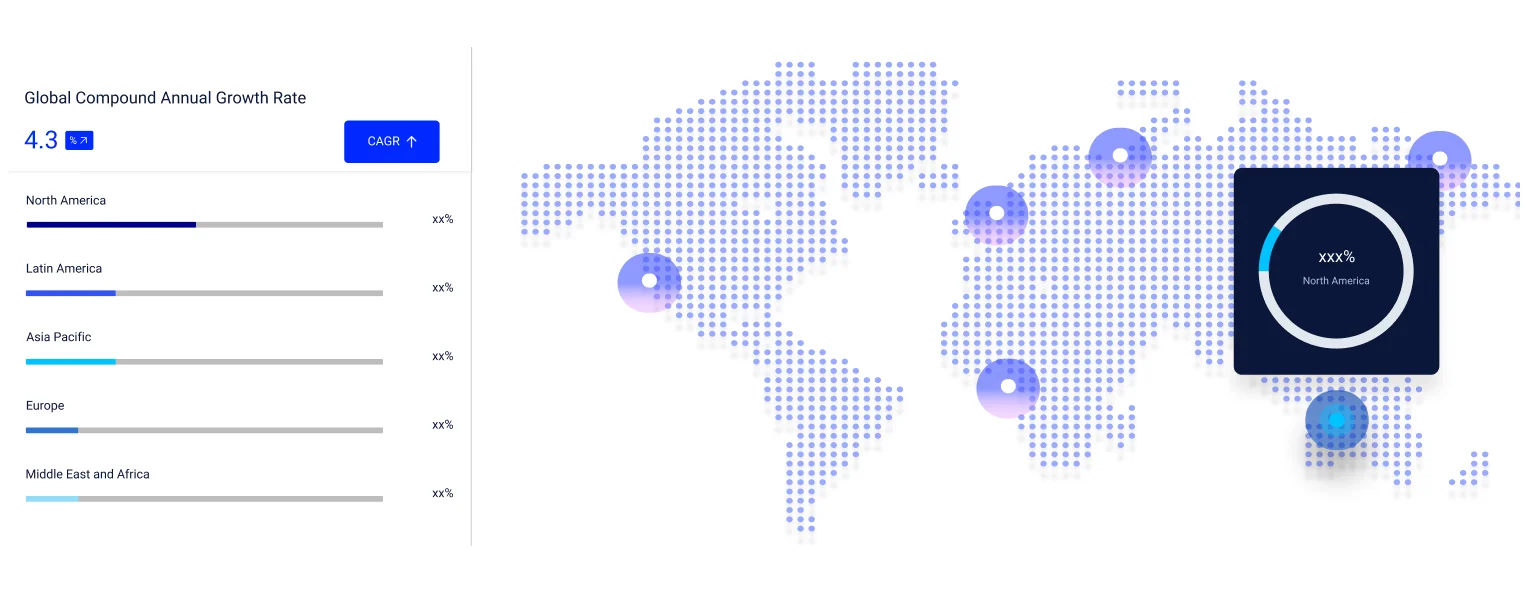
Asia Pacific dominates the global tyre market, with countries like China and India. China remains the largest producer and exporter, accounting for nearly 40% of global tyre exports. India’s focus on localisation, driven by its Automotive Mission Plan 2026, is encouraging domestic giants like MRF and Apollo to expand capacity. Rapid urbanisation, expanding logistics networks, and a booming EV industry are fuelling tyre demand in the region. Regulatory mandates like India’s star labelling system for tyre energy efficiency are also driving technology adoption.
| CAGR 2026-2035 - Market by | Country |
| India | 7.7% |
| China | 7.5% |
| Mexico | 7.0% |
| Brazil | 6.8% |
| UK | 6.6% |
| USA | XX% |
| Canada | 6.4% |
| Germany | XX% |
| France | XX% |
| Italy | XX% |
| Japan | XX% |
| Australia | XX% |
| Saudi Arabia | 6.1% |
Middle East and Africa is witnessing robust tyre demand growth due to rapid infrastructure development, especially in GCC countries. Saudi Arabia’s Vision 2030 includes major transportation projects that are escalating the demand for off-road and heavy-duty tyres. Meanwhile, African nations like Nigeria and Kenya are emerging markets for two- and three-wheeler tyres, driven by gig economy mobility platforms. Continental and Bridgestone have expanded their distribution networks across this region, targeting this underserved segment.
Tyre market players like Michelin, Bridgestone, and Goodyear are gradually turning into tech-driven solution providers. Their key focus areas include EV-optimised designs, sensor-enabled smart tyres, and sustainable materials. For instance, Goodyear’s collaboration with Tesla for low-noise electric tyres shows how OEM integration is now essential. Meanwhile, regional brands like JK Tyre and Sailun are investing on local partnerships and aftermarket penetration.
Digitisation is another area of growth opportunity. Tyre companies are bundling AI-powered tyre monitoring services with B2B sales, helping fleets reduce operational costs. Additive manufacturing and bio-sourced rubber are also being piloted, reducing lead times and boosting ESG metrics. Regulatory alignment is becoming a competitive edge, especially in Europe and Japan where tyre labelling and performance transparency are mandated. Startups are disrupting via direct-to-fleet models, subscription tyre services, and blockchain-based inventory tracing.
Founded in 1931, Bridgestone is a Japanese multinational company based in Tokyo, Japan. It ranks as one of the world’s largest tyre and rubber manufacturers, recognised for its technological innovations in tyre production. Bridgestone offers a broad array of products for cars, trucks, and industrial use.
Founded in 1889, Michelin Group is a French multinational company headquartered in Clermont-Ferrand, France. Renowned for producing high-quality tyres, Michelin is a leading player in the global tyre market, providing tyres for various vehicles, including cars, trucks, and aircraft, while advancing sustainability and innovation.
Founded in 1871, Continental AG is a German multinational corporation based in Hanover, Germany. A leader in tyre manufacturing and automotive components, Continental is known for pioneering technologies in tyre design, safety systems, and automotive electronics, with a focus on sustainable mobility and reducing environmental impact.
Established in 1872, Pirelli & C. S.p.A is an Italian multinational company based in Milan, Italy. Famous for its high-performance tyres, primarily for luxury and sports cars, Pirelli is also a significant player in motorsport, consistently driving innovation in the tyre industry with an emphasis on safety and sustainability.
*Please note that this is only a partial list; the complete list of key players is available in the full report. Additionally, the list of key players can be customized to better suit your needs.*
Other key players in the market are Goodyear Tire & Rubber Company, Yokohama Rubber Co., Ltd., Hankook Tire & Technology Co., Ltd., Sumitomo Rubber Industries, Ltd., Giti Tire Pte Ltd., Toyo Tire Corp., Maxxis International, and MRF Ltd., among others.
Explore the latest trends shaping the tyre market 2026-2035 with our in-depth report. Gain strategic insights, future forecasts, and key market developments that can help you stay competitive. Download a free sample report or contact our team for customized consultation on tyre market trends 2026.
Australia Tyre Market
India Tyre Market
Low Rolling Resistance Tyre Market
India Passenger Car Tyre Market


Upto 15% Off
USD
$2999 $2699
$4839 $4355
$5999 $5099
$7259 $6170


*While we strive to always give you current and accurate information, the numbers depicted on the website are indicative and may differ from the actual numbers in the main report. At Expert Market Research, we aim to bring you the latest insights and trends in the market. Using our analyses and forecasts, stakeholders can understand the market dynamics, navigate challenges, and capitalize on opportunities to make data-driven strategic decisions.*
Get in touch with us for a customized solution tailored to your unique requirements and save upto 35%!
In 2025, the tyre market reached an approximate value of USD 250.33 Billion.
The market is projected to grow at a CAGR of 5.40% between 2026 and 2035.
The market is estimated to witness healthy growth in the forecast period of 2026-2035 to reach a value of around USD 423.56 Billion by 2035.
Key strategies driving the market include investing in smart technology, developing EV-aligned products, forming regional supply partnerships, digitising aftermarket services, and experimenting with recyclable and bio-based materials.
Key trends aiding market expansion include the rapidly rising automotive production globally.
The market is broken down into North America, Europe, Asia Pacific, Latin America, the Middle East, and Africa.
By design, the market is divided into radial and bias.
Based on season, the market is divided into winter tyre, summer tyre, and all-season tyre.
Two-wheeler and three-wheeler, passenger vehicle, heavy commercial vehicle, and light and medium commercial vehicle, and other vehicles are considered in the report.
The market uses both OEM and aftermarket sales channels for the product.
The key players in the market include Bridgestone Corporation, Michelin Group, Continental AG, Pirelli & C. S.p.A, Goodyear Tire & Rubber Company, Yokohama Rubber Co., Ltd., Hankook Tire & Technology Co., Ltd., Sumitomo Rubber Industries, Ltd., Giti Tire Pte Ltd., Toyo Tire Corp., Maxxis International, and MRF Ltd., among others.
Based on type, the market is segmented into tubeless tyre and tube tyre.
The key challenges are volatile raw material costs, complex regulatory compliance across regions, EV-specific R&D investment needs, and managing sustainability without inflating prices or compromising performance standards.
Explore our key highlights of the report and gain a concise overview of key findings, trends, and actionable insights that will empower your strategic decisions.
| Report Features | Details |
| Base Year | 2025 |
| Historical Period | 2019-2025 |
| Forecast Period | 2026-2035 |
| Scope of the Report |
Historical and Forecast Trends, Industry Drivers and Constraints, Historical and Forecast Market Analysis by Segment:
|
| Breakup by Design |
|
| Breakup by Type |
|
| Breakup by Season |
|
| Breakup by Vehicle Type |
|
| Breakup by Sales Channel |
|
| Breakup by Region |
|
| Market Dynamics |
|
| Competitive Landscape |
|
| Companies Covered |
|
| Report Price and Purchase Option | Explore our purchase options that are best suited to your resources and industry needs. |
| Delivery Format | Delivered as an attached PDF and Excel through email, with an option of receiving an editable PPT, according to the purchase option. |
Datasheet
One User
USD 2,999
USD 2,699
tax inclusive*
Single User License
One User
USD 4,839
USD 4,355
tax inclusive*
Five User License
Five User
USD 5,999
USD 5,099
tax inclusive*
Corporate License
Unlimited Users
USD 7,259
USD 6,170
tax inclusive*
*Please note that the prices mentioned below are starting prices for each bundle type. Kindly contact our team for further details.*
Flash Bundle
Small Business Bundle
Growth Bundle
Enterprise Bundle
*Please note that the prices mentioned below are starting prices for each bundle type. Kindly contact our team for further details.*
Flash Bundle
Number of Reports: 3
20%
tax inclusive*
Small Business Bundle
Number of Reports: 5
25%
tax inclusive*
Growth Bundle
Number of Reports: 8
30%
tax inclusive*
Enterprise Bundle
Number of Reports: 10
35%
tax inclusive*
How To Order

Select License Type
Choose the right license for your needs and access rights.

Click on ‘Buy Now’
Add the report to your cart with one click and proceed to register.

Select Mode of Payment
Choose a payment option for a secure checkout. You will be redirected accordingly.
Gain insights to stay ahead and seize opportunities.

Get insights & trends for a competitive edge.

Track prices with detailed trend reports.

Analyse trade data for supply chain insights.

Leverage cost reports for smart savings

Enhance supply chain with partnerships.

Connect For More Information
Our expert team of analysts will offer full support and resolve any queries regarding the report, before and after the purchase.
Our expert team of analysts will offer full support and resolve any queries regarding the report, before and after the purchase.
We employ meticulous research methods, blending advanced analytics and expert insights to deliver accurate, actionable industry intelligence, staying ahead of competitors.
Our skilled analysts offer unparalleled competitive advantage with detailed insights on current and emerging markets, ensuring your strategic edge.
We offer an in-depth yet simplified presentation of industry insights and analysis to meet your specific requirements effectively.





Share