

Consumer Insights
Uncover trends and behaviors shaping consumer choices today
Procurement Insights
Optimize your sourcing strategy with key market data
Industry Stats
Stay ahead with the latest trends and market analysis.

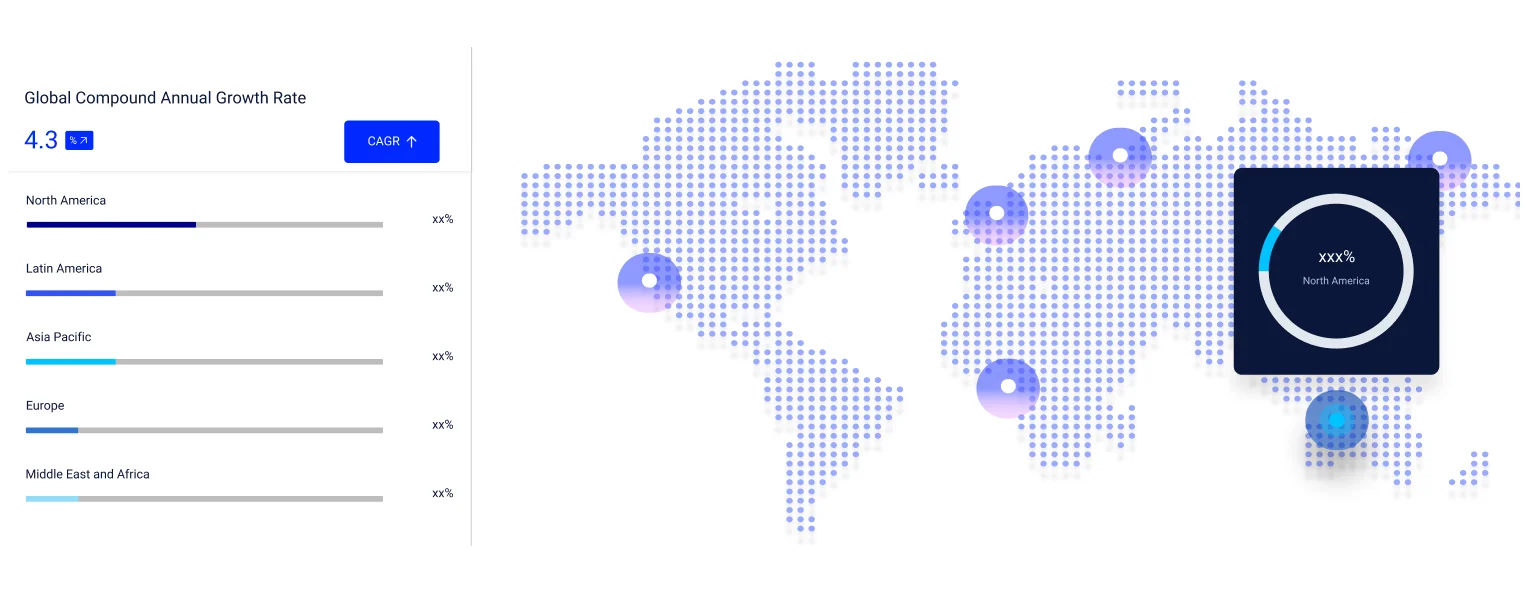
The vegan food market attained a value of USD 29.80 Billion in 2025. The market is expected to grow at a CAGR of 10.10% during the forecast period of 2026-2035. By 2035, the market is expected to reach USD 78.00 Billion.
The growing consumer prioritization of health is complementing the vegan food market expansion with high demand for plant-based foods free from cholesterol, hormones, and antibiotics. Major brands are offering products with clean ingredients and high protein. For instance, in July 2024, Ferrero launched the new vegan version of its Nutella spread by replacing milk with plant-based ingredients. This focus on health is supporting the growth in dairy alternatives and meat substitutes, mainly appealing especially to millennials and Generation Z individuals, who actively seek wellness-oriented diets.
Widespread retail presence is vital for the vegan food market growth. Supermarkets are expanding vegan aisles by launching private label products that cater to plant-based consumers. This strategy not only meets growing demand for ethical and health-conscious food choices but also allows retailers to offer affordable, exclusive alternatives to branded items. Foodservice chains are increasingly including plant-based options, making vegan food accessible to mass consumers. In January 2025, Starbucks launched its globally inspired winter menu featuring a Brown Sugar Oatmilk Cortado and a vegan Spicy Falafel Pocket. Moreover, online platforms are also boosting availability, with thriving specialty vegan marketplaces and direct-to-consumer brands.
The vegan food industry is attracting increasing venture capital and private equity funding to expand production. Investment is enabling scaling, innovation, and market entry for supporting startups and established firms. Funding growth also lowers production costs, enhances marketing, and expands distribution. In May 2025, High Time Foods invested USD 1.2 million in a funding round to develop non‑refrigerated, shelf‑stable plant‑based proteins for supporting wider distribution and food tech innovation. This financial momentum is signalling the confidence in the market’s profitability and long-term potential, encouraging more players to enter the vegan space.
Base Year
Historical Period
Forecast Period
Reportedly, in 2022, the worldwide retail market for plant-based meat alternatives reached a value of $6.1 billion.
India distinguishes itself significantly in the global vegan food market with 22% of its population adhering to vegetarianism and 19% embracing veganism.
Under the Vegan Trademark launched in 1990, the Vegan Society has registered over 65,000 products, encompassing 30,000 cosmetics and toiletries, and 18,000 food and drink items.
Compound Annual Growth Rate
10.1%
Value in USD Billion
2026-2035
*this image is indicative*
The influx of sustainability concerns is driving the vegan food market to offer lower carbon footprints and water usage. As per industry reports, the livestock sector produced 12% of global greenhouse gas emissions as of March 2024. Consumers, especially in Europe and North America, prefer brands committed to eco-friendly sourcing and packaging. This trend also aligns with global climate goals, encouraging more governments and corporations to support vegan food production and consumption.
Rapid advancements in food technology for significantly enhancing the taste and texture are impacting the vegan food market outlook. Using plant-based ingredients, companies are replicating meat and dairy flavours more realistically. Continuous research and development investments are also key to differentiation, with startups and established players releasing novel products, such as plant-based seafood and eggs. In April 2025, Swiss startup Catchfree has secured CHF 1.2 million in funding to scale production of its plant-based seafood alternatives, fuelling excitement and consumer loyalty.
Younger generations are largely contributing to the vegan food market due to animal welfare, climate action, and health. Supporting with an instance, in January 2024, Kellogg introduced its new vegan cereal to specially cater to Generation Z snackers. Social media is amplifying awareness, with influencers promoting vegan lifestyles and products. Brands are also targeting these cohorts through digital campaigns and sustainable branding, aligning with their preferences for transparency and activism.
Online platforms are driving the vegan food market development by accelerating sales and boosting awareness. E-commerce is allowing improved access to niche products and brands unavailable in physical stores. Highlighting this trend, in July 2024, plant-based brand Plantaway introduced its new chicken alternative, available on its website. Subscription boxes, influencer collaborations, and targeted ads are enhancing personalized shopping experiences. Digital engagement is also fostering community-building, education, and recipe sharing, strengthening consumer loyalty and market expansion.
The demand for allergen-free foods, including gluten-free and nut-free options, is benefitting the vegan food market. As per industry reports, nearly 1 in 133 people across the United States were affected by celiac disease as of April 2025. Several brands are offering products that cater to allergies and dietary restrictions, broadening the consumer base. This inclusivity is aligning with the rising food sensitivities and personalized nutrition trends.
Read more about this report - REQUEST FREE SAMPLE COPY IN PDF
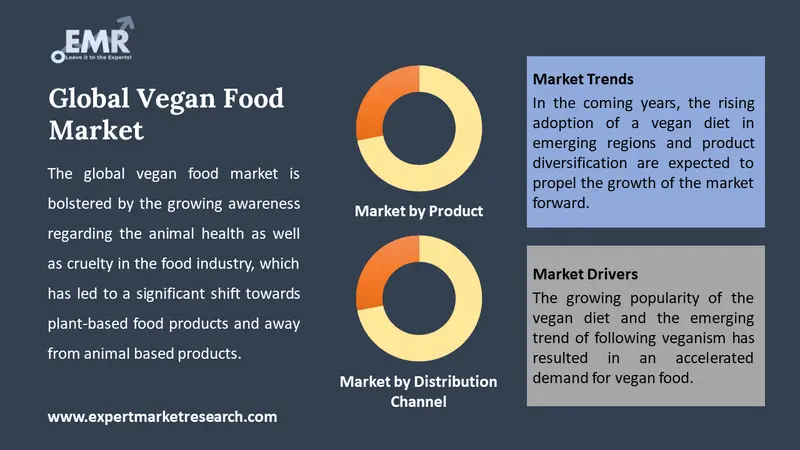
The EMR’s report titled “Vegan Food Market Report and Forecast 2026-2035” offers a detailed analysis of the market based on the following segments:
Market Breakup by Product
Key Insight: The dairy alternatives segment is a major contributor of the vegan food market. Milk substitutes, such as oat, almond, and soy milk have become household staples globally. Vegan cheese, including mozzarella and cheddar alternatives, from companies are gaining popularity for cooking and snacking. To serve these applications, in January 2025, Brooklyn-based brand RIND introduced ALPINE SVVISS, its new cashew-based artisan vegan cheese. Plant-based yogurts are catering to health-conscious consumers seeking probiotics without dairy. Vegan desserts are offering indulgent yet ethical options. This diverse segment continues to innovate, appealing to lactose-intolerant and eco-aware consumers globally.
Market Breakup by Distribution Channel
Key Insight: Supermarkets and hypermarkets are leading the vegan food market growth by offering wide product variety, accessibility, and competitive pricing. Major retail chains are dedicating significant shelf space to plant-based options including dairy alternatives, meat substitutes, and ready-to-eat meals. In May 2024, well-known retailer Walmart launched an assortment of new plant-based products, such as boxed mac and cheese and oat milk ice cream. These outlets also allow consumers to physically inspect products and compare brands. With extensive reach and frequent footfall, supermarkets and hypermarkets remain the most influential channel driving vegan food adoption globally.
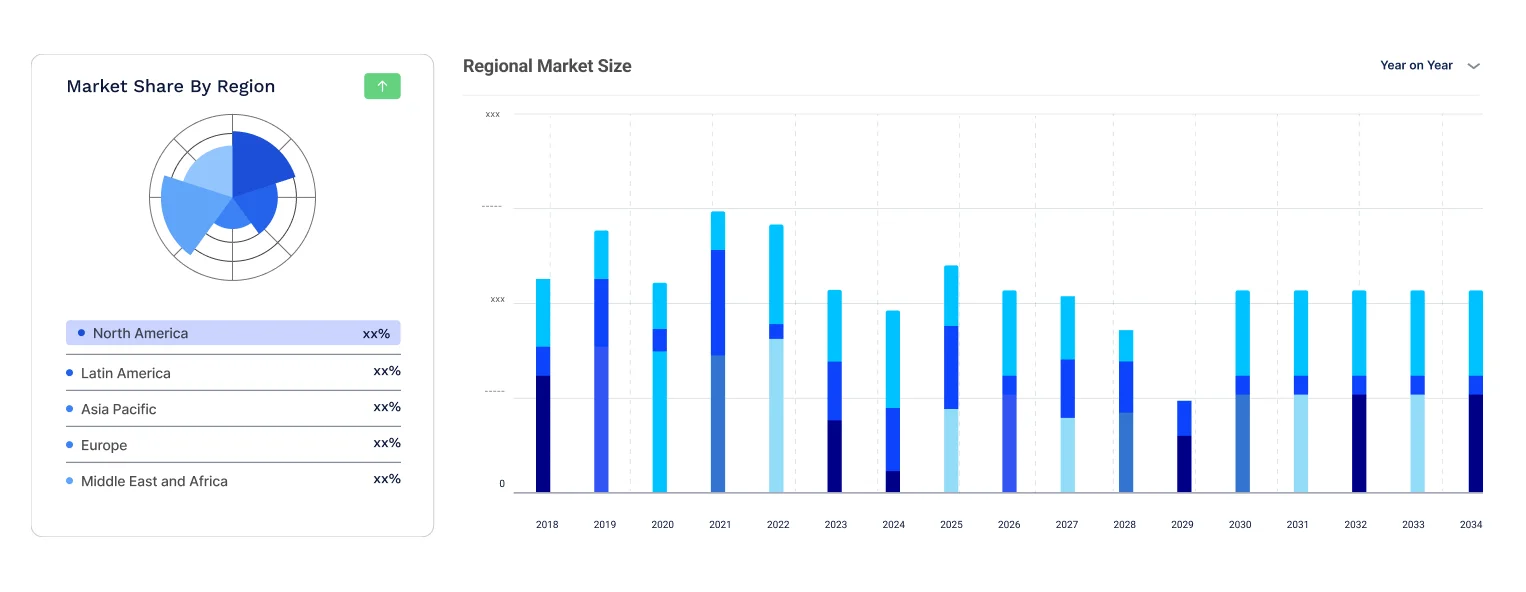
Market Breakup by Region
Key Insight: North America dominates the vegan food market, driven by increasing health awareness, ethical consumerism, and strong product innovation. For instance, in May 2025, Lindt & Sprüngli unveiled its LINDOR Vegan Truffles across Canada for catering to the surging demand for indulgent and plant-based chocolate alternatives. The United States hosts major players, whose products are widely available in retail and foodservice sectors. Government support for sustainable food systems and the growing flexitarian population is boosting the market demand. Rapid advances in food technology, such as lab-grown meat alternatives are helping to mimic the taste and texture of animal products. The presence of established distribution channels is further driving vegan food consumption in North America.
Meat Substitutes & Egg Alternatives to Garner Substantial Demand
The meat substitutes segment in the vegan food market includes tofu, textured vegetable protein (TVP), seitan, Quorn, and others. Tofu remains a staple due to its versatility and high protein content, widely used in Asian and Western cuisines. TVP is favoured for its meat-like texture and affordability, often found in processed foods, such as plant-based burgers. Seitan, made from wheat gluten, offers a chewy, meat-like experience popular in gourmet vegan dishes. Quorn, a mycoprotein-based brand, provides innovative alternatives such as nuggets and fillets, appealing to flexitarians. Together, these products are largely catering to diverse consumer preferences for sustainable, protein-rich meat alternatives.
Egg alternatives are an emerging segment of the vegan food industry due to rising penetration in baking, cooking, and processed foods. Liquid egg replacers made of mung bean, chickpea, and potato proteins to powdered mixes have grown suitable for commercial baking. In April 2025, Corbion introduced its innovative egg replacers, Vantage™ 12E and Vantage™ 11E to empower bakeries. The segment appeals to vegans and those with egg allergies, offering cholesterol-free, sustainable options. Ongoing innovation and increasing availability in grocery and foodservice channels are further expanding consumer acceptance and market presence.
Vegan Food Sales to Expand through Specialty Stores & Online
Specialty stores, such as health food shops, organic markets, and vegan-only outlets, are gaining traction in the vegan food market as they cater to niche consumer bases seeking premium and ethically certified products. These stores stock organic, gluten-free, and allergen-conscious items, appealing to health-focused or ethically motivated buyers. Brands, such as Whole Foods Market and Planet Organic are offering curated vegan selections, including artisanal cheese alternatives, plant-based supplements, and superfoods. This segment further remains important for brand-building and education.
The online segment is swiftly growing in the vegan food market. Several e-commerce platforms and brand-specific websites are allowing consumers to access a broader range of vegan products, especially in areas lacking physical stores. Driven by these factors, in May 2025, Kameda LT Foods introduced Krispy Hopu, its new vegan and gluten-free snack available on e-commerce platforms. Subscription boxes and direct-to-consumer models have also become popular, offering convenience and discovery of new brands. Online retail is supporting small and emerging vegan startups in reaching global audiences.
Europe & Asia Pacific to Witness Significant Vegan Food Consumption
Europe vegan food market is largely bolstered by the presence of a well-established regulatory framework that promotes sustainability, animal welfare, and healthier diets. The United Kingdom, Germany, and the Netherlands are witnessing a sharp rise in plant-based consumption. With European consumers increasingly motivated by environmental concerns, plant-based innovation is picking pace with new dairy-free and meat-alternative products. Catering to this trend, in June 2025, Redefine Meat launched its latest range of plant-based meat alternatives by rolling out new burger and beef mince across retail stores in the Netherlands, Germany, and France.
Asia Pacific is an emerging revenue hub in the vegan food market, experiencing rapid growth due to rising health consciousness, lactose intolerance rates, and evolving dietary patterns. China, Japan, and India are recording growing interest in plant-based diets. Innovative startups are gaining traction with localized meat alternatives. While traditional Asian diets already include many plant-based foods, the market is witnessing a shift toward Western-style vegan products. The increasing investments and urbanization are also positioning Asia Pacific as a major future driver.
Vegan food market players are adopting strategies that focus heavily on product innovation to meet the consumer expectations. These firms are developing plant-based alternatives that closely replicate the taste, texture, and nutritional value of animal-derived foods. This includes innovations in meat substitutes, dairy-free cheeses, and egg replacements through advanced food technologies to improve product quality and appeal. Vegan brands are emphasizing health benefits, ethical considerations, and environmental sustainability to attract not only vegans but also flexitarians and health-conscious consumers.
Sustainability is a key initiative for many players working on eco-friendly sourcing and production practices that reduce carbon footprints and animal cruelty. This commitment is resonating strongly with environmentally conscious customers, helping brands differentiate themselves in a crowded market. To reach more consumers, companies are expanding their distribution networks by partnering with mainstream grocery chains, restaurants, and e-commerce platforms. Making vegan products more accessible is also encouraging wider trial and adoption. Additionally, competitive pricing and promotions are helping to lower the cost barrier compared to traditional animal products.
Founded in 1919, Danone S.A. is headquartered in Paris, France and offers a diverse range of food and beverage products, including plant-based alternatives via its Alpro and Silk brands. The company’s portfolio includes non-dairy milk, yogurt, and desserts, with a strong focus on health and sustainability.
Daiya Foods Inc., founded in 2008 and headquartered in Burnaby, Canada, specializes in dairy-free products, such as plant-based cheese, yogurt, dressings, and frozen meals. Known for its allergen-friendly ingredients, the brand caters to vegan and lactose-intolerant consumers seeking convenient, flavourful alternatives to traditional dairy.
Founded in 2014 and headquartered in Emeryville, the United States, Ripple Foods PBC focuses on plant-based dairy alternatives made primarily from yellow peas. Ripple’s product range includes milk, protein shakes, and creamers, known for their creamy texture, high protein content, and commitment to environmental sustainability.
Impossible Foods Inc., founded in 2011 and headquartered in Redwood City, the United States., is known for its meat alternatives made from plants, including the popular Impossible Burger. The company’s offerings aim to replicate the flavour and texture of meat while reducing environmental impact and supporting animal welfare.
*Please note that this is only a partial list; the complete list of key players is available in the full report. Additionally, the list of key players can be customized to better suit your needs.*
Other players in the vegan food market are Beyond Meat, Inc., Amy's Kitchen, Inc., Tofutti Brands, Inc., Earth’s Own Food Company Inc., Conagra, Inc., The Hain Celestial Group, Inc., Schouten Europe B.V., and Greenleaf Foods, SPC, among others.
Unlock valuable insights into vegan food market trends 2026 and beyond. Download your free sample report today to explore growth drivers, regional performance, and competitive dynamics shaping the industry. Stay ahead with data-backed decisions in the rapidly expanding plant-based sector. Click now for expert-driven analysis and forecast highlights!
United Kingdom Vegan Food Market
South Korea Vegan Food Market
Australia Vegan Food Market
India Vegan Food Market
Vegan Fast Food Market


Upto 15% Off
USD
$2499 $2249
$3999 $3599
$4999 $4249
$5999 $5099


*While we strive to always give you current and accurate information, the numbers depicted on the website are indicative and may differ from the actual numbers in the main report. At Expert Market Research, we aim to bring you the latest insights and trends in the market. Using our analyses and forecasts, stakeholders can understand the market dynamics, navigate challenges, and capitalize on opportunities to make data-driven strategic decisions.*
Get in touch with us for a customized solution tailored to your unique requirements and save upto 35%!
In 2025, the market reached an approximate value of USD 29.80 Billion.
The market is projected to grow at a CAGR of 10.10% between 2026 and 2035.
The market is estimated to witness healthy growth in the forecast period of 2026-2035 to reach a value of around USD 78.00 Billion by 2035.
Key strategies driving the market include product innovation, expanding plant-based offerings, strategic partnerships, and targeted marketing. Companies are focusing on improving taste, nutrition, and affordability while increasing distribution through supermarkets and online platforms. Sustainability and health trends are also fuelling consumer demand, prompting brands to emphasize ethical sourcing and transparency.
The key market trend guiding the growth of the market includes the rising awareness of animal rights and growing concerns regarding environmental impact of the meat sector.
The major regions in the market are North America, Latin America, the Middle East and Africa, Europe, and the Asia Pacific.
The leading products in the market are dairy alternatives, meat substitutes, egg alternative, vegan bakery, confectionery, and plant-based snacks, among others.
Supermarkets and hypermarkets, convenience stores, speciality stores, and online are the major distribution channels in the market.
The key players in the market report include Danone S.A., Daiya Foods Inc., Ripple Foods PBC, Impossible Foods Inc., Beyond Meat, Inc., Amy's Kitchen, Inc., Tofutti Brands, Inc., Earth’s Own Food Company Inc., Conagra, Inc., The Hain Celestial Group, Inc., Schouten Europe B.V., and Greenleaf Foods, SPC, among others.
North America dominates the market, driven by increasing health awareness, ethical consumerism, and strong product innovation.
Explore our key highlights of the report and gain a concise overview of key findings, trends, and actionable insights that will empower your strategic decisions.
| REPORT FEATURES | DETAILS |
| Base Year | 2025 |
| Historical Period | 2019-2025 |
| Forecast Period | 2026-2035 |
| Scope of the Report |
Historical and Forecast Trends, Industry Drivers and Constraints, Historical and Forecast Market Analysis by Segment:
|
| Breakup by Product |
|
| Breakup by Distribution Channel |
|
| Breakup by Region |
|
| Market Dynamics |
|
| Competitive Landscape |
|
| Companies Covered |
|
Datasheet
One User
USD 2,499
USD 2,249
tax inclusive*
Single User License
One User
USD 3,999
USD 3,599
tax inclusive*
Five User License
Five User
USD 4,999
USD 4,249
tax inclusive*
Corporate License
Unlimited Users
USD 5,999
USD 5,099
tax inclusive*
*Please note that the prices mentioned below are starting prices for each bundle type. Kindly contact our team for further details.*
Flash Bundle
Small Business Bundle
Growth Bundle
Enterprise Bundle
*Please note that the prices mentioned below are starting prices for each bundle type. Kindly contact our team for further details.*
Flash Bundle
Number of Reports: 3
20%
tax inclusive*
Small Business Bundle
Number of Reports: 5
25%
tax inclusive*
Growth Bundle
Number of Reports: 8
30%
tax inclusive*
Enterprise Bundle
Number of Reports: 10
35%
tax inclusive*
How To Order

Select License Type
Choose the right license for your needs and access rights.

Click on ‘Buy Now’
Add the report to your cart with one click and proceed to register.

Select Mode of Payment
Choose a payment option for a secure checkout. You will be redirected accordingly.
Gain insights to stay ahead and seize opportunities.

Get insights & trends for a competitive edge.

Track prices with detailed trend reports.

Analyse trade data for supply chain insights.

Leverage cost reports for smart savings

Enhance supply chain with partnerships.

Connect For More Information
Our expert team of analysts will offer full support and resolve any queries regarding the report, before and after the purchase.
Our expert team of analysts will offer full support and resolve any queries regarding the report, before and after the purchase.
We employ meticulous research methods, blending advanced analytics and expert insights to deliver accurate, actionable industry intelligence, staying ahead of competitors.
Our skilled analysts offer unparalleled competitive advantage with detailed insights on current and emerging markets, ensuring your strategic edge.
We offer an in-depth yet simplified presentation of industry insights and analysis to meet your specific requirements effectively.





Share