Safety and Regulatory Compliance in Ammonium Perchlorate Manufacturing
The market for ammonium perchlorate is dependent on stringent safety measures and conformity with regulations. Ammonium perchlorate is an essential element in solid rocket propellants but is a very reactive chemical with the potential to cause severe hazards if not handled properly. Safe production, storage, and transport are essential in safeguarding workers, the environment, and manufacturing plants. Aerospace manufacturers and regulatory bodies are applying stringent standards to reduce risks and ensure operational efficiency.
Importance of Regulation Standards
Regulatory control is crucial in ammonium perchlorate manufacturing. North American, European, and Asian agencies impose regulations that address chemical safety in aerospace applications, compliance with explosive materials, and hazard reduction in oxidizers. The standards tend to incorporate recommendations on storage capacity, temperature and humidity management, ventilation, and safe operation practices. Packaging and labeling specifications are closely regulated to guarantee that the chemical is delivered safely through supply chains. Compliance with these guidelines minimizes risks, avoids legal sanction, and guarantees reliability for aerospace use. Propellant Handling Safety Practices
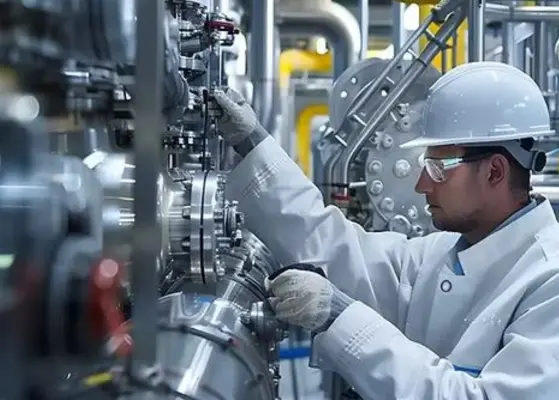
Safe handling of ammonium perchlorate must be maintained to avoid production and storage incidents. Controlled mixing areas, automated dispensing equipment, and limiting access to sensitive regions are safety measures. Employees undergo thorough training in the process of safe handling of propellants, emergency response, and use of personal protective gear. Staff are regularly drilled and simulated in responding to situations in the event of an accident. These procedures are imperative, as even limited friction, heat, or contamination can initiate unwanted reactions.
Hazard Mitigation Measures
Several methods are used by manufacturers to minimize risk during the production of ammonium perchlorate:
- Stabilized chemical formulations to minimize heat and impact sensitivity
- Storage segregation of incompatible chemicals
- Installation of temperature, pressure, and chemical concentration automatic monitoring systems
- Regular safety inspections and audits of production plants
- Emergency response planning and fire suppression systems
These steps safeguard people, the buildings, and the area around them while ensuring uninterrupted operations.
Compliance Across Global Operations
International ammonium perchlorate producers have to fulfil regional as well as global regulatory requirements. This entails staying current with changing regulations, documentation, and instituted standard training practices. Large multinational corporations tend to have similar protocols in place across facilities for similar compliance and quality assurance. Adherence to global safety standards builds credibility and reinforces market positioning.
Role of Technology in Safety and Compliance
Technological advancements enhance compliance and safety in propellant production. Automated handling reduces the level of exposure for people to reactive chemicals. Real-time monitoring devices identify temperature, pressure, or concentration changes to avoid accidents. Development of less-sensitive oxidizer formulations decreases risks without compromising energy efficiency. The innovations enable producers to meet AP regulatory standards while enhancing productivity and minimizing operating risk.
Market Implications of Safety Compliance
Safety and regulatory adherence directly influence the adoption and market expansion of ammonium perchlorate. Aerospace and defense customers increasingly demand vendors who rigorously adhere to standardized safety procedures and regulatory requirements, as this guarantees consistent dependability, minimizes operational hazards, and reduces liability issues. Certified facilities that comply with global safety standards are able to conduct production without breaks, ensure timely deliveries, and uphold high-quality standards for critical aerospace uses.
Firms that invest in systemic compliance programs are enhancing client trust and building strong customer relationships, thus gaining a competitive advantage in the international market. Conversely, producers who do not emphasize safety or are not in compliance with regulations face fines, plant closures, and long-term harm to their reputation, impacting market presence and expansion opportunities.
Major Gains from Safety and Regulatory Compliance
Instituting safety and regulatory compliance practices in ammonium perchlorate manufacturing has several benefits. Firms can minimize the possibility of chemical accidents and explosions, along with enhanced protection of workers, by means of formal training and procedures. Compliance with laws prevents the imposition of sanctions or penalties, while regular compliance promotes dependability and quality assurance for aerospace use. The practices also foster customer and stakeholder confidence, creating a competitive market edge globally. By incorporating these measures in daily operations, manufacturers are able to ensure safe, sustainable, and internationally compliant ammonium perchlorate production.
To gain in-depth insights, growth drivers, and projections, read our Global Ammonium Perchlorate Market
Creating a Safer and Compliant Future in Propellant Manufacturing
Safety and compliance with regulations form the pillars of the ammonium perchlorate market. Manufacturers have to strike a balance between chemical performance and strict safety standards to safeguard workers, the environment, and end-users. Appropriate handling, hazard reduction, regulatory compliance, and technological breakthroughs are all important in the quest for operational safety. Businesses that invest in these practices gain credibility, retain access to markets, and anticipate future regulatory shifts. As the market keeps changing, safety and compliance will continue to be at the heart of successful and sustainable production of ammonium perchlorate around the world.











Share