How Electric Cargo Bikes Are Changing Urban Delivery for SMEs
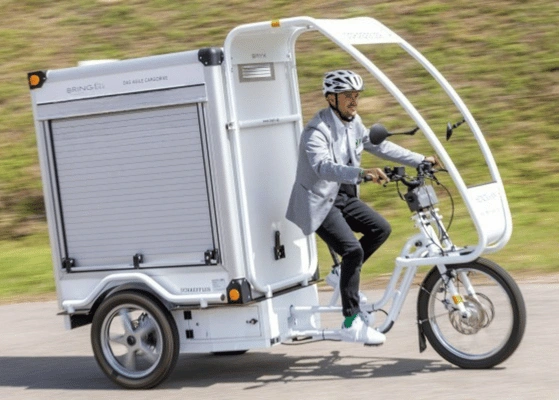
Small businesses are increasingly subject to challenges in city deliveries. Traffic, narrow streets, tight delivery windows, and escalating fuel costs make conventional delivery vehicles expensive, time-consuming, and frequently inefficient. Increasingly, many SMEs are looking to electric cargo bikes as a pragmatic and practical solution. These bicycles are lightweight, versatile, quiet, and environmentally friendly, making them best suited for delivering through congested streets, populated neighborhoods, and tight alleys while also ensuring prompt deliveries.
Electric cargo bicycles can transport small parcels while lowering the cost of operation and maintenance substantially. Retailers, bakeries, florists, and food delivery companies are some of the initial adopters. For small companies, electric cargo bicycles provide an excellent balance of efficiency, dependability, and sustainability, enabling firms to deliver customer expectations reliably without substantially elevating costs or logistical complexity.
Electric cargo bikes provide many benefits to SMEs:
- Lower cost of operation compared to vans or trucks
- Less carbon emission for greener deliveries
- Smoother maneuverability in busy streets
- Fast and agile delivery for small parcels and fresh produce
These benefits enable small enterprises to compete successfully in city centers. Consumers increasingly want companies to be environmentally friendly, and electric cargo bikes enable SMEs to showcase sustainability without compromising on delivery reliability.
Optimizing Cargo Bike Fleet Management
Operating an electric cargo bike fleet demands detailed planning and continuous monitoring. Companies need to monitor battery levels, maintenance intervals, delivery routes, and usage patterns. SMEs can use fleet management software to track bikes in real time, optimize routes for efficiency and energy consumption, and detect issues before they become problems.
Additionally, certain platforms also integrate with order management systems, where they automatically allocate deliveries to the closest available bike and provide performance analytics. Staff training for delivery is also a priority. Operators must be educated on weight limits, safe riding, traffic rules, and battery charging guidelines. Properly managed fleets minimize downtime, reduce delays, and enable timely deliveries. It also maximizes overall customer satisfaction, which is important for small businesses aiming to compete in the competitive market.
Cost-Efficient Urban Transport
Electric cargo bikes are a cost-efficient mode of transport for small enterprises. They have lower initial capital requirements than conventional vans and involve less maintenance. Charging expenses are much lower compared to fuel expenses, and this enables companies to make savings in the long run.
Aside from cost reduction, e-cargo bikes enable sustainable urban transport. They displace traditional vehicles, which means they also reduce congestion and emissions, keeping city streets clean and quiet. Quicker deliveries and simple maneuverability also provide SMEs with the operational edge over the competition in larger vehicles.
Challenges for Small Businesses Using E-Cargo Bikes
Despite the benefits, electric cargo bikes have limitations. Cargo capacity is smaller than traditional delivery vans, making them unsuitable for heavy or bulk orders. Battery range is another consideration. Without a convenient charging infrastructure, bikes may require frequent stops, slowing down deliveries.
Storage and security are also important. Bikes must be stored safely when not in use to prevent theft or damage. Urban infrastructure, such as bike lanes and parking facilities, influences how efficiently cargo bikes can operate. SMEs must plan around these constraints to maximize delivery efficiency.
Leveraging Technology for Efficiency
Technology is a crucial aspect in electric cargo bike operations. GPS tracking, route plotting, and real-time traffic information greatly enhance delivery efficiency and reduce delays. Mobile apps enable enterprises to track deliveries, allot tasks, and engage with customers directly for more efficient service.
Digital technology also gives insights into operational expenses, energy consumption, and ecological footprint. Companies can monitor electricity usage, compute saved emissions, detect bottlenecks, and re-route deliveries accordingly. These data-driven insights assist SMEs in optimizing fleet efficiency, cutting unnecessary costs. It also supports their sustainability initiatives without causing any delays in deliveries throughout congested cityscapes.
For a detailed analysis and market outlook, read our Electric Cargo Bikes Market
The Future of Last-Mile Delivery for SMEs
Electric cargo bicycles are likely to play an increasingly prominent role in city logistics. Government subsidies and incentives for electric transport stimulate take-up by small businesses. Low-emission zones, reserved bike lanes, and other policies also make bicycles more convenient for urban delivery. Partnerships between SMEs, authorities, and technology providers will be central to increasing the scale of take-up. Charge point provision, fleet management tools, and apps for deliveries will render operations more reliable and effective.
For small businesses, electric cargo bikes are more than a means of delivery. They are a cost-cutting measure, an efficiency solution, and brand reinforcement through environmentally friendly methods. As urban logistics develops further, electric cargo bikes will be at the forefront of helping SMEs succeed while contributing to cleaner and quieter cities.











Share