Emerging Uses of Bio-Based Fatty Acids in Polymer and Plastic Manufacturing
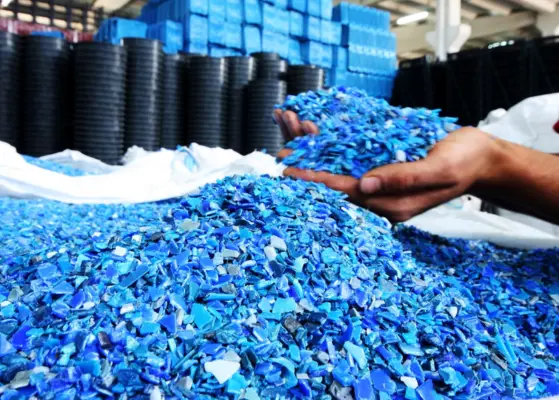
The plastics and polymer industry keeps changing as manufacturers look for materials that are not only durable and functional but also sustainable. Plastic products are indispensable in many areas such as packaging, car parts, electronics, building materials, and consumer goods. However, the negative impact of plastics made from fossil fuels on the environment has led to the exploration of green raw materials to enable more eco-friendly production processes.
Fatty acids of bio-origin coming from oils of various plants are becoming recognized as key components in the production of polymers and plastics. These bio-based molecules can undergo chemical transformations to fabricate additives and specialty products that enhance both the processing and the performance of plastic articles. Since their source is renewable, they also fit well with the industry's push for environmentally sustainable manufacturing.
There are many fatty acids emerging as industrial raw materials, but long-chain fatty acids, such as erucic acid, are particularly pure and potent due to their intrinsic structural properties. Their extensive carbon skeletons and broad physicochemical features allow them to be used in a variety of polymer applications. By utilizing these renewable resources, producers can manufacture new-generation materials with improved functionalities while at the same time contributing to lowering the fossil carbon footprint.
Role Of Fatty Acid Derivatives in Plastic Additives
Plastic manufacturing depends on additives to shape how polymers behave during production and in use. Without them, many plastics wouldn't work for current industry demands. Bio-based fatty acid derivatives are now common in creating additives that make processing easier and improve performance. However, slip agents remain among the most widely used additives. They minimize the friction between plastic surfaces and machinery during production and packaging. That keeps film lines operating smoothly and prevents finished goods from being scratched or damaged.
Fatty acid derivatives also act as anti-blocking agents in plastic films. When stored or shipped, films can stick together because of surface bonding. These additives break that bind by introducing microscopic surface bumps that prevent layers from sticking together, which is critical for flexible packaging for food, consumer goods, and industrial applications. Plasticizers are another important application. They improve flexibility and long-term strength in some polymers. Fatty acid-based plasticizers add elasticity to materials used in packaging, coatings, and construction.
Contribution to Sustainable Polymer Production
Sustainability is becoming a major point of discussion in the global plastics sector. Production companies are getting increasingly regulated, consumer demand for environmentally friendly products is growing, and environmental groups are raising awareness through the media. Reducing the negative environmental impacts of plastic manufacturing is one of the practical options. Adding biobased components to polymer formulations is one of the ways in which a company can implement green chemistry principles and make a significant change in the sustainability of its product line.
Fatty acids derived from oilseeds provide a sustainable source of feedstocks for plastic additives and have a closed carbon cycle since they are obtained from plants and return carbon to the soil via plant residue decomposition. By the use of these kinds of chemicals in polymer formulations, the industry is moving toward the development of partially renewable materials. This trend of switching to plant-based chemical inputs is in line with the broader desire for sustainability in the manufacturing sector.
Advancements In Polymer Processing Technologies
Technological innovations are playing a significant role in speeding up the use of bio-based fatty acids in the production of polymers. Chemical processing techniques have become so efficient that producers can now transform plant-derived fatty acids into unique compounds with specific properties. Reactions like esterification and hydrogenation are advanced enough to produce tailored fatty acid derivatives, which can be used in polymer manufacturing. These techniques have helped companies to develop additives that make polymers heat-resistant, better lubricated, and more stable during processing.
On top of that, the latest polymer processing machinery is designed to work efficiently with novel additive technologies. For instance, advanced extrusion equipment and modern compounding techniques have made the incorporation of fatty acid derivatives into polymers both feasible and highly reproducible. These developments have unquestionably significantly improved the reliability of bio-based additives in large-scale plastic manufacture. The exploration of renewable materials by polymer manufacturers will open up even more possibilities for the use of plant-derived fatty acids in the design of advanced materials.
Explore insights on industrial uses, manufacturing trends, and demand in Erucic Acid Market.
The Growing Role of Renewable Chemistry in Plastic Innovation
The plastics sector is slowly turning to renewable chemistry in line with its drive to establish more sustainable production methods. Bio-based fatty acids obtained from vegetable oils represent a viable means of introducing renewable raw materials into polymer production without compromising on performance and dependability. Fatty acids are versatile enough to be employed as slip agents, plasticizers, and processing aids in a wide range of polymer applications.
As the manufacturers keep experimenting with bio-based chemical components, these substances are anticipated to become more significant in the creation of future plastic products. Understanding the role of bio-based fatty acids in polymer production provides a better understanding of the wider change happening in industrial chemistry. Renewable raw materials are not only enabling the creation of new materials but also presenting manufacturers with opportunities to achieve a balance between product functionality, efficiency, and environmental responsibility.








Share