Advancements Driving Innovation in Urea Production
Urea is a cornerstone of global agriculture, having supported crop production for decades by supplying the essential nitrogen needed for plant growth. Historically, ammonia and carbon dioxide have been used to produce urea in energy-consuming processes. As there is an increase in demand for fertilizers and concerns relating to environmental issues, technological advancements are changing the way urea is manufactured. Manufacturers are currently considering the enhancement of energy efficiency, the lowering of greenhouse gases, and sustainable practices. These developments are not only environmentally friendly, but they also make production costs efficient so that farmers can have access to fertilizers at affordable prices. Understanding these innovations is essential to meeting the growing demands of agriculture through more advanced urea production.
Energy-Efficient Production Methods
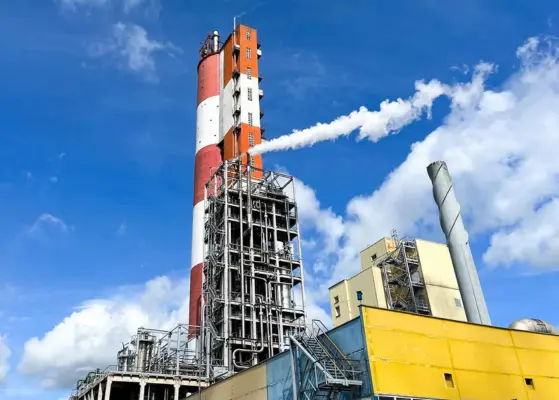
Energy efficiency is one of the largest fields of innovation in the production of urea. The traditional manufacturing techniques demand hefty quantities of natural gas to manufacture ammonia, followed by the mixing of ammonia with carbon dioxide to make urea. Modern process designs and optimized chemical reactions are reducing energy consumption while maintaining high production capacity. Manufacturers are also incorporating heat recovery systems, which are able to gather and reuse the energy generated in the course of production. These enhancements reduce the operating expenses and emissions of carbon. Through the adoption of energy-saving technologies, manufacturers would be able to build a more sustainable supply chain of fertilizers without affecting the quality and availability of urea to farmers.
Green and Sustainable Technologies
One of the active factors behind the innovation of urea production is environmental sustainability. Green technologies are directed at minimizing emissions and the use of alternative forms of energy. The market observes an increasing number of facilities that are considering the use of renewable energy, to supply some of their energy needs. Other inventions include carbon capture and consumption, whereby the carbon dioxide emission is not released into the atmosphere but can be reused in the urea manufacturing process. Manufacturers are also trying bio-based feedstocks as partial replacements of the traditional raw materials. These measures result in increased eco-friendliness of urea production and are in line with the global sustainability goals, allowing farmers to obtain more environmentally friendly fertilizers.
Automation and Digital Integration
Urea plants are becoming increasingly automated and adopting digital technologies. The superior monitoring systems address the important production parameters, which guarantee efficiency and quality of production processes. Sensor-based predictive maintenance and data analytics are becoming useful in minimizing the downtime of equipment, enhancing the reliability of production, and decreasing operational expenses. The digital platforms also enable manufacturers to process the supply chain information, schedule in a more efficient way, and respond to the market needs. With automation providing real-time data insights, urea manufacturers can optimize resource utilization and significantly enhance overall operational efficiency, which will allow them to build more resilient and responsive production processes, benefiting manufacturers and farmers.
Improving Fertilizer Efficiency Through Innovation
Urea production involves more than production processes, as it has affected technological advances in this sector. They also affect the fertilizer performance in the field. Some of the innovations include coated or slow-release urea that enhances the efficiency of using nitrogen, minimizes losses through volatilization or through leaching, and increases nutrient availability to crops. Improved granulation methods result in homogenous particles that are simpler to manage, store, and utilize. These benefits help farmers to attain larger crop production and reduce environmental degradation. The combination of production technology and product performance is allowing manufacturers to design urea fertilizers that achieve the agronomic and sustainability objectives.
Explore the Global Urea Market Report for the latest insights on urea production technologies and fertilizer efficiency.
Advancing Agriculture Through Innovation
Modern agriculture can address the increasing global demands as well as deal with the environmental concerns through technological advances in the production of urea. Green technologies, energy-efficient techniques, automation, and fertilizer performance are all favoring sustainable growth. Farmers enjoy better and more reliable, efficient, and environmentally friendly fertilizers as producers keep up with the new advanced processes. These inventions guarantee that urea continues to be a pillar of agriculture in the world, as it provides the capability to yield more crops and improve soil conditions and the sustainability of the farming industry in the long run.
Continuous research and innovation are reducing production costs, making fertilizers more affordable to farmers in underdeveloped countries. Improved industrial procedures also reduce greenhouse gas emissions, thus promoting broader environmental aims. Furthermore, the combination of digital monitoring and precision production guarantees that fertilizers are optimized for optimal efficiency, allowing crops to attain their full potential. As these improvements progress, they provide potential for global agriculture to balance productivity and environmental responsibility.











Share