Smart Fitting Rooms Powered by Virtual Mirrors in Fashion Retail
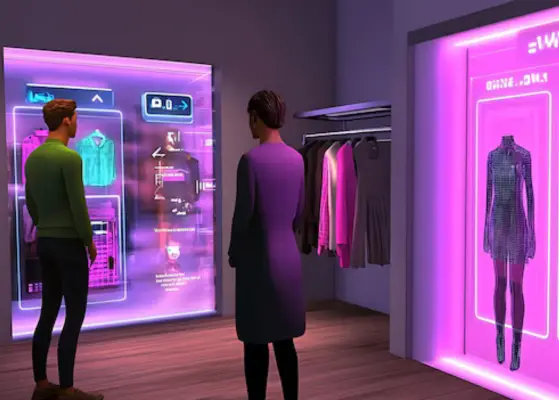
Fashion retailers are under constant pressure to upgrade the in-store experience so they can compete with the speed and convenience of online shopping. One of the most fascinating solutions that are being implemented in fashion stores globally is smart fitting rooms with virtual mirror technology. These mirrors are a combination of augmented reality, artificial intelligence, and interactive display systems that create a highly personalized shopping environment within physical stores.
In contrast to regular mirrors, virtual mirrors in fitting rooms enable shoppers to engage with the clothes digitally. Customers can change the size, get styling ideas, or view different color options without having to get out of the fitting room. This technology is helpful for retailers because it makes customers more engaged at the point of sale. The longer shoppers decide on their products in the store, the more likely they are to make a purchase.
Retail Brands Integrate Smart Mirrors to Improve Customer Experience
Fashion brands have come to realize that the fitting room is a major factor in influencing a customer's decision to make a purchase. Customers who try several outfits end up not buying anything as the process gets them frustrated or feels too long. Smart mirrors are a great solution to this problem as they make the fitting room process more efficient.
Ralph Lauren, for instance, took a step further and implemented interactive mirrors in the stores where they wanted to provide their customers with fitting room experiences that were connected. These mirrors allow changing the light settings, looking at various product options, finding out about product availability, or directly ordering the products from store staff.
On a similar note, sportswear brands like Nike are continuously testing the use of digital fitting room mirrors in stores. Based on the items chosen by the customer, the mirrors can suggest other products that might align with the ones picked in terms of color or style. According to those working in retail, this function is one of the key elements that help accelerate overall cross-selling opportunities.
Bridging Online and Offline Retail Channels
Virtual mirror technology is allowing retailers to more effectively merge their online and offline sales channels. Several brands are implementing omnichannel strategies where the customer experience seamlessly shifts between digital means and physical stores. Smart mirrors can act as a connection between these different settings.
For example, when customers are checking out clothing items on a brand’s mobile app, they might get suggestions in the store. If they step into a fitting room that has a virtual mirror, the console can show them the items they had looked up online. This results in an uninterrupted shopping experience that feels both individual and easy.
Enhancing Inventory Visibility Through Interactive Displays
Another benefit that virtual mirrors in retail locations offer is that they can enhance product inventory visibility. Most of the time, fitting rooms are separate from the stockrooms, so customers must exit the fitting room to find other sizes and colors. This kind of interruption often results in lost sales.
With virtual mirror integration, the fitting room becomes a live link with the store's inventory system. So, when customers choose an item on the mirror, the system can tell them what sizes and colors are in stock and even show accessories to go with the item. If a customer wants a certain product variation, the store employee is immediately informed.
Supply companies are constantly upgrading these programs by including AI that can forecast customer preferences accurately. These mirrors even suggest complementary products without human intervention, thereby turning fitting rooms into major merchandising opportunities rather than merely spaces for trying garments.
Explore deeper insights on technology trends and strategies in the Virtual Mirror Market Report.
The Competitive Race to Build Smarter Retail Technologies
Virtual mirror development has expanded rapidly in recent years, driven by technology firms, software developers, and retail solution providers. Many companies that are focused on augmented reality and computer vision are vying to create the most accurate digital simulations.
A major hurdle that the industry faces is the level of realism. When shoppers perceive that a digital model of a garment truly shows how it will appear when worn, they generally gain trust in the system and make their buying decisions after a virtual fitting. That is why companies are prioritizing the development of machine learning models that can accurately simulate fabric textures, lighting conditions, and body movements.











Share