

Consumer Insights
Uncover trends and behaviors shaping consumer choices today
Procurement Insights
Optimize your sourcing strategy with key market data
Industry Stats
Stay ahead with the latest trends and market analysis.
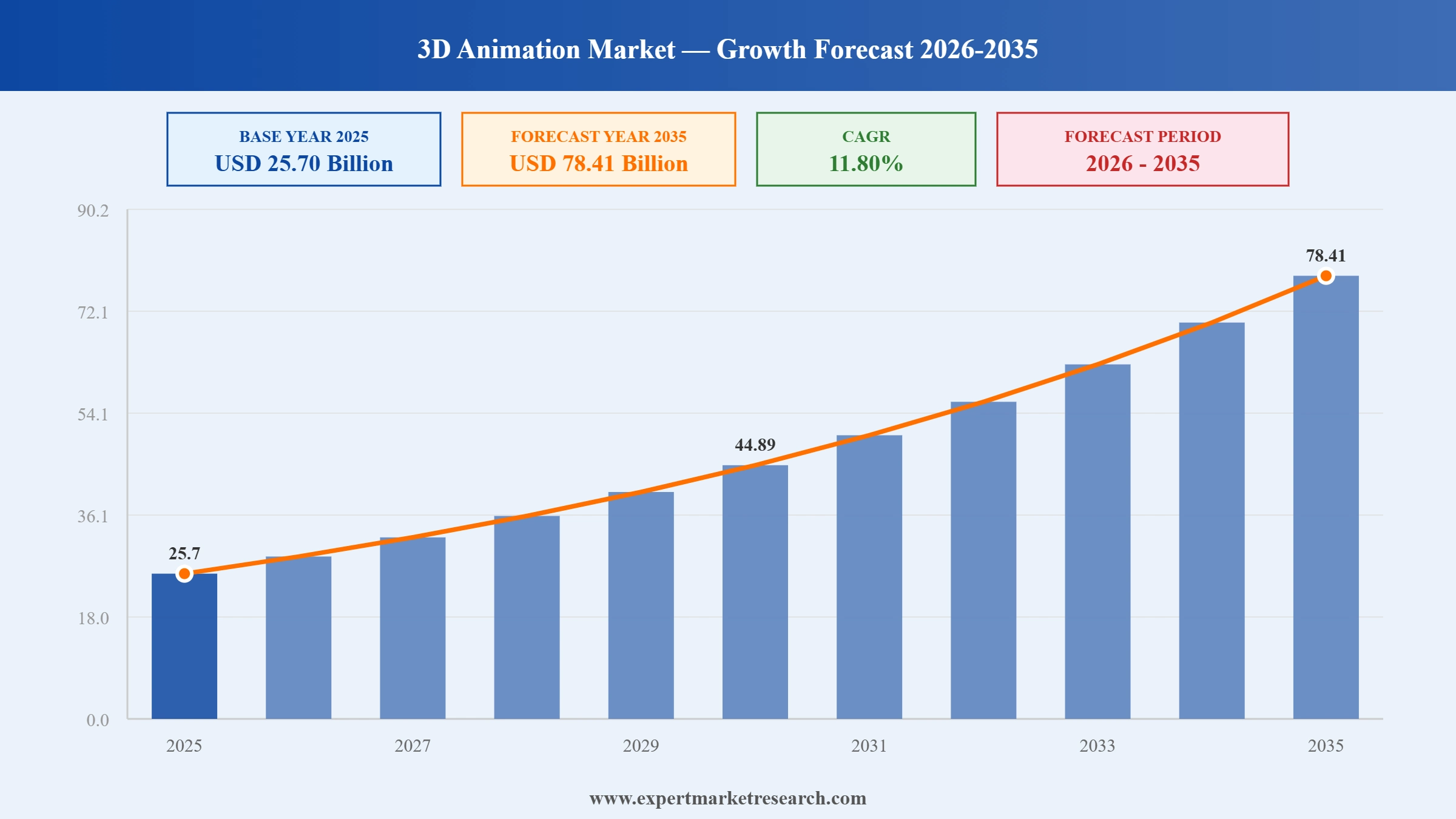
The global 3D animation market reached a value of USD 25.70 Billion at 2025 and is projected to expand at a CAGR of around 11.80% during the forecast period of 2026-2035. Fuelled by rising content investment from OTT and streaming platforms, rapid expansion of the global gaming industry, integration of artificial intelligence in animation production tools, and growing adoption across healthcare and education sectors, the market is expected to reach USD 78.41 Billion by 2035.
Get a sample of the market report in PDF - REQUEST A FREE SAMPLE
The global 3D animation market is undergoing a structural shift, with AI and cloud platforms redefining how studios and independent creators produce content. Demand is accelerating across media and entertainment, gaming, healthcare, and enterprise visualisation, with major software vendors expanding their AI-integrated toolsets to capture a growing global creator base.
Autodesk launched Wonder 3D within Flow Studio in April 2026, enabling text-to-3D and image-to-3D asset creation for all subscription tiers. Game developers, film studios, and marketing teams can now build editable 3D characters rapidly, reducing concept-to-production timelines significantly.
Autodesk expanded Flow Studio in March 2026 with AI Rigging and Neural Layer, enabling artists to convert 3D models into animation-ready characters within minutes and achieve cinematic-quality rendering, while concurrent Maya and 3ds Max AI updates accelerated production workflows for film and gaming studios.
Maxon Computer GmbH consolidated Cinema 4D, ZBrush, Redshift, and Red Giant under the unified Maxon One subscription in September 2025. The rebrand was accompanied by Cinema 4D updates including new spline tools and enhanced simulation features, strengthening its competitive position as a comprehensive 3D platform.
At SIGGRAPH 2025, Autodesk launched a Free subscription tier and reduced pricing for Flow Studio, democratising access to professional-grade AI-powered VFX and character animation tools starting at USD 10, enabling independent creators to compete with studio-level 3D animation production capabilities.
Artificial intelligence is fundamentally transforming the global 3D animation market by automating character rigging, motion capture, and rendering tasks. Autodesk's Flow Studio platform converts actor footage into animated CG characters with minimal input, demonstrating how AI is making professional-grade 3D animation workflows accessible across studios of all sizes.
Cloud-based deployment is rapidly expanding across the 3D animation market, enabling remote collaboration and on-demand rendering scalability. This shift reduces on-premises hardware dependency and supports the growing animated content volume demanded by streaming platforms, advertising agencies, and interactive media companies seeking faster, more flexible 3D animation production pipelines globally.
Global streaming platform expansion continues to generate substantial recurring demand for 3D animated content across the 3D animation market. Leading platforms invest tens of billions annually in original programming, with a meaningful share directed to animated productions, making OTT growth a durable and structural long-term driver for 3D animation globally.
Healthcare and life sciences represent a fast-expanding end-use segment for the 3D animation market, with medical institutions and pharmaceutical companies deploying animated simulations for surgical training and patient education. High-fidelity real-time 3D environments for clinical applications are broadening the addressable market well beyond traditional entertainment and gaming sectors.
Asia Pacific is rapidly expanding 3D animation production capacity through India's outsourcing growth, Japan's dominant anime export industry, South Korea's gaming-affiliated studios, and China's government-backed animation initiatives. These converging forces reinforce Asia Pacific's position as the fastest-growing region driving 3D animation market growth globally during the forecast period.
The Expert Market Research's report titled "Global 3D Animation Market Report and Forecast 2026-2035" offers a detailed analysis of the market based on the following segments:
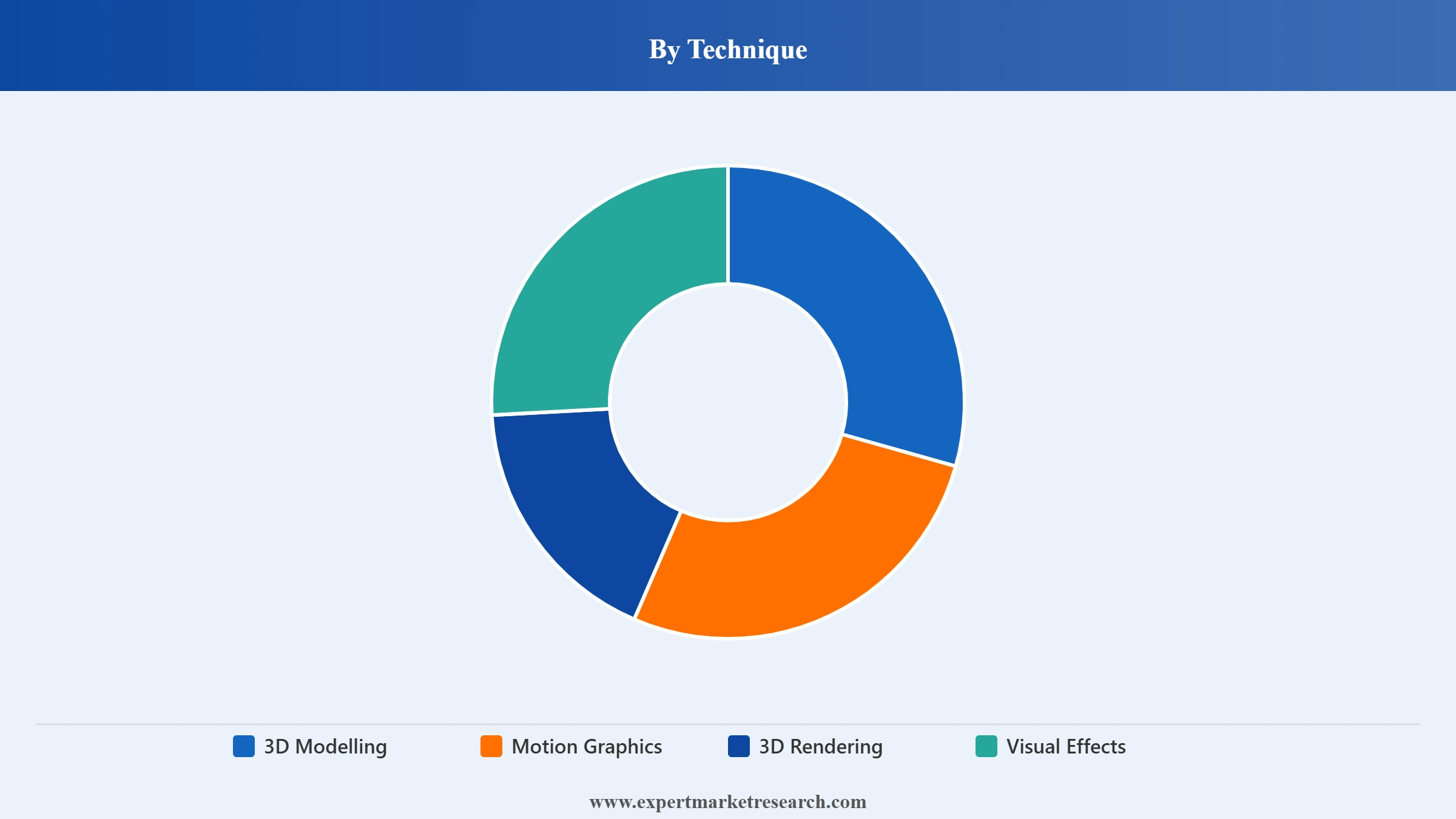
Market Breakup by Technique
Key Insight: 3D modeling dominates the global 3D animation market by technique, serving as the essential geometric foundation for all downstream animation and rendering processes across film production, game development, and architectural visualisation. Autodesk Maya and Maxon Cinema 4D are the core tools globally. Visual effects is the fastest-growing technique, driven by rising demand from streaming platform originals and blockbuster productions requiring photorealistic digital environments and character integration at scale.
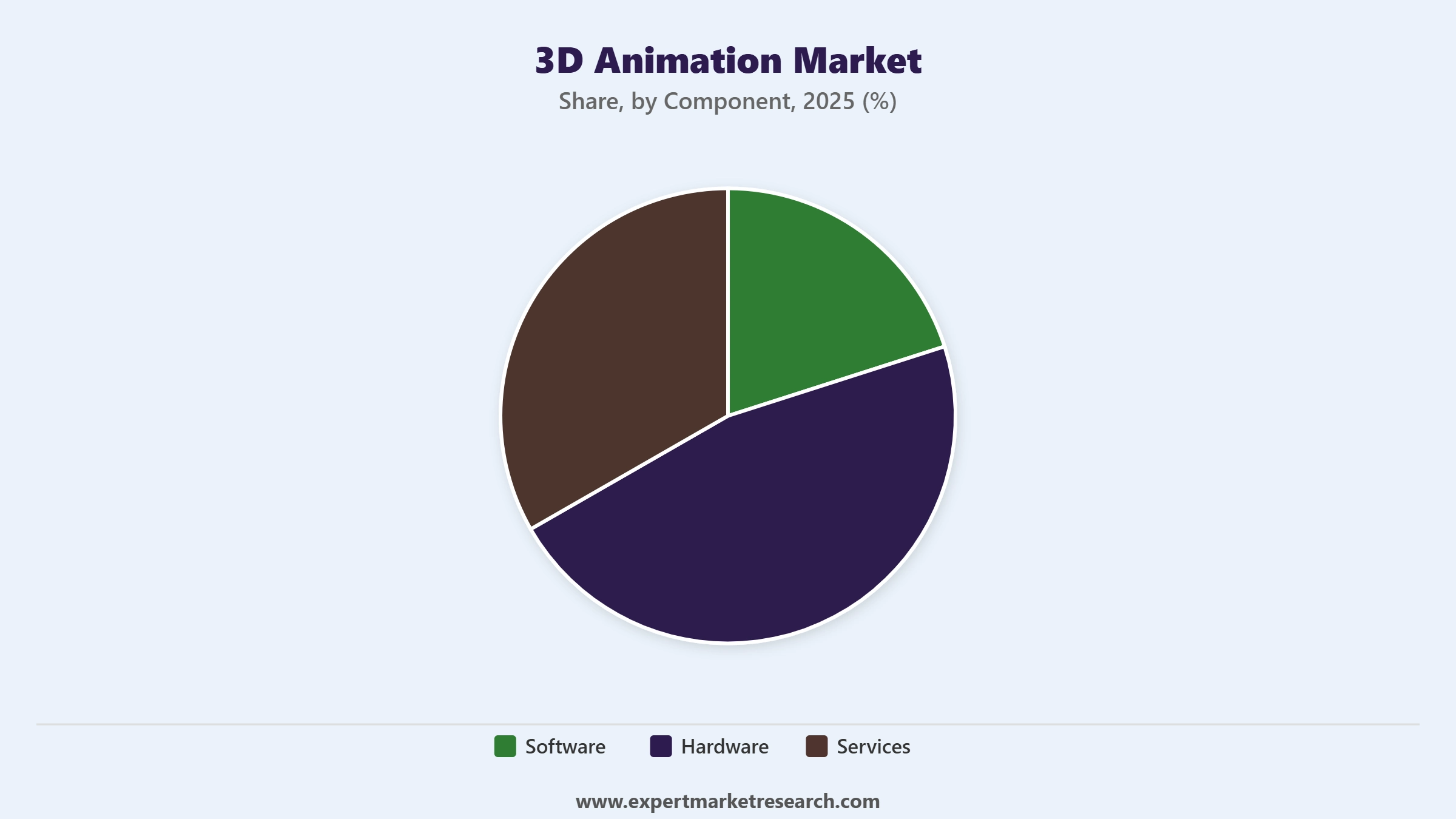
Market Breakup by Component
Key Insight: Software commands the dominant share of the global 3D animation market by component, driven by AI-integrated platforms and subscription-based licensing growth across professional and independent creator communities. Adobe Substance 3D, Autodesk Maya, and Maxon Cinema 4D collectively serve hundreds of thousands of users globally. The services segment is growing rapidly as studios outsource rendering and pipeline integration, particularly in Asia Pacific's cost-competitive production hubs, supporting 3D animation market growth.
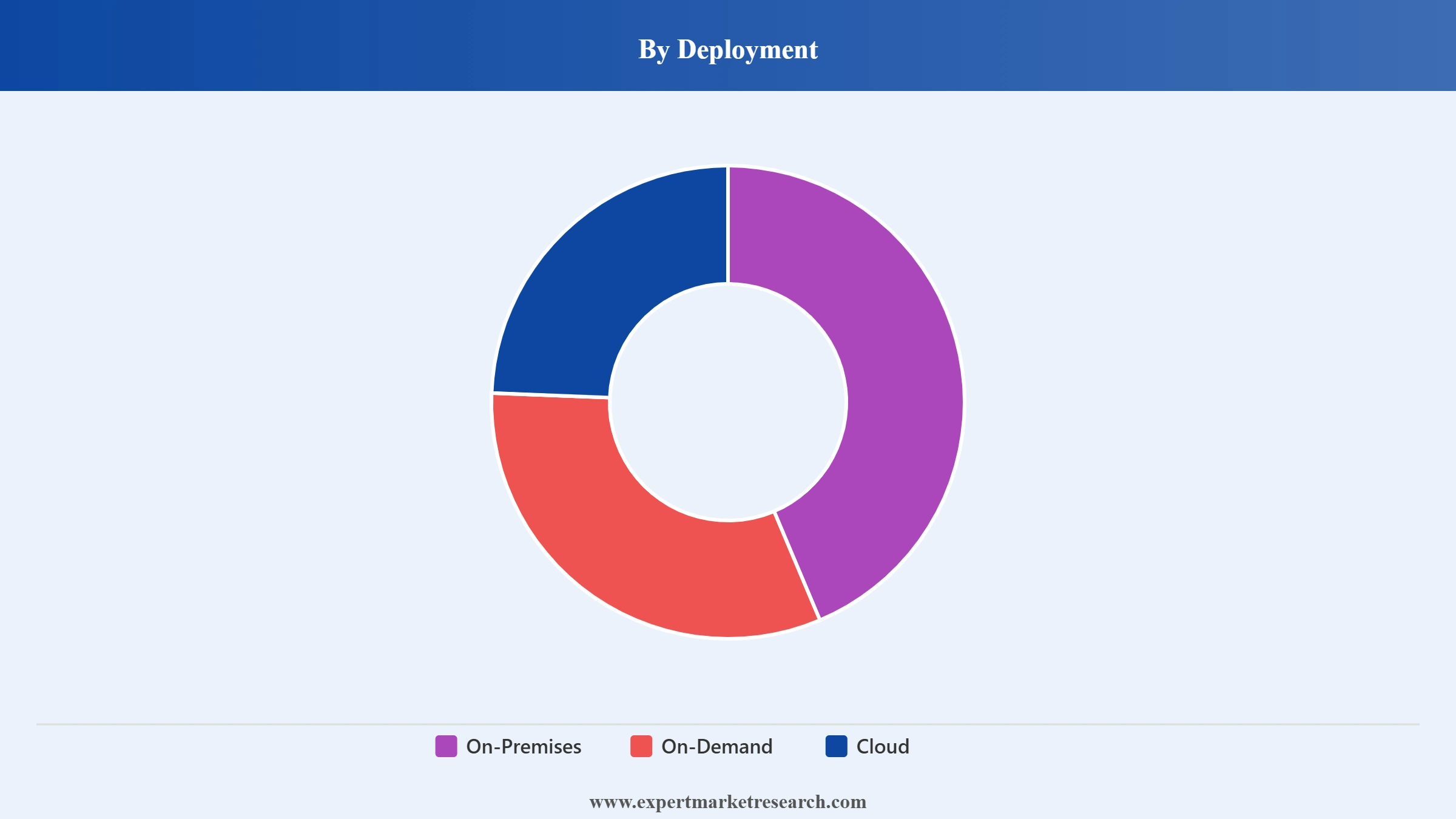
Market Breakup by Deployment
Key Insight: On-premises deployment retains significant share due to the rendering performance demands of large studios and data security requirements for intellectual property. Cloud deployment is gaining momentum as AI-native platforms such as Autodesk Flow Studio enable remote collaboration and scalable production. In March 2026, Autodesk enhanced Flow Studio with a flexible export architecture enabling assets to move seamlessly between cloud and on-premises DCC tools, reflecting the hybrid trajectory of the 3D animation market.
Market Breakup by End Use
Key Insight: Media and entertainment leads the global 3D animation market by end use, driven by sustained content investment from major streaming platforms and CGI-heavy film franchises. Gaming is growing rapidly, tracking the broader global gaming industry's expansion. Advertising and marketing represent a high-growth application area as brands increasingly deploy 3D animated content across digital channels, while healthcare and education are emerging segments contributing to the diversification of end-use demand in the 3D animation market.
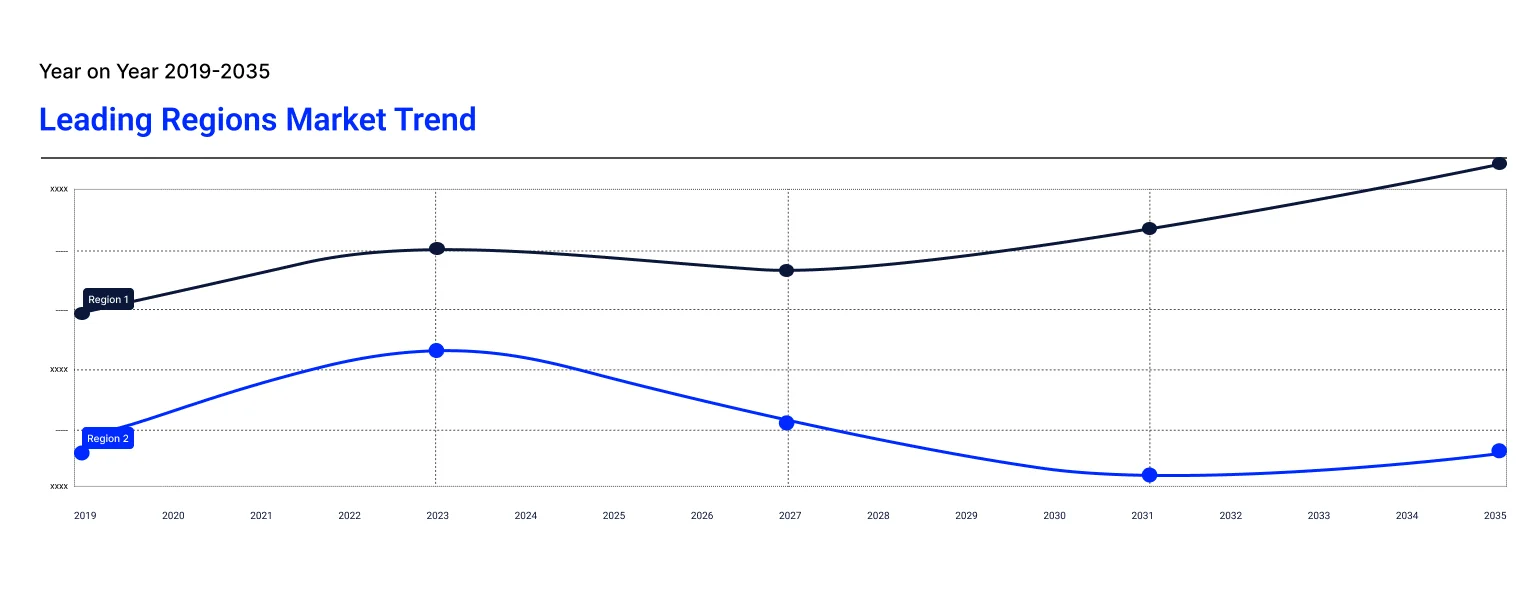
Market Breakup by Region
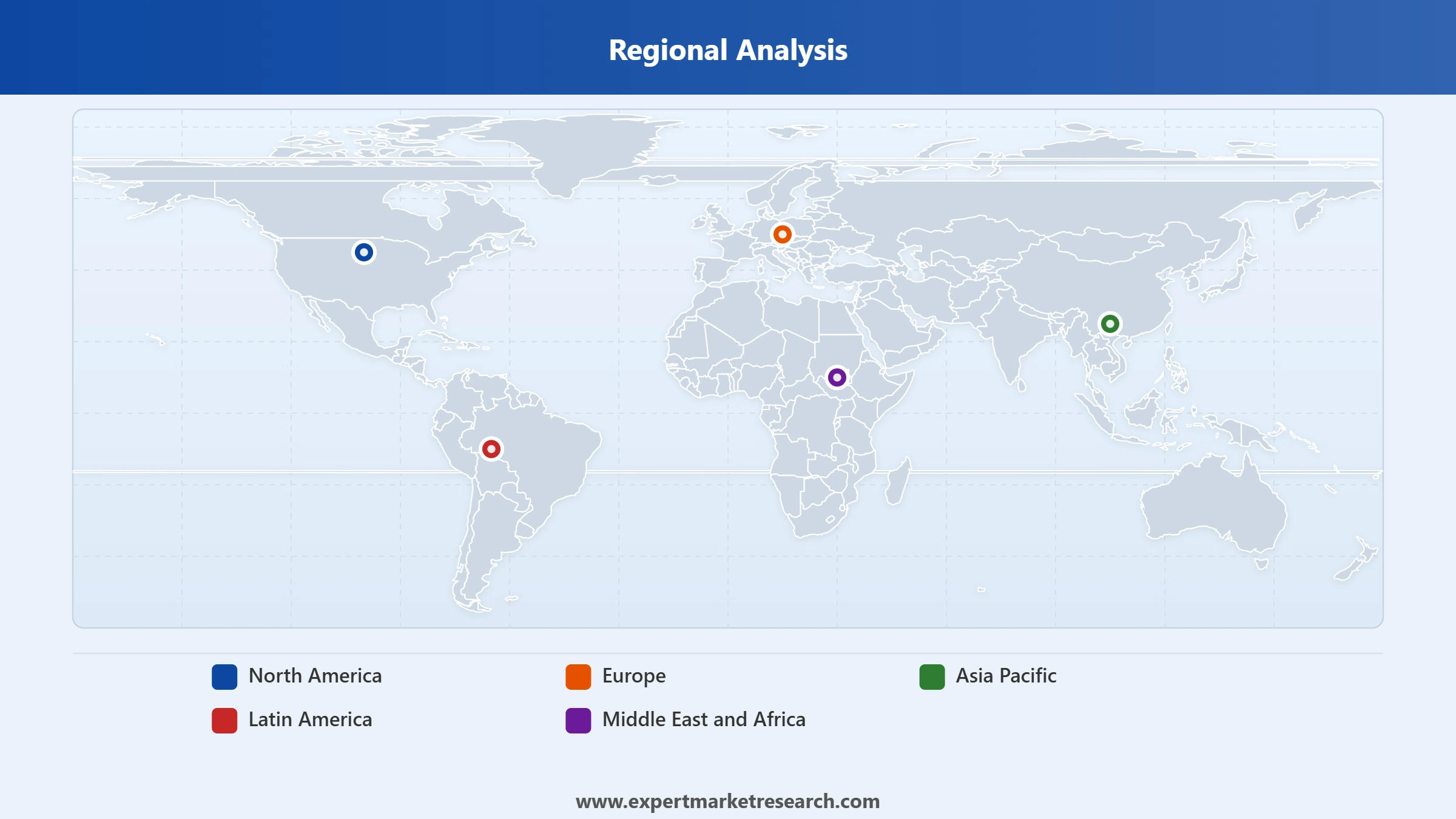
Key Insight: North America leads the global 3D animation market, supported by its concentration of major entertainment studios, streaming platforms, and software developers. Asia Pacific is the fastest-growing region, driven by India's animation outsourcing industry, Japan's anime export dominance, South Korea's gaming-linked studios, and China's expanding domestic animation production. The Middle East and Africa are emerging markets with growing potential in advertising, education, and government-driven digital content initiatives within the 3D animation market.
Get a sample of the market report in PDF - REQUEST A FREE SAMPLE
By Technique, 3D Modeling dominates the market due to its foundational role across all major animation production workflows
3D modeling serves as the essential first stage in virtually every professional 3D animation pipeline, making it the dominant technique segment in the global 3D animation market. It generates the geometric base of characters, environments, and objects before texturing, rigging, and animation processes are applied. Demand is strongest from feature film studios, game developers, and architectural firms, all of which depend on precise, high-resolution 3D models as the foundation of their creative pipelines.
Get a sample of the market report in PDF - REQUEST A FREE SAMPLE
Visual effects represent the fastest-growing technique, driven by expanding budgets at streaming platforms and film studios for photorealistic digital environments. Demand for specialised VFX pipelines is generating a sustained requirement for skilled artists and advanced compositing tools in North America and Asia Pacific. In April 2026, Autodesk's launch of Wonder 3D within Flow Studio enabled rapid AI-generated VFX asset creation, reflecting the growing convergence of generative AI and traditional VFX techniques in the global 3D animation market.
By Component, Software accounts for the dominant share of the market due to widespread adoption across professional and independent creator communities
Software holds the largest component share in the global 3D animation market, reflecting the central role of digital tools across every production pipeline stage. Leading platforms including Autodesk Maya, Adobe Substance 3D, and Maxon Cinema 4D serve global user bases across film, gaming, advertising, and architecture. The shift to subscription-based licensing has lowered entry barriers, expanding the market to include independent creators, small studios, and enterprise teams in non-entertainment sectors seeking cost-effective 3D animation solutions.
Get a sample of the market report in PDF - REQUEST A FREE SAMPLE
The services segment demonstrates growing momentum as studios outsource rendering, pipeline management, and post-production workflows. In August 2025, Autodesk's launch of Neural Layer within Flow Studio, which delivers cinematic-quality rendering as a managed cloud service, highlighted the commercial opportunity in services that reduce technical overhead for studios and individual content creators. This signals a broader strategic shift toward service-based 3D animation offerings within the competitive global 3D animation market landscape.
By Deployment, Cloud accounts for a growing share of the market due to rising remote collaboration needs and AI-native platform designs
Cloud deployment is gaining traction in the global 3D animation market as studios and individual creators seek scalable, accessible, and collaborative environments. AI-powered tools embedded in cloud platforms accelerate adoption by enabling motion capture, character rigging, and rendering without on-premises hardware constraints. This shift is particularly pronounced among independent studios, educational institutions, and advertising agencies that prioritise operational flexibility and cost efficiency over the capital expenditure model of traditional on-premises infrastructure investments.
Get a sample of the market report in PDF - REQUEST A FREE SAMPLE
On-premises deployment remains the preferred choice for large-scale commercial studios due to the computational intensity of high-fidelity rendering and the need to protect valuable intellectual property. The growing availability of hybrid architectures, exemplified by Autodesk's export flexibility between Flow Studio's cloud environment and on-premises DCC tools such as Maya and Unreal Engine in March 2026, reflects the evolving deployment preferences balancing speed, security, and creative control in the global 3D animation market.
North America dominates the market due to its concentration of major entertainment studios, streaming platforms, and software developers
North America leads the global 3D animation market, anchored by the United States' unparalleled entertainment production ecosystem. Major streaming platforms, a mature gaming industry, and world-leading VFX studios sustain strong demand for 3D animation software, services, and hardware. Strong intellectual property frameworks and consistent studio investment in animated content production firmly underpin North America's leadership within the global 3D animation market, with Canada also emerging as a growing animation production hub.
Get a sample of the market report in PDF - REQUEST A FREE SAMPLE
Asia Pacific is the fastest-growing regional market, combining cultural export strength, expanding domestic demand, and competitive production economics in the global 3D animation landscape. India has emerged as a major outsourcing hub for American and European broadcasters. Japan's anime industry generates billions in annual licensing revenue, while South Korea's gaming-affiliated studios expand 3D capabilities. In March 2026, Autodesk's broader rollout of AI-powered animation tools directly targeting Asia Pacific creators further reinforced the region's strategic importance in the global 3D animation market.
The global 3D animation market is moderately consolidated, with a small number of major software vendors holding significant influence alongside a diverse ecosystem of specialised studios and service providers. Leading players invest heavily in AI integration, cloud connectivity, and subscription licensing to expand their addressable markets. Competition is intensifying as generative AI tools lower production barriers, enabling smaller players to offer high-quality animation services formerly exclusive to large studios within the 3D animation market.
Founded in 1982 and headquartered in San Jose, California, Adobe Inc. is a global creative software leader serving the 3D animation and visual effects market through its Substance 3D suite. Adobe Substance 3D Painter, Designer, and Sampler are industry-standard 3D texturing tools used by studios globally. The company's Creative Cloud ecosystem, serving over 30 million subscribers, enables seamless integration across 2D design, motion graphics, and 3D production pipelines, reinforcing its position across the global 3D animation market.
Founded in 1982 and headquartered in San Francisco, California, Autodesk Inc. is the world's leading provider of 3D design, engineering, and entertainment software. Maya and 3ds Max are global industry standards for professional 3D animation and VFX production. Autodesk's development of AI-powered Flow Studio, stemming from its acquisition of Wonder Dynamics, reflects its strategic focus on democratising high-quality 3D animation through AI automation, serving millions of professional users across film, gaming, and architecture worldwide.
Founded in 1993 and headquartered in Santa Clara, California, Nvidia Corporation is the world's leading provider of graphics processing units essential for 3D rendering and AI-accelerated animation workflows. Its RTX GPU architecture and Omniverse platform serve as foundational infrastructure for real-time 3D rendering and collaborative production at scale. Nvidia's DLSS and OptiX ray-tracing technologies are embedded across major 3D animation software tools, making it a critical enabling partner throughout the global 3D animation production ecosystem.
Founded in 1986 and headquartered in Friedrichsdorf, Germany, Maxon Computer GmbH develops professional 3D modelling, animation, and rendering software through its Maxon One suite, including Cinema 4D, ZBrush, Redshift, and Red Giant. Cinema 4D is a dominant tool in motion graphics and broadcast design globally. Maxon's September 2025 unified rebrand consolidated its tools under a single subscription, strengthening its competitive position as a comprehensive 3D modelling, animation, and VFX platform for professionals worldwide.
Other key players in the market are Corel Corporation, Zco Corporation, NewTek Inc., The Foundry Visionmongers Ltd, Anifex, Rip Media Group, Corus Entertainment Inc., Deep Motion, Side Effects Software Inc., Spaceblock, Toon Boom Animation Inc., Trimble Navigation Ltd., and Others.
*Please note that this is only a partial list; the complete list of key players is available in the full report. Additionally, the list of key players can be customized to better suit your needs.*
Stay ahead in the rapidly evolving global 3D animation landscape with our comprehensive report for 2026. Designed for studio executives, technology vendors, investors, and strategic planners, this report delivers in-depth segmentation analysis, regional growth dynamics, and competitive intelligence shaping the future of 3D animation. Download your free sample today and explore the full scope of opportunities in this high-growth creative technology market.


Upto 15% Off
USD
$2499 $2249
$3999 $3599
$4999 $4249
$5999 $5099


*While we strive to always give you current and accurate information, the numbers depicted on the website are indicative and may differ from the actual numbers in the main report. At Expert Market Research, we aim to bring you the latest insights and trends in the market. Using our analyses and forecasts, stakeholders can understand the market dynamics, navigate challenges, and capitalize on opportunities to make data-driven strategic decisions.*
In 2025, the global market for 3D animation attained a value of approximately USD 25.70 Billion.
The market is projected to grow at a CAGR of 11.80% between 2026 and 2035.
The market is estimated to reach around USD 78.41 Billion by 2035.
The market is being driven by the increasing demand for visual representation in the education sector, rising demand for innovative animations, and growing usage in media.
The key 3D animation market trends include increasing usage in gaming, rising demand for hand-drawn and aesthetic animations, and advancements in technology.
The major regions in the market are North America, Latin America, the Middle East and Africa, Europe, and the Asia Pacific.
The various techniques of 3D animation in the market are 3D modelling, motion graphics, 3D rendering, and visual effects.
The significant components of 3D animation in the market are hardware, software, and service.
The leading deployments of 3D animation in the market are on-premises and cloud.
The different end uses of 3D animation are media and entertainment, construction and architecture, education and academics, healthcare and life sciences, government and defence, and manufacturing, among others.
The major players in the market, according to the report, are Adobe Inc., Autodesk Inc., Corel Corporation, Nvidia Corporation, Zco Corporation, NewTek Inc., The Foundry Visionmongers Ltd, Maxon Computer GmbH, Anifex, Rip Media Group, Corus Entertainment Inc., Deep Motion, Side Effects Software Inc., Spaceblock, Toon Boom Animation Inc., and Trimble Navigation Ltd., among others.
North America accounted for the largest share in the market.
The 3D modelling technique held the dominant share of the market.
The 3D animation software dominated the market in 2025.
The on-premise deployment accounted for the highest share of the market.
The media and entertainment segment dominated the market in 2025.
Explore our key highlights of the report and gain a concise overview of key findings, trends, and actionable insights that will empower your strategic decisions.
| REPORT FEATURES | DETAILS |
| Base Year | 2025 |
| Historical Period | 2019-2025 |
| Forecast Period | 2026-2035 |
| Scope of the Report |
Historical and Forecast Trends, Industry Drivers and Constraints, Historical and Forecast Market Analysis by Segment:
|
| Breakup by Technique |
|
| Breakup by Component |
|
| Breakup by Deployment |
|
| Breakup by End Use |
|
| Breakup by Region |
|
| Market Dynamics |
|
| Competitive Landscape |
|
| Companies Covered |
|
Datasheet
One User
USD 2,499
USD 2,249
tax inclusive*
Single User License
One User
USD 3,999
USD 3,599
tax inclusive*
Five User License
Five User
USD 4,999
USD 4,249
tax inclusive*
Corporate License
Unlimited Users
USD 5,999
USD 5,099
tax inclusive*
*Please note that the prices mentioned below are starting prices for each bundle type. Kindly contact our team for further details.*
Flash Bundle
Small Business Bundle
Growth Bundle
Enterprise Bundle
*Please note that the prices mentioned below are starting prices for each bundle type. Kindly contact our team for further details.*
Flash Bundle
Number of Reports: 3
20%
tax inclusive*
Small Business Bundle
Number of Reports: 5
25%
tax inclusive*
Growth Bundle
Number of Reports: 8
30%
tax inclusive*
Enterprise Bundle
Number of Reports: 10
35%
tax inclusive*
How To Order

Select License Type
Choose the right license for your needs and access rights.

Click on ‘Buy Now’
Add the report to your cart with one click and proceed to register.

Select Mode of Payment
Choose a payment option for a secure checkout. You will be redirected accordingly.
Strategic Solutions for Informed Decision-Making
Gain insights to stay ahead and seize opportunities.

Get insights & trends for a competitive edge.

Track prices with detailed trend reports.

Analyse trade data for supply chain insights.

Leverage cost reports for smart savings

Enhance supply chain with partnerships.

Connect For More Information
Our expert team of analysts will offer full support and resolve any queries regarding the report, before and after the purchase.
Our expert team of analysts will offer full support and resolve any queries regarding the report, before and after the purchase.
We employ meticulous research methods, blending advanced analytics and expert insights to deliver accurate, actionable industry intelligence, staying ahead of competitors.
Our skilled analysts offer unparalleled competitive advantage with detailed insights on current and emerging markets, ensuring your strategic edge.
We offer an in-depth yet simplified presentation of industry insights and analysis to meet your specific requirements effectively.




