

Consumer Insights
Uncover trends and behaviors shaping consumer choices today
Procurement Insights
Optimize your sourcing strategy with key market data
Industry Stats
Stay ahead with the latest trends and market analysis.
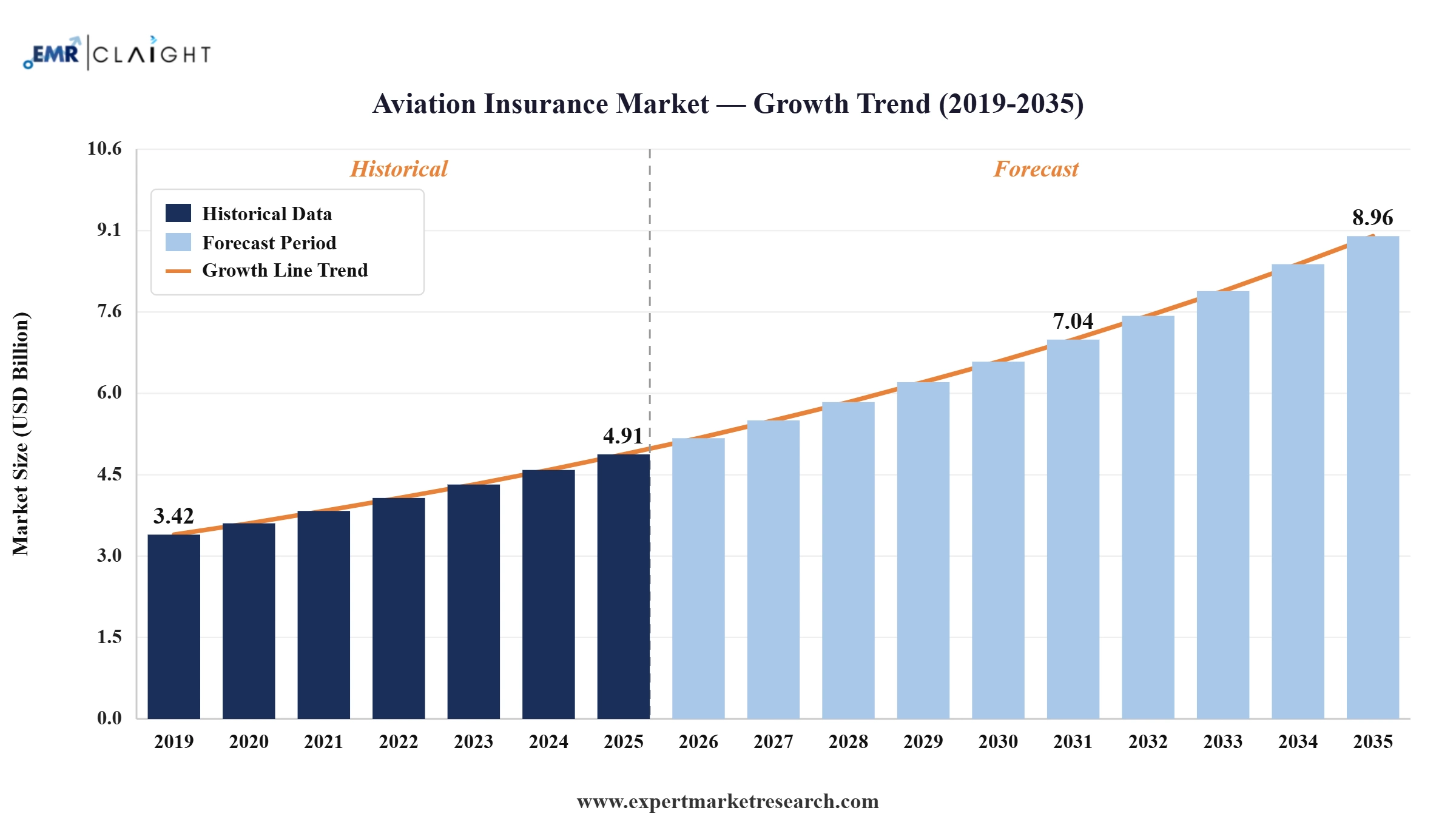
The global aviation insurance market size reached around USD 4.91 Billion in 2025. The market is projected to grow at a CAGR of 6.20% between 2026 and 2035 to reach nearly USD 8.96 Billion by 2035. This can be attributed to technological advancements in underwriting technology and the growth of helicopter tourism. Moreover, the increasing application of insurance solutions in commercial, business, and general aviation is contributing to the market growth.
The aviation insurance market covers specialist policies that protect aircraft owners, operators, airports and aerospace manufacturers against the physical loss of aircraft and the liabilities that arise from flight operations. Cover is structured differently from general property and casualty lines because a single loss can involve an expensive asset, a large number of passengers and claimants across several jurisdictions at once. Policies are typically arranged as hull cover for the aircraft itself, liability cover for passengers and third parties, and separate war and allied perils cover for confiscation, hijacking, terrorism and political action.
Placement runs through specialist brokers into a concentrated underwriting community centred on the London market, continental Europe and the United States, with reinsurance absorbing the peak exposures that no single carrier will hold. Pricing depends on fleet composition and age, route network and the regions overflown, safety record, claims history and the liability regime of the countries served. Underwriters increasingly draw on flight data, telematics and analytics to price risk, and the boundaries of cover are being tested by cyber exposure, satellite navigation interference and emerging aircraft categories.
Read more about this report - REQUEST FREE SAMPLE COPY IN PDF
|
Aviation Insurance Market Report Summary |
Description |
Value |
|
Base Year |
USD Billion |
2025 |
|
Historical Period |
USD Billion |
2019-2025 |
|
Forecast Period |
USD Billion |
2026-2035 |
|
Market Size 2025 |
USD Billion |
4.91 |
|
Market Size 2035 |
USD Billion |
8.96 |
|
CAGR 2019-2025 |
Percentage |
XX% |
|
CAGR 2026-2035 |
Percentage |
6.20% |
|
CAGR 2026-2035- Market by Region |
Latin America |
6.7% |
|
CAGR 2026-2035 - Market by Country |
India |
7.1% |
|
CAGR 2026-2035 - Market by Country |
China |
6.8% |
|
CAGR 2026-2035 - Market by Application |
Commercial |
6.6% |
|
CAGR 2026-2035 - Market by End Use |
Airport Operators |
6.9% |
|
Market Share by Country 2025 |
Italy |
2.3% |
As per the aviation insurance market analysis, claims for crash/collision-related incidents account for 63% of the total value of aircraft insurance claims, including events like hard landings, runway incidents, and bird strikes. They are closely followed by claims for defective product/faulty workmanship and natural disasters (including turbulence). Other incidents that significantly impact aviation insurance claims include travel issues like property damage, lost baggage, and slip and fall incidents, among others.
Electric Vertical Takeoff and Landing (eVTOL) are enhancing passenger travel experiences by ensuring sustainability and efficiency of operations. They are also performing a wide range of tasks including cargo transportation, firefighting, and medical evacuation. The annual industrial revenues from eVTOL sales are expected to increase from USD 1 billion in 2030 to USD 90 billion in 2050. This is expected to facilitate the aviation insurance market expansion as eVTOLs can face operational risks like mid-air collisions, loss of power, or foreign object damage during flight. The sensitive nature of its movements makes it vulnerable in dense urban areas for test flight, which is further expected to propel the market development in the coming years.
Geopolitical volatility and war risk exposure
Conflict and political instability have moved from a background consideration to a primary pricing factor, forcing carriers operating in or near affected regions to buy comprehensive protection against losses that ordinary all risks policies exclude. The severity of the shift was visible in March 2026, when the International Group of P&I Clubs withdrew war-risk cover for vessels in Iran, the Strait of Hormuz and the Persian Gulf, tightening capacity across marine, aviation, energy and political violence lines simultaneously. Airline war risk underwriters have responded with additional risk rates, additional premiums and operational subjectivities for regional carriers, creating a widening gap in terms between operators depending on where they fly.
Rising claims severity and litigation outcomes
Claims costs have moved faster than premium in several segments, driven by the expense of repairing next-generation aircraft that require sophisticated engine disassembly and specialist workmanship. Airline industry losses exceeded USD 1 billion in 2025, and prior-year deterioration on major manufacturing accounts has added to insurer loss expectations. Litigation over aircraft stranded in Russia has become a further variable, with a New York court granting summary judgment to insurers in June 2026 on the basis that the war perils exclusion barred coverage, an outcome that diverges from earlier English rulings and leaves reserving uncertain across the market.
Technology-driven underwriting and new aviation categories
Artificial intelligence and telematics let underwriters draw on flight data recording systems to predict risk and price policies more precisely, which improves the accuracy of both pricing and safety intervention. New exposures are expanding the addressable market in parallel. Satellite navigation interference has become a systematic hazard rather than an isolated event, and EASA issued revised guidance in July 2026 identifying the Mediterranean, Black Sea, Middle East, Baltic, Arctic and Eastern Europe as high-risk zones for GNSS jamming and spoofing. Electric vertical takeoff and landing aircraft add a further category, carrying risks including mid-air collision, loss of power and foreign object damage in dense urban airspace.
Evolving geopolitical conditions; growing demand for ground risk hull insurance not in motion; increasing incidences of runway accidents; and technological advancements are the major factors driving the aviation insurance market growth.
EASA issued a revised Safety Information Bulletin warning that GNSS jamming and spoofing events are growing in severity and sophistication, naming the Mediterranean, Black Sea, Middle East, Baltic, Arctic and Eastern Europe as high-risk areas. Recommendations cover alternative navaids, inertial navigation cross-checks, Type B electronic flight bag interference displays and anti-spoofing receivers.
The New York Supreme Court, Commercial Division granted summary judgment to insurers including Chubb European Group in Aircastle's claim over nine aircraft and two engines stranded in Russia. Justice Joel M. Cohen held that the war perils exclusion barred coverage under the all risks policies, since non-return followed the invasion and subsequent Russian export restrictions.
HIVE Underwriters, an independent specialty managing general agent and Lloyd's coverholder, announced an aviation reinsurance division starting in October 2026. Scott Bradbury was appointed head of aviation reinsurance underwriting alongside Joshua Down as reinsurance underwriter, complementing existing aviation, space, marine and political violence lines.
Broker analysis reported airline industry losses above USD 1 billion for 2025, with first quarter 2026 incidents carrying lower claim values than anticipated. A collision involving an Air Canada Express CRJ-900 at LaGuardia in March 2026 was flagged as carrying potential for large liability claims, while war risk underwriters applied additional premiums following escalation in the Middle East.
Geopolitical instability, including political tensions and conflicts, has heightened the risk of aviation companies operating in or near affected regions. This has necessitated carriers to take comprehensive insurance coverage to ensure adequate protection against financial losses.
The adoption of next-generation aircraft has necessitated the use of sophisticated technologies for engine disassembly and aircraft repairs. As per the market analysis, claims costs for certain aircraft parts have soared by 10%-15% over the past few years, thereby prompting market players to take holistic ground risk hull insurance not in motion.
During January-May 2024, 23 incidents related to runway incursions were reported worldwide. Moreover, in countries like the United States, the number of runway incursions reported per 1 million flights rose from 20 a decade ago to over 30 in 2023. This is expected to drive the aviation insurance market growth in the coming years.
Artificial intelligence is reshaping the market by enabling underwriters to rely on flight data recording systems and telematics tools to better predict risks and improve safety. This can substantially improve policy pricing and enhance the market share of different companies.
Growth of GPS jamming incidents
Eastern European and Middle Eastern countries have reportedly witnessed a noticeable surge in the number of GPS spoofing incidents, which trick an aircraft’s flight management systems into indicating that the aeroplane is many miles off its destination. The number of GPS spoofing and jamming incidents has increased by over 40% from Q1 of FY-2023, indicating the robust demand for in-flight insurance solutions by aircraft carriers. This is one of the key aviation insurance market trends.
Growth of helicopter tourism
Over 2 million tourists annually participate in helicopter tours across the United States. The growth of high-ticket luxury tours and affordable travel destinations has enabled the domestic industry to generate annual revenues of over USD 500 million. As the government strengthens its safety standards for aircraft carriers, the aviation insurance market value is expected to record steady growth.
The Expert Market Research's report titled “Global Aviation Insurance Market Report and Forecast 2026-2035” offers a detailed analysis of the market based on the following segments:
Breakup by Insurance Type
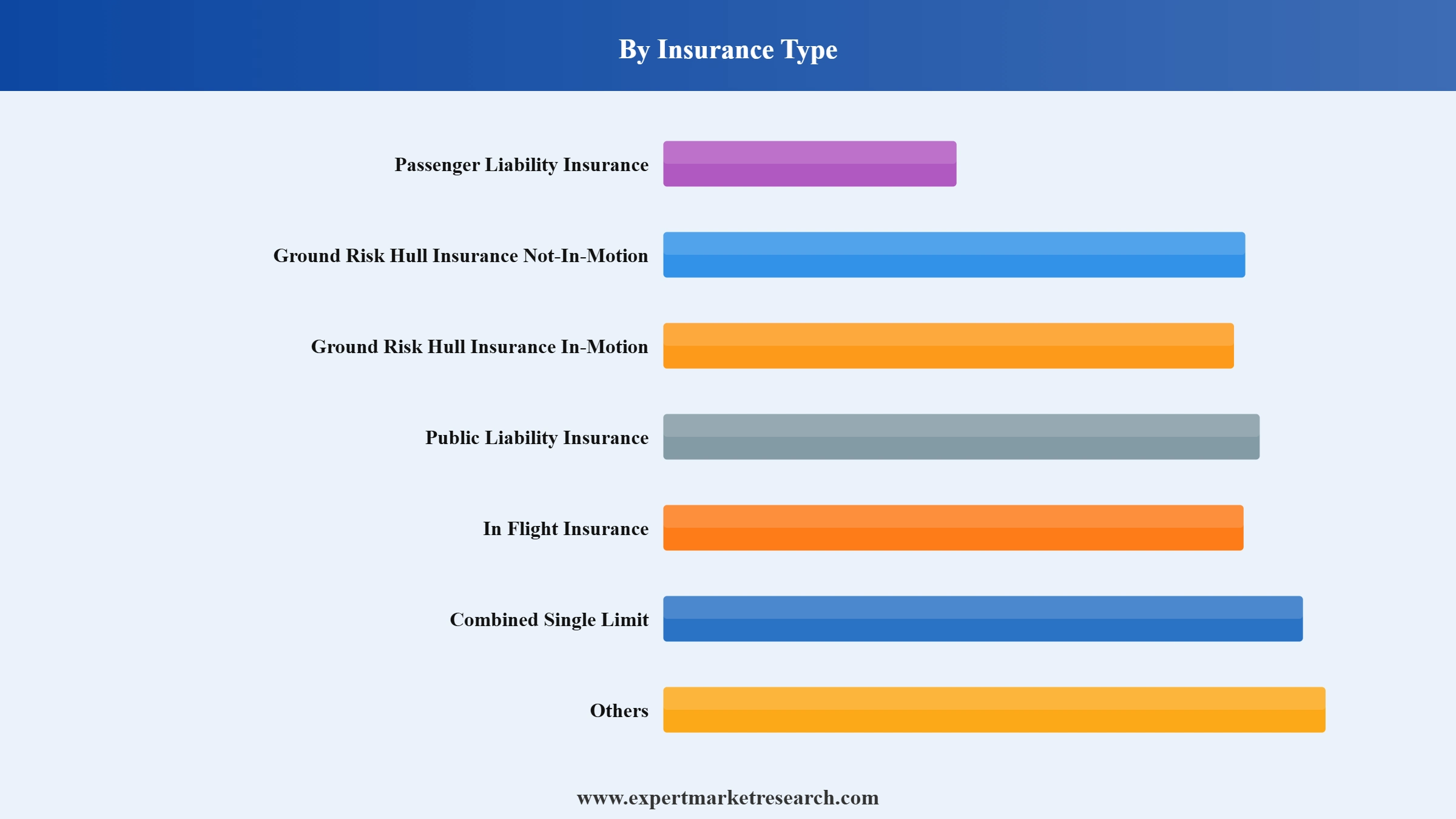
Key Insight: Passenger liability accounts for the largest share of premium because the sums at stake in a single event dwarf the value of the airframe once claims are brought across multiple jurisdictions on behalf of every person on board. Crash and collision incidents, covering hard landings, runway events and bird strikes, account for 63% of the total value of aircraft insurance claims, which keeps liability limits under constant upward pressure. Ground risk hull insurance not-in-motion is the faster growing line, since next-generation aircraft require specialist disassembly and repair techniques and claims costs for certain components have risen 10% to 15% in recent years.
Breakup by Application
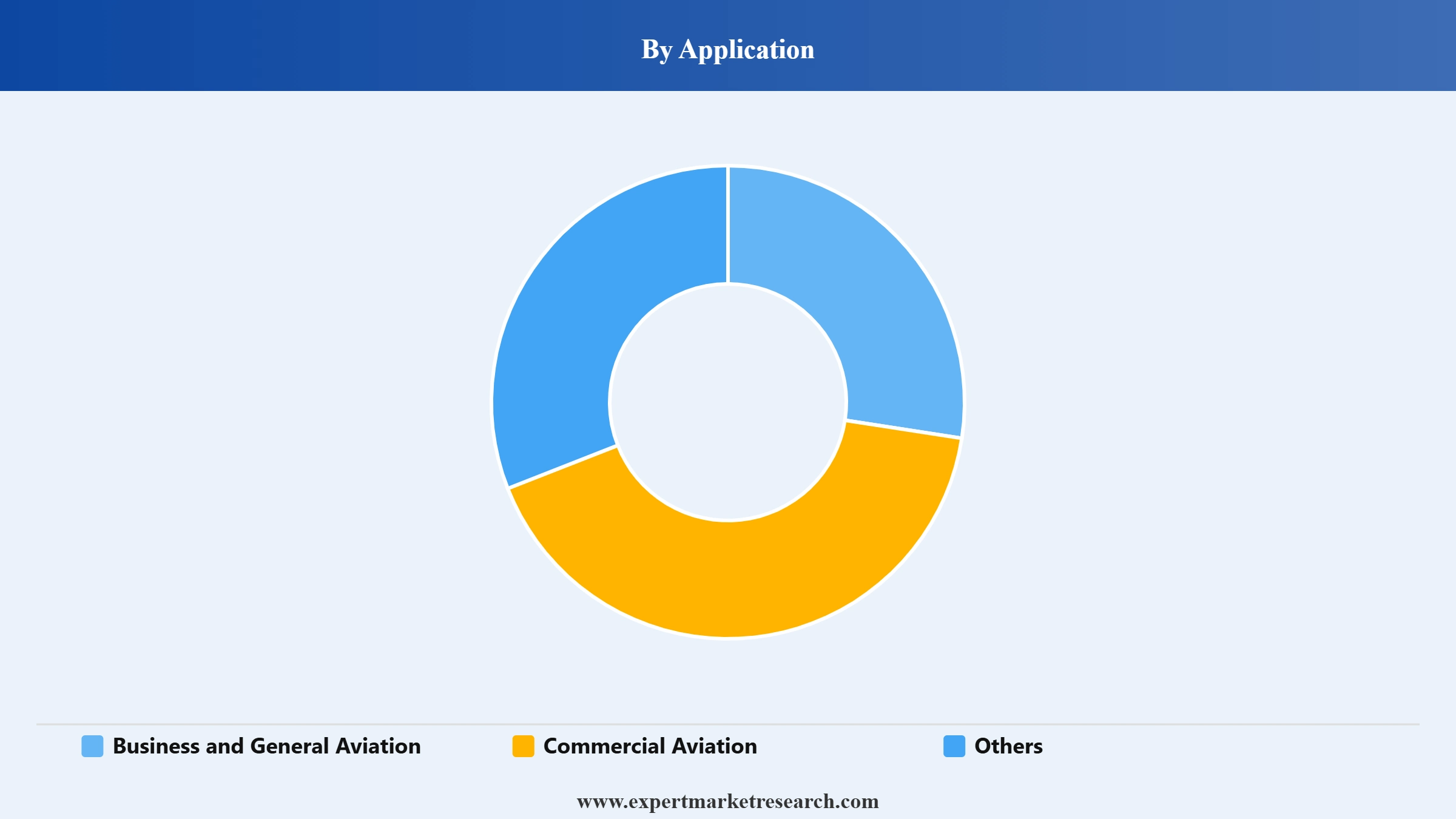
Key Insight: Commercial aviation dominates the application segment and is forecast to grow at a 6.6% CAGR between 2026 and 2035, reflecting fleet expansion, higher aircraft values and passenger liability limits that scale with capacity. The segment carries the market's severity exposure, and brokers report rate pressure persisting through 2026 with United States airline risks facing materially more challenging conditions after major losses. Capacity remains available for well-managed risks, though deployment has become more disciplined and underwriters are examining underlying exposure more closely than in the softer market of previous years.
Breakup by End Use
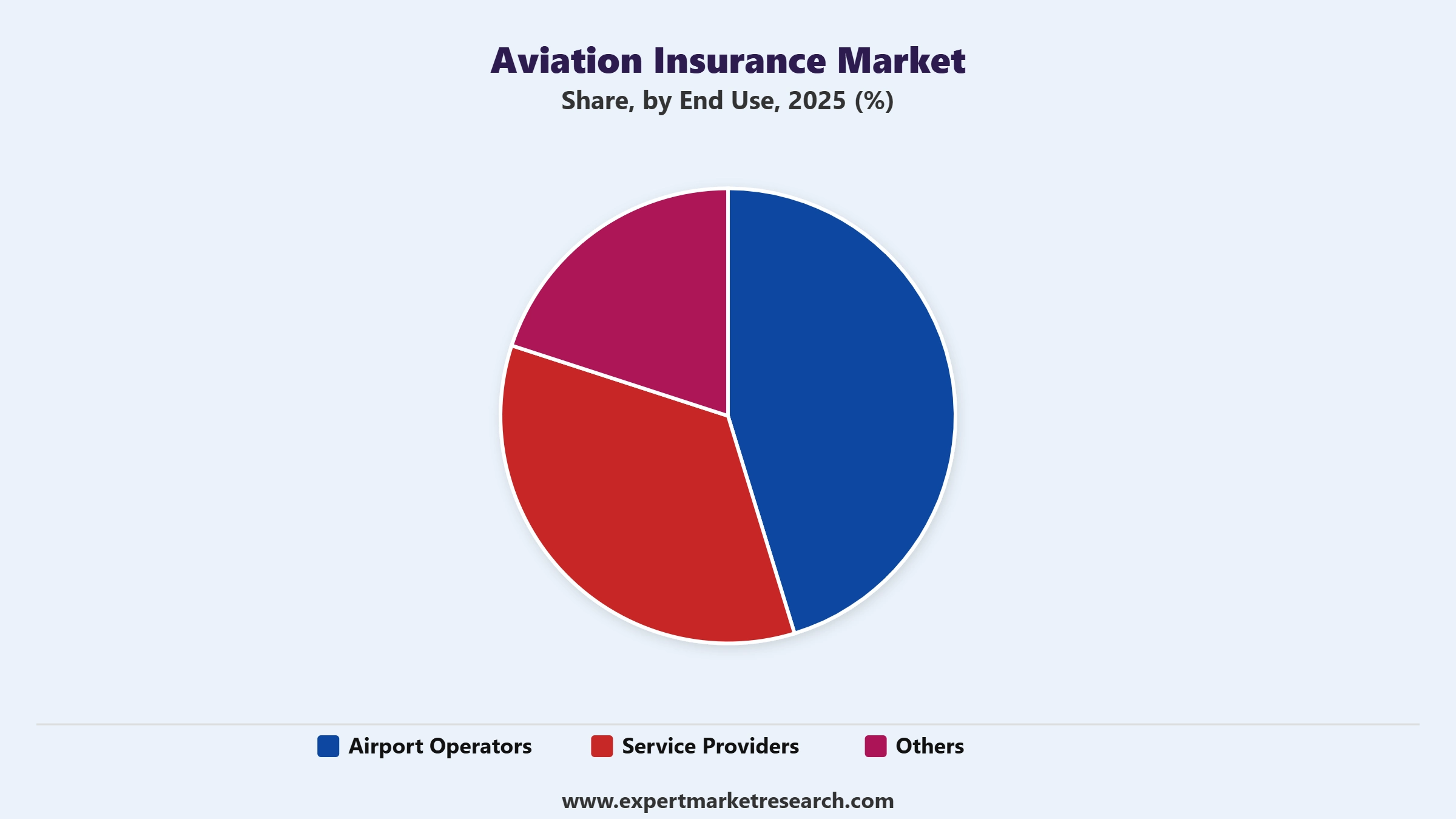
Key Insight: Demand from airport operators is expected to dominate the market and grow at a 6.9% CAGR between 2026 and 2035, driven by efforts to limit financial loss from damage to aircraft and airport infrastructure. Ground handling, apron movement and runway operations sit at the centre of this exposure, and incidents on the ground generate both hull damage and third-party liability. A collision involving an Air Canada Express CRJ-900 at LaGuardia in March 2026 illustrated the pattern, with underwriters flagging potential for large liability claims from a ground event.
Breakup by Region
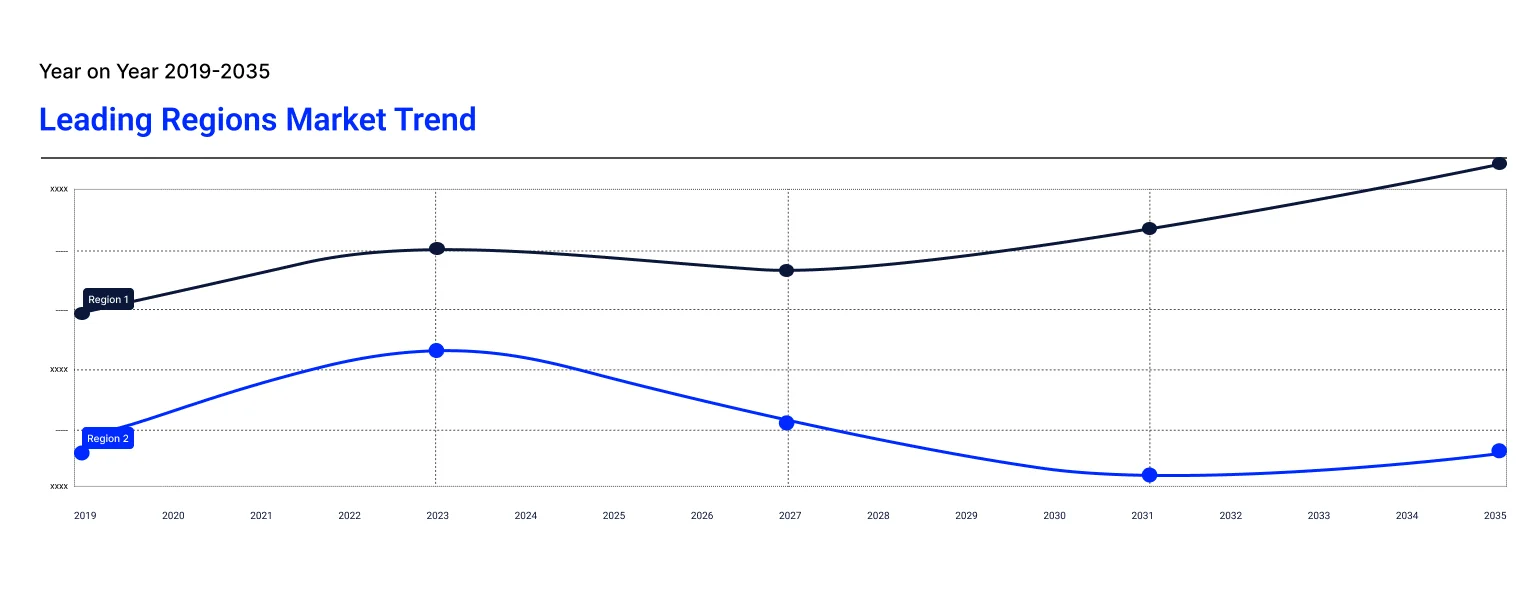
Key Insight: Latin America is forecast as the fastest growing region at a 6.7% CAGR through 2035, followed by North America at 5.9%, supported by growth in domestic air traffic, rising runway incursion incidents and the increasing threat of cyber events. India leads the country forecasts at a 7.1% CAGR with China at 6.8%, both reflecting rapid fleet expansion and new airport capacity. Italy accounted for 2.3% of the global market in 2025. Regional divergence in war risk terms has widened, with Middle East operations attracting additional premiums and operational subjectivities since early 2026.
Read more about this report - REQUEST FREE SAMPLE COPY IN PDF
Hull, Public Liability and Combined Single Limit Positions
Ground risk hull insurance in-motion covers taxiing and ground manoeuvring, a phase that generates frequent, moderate-severity claims and is closely linked to airport congestion. Public liability cover responds to third-party bodily injury and property damage away from the passenger cabin, and its relevance grows as flight paths pass over denser urban development.
Combined single limit policies are widely used by airlines because a single aggregate limit across hull and liability simplifies programme structure and avoids disputes over how a loss is allocated between sections. In flight insurance addresses risks arising during the airborne phase, where GNSS interference has become a live underwriting consideration following EASA's updated guidance in July 2026.
Read more about this report - REQUEST FREE SAMPLE COPY IN PDF
Business and General Aviation to Retain a Distinct Position
Business and general aviation covers corporate fleets, charter operators, flight schools, helicopter tour operators and privately owned aircraft, and it behaves differently from the airline segment. Capacity is abundant across most areas with new entrants supporting competition in 2026, yet attritional losses have been persistent and United States exposures warrant particular caution. Helicopter tourism has been a notable source of both premium and scrutiny, as regulators tighten safety standards for operators carrying leisure passengers.
Read more about this report - REQUEST FREE SAMPLE COPY IN PDF
Service Providers and Aerospace Manufacturers
Service providers including maintenance organisations, ground handlers, fuel suppliers and refurbishment specialists buy liability cover for the work they perform on aircraft, and defective product and faulty workmanship claims rank among the larger categories after crash and collision. Aerospace manufacturing accounts remain well supplied with capacity despite upward rate pressure, with major insurers competing for lead positions even as prior-year deterioration on large accounts feeds through.
Read more about this report - REQUEST FREE SAMPLE COPY IN PDF
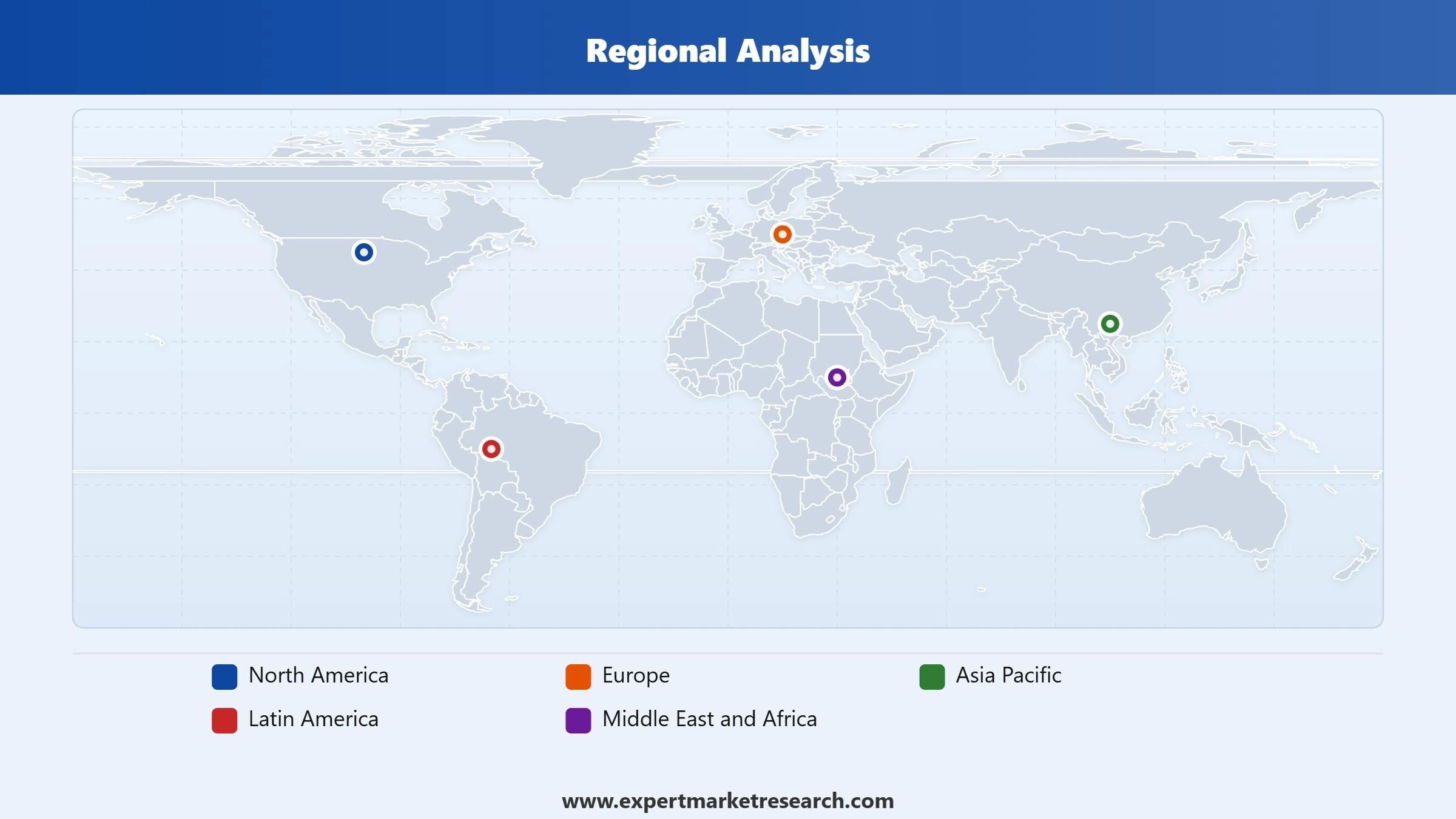
North America holds the largest share of global premium, reflecting fleet size, aircraft values and a liability environment that produces higher awards than most jurisdictions. That same environment is now driving the sharpest rate increases in the market, and some United States carriers have moved towards self-insured retentions and captive structures in response.
Europe remains the centre of underwriting capacity through the London market and continental carriers, and it is where the legal treatment of war risk claims is being determined. Asia Pacific is expanding with fleet growth in India and China and new airport development across the region. The Middle East and Africa faces the most acute war risk repricing, with additional premiums and operational conditions applied to regional operations since early 2026.
Read more about this report - REQUEST FREE SAMPLE COPY IN PDF
Major aviation insurance market players are expanding customised coverage options to meet diverse client needs. They are focusing on enhancing cyber risk policies to address growing technological vulnerabilities in aviation. Companies are also investing in advanced analytics and AI-driven risk assessment tools to optimise underwriting.
QBE Insurance Group Limited was founded in 1886 and is headquartered in Sydney, Australia. It is an international insurance and reinsurance company that provides financial protection solutions for motorcycles, houses, caravans, boats, and healthcare expenses, among others.
London Aviation Underwriters, Inc. was founded in 1980 and is headquartered in Washington, United States. It is engaged in handling general aviation risks, along with non-owned aircraft liabilities for companies and individuals across the United States.
Aircraft Builders Council was founded in 1954 and is headquartered in Minneapolis, United States. It is engaged in providing liability coverage for different aviation products.
American International Group, Inc. was founded in 1919 and is headquartered in New York, United States. It provides comprehensive insurance solutions to customers in nearly 190 countries worldwide.
Other players included in the aviation insurance market report are HCC Insurance Holdings, Inc., Great American Insurance Group, AXA SA and XL Group Ltd, Lloyd’s, Arthur J. Gallagher & Co., Preferred Aviation, LLC, a DOXA Company, and among others.
*Please note that this is only a partial list; the complete list of key players is available in the full report. Additionally, the list of key players can be customized to better suit your needs.*
Accumulation is the defining challenge. A single political event can trigger claims across hull, war, liability and reinsurance simultaneously, which is what made the March 2026 withdrawal of war-risk cover for Iran and the Strait of Hormuz so disruptive across multiple lines at once. Legal uncertainty compounds the problem, since a New York court upheld the war perils exclusion for aircraft stranded in Russia in June 2026 while earlier English proceedings had favoured lessors, leaving insurers reserving against divergent outcomes. Claims inflation on next-generation aircraft components adds a steady underlying pressure.
Capacity discipline restrains the market from the supply side. Underwriters are deploying selectively, applying stricter risk-based criteria and imposing capacity constraints on operators in high-risk regions. Reinsurance cost has risen alongside, and the premium base remains small relative to the severity a single major loss can produce. Satellite navigation interference and cyber exposure sit awkwardly within existing wordings.
Growth is available where new exposures require cover that does not yet exist at scale. Electric vertical takeoff and landing operations, advanced air mobility and aviation cyber all need bespoke products. Airport operators are forecast to grow at a 6.9% CAGR, and Latin America at 6.7%, while new capacity continues to enter, with HIVE Underwriters establishing an aviation reinsurance division in May 2026.


Upto 15% Off
USD
$2499 $2249
$3999 $3599
$4999 $4249
$5999 $5099


*While we strive to always give you current and accurate information, the numbers depicted on the website are indicative and may differ from the actual numbers in the main report. At Expert Market Research, we aim to bring you the latest insights and trends in the market. Using our analyses and forecasts, stakeholders can understand the market dynamics, navigate challenges, and capitalize on opportunities to make data-driven strategic decisions.*
In 2025, the market reached an approximate value of USD 4.91 Billion.
The market is projected to grow at a CAGR of 6.20% between 2026 and 2035.
The market is estimated to witness healthy growth in the forecast period of 2026-2035 to reach a value of around USD 8.96 Billion by 2035.
The different regions considered in the market report include North America, Europe, the Asia Pacific, Latin America, and the Middle East and Africa.
The different insurance types in the market are passenger liability insurance, ground risk hull insurance not-in-motion, ground risk hull insurance in-motion, public liability insurance, in flight insurance, and combined single limit, among others.
The different applications of aviation insurance are business and general aviation, and commercial aviation, among others.
The different end uses of aviation insurance are airport operators, and service providers, among others.
Key players in the market are HCC Insurance Holdings, Inc., QBE Insurance Group Limited, Great American Insurance Group, London Aviation Underwriters, Inc., AXA SA and XL Group Ltd, Aircraft Builders Council, Lloyd’s, Arthur J. Gallagher & Co., Preferred Aviation, LLC, a DOXA Company, and American International Group, Inc., among others.
Explore our key highlights of the report and gain a concise overview of key findings, trends, and actionable insights that will empower your strategic decisions.
| REPORT FEATURES | DETAILS |
| Base Year | 2025 |
| Historical Period | 2019-2025 |
| Forecast Period | 2026-2035 |
| Scope of the Report |
Historical and Forecast Trends, Industry Drivers and Constraints, Historical and Forecast Market Analysis by Segment:
|
| Breakup by Insurance Type |
|
| Breakup by Application |
|
| Breakup by End Use |
|
| Breakup by Region |
|
| Market Dynamics |
|
| Competitive Landscape |
|
| Companies Covered |
|
Datasheet
One User
USD 2,499
USD 2,249
tax inclusive*
Single User License
One User
USD 3,999
USD 3,599
tax inclusive*
Five User License
Five User
USD 4,999
USD 4,249
tax inclusive*
Corporate License
Unlimited Users
USD 5,999
USD 5,099
tax inclusive*
*Please note that the prices mentioned below are starting prices for each bundle type. Kindly contact our team for further details.*
Flash Bundle
Small Business Bundle
Growth Bundle
Enterprise Bundle
*Please note that the prices mentioned below are starting prices for each bundle type. Kindly contact our team for further details.*
Flash Bundle
Number of Reports: 3
20%
tax inclusive*
Small Business Bundle
Number of Reports: 5
25%
tax inclusive*
Growth Bundle
Number of Reports: 8
30%
tax inclusive*
Enterprise Bundle
Number of Reports: 10
35%
tax inclusive*
How To Order

Select License Type
Choose the right license for your needs and access rights.

Click on ‘Buy Now’
Add the report to your cart with one click and proceed to register.

Select Mode of Payment
Choose a payment option for a secure checkout. You will be redirected accordingly.
Strategic Solutions for Informed Decision-Making
Gain insights to stay ahead and seize opportunities.

Get insights & trends for a competitive edge.

Track prices with detailed trend reports.

Analyse trade data for supply chain insights.

Leverage cost reports for smart savings

Enhance supply chain with partnerships.

Connect For More Information
Our expert team of analysts will offer full support and resolve any queries regarding the report, before and after the purchase.
Our expert team of analysts will offer full support and resolve any queries regarding the report, before and after the purchase.
We employ meticulous research methods, blending advanced analytics and expert insights to deliver accurate, actionable industry intelligence, staying ahead of competitors.
Our skilled analysts offer unparalleled competitive advantage with detailed insights on current and emerging markets, ensuring your strategic edge.
We offer an in-depth yet simplified presentation of industry insights and analysis to meet your specific requirements effectively.




