

Consumer Insights
Uncover trends and behaviors shaping consumer choices today
Procurement Insights
Optimize your sourcing strategy with key market data
Industry Stats
Stay ahead with the latest trends and market analysis.
The global aviation MRO software market stood at a value of around USD 7.24 Billion in 2025. The market is further expected to grow in the forecast period of 2026-2035 at a CAGR of 3.40% to reach USD 10.11 Billion by 2035.
Compound Annual Growth Rate
3.4%
Value in USD Billion
2026-2035
| Global Aviation MRO Software Market Summary | Description | Value |
| Base Year | USD Billion | 2025 |
| Historical Period | USD Billion | 2019-2025 |
| Forecast Period | USD Billion | 2026-2035 |
| Market Size 2025 | USD Billion | 7.24 |
| Market Size 2035 | USD Billion | 10.11 |
| CAGR 2019-2025 | Percentage | XX% |
| CAGR 2026-2035 | Percentage | 3.40% |
| CAGR 2026-2035 - Market by Region | Latin America | 3.8% |
| CAGR 2026-2035 - Market by Country | India | 4.4% |
| CAGR 2026-2035 - Market by Country | China | 3.9% |
| CAGR 2026-2035 - Market by Deployment Type | On-premises | 4.1% |
| CAGR 2026-2035 - Market by End Use | MROs | 3.8% |
| Market Share by Country 2025 | Japan | 6.1% |
Aviation maintenance, repair, and overhaul or MRO software deals with the inspection and maintenance of an aircraft or components of an aircraft. An aviation MRO service company specialises in keeping an aircraft fit for flying thereby ensuring safety of the passengers. Moreover, aviation MRO software includes features such as management of placed orders, controlling of inventory, scheduling of maintenance activities, and shipping, accelerating the aviation MRO software demand growth.

Read more about this report - REQUEST FREE SAMPLE COPY IN PDF
Ramco Systems was selected by UK-based CFS Aero in July 2026 to implement its next-generation Aviation Software for aircraft-engine and APU maintenance, repair, and overhaul operations. The platform will provide CFS Aero with a unified digital environment for its expanding engine MRO activities, supporting greater visibility and automation across maintenance processes. Adoption by specialized engine MRO providers demonstrates growing demand for integrated aviation software as operators expand capabilities across increasingly complex engine portfolios.
Veryon showcased its integrated maintenance platform for vertical-aviation operators and MROs at VERTICON 2026. The platform combines maintenance management, defect analysis, records, and related workflows to help operators improve aircraft availability, simplify compliance, and standardize execution across maintenance, quality, and supply-chain activities. Broader deployment of integrated maintenance platforms can increase demand for cloud-based MRO software among helicopter operators, business aviation companies, and specialized MRO providers, thereby enhancing the aviation MRO software demand.
Vietjet Qazaqstan successfully went live with AMOS Airline Edition, Swiss Aviation Software's aviation maintenance and engineering platform. The implementation provides the airline with a dedicated digital environment for managing its maintenance operations as it develops its fleet and operational network. The go-live demonstrates continued adoption of established MRO platforms by expanding airlines. New airline implementations can accelerate demand for integrated maintenance software as emerging carriers build digital technical-operations infrastructure from the outset.
SkyAlyne selected IFS Cloud for Aviation Maintenance to modernize maintenance management for its Canadian military pilot and aircrew training operations. The implementation is intended to provide digital capabilities for fleet maintenance, airworthiness management, and aircraft availability across nationwide training operations. The selection highlights the extension of commercial MRO software capabilities into specialized defence and training fleets. Adoption by defence aviation operators broadens the addressable market for MRO software beyond commercial airlines and traditional civil MRO providers.
The transition from traditional on-premise to cloud-based MRO solutions is enhancing information availability related to maintenance, engineering, inventory, and compliance in geographically widespread aviation operations. Contemporary solutions make it possible for airlines and MROs to integrate planning, execution, supply chain, and technical records management processes within one digital environment. For instance, the company IFS focuses on real-time maintenance execution, supply chain management, compliance, and AI-enabled recommendations for parts. Additionally, cloud deployment may facilitate easy software update and mobile accessibility for maintenance technicians. As airlines manage larger fleets and increasingly distributed maintenance networks, demand for scalable cloud MRO software is expected to strengthen, hence propelling the growth of the aviation MRO software market.
Artificial Intelligence is gradually gaining importance in aviation MRO software to help airlines discover recurring faults, predict maintenance needs, and minimize unscheduled downtime. For instance, the AVIATAR platform by Lufthansa Technik makes use of data analytics and artificial intelligence capabilities such as the Technical Repetitives Examination application that analyzes electronic and traditional logbook records to uncover recurring faults effectively. With AI-powered solutions, it is possible to convert huge amounts of maintenance and operations data into valuable suggestions for maintenance planners and engineers. Such an approach not only enhances aircraft availability but also saves time for manual analysis. With increasingly large amounts of data generated by connected aircraft and MRO systems, AI-enabled MRO software will likely play an increasingly important role in the technological strategy of airlines.
The growing trend towards digitizing aircraft documents is driving the need for software that can efficiently maintain accurate and traceable technical documents. Airlines and MROs need to keep track of maintenance histories, work orders, part histories, engineering instructions, and other documentation throughout the entire life cycle of an airplane. The Digital Tech Ops Ecosystem from Lufthansa Technik consists of three products, AMOS, AVIATAR, and flydocs, which allow the linking of MRO software, analytics, and digital document management. This approach could potentially help to address the problem of fragmented information and provide better access to maintenance information in technical operations, thereby augmenting the demand in the aviation MRO software market.
The continued operation of older aircraft is increasing the complexity of maintenance planning and strengthening demand for sophisticated MRO software. Older fleets generally require more extensive inspection schedules, component tracking, historical-record management, and maintenance forecasting. At the same time, aircraft utilization remains high, increasing pressure on maintenance teams to complete work efficiently without disrupting flight schedules. Veryon identified aging fleets, labor shortages, and supply-chain pressures among the major challenges facing aviation maintenance organizations in 2026. Software that integrates maintenance planning, inventory visibility, work execution, and reliability information can help operators manage these pressures while improving aircraft availability and reducing avoidable maintenance delays.
The demand for integration of maintenance, engineering, inventories, finance, contracts, and planning is prompting airlines and MRO service providers to turn towards integrated MRO software in place of independent software solutions. Inconsistencies in terms of independent systems can lead to redundancy in terms of input, delayed maintenance decision making, and lack of visibility across different departments. Ramco aviation software, for example, is a software that seeks to meet MRO requirements for line maintenance, component maintenance, engine maintenance, hangar maintenance, heavy maintenance, and OEM aftermarket maintenance. Integrated platforms can improve information flow between technicians, planners, engineers, and supply-chain teams while supporting faster turnaround. As operators seek greater productivity from constrained maintenance workforces, unified MRO platforms are gaining importance.
Robust Investments towards Automation in the Aviation Sector to Boost the Growth of the Aviation MRO Software Industry
The global aviation MRO software market is being driven by robust investments towards automation in the aviation industry. The aim is to improve operational efficiency, enhance supply chain management, and bolster the efficiency of quality assurance by reducing the chances of error. Increasing cooperation between MRO service providers and base maintenance facilities for aircraft, to augment the workforce management capabilities is anticipated to accelerate the aviation MRO software industry growth in the coming years.
Over the forecast period, a growing expansion of airline fleets is expected owing to the increasing number of international and domestic travellers. This is likely to lead to expanded data which will in turn propel the need for MRO software for data management. Moreover, the market is anticipated to be driven by the outsourcing of support contracts which can be attributed to the increasing number of private players entering the aviation industry. Furthermore, the market is likely to be aided by the increasing induction of high-tech and technologically capable and maintenance aircraft. This is anticipated to further propel the dependence on aviation MRO software in the coming years.
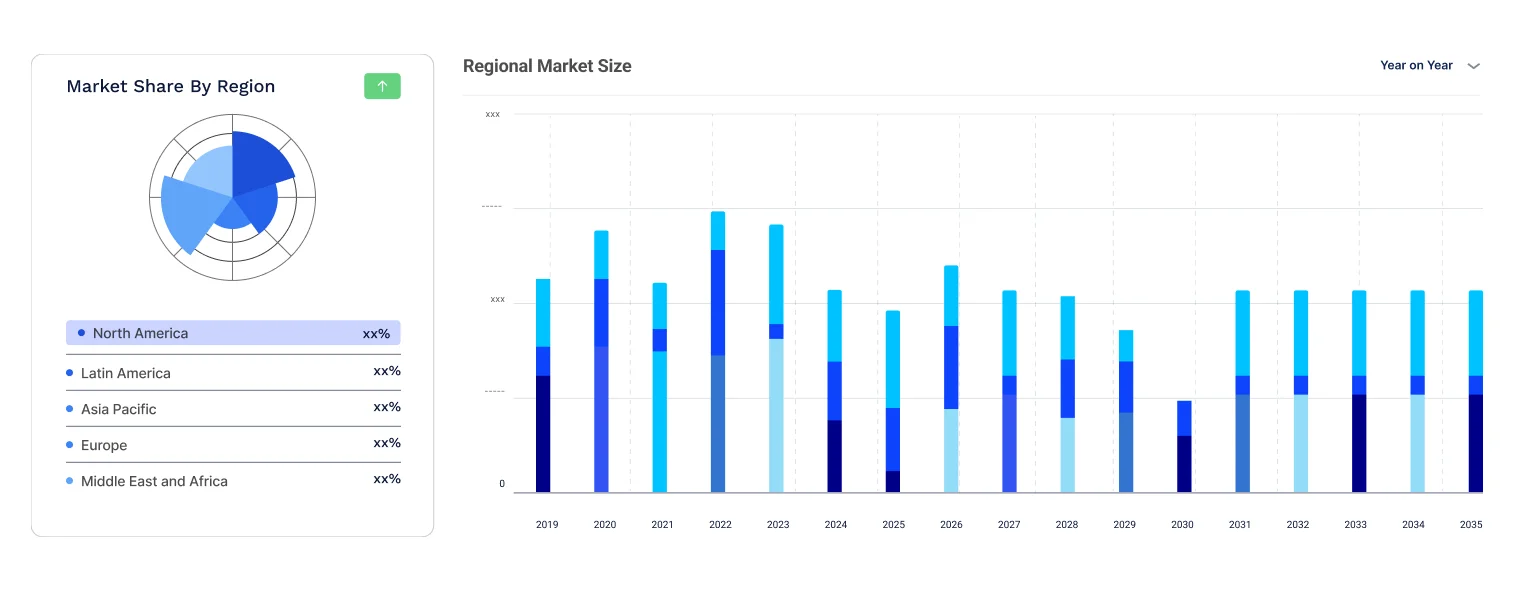

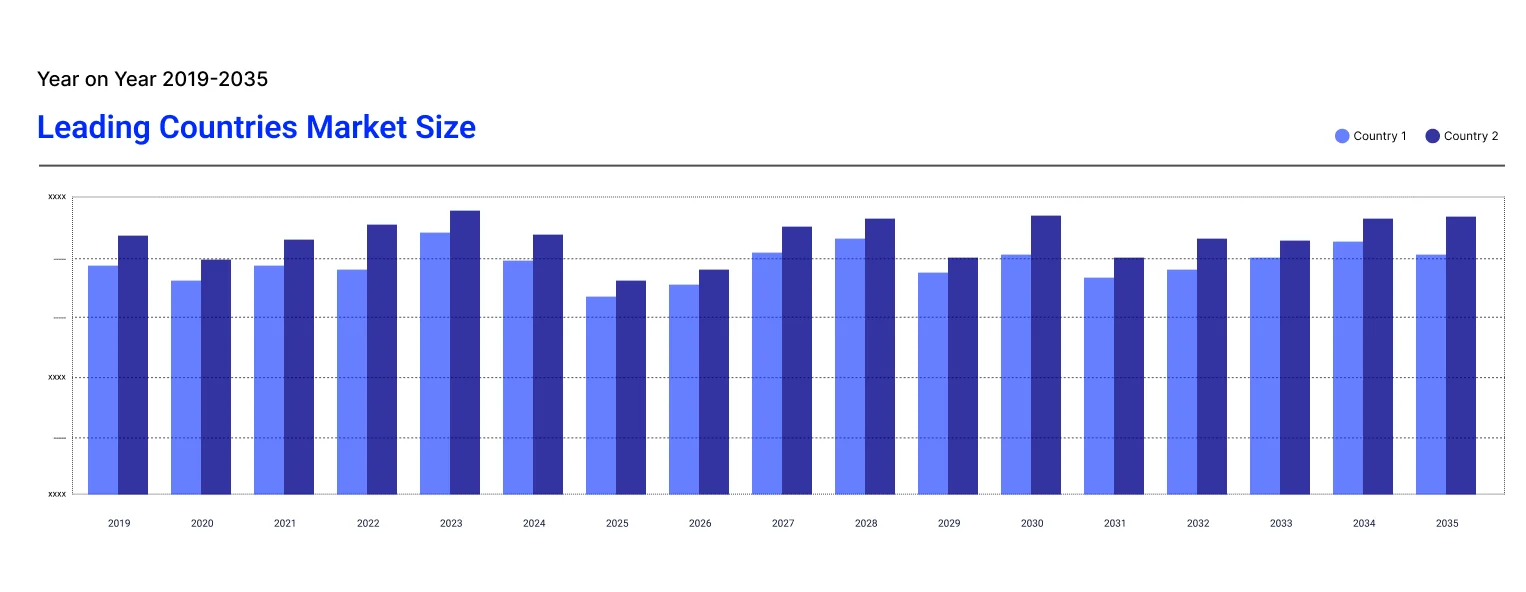
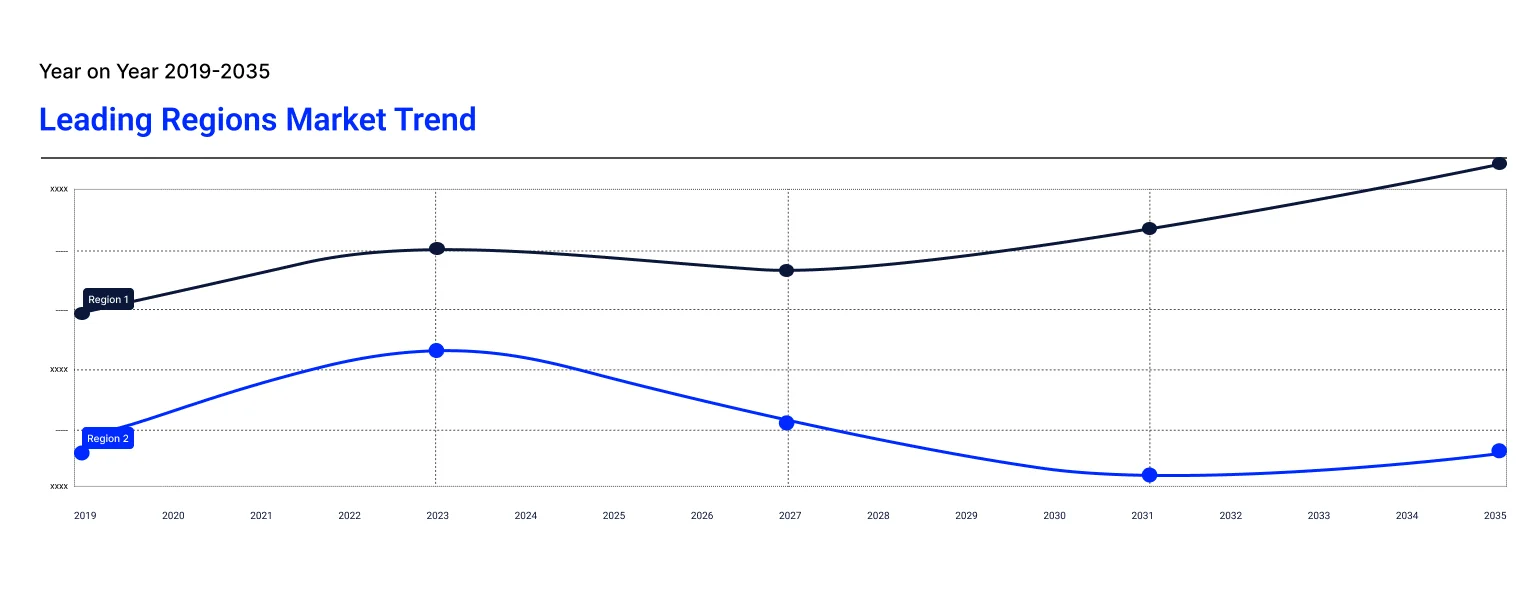
The increasing complexity and volume of data emanating from the industry are expected to drive major growth in the aviation MRO software market. On August 2nd, 2024, air travel reached an all-time high, with airline seats scheduled to number 17,987,792. In short, that number means there has been an unprecedented scale of aviation activity across the world. The surge demonstrates the huge demands on airlines and their MRO systems for operations.
The large data footprint of today's aircraft is another driver that cements the need for advanced MRO software solutions. It is estimated that a single Boeing 737 produces approximately 20 terabytes of data per engine per hour. Assuming that a twin-engine 737 flies roughly 233,600 terabytes a year, the amount of data compiled by an entire global fleet is immense, to say the least. This exponential increase in data automatically calls for advanced MRO software solutions that would sort and analyse the data properly to bring effective maintenance and timely repairs into play. Factors as these shape up the trends of the aviation MRO software market.
Various factors determine the growth of the market: increased air travel coupled with fleet expansion raises demand for advanced MRO solutions to manage large datasets and support predictive maintenance; technological advancements in IoT, AI, and big data analytics will further enhance MRO capabilities for real-time monitoring and proactive maintenance strategies.
It is also influenced by economic factors, such as fluctuating fuel prices and changes in regulations, in that airlines seek cost-effective maintenance solutions to comply with such regulations. This drive for sustainability is also forcing the adoption of eco-friendly MRO practices.
It is from here, more precisely from this sector, that aviation in general stands in the middle of growth and technological evolution since, on one hand, industrial growth has driven an ever-growing need for newer MRO software solutions, while on the other, they've become key to handling complexities in assuring safety and efficiency within present aircraft operations.
Read more about this report - REQUEST FREE SAMPLE COPY IN PDF
Global Aviation MRO Software Market Report and Forecast 2026-2035” offers a detailed analysis of the market based on the following segments:
Market Breakup by Deployment Type
Market Breakup by End-Use
Market Breakup by Region
Increasing Adoption of Cloud-based MRO Software is Driving the Global Aviation MRO Software Industry
As per aviation MRO software market analysis, cloud-based MRO software offers great advantages to the aviation businesses which include predictable monthly payments, easy scalability, quick performance, and excellent storage capabilities. Hence, these advantages are leading to a heightened demand for these software. In addition to this, it decreases the need for an aviation company to worry about maintaining or updating software systems which saves time and money. Growing research and development activities by the leading cloud-based software developing companies aimed towards making more adaptable and reliable MRO software are anticipated to be the major market guiding factors.
| CAGR 2026-2035 - Market by | Country |
| India | 4.4% |
| China | 3.9% |
| Canada | 3.3% |
| UK | 3.1% |
| Australia | 3.0% |
| USA | XX% |
| Germany | 2.9% |
| Italy | XX% |
| Japan | XX% |
| Saudi Arabia | XX% |
| Brazil | XX% |
| Mexico | XX% |
| France | 2.7% |
North America Accounts for a Significant Share in the Market for Aviation MRO Software
The global aviation MRO software market in North America is being driven by the strong foothold of service providers leading to increased number of strategic collaborations and acquisitions. Meanwhile, the rapid technological advancements in the aviation industry in the United States and Canada is leading to a heightened adoption of cloud-based aviation MRO software.
Over the forecast period, the growing expansion of the commercial aviation sector in the region is likely to lead to an increase in the number of aircraft deliveries. This will accelerate the aviation MRO software industry in North America for greater efficiency and safety of the passengers.
Established players, combined with a number of startups offering niche solutions, create a competitive environment that can drive price differentiation, with some vendors offering modular prices to attract smaller operators.
IBM Corporation, founded in 1911 and headquartered in Armonk, New York, provides asset management software called IBM Maximo for Aviation MRO. It delivers solutions with aircraft maintenance management, operational optimization, and enhancement of asset performance through the use of advanced analytics and IoT integration.
Ramco Systems Limited, established in 1997 and headquartered in Chennai, India, offers a suite called the Ramco Aviation MRO Suite. The software provides end-to-end maintenance, repair, and overhaul. It has fleet management, inventory control, and compliance features that help optimise operations and reduce costs.
Swiss AviationSoftware Ltd, an independent company, headquartered in Zurich, Switzerland, in 2001, provides the AMOS MRO software. AMOS hosts an integrated suite that supports aircraft maintenance management on planning, execution, and compliance grounds in such a way that provides a user-friendly interface with strong functionalities relevant for the aviation industry.
*Please note that this is only a partial list; the complete list of key players is available in the full report. Additionally, the list of key players can be customized to better suit your needs.*
Other key players in the aviation MRO software market report are Rusada Group SA., Communications Software (Airline Systems) Limited, BytzSoft Technologies Pvt. Ltd., among others.


Upto 15% Off
USD
$2499 $2249
$3999 $3599
$4999 $4249
$5999 $5099


*While we strive to always give you current and accurate information, the numbers depicted on the website are indicative and may differ from the actual numbers in the main report. At Expert Market Research, we aim to bring you the latest insights and trends in the market. Using our analyses and forecasts, stakeholders can understand the market dynamics, navigate challenges, and capitalize on opportunities to make data-driven strategic decisions.*
In 2025, the global market attained a value of nearly USD 7.24 Billion.
The market is projected to grow at a CAGR of 3.40% between 2026 and 2035.
Over the forecast period of 2026-2035, the market is estimated to witness a healthy growth to reach USD 10.11 Billion by 2035.
The major regions in the industry are North America, with the United States and Canada accounting for a significant market segment, Latin America, the Middle East, Africa, Europe, and Asia Pacific.
The major drivers of the market include the increasing investments towards automation in the aviation industry, rising number of international and domestic travellers, and growing expansion of the aviation businesses.
The increasing induction of advanced fleets requiring high maintenance are likely to be the key trends in the market.
Cloud-based and on-premises are the different deployment types based on which the market has been bifurcated.
Airlines, MROs, and OEMs are the significant end uses included in the market report.
The major players in the industry are IBM Corporation, Ramco Systems Limited, Swiss AviationSoftware Ltd., Rusada Group SA., Communications Software (Airline Systems) Limited, and BytzSoft Technologies Pvt. Ltd., among others.
Explore our key highlights of the report and gain a concise overview of key findings, trends, and actionable insights that will empower your strategic decisions.
| REPORT FEATURES | DETAILS |
| Base Year | 2025 |
| Historical Period | 2019-2025 |
| Forecast Period | 2026-2035 |
| Scope of the Report |
Historical and Forecast Trends, Industry Drivers and Constraints, Historical and Forecast Market Analysis by Segment:
|
| Breakup by Deployment Type |
|
| Breakup by End-Use |
|
| Breakup by Region |
|
| Market Dynamics |
|
| Competitive Landscape |
|
| Companies Covered |
|
Datasheet
One User
USD 2,499
USD 2,249
tax inclusive*
Single User License
One User
USD 3,999
USD 3,599
tax inclusive*
Five User License
Five User
USD 4,999
USD 4,249
tax inclusive*
Corporate License
Unlimited Users
USD 5,999
USD 5,099
tax inclusive*
*Please note that the prices mentioned below are starting prices for each bundle type. Kindly contact our team for further details.*
Flash Bundle
Small Business Bundle
Growth Bundle
Enterprise Bundle
*Please note that the prices mentioned below are starting prices for each bundle type. Kindly contact our team for further details.*
Flash Bundle
Number of Reports: 3
20%
tax inclusive*
Small Business Bundle
Number of Reports: 5
25%
tax inclusive*
Growth Bundle
Number of Reports: 8
30%
tax inclusive*
Enterprise Bundle
Number of Reports: 10
35%
tax inclusive*
How To Order

Select License Type
Choose the right license for your needs and access rights.

Click on ‘Buy Now’
Add the report to your cart with one click and proceed to register.

Select Mode of Payment
Choose a payment option for a secure checkout. You will be redirected accordingly.
Strategic Solutions for Informed Decision-Making
Gain insights to stay ahead and seize opportunities.

Get insights & trends for a competitive edge.

Track prices with detailed trend reports.

Analyse trade data for supply chain insights.

Leverage cost reports for smart savings

Enhance supply chain with partnerships.

Connect For More Information
Our expert team of analysts will offer full support and resolve any queries regarding the report, before and after the purchase.
Our expert team of analysts will offer full support and resolve any queries regarding the report, before and after the purchase.
We employ meticulous research methods, blending advanced analytics and expert insights to deliver accurate, actionable industry intelligence, staying ahead of competitors.
Our skilled analysts offer unparalleled competitive advantage with detailed insights on current and emerging markets, ensuring your strategic edge.
We offer an in-depth yet simplified presentation of industry insights and analysis to meet your specific requirements effectively.




