

Consumer Insights
Uncover trends and behaviors shaping consumer choices today
Procurement Insights
Optimize your sourcing strategy with key market data
Industry Stats
Stay ahead with the latest trends and market analysis.
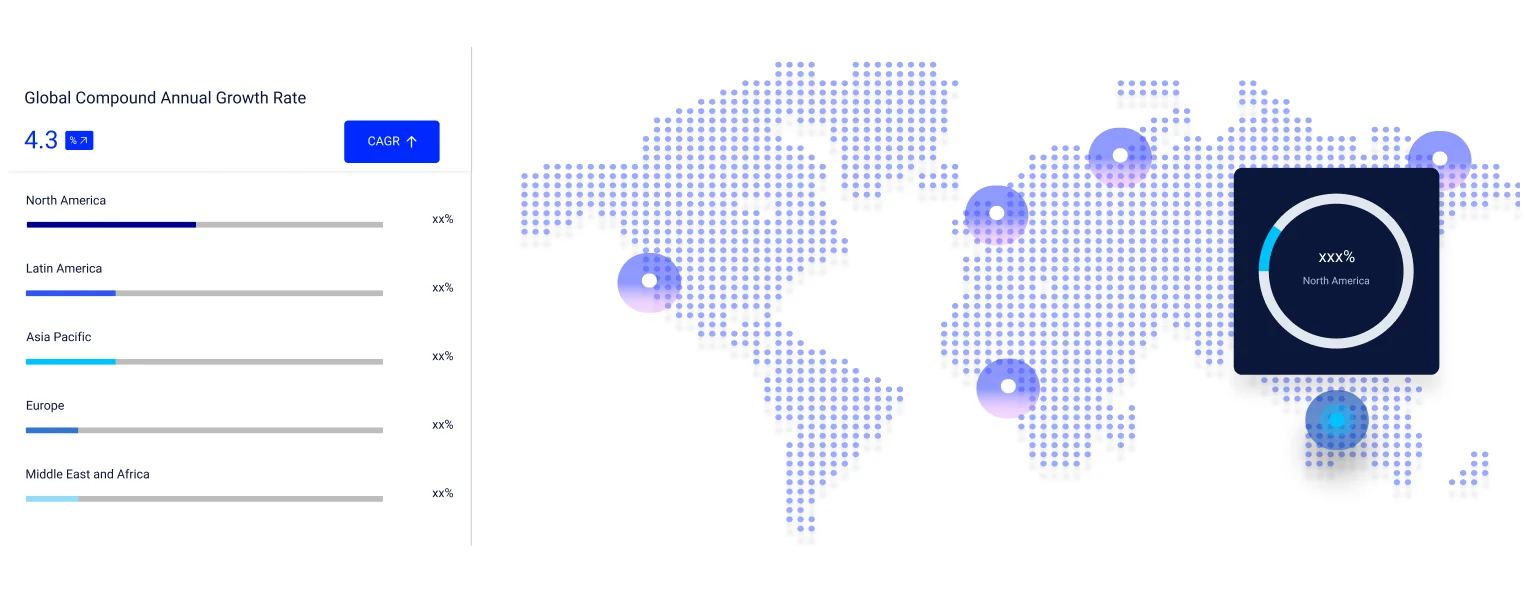
The global body area network market was valued at USD 16.33 Billion in 2025. The market is expected to grow at a CAGR of 11.90% during the forecast period of 2026-2035 to reach a value of USD 50.27 Billion by 2035. The growing use of wearable biosensors for real-time health monitoring is significantly accelerating the expansion of the global market.
Adoption of IEEE 802.15.6-compliant wireless body area network devices continued to expand across remote patient monitoring deployments, with hospitals and home healthcare providers integrating low-power on-body and implantable sensors for continuous physiological tracking. The Financial Times reported that ageing population pressures across Japan, Germany and the United States are accelerating commercial deployments of WBAN platforms supporting telemedicine, chronic disease management and post-discharge monitoring across residential settings.
Global proliferation of connected medical devices, projected to surpass 161 million units in active clinical use, continued to drive innovation in body area network architectures during the quarter. According to Nikkei Asia, integration of medical-grade WBANs with secure gateway authentication frameworks and Datagram Transport Layer Security protocols is becoming standard practice for vendors serving fitness, defence and chronic care applications, reinforcing the scalability of wearable and implantable sensor ecosystems across emerging digital health platforms.
Increased demand for real-time remote monitoring of patients' health is one of the key factors behind the growth of the body area network industry. Medical practitioners are using wearables and sensors attached directly to the body to monitor patients' vital signs including their heart rate, blood oxygen, and other parameters. In addition, developments in wireless technologies for low-power communication help boost the efficiency and usability of devices. Manufacturers are also working on creating small sensors and efficient connection units for extended usage without having to change batteries.
Body area network technology makes it possible for multiple wearables to measure continuously heart rate, respiration rate, oxygen saturation, among other physiological parameters and share the data collected to smartphones or healthcare platforms. Health professionals are increasingly using these wearable devices to help them monitor patients remotely, detect diseases at an early stage, and manage chronic conditions. In line with the continuous development of digital health environments, technology companies are working to develop next-generation body sensor networks. Such developments are driving the adoption of wearable technology devices in connected healthcare and prompting hospitals as well as telemedicine service providers to incorporate these monitoring systems into their operations. As a result, the global body area network market continues to gain momentum with the development of new wearable monitoring systems. For instance, Analog Devices released the Sensinel cardiopulmonary management system in March 2024 that is intended for remote cardiopulmonary monitoring.
Compound Annual Growth Rate
11.9%
Value in USD Billion
2026-2035
Read more about this report - REQUEST FREE SAMPLE COPY IN PDF
Medtronic announced that they have plans to buy out SPR Therapeutics in order to increase their ability to treat chronic pain using peripheral nerve stimulation technologies. Such developments suggest that more investments will continue to be made into innovative implantable monitoring and therapeutic devices.
The Department of Telecommunications in India amended the policy for registering machine to machine, WPAN, and WLAN to apply to all companies via the Saral Sanchar website. This development ensures the strengthening of connectivity infrastructure and currently facilitates innovation within the body area network industry.
Ixana launched a Wi-R silicon chip for ultra-low power wireless communication in wearable technology and human computer interface devices. Such technology improvements spur companies into designing power efficient wearable sensors and future connected health monitoring devices.
Axon announced new fixed ALPR camera solutions and next-generation AI advancements to expand real-time public safety ecosystems. This development supports the market by improving real-time data connectivity, sensor integration, and intelligent communication across wearable and connected safety devices.
Collaborations that involve the partnership between semiconductor and material manufacturers are contributing to innovations in wearable bio-sensing, which is driving the growth of the body area network market. The collaborations make use of the technical knowledge in sensing, communication, and bio-compatible materials to create wearable sensing devices. Collaborative efforts enhance the ecosystem for connected healthcare. For instance, DuPont partnered with STMicroelectronics in November 2023 to develop the idea of a smart wearable bio-signal monitoring device.
With the increased adoption of wearable monitoring solutions integrated within the digital infrastructure of hospitals, the body area network market is expected to grow over the forecast period. The use of body area network sensors helps in monitoring important vitals and sending the information back to the hospital system. As a result of adopting monitoring solutions, there is an increased development of interoperable wearables. This trend is projected to boost the market growth as it will help in making informed decisions. In November 2023, for example, GE HealthCare collaborated with Masimo on incorporating pulse oximetry technology in the Portrait Mobile wearable monitor platform.
The improvement in the efficiency of ultra-low power semiconductors is boosting the functionality of wearable devices, which in turn accelerates the body area network market penetration. The devices supported by BAN need to have an energy-efficient processor that continuously monitors the biological data while ensuring that the battery lasts for a longer period of time. Semiconductors companies are also designing energy-efficient chipsets for wearable health devices. This technology allows wearable devices that are energy-efficient and capable of establishing connection. For instance, in October 2023, Noise collaborated with Ambiq to develop the Luna Ring wearable with Ambiq's ultra-low-power Apollo chipset.
The integration of sensors that capture neural signals through wearables is enhancing device capabilities, supporting innovation and contributing to the overall body area network market expansion. The trend of miniaturization of neural sensing technologies is gaining popularity among many firms as an opportunity to integrate advanced signal detection in their wearable devices. For instance, in January 2025, Pison teamed up with STMicroelectronics to miniaturize neural sensing technologies for wearable devices.
Increasing number of partnerships in wearable patient monitoring is enhancing the growth potential of the body area network market. This partnership trend allows healthcare technology companies to incorporate the use of wearable biosensors into digital health and hospitals monitoring systems. Through collaboration, there can be effective continuous monitoring of patients in both clinical and remote locations. For example, in April 2024, Philips collaborated with smartQare to incorporate the viQtor wearable biosensor system.
Read more about this report - REQUEST FREE SAMPLE COPY IN PDF
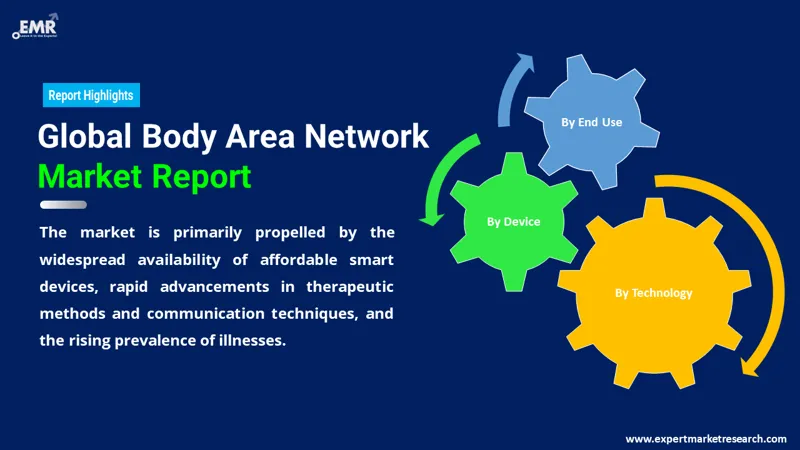
The Expert Market Research's report titled “Global Body Area Network Market Report and Forecast 2026-2035” offers a detailed analysis of the market based on the following segments:
Market Breakup by Technology
Key Insight: Technological segments analyzed in the body area network market report include Bluetooth, Wi-Fi, ZigBee, and other forms of low power wireless communications. Bluetooth is extensively used in wearable health devices owing to its low energy requirements and ability to communicate with smartphones effectively. Wi-Fi is used in hospital monitoring systems where high-speed data transfer is required for continuous communication of data between patients. ZigBee is more suited for creating secure low power sensor medical networks that monitor multiple devices simultaneously. Other technologies are also being considered to ensure accuracy of communication and improve data security.
Market Breakup by Device
Key Insight: The device segmentation of the body area network industry comprises wearable and implantable devices that provide continuous measurement of physiological functions. Wearable devices are becoming increasingly popular because of their non-invasive nature and inclusion in consumer electronics such as smartwatches, fitness trackers, and biosensors. These devices can be used for remote monitoring of patients. Implantable devices are becoming relevant in specific medical use cases, including monitoring of the heart condition, neuromodulation, and disease management. Technology firms are focusing on the development of small sensors, biocompatible materials, and high-quality wireless capabilities for body networks.
Market Breakup by End Use
Key Insight: The end-use segments in the body area network market include healthcare, sports, and others including military and workplace safety monitoring. Healthcare captures a substantial share of the market with the growing application of body sensors in hospital settings and telemedicine platforms to continuously monitor patients and manage their diseases. In the sports industry, growth is seen with the increasing usage of BAN-powered wearables to analyze the performance of athletes, fatigue levels, and other physiological data.
Market Breakup by Region
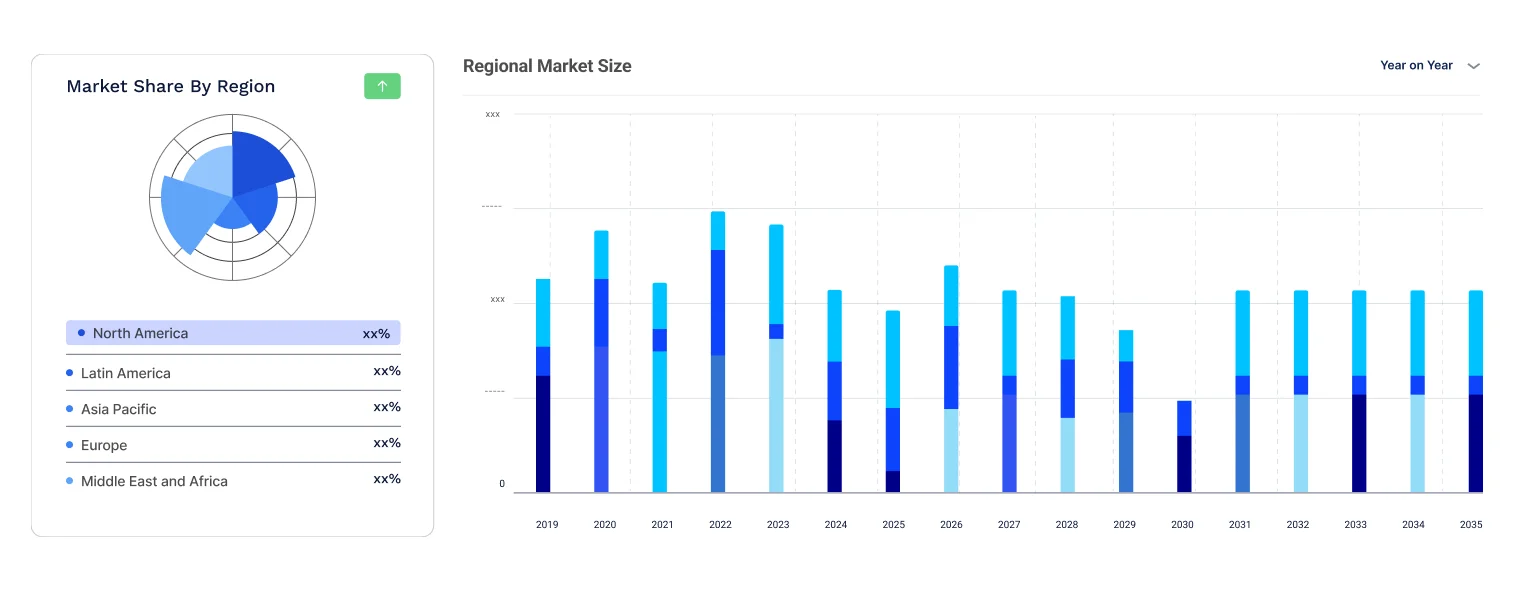
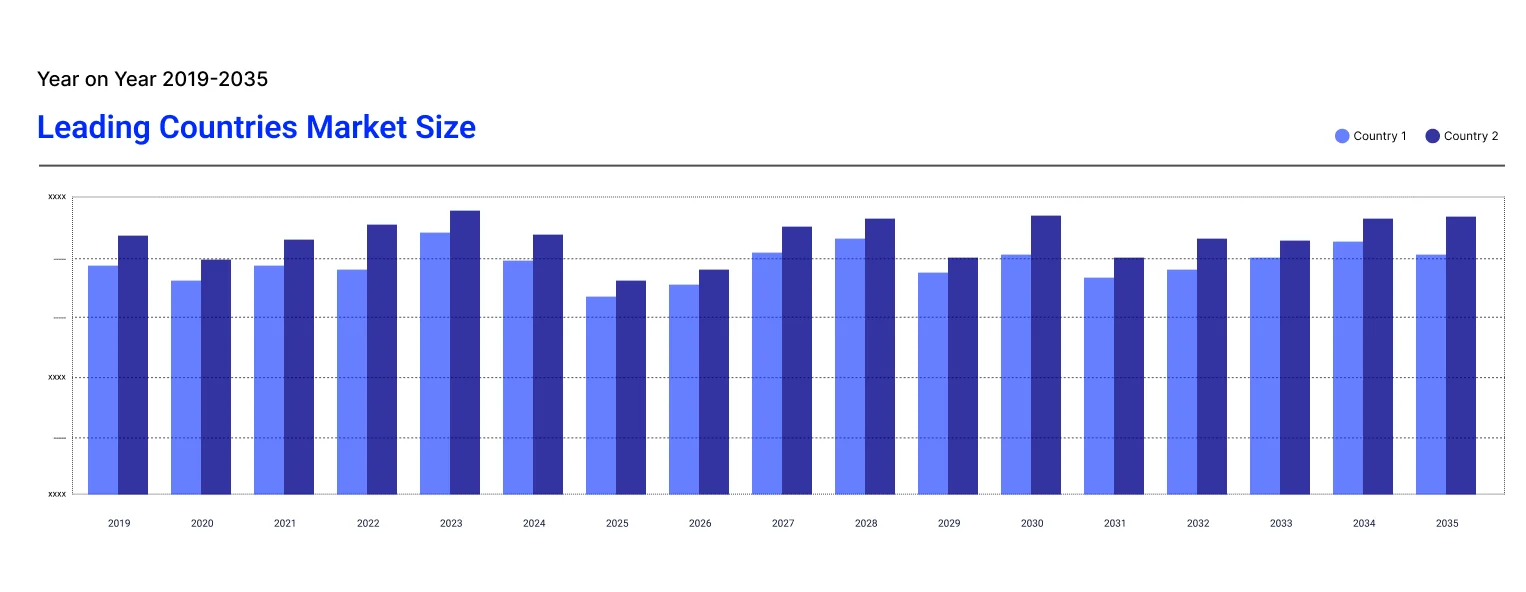
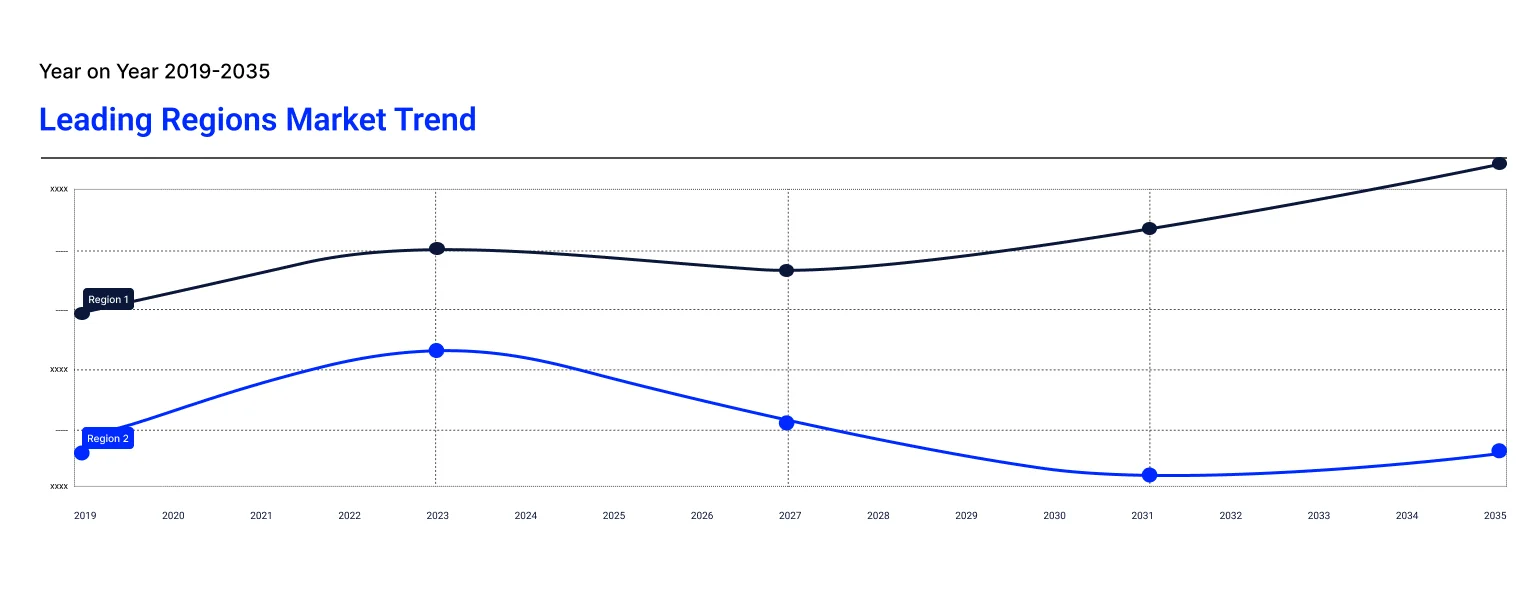
Key Insight: The global body area network market landscape covers North America, Europe, Asia-Pacific, Latin America, and the Middle East & Africa. The leading region is represented by North America, powered by high levels of digitization in healthcare services and advanced research efforts along with the use of wearable devices. Europe is expected to register moderate growth due to digital health programs and investments in connected healthcare systems. Asia Pacific and other regions observe gradual growth due to increasing production of wearables and technological advancements in the healthcare sector.
Read more about this report - REQUEST FREE SAMPLE COPY IN PDF
By technology, Bluetooth gains significant traction owing to its low energy connectivity in wearable monitoring devices
The rise in the usage of BLE technology for wearable monitoring equipment is fueling the growth in the Bluetooth segment of the body area network market. Bluetooth technology provides power-efficient short-range wireless communication for wearable biosensors and connected health monitoring devices. Various companies are also focusing on designing BLE-enabled connectivity platforms for IoT applications and wearable medical devices. For example, in January 2026, Hubble Network teamed up with Texas Instruments to develop satellite-powered Bluetooth connectivity platforms.
Moreover, the rising adoption of monitoring infrastructure based on Wi-Fi technology is propelling growth of the Wi-Fi segment within the body area network market dynamics. Some of the prominent players that are focusing on the development of connected healthcare platforms along with Wi-Fi communication solutions include NXP Semiconductors, Cisco Systems, and GE HealthCare. These companies offer communication technologies that allow high-speed data transfer from wearable sensors to the hospital systems and cloud platforms.
By device, the wearable category witnesses high demand driven by the increasing adoption of wearable biosensors for continuous health monitoring
Increasing demand for wearable biosensors is fueling the growth of the body area network market revenue. The deployment of wearable BAN devices allows continuous monitoring of physiological variables for use in healthcare and wellness purposes. The market observes increased focus on developing lighter sensors as well as better monitoring mechanisms by companies for improving the performance of these devices. For example, in May 2025, Advanced Research Projects Agency for Health initiated a program aimed at facilitating the development of next generation biosensors for healthcare monitoring.
An increase in the number of implantable monitoring and neurostimulation devices is driving the growth of the implantable devices segment in the global body area network market. Major players such as Medtronic, Abbott Laboratories, and Boston Scientific are making huge investments in order to design advanced implantable sensors and wireless monitoring devices for managing chronic ailments and neurological conditions.
By end-use, the healthcare sector drives considerable market growth owing to the increasing adoption of wearable neural monitoring technologies
The healthcare sector of the body area network industry is growing continuously because of the adoption of neural sensing and remote patient monitoring solutions. Stakeholders in the healthcare sector are investing in non-invasive biosensing technologies that allow for real-time tracking of the neurological and physiological processes of patients. Some of the benefits include personalization and the ability to measure and monitor physiological activities in real-time within the connected healthcare environment. As an example, in March 2026, Gestalt AI invented a non-invasive brain-computer interface platform for monitoring neural activities.
On the other hand, the sports sector is growing owing to the increasing adoption of wearable performance monitoring technologies by athletes and fitness enthusiasts. Sports teams and organizations, alongside wearable technology vendors, are innovating biosensors that can accurately record and analyze physiological activities such as heartbeat, exhaustion levels, motion detection, and recovery rate in real time. Examples of companies investing in such technologies include Garmin Ltd., Polar Electro, and WHOOP.
Read more about this report - REQUEST FREE SAMPLE COPY IN PDF
North America leads the market growth, driven by rising investments in neural interface technologies supporting regional healthcare innovation
Dominance of the body area network market in North America is powered by digitized healthcare solutions, high adoption rates of wearable technology, and investment in connected devices for healthcare. Companies operating in the region are developing new platforms and solutions for remote patient monitoring, implantable sensor technology, and AI-driven wearables for healthcare purposes. Besides, research and development efforts in the field of wireless health monitoring systems and their implementation at telehealth platforms and hospitals are further driving the growth of the regional market.
The Asia Pacific body area network market growth is led by significant investments in connected and implantable healthcare devices. The major players in the region are emphasizing neural communication systems, biosensors, and implantable health monitoring devices for improving healthcare infrastructure through digitization. For instance, researchers in China and other medical device manufacturers developed implantable brain-computer interfaces for paralysis therapy applications in March 2026, indicating that the region is emphasizing futuristic connected and implanted medical devices.
Leading body area network market players are becoming more concerned with the development of sophisticated wearable biosensors and communications with ultra-low power to boost their device efficiency and reliability. Firms are making use of miniaturized sensors, low-power consumption chipsets, and flexible electronics to offer continuous physiological monitoring with higher precision and user comfort. This is enabling them to offer enhanced remote health monitoring solutions along with advanced connected healthcare ecosystems.
Another important trend that is observed among the body area network companies is the establishment of strategic collaboration and partnerships for integrating body area networks into the wider ecosystem of digital health technology. Efforts are being made towards enhancing data analytics capability, cloud-based connectivity, and other real-time monitoring services for clinical as well as wellness purposes.
Apple Inc. is a multinational technology company that provides consumer electronics, wearables, and digital health technologies. It was incorporated in 1976 and is based in Cupertino, California, United States of America, and continues to grow its wearable platform through health monitoring technology that is incorporated in its products.
Fitbit, Inc. is a wearable technology company dealing with fitness tracking and health monitoring products meant to monitor physical activities, heart rates, and sleeping patterns of users. It was founded in 2007 and is based in San Francisco, California, United States of America, and plays an important role in the advancement of health monitoring technologies.
Abbott Laboratories is an international healthcare corporation that specializes in the development of medical devices, diagnostic instruments, nutritional products, and branded generic medicines. Founded in 1888, the company operates from its headquarters located in Abbott Park, Illinois, United States of America, and has extended its range of services in digital health to include biosensing and continuous monitoring capabilities in wearable devices.
Bluetooth SIG Inc. is a company that manages and develops Bluetooth technology used in various connected and wearable devices. The company was founded in 1998 and operates from its headquarters in Kirkland, Washington, United States of America, developing short-range wireless connectivity technology standards.
Other key players in the market include Ericsson AB, Fujitsu Limited, General Electric Company, IBM Corporation, and Intel Corporation, among others.
*Please note that this is only a partial list; the complete list of key players is available in the full report. Additionally, the list of key players can be customized to better suit your needs.*
Explore the latest trends shaping the global body area network market 2026-2035 with our in-depth report. Gain strategic insights, future forecasts, and key market developments that can help you stay competitive. Download a free sample report or contact our team for customized consultation on global body area network market trends 2026.


Upto 15% Off
USD
$2499 $2249
$3999 $3599
$4999 $4249
$5999 $5099


*While we strive to always give you current and accurate information, the numbers depicted on the website are indicative and may differ from the actual numbers in the main report. At Expert Market Research, we aim to bring you the latest insights and trends in the market. Using our analyses and forecasts, stakeholders can understand the market dynamics, navigate challenges, and capitalize on opportunities to make data-driven strategic decisions.*
In 2025, the global body area network market attained a value of nearly USD 16.33 Billion.
The market is projected to grow at a CAGR of 11.90% between 2026 and 2035.
The market is estimated to witness a healthy growth in the forecast period of 2026-2035 to reach USD 50.27 Billion by 2035.
The major drivers of the market include availability of smart devices at low prices, rapid advancement in therapeutic methods, and communication techniques and increasing prevalence of illness.
Growing government support and increasing launches of smartwatches and smart bands are the key trends propelling the growth of the market.
The major regions in the market are North America, Latin America, the Middle East and Africa, Europe, and the Asia Pacific.
The various end uses of body area network include healthcare and sports, among others.
The significant technologies of body area network considered in the market report are Bluetooth, Wi-Fi, and ZigBee, among others.
The devices available in the market are wearable devices and implantable devices.
The major players in the market are Apple Inc. (NASDAQ: AAPL), Fitbit, Inc. (NYSE: FIT), Abbott Laboratories (NYSE: ABT), Bluetooth SIG Inc., Ericsson AB, Fujitsu Limited (TYO: 6702), General Electric Company (NYSE: GE), IBM Corporation (NYSE: IBM), and Intel Corporation (NASDAQ: INTC), among others.
Explore our key highlights of the report and gain a concise overview of key findings, trends, and actionable insights that will empower your strategic decisions.
| REPORT FEATURES | DETAILS |
| Base Year | 2025 |
| Historical Period | 2019-2025 |
| Forecast Period | 2026-2035 |
| Scope of the Report |
Historical and Forecast Trends, Industry Drivers and Constraints, Historical and Forecast Market Analysis by Segment:
|
| Breakup by Technology |
|
| Breakup by Device |
|
| Breakup by End Use |
|
| Breakup by Region |
|
| Market Dynamics |
|
| Competitive Landscape |
|
| Companies Covered |
|
| Report Price and Purchase Option | Explore our purchase options that are best suited to your resources and industry needs. |
| Delivery Format | Delivered as an attached PDF and Excel through email, with an option of receiving an editable PPT, according to the purchase option. |
Datasheet
One User
USD 2,499
USD 2,249
tax inclusive*
Single User License
One User
USD 3,999
USD 3,599
tax inclusive*
Five User License
Five User
USD 4,999
USD 4,249
tax inclusive*
Corporate License
Unlimited Users
USD 5,999
USD 5,099
tax inclusive*
*Please note that the prices mentioned below are starting prices for each bundle type. Kindly contact our team for further details.*
Flash Bundle
Small Business Bundle
Growth Bundle
Enterprise Bundle
*Please note that the prices mentioned below are starting prices for each bundle type. Kindly contact our team for further details.*
Flash Bundle
Number of Reports: 3
20%
tax inclusive*
Small Business Bundle
Number of Reports: 5
25%
tax inclusive*
Growth Bundle
Number of Reports: 8
30%
tax inclusive*
Enterprise Bundle
Number of Reports: 10
35%
tax inclusive*
How To Order

Select License Type
Choose the right license for your needs and access rights.

Click on ‘Buy Now’
Add the report to your cart with one click and proceed to register.

Select Mode of Payment
Choose a payment option for a secure checkout. You will be redirected accordingly.
Strategic Solutions for Informed Decision-Making
Gain insights to stay ahead and seize opportunities.

Get insights & trends for a competitive edge.

Track prices with detailed trend reports.

Analyse trade data for supply chain insights.

Leverage cost reports for smart savings

Enhance supply chain with partnerships.

Connect For More Information
Our expert team of analysts will offer full support and resolve any queries regarding the report, before and after the purchase.
Our expert team of analysts will offer full support and resolve any queries regarding the report, before and after the purchase.
We employ meticulous research methods, blending advanced analytics and expert insights to deliver accurate, actionable industry intelligence, staying ahead of competitors.
Our skilled analysts offer unparalleled competitive advantage with detailed insights on current and emerging markets, ensuring your strategic edge.
We offer an in-depth yet simplified presentation of industry insights and analysis to meet your specific requirements effectively.




