Consumer Insights
Uncover trends and behaviors shaping consumer choices today
Procurement Insights
Optimize your sourcing strategy with key market data
Industry Stats
Stay ahead with the latest trends and market analysis.
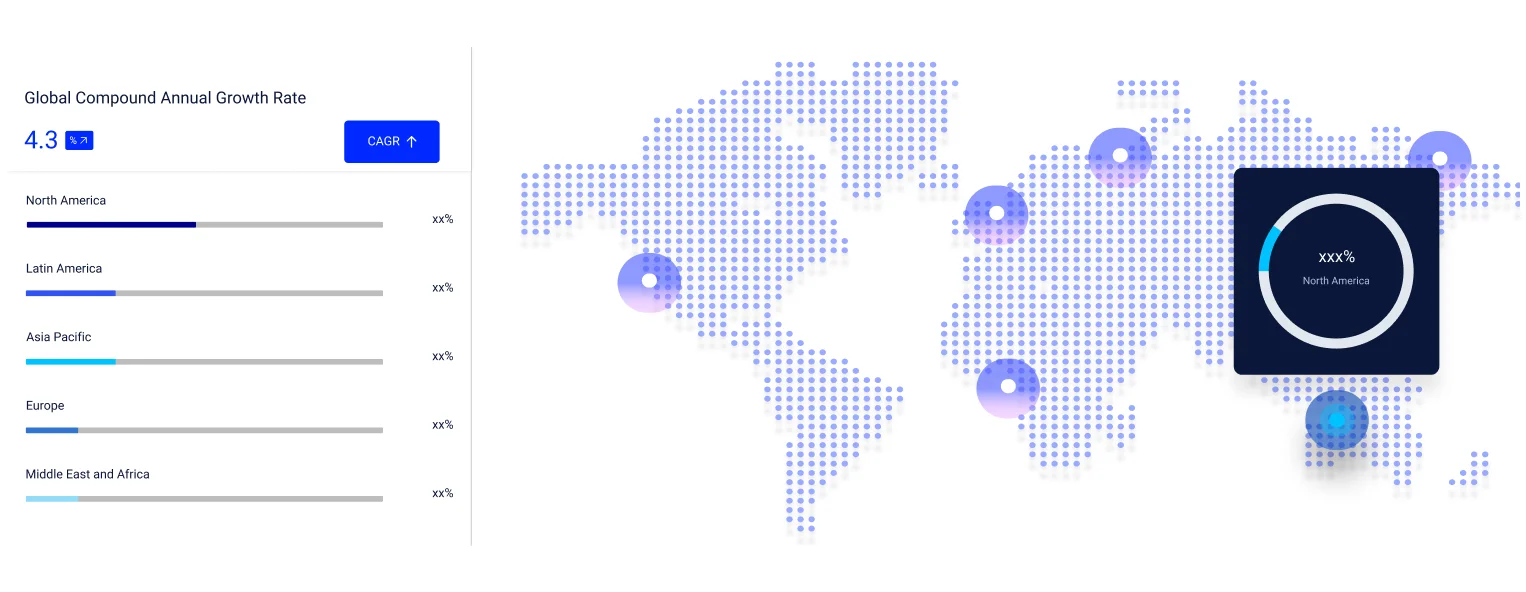
The organic yeast market was valued at USD 0.52 Billion in 2025. The market is expected to grow at a CAGR of 10.50% during the forecast period of 2026-2035 to reach a value of USD 1.41 Billion by 2035. Rising organic food sales, growing clean label baking, expanding plant-based and supplement demand, and new yeast protein innovation are collectively driving the market growth.
The current organic yeast market dynamics reflect growing shopper preference for certified organic bread, snacks, seasonings, and supplements, alongside wider use of yeast in plant-based and fermentation based foods. Organic retail is expanding in new markets: in August 2026, the Australian Organic Market Report 2026 showed that certified organic domestic retail sales passed A$1 billion in annual direct sales for the first time. The milestone is widening domestic opportunities for certified bakery, snack, and supplement brands that rely on organic ingredients. This shows how certified supply chains are maturing outside traditional organic markets, encouraging bakers and ingredient makers to secure organic yeast, while buyers compare certification credentials, fermentation performance, flavor, and pricing, and producers invest in traceable sourcing and tighter quality controls across their plants and supply chains.
The overall organic yeast industry dynamics through 2025 and 2026 are also shaped by the cereal and flour supply that supports baking demand. In June 2026, the Buenos Aires Grain Exchange reported that wheat planting had reached 32.4% of the projected 2026/27 area, 12.4 percentage points above the five-year average. This signals ample flour supply for bakeries and millers, encouraging steady yeast use, while producers weigh organic certification costs, molasses availability, and energy prices. Suppliers with reliable organic raw materials are better placed to win contracts.
Compound Annual Growth Rate
10.5%
Value in USD Billion
2026-2035
Read more about this report - REQUEST FREE SAMPLE COPY IN PDF
|
Organic Yeast Market Report Summary |
Description |
Value |
|
Base Year |
USD Billion |
2025 |
|
Historical Period |
USD Billion |
2019-2025 |
|
Forecast Period |
USD Billion |
2026-2035 |
|
Market Size 2025 |
USD Billion |
0.52 |
|
Market Size 2035 |
USD Billion |
1.41 |
|
CAGR 2019-2025 |
Percentage |
XX% |
|
CAGR 2026-2035 |
Percentage |
10.50% |
|
CAGR 2026-2035 - Market by Region |
Asia Pacific |
13.2% |
|
CAGR 2026-2035 - Market by Product Type |
Nutritional Yeast |
12.4% |
|
CAGR 2026-2035 - Market by Form |
Fresh |
11.0% |
|
2025 Market Share by Region |
North America |
30.0% |
The market for organic yeast is being shaped by yeast technology acquisitions, yeast protein scale-ups and launches, and industrial scale upcycling of brewery by-products. Wider ingredient portfolios and new production capacity are further reshaping the competitive landscape.
Novonesis completed its acquisition of Australian biotechnology company MicroBioGen after receiving all regulatory approvals, bringing industrial yeast strain development and advanced yeast breeding expertise in house. It already held a 23% stake. The deal strengthened its yeast research base and pointed to uses beyond bioethanol. Other companies can secure strain development partners to build differentiated organic and specialty yeast portfolios.
dsm-firmenich moved its Protopia single-cell protein, made from torula yeast, toward industrial scale after customer trial batches in a 15,000 litre fermenter. The company planned a 120,000 litre run and a larger European facility in 2027, targeting aquaculture, pet food, and human food applications. Other companies can adopt licensing models and shared fermentation capacity to widen yeast protein supply globally.
Intake launched Takein, an ingredient brand supplying yeast protein isolate and yeast culture dietary fibre to food manufacturers. The protein came from a non-GMO brewer's yeast strain derived from grape yeast, improved through adaptive evolution. It prepared data for US regulatory approvals. Other companies can pair yeast protein and fibre ranges with certified organic offerings for health focused consumer brands.
Yeastup opened a production plant in Lyss, Switzerland, converting spent brewer's yeast into protein and dietary fibre. Capacity rose to 4,000 litres of spent yeast per hour from 1,600 litres during pilot production, backed by CHF 10 million. Products included Yeastin, an egg substitute protein, and a beta-glucan fibre. Other companies can partner with breweries to secure upcycled yeast supply.
Shoppers are paying more attention to certified organic labels on everyday foods. Bakers and ingredient makers are therefore seeking certified inputs, including organic yeast, to keep products eligible for organic claims. In June 2026, the Canadian Organic Trade Association reported that Canadian organic goods sales reached about C$11.88 billion in 2025, up 24% since 2023, which is encouraging bakery and supplement brands to broaden certified ingredient sourcing across breads, snacks, seasonings, and nutrition products sold through mainstream and specialty retailers.
Food companies are searching for alternative proteins made through fermentation, and yeast protein is gaining attention for its nutrition and neutral taste. Spare fermenter capacity in existing plants is lowering the barrier to scaling. In October 2026, a study by Sathguru Management Consultants and GFI India estimated that diverting 26% of idle fermentation capacity in India could meet global yeast protein demand, which is encouraging yeast producers and ingredient buyers to explore partnerships, contract manufacturing, and shared production arrangements together.
Yeast producers depend on molasses, a by-product of sugar manufacturing, so cane processing decisions influence feedstock supply and cost. Mills are weighing sugar against ethanol as fuel blending policies change. In May 2026, SAFRAS and Mercado projected that Brazil's Center-South 2026/27 cane crush would rise about 3% to 620 million tonnes, while sugar output would fall 7.5% to 37 million tonnes, which is encouraging yeast makers to monitor molasses sourcing, price movements, and longer raw material contracts with sugar producers.
Governments are promoting organic exports through trade fairs and buyer meetings that connect ingredient producers with overseas food makers. Certified organic yeast and related ingredients are benefiting from these wider sales channels. In August 2026, India's Commerce Ministry and APEDA organized BIOFACH INDIA 2026 in Greater Noida, with more than 200 exhibiting companies and over 35 buyers from 13 overseas markets, which is helping certified ingredient suppliers build export relationships with bakers, snack makers, and supplement brands in new regions.
Livestock producers are looking for natural feed additives that support gut health and performance, and yeast products fit this need. In April 2026, Brazil's feed industry union Sindirações projected 2026 animal feed production of 97.3 million tonnes, up 3.3%, which is expanding the addressable base for yeast derived feed ingredients across large poultry, swine, and cattle operations, where producers are reducing reliance on synthetic additives and seeking natural sources of mannan and beta-glucan that support animal health and efficiency overall.
The Expert Market Research's report titled "Organic Yeast Market Report and Forecast 2026-2035" offers a detailed analysis of the market based on the following segments:
Market Breakup by Product Type
Key Insight: Yeast extract dominates the organic yeast market by product type on savory flavor and clean label demand, while nutritional yeast is the fastest-growing on plant-based diets. Baker's yeast serves bread and dough, brewer's yeast supports supplements and feed, and others include specialty yeasts for fermentation uses. Highlighting wider commercial use of yeast as a production host, in October 2026, The EVERY Company won a US patent on finished foods made with egg white protein produced in yeast and fungal hosts, with baked goods as its core market.
Market Breakup by Form
Key Insight: Dry dominates the organic yeast market by form on shelf life and easy handling, while fresh is the fastest-growing on artisan bakery demand. Others include liquid, cream, and paste yeasts used by larger industrial bakeries and fermentation plants. Both main forms are available in certified organic grades. Reflecting strong demand for certified organic grades, in March 2026, the Organic Trade Association reported that United States organic sales rose nearly 7% to $76.6 billion in 2025, well ahead of overall food sales growth of 2.3%.
Market Breakup by Application
Key Insight: Bakery and confectionery dominates the organic yeast market by application, while dietary supplements is the fastest-growing. Beverages use yeast in brewing and fermented drinks, animal feed uses yeast for gut health and performance, and others include personal care and pharmaceutical fermentation uses. Organic certification supports premium positioning across these uses. Underlining yeast use beyond bakery, in April 2026, Challenge Biotechnology of China launched customized yeast culture products for pigs, poultry, and ruminants, targeting livestock producers in Vietnam, Thailand, and Indonesia.
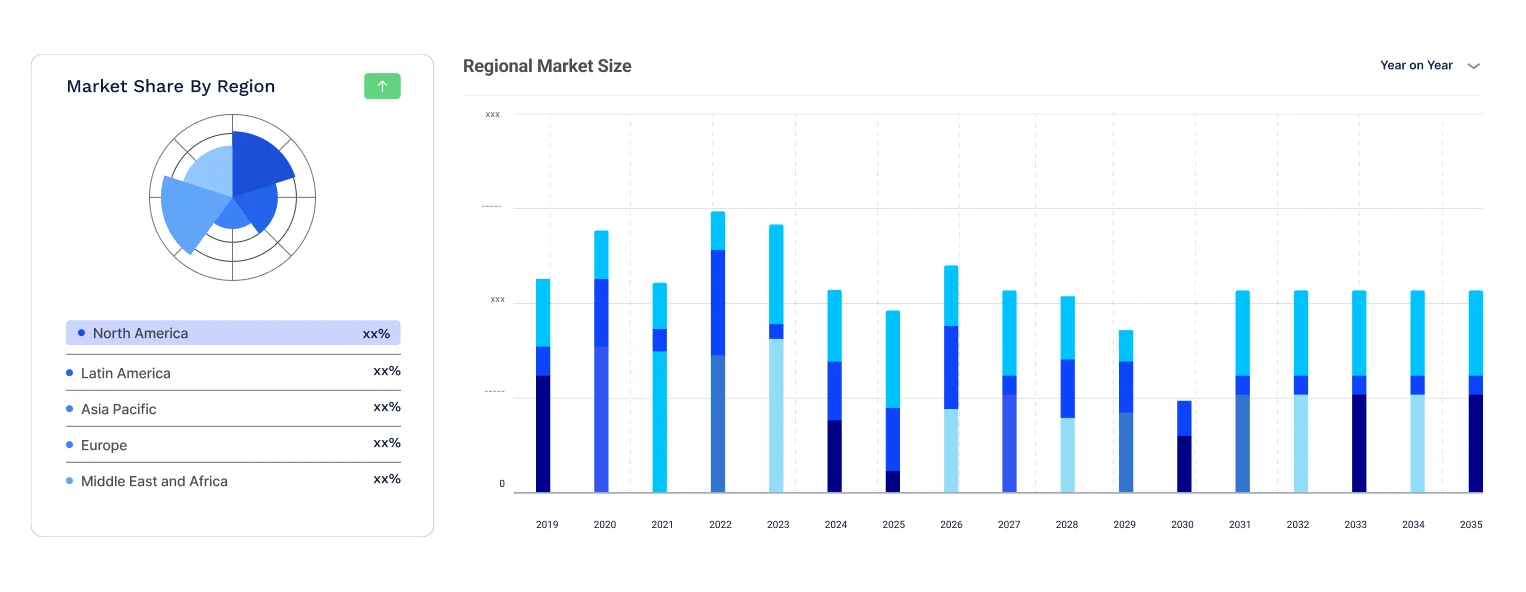
Market Breakup by Region
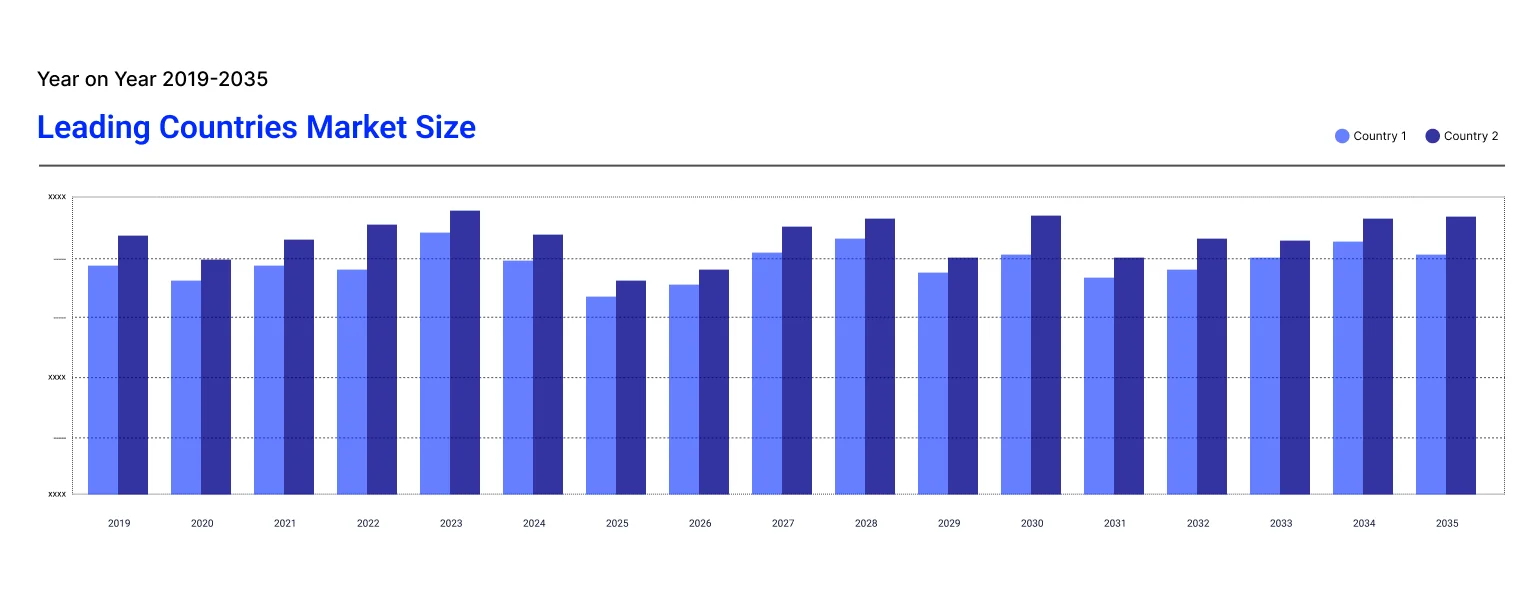
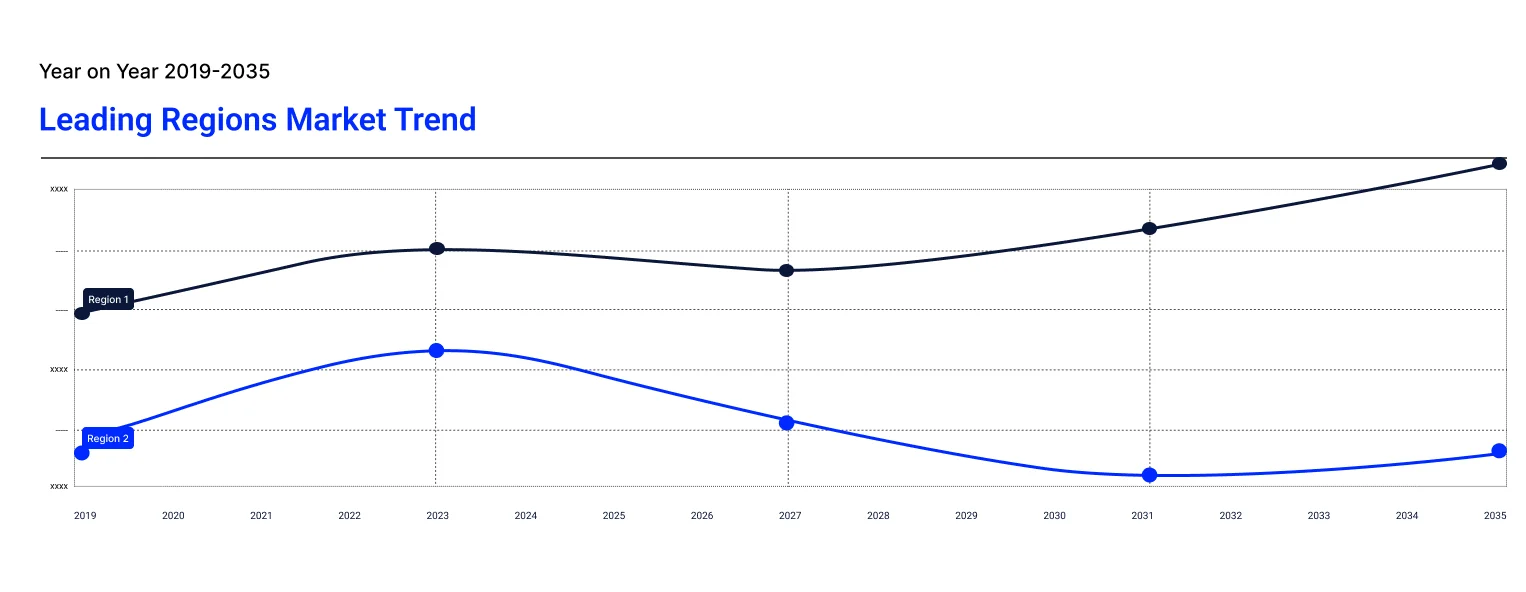
Key Insight: Europe dominates the organic yeast market on strict regulation and bakery traditions, while Asia Pacific is the fastest-growing on rising incomes and organic retail expansion. North America advances on a large organic food base, Latin America grows from a smaller base, and the Middle East and Africa gains from food security investment. Pointing to regional manufacturing focus, in September 2026, organizers confirmed that Gulfood Manufacturing would return to Dubai in November, aligned with the UAE National Food Security Strategy 2051.
Read more about this report - REQUEST FREE SAMPLE COPY IN PDF
By product type, yeast extract leads on savory flavor demand and clean label formulation
Yeast extract accounts for the largest share of the organic yeast market by product type, because food makers use it to deliver savory taste and umami in soups, sauces, snacks, and meat alternatives while keeping labels short and natural. Certified organic grades support products sold in organic channels. In June 2026, Agence BIO reported that the French organic market reached EUR 12.6 billion in 2025, up 3.6%, widening the retail base for organic seasoning ingredients across supermarkets and specialist stores.
Nutritional yeast is the fastest-growing product type, helped by plant-based diets, a cheese-like savory flavor, and protein and B vitamin content. Shoppers use it in seasonings, snacks, and vegan sauces. In January 2026, a survey commissioned by NOW found that 76% of respondents took supplements daily and 44% raised their use in 2025, showing strong wellness demand that benefits yeast based seasonings and fortified foods. Baker's yeast and brewer's yeast remain important, while others serve niche fermentation and feed uses.
By form, dry yeast leads on shelf life, easy handling, and reliable performance
Dry yeast accounts for the largest share of the organic yeast market by form, as it stores well, ships over long distances, and is easy to dose in bakeries, home baking, and industrial food lines. Organic dry yeast suits regions with limited cold chain capacity. In March 2026, the United States Department of Agriculture forecast that Nigeria's 2026/27 wheat imports would reach 7.2 million tons, up 0.5 million tons, pointing to bread and baking demand in a fast-growing African market.
Fresh yeast is the fastest-growing form as artisan bakeries, in-store bakeries, and craft food makers prefer it for flavor and fermentation activity, while short supply routes help maintain freshness. In March 2026, industry reporting showed that UK organic sales grew 4.2% in 2025, with supermarket sales up 7%, supporting demand for organic bakery goods made with fresh yeast. Dry yeast remains larger because of storage convenience and shelf life, and others include liquid and cream yeasts used by industrial bakeries.
By application, bakery and confectionery leads as bread remains the core use of yeast
Bakery and confectionery accounts for the largest share of the organic yeast market by application, since bread, buns, pizza dough, and sweet goods rely on yeast for rise and flavor, and organic bakeries need certified inputs. In August 2026, organizers announced Bakery ASEAN, a new trade exhibition planned for Jakarta in late August with over 150 exhibitors, showing rising investment in regional bakery supply chains, supporting demand for organic yeast suppliers serving bread, pastry, and snack producers across Southeast Asia.
Dietary supplements is the fastest-growing application as selenium yeast, beta-glucan, and nutritional yeast products fit immune and gut health trends. In July 2026, Health Canada updated its beta-glucan monograph to recognize yeast as a source and added immune health claims on colds, giving manufacturers a clearer regulatory pathway for yeast derived beta-glucan supplements with defined quality, safety, and dose requirements. Bakery and confectionery stays larger, while beverages, animal feed, and others add steady demand from brewing, fermentation, and livestock producers.
Europe dominates the market due to strict organic rules and strong bread and beer traditions
Europe dominates the organic yeast market, supported by strict organic regulation, a large base of certified processors, and strong bread and beer traditions across Germany, France, and Italy, while major yeast producers are also located in the region. In May 2026, BÖLW reported that German organic sales rose 6% in the first quarter to EUR 4.91 billion, against 2.5% growth for the total food market, showing how organic spending is outpacing food overall and supporting steady yeast purchases by bakeries.
Asia Pacific is the fastest-growing region as rising incomes, urban bakery formats, and a rapidly expanding organic market lift demand. In July 2026, a USDA report said China's organic sales reached $17 billion in 2024, up 22.8%, making it the world's third-largest organic market. India, Japan, and ASEAN add momentum, while North America remains large, and Latin America and the Middle East and Africa grow from smaller bases as organic retail and bakery chains expand in cities and awareness grows.
|
CAGR 2026-2035 - Market by |
Region |
|
North America |
9.8% |
|
Europe |
9.0% |
|
Asia Pacific |
13.2% |
|
Latin America |
11.0% |
|
Middle East and Africa |
11.6% |
The global organic yeast market is moderately consolidated, and organic yeast market players compete on certification, product range, fermentation expertise, and supply reliability, from global yeast groups to regional specialty producers. Companies like Lesaffre, Lallemand Inc., Angel Yeast Co., Ltd., and Leiber GmbH lead through broad portfolios and global plants, while AB Mauri, Kerry Group plc, Oriental Yeast Co., Ltd., Alltech, Inc., and Sensient Technologies Corporation strengthen positions through specialty ingredients and regional reach.z
Leading organic yeast market companies are focusing on organic certified product lines, yeast protein and extract innovation, capacity upgrades, and application support for bakers and food makers to strengthen their competitive position. Increasing emphasis on clean labels, traceable sourcing, and sustainable fermentation is also enabling companies to broaden portfolios, deepen customer relationships, and support sustained long term market growth across several regions.
Lesaffre, headquartered in Marcq-en-Barœul, France, was founded in 1853. The family owned group produces yeast and fermentation ingredients for baking, food, health, and biotechnology, and supplies organic yeast and yeast extracts to industrial and artisan customers through subsidiaries and production sites in many countries.
Lallemand Inc., headquartered in Montreal, Canada, was founded in 1915. The privately held company develops yeast, bacteria, and related products for baking, brewing, winemaking, nutrition, and animal feed, with a portfolio that includes organic and specialty yeasts, and operates plants and offices around the world.
Angel Yeast Co., Ltd., headquartered in Yichang, Hubei, China, was founded in 1986. The listed company makes baker's yeast, yeast extracts, yeast proteins, and nutrition ingredients, serving food, feed, and health customers in many markets through production bases in China, Egypt, Russia, and other countries.
Leiber GmbH, headquartered in Bramsche, Germany, was founded in 1949. The company processes brewer's yeast into food, feed, and nutrition ingredients, including organic yeast and yeast extracts, and works with breweries across Europe and other regions to supply natural, upcycled products to manufacturers.
Other key players in the market report include AB Mauri (founded in 2004), Kerry Group plc (founded in 1972), Oriental Yeast Co., Ltd. (founded in 1945), Alltech, Inc. (founded in 1980), and Sensient Technologies Corporation (founded in 1882), among others.
*Please note that this is only a partial list; the complete list of key players is available in the full report. Additionally, the list of key players can be customized to better suit your needs.*
Explore the latest trends shaping the organic yeast market 2026-2035 with our in-depth report. Gain strategic insights, future forecasts, and key market developments that can help you stay competitive. Download a free sample report or contact our team for customized consultation on the market trends 2026.


Upto 15% Off
USD
$2499 $2249
$3999 $3599
$4999 $4249
$5999 $5099


*While we strive to always give you current and accurate information, the numbers depicted on the website are indicative and may differ from the actual numbers in the main report. At Expert Market Research, we aim to bring you the latest insights and trends in the market. Using our analyses and forecasts, stakeholders can understand the market dynamics, navigate challenges, and capitalize on opportunities to make data-driven strategic decisions.*
In 2025, the organic yeast market reached an approximate value of USD 0.52 Billion.
The market is projected to grow at a CAGR of 10.50% between 2026 and 2035.
The key players in the market include Lesaffre, Lallemand Inc., Angel Yeast Co., Ltd., Leiber GmbH, AB Mauri, Kerry Group plc, Oriental Yeast Co., Ltd., Alltech, Inc., and Sensient Technologies Corporation, among others.
Leading companies are widening certified organic ranges, investing in new yeast products, adding fermentation capacity, and partnering with customers across baking and food manufacturing to build long term supply.
Key challenges include higher organic certification costs, limited organic molasses and raw material supply, price gaps with conventional yeast, and low consumer awareness in emerging markets.
Explore our key highlights of the report and gain a concise overview of key findings, trends, and actionable insights that will empower your strategic decisions.
|
Report Features |
Details |
|
Base Year |
2025 |
|
Historical Period |
2019-2025 |
|
Forecast Period |
2026-2035 |
|
Scope of the Report |
Historical and Forecast Trends, Industry Drivers and Constraints, Historical and Forecast Market Analysis by Segment:
|
|
Breakup by Product Type |
|
|
Breakup by Form |
|
|
Breakup by Application |
|
|
Breakup by Region |
|
|
Market Dynamics |
|
|
Competitive Landscape |
|
|
Companies Covered |
|
Datasheet
One User
USD 2,499
USD 2,249
tax inclusive*
Single User License
One User
USD 3,999
USD 3,599
tax inclusive*
Five User License
Five User
USD 4,999
USD 4,249
tax inclusive*
Corporate License
Unlimited Users
USD 5,999
USD 5,099
tax inclusive*
*Please note that the prices mentioned below are starting prices for each bundle type. Kindly contact our team for further details.*
Flash Bundle
Small Business Bundle
Growth Bundle
Enterprise Bundle
*Please note that the prices mentioned below are starting prices for each bundle type. Kindly contact our team for further details.*
Flash Bundle
Number of Reports: 3
20%
tax inclusive*
Small Business Bundle
Number of Reports: 5
25%
tax inclusive*
Growth Bundle
Number of Reports: 8
30%
tax inclusive*
Enterprise Bundle
Number of Reports: 10
35%
tax inclusive*
How To Order

Select License Type
Choose the right license for your needs and access rights.

Click on ‘Buy Now’
Add the report to your cart with one click and proceed to register.

Select Mode of Payment
Choose a payment option for a secure checkout. You will be redirected accordingly.
Strategic Solutions for Informed Decision-Making
Gain insights to stay ahead and seize opportunities.
Get insights & trends for a competitive edge.
Track prices with detailed trend reports.
Analyse trade data for supply chain insights.
Leverage cost reports for smart savings
Enhance supply chain with partnerships.
Connect For More Information
Our expert team of analysts will offer full support and resolve any queries regarding the report, before and after the purchase.
Our expert team of analysts will offer full support and resolve any queries regarding the report, before and after the purchase.
We employ meticulous research methods, blending advanced analytics and expert insights to deliver accurate, actionable industry intelligence, staying ahead of competitors.
Our skilled analysts offer unparalleled competitive advantage with detailed insights on current and emerging markets, ensuring your strategic edge.
We offer an in-depth yet simplified presentation of industry insights and analysis to meet your specific requirements effectively.