

Consumer Insights
Uncover trends and behaviors shaping consumer choices today
Procurement Insights
Optimize your sourcing strategy with key market data
Industry Stats
Stay ahead with the latest trends and market analysis.
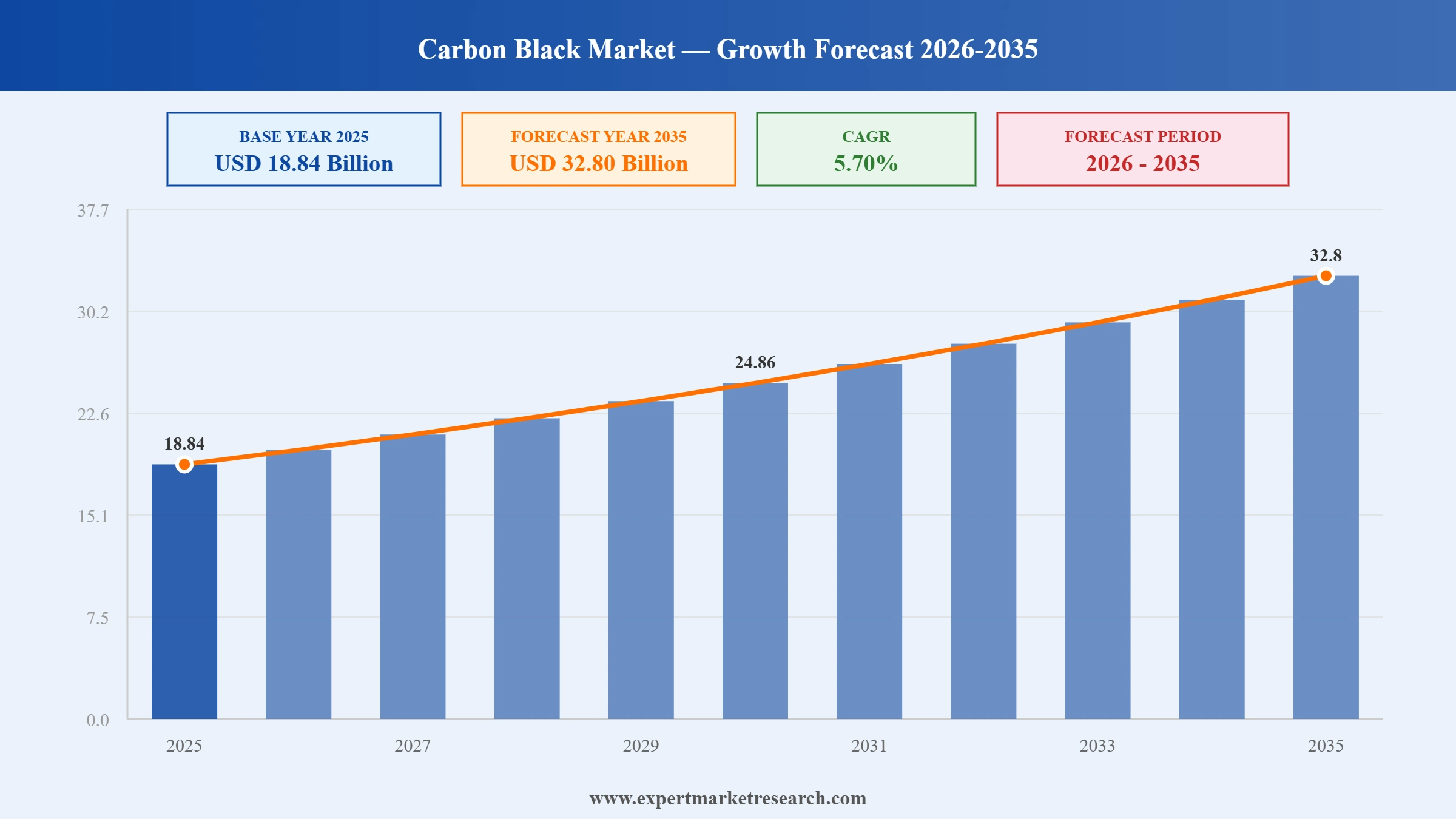
The global carbon black market was valued at USD 18.84 Billion as of 2025 and is projected to grow at a compound annual growth rate CAGR of 5.70% during the forecast period of 2026 to 2035, reaching USD 32.80 Billion by 2035. This sustained growth reflects the enduring industrial importance of carbon black as a reinforcing filler in tyre and rubber manufacturing, a pigment in inks and coatings, an antistatic agent in plastics, and an emerging conductive additive in lithium-ion batteries and energy storage systems. The market is undergoing a structural transformation driven by sustainability mandates, specialty application growth, and the expanding circular economy for recovered carbon black derived from end-of-life tyre pyrolysis.
Carbon black is produced through the incomplete combustion or thermal decomposition of petroleum-based feedstocks including natural gas, heavy fuel oil, and ethylene by-products. The primary product types furnace black, thermal black, acetylene black, channel black, and gas black each possess differentiated performance characteristics that determine their suitability across industrial, specialty, and commodity applications. Furnace black, produced through the oil furnace process, accounts for the largest volume share and serves as the backbone of tyre and industrial rubber manufacturing. Acetylene black, produced from acetylene decomposition, delivers superior electrical conductivity and is experiencing accelerating demand from EV battery manufacturers and specialty electronics producers.
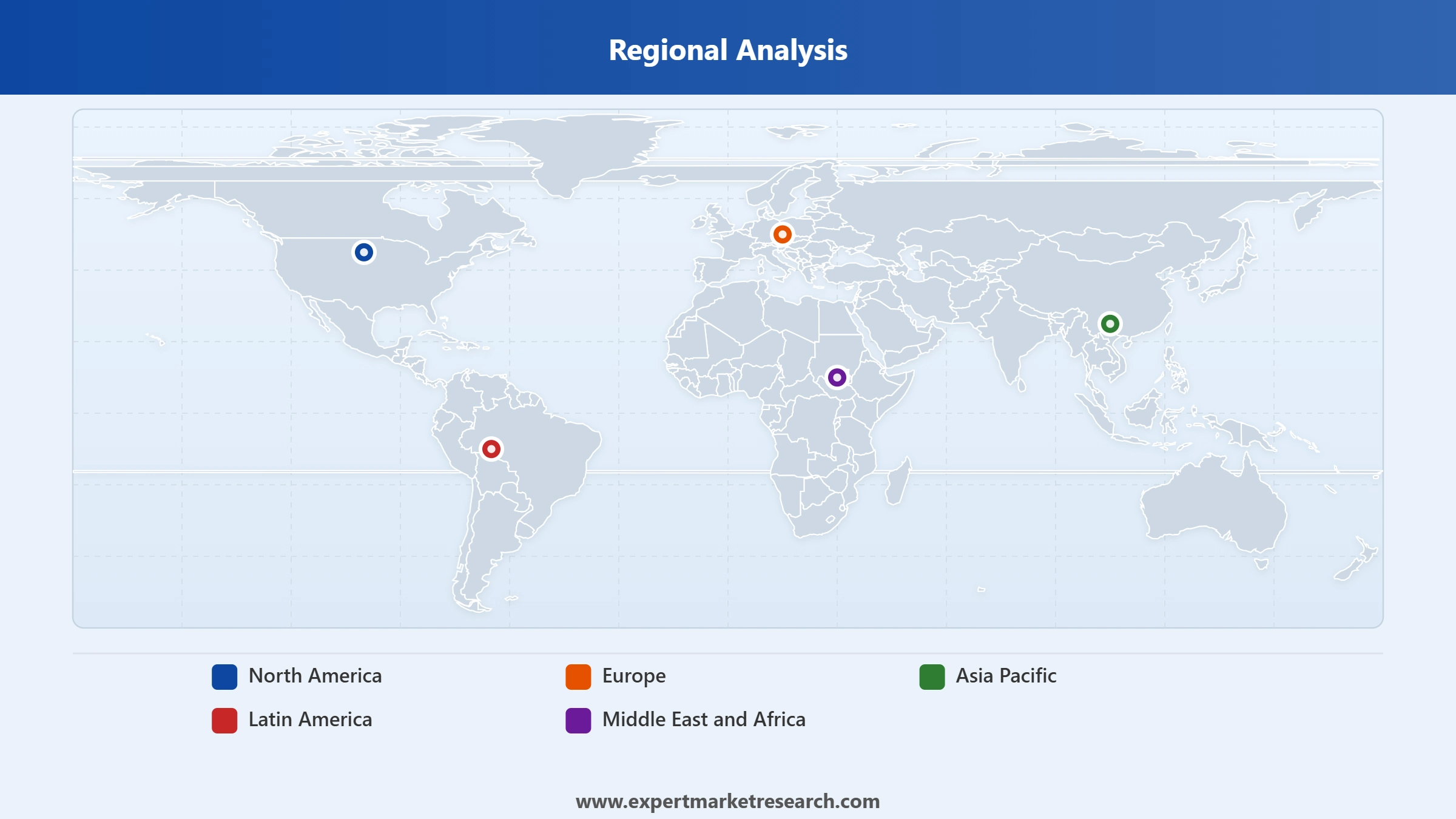
Asia Pacific dominates the global carbon black market, accounting for approximately 50% of world output, with China alone contributing nearly 45% of global production. Europe and North America represent the second and third largest markets respectively, characterized by mature demand bases, stringent environmental regulations, and increasing adoption of specialty and recovered carbon black products. The global carbon black market is served by a concentrated group of global producers alongside a large number of regional manufacturers, with the competitive landscape shaped by feedstock access, production capacity, technical grade differentiation, and geographic proximity to major tyre manufacturing clusters.
Read more about this report - REQUEST FREE SAMPLE COPY IN PDF
Tyre manufacturing accounts for approximately 65% of global carbon black consumption, making the automotive sector the single most important demand driver for the market. Carbon black serves as the primary reinforcing filler in tyre rubber compounds, improving tensile strength, abrasion resistance, and load-bearing performance. The expansion of global vehicle production, rising vehicle ownership rates in emerging economies, and the replacement tyre market driven by wear, road conditions, and regulatory safety standards collectively sustain a large and relatively stable base demand for carbon black. The global tyre industry is projected to grow, with Asia Pacific accounting for the majority of volume growth through new vehicle production expansion and a growing installed vehicle parc.
Beyond tyres, industrial rubber products including conveyor belts, hoses, seals, gaskets, anti-vibration components, and diaphragms represent a significant and growing demand category for carbon black. These products are used extensively across mining, oil and gas, construction, agriculture, and manufacturing industries, where equipment reliability and operational uptime are paramount. The expansion of industrial infrastructure investment in emerging economies, coupled with the replacement cycle dynamics of existing industrial rubber components, supports sustained demand growth in this segment throughout the forecast period.
Read more about this report - REQUEST FREE SAMPLE COPY IN PDF
Specialty carbon black applications are the highest-growth demand vector within the market. Conductive carbon black grades used in lithium-ion battery electrodes, anti-static packaging, fuel system plastics, and specialty polymer compounds are experiencing demand growth rates significantly exceeding the overall market CAGR. The rapid expansion of electric vehicle production globally, the scaling of grid-scale energy storage, and the proliferation of portable electronics are creating sustained demand pull for high-performance acetylene black and specialty conductive grades that command premium pricing and are produced by a concentrated group of specialized manufacturers.
Carbon black finds significant application in construction materials including paints, coatings, sealants, waterproofing membranes, and geomembranes where it serves as a UV stabilizer and pigment. The expansion of infrastructure investment programs across Asia Pacific, the Middle East, and Latin America is supporting demand growth in these application segments. Polyethylene and polypropylene pipe systems, plastic lumber, and composite building materials increasingly incorporate carbon black for UV stabilization and color consistency, creating a growing demand base that is partially decoupled from tyre market cycles.
Sustainability, innovation, and emerging market demand propel carbon black expansion by rCB, nanotechnology, and green production, and thus are propelling the carbon black market dynamics and trends.
The EU's End-of-Life Vehicle Regulation established mandatory minimum recycled content requirements for new tyres by 2035, creating a binding demand signal for recovered carbon black and accelerating rCB production investment across Europe and the GCC.
Bolder Industries announced expansion of its recovered carbon black production capacity in the United States, responding to growing domestic demand for sustainable carbon black alternatives across tyre manufacturing and specialty applications.
Birla Carbon introduced new conductive and high-durability specialty carbon black grades at Chinaplas 2026, targeting advanced cable insulation, conductive plastics, and performance polymer applications.
PCBL Chemical Ltd commissioned 30,000 MT of additional brownfield capacity through its Tamil Nadu subsidiary, forming part of its strategy to reach 1,000,000 MTPA total capacity by FY 2027-28.
increasing environmental pressures prompt the use of rCB from recycled tires to minimize carbon footprints. Businesses invest in circular economy models and improved pyrolysis technology in order to manufacture environmentally sustainable carbon black, in compliance with regulatory needs and expanding green product portfolios, thus pushing the growth of carbon black market.
Nanotechnology innovations allow for the production of high-performance carbon black with enhanced conductivity, reinforcement, and dispersion characteristics. Specialty applications in electronics, batteries, and high-strength composites are targeted by companies, addressing advanced material requirements in the automotive and aerospace industries.
Environmental protection policies and business sustainability objectives are catalyzing a movement towards environmentally friendly carbon black production. Businesses are embracing cleaner production processes, investing in recovered carbon black (rCB), and seeking bio-based substitutes to minimize carbon emissions and improve their green credentials in a more eco-aware market, and thus aiding in shaping new trends in the carbon black market.
Growing industrialization and urbanization in countries like China, India, and Brazil are propelling carbon black consumption in the automotive, construction, and manufacturing sectors. Companies are constructing manufacturing facilities, strengthening domestic supply chains, and forming strategic partnerships to leverage the favorable growth opportunities in these markets.
The transition toward recovered carbon black from end-of-life tyre pyrolysis represents the most significant structural change in the market's supply architecture. rCB offers a lower carbon intensity alternative to virgin carbon black, aligning with corporate sustainability targets adopted by major tyre manufacturers including Michelin, Bridgestone, and Continental, who have established specific rCB content targets in their green material procurement strategies. The commercialization of rCB at industrial scale is accelerating, supported by improving pyrolysis process technology, advancing ASTM and ISO quality standards for rCB grades, and growing tyre manufacturer qualification programs.
Acetylene black is emerging as a critical material in the energy transition, serving as a conductive additive in lithium-ion battery cathodes and anodes, solid-state electrolyte composites, and hydrogen fuel cell gas diffusion layers. Battery manufacturers in China, South Korea, and Japan are the primary consumers, and their expansion of production capacity for EV and stationary storage batteries is driving a significant demand increment for high-purity acetylene black that existing specialty producers are racing to supply. New production capacity investments for acetylene black are being planned across Asia to address anticipated supply tightness through the late 2020s.
Read more about this report - REQUEST FREE SAMPLE COPY IN PDF
Large carbon black consumers, particularly tyre manufacturers with complex global sourcing requirements, are increasingly adopting digital procurement platforms that provide real-time price benchmarking, supplier qualification tracking, and supply chain risk monitoring. Digital tools are improving pricing transparency and reducing transaction costs across the carbon black distribution chain, while also enabling more sophisticated just-in-time inventory management at end-user facilities. Supplier certification platforms that track PAH content, heavy metal levels, and carbon intensity metrics are becoming standard requirements in procurement specifications for European and North American buyers.
Asia Pacific continues to see the most significant new carbon black production capacity additions globally, driven by demand growth from tyre and industrial rubber manufacturing, specialty applications, and energy storage. China, India, Indonesia, and Vietnam are key locations for new furnace black capacity, while South Korea and Japan are investing in specialty and acetylene black expansions. The scale advantages of Asian producers relative to European and North American incumbents continue to reshape global trade flows, with Asia increasingly serving as a net exporter of commodity carbon black grades to emerging markets in Africa, the Middle East, and Latin America.
The carbon black market faces significant environmental and regulatory challenges that are reshaping production economics and competitive dynamics. Carbon black production through the oil furnace process is both feedstock-intensive and emissions-generating, with significant outputs of polycyclic aromatic hydrocarbons, sulfur dioxide, and carbon dioxide requiring abatement investment. Regulatory frameworks in Europe and increasingly in China are tightening emissions standards for carbon black production facilities, requiring substantial capital investment in end-of-pipe treatment systems, catalytic oxidizers, and energy recovery infrastructure. The classification of certain carbon black grades and precursor materials under REACH and analogous regulatory frameworks in Asia and North America adds compliance complexity and cost for producers and distributors operating across multiple jurisdictions.
Feedstock price volatility represents the primary restraint on margin stability in the carbon black market, as the heavy fuel oil and natural gas inputs that drive production costs are subject to significant price swings driven by crude oil market dynamics, refinery utilization rates, and regional energy market conditions. The capital intensity of carbon black production, with modern continuous-process furnace black facilities requiring significant capital expenditure, creates high barriers to capacity expansion and contraction that can lead to regional supply-demand mismatches and extended price cycles. The growing availability of low-cost commodity carbon black imports from China, Russia, and India in developed market regions creates competitive pressure for incumbent producers in Europe and North America, constraining pricing power in commodity grades even as specialty grade margins remain more resilient.
Despite these structural challenges, the carbon black market presents substantial growth opportunities for strategically positioned participants. The recovered carbon black segment represents a multi-decade growth opportunity as tyre recycling infrastructure scales, rCB quality standards improve, and major tyre manufacturers increase their green material procurement commitments. The acetylene black and specialty conductive carbon black segment is positioned to benefit from the accelerating EV battery production ramp globally, offering premium margins and a differentiated competitive position relative to commodity rubber black producers. Emerging market demand growth, particularly in India, Southeast Asia, the GCC, and Latin America, is creating new regional market opportunities for both local and international producers seeking to expand beyond mature core markets. The full Expert Market Research Carbon Black Market report provides comprehensive analysis of these opportunity vectors, price trend modeling, competitive intelligence, and segment-level forecasts through 2035.
The EMR’s report titled “Carbon Black Market Report and Forecast 2026-2035” offers a detailed analysis of the market based on the following segments:
Market Breakup by Product
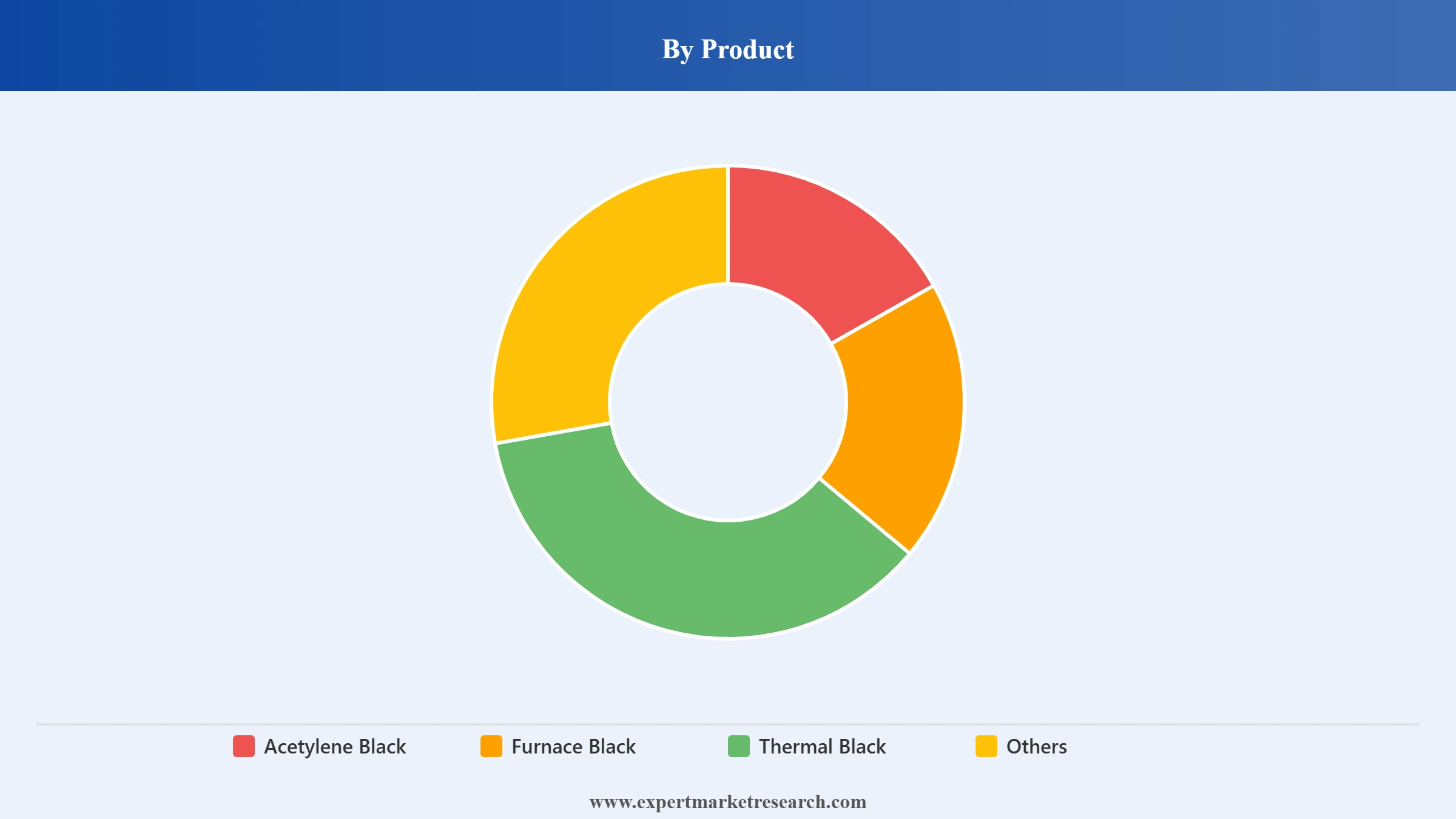
Key Insights: The carbon black market is segmented by product into acetylene black, furnace black, thermal black, and others. Furnace black dominates the market, accounting for the largest volume share, produced through the partial combustion of heavy fuel oil and widely used in tyre and industrial rubber manufacturing. Acetylene black is the fastest-growing product, prized for its superior electrical conductivity in EV batteries and electronics. Thermal black serves niche applications in mechanical rubber goods and wire insulation.
Market Breakup by Grade
Key Insights: The market is categorised into speciality carbon black and rubber carbon black. Rubber carbon black holds the dominant share, serving as the primary reinforcing filler in tyre manufacturing, conveyor belts, and industrial rubber products. Speciality carbon black is the fastest-growing grade, engineered for applications demanding high conductivity, UV stability, and controlled surface chemistry, including EV batteries, premium coatings, conductive plastics, and high-performance polymer compounds.
Market Breakup by End Use
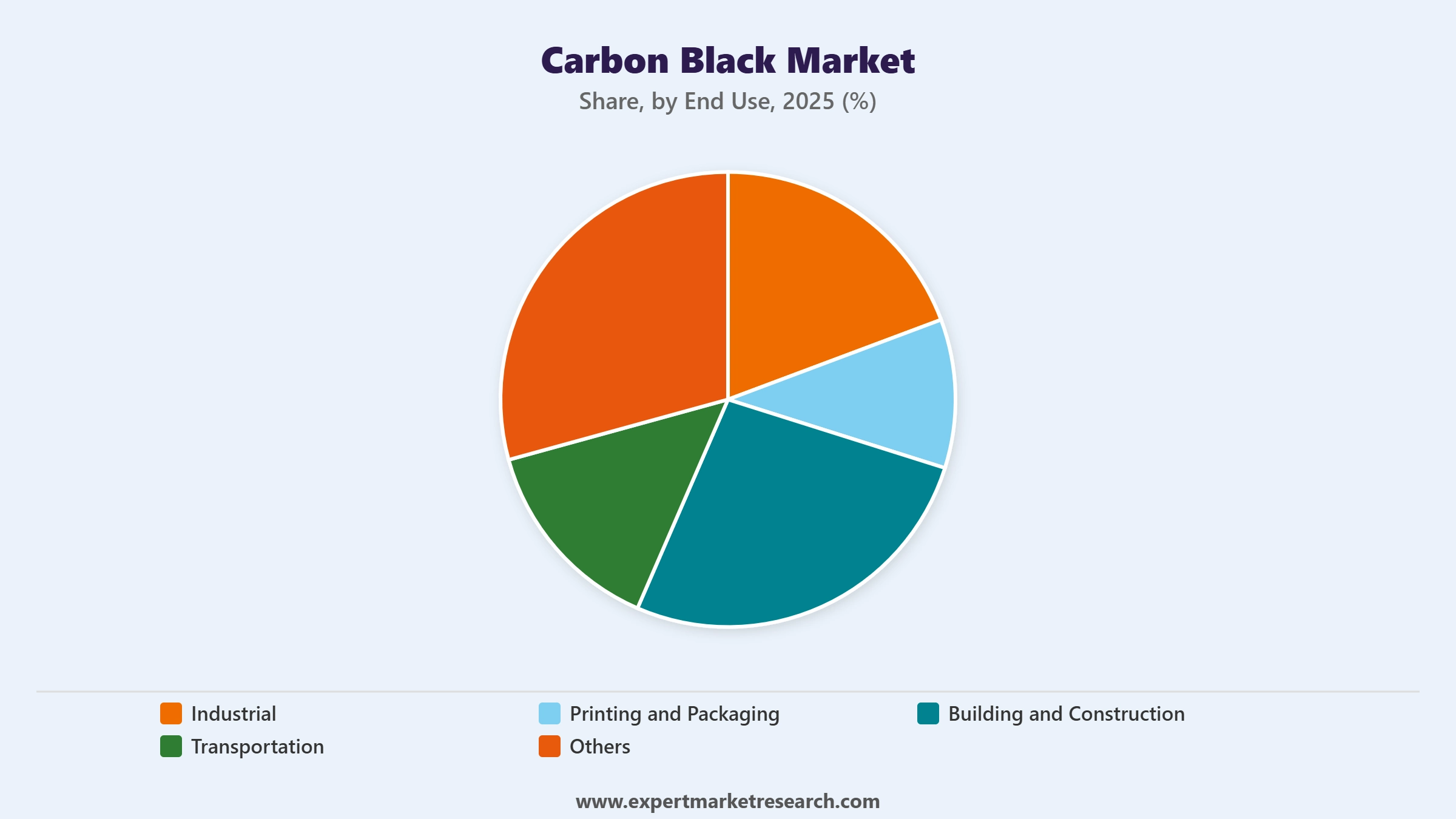
Key Insights: The carbon black market serves industrial, printing and packaging, building and construction, transportation, and other end-use sectors. Transportation leads demand as the largest end-use segment, driven by carbon black's critical role as a reinforcing filler and UV stabiliser in tyres, rubber seals, and automotive components. The industrial segment represents significant consumption across conveyor belts, hoses, and mechanical rubber goods. Building and construction and printing and packaging are growing steadily, supported by demand for UV-stable coatings, inks, and construction materials.
Market Breakup by Region
Read more about this report - REQUEST FREE SAMPLE COPY IN PDF
Asia Pacific is the largest and fastest-growing regional market for carbon black, accounting for approximately half of global production and an equivalent share of consumption. China is the dominant national market, contributing the majority of global output through its extensive network of domestic and joint venture production facilities. India is the second-largest and fastest-growing major economy in the region, supported by expansion of domestic tyre manufacturing capacity, rising vehicle production, and government infrastructure investment. South Korea is a significant specialty carbon black consumer driven by its EV battery manufacturing ecosystem. Malaysia is a growing market anchored by its rubber glove manufacturing sector, while Australia represents a mature market with stable demand from mining, construction, and automotive replacement segments.
North America is the third-largest regional market globally, with the United States accounting for the dominant share of regional production and consumption. The United States is the second-largest carbon black producer globally after China, with production concentrated in the Gulf Coast and Mid-Atlantic regions. North America imports a significant proportion of commodity carbon black from Russia and China, while exporting premium specialty and food-grade grades to markets in Asia, Latin America, and the Middle East. Canada and Mexico represent secondary markets, with demand driven by automotive manufacturing, industrial rubber applications, and construction materials.
Read more about this report - REQUEST FREE SAMPLE COPY IN PDF
Europe is the second-largest regional market for carbon black, characterised by stringent environmental regulation, progressive transition toward recovered and low-PAH carbon black grades, and sophisticated specialty application demand from the automotive OEM, electronics, and specialty chemicals sectors. Germany is the largest national market within Europe, serving as both the largest importer and a significant manufacturing hub. Spain, Switzerland, and the Netherlands are significant secondary markets with specialised consumption profiles tied to specialty chemicals, coatings, and automotive components manufacturing. The EU's strict environmental norms are accelerating the transition toward recovered and bio-based carbon black alternatives.
The Middle East, led by GCC countries, represents a significant and growing market for both standard and recovered carbon black. The GCC is one of the highest per-capita generating regions for end-of-life tyres globally, creating a large feedstock base for recovered carbon black production. Saudi Arabia and the UAE are investing in domestic carbon black production and recycling infrastructure as part of their economic diversification and circular economy programs. The African market is at an early stage of development but presents long-term opportunity as vehicle ownership, infrastructure investment, and manufacturing sector formalisation accelerate across Sub-Saharan African markets.
Latin America is a growing regional market for carbon black, with Brazil as the dominant national market supported by its large domestic tyre manufacturing sector and expanding industrial rubber applications. Mexico represents the second-largest market, benefiting from automotive manufacturing expansion under nearshoring trends and proximity to the US market. Acetylene black is gaining momentum across Latin America driven by EV adoption growth in Brazil and Mexico and the expanding lithium-ion battery supply chain in the region. Development finance institution support and improving logistics infrastructure are progressively strengthening cross-border trade in specialty carbon black grades across the region.
Major carbon black market players are focusing on increasing capacities, investing in green manufacturing, and embracing innovative technologies such as recovered carbon black (rCB) and nanostructured carbon black. Carbon black companies are consolidating supply chains, establishing strategic alliances, and seeking new geographies for growth. The companies are also diversifying product lines, focusing on specialty carbon black for high-performance use, and adhering to strict environmental regulations. Innovation, sustainability, and market development strategies are imperative in attaining long-term growth and competitiveness. The global carbon black market is served by a concentrated group of global specialty and commodity producers alongside a larger number of regional manufacturers. Key companies covered in the Expert Market Research report include:
Birla Carbon, established in 1921 and based in Mumbai, India, is a global leader in the production of carbon black products for tires, rubber, plastics, coatings, and inks. The organization is committed to sustainable and high-performance carbon black innovations, including circular economy initiatives.
Cabot Corporation, founded in 1882 and based in Boston, USA, produces carbon black for applications in tires, coatings, electronics, and specialty materials. It specializes in advanced material solutions like conductive carbon black and sustainable solutions.
Continental Carbon Company, established in 1936 and based in Houston, USA, is a manufacturer of high-quality carbon black for applications in rubber, plastic, and specialty products. It emphasizes innovation and efficiency in production.
Orion Engineered Carbons S.A., founded in 2011 and headquartered in Luxembourg, offers a broad portfolio of specialty and rubber carbon black with a high emphasis on technology and sustainability to the consumer, industrial, and automotive markets.
Other key players in the carbon black market report include PCBL Limited, Mitsubishi Chemical Corporation, Jiangxi Black Cat Carbon Black Co., Ltd., Tokai Carbon Co., Ltd., Longxing Chemical Stock Co., Ltd., Omsk Carbon Group, and Imerys S.A., among others.
*Please note that this is only a partial list; the complete list of key players is available in the full report. Additionally, the list of key players can be customized to better suit your needs.*
Asia Pacific Carbon Black Market
United States Carbon Black Market
South Korea Carbon Black Market


Upto 15% Off
USD
$2499 $2249
$3999 $3599
$4999 $4249
$5999 $5099


*While we strive to always give you current and accurate information, the numbers depicted on the website are indicative and may differ from the actual numbers in the main report. At Expert Market Research, we aim to bring you the latest insights and trends in the market. Using our analyses and forecasts, stakeholders can understand the market dynamics, navigate challenges, and capitalize on opportunities to make data-driven strategic decisions.*
In 2025, the carbon black market reached an approximate value of USD 18.84 Billion.
The market is assessed to grow at a CAGR of 5.70% between 2026 and 2035.
The market is estimated to witness healthy growth in the forecast period of 2026-2035 to reach a value of around USD 32.80 Billion by 2035.
The major drivers of the market are the growing automotive industry, increasing use in production of industrial rubbers, and rising applications in the construction sector with cement.
The addition of new end uses of carbon black, popularity of recovered carbon black, and technological advancements are the key trends in the market.
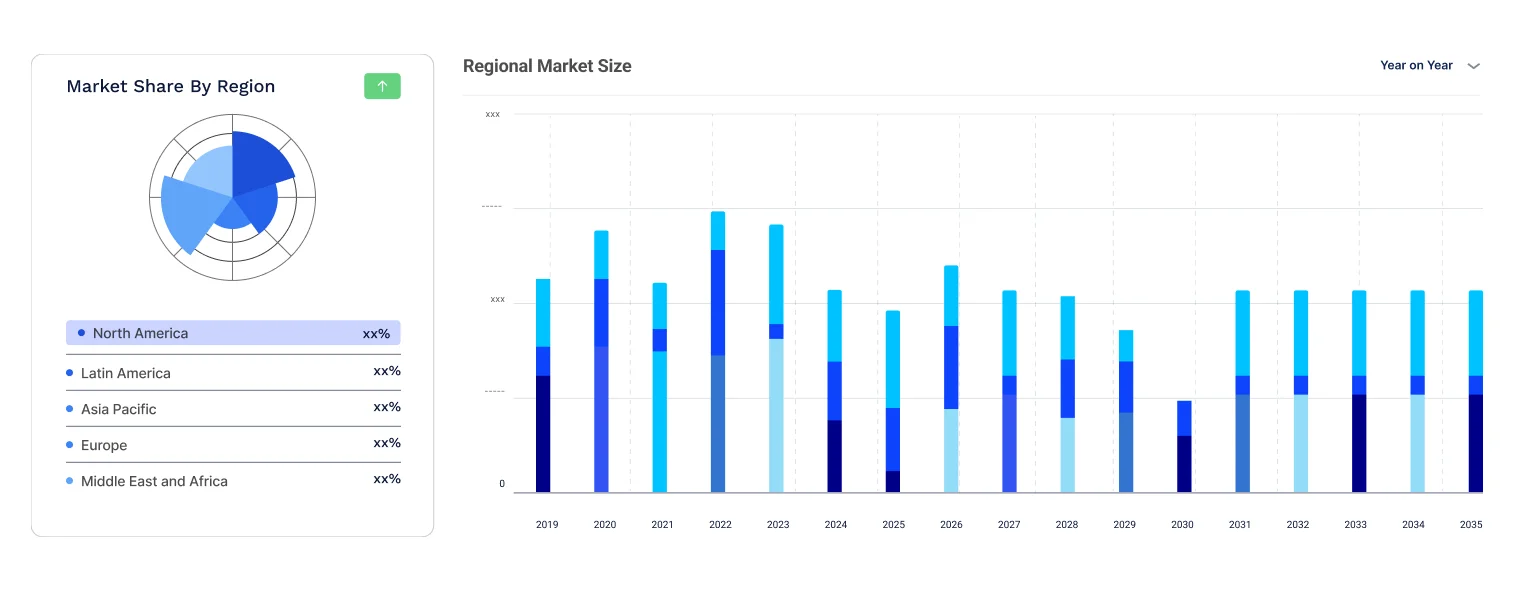
North America, Europe, the Asia Pacific, Latin America, and the Middle East and Africa are the major regions in the market.
The leading products in the market are acetylene black, furnace black, and thermal black, among others.
The significant grades of carbon black in the market are speciality carbon black and rubber carbon black.
The major end uses of carbon black in the market are industrial, printing and packaging, building and construction, and transportation, among others.
The major players in the global carbon black market are Birla Carbon, Cabot Corporation, Continental Carbon Company, Orion Engineered Carbons S.A., PCBL Limited, Mitsubishi Chemical Corporation, Jiangxi Black Cat Carbon Black Co., Ltd., Tokai Carbon Co., Ltd., Longxing Chemical Stock Co., Ltd, Omsk Carbon Group, and Imerys S.A., among others.
Explore our key highlights of the report and gain a concise overview of key findings, trends, and actionable insights that will empower your strategic decisions.
| REPORT FEATURES | DETAILS |
| Base Year | 2025 |
| Historical Period | 2019-2025 |
| Forecast Period | 2026-2035 |
| Scope of the Report |
Historical and Forecast Trends, Industry Drivers and Constraints, Historical and Forecast Market Analysis by Segment:
|
| Breakup by Product |
|
| Breakup by Grade |
|
| Breakup by End Use |
|
| Breakup by Region |
|
| Market Dynamics |
|
| Trade Data Analysis |
|
| Competitive Landscape |
|
| Companies Covered |
|
| Report Price and Purchase Option | Explore our purchase options that are best suited to your resources and industry needs. |
| Delivery Format | Delivered as an attached PDF and Excel through email, with an option of receiving an editable PPT, according to the purchase option. |
Datasheet
One User
USD 2,499
USD 2,249
tax inclusive*
Single User License
One User
USD 3,999
USD 3,599
tax inclusive*
Five User License
Five User
USD 4,999
USD 4,249
tax inclusive*
Corporate License
Unlimited Users
USD 5,999
USD 5,099
tax inclusive*
*Please note that the prices mentioned below are starting prices for each bundle type. Kindly contact our team for further details.*
Flash Bundle
Small Business Bundle
Growth Bundle
Enterprise Bundle
*Please note that the prices mentioned below are starting prices for each bundle type. Kindly contact our team for further details.*
Flash Bundle
Number of Reports: 3
20%
tax inclusive*
Small Business Bundle
Number of Reports: 5
25%
tax inclusive*
Growth Bundle
Number of Reports: 8
30%
tax inclusive*
Enterprise Bundle
Number of Reports: 10
35%
tax inclusive*
How To Order

Select License Type
Choose the right license for your needs and access rights.

Click on ‘Buy Now’
Add the report to your cart with one click and proceed to register.

Select Mode of Payment
Choose a payment option for a secure checkout. You will be redirected accordingly.
Strategic Solutions for Informed Decision-Making
Gain insights to stay ahead and seize opportunities.

Get insights & trends for a competitive edge.

Track prices with detailed trend reports.

Analyse trade data for supply chain insights.

Leverage cost reports for smart savings

Enhance supply chain with partnerships.

Connect For More Information
Our expert team of analysts will offer full support and resolve any queries regarding the report, before and after the purchase.
Our expert team of analysts will offer full support and resolve any queries regarding the report, before and after the purchase.
We employ meticulous research methods, blending advanced analytics and expert insights to deliver accurate, actionable industry intelligence, staying ahead of competitors.
Our skilled analysts offer unparalleled competitive advantage with detailed insights on current and emerging markets, ensuring your strategic edge.
We offer an in-depth yet simplified presentation of industry insights and analysis to meet your specific requirements effectively.




