

Consumer Insights
Uncover trends and behaviors shaping consumer choices today
Procurement Insights
Optimize your sourcing strategy with key market data
Industry Stats
Stay ahead with the latest trends and market analysis.
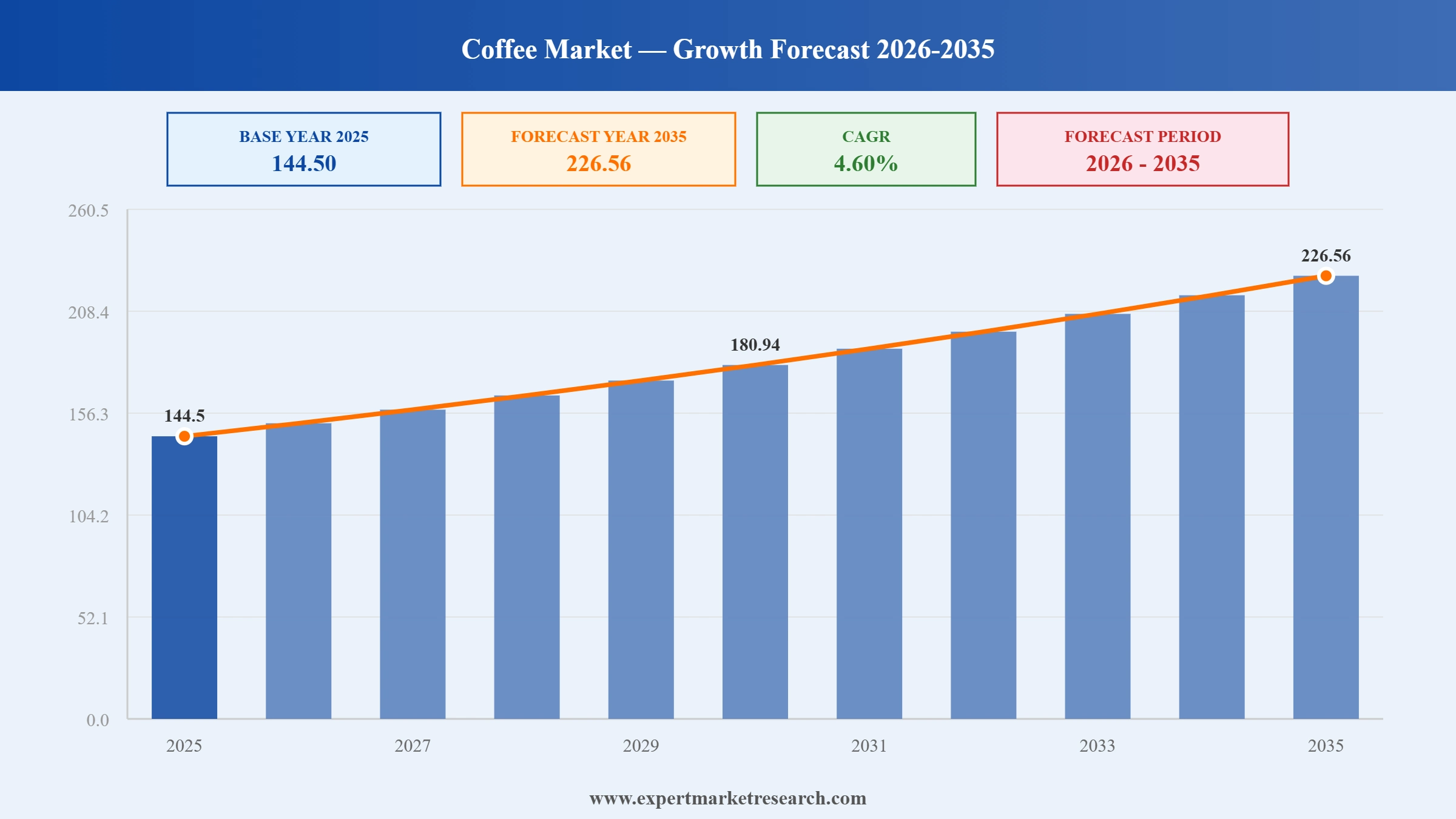
The coffee market attained a value of USD 144.50 Billion in 2025. The market is expected to grow at a CAGR of 4.60% during the forecast period of 2026-2035. By 2035, the market is expected to reach USD 226.56 Billion. The global coffee market is one of the most structurally sound segments in the entire food and beverage sector, and the numbers bear that out. The United States is the world's leading coffee-importing nation by value, while the United Kingdom, Germany, and South Africa consistently rank among the highest-consuming markets in their respective regions. According to the International Coffee Organization (ICO), total global consumption exceeded 177 million 60-kg bags in the 2023/24 crop year, a record high, underscoring why stakeholders across retail, foodservice, and investment continue to view this as a market with durable, long-term momentum.
According to Yahoo Finance, arabica futures slipped to near $2.90 per pound in April 2026 as a projected record 2026/27 Brazilian crop of up to 75.9 million bags weighed on sentiment. StoneX now sees a 10-million-bag global surplus this year, signalling sustained downward pressure on coffee prices and reshaping global sourcing strategies for roasters and traders worldwide.
As reported by Rio Times Online, February 2026 green coffee exports from Brazil fell 27% year-on-year to 2.3 million bags according to Cecafe data released in March, as growers held beans expecting higher prices. The squeeze kept spot prices elevated despite a projected record harvest, creating volatile conditions for international buyers and strong implications for downstream coffee market pricing.
The popularity of ready-to-drink (RTD) beverages is contributing to the coffee market share by meeting growing consumer demand for convenience, portability, and innovation. These beverages appeal to busy, on-the-go lifestyles and those seeking quick yet high-quality coffee experiences. Major brands are leading the charge with cold brews, flavoured lattes, and functional options.
In May 2025, Solo Coffee launched its Ready-to-Go Espresso, ideal for iced lattes and cocktails in Tesco United Kingdom stores. This format is also benefiting from strong retail and online distribution to enhance accessibility and impulse purchases.
Consumers are increasingly opting for premium and craft coffee products due to their unique flavour profiles and artisan production. In March 2025, Nestlé expanded its premium coffee portfolio by launching its first Nespresso boutique in New Delhi. This is driving growth in micro-roasters, limited edition batches, and single-origin beans.
Premiumization is also influencing packaging innovation, such as resealable bags and informative labels explaining origin and tasting notes. The trend is strongest in developed markets with established coffee cultures but is expanding globally.
The rise of coffee subscription services is driving the coffee market development by offering consumers a personalized, convenient, and consistent supply of high-quality coffee. These services are catering to evolving preferences by delivering freshly roasted beans or specialty brews directly to the homes of customers, often tailored to individual taste profiles.
In December 2024, London-based specialty coffee and brunch chain Yolk launched its BrewClub subscription service to offer a premium alternative to the existing United Kingdom coffee subscriptions. This model also enhances brand loyalty and customer retention, giving roasters and retailers recurring revenue streams.
Read more about this report - REQUEST FREE SAMPLE COPY IN PDF
Global Expansion of Coffee Culture Into New Markets
The single most powerful structural growth driver for the coffee market is geographic and demographic expansion. Coffee consumption is growing rapidly in markets where tea has historically been the dominant hot beverage, notably China, India, South Korea, Vietnam, and across Southeast Asia. In these markets, coffee is being adopted as a lifestyle product associated with modernity, aspiration, and urban identity, particularly among younger consumers. China and India alone represent hundreds of millions of potential new coffee consumers, and per capita consumption in both markets, though still relatively low compared to European norms, is growing at double-digit rates annually.
Premiumization and the Specialty Coffee Movement
Consumer preferences across both developed and emerging markets are shifting decisively toward premium, specialty, and craft coffee products. The third wave coffee movement, which treats coffee with the same attention to origin, processing method, and flavor profile as fine wine, has driven the specialty single-origin coffee category to grow at nearly double the rate of commodity-grade coffee. Consumers in the 18–24 demographic are leading this shift, with 46% reporting having consumed a specialty coffee drink in the past day. Single-origin certified beans command price premiums of 30–50% over commodity grades, improving margins across the supply chain for producers, roasters, and retailers that can credibly participate in this premium segment.
Ready-to-Drink (RTD) and Cold Brew Surge
The ready-to-drink coffee segment is the fastest-growing product format in the market, projected to expand at a CAGR of approximately 7.52% from 2026 through 2034. Cold brew coffee, nitro coffee, canned lattes, and chilled espresso beverages are capturing shelf space in convenience stores, supermarkets, gyms, and office vending networks, appealing to consumers who want premium coffee quality in an on-the-go, ambient or chilled format. The RTD segment is particularly strong in Asia Pacific, where single-serve bottled coffee beverages are culturally normalized as a convenience product, and in North America, where the cold brew category has expanded rapidly from specialty café origins to mass-market retail.
Growth of Modern Retail, E-Commerce, and Coffee Subscriptions
The expansion of organized retail and e-commerce platforms is creating new access points for premium and specialty coffee products that were previously available only through specialist retailers or cafés. Coffee subscription services, which deliver curated fresh-roasted beans directly to consumers' homes on a recurring schedule, are among the fastest-growing retail channels, with the global coffee subscription market projected to grow from USD 934 million in 2025 to USD 2.68 billion by 2035 at a CAGR of 11.1%. Subscription models generate significantly lower customer acquisition costs than one-time e-commerce transactions, with leading platforms achieving 12-month retention rates above 60%.
Functional and Wellness Coffee Innovation
A growing segment of coffee consumers is seeking products that deliver functional benefits beyond caffeine and flavor. Functional coffee products incorporating adaptogens, mushroom extracts, protein fortification, collagen, and CBD are entering the mainstream through specialty retail, wellness e-commerce, and direct-to-consumer channels. This wellness-adjacent positioning allows premium coffee brands to command higher price points, attract health-conscious consumers who might otherwise reduce coffee consumption, and expand into adjacent categories including health supplements and performance nutrition.
Expanding Foodservice and Hospitality Infrastructure
The hotel, restaurant, café, and institutional (HORECA) foodservice sector is both the largest B2B consumer of coffee and one of the key drivers of premium coffee culture adoption. As tourism recovers globally, urban café networks expand, and office coffee programs upgrade from commodity instant products to specialty bean-to-cup systems, B2B coffee demand is growing in volume and value simultaneously. Coffee machine manufacturers, B2B roasters, and professional barista training programs are all benefiting from this structural expansion of quality-oriented foodservice coffee consumption.
Keurig Dr Pepper and Nestlé USA extended their strategic partnership covering manufacturing and distribution of Starbucks K-Cup pods in the U.S. and Canada. The companies said the agreement includes distribution expansion and innovation programs for Starbucks in the Keurig brewing system.
Royal Cup Coffee and Tea entered into a definitive agreement to acquire Farmer Brothers Coffee Co., a national coffee roaster, wholesaler and distributor. Royal Cup said the agreement will expand its national reach and strengthen foodservice and retail channel capabilities.
Starbucks said polypropylene beverage cups used for cold drinks received the Widely Recyclable designation from How2Recycle. The company said more than 60% of U.S. households can now recycle cold to-go cups through curbside or drop-off programs.
Starbucks unveiled a redesigned Starbucks Rewards program for 35.5 million active U.S. members, with Green, Gold and Reserve tiers scheduled to launch on March 10. The company said the update adds member benefits linked to engagement and Star-earning activity.
Specialty coffee, characterized by unique flavour profiles and high-quality beans, is significantly driving the coffee market revenue. Consumers are increasingly seeking single-origin beans, artisanal roasting, and brewing precision. Several brands are focusing solely on specialty coffee, capitalizing on connoisseur interest.
In March 2025, Texas-based Farmer Bros launched Sum>One Coffee Roasters, its first specialty coffee brand, featuring eight direct-trade blends. This trend is pushing the market toward premium pricing and education, with coffee festivals, barista competitions, and tasting events gaining popularity.
Sustainability is driving consumer choice and brand strategy in the global coffee industry with buyers preferring ethically sourced products. Several companies are committing to 100% sustainable sourcing to respond to environmental concerns and farmer welfare, promoting shade-grown coffee and reducing carbon footprints.
In October 2022, Nescafé introduced the Nescafé Plan 2030 to assist in making coffee farming more sustainable. Brands are also adopting green practices for stronger loyalty amongst eco-conscious millennials as well as Generation Z consumers.
The surging online sales, accelerated by the growing digital adoption is influencing the coffee market dynamics. Leading brands are using subscriptions, personalized offerings, and education to deepen engagement. E-commerce is enabling access to specialty and niche products beyond local retail availability.
In June 2024, California’s Reborn Coffee was launched on Amazon for driving its omnichannel strategy to wider reach, data-driven marketing, and consistent delivery. Online channels also offer convenience and customization for attracting younger and urban demographics.
Advances in brewing technology, such as precision grinders, smart coffee machines, and app-controlled espresso makers for transforming home and commercial experiences are adding to the growth of the coffee market. Brands are offering IoT-enabled devices providing consistent, barista-quality coffee. Automated systems are helping to reduce waste and improve efficiency in cafés and offices.
In January 2025, Meticulous introduced its smart espresso maker, which is the first-ever robotic lever espresso machine across the globe. This tech-driven trend is popular among tech-savvy consumers and younger generations as it is helping to bridge the gap between specialty coffee and home brewing.
Sustainability concerns are boosting the adoption of eco-friendly packaging in the coffee industry. Compostable pods, biodegradable bags, and recyclable materials are increasingly used as eco-conscious consumers are expecting brands to reduce plastic waste and carbon emissions.
In May 2025, TricorBraun Flex launched a recyclable coffee bag featuring a degassing valve that maintains coffee freshness while supporting sustainability efforts. Brands are also adopting green packaging to strengthen consumer trust and brand reputation for aligning with broader environmental goals and regulatory trends globally.
Climate Change and Production Vulnerability
Climate change represents the most significant structural threat to the global coffee supply chain. Coffee plants are highly sensitive to temperature and rainfall variability; sustained temperatures above 30°C (86°F) damage plants, stunt growth, and reduce yield quality. Brazil, the world's largest coffee producer, experienced its worst drought in 70 years in early 2025, reducing Arabica yields by approximately 12%. Vietnam, the world's largest Robusta producer, suffered severe flooding in 2024 that disrupted drying and transportation operations. Climate modelling suggests that up to 50% of current coffee-growing land could become unsuitable for production by 2050 if global warming trajectories are not reversed, making climate resilience the defining long-term challenge for the industry.
Arabica Price Volatility and Margin Pressure
Coffee commodity prices experienced extreme volatility in 2024-2025. Arabica futures surged to a historic high of USD 4.41/lb in February 2025, driven by tight global inventories and production disruptions in Brazil and Vietnam. While prices moderated to approximately USD 2.80/lb by late 2025, and the World Bank projects further declines of approximately 13% in 2026, prices remain significantly above decade-long averages, compressing margins for roasters, branded manufacturers, and foodservice operators who cannot pass all input cost increases to end consumers. Robusta prices similarly peaked before retreating, but both varieties remain structurally more expensive than the pre-2022 baseline.
EUDR Compliance Costs and Supply Chain Transformation
The European Union Deforestation Regulation (EUDR), which requires all coffee imported into the EU to demonstrate full traceability to its farm of origin and to prove zero-deforestation compliance, affects approximately 33% of global coffee exports by value. Meeting these requirements demands investment in geolocation data collection at the farm gate, digital supply chain platforms, third-party auditing, and potentially restructuring of sourcing relationships with smallholder producer groups that lack digital infrastructure. Industry estimates suggest EUR 400–600 million in cumulative compliance-related technology spending across the European coffee supply chain by 2027. While EUDR is a positive development for sustainability, its transition costs are a meaningful short-term headwind for both exporting and importing market participants.
Supply Concentration and Import Dependency
The global coffee supply chain is heavily concentrated in a small number of producing countries. Brazil and Colombia together account for the majority of global Arabica production, while Vietnam supplies the majority of the world's Robusta. This concentration means that weather events, political instability, or labor disruptions in any of these key origins can produce immediate and disproportionate effects on global supply availability and pricing. Consumer nations in Europe, North America, and Asia Pacific have no domestic production alternative and are structurally exposed to this supply chain risk.
Sustainability Certification Complexity
Consumer and retailer demand for ethically sourced, sustainably certified coffee is growing, but the proliferation of certification schemes Fair Trade, Rainforest Alliance, UTZ, Organic, Direct Trade, and Demeter, among others creates complexity for producers and confusion for consumers. Meeting multiple certification standards simultaneously is expensive for smallholder farmers, and the premium received at origin often does not adequately reflect the full compliance cost. Simplification and harmonization of sustainability certification standards is a persistent industry-level challenge.
The Expert Market Research’s report titled “Coffee Market Report and Forecast 2026-2035” offers a detailed analysis of the market based on the following segments:
Market Breakup by Product
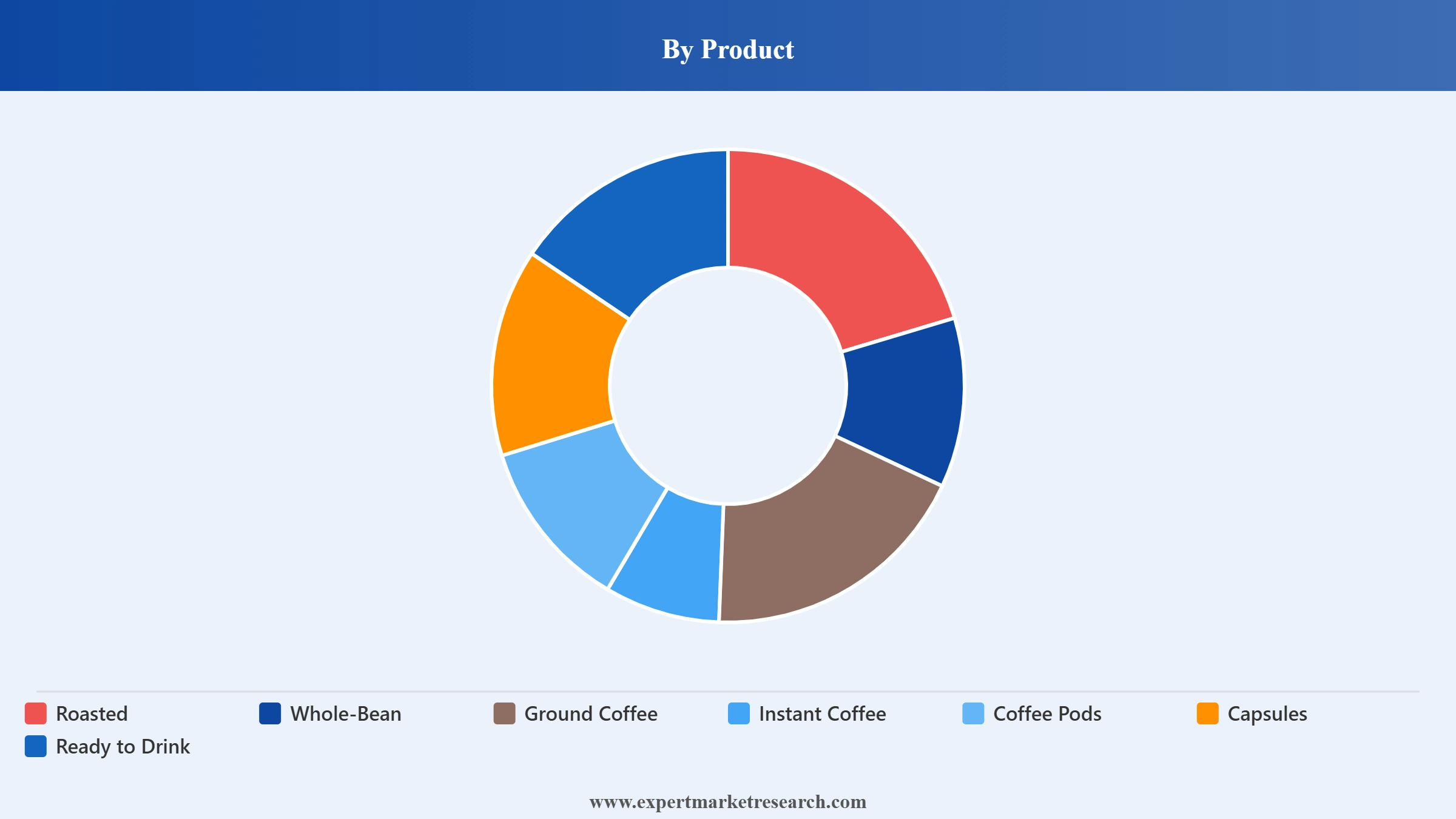
Key Insight: The roasted segment dominates the coffee market due to its widespread use in cafés, restaurants, and homes. Leading brands are thriving on roasted bean offerings. For instance, in February 2025, Starbucks introduced the Sunsera Blend, a light roast using 100% Arabica beans from Brazil and Colombia. Across India and Southeast Asia, the demand for freshly roasted beans is surging with café culture. Roasting is also allowing brands to create unique flavour profiles, differentiating themselves in a competitive landscape.
Market Breakup by Nature
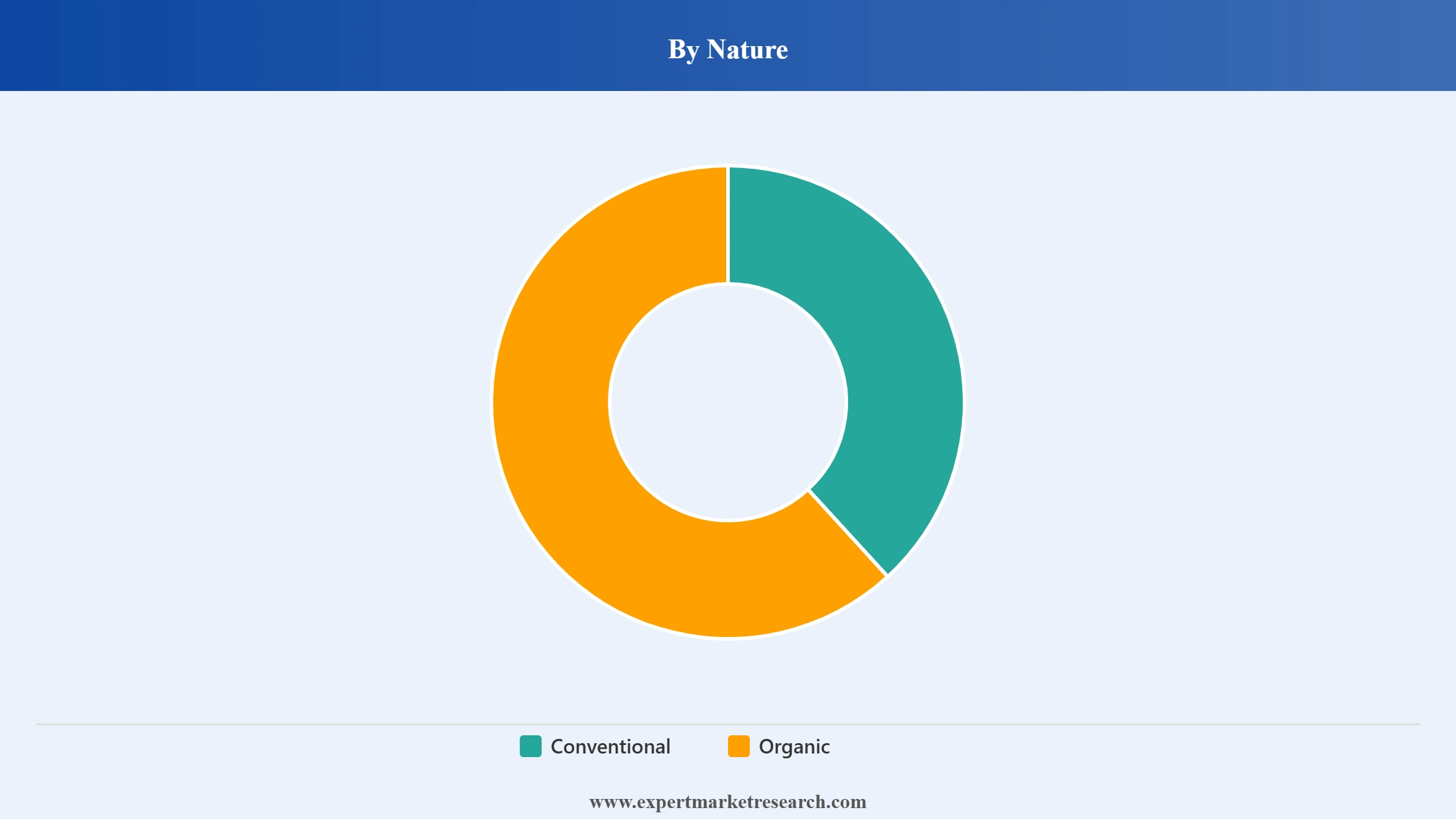
Key Insight: Conventional coffee market value is growing, making it the standard in supermarkets, chain cafés, and instant coffee brands. Major players are heavily relying on conventional beans for their scale and consistency. In Brazil and Vietnam, conventional farming is sustaining the large export volumes. In October 2024, Bayer Vietnam launched the Better Life Farming Alliance in Đắk Lắk to support conventional coffee farmers. Many specialty blends are also using conventionally grown beans, keeping this segment commercially essential and widespread.
Market Breakup by End Use
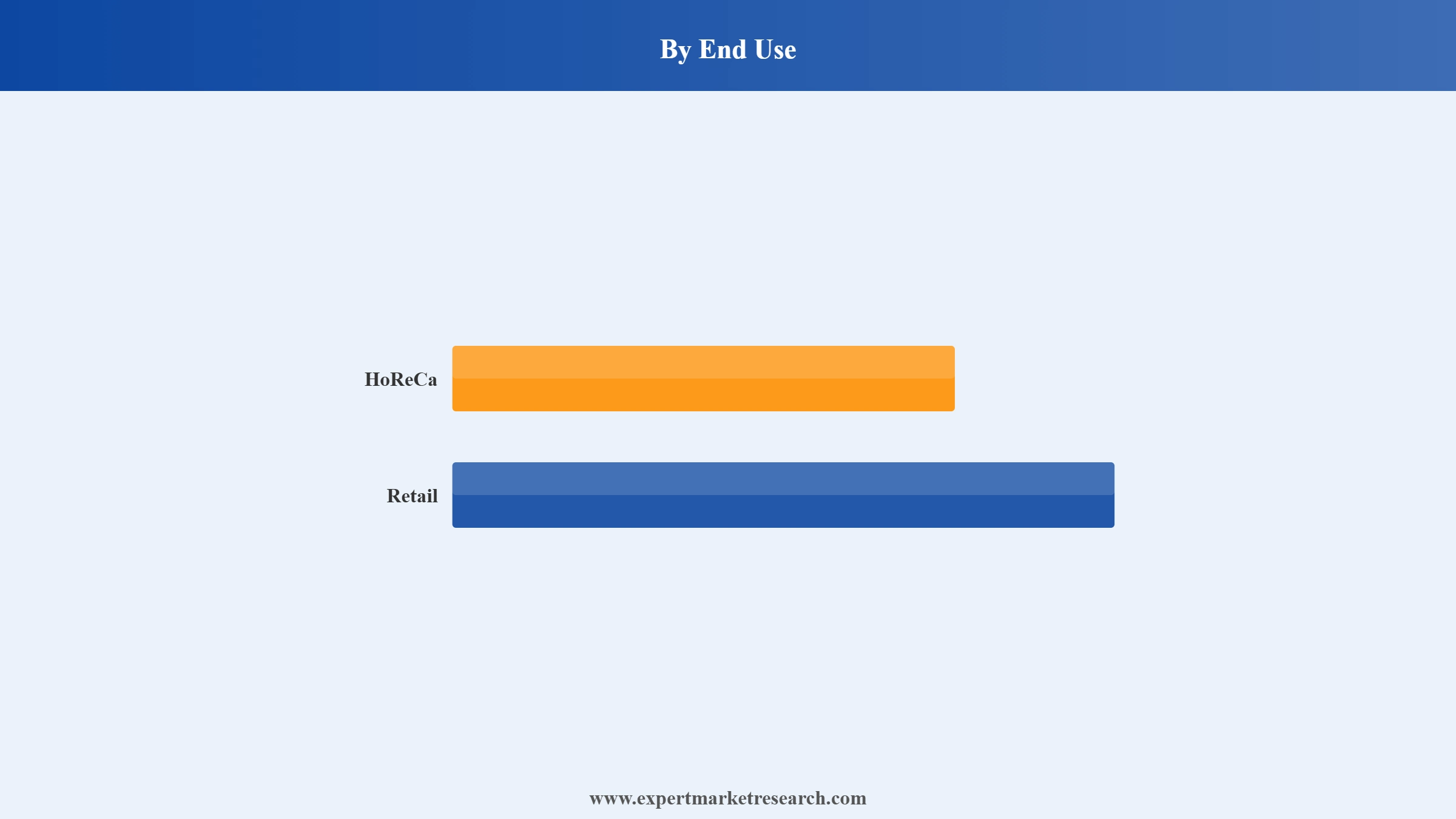
Key Insight: The retail segment is leading the coffee demand forecast and includes sales via supermarkets, convenience stores, e-commerce, and specialty shops. Consumers are purchasing various formats such as ground coffee, beans, instant, and pods for home brewing. Brands like Starbucks, Lavazza, Nescafé, and Tim Hortons are dominating this space. For instance, in April 2025, Tim Hortons launched its first retail coffee line in South Korea for offering whole-bean and ground Arabica in five Flavors at Lotte Mart and department stores. This segment also thrives on convenience, price range, and brand loyalty, accounting for most of the global consumption.
Market Breakup by Distribution Channel
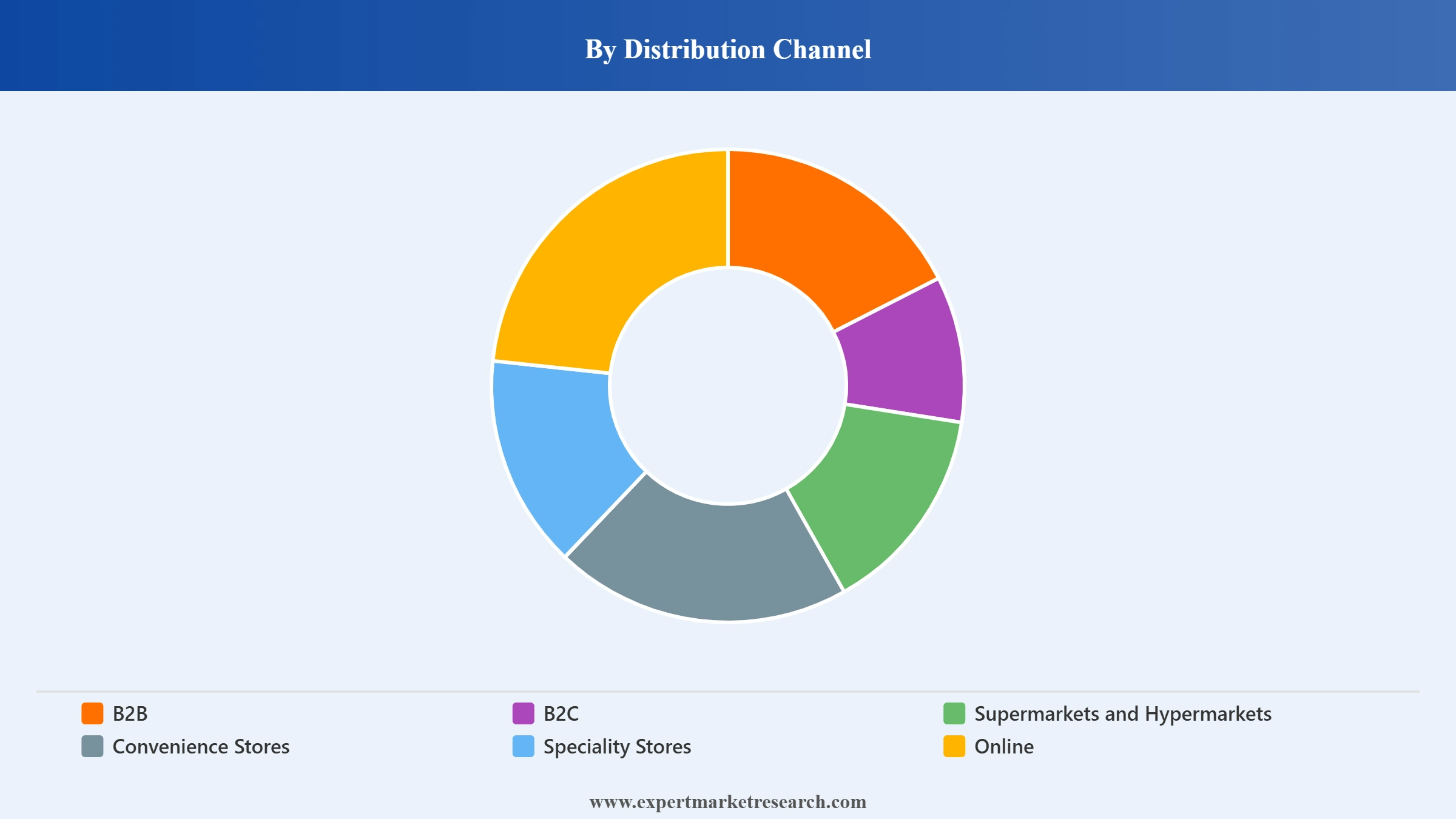
Key Insight: The business-to-consumer (B2C) segment is gaining traction in the coffee market, driven by individual consumption through cafés, retail stores, and online platforms. This channel encompasses packaged products, such as ground coffee, beans, instant blends, and ready-to-drink options purchased for home use. Coffee consumption is becoming a daily ritual worldwide, especially in urban areas. As per industry reports, more than 1 billion people worldwide consumed coffee every day as of May 2025. B2C is further driving high volume and shaping product innovation based on flavour, convenience, and sustainability preferences.
Market Breakup by Region
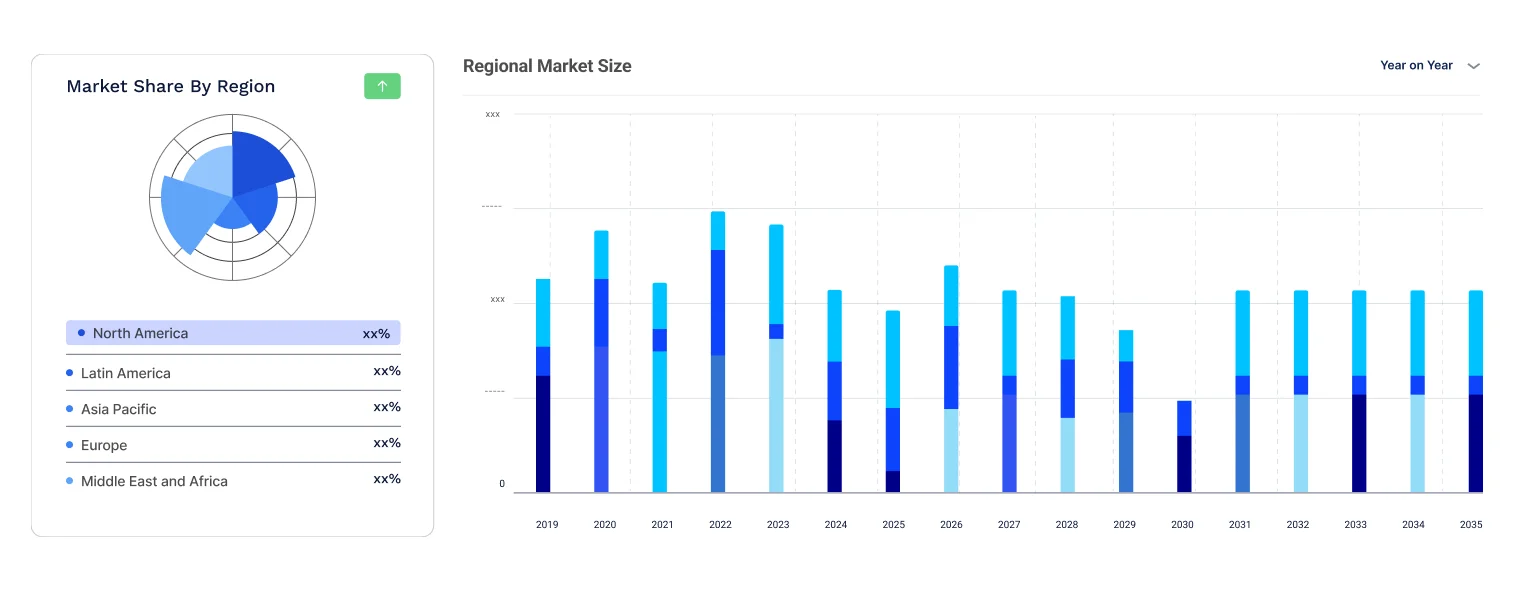
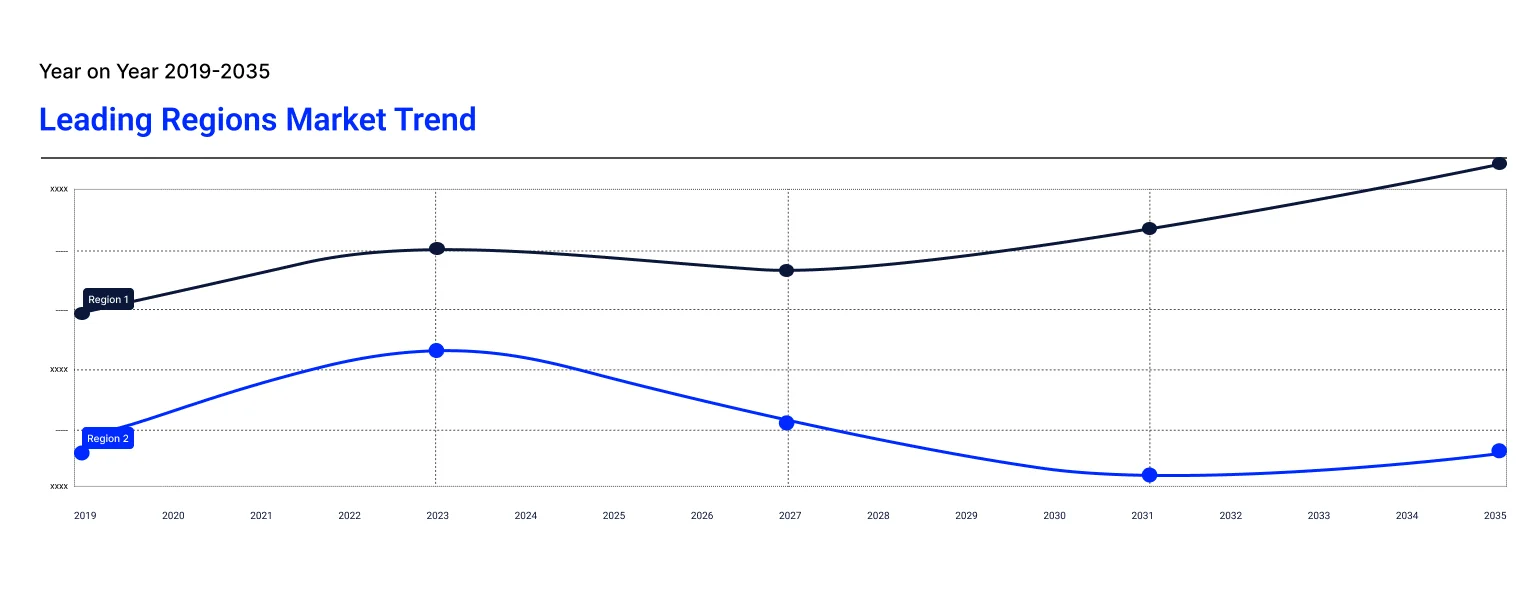
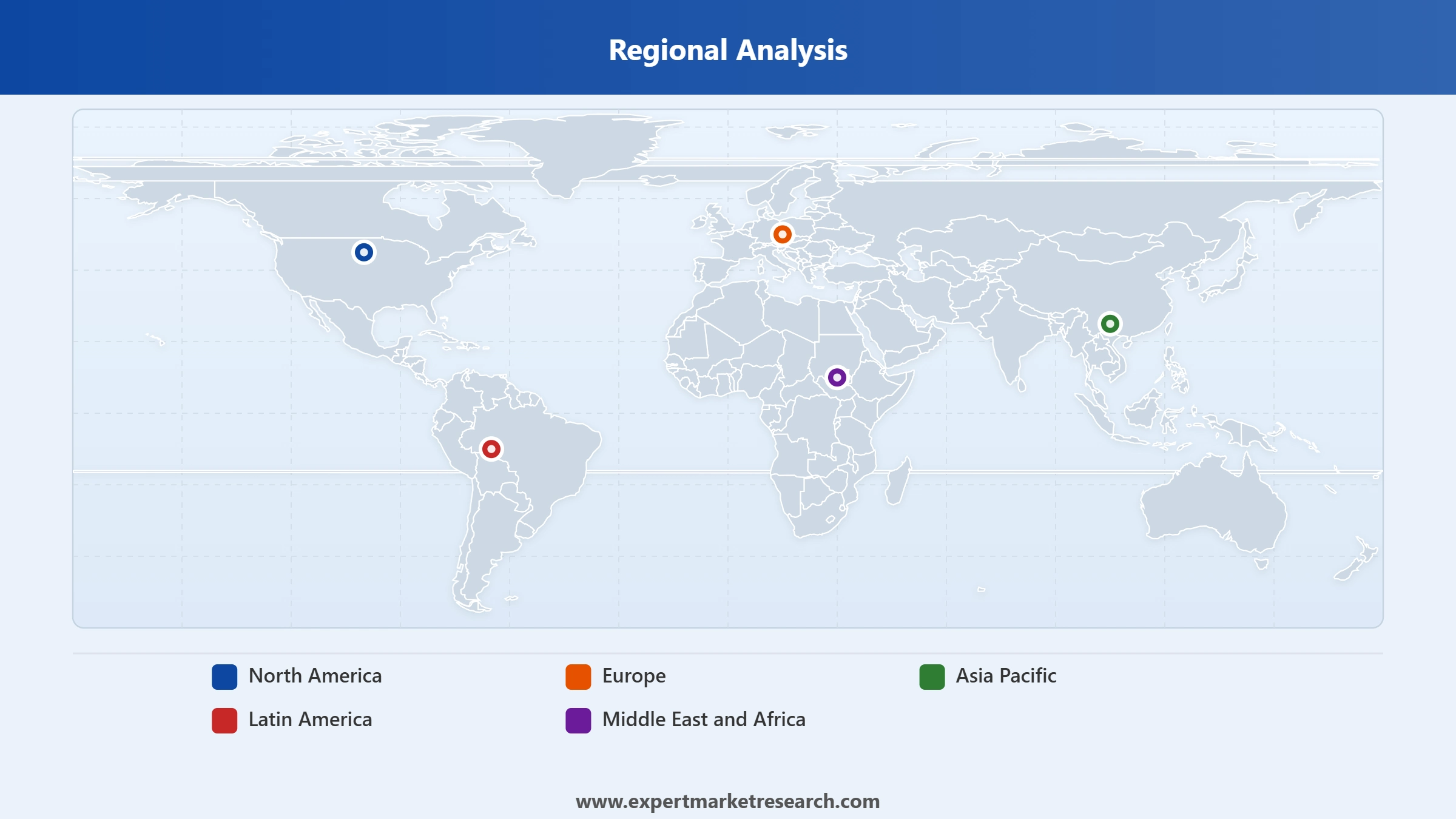
Key Insight: Europe is largely contributing to the coffee market, with consistently high per capita consumption. Finland, Sweden, and Germany have emerged as the top coffee consumers globally. The region embraces both traditional and specialty formats, driving innovation in pods, sustainable sourcing, and organic products. In March 2025, German coffee group Melitta unveiled products by utilizing CoffeeB compostable coffee balls developed by Switzerland’s Migros. Regulations promoting traceability and Fairtrade practices are also shaping the supply chain choices. Europe’s well-established infrastructure and evolving tastes are continuing to make it a leading market.
Read more about this report - REQUEST FREE SAMPLE COPY IN PDF
Whole-Bean & Ground Coffee to Garner Popularity
Whole-bean coffee market share is growing as it appeals to premium and specialty consumers for grinding their coffee fresh to preserve aroma and flavour. This segment is mainly strong in North America and Europe, where home brewing using burr grinders and espresso machines is popular. Third-wave coffee roasters, such as Blue Bottle, Intelligentsia, and Stumptown, are emphasizing whole-bean sales. The format is also preferred by artisanal roasters and subscription services. Whole-bean coffee further commands higher margins due to its artisanal and freshness appeal.
Read more about this report - REQUEST FREE SAMPLE COPY IN PDF
The rising demand for ground coffee can be attributed to its higher dominance in supermarkets across Europe, Latin America, and parts of Asia. Established brands are offering various grinds suited for different brewers, from moka pots to drip machines. In May 2025, Café Bustelo® expanded its ground coffee lineup with new offerings to attract a broader audience by introducing diverse roast profiles beyond its traditional bold espresso-style coffee. This segment also appeals to households lacking grinders or time for complex brewing.
Organic Coffee to Record Huge Demand
Organic coffee consumption is growing due to rising consumer awareness around sustainability and health. Certified organic coffee is cultivated using eco-friendly farming practices and appeals to ethically and environmentally conscious buyers, especially in the United States, Europe, and Japan. Several brands are offering 100% organic ground and whole-bean options. In October 2023, Vietnam's L’amant Café signed an MoU to enter India to bring organic Vietnamese beans in powder and bean form, alongside plans for cafés by 2025.
Read more about this report - REQUEST FREE SAMPLE COPY IN PDF
Growing Coffee Consumption in HoReCa Applications
The HoReCa segment, comprising hotels, restaurants, and cafés, is playing a key role in the coffee industry for offering specialty experiences and diverse brewing methods. This segment is driving high-margin growth and brand exposure. In September 2024, A&W Canada entered an exclusive agreement to serve Pret A Manger’s 100% organic Classic Blend coffee across all its restaurants. HoReCa outlets also serve high-quality beans, highlight single-origin selections, and introduce customers to diverse brewing techniques.
Read more about this report - REQUEST FREE SAMPLE COPY IN PDF
Supermarkets and Hypermarkets & Online Stores to Bolster Coffee Sales
Supermarkets and hypermarkets are crucial distribution channels in the coffee industry as they offer wide coffee selections at competitive prices. This segment dominates physical retail due to its accessibility and variety, ranging from instant and ground coffee to premium whole-bean options. Major brands are actively partnering with retail chains for shelf presence. Supermarkets also provide bulk buying and promotions, making them highly influential in reaching mass-market consumers and scaling brand reach.
Read more about this report - REQUEST FREE SAMPLE COPY IN PDF
The online coffee market is growing rapidly, fuelled by e-commerce platforms and direct-to-consumer (D2C) websites. Online platforms are offering consumers access to specialty, organic, and global coffee brands not readily available in stores. For example, in March 2025, Coffeeverse launched an e-commerce platform for delivering premium, single-origin Arabica coffees from Chikmagalur, Coorg, and Tamil Nadu in India. Amazon, Walmart, and brand-owned sites also dominate online sales. This segment is also supporting smaller roasters and ethical brands that emphasize transparency and traceability.
Surging Coffee Intake in North America & Asia Pacific
North America is an important player in innovation and consumption in the coffee market, especially in the United States and Canada. As per the Coffee Association of Canada, 71% of Canadians consumed coffee every single day in 2023. The region leads in specialty trends, such as cold brew, single-origin, and ready-to-drink beverages. Major brands like Starbucks and Dunkin’ dominate, while premium roasters and sustainable labels are growing via online and retail channels. With rising demand for health-conscious, ethical options, North America is a powerful, trend-setting market, especially in B2C retail and HoReCa.
Read more about this report - REQUEST FREE SAMPLE COPY IN PDF
Asia Pacific is the fastest-growing coffee market, driven by rising incomes, urbanization, and shifting consumer lifestyles in China, India, Vietnam, and South Korea. Though historically tea-dominant, the region is witnessing a surge in café chains and retail demand. In June 2025, Continental Coffee introduced the United Kingdom-based Percol brand to India for offering premium instant coffee crafted for connoisseurs. While Japan and South Korea have a mature ready-to-drink coffee market, Southeast Asia is focusing on Robusta cultivation and café expansion.
Key players in the coffee market are employing several key strategies to gain competitive benefits and meet the evolving consumer preferences. Product innovation is enabling the development of specialty blends, ready-to-drink options, cold brews, and health-focused variants, such as organic or functional coffees with added nutrients. This is helping brands to cater to niche markets and stand out in a crowded space. With sustainability initiatives, companies are investing in ethically sourced beans, fair trade certifications, and eco-friendly packaging to appeal to environmentally conscious consumers.
Building direct relationships with farmers is also growing in importance for ensuring supply chain transparency and improving quality control. Expansion into emerging markets is a key growth tactic. As coffee consumption rises in Asia, the Middle East, and Africa, brands are tailoring products to local tastes and investing in distribution networks to reach new consumers. In addition, digital transformation is assisting businesses to leverage e-commerce, mobile apps, and data analytics to personalize marketing, enhance customer engagement, and optimize supply chains.
Founded in 1866, Nestlé is headquartered in Vevey, Switzerland and offers a vast range of coffee products, including instant coffee, capsules, and ready-to-drink beverages under brands, such as Nescafé and Nespresso. Nestlé focuses on innovation, sustainability, and global distribution to remain a dominant player in the global coffee market.
Established in 1971, Starbucks is headquartered in Seattle, the United States and operates thousands of coffeehouses globally to offer whole-bean coffee, handcrafted beverages, and ready-to-drink options. Starbucks emphasizes customer experience, ethical sourcing, and sustainability while expanding its global footprint via retail outlets and digital engagement.
JDE Peet’s was launched in 2019 via the merger of Jacobs Douwe Egberts and Peet’s Coffee and is headquartered in Amsterdam, Netherlands. The company offers a broad coffee and tea portfolio for serving retail, out-of-home, and e-commerce markets through its brands including Jacobs, L’OR, and Douwe Egberts that have strong international presence.
Founded in 1949, Tchibo is headquartered in Hamburg, Germany and is known for its high-quality coffee. Tchibo offers ground coffee, beans, capsules, and machines, and is recognized for combining retail innovation with a strong focus on sustainability and consumer convenience.
Other players in the coffee market are LUIGI LAVAZZA SPA, Strauss Coffee BV, The J.M. Smucker Company, Melitta, UCC UESHIMA COFFEE CO., LTD., Massimo Zanetti Beverage USA, The Kraft Heinz Company, JAB Holding Company, Tata Consumer Products Limited, UCC Europe Limited, Gloria Jean’s Gourmet Coffees Corp., Unilever plc, Panera Brands, Nero Holdings Limited, Coffee Beanery, Swmabhan Commerce Private Limited (RAGE Coffee), International Coffee & Tea, LLC, and BEVZILLA PRIVATE LIMITED, among others.
*Please note that this is only a partial list; the complete list of key players is available in the full report. Additionally, the list of key players can be customized to better suit your needs.*
Unlock valuable insights into global coffee market trends 2026 by downloading your free sample report today. Whether you're a business leader, marketer, or investor, this comprehensive research provides data-backed guidance for smarter decisions. Stay ahead with expert analysis on market size, growth drivers, and competitive strategies download your coffee market report sample now!
South Korea Ready-to-Drink Coffee Market
South Korea Coffee Market
Cold Brew Coffee Market
Coffee Machines Market
Coffee Creamer Market


Upto 15% Off
USD
$2999 $2699
$4399 $3959
$5599 $4759
$6659 $5660


*While we strive to always give you current and accurate information, the numbers depicted on the website are indicative and may differ from the actual numbers in the main report. At Expert Market Research, we aim to bring you the latest insights and trends in the market. Using our analyses and forecasts, stakeholders can understand the market dynamics, navigate challenges, and capitalize on opportunities to make data-driven strategic decisions.*
In 2025, the market reached an approximate value of USD 144.50 Billion.
The market is projected to grow at a CAGR of 4.60% between 2026 and 2035.
The market is estimated to witness healthy growth in the forecast period of 2026-2035 to reach a value of around USD 226.56 Billion by 2035.
The key strategies driving the market include expanding specialty and organic offerings, investing in sustainable sourcing, enhancing e-commerce and subscription models, innovating ready-to-drink and single-serve formats, forming strategic partnerships, and targeting emerging markets. These approaches boost consumer engagement, meet evolving tastes, and expand global reach effectively.
The key trends guiding the growth of the market include the growing awareness of the health benefits associated with coffee and rapid technological advancements.
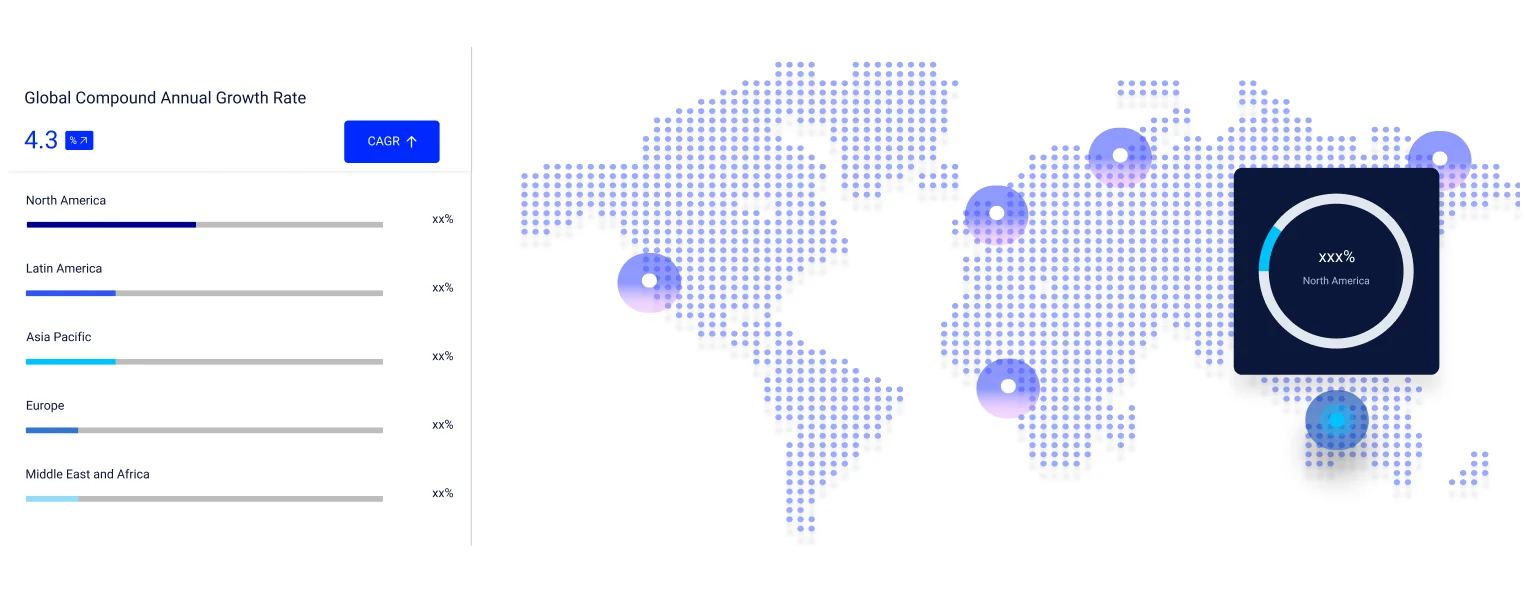
The major regional markets for coffee are North America, Latin America, the Middle East and Africa, Europe, and the Asia Pacific.
The major distribution channels for coffee include hypermarkets and supermarkets, convenience stores, speciality stores, and online, among others.
The key players in the market report include Nestlé, Starbucks Coffee Company, JDE Peet's, Tchibo Coffee, LUIGI LAVAZZA SPA, Strauss Coffee BV, The J.M. Smucker Company, Melitta, UCC UESHIMA COFFEE CO., LTD., Massimo Zanetti Beverage USA, The Kraft Heinz Company, JAB Holding Company, Tata Consumer Products Limited, UCC Europe Limited, Gloria Jean’s Gourmet Coffees Corp., Unilever plc, Panera Brands, Nero Holdings Limited, Coffee Beanery, Swmabhan Commerce Private Limited (RAGE Coffee), International Coffee & Tea, LLC, and BEVZILLA PRIVATE LIMITED, among others.
Roasted coffee has gained a significant market share, largely due to the global spread of coffee culture driven by international coffee chains such as Starbucks. These chains have played a key role in boosting the popularity of freshly roasted coffee, highlighting its premium quality and increasing consumer demand.
The retail segment dominates the market with rising sales via supermarkets, convenience stores, e-commerce, and specialty shops.
Explore our key highlights of the report and gain a concise overview of key findings, trends, and actionable insights that will empower your strategic decisions.
| REPORT FEATURES | DETAILS |
| Base Year | 2025 |
| Historical Period | 2019-2025 |
| Forecast Period | 2026-2035 |
| Scope of the Report |
Historical and Forecast Trends, Industry Drivers and Constraints, Historical and Forecast Market Analysis by Segment:
|
| Breakup by Product |
|
| Breakup by Nature |
|
| Breakup by End Use |
|
| Breakup by Distribution Channel |
|
| Breakup by Region |
|
| Market Dynamics |
|
| Competitive Landscape |
|
| Companies Covered |
|
Datasheet
One User
USD 2,999
USD 2,699
tax inclusive*
Single User License
One User
USD 4,399
USD 3,959
tax inclusive*
Five User License
Five User
USD 5,599
USD 4,759
tax inclusive*
Corporate License
Unlimited Users
USD 6,659
USD 5,660
tax inclusive*
*Please note that the prices mentioned below are starting prices for each bundle type. Kindly contact our team for further details.*
Flash Bundle
Small Business Bundle
Growth Bundle
Enterprise Bundle
*Please note that the prices mentioned below are starting prices for each bundle type. Kindly contact our team for further details.*
Flash Bundle
Number of Reports: 3
20%
tax inclusive*
Small Business Bundle
Number of Reports: 5
25%
tax inclusive*
Growth Bundle
Number of Reports: 8
30%
tax inclusive*
Enterprise Bundle
Number of Reports: 10
35%
tax inclusive*
How To Order

Select License Type
Choose the right license for your needs and access rights.

Click on ‘Buy Now’
Add the report to your cart with one click and proceed to register.

Select Mode of Payment
Choose a payment option for a secure checkout. You will be redirected accordingly.
Strategic Solutions for Informed Decision-Making
Gain insights to stay ahead and seize opportunities.

Get insights & trends for a competitive edge.

Track prices with detailed trend reports.

Analyse trade data for supply chain insights.

Leverage cost reports for smart savings

Enhance supply chain with partnerships.

Connect For More Information
Our expert team of analysts will offer full support and resolve any queries regarding the report, before and after the purchase.
Our expert team of analysts will offer full support and resolve any queries regarding the report, before and after the purchase.
We employ meticulous research methods, blending advanced analytics and expert insights to deliver accurate, actionable industry intelligence, staying ahead of competitors.
Our skilled analysts offer unparalleled competitive advantage with detailed insights on current and emerging markets, ensuring your strategic edge.
We offer an in-depth yet simplified presentation of industry insights and analysis to meet your specific requirements effectively.




