

Consumer Insights
Uncover trends and behaviors shaping consumer choices today
Procurement Insights
Optimize your sourcing strategy with key market data
Industry Stats
Stay ahead with the latest trends and market analysis.
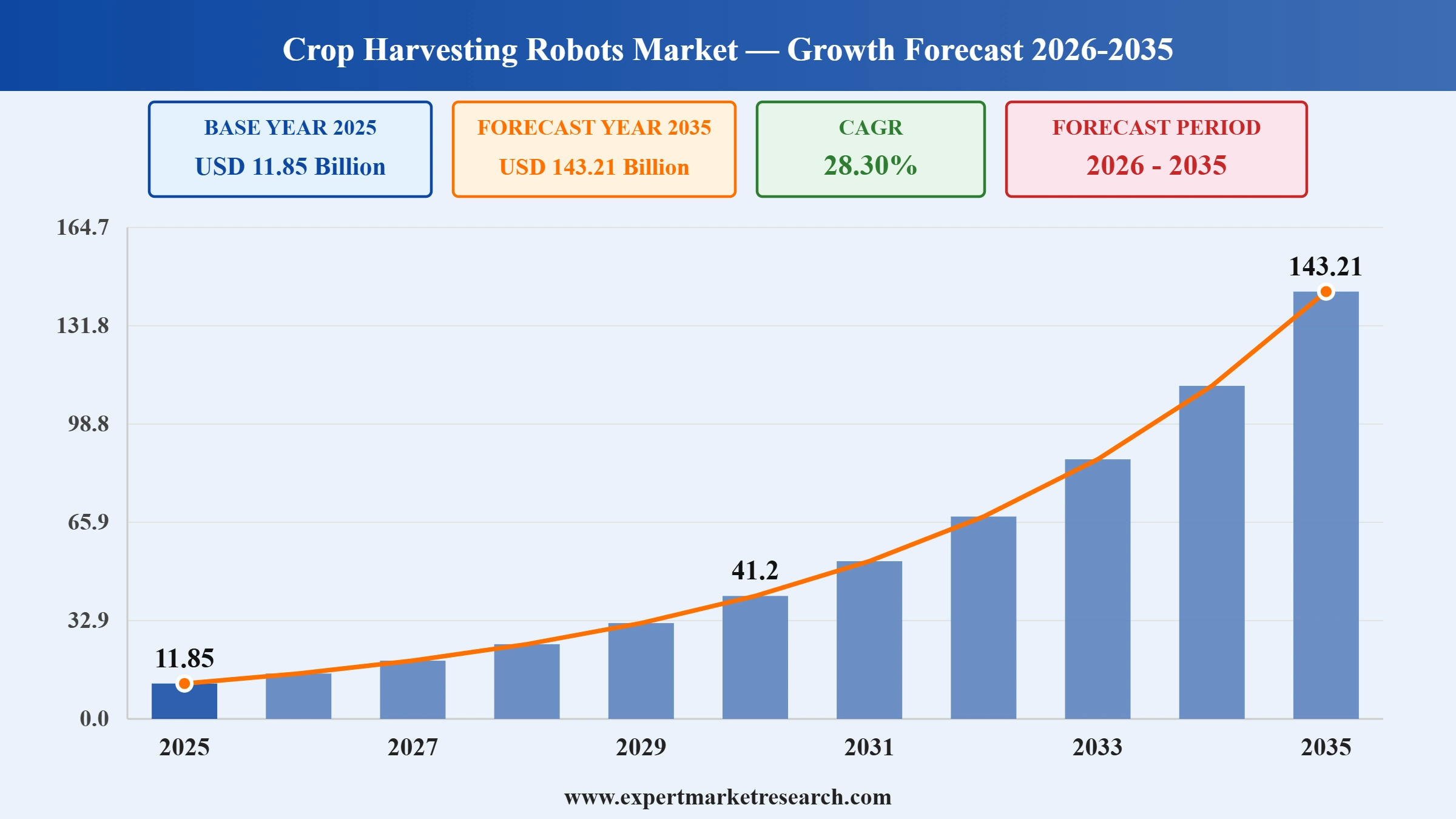
The global crop harvesting robots market attained a value of USD 11.85 Billion in 2025 and is projected to expand at a CAGR of 28.30% through 2035. The market is further expected to achieve USD 143.21 Billion by 2035. Persistent agricultural labour shortages, rising adoption of precision farming techniques, and continued advancement in computer vision and robotic arm technology continue to support demand for automated harvesting solutions across fruit, vegetable, and grain production.
Persistent agricultural labour shortages continue to anchor steady demand across the crop harvesting robots market, as farm operators increasingly turn to autonomous picking systems to address a shrinking seasonal workforce. Manufacturers are also investing in computer vision and AI-powered ripeness detection, reflecting the industry's ongoing pursuit of harvesting accuracy that matches or exceeds manual picking without damaging delicate produce.
The crop harvesting robots market is witnessing further developments as established manufacturers scale commercial deployment following years of field trials. Dogtooth Technologies moved its strawberry-picking robot into commercial availability in the United Kingdom in 2025, with 50 units planned for commercial deployment in 2026 following eight years of development. This shift toward commercial-scale deployment is concentrated among manufacturers with sufficient engineering maturity to guarantee consistent field performance, while smaller specialists continue to compete on niche crop-specific applications still in earlier development stages.
In addition, established manufacturers are increasingly pursuing strategic partnerships to combine robotics expertise with established manufacturing and distribution capacity, reflecting the sector's recognition that scaling production requires industrial partners beyond pure robotics engineering. Such partnership activity is reshaping competitive positioning across the wider crop harvesting robots market as manufacturers with access to established distribution networks increasingly differentiate themselves from competitors reliant solely on direct sales. In January 2026, Harvest CROO Robotics hosted an industry tour of a 1,600-acre partner farm in Florida, showcasing its robotic harvester to prospective growers and industry stakeholders at a strawberry symposium.
Read more about this report - REQUEST FREE SAMPLE COPY IN PDF
| Global Crop Harvesting Robots Market Report Summary | Description | Value |
| Base Year | USD Billion | 2025 |
| Historical Period | USD Billion | 2019-2025 |
| Forecast Period | USD Billion | 2026-2035 |
| Market Size 2025 | USD Billion | 11.85 |
| Market Size 2035 | USD Billion | 143.21 |
| CAGR 2019-2025 | Percentage | XX% |
| CAGR 2026-2035 | Percentage | 28.30% |
| CAGR 2026-2035 - Market by Region | Asia Pacific | 36.6% |
| CAGR 2026-2035 - Market by Country | India | 42.1% |
| CAGR 2026-2035 - Market by Country | China | 35.1% |
| CAGR 2026-2035 - Market by Type | Grain Harvesting Robots | 31.1% |
| CAGR 2026-2035 - Market by Automation Level | Semi-Automatic | 31.7% |
| Market Share by Country 2025 | Canada | 1.5% |
Dogtooth Technologies raised 14 million pounds in fresh investment to expand commercial deployment of its AI-powered strawberry harvesting robots well beyond the United Kingdom market where it first launched. Companies can pursue growth capital following successful commercial pilots to accelerate international expansion before competitors establish similar market footholds elsewhere.
Industry analysis found that more than 22,000 harvesting robots were actively deployed across farmlands globally as of 2024, up from 13,000 in 2020, with Japan alone reporting over 7,300 robots deployed specifically in strawberry and tomato farms. Companies can target regions with established robot adoption density to find receptive early customers for next-generation harvesting systems.
Naio Technologies announced a strategic partnership with Kioti Europe to jointly develop a next-generation agricultural robot platform, combining Kioti's established industrial manufacturing capabilities with Naio's proven autonomous navigation software and deep field experience. Companies can pair robotics software expertise with an established industrial manufacturer to accelerate market introduction across multiple regions simultaneously.
Dogtooth Technologies confirmed that 50 of its strawberry harvesting robots would become commercially available during 2026, following the robot's initial introduction to UK commercial farming operations the previous year. Companies can plan phased production scale-ups following initial commercial launches to manage manufacturing capacity carefully while demand visibility gradually improves.
Established manufacturers continue to secure growth capital to scale commercial deployment beyond initial pilot markets. One recent example: Dogtooth Technologies secured 14 million pounds in fresh investment during July 2026 to expand commercial deployment of its AI-powered harvesting robots across the crop harvesting robots market beyond its home market. Such capital-raising activity reflects manufacturers' recognition that scaling from pilot deployments to full commercial production requires substantial working capital well beyond what early revenue alone can support.
Robotics specialists continue to pursue partnerships with established industrial manufacturers to accelerate market entry beyond what standalone robotics engineering firms could achieve alone. In February 2026, Naio Technologies announced a strategic partnership with Kioti Europe to jointly develop a next-generation robot platform. Such partnership activity reflects the sector's growing recognition that manufacturing scale and distribution reach matter as much as underlying robotics software quality.
Commercial deployment continues scaling across the sector following multi-year field trials that validated harvesting accuracy and reliability under real farm conditions. In January 2026, Dogtooth Technologies confirmed that 50 of its harvesting robots would become commercially available during the year, following the robot's initial commercial introduction the previous year. Such phased scale-up reflects manufacturers' preference for controlled production growth over rapid expansion that could compromise field reliability.
Global harvesting robot deployment continues expanding across established farming regions as adoption density increases within already-receptive markets. Industry analysis found that more than 22,000 harvesting robots were actively deployed globally as of 2024, up from 13,000 in 2020, with certain regions reporting thousands of units concentrated in fruit-growing areas. Such deployment growth reflects farm operators' increasing confidence in robotic harvesting reliability following several seasons of successful commercial operation.
Diversified robotics groups continue to apply automation research developed across their broader technology portfolios to increasingly sophisticated harvesting robot development. Established engineering-services providers continue to develop crop-specific robotic systems drawing on broader industrial automation and computer vision research spanning multiple end-use categories beyond agriculture alone. Such cross-portfolio research investment gives diversified robotics groups a technical foundation that narrower harvesting-only specialists must build through more limited, application-specific development.
This Expert Market Research Report titled "Crop Harvesting Robots Market Report and Forecast 2026-2035" offers a detailed analysis of the market based on the following segments:
Market Breakup by Type
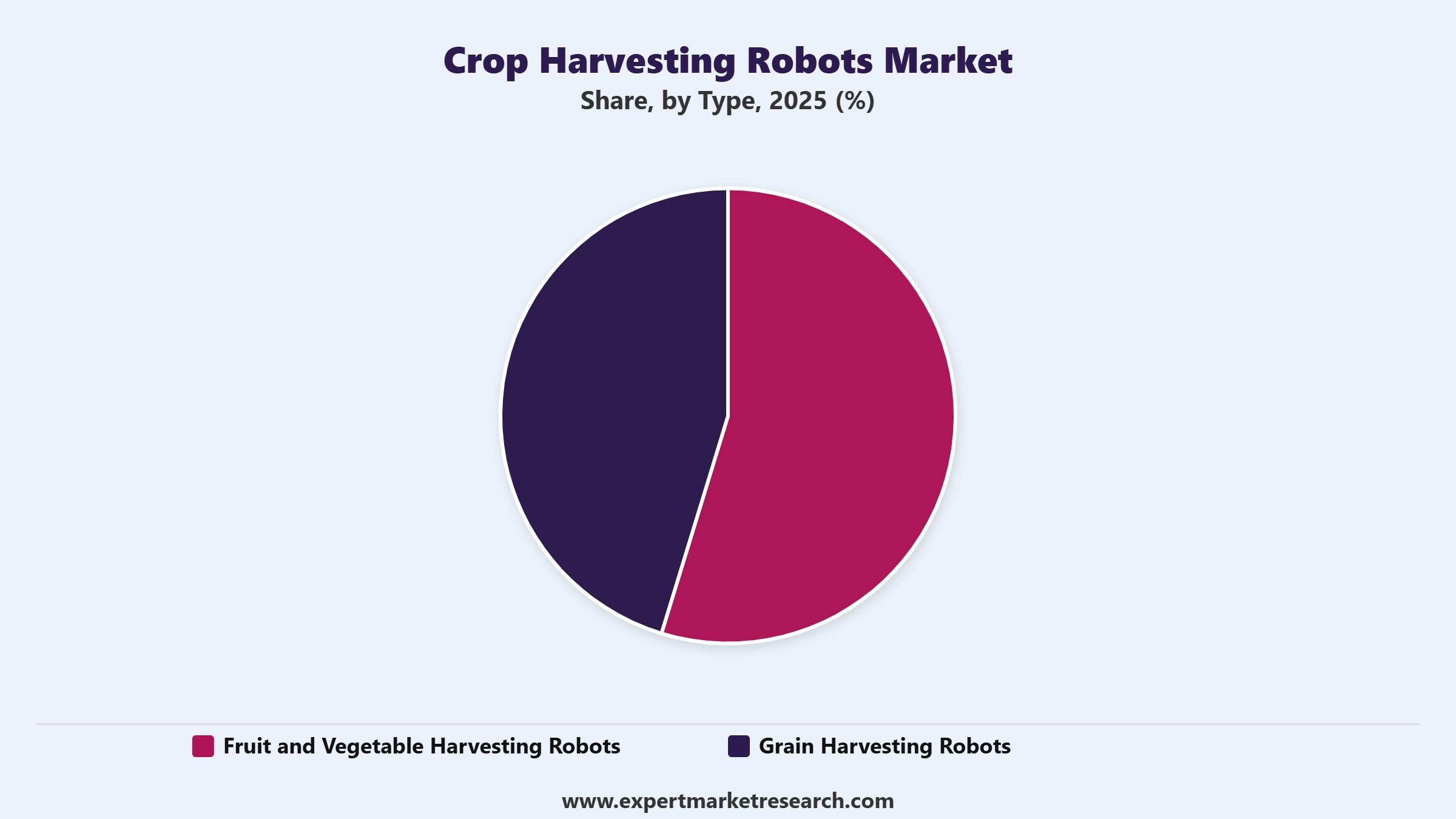
Key Insight: Fruit and Vegetable Harvesting Robots account for the largest share of the crop harvesting robots market, reflecting the labour-intensive, delicate nature of fruit and vegetable picking that benefits most directly from computer vision and precision robotic arms. In July 2026, Dogtooth Technologies raised 14 million pounds to expand deployment of its strawberry harvesting robots, illustrating continued investment in this dominant type. Grain Harvesting Robots are growing at the fastest pace as large-scale grain producers increasingly automate high-volume harvesting operations across expansive field areas.
Market Breakup by Automation Level
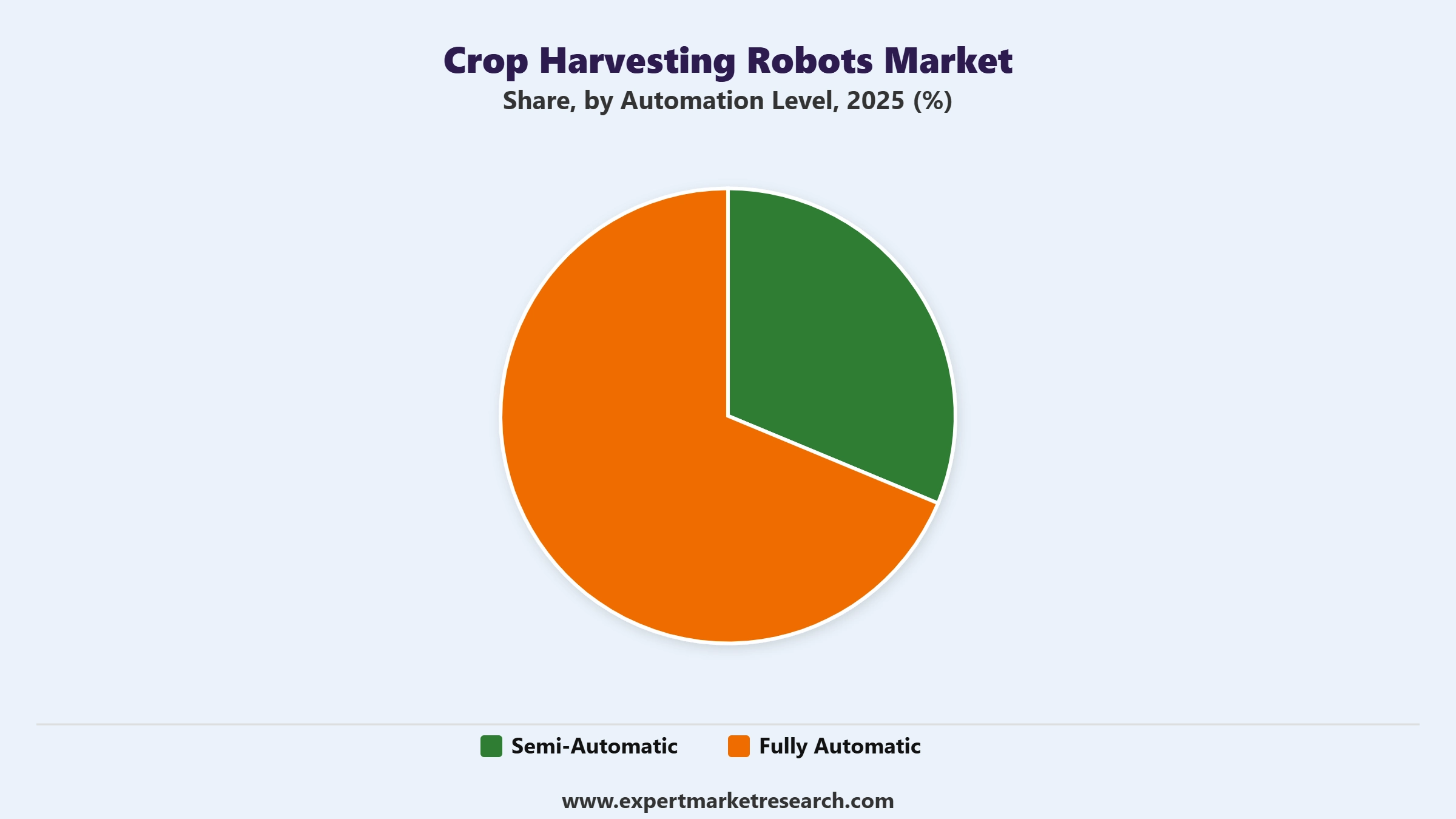
Key Insight: Semi-Automatic systems account for the largest share of the crop harvesting robots market, reflecting farm operators' continued preference for retaining human oversight during the technology's ongoing maturation. Industry analysis published in February 2026 projected that over 18 percent of new tractors sold globally this year will be robotic or semi-autonomous. Fully Automatic systems are growing at the fastest pace as AI vision systems keep closing the accuracy gap with skilled human pickers, reducing the need for constant operator oversight. DailyRobotics began deploying its fully autonomous Q2 strawberry harvester with a commercial customer in California in April 2026.
Market Breakup by Region
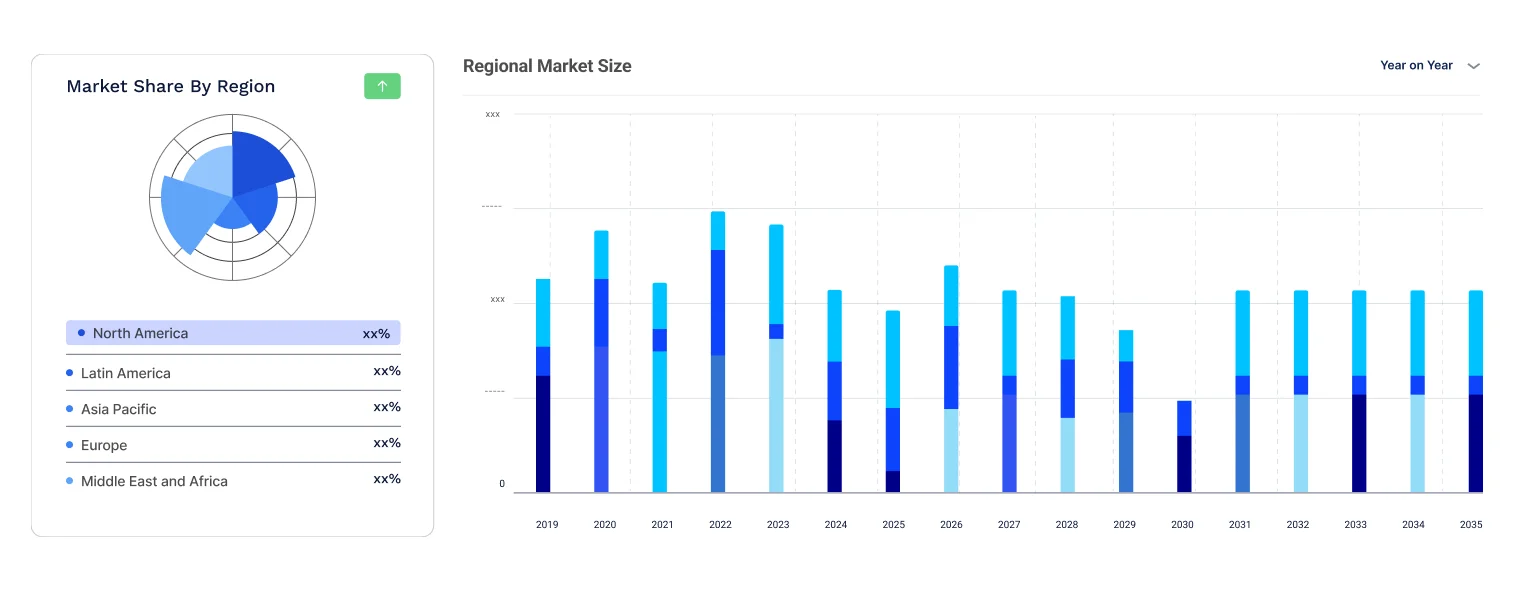
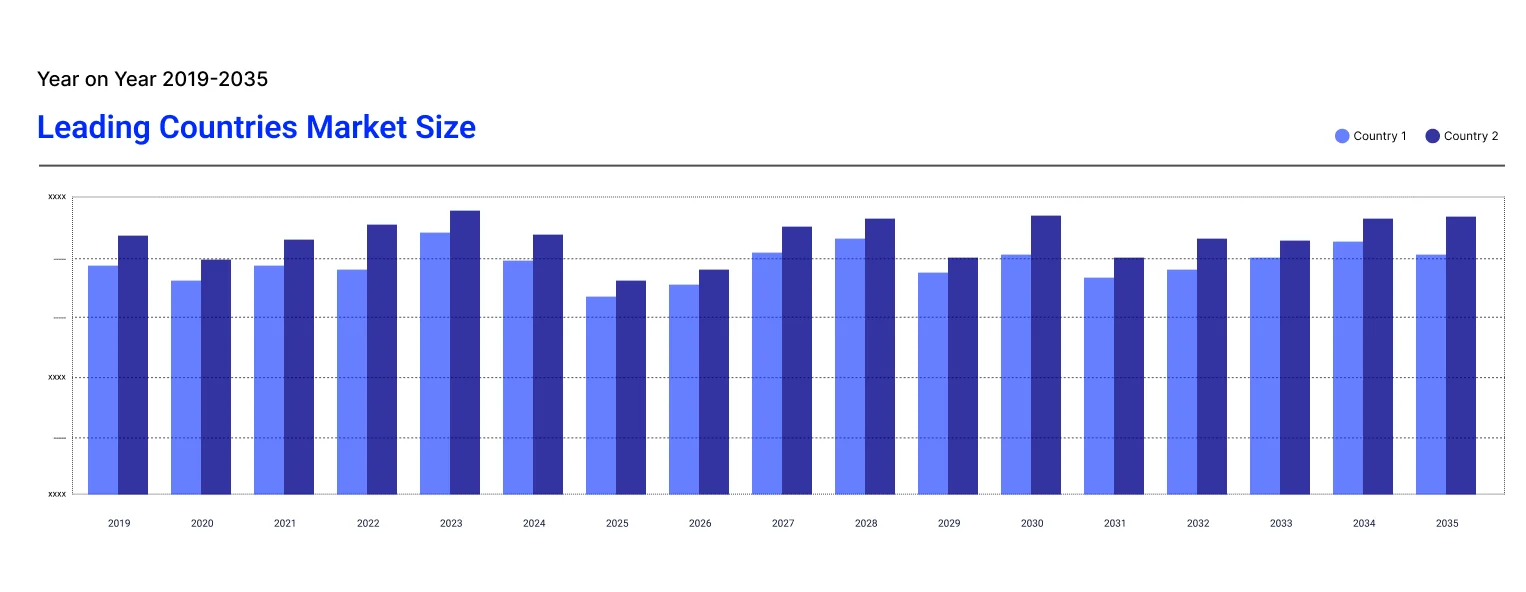
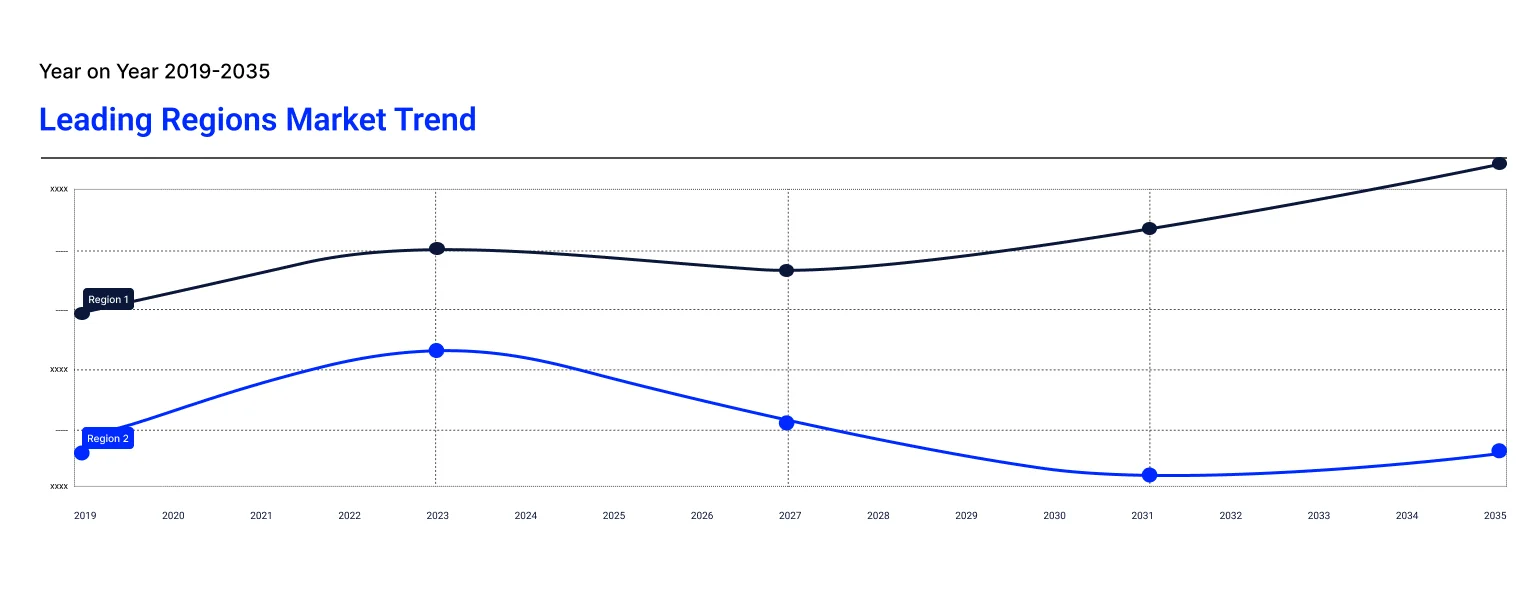
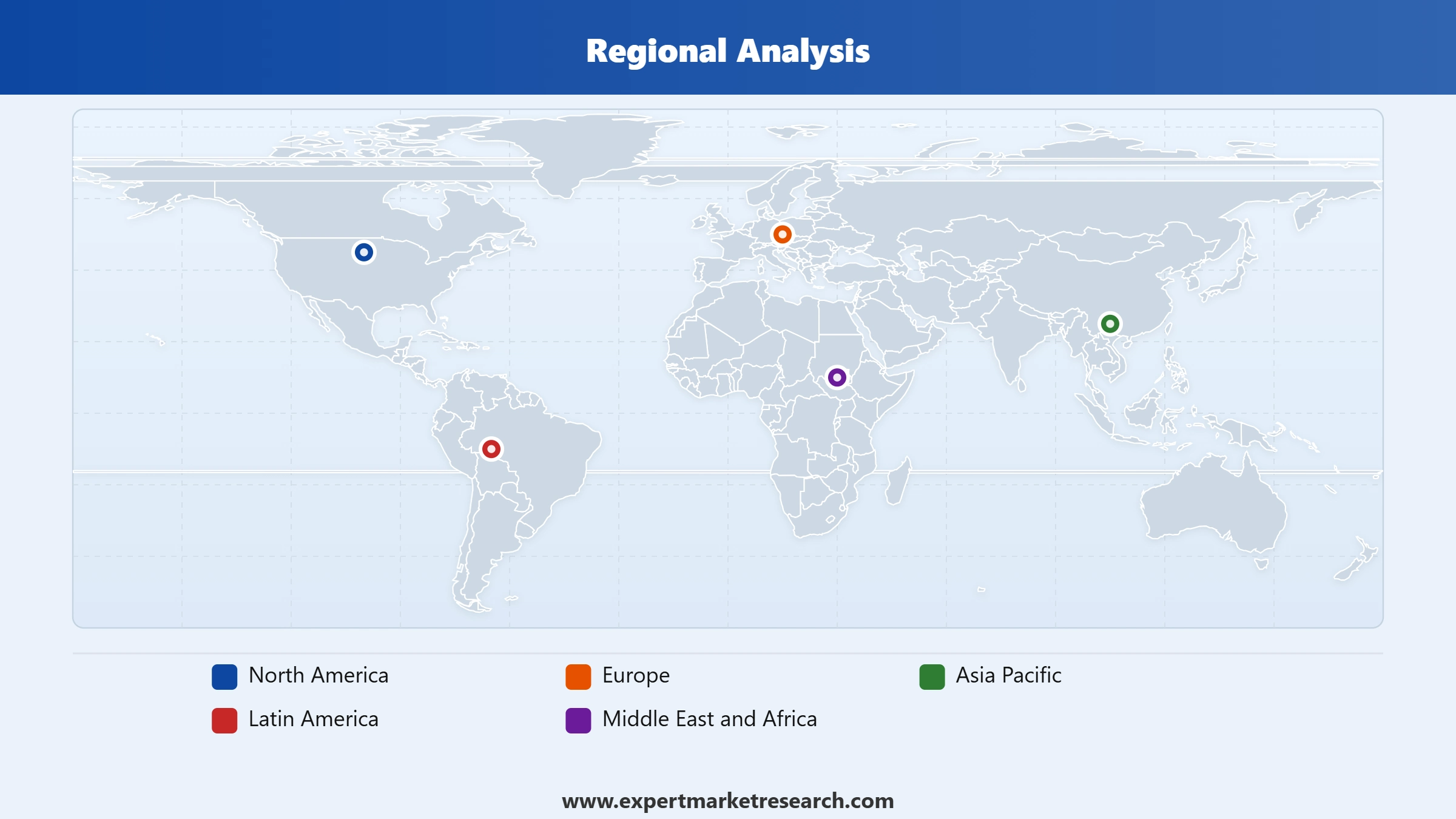
Key Insight: North America accounts for the largest share of the crop harvesting robots market, supported by advanced agricultural technology adoption and substantial farm capital investment across the United States and Canada. In April 2026, the USDA announced more than 275 million dollars in grant funding for specialty crop growers, including support aimed at de-risking farmer adoption of agricultural technology. Asia Pacific is emerging as a key growth market as rising farm automation needs and large agricultural production bases, particularly across Japan, continue to drive robotic harvesting adoption. In Japan, an autonomous orchard transport robot sold out its entire initial production batch shortly after its April 2025 commercial launch, prompting plans to expand manufacturing capacity. Europe, Latin America, and the Middle East and Africa each continue to serve distinct regional agricultural mechanisation patterns.
By type, fruit and vegetable robots lead the market while grain robots grow fastest given large-scale automation demand
Fruit and Vegetable Harvesting Robots continue to account for the largest share of the market, since these crops require the gentlest handling and benefit most directly from precision robotic arms and computer vision. Established fruit and vegetable robot relationships continue to anchor steady demand as growers maintain proven equipment across successive harvest seasons.
Read more about this report - REQUEST FREE SAMPLE COPY IN PDF
Grain Harvesting Robots are growing at the fastest pace across the crop harvesting robots market as large-scale grain producers increasingly automate high-volume harvesting operations to offset rising seasonal labour costs across expansive field areas. A July 2026 scoping review found autonomous combines increasingly coordinating with self-driving grain carts, with combines unloading without stopping and lifting harvest-window efficiency by nearly 20 percent.
By automation level, semi-automatic leads the market while fully automatic grows fastest given rising AI accuracy
Semi-Automatic systems continue to account for the largest share of the market, reflecting farm operators' continued preference for retaining human oversight while the underlying technology matures further. Established semi-automatic product lines continue to anchor steady demand as manufacturers maintain proven, operator-assisted designs.
Read more about this report - REQUEST FREE SAMPLE COPY IN PDF
Fully Automatic systems are growing at the fastest pace across the crop harvesting robots market as computer vision and AI-powered ripeness detection technology increasingly match human-level picking accuracy without requiring constant operator supervision. In June 2026, eternal.ag scaled its fully-autonomous greenhouse harvesting robot to a three-unit fleet at Dutch grower Van Noord Growers, following a successful initial deployment period.

Read more about this report - REQUEST FREE SAMPLE COPY IN PDF
North America commands the largest share of the market through advanced agricultural technology adoption
North America holds the largest share of the crop harvesting robots market, anchored by deep-pocketed farm operators across the United States and Canada who have been early adopters of agricultural technology. In January 2026, California Polytechnic State University's Strawberry Center hosted a field day featuring harvester updates from Advanced.Farm, Harvest CROO, and Traptic, reflecting the region's active field-validation ecosystem.
Asia Pacific, meanwhile, is on track to become a key growth market, with rising automation needs and large agricultural production bases continuing to drive robotic harvesting adoption. Industry analysis found that Japan alone reported more than 7,300 harvesting robots deployed across strawberry and tomato farms. In early 2026, FANUC Corporation expanded its robotic automation solutions for horticulture and vegetable farms across Japan and Southeast Asia, integrating robotic arms and vision systems for high-speed harvesting.
Read more about this report - REQUEST FREE SAMPLE COPY IN PDF
The global industry is highly fragmented, with crop harvesting robots market companies ranging from specialist robotics engineering firms to diversified automation groups competing across type, automation level, and regional segments. Established players operate across the full harvesting robot value chain, from computer vision and navigation software development through robotic arm engineering and complete field-ready system integration for commercial growers.
Competitive dynamics among crop harvesting robots players are increasingly shaped by the pace of commercial-scale deployment following multi-year field validation, the scale of growth capital raised to fund international expansion, and the race to secure manufacturing partnerships with established industrial equipment makers. Companies are investing in AI-powered ripeness detection, multi-crop adaptability, and phased production scale-up to differentiate their offering and secure long-term grower relationships.
Founded in 2014 and headquartered in Hertfordshire, United Kingdom, Dogtooth Technologies supplies smart robots for harvesting delicate fruits including raspberries and strawberries. The company's July 2026 funding round of 14 million pounds is fuelling its push into new markets beyond the United Kingdom. Dogtooth's eight years of field-tested engineering give it a commercial-readiness advantage that newer entrants typically cannot match.
Founded in 2011 and headquartered in Toulouse, France, Naïo Technologies supplies autonomous field robots across a four-robot product line spanning hoeing, weeding, and vineyard applications. Its February 2026 tie-up with a major European agricultural equipment manufacturer to co-develop a next-generation robot platform is one such move. Naïo's software and navigation expertise differentiates its offering from competitors with narrower single-crop application focus.
Founded in 2008 and headquartered in Huelva, Spain, Agrobot develops autonomous fruit harvesting machines, including its E-Series harvester equipped with 24 independent robotic arms and an AI-powered ripeness detection system. The company's LiDAR-guided navigation allows precise manoeuvring through commercial growing rows without damaging plants. Agrobot's multi-arm harvester design differentiates its offering from single-arm competitors by enabling significantly higher per-hour picking throughput.
Founded in 2007 and headquartered in Billerica, Massachusetts, Harvest Automation supplies autonomous robots designed to address labour-intensive agricultural material-handling and harvesting tasks. The company serves commercial growers seeking to reduce dependency on seasonal manual labour across specialty crop operations. Harvest Automation's focus on broader material-handling automation, alongside harvesting itself, differentiates its offering from competitors focused solely on the picking function.
Other key players in the crop harvesting robots market include Harvest CROO Robotics LLC., Energid Technologies Corporation, Korechi Innovations Inc., and Ridder Holding Harderwijk B.V., among others.
*Please note that this is only a partial list; the complete list of key players is available in the full report. Additionally, the list of key players can be customized to better suit your needs.*
Unlock the latest insights with our crop harvesting robots market trends 2026 report. Discover regional growth patterns, type and automation level trends, and key industry players. Stay ahead of competition with trusted data and expert analysis. Download your free sample report today and drive informed decisions in the market.


Upto 15% Off
USD
$2499 $2249
$3999 $3599
$4999 $4249
$5999 $5099


*While we strive to always give you current and accurate information, the numbers depicted on the website are indicative and may differ from the actual numbers in the main report. At Expert Market Research, we aim to bring you the latest insights and trends in the market. Using our analyses and forecasts, stakeholders can understand the market dynamics, navigate challenges, and capitalize on opportunities to make data-driven strategic decisions.*
In 2025, the market reached an approximate value of USD 11.85 Billion.
The market is projected to grow at a CAGR of 28.30% between 2026 and 2035.
The market is estimated to witness a healthy growth in the forecast period of 2026-2035 to reach USD 143.21 Billion by 2035.
Raising growth capital to scale commercial deployment beyond initial pilot markets, pursuing manufacturing partnerships with established industrial equipment makers, and phasing production scale-up following successful multi-year field validation.
The key trends fuelling the growth of the market include rising adoption of precision agriculture and availability of semi and fully automatic crop harvesting robots.
The major regions in the market are North America, Europe, the Asia Pacific, Latin America, and the Middle East and Africa.
The various types of robots available in the market include fruit and vegetable harvesting robots and grain harvesting robots.
The key players in the market include Dogtooth Technologies Limited, Harvest Automation Inc, Harvest CROO Robotics LLC., Agrobot, Naïo Technologies SAS, Energid Technologies Corporation, Korechi Innovations Inc., and Ridder Holding Harderwijk B.V., among others.
Manufacturers face high upfront equipment costs limiting adoption among small and mid-sized farms, technical difficulty matching human-level picking accuracy across diverse crop varieties, and lengthy field-validation cycles before commercial-scale deployment.
Explore our key highlights of the report and gain a concise overview of key findings, trends, and actionable insights that will empower your strategic decisions.
| REPORT FEATURES | DETAILS |
| Base Year | 2025 |
| Historical Period | 2019-2025 |
| Forecast Period | 2026-2035 |
| Scope of the Report |
Historical and Forecast Trends, Industry Drivers and Constraints, Historical and Forecast Market Analysis by Segment:
|
| Breakup by Type |
|
| Breakup by Automation Level |
|
| Breakup by Region |
|
| Market Dynamics |
|
| Competitive Landscape |
|
| Companies Covered |
|
Datasheet
One User
USD 2,499
USD 2,249
tax inclusive*
Single User License
One User
USD 3,999
USD 3,599
tax inclusive*
Five User License
Five User
USD 4,999
USD 4,249
tax inclusive*
Corporate License
Unlimited Users
USD 5,999
USD 5,099
tax inclusive*
*Please note that the prices mentioned below are starting prices for each bundle type. Kindly contact our team for further details.*
Flash Bundle
Small Business Bundle
Growth Bundle
Enterprise Bundle
*Please note that the prices mentioned below are starting prices for each bundle type. Kindly contact our team for further details.*
Flash Bundle
Number of Reports: 3
20%
tax inclusive*
Small Business Bundle
Number of Reports: 5
25%
tax inclusive*
Growth Bundle
Number of Reports: 8
30%
tax inclusive*
Enterprise Bundle
Number of Reports: 10
35%
tax inclusive*
How To Order

Select License Type
Choose the right license for your needs and access rights.

Click on ‘Buy Now’
Add the report to your cart with one click and proceed to register.

Select Mode of Payment
Choose a payment option for a secure checkout. You will be redirected accordingly.
Strategic Solutions for Informed Decision-Making
Gain insights to stay ahead and seize opportunities.

Get insights & trends for a competitive edge.

Track prices with detailed trend reports.

Analyse trade data for supply chain insights.

Leverage cost reports for smart savings

Enhance supply chain with partnerships.

Connect For More Information
Our expert team of analysts will offer full support and resolve any queries regarding the report, before and after the purchase.
Our expert team of analysts will offer full support and resolve any queries regarding the report, before and after the purchase.
We employ meticulous research methods, blending advanced analytics and expert insights to deliver accurate, actionable industry intelligence, staying ahead of competitors.
Our skilled analysts offer unparalleled competitive advantage with detailed insights on current and emerging markets, ensuring your strategic edge.
We offer an in-depth yet simplified presentation of industry insights and analysis to meet your specific requirements effectively.




