Consumer Insights
Uncover trends and behaviors shaping consumer choices today
Procurement Insights
Optimize your sourcing strategy with key market data
Industry Stats
Stay ahead with the latest trends and market analysis.
The electric van market was valued at USD 12.40 Billion in 2025. The market is expected to grow at a CAGR of 17.00% during the forecast period of 2026-2035 to reach a value of USD 59.60 Billion by 2035. Rising e-commerce parcel volumes, tightening emission rules, falling battery costs, wider model availability, and lower running costs for fleet operators are collectively driving the market growth.
The current electric van market dynamics reflect steady demand from fleet operators that treat battery vans as a practical way to cut fuel costs and meet city access rules, while makers widen range, payload, and body options. Registration data continue to show gradual progress: in July 2026, UK figures showed June van registrations of 31,602, up 12.2%, with battery-electric van registrations rising 23.2% and holding an 11.5% market share, or 9.9% for the first half. This pace indicates that fleet adoption is advancing but still depends on incentives, charging access, and purchase price, encouraging suppliers to offer financing, depot charging packages, and servicing support to buyers in established and emerging markets, while competition among new entrants keeps pressure on pricing. Residual values also influence leasing and financing decisions.
The overall electric van industry dynamics through 2025 and 2026 are also being shaped by supply chain disruption and uneven fleet demand. In July 2026, Ford reported second-quarter Ford Pro revenue of USD 17.8 billion, down 5%, citing a temporary aluminum supply disruption, while expecting postponed fleet orders to return in the second half. This shows how material availability can delay deliveries even when demand is firm, encouraging van makers to secure suppliers, diversify sourcing, and protect production schedules. Buyers also compare total ownership cost, warranty terms, and charging compatibility when selecting vans. Fleet operators also value predictable delivery dates and spare part supply.
Compound Annual Growth Rate
17%
Value in USD Billion
2026-2035
Read more about this report - REQUEST FREE SAMPLE COPY IN PDF
|
Electric Van Market Report Summary |
Description |
Value |
|
Base Year |
USD Billion |
2025 |
|
Historical Period |
USD Billion |
2019-2025 |
|
Forecast Period |
USD Billion |
2026-2035 |
|
Market Size 2025 |
USD Billion |
12.40 |
|
Market Size 2035 |
USD Billion |
59.60 |
|
CAGR 2019-2025 |
Percentage |
XX% |
|
CAGR 2026-2035 |
Percentage |
17.00% |
|
CAGR 2026-2035 - Market by Region |
Europe |
19.1% |
|
CAGR 2026-2035 - Market by Payload Capacity |
Up to 1 Tonne |
19.6% |
|
CAGR 2026-2035 - Market by Application |
Passenger Transport |
18.8% |
|
2025 Market Share by Region |
Asia Pacific |
41.5% |
The electric van market is being reshaped by large parcel carrier orders, upgraded batteries with faster charging, new van brands entering Europe, and rapid export growth from Chinese makers. Policy reviews, rising European registrations, and fast small commercial vehicle electrification in India are further reshaping the competitive landscape.
Volkswagen launched a long-wheelbase ID. Buzz Cargo with a 25-centimeter longer wheelbase, an 86-kWh battery, 4.4 cubic meters of cargo space, and up to 700 kilograms of payload, priced from EUR 48,490 net in Germany. Pre-orders also opened at once. Other makers across the electric van market can follow by stretching popular compact electric models to meet fleet demand for more cargo space.
Chery Commercial Vehicle launched DELIVAN, a new van brand for Europe, at the Commercial Vehicle Show in Birmingham, displaying several concept vehicles ahead of a planned European product launch. The debut added yet another Chinese entrant to the electric van contest. Other new entrants across the electric van market can follow by using trade shows to build dealer and fleet interest well before deliveries begin.
Renault Group announced a buyout of the Volvo Group and CMA CGM stakes in Flexis, its electric van venture, for several hundred million euros. Production of the Trafic Van E-Tech was set to begin at the Sandouville plant in France, with Volvo to sell it through Renault Trucks. Other makers across the electric van market can follow by consolidating electric van ventures to speed decisions.
Ford and Renault announced a partnership to develop two new electric vehicles for Europe on Renault's Ampere platform and signed a letter of intent to explore jointly developing and building Ford and Renault branded light commercial vehicles. The move aimed to counter rising Chinese rivals. Other makers can follow by sharing platforms and vehicle programs to cut van development costs.
Large parcel and retail networks across the electric van market are replacing diesel vans with purpose-built electric models, because predictable urban routes and depot charging suit battery vans well. Dedicated platforms also simplify maintenance and software updates across large fleets. Larger orders also give makers stable volumes for production planning. In July 2026, reports on Rivian's second-quarter results showed Amazon operating over 40,000 Rivian commercial vans, up 33% from over 30,000 at the end of 2025 and about 80% of its electric delivery van fleet.
Policy makers across the electric van market are reassessing van targets because sales have grown more slowly than mandated trajectories, which affects manufacturer planning and pricing. Clear targets help makers plan investment and pricing. Fleets still benefit from lower running costs and urban access rules. In August 2026, the UK government consulted on lowering its 2030 zero-emission van target from 70% to 60%, 50%, or 40%, noting that zero-emission vans made up 10.1% of new light goods vehicle registrations in the first half of 2026.
European operators across the electric van market are adding electric vans to meet city access rules, corporate emission goals, and total cost targets, while diesel still holds a large share of new registrations. Wider model choice and falling battery costs are helping fleet buyers switch. Depot charging access remains a key requirement for buyers. In July 2026, ACEA data showed first-half 2026 European Union van registrations of 742,759 units, up 1.9%, with electrically chargeable vans up 41.6% and their share rising from 9.5% to 13.2%.
United States makers are narrowing electric van plans as purchase incentives end and fleet demand develops more slowly than expected, leaving fewer choices for buyers. Remaining suppliers are focusing on large fleet customers and cost control. Used van values also remain uncertain. In October 2025, General Motors ended production of its BrightDrop electric delivery vans, with chief executive Mary Barra saying the commercial electric van market was developing much slower than expected, after incentives of up to USD 40,000 ended.
Emerging economies are adopting electric small commercial vehicles for intra-city delivery, supported by low running costs, local manufacturing, and rising e-commerce volumes. Start-ups and established makers are expanding financing and service networks. Battery leasing and swapping models also reduce upfront costs for small operators. In September 2026, reports showed Indian electric commercial vehicle sales of 23,540 units from January to August, up 155%, with light goods carriers forming 73% of the total and Tata Motors leading with a 33% share.
The Expert Market Research's report titled "Electric Van Market Report and Forecast 2026-2035" offers a detailed analysis of the market based on the following segments:
Market Breakup by Propulsion Type
Key Insight: Battery electric vans dominate the electric van market by propulsion type, supported by lower running costs and a growing model range. Fuel cell electric vans are the fastest growing from a small base, as operators on long routes seek quick refueling, while plug-in hybrid electric vans serve mixed urban and regional duty. Reflecting model expansion, in June 2026, Stellantis outlined plans for 11 new commercial vehicle models by 2030, including medium and large vans in battery-electric, hybrid, and conventional versions.
Market Breakup by Payload Capacity
Key Insight: Vans carrying 1 to 2 tonnes lead the electric van market by payload capacity, as mid-size panel vans suit parcel carriers, tradespeople, and utilities across urban and regional routes. Vans with payloads up to 1 tonne are the fastest growing on compact city models and lower prices, while vans above 2 tonnes serve heavier loads, specialized bodies, and conversions that need larger battery packs and strong chassis capacity for construction fleets.
Market Breakup by Application
Key Insight: Logistics and last-mile delivery lead the electric van market by application on parcel growth and city emission zones. Passenger transport is the fastest growing as shuttles and minibuses go electric, while utilities and services use vans for maintenance crews and mobile workshops. Others include healthcare, education, and specialized conversions. Showing cross-brand cooperation, in March 2025, Iveco and Stellantis agreed a ten-year cooperation under which Stellantis builds two electric vans sold under the Iveco brand.
Market Breakup by Region
Key Insight: Asia Pacific dominates the electric van market, supported by large vehicle and battery manufacturing in China and fast e-commerce growth. Europe is the fastest-growing region on emission standards and strong model choice, North America grows through large fleet programs, Latin America expands steadily from a smaller base, and the Middle East and Africa advance through pilot fleet programs, government-backed projects, and growing interest in electric delivery in major cities and tourism hubs. Showing export strength, in August 2026, Geely Farizon rolled out its 600,000th new energy commercial vehicle and ranked first in export volume across 28 countries and regions.
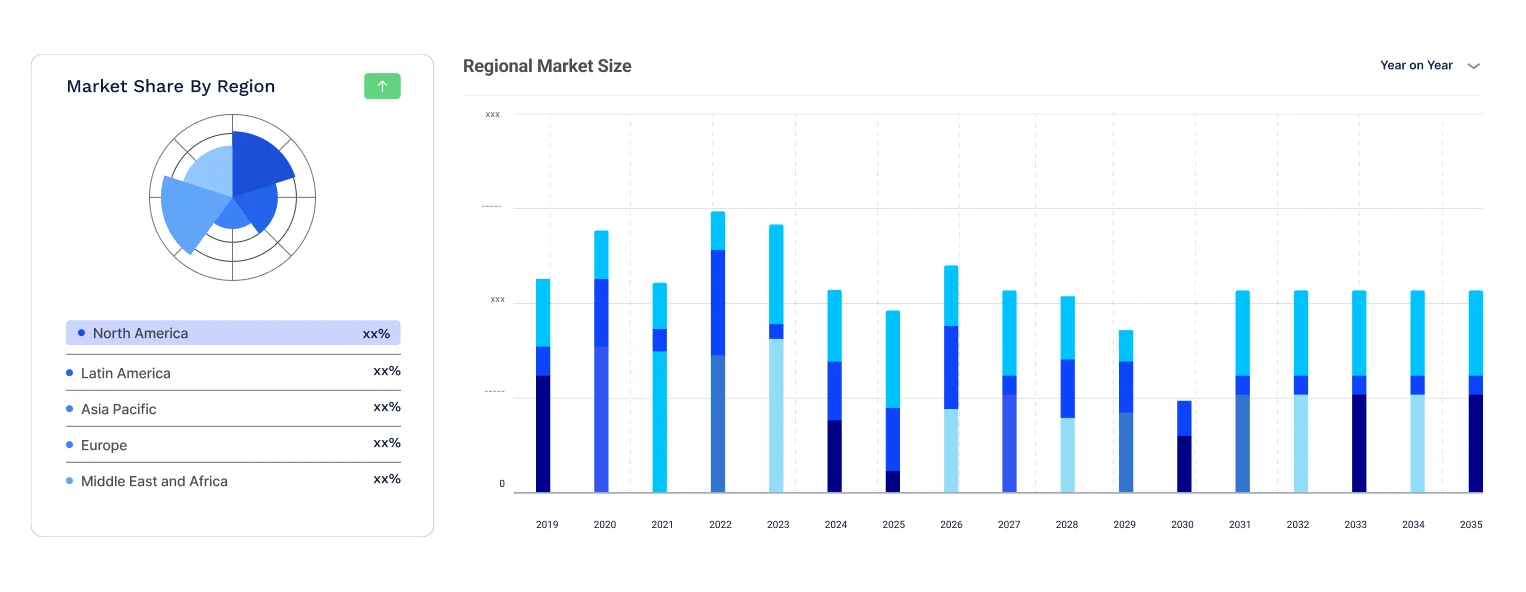

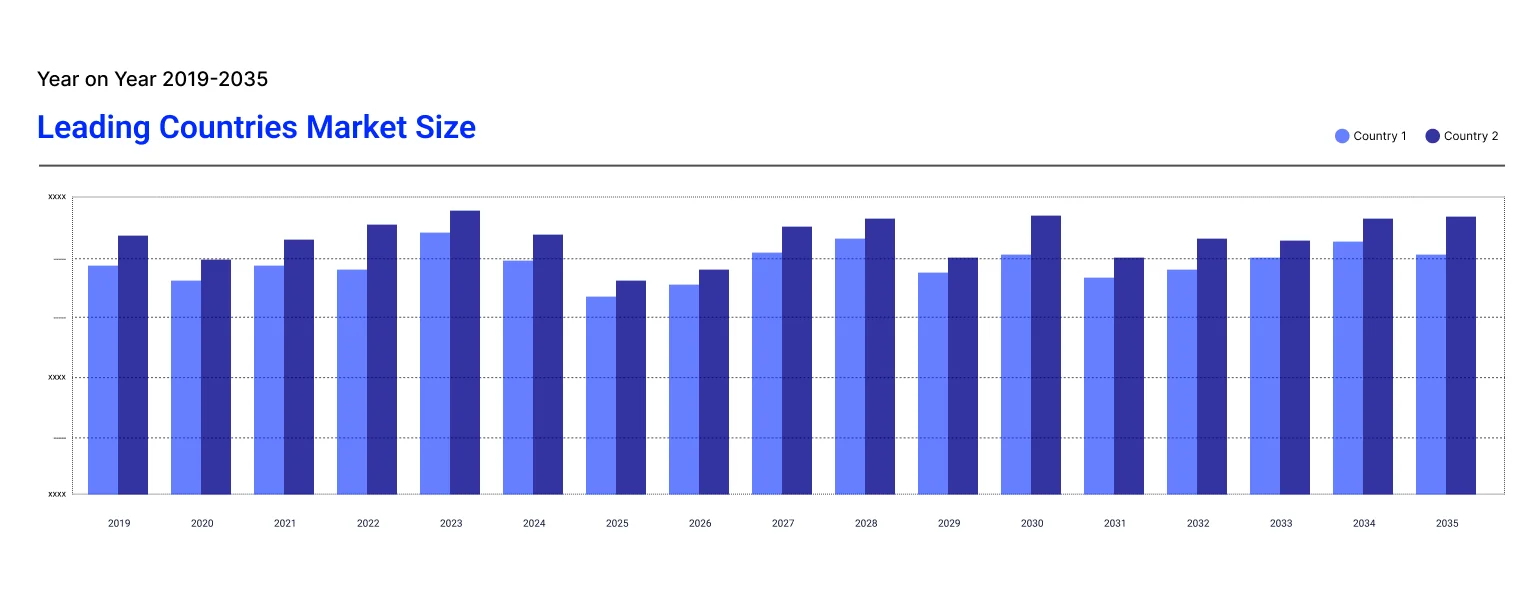
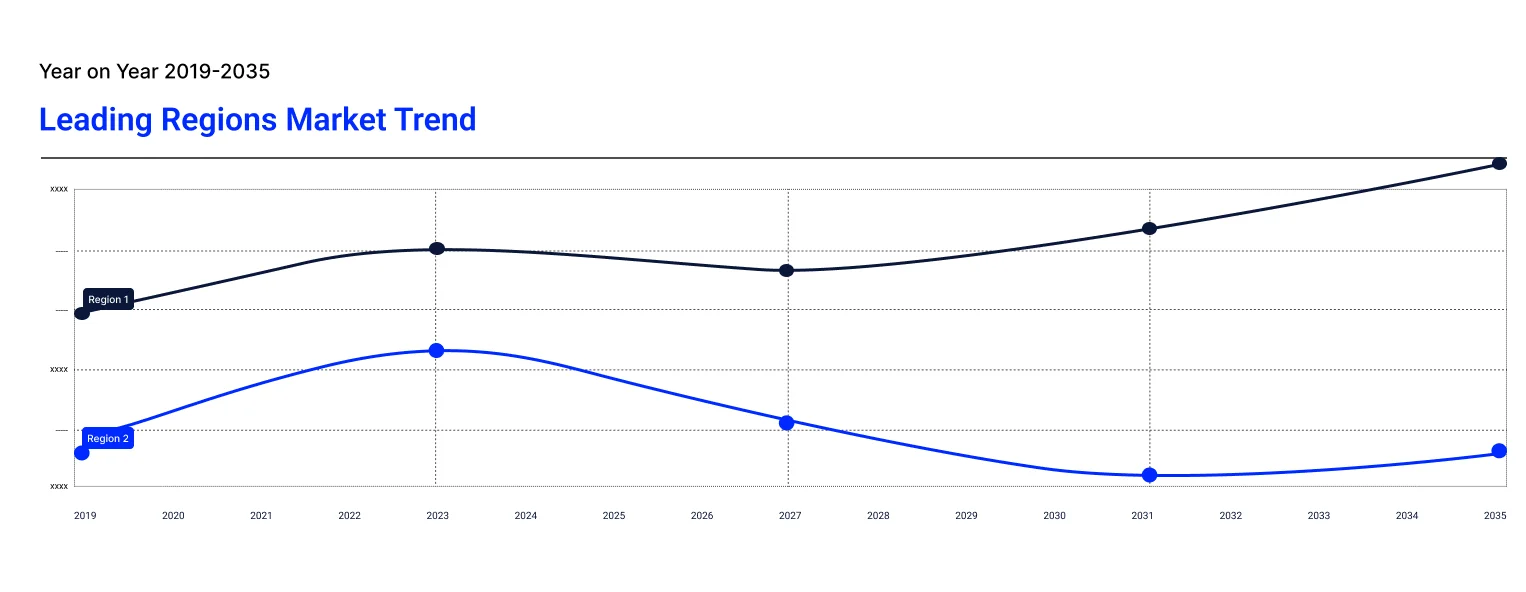
Read more about this report - REQUEST FREE SAMPLE COPY IN PDF
By propulsion type, battery electric vans dominate the market due to lower running costs and wide model availability
Battery electric vans account for the largest share of the electric van market by propulsion type, because they offer zero tailpipe emissions, lower fuel and maintenance costs, and a growing range of models from established makers and new entrants. Depot charging suits fixed delivery routes and predictable daily mileage, while city access rules favor zero-emission vehicles. In January 2026, reports showed Volkswagen's ID. Buzz sales doubling to 60,700 worldwide in 2025, with cargo variants forming about 46% of the total.
Fuel cell electric vans are the fastest-growing propulsion type from a small base, as operators running long routes or heavy daily duty cycles look for quick refueling and lower payload loss than large batteries impose. Pilot fleets, hydrogen station projects, and government funding support early adoption in selected corridors. Plug-in hybrid electric vans remain relevant for mixed urban and regional use, giving operators electric driving in cities and longer range elsewhere while charging infrastructure continues to expand across more regions.
By payload capacity, vans carrying 1 to 2 tonnes lead the market due to broad use across fleets and trades
Vans carrying 1 to 2 tonnes account for the largest share of the electric van market by payload capacity, because this class covers popular mid-size panel vans used by parcel carriers, tradespeople, utilities, and retailers. The balance of cargo volume, battery size, and city maneuverability suits most urban, suburban, and regional routes. Fleet buyers prefer standardized models that simplify maintenance, training, and replacement, and manufacturers also concentrate their widest range of body styles, battery options, and conversions in this class.
Vans with payloads up to 1 tonne are the fastest-growing payload class as compact electric models target city couriers, small businesses, and mobile services. In August 2026, Kia reported selling 13,166 PV5 vans in Europe in the first half of 2026, accounting for 37% of small electric vans according to ACEA data. Lower purchase prices, easy parking and low charging needs, and access to restricted zones support rapid uptake, while vans above 2 tonnes serve heavier loads and specialized conversions.
By application, logistics and last-mile delivery leads the market due to rising e-commerce parcel volumes
Logistics and last-mile delivery accounts for the largest share of the electric van market by application, because parcel growth, urban emission zones, and corporate sustainability and cost targets push carriers to electrify routes that start and end at depots. In July 2026, Mercedes-Benz Canada reported eSprinter electric cargo van sales of 155 units in the second quarter, up 18.3%, used mainly for regional middle-mile and last-mile delivery, while its total van deliveries in Canada fell 10.9% during the same period.
Passenger transport is the fastest-growing application as electric minibuses, shuttle vans, airport transfer vehicles, and ride service fleets replace diesel models in cities seeking cleaner public transport. Lower noise and running costs suit frequent stop-and-go operation, while tourism and hospitality operators value quiet cabins. Utilities and services use electric vans for maintenance crews and mobile workshops, and others include healthcare, education, and specialized conversions that add steady long-term demand across municipal programs, private fleets, and public procurement tenders worldwide.
Asia Pacific dominates the market due to large manufacturing capacity and strong domestic fleet demand
Asia Pacific dominates the electric van market, supported by large vehicle and battery manufacturing in China, fast e-commerce growth, and city policies favoring zero-emission delivery vehicles. Domestic makers sell competitively priced vans at large scale and are widening exports to Europe, Australia, and emerging economies. India, Japan, South Korea, and Southeast Asia add demand through small commercial vehicle electrification, urban logistics projects, and incentives that lower the upfront cost of switching for fleet operators and small businesses across the region.
Europe is the fastest-growing region as emission standards, city access rules, and strong model choice push fleets toward electric vans. In September 2026, DPD UK ordered 341 Mercedes-Benz eSprinter electric vans, lifting its British electric fleet beyond 4,000 vehicles. Stricter fleet rules in cities and wider depot charging support quick adoption. North America grows through large retail and parcel fleet programs, Latin America expands steadily from a smaller base, and the Middle East and Africa advance through pilot fleet programs.
|
CAGR 2026-2035 - Market by |
Region |
|
North America |
16.4% |
|
Europe |
19.1% |
|
Asia Pacific |
17.2% |
|
Latin America |
14.8% |
|
Middle East and Africa |
15.6% |
The global electric van companies are moderately fragmented, with established vehicle groups, Chinese manufacturers, and new entrants competing on range, payload, price, charging speed, and fleet servicing. Companies like Ford Motor Company, Stellantis N.V., Mercedes-Benz Group AG, and Renault Group lead through broad dealer networks and fleet relationships, while Volkswagen AG, BYD Company Limited, SAIC Motor Corporation Limited, Rivian Automotive, Inc., and Nissan Motor Co., Ltd. strengthen positions through focused models and regional strengths.
Leading electric van market players are focusing on larger batteries, faster charging, shared vehicle platforms, and partnerships with fleet operators and charging providers to strengthen their competitive position. Increasing emphasis on total cost of ownership, software updates, and local assembly is also enabling companies to broaden portfolios, deepen customer loyalty, and support sustained long term market growth across several regions.
Ford Motor Company, headquartered in Dearborn, Michigan, United States, was founded in 1903 and is listed on the New York Stock Exchange. The automaker produces cars, trucks, and commercial vehicles, and its Ford Pro business serves fleets with vans, software, charging, and servicing across North America, Europe, and other regions.
Stellantis N.V., headquartered in Amsterdam, the Netherlands, was formed in 2021 through the merger of Fiat Chrysler Automobiles and Groupe PSA. The multinational automaker owns brands such as Peugeot, Citroën, Fiat, Opel, and Jeep, and sells commercial vehicles to businesses and public fleets across Europe and other regions.
Mercedes-Benz Group AG, headquartered in Stuttgart, Germany, traces its roots to 1926 and is listed on the Frankfurt Stock Exchange. The company builds passenger cars and vans, and its vans division supplies delivery, passenger, and conversion models to delivery companies, trade businesses, and rental firms in many countries.
Renault Group, headquartered in Boulogne-Billancourt, France, was founded in 1899 and is listed on Euronext Paris. The automaker sells cars and light commercial vehicles under Renault, Dacia, and Alpine, and works with partners on electric platforms for vans sold to businesses, public bodies, and delivery operators across Europe.
Other key players in the market report include Volkswagen AG, BYD Company Limited, SAIC Motor Corporation Limited, Rivian Automotive, Inc., and Nissan Motor Co., Ltd., among others.
*Please note that this is only a partial list; the complete list of key players is available in the full report. Additionally, the list of key players can be customized to better suit your needs.*
Explore the latest trends shaping the electric van market 2026-2035 with our in-depth report. Gain strategic insights, future forecasts, and key market developments that can help you stay competitive. Download a free sample report or contact our team for customized consultation on the market trends 2026.


Upto 15% Off
USD
$2499 $2249
$3999 $3599
$4999 $4249
$5999 $5099


*While we strive to always give you current and accurate information, the numbers depicted on the website are indicative and may differ from the actual numbers in the main report. At Expert Market Research, we aim to bring you the latest insights and trends in the market. Using our analyses and forecasts, stakeholders can understand the market dynamics, navigate challenges, and capitalize on opportunities to make data-driven strategic decisions.*
In 2025, the electric van market reached an approximate value of USD 12.40 Billion.
The market is projected to grow at a CAGR of 17.00% between 2026 and 2035.
The key players in the market include Ford Motor Company, Stellantis N.V., Mercedes-Benz Group AG, Renault Group, Volkswagen AG, BYD Company Limited, SAIC Motor Corporation Limited, Rivian Automotive, Inc., and Nissan Motor Co., Ltd., among others.
Leading companies are pursuing bigger battery packs, quicker charging, fleet partnerships, and wider regional production to deepen adoption.
Key challenges include high purchase prices, limited depot and public charging access, payload and range trade-offs, and uncertainty over incentives and regulation.
Explore our key highlights of the report and gain a concise overview of key findings, trends, and actionable insights that will empower your strategic decisions.
|
Report Features |
Details |
|
Base Year |
2025 |
|
Historical Period |
2019-2025 |
|
Forecast Period |
2026-2035 |
|
Scope of the Report |
Historical and Forecast Trends, Industry Drivers and Constraints, Historical and Forecast Market Analysis by Segment:
|
|
Breakup by Propulsion Type |
|
|
Breakup by Payload Capacity |
|
|
Breakup by Application |
|
|
Breakup by Region |
|
|
Market Dynamics |
|
|
Competitive Landscape |
|
|
Companies Covered |
|
Datasheet
One User
USD 2,499
USD 2,249
tax inclusive*
Single User License
One User
USD 3,999
USD 3,599
tax inclusive*
Five User License
Five User
USD 4,999
USD 4,249
tax inclusive*
Corporate License
Unlimited Users
USD 5,999
USD 5,099
tax inclusive*
*Please note that the prices mentioned below are starting prices for each bundle type. Kindly contact our team for further details.*
Flash Bundle
Small Business Bundle
Growth Bundle
Enterprise Bundle
*Please note that the prices mentioned below are starting prices for each bundle type. Kindly contact our team for further details.*
Flash Bundle
Number of Reports: 3
20%
tax inclusive*
Small Business Bundle
Number of Reports: 5
25%
tax inclusive*
Growth Bundle
Number of Reports: 8
30%
tax inclusive*
Enterprise Bundle
Number of Reports: 10
35%
tax inclusive*
How To Order

Select License Type
Choose the right license for your needs and access rights.

Click on ‘Buy Now’
Add the report to your cart with one click and proceed to register.

Select Mode of Payment
Choose a payment option for a secure checkout. You will be redirected accordingly.
Strategic Solutions for Informed Decision-Making
Gain insights to stay ahead and seize opportunities.
Get insights & trends for a competitive edge.

Track prices with detailed trend reports.

Analyse trade data for supply chain insights.

Leverage cost reports for smart savings

Enhance supply chain with partnerships.

Connect For More Information
Our expert team of analysts will offer full support and resolve any queries regarding the report, before and after the purchase.
Our expert team of analysts will offer full support and resolve any queries regarding the report, before and after the purchase.
We employ meticulous research methods, blending advanced analytics and expert insights to deliver accurate, actionable industry intelligence, staying ahead of competitors.
Our skilled analysts offer unparalleled competitive advantage with detailed insights on current and emerging markets, ensuring your strategic edge.
We offer an in-depth yet simplified presentation of industry insights and analysis to meet your specific requirements effectively.