

Consumer Insights
Uncover trends and behaviors shaping consumer choices today
Procurement Insights
Optimize your sourcing strategy with key market data
Industry Stats
Stay ahead with the latest trends and market analysis.
The Europe IoT security market reached around USD 2.22 Billion in 2025. The market is projected to grow at a CAGR of 24.20% between 2026 and 2035 to reach nearly USD 19.39 Billion by 2035.
Compound Annual Growth Rate
24.2%
Value in USD Billion
2026-2035
| Europe IoT Security Market Report Summary | Description | Value |
| Base Year | USD Billion | 2025 |
| Historical Period | USD Billion | 2019-2025 |
| Forecast Period | USD Billion | 2026-2035 |
| Market Size 2025 | USD Billion | 2.22 |
| Market Size 2035 | USD Billion | 19.39 |
| CAGR 2019-2025 | Percentage | XX% |
| CAGR 2026-2035 | Percentage | 24.20% |
| CAGR 2026-2035 - Market by Country | United Kingdom | 24.7% |
| CAGR 2026-2035 - Market by Country | Germany | 24.4% |
| CAGR 2026-2035 - Market by Deployment Mode | Cloud | 25.7% |
| CAGR 2026-2035 - Market by Organization Size | Small and Medium Enterprise (SMEs) | 24.8% |
| 2025 Market Share by Country | United Kingdom | 18.1% |
In 2021, a total of 474 million individuals in Europe, representing 86% of the population, were utilising mobile services, with projections indicating an increase to 480 million by 2025. Reportedly, the average adoption rate of 5G technology across Europe is anticipated to reach 44% by 2025. The United Kingdom and Germany are expected to lead in 5G adoption rates, with estimates of 61% and 59%, respectively.
The deployment of 5G technology throughout Europe is promoting the expansion of IoT ecosystems by providing quicker and more dependable connections. However, this advancement also broadens the potential attack surface, highlighting the need for strong IoT security measures to safeguard emerging networks and interconnected devices.
The adoption of IoT security systems in e-government plays a crucial role in safeguarding sensitive information, ensuring the uninterrupted delivery of public services, thwarting cyber threats to critical infrastructure, preserving public trust, and adhering to data protection laws. In 2022, 42% of individuals in the European Union who accessed the internet in the preceding year utilised it to gather information from the websites of public authorities. This percentage exhibits considerable variation among EU member states. In 13 of these countries, more than 50% of the population accessed such websites for information, with Finland (79%), Denmark (74%), and the Netherlands (73%) at the forefront. Consequently, implementing robust IoT security protocols significantly bolsters the resilience and dependability of e-government initiatives.
The European Union Agency for Cybersecurity (ENISA) launched the initial operating capability of its Cyber Resilience Act (CRA) Single Reporting Platform on September 11, 2026. The platform provides a common electronic mechanism for manufacturers and relevant open-source software stewards to report actively exploited vulnerabilities and severe incidents affecting products with digital elements. The CRA reporting obligations became applicable on the same date, requiring an early warning within 24 hours for relevant incidents. The platform strengthens coordinated vulnerability reporting across the EU and is particularly significant for connected and IoT products that require continuous cybersecurity monitoring throughout their lifecycle.
German cybersecurity company asvin and 11 European research, industry and higher-education partners completed the DOSS (Design and Operation of Secure IoT Supply Chain) project in September 2026. The consortium developed a Supply Trust Chain architecture and an IoT Cybersecurity Passport designed to strengthen security across IoT supply chains. The solution was tested in practical environments and provides reference architecture, implementation tools and technical guidance for organisations assessing and demonstrating compliance with European cybersecurity requirements, including the CRA. The project covers six European countries and reflects growing attention to device identity, supply-chain security and regulatory compliance in connected-device ecosystems.
The European Commission published new Cyber Resilience Act implementation guidance on July 27, 2026, helping manufacturers, developers and businesses understand how the regulation applies to connected products. The guidance clarifies product scope, substantial modifications, cybersecurity support periods, reporting obligations and risk-assessment requirements, while also addressing implementation challenges faced by microenterprises and SMEs. For IoT manufacturers operating in Europe, the guidance provides greater clarity on how cybersecurity requirements need to be incorporated into product development and lifecycle management. The main CRA cybersecurity obligations will apply from December 11, 2027, while vulnerability and severe-incident reporting obligations began in September 2026.
Open Systems and Nozomi Networks announced a strategic partnership on April 30, 2026, expanding cybersecurity capabilities for operational technology, IoT and cyber-physical environments across Europe and global markets. Open Systems became a preferred provider and distributor of Nozomi Networks' security solutions, integrating and reselling its platform as part of broader IT, OT and IoT protection services. The partnership combines Open Systems' co-managed SASE and Zero Trust capabilities with Nozomi Networks' specialised OT, IoT and CPS security technologies. The development highlights increasing integration of IoT security with wider enterprise and industrial cybersecurity architectures.
European IoT security is increasingly being shaped by mandatory cybersecurity requirements rather than voluntary best practices. This is due to the existence of the EU Cyber Resilience Act which sets cybersecurity requirements for any product containing digital components throughout its lifespan, with the obligations set forth taking effect from 11 December 2027. In addition to this, ENISA runs the CRA Single Reporting Platform to report actively exploited vulnerabilities and incidents that occur in connection with the use of connected products. NIS2 is further strengthening this environment for organizations working within critical sectors through cybersecurity requirements and reporting obligations. According to ENISA's NIS360 assessment conducted in 2026, there was an improvement in cybersecurity maturity in EU critical sectors, although progress remained uneven because of skills shortages and differences between sectors and organisations. These developments are encouraging IoT manufacturers and operators to incorporate security into product design, vulnerability management, software updates and lifecycle support.
European organisations are increasingly directing cybersecurity expenditure toward specialised technologies and external services, creating opportunities for IoT security platforms, monitoring tools and managed protection. ENISA's 2025 NIS Investments study, based on 1,080 organisations across EU Member States and high-criticality sectors, found that information-security spending remained around 9% of IT budgets, with a median of €1.5 million. The study also found that investment was shifting from internal personnel toward technology and outsourcing. Compliance was identified as the main investment consideration by 70% of surveyed organisations. For IoT environments, this supports demand for automated vulnerability management, device monitoring, network protection and security services capable of covering large numbers of connected endpoints.
As the interconnectivity of European digital ecosystems is becoming more prevalent, continuous monitoring becomes more important than ever as opposed to temporary device protection. According to the ENISA's 2026 Threat Landscape, 73% of the targeted organisations from the 2025 incident database belong to essential and important entities in accordance with the NIS2 directive. 7% of the targeted companies worked in the manufacturing industry, while 8% in the transport industry, which have an increased number of connected devices within their operations.At the enterprise level, Eurostat reported that 22% of EU businesses experienced ICT security incidents in 2024, while 93% used at least one ICT security measure. This environment is supporting greater use of network monitoring, anomaly detection, vulnerability assessment and automated security controls for connected devices throughout their operational lifecycles.
IoT security is increasingly extending beyond individual devices to encompass suppliers, software components and connected infrastructure. NIS2 specifically encourages stronger attention to supply-chain security and vulnerability management, while the CRA introduces cybersecurity responsibilities for products with digital elements across their lifecycle. This is significant because IoT devices frequently depend on third-party firmware, cloud platforms, connectivity providers and software components. ENISA's 2026 Threat Landscape states that growing cyber dependencies are expanding the EU's attack surface. The European cybersecurity environment is therefore placing greater emphasis on identifying dependencies, managing vulnerabilities and establishing security requirements across connected-product supply chains. For IoT manufacturers, this can increase demand for software-component inventories, secure development processes, supplier assessments and vulnerability disclosure mechanisms.
Artificial intelligence is becoming increasingly relevant to European IoT security as both a defensive technology and an emerging cybersecurity threat. ENISA's 2026 Threat Landscape identified emerging AI models as an area expected to increasingly support malicious operations, adding another dimension to the threat environment. At the same time, AI-based analysis can help security teams identify unusual device behaviour, analyse large volumes of network events and prioritise vulnerabilities across extensive connected-device estates. This is particularly relevant for industrial IoT environments where organisations may need to monitor large numbers of machines, sensors and controllers continuously. As European cybersecurity investment increasingly shifts toward technology and services, AI-enabled detection and automated response capabilities are likely to become more integrated into IoT security architectures.
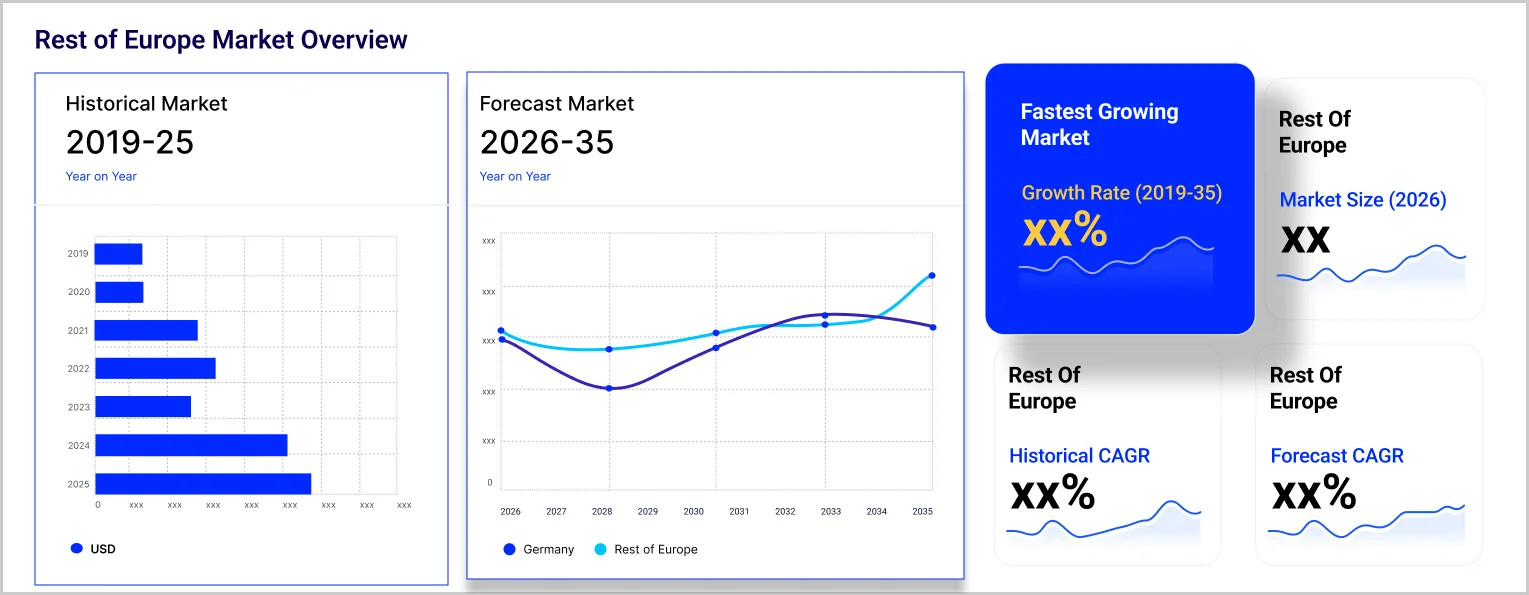
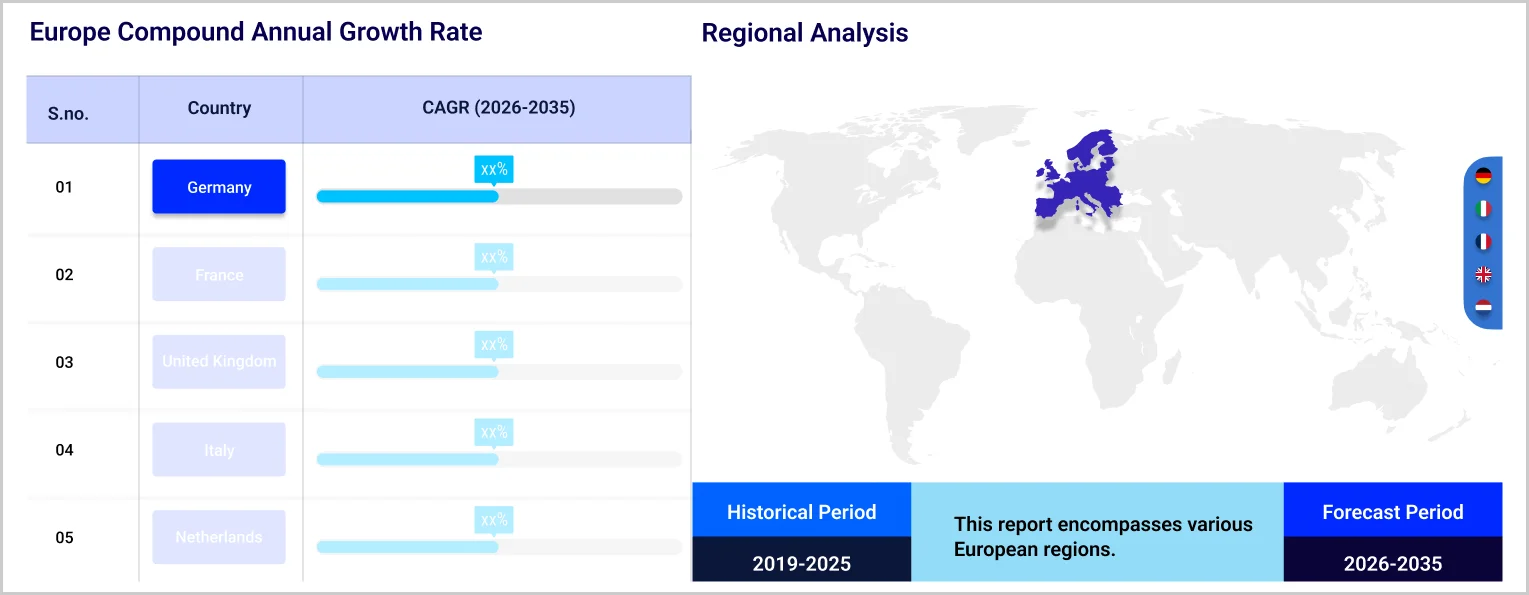
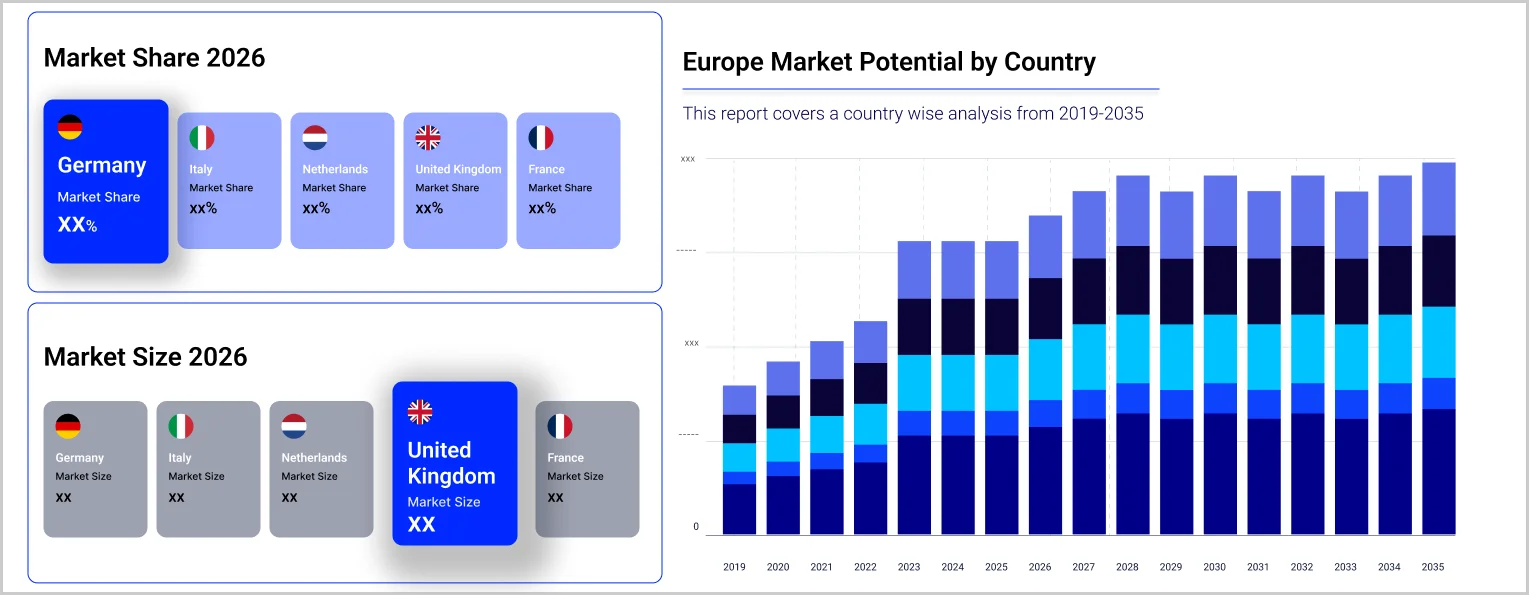
The rapid proliferation of interconnected devices across various sectors is significantly driving the demand for robust security measures. As these sectors increasingly rely on the Internet of Things (IoT) and smart technologies to enhance efficiency, streamline operations, and improve service delivery, the volume of sensitive information being transmitted and processed has surged, consequently driving the demand for IoT security solutions.
Additionally, the rapid advancement of digital transformation in multiple sectors is driving the widespread use of IoT devices in various operations. This digital shift requires enhanced security measures to protect these devices, maintain data privacy, and comply with regulatory standards.
Europe IoT Security Market Report and Forecast 2026-2035 offers a detailed analysis of the market based on the following segments:
Market Breakup by Component
Market Breakup by Deployment Mode
Market Breakup by Organisation Size
Market Breakup by Security
Market Breakup by Industry Vertical
Market Breakup by Country
| CAGR 2026-2035 - Market by | Country |
| United Kingdom | 24.7% |
| Germany | 24.4% |
| France | XX% |
| Italy | XX% |
| Others | XX% |
Based on the organisation size, the market is segmented into large enterprises and small and medium enterprise (SMEs). The small and medium enterprise segment is projected to grow at a CAGR of 24.8% during the forecast period of 2026-2035. The security of Internet of Things (IoT) devices is of paramount importance for small and medium enterprises (SMEs), as these organisations frequently manage sensitive information such as customer data, financial records, and proprietary business information.
Major players are focusing on the adoption of technological advancements to gain a competitive edge in the market.
The comprehensive report looks into the macro and micro aspects of the market. The EMR report gives an in-depth insight into the market by providing a SWOT analysis as well as an analysis of Porter’s Five Forces model.


Upto 15% Off
USD
$2499 $2249
$3999 $3599
$4999 $4249
$5999 $5099


*While we strive to always give you current and accurate information, the numbers depicted on the website are indicative and may differ from the actual numbers in the main report. At Expert Market Research, we aim to bring you the latest insights and trends in the market. Using our analyses and forecasts, stakeholders can understand the market dynamics, navigate challenges, and capitalize on opportunities to make data-driven strategic decisions.*
In 2025, the market attained a value of nearly USD 2.22 Billion.
The market is assessed to grow at a CAGR of 24.20% between 2026 and 2035.
The market is estimated to reach around USD 19.39 Billion by 2035.
The market is being driven by the increased cybersecurity threats and growing adoption of IoT in key sectors.
The key trends aiding the market expansion include the rapid adoption of the 5G network and swift digital transformation.
The major industry verticals in the market are BFSI, government, healthcare and life sciences, energy and power, and manufacturing, among others.
The major countries considered in the market are the United Kingdom, Germany, France, and Italy, among others.
The major players in the market are IBM Corporation, Cisco Systems Inc., Broadcom Inc., Intel Corp., HP Inc., Fortinet Inc., AT&T Inc., Infineon Technologies AG, Palo Alto Networks Inc., Thales S.A. (Gemalto), and Sophos Ltd., among others.
Explore our key highlights of the report and gain a concise overview of key findings, trends, and actionable insights that will empower your strategic decisions.
| REPORT FEATURES | DETAILS |
| Base Year | 2025 |
| Historical Period | 2019-2025 |
| Forecast Period | 2026-2035 |
| Scope of the Report |
Historical and Forecast Trends, Industry Drivers and Constraints, Historical and Forecast Market Analysis by Segment
|
| Breakup by Offering |
|
| Breakup by Deployment Mode |
|
| Breakup by Organisation Size |
|
| Breakup by Security |
|
| Breakup by Industry Vertical |
|
| Breakup by Region |
|
| Market Dynamics |
|
| Competitive Landscape |
|
| Companies Covered |
|
Datasheet
One User
USD 2,499
USD 2,249
tax inclusive*
Single User License
One User
USD 3,999
USD 3,599
tax inclusive*
Five User License
Five User
USD 4,999
USD 4,249
tax inclusive*
Corporate License
Unlimited Users
USD 5,999
USD 5,099
tax inclusive*
*Please note that the prices mentioned below are starting prices for each bundle type. Kindly contact our team for further details.*
Flash Bundle
Small Business Bundle
Growth Bundle
Enterprise Bundle
*Please note that the prices mentioned below are starting prices for each bundle type. Kindly contact our team for further details.*
Flash Bundle
Number of Reports: 3
20%
tax inclusive*
Small Business Bundle
Number of Reports: 5
25%
tax inclusive*
Growth Bundle
Number of Reports: 8
30%
tax inclusive*
Enterprise Bundle
Number of Reports: 10
35%
tax inclusive*
How To Order

Select License Type
Choose the right license for your needs and access rights.

Click on ‘Buy Now’
Add the report to your cart with one click and proceed to register.

Select Mode of Payment
Choose a payment option for a secure checkout. You will be redirected accordingly.
Strategic Solutions for Informed Decision-Making
Gain insights to stay ahead and seize opportunities.

Get insights & trends for a competitive edge.

Track prices with detailed trend reports.

Analyse trade data for supply chain insights.

Leverage cost reports for smart savings

Enhance supply chain with partnerships.

Connect For More Information
Our expert team of analysts will offer full support and resolve any queries regarding the report, before and after the purchase.
Our expert team of analysts will offer full support and resolve any queries regarding the report, before and after the purchase.
We employ meticulous research methods, blending advanced analytics and expert insights to deliver accurate, actionable industry intelligence, staying ahead of competitors.
Our skilled analysts offer unparalleled competitive advantage with detailed insights on current and emerging markets, ensuring your strategic edge.
We offer an in-depth yet simplified presentation of industry insights and analysis to meet your specific requirements effectively.




