

Consumer Insights
Uncover trends and behaviors shaping consumer choices today
Procurement Insights
Optimize your sourcing strategy with key market data
Industry Stats
Stay ahead with the latest trends and market analysis.
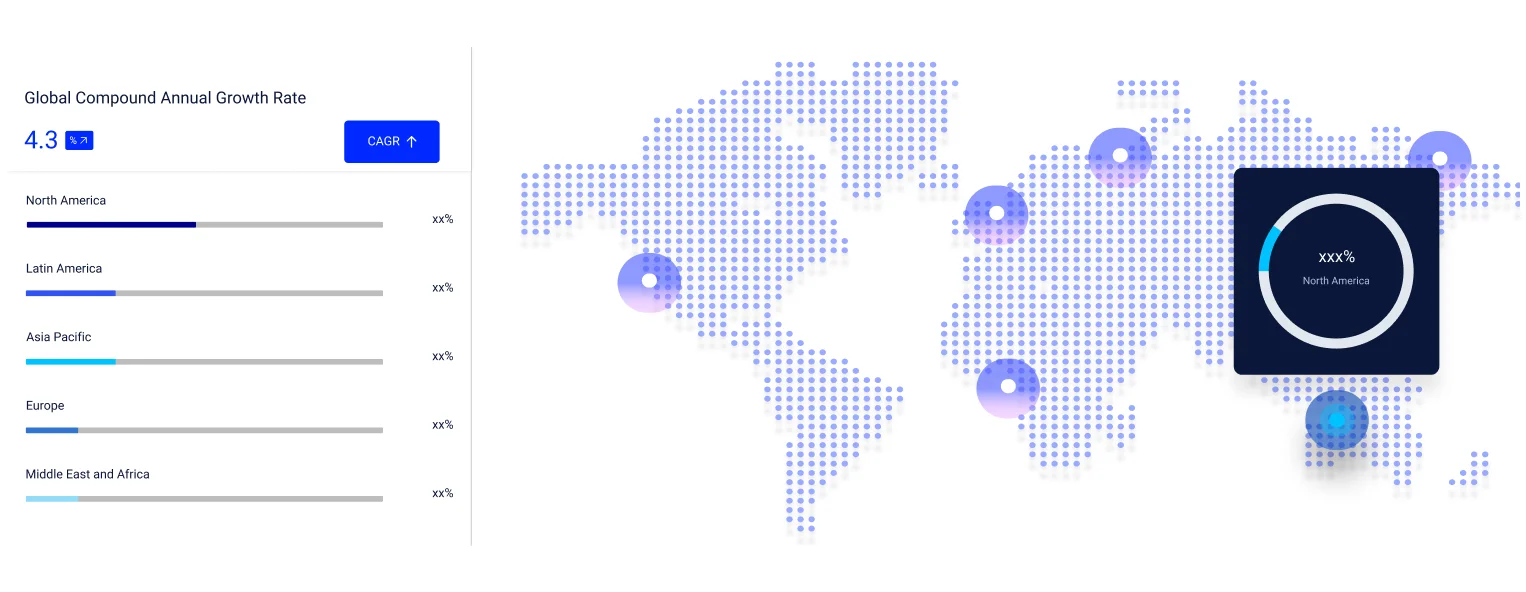
The global high-density polyethylene (HDPE) market size attained a value of USD 82.71 Billion in 2025. The industry is expected to grow at a CAGR of 4.00% during the forecast period of 2026-2035. By 2035, the market is expected to reach USD 122.43 Billion.
Additionally, increasing awareness against single-use plastics is expected to further build up an already omnipresent ecosystem for HDPE, and, in turn, benefit the high-density polyethylene manufacturers. Moreover, the meteoric rise of the e-commerce industry as one of the most suitable shopping options has caused a sharp surge in the demand for packaging raw materials, such as high-density polyethylene. Major brands, including Coca-Cola, PepsiCo, and Unilever, are pledging to incorporate up to 100% recycled or bio-based content in their packaging by 2030. For example, in March 2024, Stina Inc. launched PlasticTubeRecycling.org to promote the recyclability of HDPE squeeze tubes in the U.S., aligning with consumer demand for sustainable packaging. This will positively affect the high-density polyethylene (HDPE) market outlook in the forecast period.
Furthermore, the increasing construction activities and rapid urbanisation across the globe is likely to augment the high-density polyethylene market growth. According to Global Construction Perspectives and Oxford Economics, the global volume of construction is expected to increase by 85% by 2030. This growth would be particularly driven by countries like India, USA, and China, which are estimated to contribute around 57% to the total market value.
Compound Annual Growth Rate
4%
Value in USD Billion
2026-2035
Read more about this report - REQUEST FREE SAMPLE COPY IN PDF
SABIC continued preparations for the planned startup of its Fujian Petrochemical Complex in China in the second half of 2026. The integrated complex is expected to expand SABIC’s local production portfolio, including polyethylene products, with an HDPE unit among the planned facilities. SABIC showcased products from the complex at CHINAPLAS 2026, highlighting the company’s intention to strengthen localised polymer supply for Chinese customers. The development adds new polyethylene capacity to the Asian market and supports applications across packaging and other downstream manufacturing sectors.
Nayara Energy selected Univation Technologies’ UNIPOL PE Process technology for a new 650,000 tonne per year polyethylene facility at its Vadinar complex in Gujarat, India. The project is designed to produce both HDPE and LLDPE grades, expanding Nayara Energy’s downstream polymer capabilities. The additional capacity is intended to serve growing domestic and regional demand for polyethylene products used in packaging, pipes, containers and other applications. The investment represents a significant expansion of India’s polyethylene production base and is expected to strengthen the availability of locally manufactured HDPE grades.
Recove Ventures signed a 10-year memorandum of understanding with the Government of Maharashtra in May 2026 to develop an organised HDPE and PP recycling network across the state. The company plans to invest more than INR 500 crore in recycling and circular manufacturing infrastructure. Its first major project is an advanced recycling facility at Jalgaon MIDC with planned capacity of 1,100 tonnes per month and commissioning targeted for December 2026. The initiative is expected to strengthen collection, processing and recycling infrastructure for polyethylene waste while increasing the availability of recycled material for downstream applications.
LyondellBasell highlighted its development of low-sag HDPE pipe materials in March 2026 as part of its customer-driven polymer research programme. The material development addresses applications where pipe stiffness, dimensional stability and long-term performance are important. LyondellBasell’s Cincinnati Technology Center is supporting polymer development and testing for infrastructure applications, including water, drainage, conduit and renewable-energy installations. The company is also investigating greater use of post-consumer recycled content in infrastructure polymers and larger-diameter pipe solutions. These developments demonstrate continued efforts to improve HDPE performance while incorporating sustainability considerations into infrastructure applications.
The HDPE market is increasingly incorporating recycled polyethylene as converters respond to sustainability targets and regulatory requirements. Recycled HDPE is gaining applications in bottles, containers, pipes and other products where performance specifications allow the use of post-consumer or post-industrial material. In 2026, recycled PE pricing also became more competitive against virgin material in several regions, improving the commercial case for recycled resin. European packaging regulations are further strengthening demand for recycled content, encouraging resin producers to expand mechanical and advanced recycling capabilities. This trend is pushing HDPE producers toward greater integration of recycled feedstocks within conventional polyethylene portfolios.
Investment in HDPE recycling capacity is becoming a major market trend as producers and packaging companies seek more reliable supplies of recycled resin. New recycling projects are increasingly targeting high-quality material suitable for demanding applications, including packaging. Companies are developing mechanical and advanced recycling technologies to improve material recovery from difficult waste streams and increase the consistency of recycled polyethylene. SABIC, for example, has developed advanced recycling capabilities using pyrolysis oil derived from post-consumer mixed plastic waste as an alternative feedstock. These developments are gradually connecting waste collection, recycling, resin production and downstream conversion into a more integrated circular HDPE value chain.
Lightweighting remains an important development across HDPE packaging as manufacturers seek to reduce material consumption without compromising mechanical performance. Resin suppliers are developing grades that enable thinner walls and lower package weights while maintaining stiffness, impact resistance and processability. This is particularly relevant for bottles, jerry cans, industrial containers and household packaging. Borouge, for example, has developed HDPE grades for mid-to-large containers designed to provide lightweight alternatives to heavier packaging materials. Lightweight HDPE can reduce raw-material requirements and transportation weight while retaining the durability and chemical resistance that make polyethylene suitable for demanding packaging applications.
HDPE is seeing continued development for infrastructure applications such as water pipes, drainage systems, conduit and renewable-energy infrastructure. The material’s chemical resistance, flexibility, corrosion resistance and long service life support its use as an alternative to conventional infrastructure materials. Producers are also working on grades with improved stiffness and dimensional stability for larger-diameter and demanding pipe applications. LyondellBasell has highlighted low-sag HDPE materials for pipe applications, including water, drainage, conduit and renewable-energy installations. Growing infrastructure requirements are therefore encouraging resin producers to develop specialised HDPE grades rather than relying exclusively on standard-purpose polyethylene materials.
HDPE producers are expanding beyond conventional fossil-based resin through bio-based and circular feedstock solutions. Bio-based HDPE can use renewable feedstocks while maintaining characteristics comparable to conventional polyethylene, creating opportunities in applications such as hygiene products and packaging. At the same time, chemically recycled feedstocks are being incorporated into certified circular polyethylene products. Braskem introduced a bio-based HDPE grade for nonwoven applications, while SABIC continues developing circular and bio-based solutions through its TRUCIRCLE portfolio. These developments indicate that sustainability in the HDPE market is increasingly extending beyond recycling to include renewable feedstocks and alternative raw-material pathways.

Read more about this report - REQUEST FREE SAMPLE COPY IN PDF
The Expert Market Research's report titled “Global High-Density Polyethylene (HDPE) Market Report and Forecast 2026-2035” offers a detailed analysis of the market based on the following segments:
Market Breakup by Application
Key Insight: Film and sheet segment accounted for the largest share in historical period and the growth of this segment is driven by the increasing demand for flexible and durable packaging materials, especially in the food and beverage, personal care, and pharmaceutical sectors. The food and beverage industry are a major consumer of HDPE films for pouching, wrapping, and bagging. These films offer excellent moisture barrier properties and mechanical strength.
Market Breakup by Feedstock
Key Insight: Naphtha is a liquid hydrocarbon mixture derived from crude oil or coal tar, while natural gas is a gaseous mixture of hydrocarbons, mainly methane. Naphtha-based HDPE is produced by cracking naphtha in the presence of steam at high temperatures and pressures. It has a higher production cost than natural gas-based HDPE, as naphtha is more expensive and requires more energy for cracking. However, naphtha-based HDPE has a wider range of molecular weights and densities, which allows for more flexibility and versatility in product applications. Naphtha segment is anticipated to lead the high-density polyethylene (HDPE) market share, especially in regions where naphtha is readily available, such as Asia Pacific and Europe.
Market Breakup by Manufacturing Process
Key Insight: The gas phase process in the high-density polyethylene (HDPE) market is favored for its cost efficiency and operational simplicity, especially in regions with access to abundant ethylene feedstock. It enables flexible production of HDPE grades with different densities and molecular weights, which makes it well-suited for packaging applications like films and bottles. Its low energy consumption and ease of process control continue to make it a reliable option for producers in emerging markets and integrated petrochemical setups.
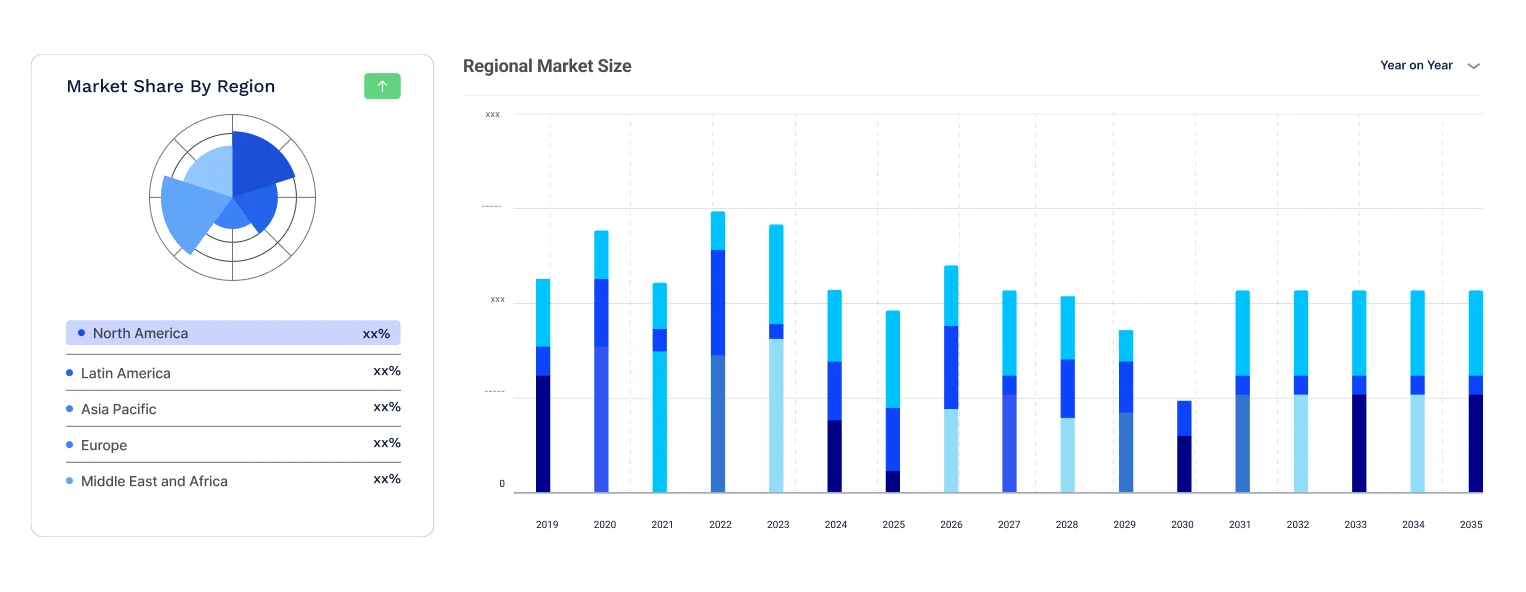
Market Breakup by Region
Key Insight: Asia Pacific is expected to witness a robust high-density polyethylene (HDPE) market growth over the forecast period both in terms of consumption and production. The growth can be attributed to the region’s already high and ever-growing population and the rapidly developing packaging and construction industries. Government initiatives like "Make in India" are boosting domestic manufacturing, leading to increased HDPE consumption, particularly in packaging and infrastructure. Furthermore, a major chunk of world’s HDPE producing units are in the Asia Pacific region.
Blow Moulding and Pipes and Profiles Applications Occupy a Large Share in the Market
The blow moulding segment in high-density polyethylene (HDPE) market includes products such as bottles, containers, drums, and tanks that are formed by blowing air into a hollow plastic tube. The growth of this segment is fuelled by the rising demand for blow moulded HDPE in the packaging of liquids, such as milk, juices, water, detergents, etc. Consumer and regulatory pressure for sustainable packaging is boosting bio-based and recycled HDPE use in blow moulding. Companies like Braskem are producing bio-based HDPE bottles from sugarcane ethanol, offering a lower carbon footprint.
Moreover, the HDPE pipes and profiles are used for water supply, sewage, gas distribution, irrigation, drainage, etc. There is a high demand for HDPE pipes in polyethylene market due to the superior properties of HDPE pipes and profiles, such as corrosion resistance, flexibility, durability, low maintenance, etc. Rapid urbanization and infrastructure projects, particularly in Asia-Pacific and North America, are driving demand for HDPE pipes. As of December 2024, U.S. construction spending was estimated at a seasonally adjusted annual rate of USD 2.096 trillion, with significant investments in water and sewage systems boosting HDPE pipe adoption.
Natural Gas-based HDPE Leads the Market Due to Its Lower Production Cost
Natural gas-based HDPE is produced by cracking natural gas in the presence of oxygen or air at high temperatures and pressures. The ethylene produced is then polymerised with catalysts to form HDPE. Natural gas-based HDPE has a lower production cost than naphtha-based HDPE, as natural gas is cheaper and requires less energy for cracking. However, natural gas-based HDPE has a narrower range of molecular weights and densities, which limits its product applications. The natural gas-based HDPE segment of high-density polyethylene (HDPE) market is demanded mainly in regions where natural gas is abundant, such as North America and the Middle East.
Slurry and Solution Methods are Driving the Global Demand
The slurry process is one of the oldest and most established techniques in HDPE manufacturing, widely adopted by producers across North America and the Middle East. It is preferred for generating high-stiffness HDPE used in pipes, blow-molded containers, and industrial drums. The process is also compatible with loop reactor systems, allowing continuous and high-volume production. As infrastructure development picks up across Asia and Africa, the demand for slurry-based HDPE pipe-grade resin is expected to remain high, thereby boosting the demand of the high-density polyethylene (HDPE) market.
The solution process is known for producing HDPE with excellent clarity and superior environmental stress crack resistance. This method supports the production of premium grades of HDPE that go into high-performance film and consumer packaging. Although more complex and energy-intensive than other processes, it offers greater flexibility in polymer design, making it attractive for specialty applications, especially in developed markets like Japan, South Korea, and Western Europe where quality consistency is prioritized.
Read more about this report - REQUEST FREE SAMPLE COPY IN PDF
Regulation and Innovation Are Shaping HDPE Demand in North America and Europe
The high-density polyethylene (HDPE) market in North American region is expected to witness a moderate growth rate, owing to the mature end-use sectors and the stringent environmental regulations. However, the increasing shale gas production and the development of bio-based HDPE are expected to create new opportunities for the market players. The United States is the leading market in this region, followed by Canada and Mexico. In June 2024, Winsupply Inc. acquired Forge PolyFab, a U.S.-based manufacturer of HDPE fabricated products, to produce sustainable PE fittings for infrastructure projects. This acquisition reflects growing demand for HDPE pipes in U.S. construction.
Europe high-density polyethylene (HDPE) market is also expected to exhibit a moderate growth rate, due to the saturation of the end-use markets and the economic slowdown in some countries. However, the rising demand for HDPE in the medical sector and the growing adoption of recycled HDPE are expected to boost market. Germany, France, Italy, and the United Kingdom are the major markets in this region. Europe’s stringent environmental regulations, such as the EU’s Circular Economy Action Plan and the Packaging and Packaging Waste Regulation (PPWR), are driving the adoption of recycled HDPE. The PPWR sets ambitious targets, requiring an additional 2 million tonnes of HDPE and PP recycling capacity by 2030 and 5.7 million tonnes by 2040 to meet recycled content mandates.
Leading HDPE manufacturers are expanding production capacities and investing in advanced polymer technologies to meet rising global demand, especially in packaging, agriculture, and infrastructure. Many are establishing new plants or upgrading existing ones in regions with high consumption potential, focusing on consistent supply and operational efficiency.
Sustainability is another major focus. Companies are integrating circular economy principles by enhancing HDPE recyclability and introducing bio-based alternatives. Strategic collaborations, innovation in eco-friendly packaging solutions, and digital process automation are also being prioritized to maintain competitiveness and meet regulatory and environmental targets.
INEOS Group is a UK-based global chemical company with a strong presence in the polymer and petrochemical sectors. It produces a wide range of HDPE grades for packaging, construction, and automotive uses. Known for its agile operations, INEOS emphasizes sustainability through recycling initiatives and advanced material development.
Headquartered in the Netherlands, LyondellBasell is one of the largest global plastics, chemicals, and refining companies. It specializes in producing high-performance HDPE used across multiple sectors. The company is recognized for its focus on innovation and sustainability, actively pursuing circular economy solutions and post-consumer plastic recycling.
ExxonMobil is a U.S.-based energy and chemical major known for its global petrochemical operations. The company manufactures HDPE under its chemical division and serves various sectors including packaging, agriculture, and industrial goods. It continues to invest in technology to improve production efficiency and reduce environmental impact through advanced recycling.
The Dow Chemical Company, headquartered in the United States, is a major producer of HDPE and other polyethylene products. It caters to industries such as food packaging, healthcare, and construction. Dow focuses on innovation in material science and is a strong advocate for sustainable plastics and circular economy practices.
Other key players in the high-density polyethylene (HDPE) market report are Braskem SA, Formosa Plastics Corporation, and Reliance Industries Limited, among others.
*Please note that this is only a partial list; the complete list of key players is available in the full report. Additionally, the list of key players can be customized to better suit your needs.*
Unlock critical insights into market dynamics, trends, and forecasts with our Global High-Density Polyethylene (HDPE) Market Report 2026. Understand what's driving growth, how the packaging sector is evolving, and where the top opportunities lie. Download a free sample now or connect with our team to get tailored guidance for your business needs. Discover HDPE market trends 2026 today.


Upto 15% Off
USD
$2499 $2249
$3999 $3599
$4999 $4249
$5999 $5099


*While we strive to always give you current and accurate information, the numbers depicted on the website are indicative and may differ from the actual numbers in the main report. At Expert Market Research, we aim to bring you the latest insights and trends in the market. Using our analyses and forecasts, stakeholders can understand the market dynamics, navigate challenges, and capitalize on opportunities to make data-driven strategic decisions.*
In 2025, the market reached an approximate value of USD 82.71 Billion.
The market is projected to grow at a CAGR of 4.00% between 2026 and 2035.
The market is estimated to witness a healthy growth in the forecast period of 2026-2035 to reach USD 122.43 Billion by 2035.
Key strategies driving the market include investing in research & development for performance-enhanced and bio based grades, optimizing cost efficiency through automation and scale, forming strategic partnerships and merger & acquisition (M&A) to expand regional reach, and promoting recycling and circular economy practices
Key trends aiding market expansion include rapid urbanisation and industrialisation, surging construction activities, and the rising demand for efficient piping solutions.
The major regions in the market are North America, Latin America, the Middle East and Africa, Europe, and the Asia Pacific.
The film and sheet segment dominates the market with increasing demand for flexible and durable packaging materials, especially in the food and beverage, personal care, and pharmaceutical sectors.
Based on feedstock, market is segmented into naphtha and natural gas, among others.
The different manufacturing processes of high-density polyethylene (HDPE) are gas phase, slurry process, and solution process, among others.
The key players in the market report include INEOS Group, LyondellBasell Industries NV, Exxon Mobil Corporation, The Dow Chemical Company, Braskem SA, Formosa Plastics Corporation, and Reliance Industries Limited, among others.
Explore our key highlights of the report and gain a concise overview of key findings, trends, and actionable insights that will empower your strategic decisions.
| REPORT FEATURES | DETAILS |
| Base Year | 2025 |
| Historical Period | 2019-2025 |
| Forecast Period | 2026-2035 |
| Scope of the Report |
Historical and Forecast Trends, Industry Drivers and Constraints, Historical and Forecast Market Analysis by Segment:
|
| Breakup by Application |
|
| Breakup by Feedstock |
|
| Breakup by Manufacturing Process |
|
| Breakup by Region |
|
| Market Dynamics |
|
| Competitive Landscape |
|
| Companies Covered |
|
| Report Price and Purchase Option | Explore our purchase options that are best suited to your resources and industry needs. |
| Delivery Format | Delivered as an attached PDF and Excel through email, with an option of receiving an editable PPT, according to the purchase option. |
Datasheet
One User
USD 2,499
USD 2,249
tax inclusive*
Single User License
One User
USD 3,999
USD 3,599
tax inclusive*
Five User License
Five User
USD 4,999
USD 4,249
tax inclusive*
Corporate License
Unlimited Users
USD 5,999
USD 5,099
tax inclusive*
*Please note that the prices mentioned below are starting prices for each bundle type. Kindly contact our team for further details.*
Flash Bundle
Small Business Bundle
Growth Bundle
Enterprise Bundle
*Please note that the prices mentioned below are starting prices for each bundle type. Kindly contact our team for further details.*
Flash Bundle
Number of Reports: 3
20%
tax inclusive*
Small Business Bundle
Number of Reports: 5
25%
tax inclusive*
Growth Bundle
Number of Reports: 8
30%
tax inclusive*
Enterprise Bundle
Number of Reports: 10
35%
tax inclusive*
How To Order

Select License Type
Choose the right license for your needs and access rights.

Click on ‘Buy Now’
Add the report to your cart with one click and proceed to register.

Select Mode of Payment
Choose a payment option for a secure checkout. You will be redirected accordingly.
Strategic Solutions for Informed Decision-Making
Gain insights to stay ahead and seize opportunities.

Get insights & trends for a competitive edge.

Track prices with detailed trend reports.

Analyse trade data for supply chain insights.

Leverage cost reports for smart savings

Enhance supply chain with partnerships.

Connect For More Information
Our expert team of analysts will offer full support and resolve any queries regarding the report, before and after the purchase.
Our expert team of analysts will offer full support and resolve any queries regarding the report, before and after the purchase.
We employ meticulous research methods, blending advanced analytics and expert insights to deliver accurate, actionable industry intelligence, staying ahead of competitors.
Our skilled analysts offer unparalleled competitive advantage with detailed insights on current and emerging markets, ensuring your strategic edge.
We offer an in-depth yet simplified presentation of industry insights and analysis to meet your specific requirements effectively.




