

Consumer Insights
Uncover trends and behaviors shaping consumer choices today
Procurement Insights
Optimize your sourcing strategy with key market data
Industry Stats
Stay ahead with the latest trends and market analysis.
The India medical devices market was valued at USD 17.05 Billion in 2025, driven by growing patient population, rising healthcare awareness, and an expanding middle class with increased spending on medical services across the region. It is expected to grow at a CAGR of 5.40% during the forecast period of 2026-2035 and attain a market value of USD 28.85 Billion by 2035.
Medical tourism is also becoming a key growth driver, with India increasingly recognized as a destination for affordable yet high-quality healthcare. This, coupled with the integration of digital health technologies, such as telemedicine and remote monitoring, is expected to provide even greater access to healthcare, not only within India but also for international patients seeking medical treatment. The combination of these factors presents significant opportunities for both domestic companies and international players looking to capitalize on the expanding market. As the Indian medical device market continues to evolve, it will attract more investment and innovation, creating a dynamic environment for growth.
Compound Annual Growth Rate
5.4%
Value in USD Billion
2026-2035
India’s medical devices sector plays a critical role in strengthening the country’s healthcare ecosystem by supporting diagnostics, treatment, and monitoring needs across urban and rural settings. With rising healthcare awareness, expanding hospital infrastructure, and government initiatives like Make in India and the Production Linked Incentive scheme, the industry is witnessing rapid growth. These devices, which include surgical tools, diagnostic equipment, and imaging systems, are vital for enhancing healthcare accessibility, improving patient outcomes, and reducing dependency on imports to ensure a more self-reliant medical infrastructure. The market is expected to grow at a CAGR of 5.40% during the forecast period of 2026-2035 and attain a market value of USD 28.85 Billion by 2035.
New Market Entrants Strengthening Connected Healthcare Ecosystem
The growing trend of remote monitoring and AI-based diagnostics is propelling the market. For instance, in March 2025, a global health technology firm, Omron Healthcare, announced plans to commence full-scale operations in India by early 2025, offering digital blood pressure monitors and remote cardiac monitoring solutions. The launch aligns with rising patient demand for home-based care. This move is expected to significantly strengthen the country’s connected health infrastructure, pushing market value upwards through wider accessibility and preventive care adoption.
Regulatory Advancements to Drive India Medical Devices Market Development
Growing cardiovascular disease prevalence and rising regulatory scrutiny are shaping India’s medical devices landscape. For instance, in March 2022, the CDSCO introduced a new DCGI regulation that reclassifies cardiovascular-related medical devices into appropriate risk-based classes, streamlining compliance under the Medical Device Rules (MDR) 2017. This development is poised to enhance the quality, traceability, and safety of heart-related devices. In the forecast period, clearer classification and regulatory clarity are likely to encourage domestic innovation and foreign investment, boosting market development.
FUJIFILM India dedicated its first Made-in-India EP-6000 Endoscopy System to the All India Institute of Medical Sciences in New Delhi in September 2026. The system, manufactured at FUJIFILM India’s contract manufacturing facility in Jodhpur, Rajasthan, carries serial number 001 and represents a milestone in the company’s localisation strategy. The dedication followed the inauguration of endoscopy manufacturing operations in Jodhpur earlier in 2026. The EP-6000 is designed for advanced endoscopic procedures and strengthens domestic production capabilities for medical imaging equipment. The development also supports India’s broader push towards local manufacturing of higher-value medical technologies.
Ansell inaugurated its new manufacturing facility in Kovai, Tamil Nadu, in September 2026, expanding its surgical glove production capabilities in India. The facility has already started producing for the domestic market, with additional capacity scheduled to come online in the following months for strategic markets including the United States, Germany, France and the United Kingdom. Ansell has incorporated renewable energy generation and water recycling into the facility’s design. The investment strengthens India’s role within Ansell’s global surgical manufacturing network while increasing local availability of medical gloves. The facility is also intended to improve supply resilience for hospitals and healthcare customers.
Cyrix Healthcare completed the acquisition of the MedTech Solutions business of Blue Star Engineering & Electronics in September 2026. The transaction expanded Cyrix’s capabilities across medical imaging equipment sales, installation, maintenance, repair, refurbishment and lifecycle management. Blue Star’s business brought expertise from more than 250 CT and MRI installations, strengthening Cyrix’s imaging portfolio and refurbished equipment operations. The acquisition also adds specialist technical capabilities to Cyrix’s broader Total MedTech Management platform. Cyrix stated that the combined organisation manages more than 650,000 medical devices across over 25,000 healthcare facilities, supported by more than 1,200 biomedical engineers and technical professionals.
Lubrizol and Polyhose inaugurated a new medical manufacturing facility in Chennai, Tamil Nadu, in June 2026 to produce precision extruded medical tubing for minimally invasive medical devices. The ISO 13485 facility manufactures tubing using materials including polyamides, nylon, Pebax, polypropylene, polyethylene and medical-grade thermoplastic polyurethane. Its products are intended for neurovascular and cardiovascular applications where precise tubing performance is required. The facility strengthens local manufacturing capabilities for specialised medical-device components while supporting Indian and international medical device manufacturers. The partnership combines Lubrizol’s medical materials expertise with Polyhose’s extrusion capabilities and is designed to support high-value catheter and minimally invasive device production.
India’s medical devices industry is increasingly moving beyond consumables and basic equipment towards higher-value products such as MRI systems, CT scanners, LINACs, cardiac devices and advanced implants. Under the Production Linked Incentive scheme, 27 applications have been approved, including 14 MSMEs, with approved projects reporting INR 1,153.07 crore of investment and commencing domestic production of products such as MRI and CT equipment, mammography systems, C-arms, ultrasound equipment, heart valves and stents as of July 2026. Medical device parks in Uttar Pradesh, Madhya Pradesh and Tamil Nadu are also supporting this transition. The trend is creating opportunities for Indian manufacturers to develop deeper capabilities in precision engineering, components, electronics and specialised medical technologies.
Artificial intelligence is becoming an increasingly important technology across India’s medical devices ecosystem, particularly in diagnostics, clinical decision support and device-enabled healthcare services. A Department of Pharmaceuticals knowledge paper released in August 2026 identified AI-enabled diagnostics as an area expected to see large-scale application, particularly for extending specialist expertise into primary and secondary healthcare. The paper also highlighted the need for better AI-ready data, evidence generation, lifecycle-based regulation and reimbursement mechanisms. For device manufacturers, this is encouraging the integration of software, machine learning and connected technologies into imaging, monitoring and diagnostic systems. Indian companies with capabilities spanning medical engineering and software development are consequently positioned to develop more intelligent and data-driven medical devices.
Indian manufacturers are increasingly targeting international markets rather than focusing exclusively on domestic demand. The Economic Survey 2025-26 reported that India’s medical device exports reached USD 4.1 billion in FY2025, compared with USD 2.5 billion in FY2021, with Indian devices exported to 187 countries. In March 2026, the Department of Commerce also organised a dedicated initiative to strengthen the medical device export ecosystem, focusing on manufacturing clusters, testing infrastructure, global brand development, regulatory harmonisation and market access through trade agreements. This export orientation is encouraging manufacturers to invest in internationally accepted quality systems, product certification and higher-value technologies while expanding distribution networks across regulated and emerging healthcare markets.
India’s medical device sector is increasingly focusing on component localisation rather than simply assembling imported equipment. At India Medical Device 2026, the Department of Pharmaceuticals highlighted the need to deepen domestic value addition, strengthen component manufacturing and integrate Indian producers into global medical technology value chains. This is particularly relevant for high-end devices where electronics, sensors, imaging components, precision parts and specialised materials can account for significant portions of product value. Government support through PLI programmes and medical device parks is encouraging companies to establish manufacturing capabilities across a broader supply chain. Greater component localisation can also support shorter procurement cycles and improve resilience against international supply disruptions while creating opportunities for specialised Indian engineering and technology suppliers.
The Indian medical devices ecosystem is increasingly placing emphasis on servicing, calibration, maintenance and lifecycle management alongside equipment sales. A FICCI-DUA Consulting white paper released in August 2026 highlighted the importance of reliable servicing and maintenance for patient safety, equipment uptime, clinical effectiveness and longer equipment life. The report also identified lifecycle management as an important component of the sector’s future development as India expands its installed base of sophisticated medical technologies. This trend is creating opportunities for specialised biomedical engineering companies, equipment-service providers and manufacturers offering predictive maintenance, refurbishment, calibration and technical support. It also encourages device companies to build stronger after-sales networks and service capabilities alongside manufacturing and distribution operations.
The market report offers a detailed analysis of the market based on the following segments:
Market Breakup by Product
Market Breakup by Application
Market Breakup by End User
Market Breakup by Region
Cardiology to Lead the Market Share by Application
Among several application areas, cardiology is poised hold a significant market share. The rising prevalence of cardiovascular diseases creates sustained demand for advanced diagnostic and treatment devices. National health initiatives aligned with WHO’s Global Action Plan for NCDs further stimulate investment and innovation in cardiology technologies. India’s pioneering targets to reduce premature NCD deaths by 25% by 2025 and efforts to cut tobacco use by 30% alongside a 50% reduction in household solid fuel use will boost demand for cardiology devices. These measures not only enhance healthcare infrastructure but also increase patient access to cardiac care, collectively accelerating market expansion.
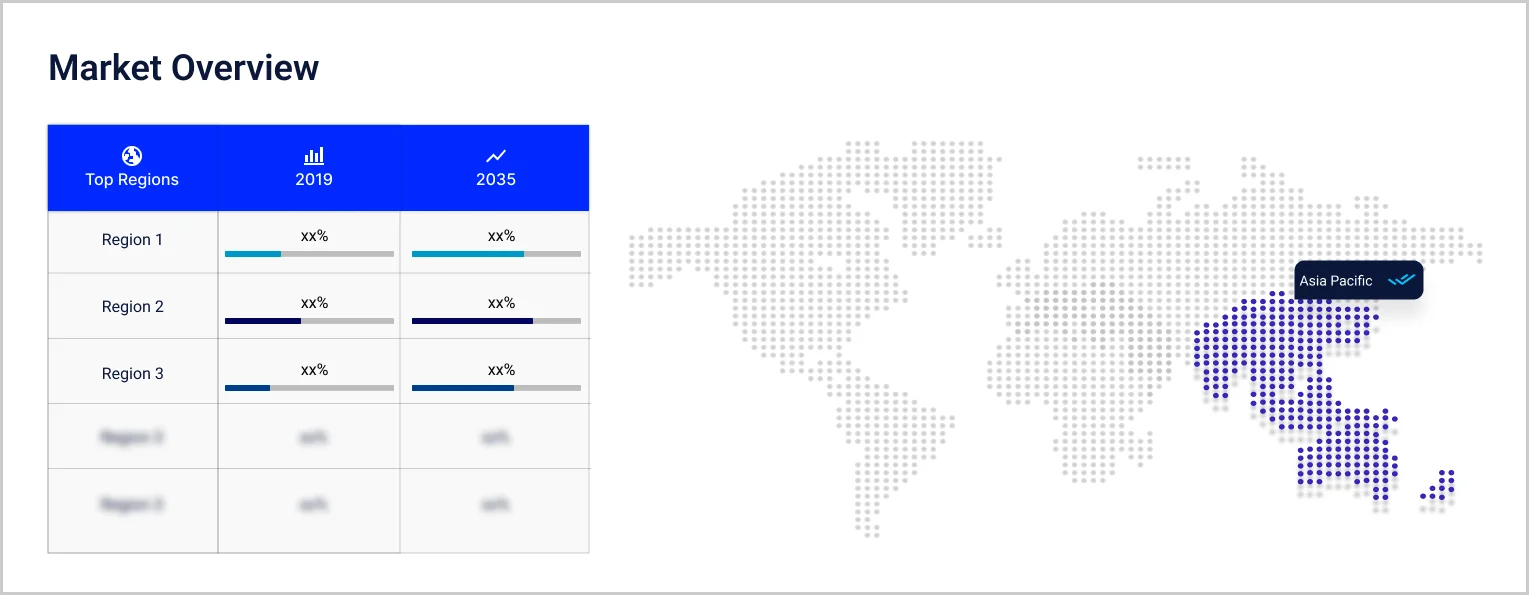
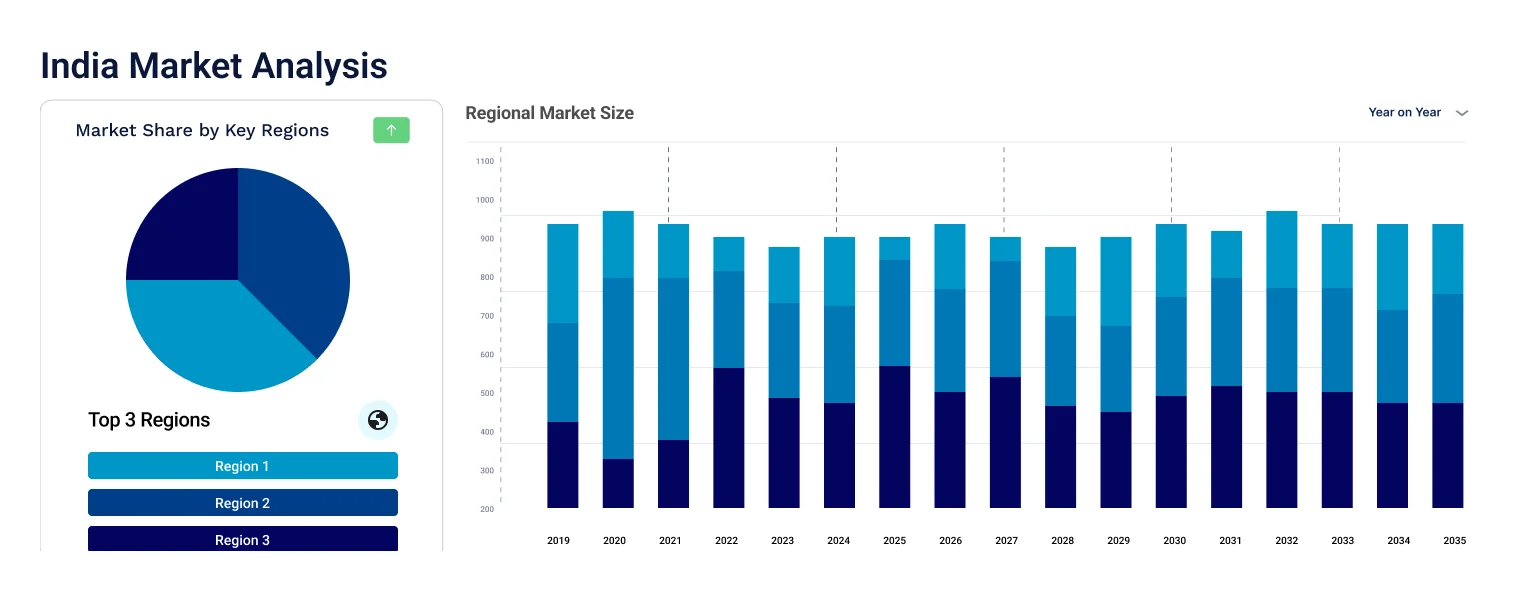
Northern and Central India are expected to dominate due to the presence of leading government hospitals and strong healthcare infrastructure in cities like Delhi and Lucknow. Eastern India shows moderate growth with improved diagnostics access in states like West Bengal. Western India, led by Maharashtra and Gujarat, benefits from medical tech hubs and industrial clusters. Southern India, including Tamil Nadu and Karnataka, is witnessing rapid expansion through healthcare startups, advanced tertiary care centers, and supportive state-level health initiatives.
The key features of the market report comprise funding and investment analysis, and strategic initiatives by the leading players. The major companies in the market are as follows:
Headquartered in Dublin, Ireland, Medtronic plc was established in 1949 and is one of the world’s leading medical technology companies. In the India medical devices market, Medtronic offers a wide portfolio spanning cardiovascular, diabetes, neurological, and surgical solutions. Its innovations include pacemakers, insulin pumps, and minimally invasive surgical devices. Medtronic India has significantly expanded its local presence through R&D collaborations and manufacturing, supporting the country's growing demand for advanced and affordable healthcare technologies.
Johnson & Johnson MedTech, a division of Johnson & Johnson headquartered in New Brunswick, New Jersey, was founded in 1886. It operates extensively in India, offering a diverse range of medical devices across orthopedics, surgery, cardiovascular care, and vision. With well-known brands like Ethicon, DePuy Synthes, and Biosense Webster, J&J MedTech plays a key role in India’s surgical innovations and digital surgery ecosystem. The company also focuses on training healthcare professionals and expanding access to quality care.
Fresenius Medical Care AG & Co., headquartered in Bad Homburg, Germany, was established in 1996 through a merger. It is the global leader in dialysis products and services. In India, the company provides a broad range of dialysis machines, dialyzers, and renal pharmaceuticals, supporting patients with chronic kidney disease. Fresenius has established dialysis centers across the country under public-private partnerships, enhancing access to renal care. Its commitment to patient-focused innovations supports India’s growing nephrology segment.
Abbott, headquartered in Abbott Park, Illinois, was founded in 1888 and maintains a strong presence in the market. The company’s Indian portfolio includes diagnostics, cardiovascular devices, diabetes care solutions, and neuromodulation technologies. Abbott is a market leader in glucose monitoring systems and coronary stents. With multiple manufacturing facilities and a robust distribution network, Abbott India supports local healthcare delivery through innovation and accessibility. Its commitment to preventive care and diagnostics aligns with India’s healthcare priorities.
*Please note that this is only a partial list; the complete list of key players is available in the full report. Additionally, the list of key players can be customized to better suit your needs.*
Other key players in the market include GE Healthcare, Koninklijke Philips N.V., Siemens Healthcare GmbH, and 3M Company.


Upto 15% Off
USD
$1999 $1799
$3099 $2789
$4599 $3909
$5999 $5099


*While we strive to always give you current and accurate information, the numbers depicted on the website are indicative and may differ from the actual numbers in the main report. At Expert Market Research, we aim to bring you the latest insights and trends in the market. Using our analyses and forecasts, stakeholders can understand the market dynamics, navigate challenges, and capitalize on opportunities to make data-driven strategic decisions.*
Explore our key highlights of the report and gain a concise overview of key findings, trends, and actionable insights that will empower your strategic decisions.
| REPORT FEATURES | DETAILS |
| Base Year | 2025 |
| Historical Period | 2019-2025 |
| Forecast Period | 2026-2035 |
| Scope of the Report |
Historical and Forecast Trends, Industry Drivers and Constraints, Historical and Forecast Market Analysis by Segment:
|
| Breakup by Product |
|
| Breakup by Application |
|
| Breakup by End User |
|
| Breakup by Region |
|
| Market Dynamics |
|
| Supplier Landscape |
|
| Companies Covered |
|
Datasheet
One User
USD 1,999
USD 1,799
tax inclusive*
Single User License
One User
USD 3,099
USD 2,789
tax inclusive*
Five User License
Five User
USD 4,599
USD 3,909
tax inclusive*
Corporate License
Unlimited Users
USD 5,999
USD 5,099
tax inclusive*
*Please note that the prices mentioned below are starting prices for each bundle type. Kindly contact our team for further details.*
Flash Bundle
Small Business Bundle
Growth Bundle
Enterprise Bundle
*Please note that the prices mentioned below are starting prices for each bundle type. Kindly contact our team for further details.*
Flash Bundle
Number of Reports: 3
20%
tax inclusive*
Small Business Bundle
Number of Reports: 5
25%
tax inclusive*
Growth Bundle
Number of Reports: 8
30%
tax inclusive*
Enterprise Bundle
Number of Reports: 10
35%
tax inclusive*
How To Order

Select License Type
Choose the right license for your needs and access rights.

Click on ‘Buy Now’
Add the report to your cart with one click and proceed to register.

Select Mode of Payment
Choose a payment option for a secure checkout. You will be redirected accordingly.
Strategic Solutions for Informed Decision-Making
Gain insights to stay ahead and seize opportunities.

Get insights & trends for a competitive edge.

Track prices with detailed trend reports.

Analyse trade data for supply chain insights.

Leverage cost reports for smart savings

Enhance supply chain with partnerships.

Connect For More Information
Our expert team of analysts will offer full support and resolve any queries regarding the report, before and after the purchase.
Our expert team of analysts will offer full support and resolve any queries regarding the report, before and after the purchase.
We employ meticulous research methods, blending advanced analytics and expert insights to deliver accurate, actionable industry intelligence, staying ahead of competitors.
Our skilled analysts offer unparalleled competitive advantage with detailed insights on current and emerging markets, ensuring your strategic edge.
We offer an in-depth yet simplified presentation of industry insights and analysis to meet your specific requirements effectively.




