

Consumer Insights
Uncover trends and behaviors shaping consumer choices today
Procurement Insights
Optimize your sourcing strategy with key market data
Industry Stats
Stay ahead with the latest trends and market analysis.
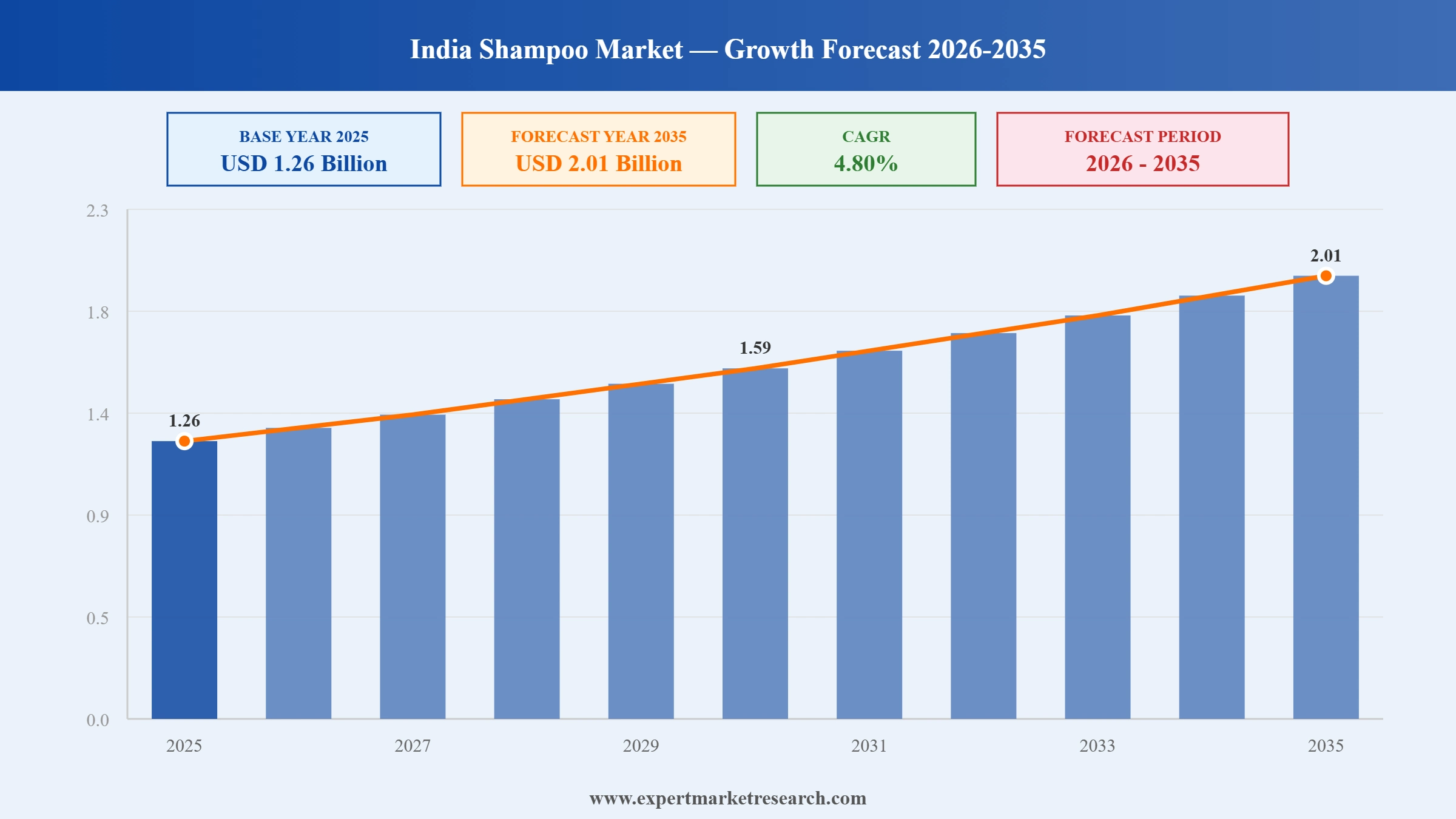
The India shampoo market attained a value of USD 1.26 Billion in 2025 and is projected to expand at a CAGR of 4.80% through 2035. The market is further expected to achieve USD 2.01 Billion by 2035, driven by rising personal grooming spend, expanding rural distribution reach, and sustained new product innovation across natural, herbal, and clinically positioned formulations. Growth spans medicated and non-medicated shampoos across mass and premium price tiers, with manufacturers increasingly competing on natural ingredient sourcing, gender-specific formulation, and digital-first distribution across North, East and Central, West, and South India.
Rising personal grooming spend and expanding rural distribution reach continue to anchor steady demand across the India shampoo market, as consumers increasingly favour natural and herbal formulations alongside established mass-market brands. CavinKare introduced its Nyle++ range in April 2026, combining hybrid formats such as serum shampoo and chia seed gel shampoo, reflecting the category's shift toward multi-benefit products that merge cleansing with treatment.
The India shampoo market is witnessing further developments as domestic FMCG conglomerates leverage trusted heritage brands to enter or expand within the category. Godrej Consumer Products reported, on January 23, 2026, five percent underlying volume growth for its India business in the December quarter, led by its shampoo hair colour and baby care categories, with market share gains recorded across all key segments.
In addition, manufacturers are increasingly reformulating flagship brands around clean-label positioning while also securing upstream raw material supply chains for herbal ingredients. Dabur India signed a Memorandum of Understanding with the Government of Himachal Pradesh in February 2026 to promote sustainable cultivation of Himalayan medicinal plants, strengthening the botanical supply chain that underpins its broader herbal and natural personal care portfolio nationwide.
Read more about this report - REQUEST FREE SAMPLE COPY IN PDF
International beauty conglomerates continue citing India as an increasingly important growth engine within their global portfolios, alongside more established Western and Asian markets. L'Oreal reported, in July 2026, that its India business continued to gain pace through the first half of the year, with market share gains across more than 90 percent of its portfolio, and shampoo the standout performer within Home and Personal Care, growing 23 percent, alongside plans to acquire a majority stake in Innovist to strengthen its local brand presence. Companies can leverage diversified India growth across both premium and mass categories to offset softer performance in other established markets.
Ayurveda-focused personal care companies continue reformulating flagship brands around clean-label positioning to address rising consumer demand for ingredient transparency. Dabur India's Vatika brand launched Bio Infusions in July 2026, India's first shampoo range formulated with no added salt, blending natural ingredients including rosemary and argan with advanced actives such as plant biotin complex, collagen, and hyaluronic acid to appeal to ingredient-conscious urban buyers nationwide. Companies can reformulate legacy brands around clean-label positioning to address rising consumer demand for ingredient transparency without abandoning established brand equity.
Established multinational haircare brands continue reaching significant revenue milestones in India decades after their initial launch, reflecting sustained long-term brand-building investment. Hindustan Unilever announced, in May 2026, that its Sunsilk brand had crossed approximately INR1,017 crore in turnover for the 2026 financial year, growing consistently ahead of the broader haircare category, with the brand, first introduced in 1962, now reaching an estimated one in two Indian households across urban and rural markets alike. Companies can sustain decades-long brand investment in emerging markets to eventually reach significant standalone revenue milestones ahead of the broader category.
Domestic FMCG conglomerates continue leveraging trusted heritage brand names to enter adjacent personal care categories rather than launching unfamiliar new brand names. Marico Limited launched Parachute Advansed Protein Shampoo in May 2026, entering India's roughly INR10,000 crore shampoo segment by leveraging its established Parachute coconut oil brand and extensive 5.5 million-outlet retail network to convert existing loyal hair oil users into shampoo buyers nationwide. Companies can leverage trusted heritage brand equity to enter adjacent personal care categories rather than building unfamiliar new brand recognition from scratch.
Hair damage repair continues to be a central battleground for premium brands competing for salon-conscious urban consumers across India's largest metropolitan cities and tier-two towns. Procter and Gamble's Pantene launched its Miracle Rescue Bond Repair Conditioner in India in February 2026, a formula powered by Melting Pro-V technology designed to help reverse accumulated hair damage over time, targeting consumers seeking visible improvement in hair strength and shine within a defined number of washes. Companies can invest in technically differentiated repair formulations to justify premium pricing among salon-conscious urban consumers.
Global personal care conglomerates are increasingly launching formal turnaround programmes for underperforming flagship brands rather than allowing extended periods of soft growth to persist unaddressed. Beiersdorf launched an 18-month turnaround programme for NIVEA in August 2026, responding to brand weakness recorded during the first half of the year, even as the company's separate Derma portfolio continued to post steady growth across its broader personal care business. Companies can launch structured, time-bound turnaround programmes for underperforming flagship brands rather than allowing prolonged soft performance to continue unaddressed.
Premium hair care sub-brands are increasingly driving growth for diversified personal care conglomerates even as broader skin care categories face mixed regional performance worldwide. Kao Corporation reported, in February 2026, full-year 2025 results showing hair care sales increased substantially, with premium brands Melt and The Answer contributing significantly to growth in the Japanese market alongside steady performance across its broader international portfolio. Companies can launch newly created premium sub-brands to offset softer performance in more mature, price-competitive core categories.
Diversified consumer goods conglomerates are increasingly reviewing brand portfolios to concentrate investment behind higher-growth, higher-margin categories rather than spreading resources evenly across units. Colgate-Palmolive was reported, in February 2026, to be exploring the sale of select personal care brands including Softsoap and Speed Stick in a deal rumoured to exceed one billion dollars, as the company looks to sharpen its focus on core oral care and premium personal care segments. Companies can divest slower-growth personal care brands to redirect capital toward categories where they hold stronger competitive positioning.
This Expert Market Research's Report titled "India Shampoo Market Report and Forecast 2026-2035" offers a detailed analysis of the market based on the following segments:
Market Breakup by Product Type
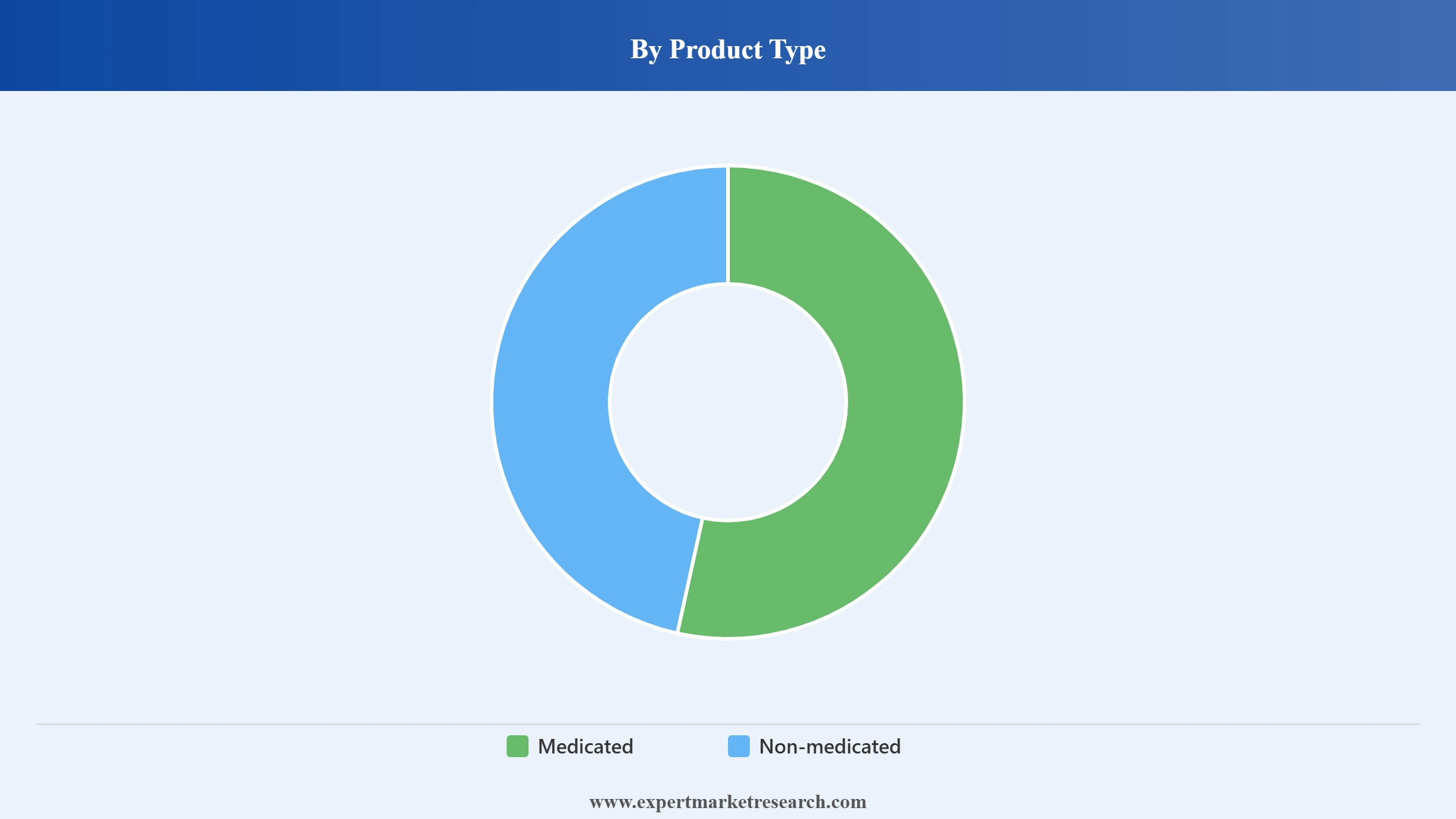
Key Insight: Non-medicated accounts for the largest share of the market, reflecting sustained everyday demand for general cleansing and cosmetic hair care benefits across the broad consumer base nationwide throughout the year. Medicated continues to serve consumers seeking targeted dandruff and hair fall treatment through dermatologically backed formulations positioned at a premium to standard offerings. L'Oreal's July 2026 report of shampoo growing 23 percent within its India Home and Personal Care business reinforces sustained non-medicated category momentum across both mass and premium price tiers nationwide.
Market Breakup by Price Category
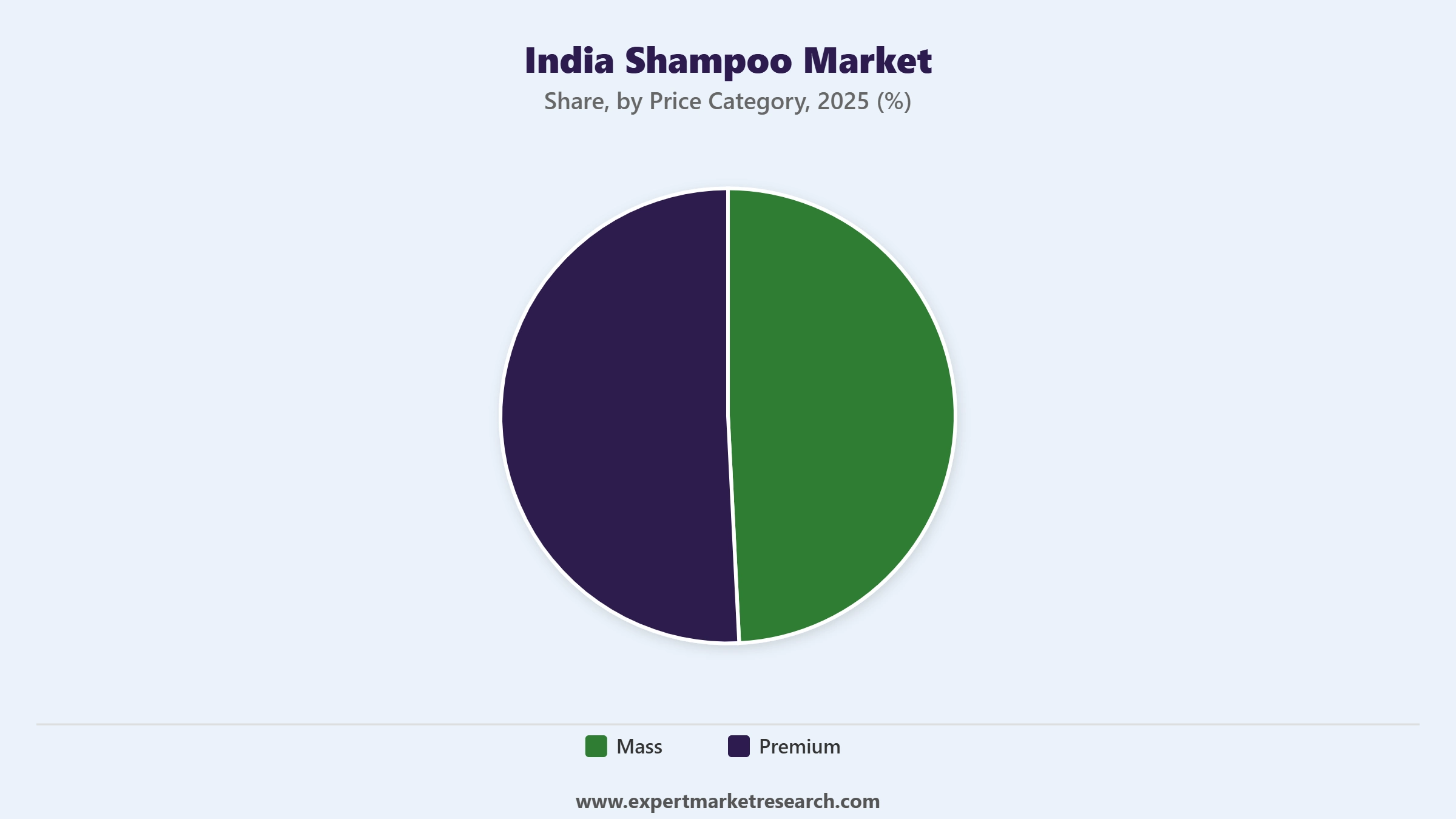
Key Insight: Mass accounts for the largest share of the market, remaining the default choice for price-sensitive consumers across urban and rural India served by extensive general trade and kirana store distribution networks. Premium is growing fastest, driven by rising disposable incomes and growing willingness to pay for clinically positioned and naturally formulated products, illustrated by Marico's May 2026 launch of Parachute Advansed Protein Shampoo, leveraging its established brand equity to enter India's roughly INR10,000 crore shampoo segment.
Market Breakup by End User
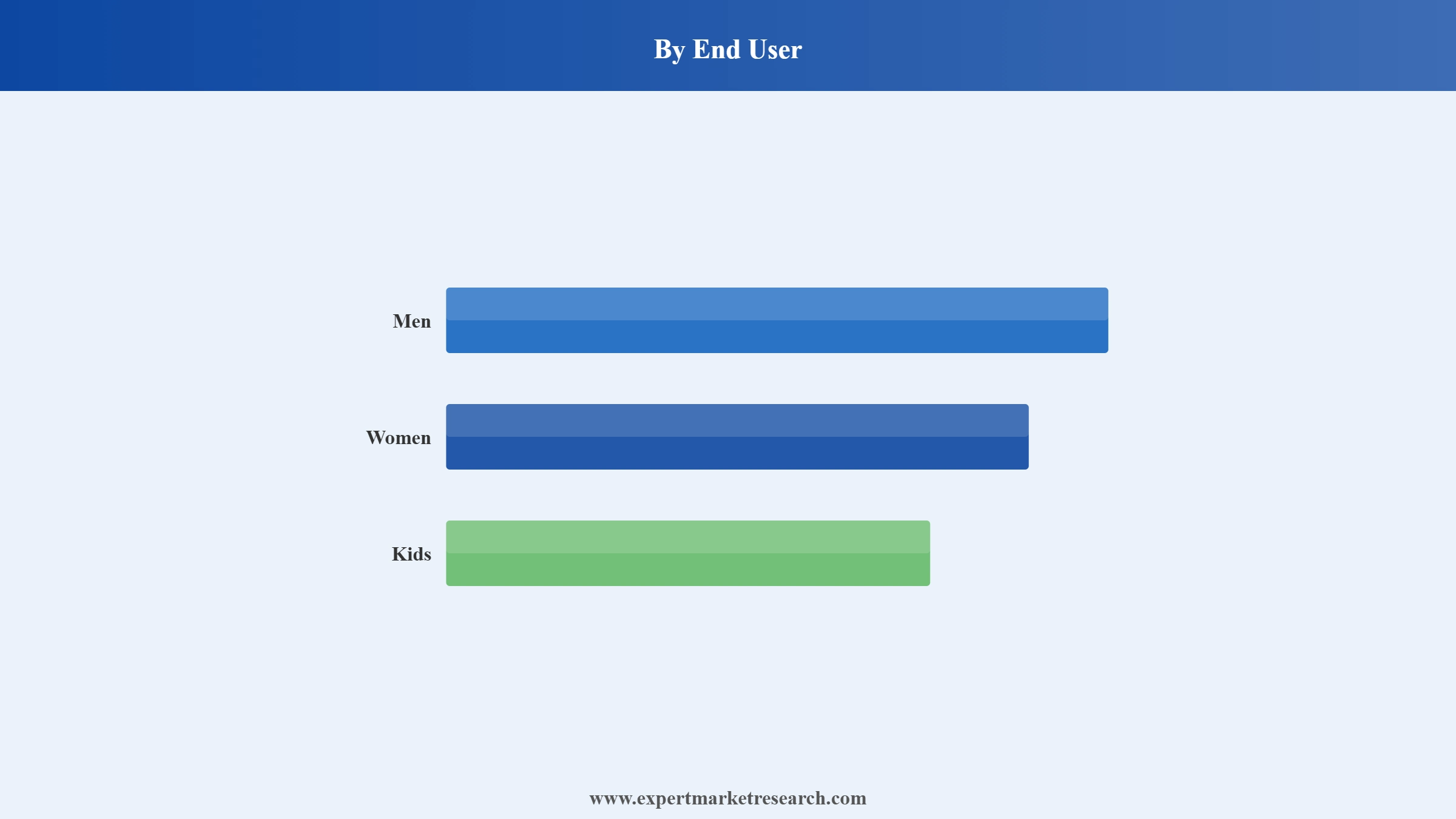
Key Insight: Women accounts for the largest share of the market, reflecting the broadest historical product range and highest per-capita hair care spending among the three end-user categories nationwide across every income segment. Men continues to grow as male grooming awareness expands and manufacturers introduce dedicated formulations addressing scalp and hair concerns specific to men. Kids serves a smaller, steady segment prioritising gentle formulations. Hindustan Unilever's May 2026 announcement that Sunsilk had crossed INR1,017 crore in turnover, reaching one in two Indian households, reinforces sustained demand across the women's segment specifically.
Market Breakup by Distribution Channel
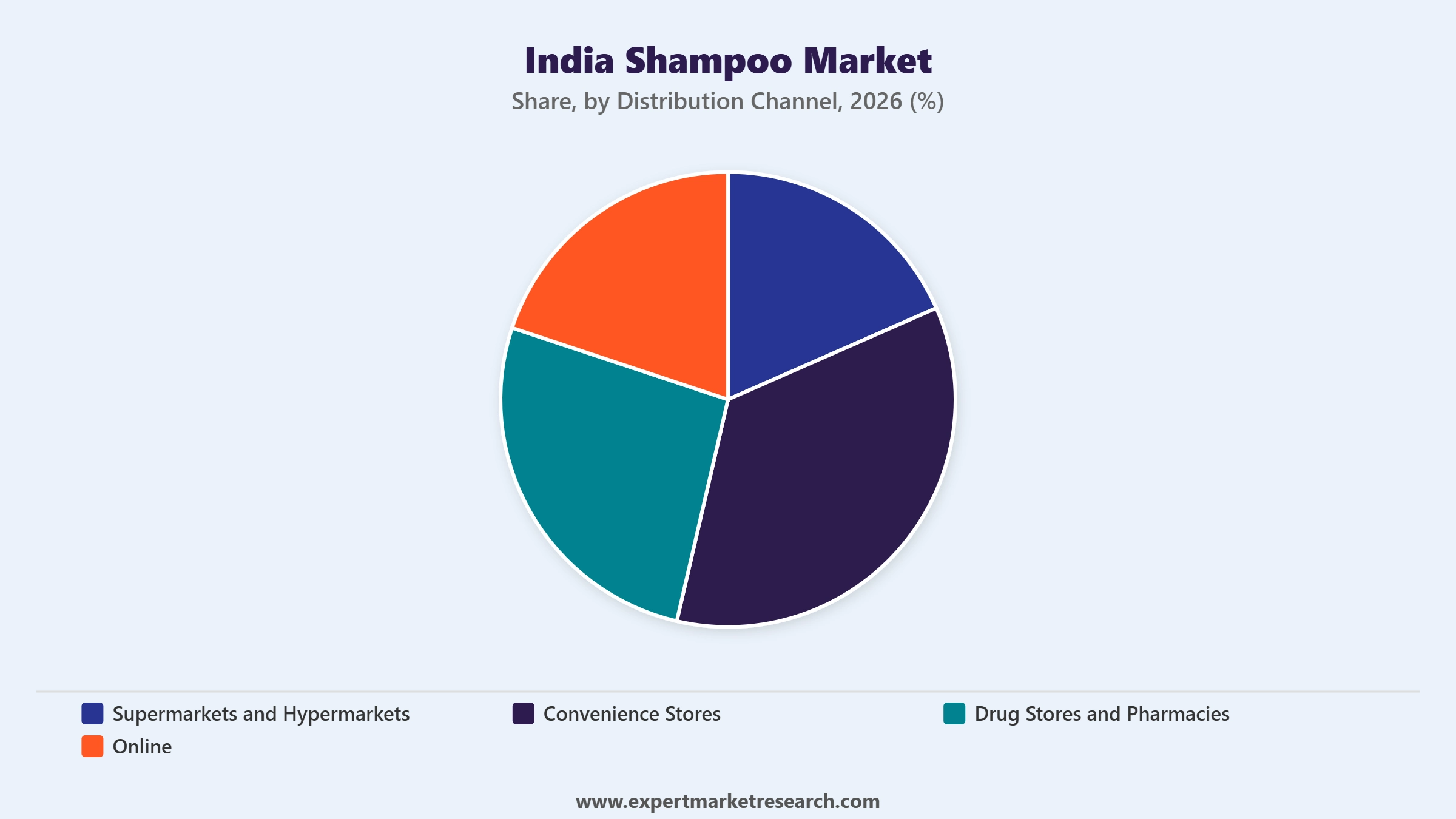
Key Insight: Supermarkets and Hypermarkets accounts for the largest share of the market, offering broad product assortment enabling in-person comparison across brands and price points for shoppers nationwide across every major city. Convenience Stores and Drug Stores and Pharmacies continue to serve everyday and treatment-focused purchases respectively across dense urban and semi-urban retail networks throughout the country. Others includes salons, spas, and gifting-oriented specialty retail formats serving smaller, occasion-driven purchase volumes. Online is growing fastest as e-commerce platforms expand assortment, illustrated by Dabur's July 2026 launch of Vatika Bio Infusions, India's first no added salt shampoo, backed by an integrated digital marketing campaign.
Market Breakup by Region
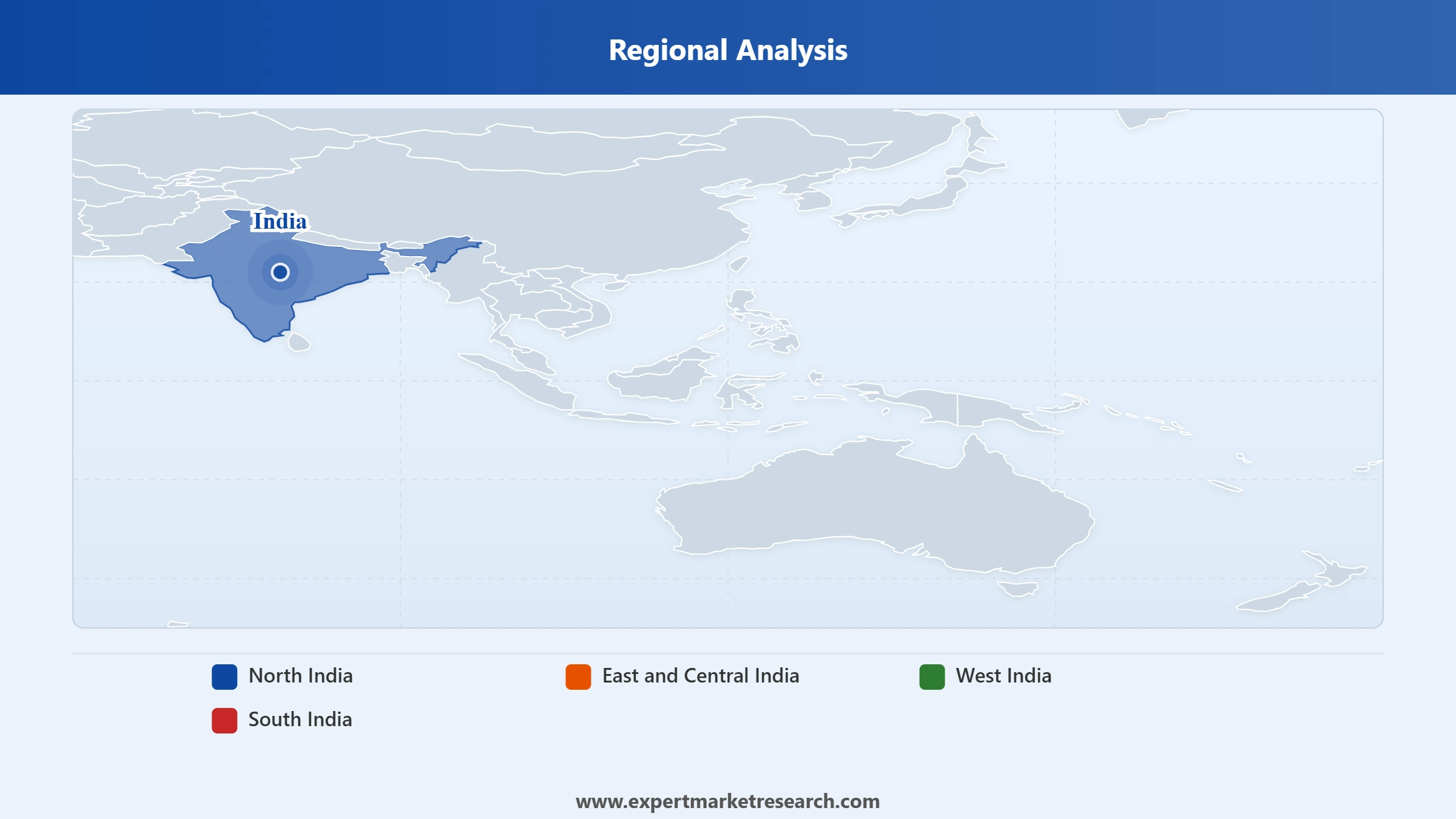
Key Insight: North India accounts for the largest share of the market, supported by its large population base and dense urban retail infrastructure across major metropolitan centres including Delhi NCR nationwide. South India is growing fastest, driven by high per-capita personal care spending and premium adoption across Bengaluru, Chennai, and Hyderabad. West India and East and Central India each continue to represent substantial demand tied to manufacturing concentration and expanding rural distribution reach respectively. Procter and Gamble's February 2026 India launch of Pantene's Miracle Rescue Bond Repair Conditioner targeted salon-conscious urban consumers nationwide.
Read more about this report - REQUEST FREE SAMPLE COPY IN PDF
By product type, non-medicated leads the market while medicated benefits from clinical positioning innovation
Non-medicated continues to account for the largest share of the market, reflecting sustained everyday cleansing demand across both mass and premium price tiers nationwide. India's broader hair care products market was estimated at approximately USD4.1 billion in 2026, up from roughly USD3.92 billion in 2025, reflecting steady category-wide consumption growth.
Medicated continues to gain ground through dermatological innovation targeting dandruff and hair fall concerns specifically. Dandruff affects more than half of the Indian population at some point, and the medicated anti-dandruff segment is projected to sustain 9 to 13 percent annual value growth through 2035 as brands adopt more clinically substantiated formulations.
Read more about this report - REQUEST FREE SAMPLE COPY IN PDF
By price category, mass leads the market while premium grows fastest on rising disposable incomes
Mass continues to account for the largest share of the market, remaining the default choice for India's price-sensitive majority consumer base spanning urban and rural regions. Mass-market shampoos held approximately 85 percent share of the broader hair care category in 2025, underscoring continued price sensitivity nationwide.
Premium is the fastest-growing price category as rising incomes support willingness to pay for clinically positioned formulations. Godrej Consumer Products reported five percent underlying volume growth for its India business in the December 2025 quarter, led partly by its shampoo and hair colour categories gaining share nationwide.
Read more about this report - REQUEST FREE SAMPLE COPY IN PDF
By end user, women leads the market while men continues to expand given rising male grooming awareness
Women continues to account for the largest share of the market, reflecting the broadest historical product range and highest cumulative marketing investment across decades of brand development. India's herbal shampoo segment alone was valued at approximately USD360 million in 2026, with women-focused formulations anchoring the bulk of that demand nationwide.
Men continues to expand as manufacturers introduce dedicated formulations addressing scalp and hair concerns specific to men. CavinKare introduced its Nyle++ hybrid haircare range in April 2026, combining serum shampoo and chia seed gel shampoo formats aimed at multi-benefit-seeking consumers across both genders nationwide.
Read more about this report - REQUEST FREE SAMPLE COPY IN PDF
By distribution channel, supermarkets and hypermarkets lead the market while online grows fastest on e-commerce expansion
Supermarkets and Hypermarkets continues to account for the largest share of the market, offering broad assortment central to purchasing decisions across urban and semi-urban India. Online sales of herbal shampoo formats alone are growing at a projected 12 percent annual rate through 2031, reflecting accelerating e-commerce penetration nationwide.
Read more about this report - REQUEST FREE SAMPLE COPY IN PDF
Online is the fastest-growing channel as e-commerce platforms expand ingredient filters and same-day delivery options. E-commerce and quick-commerce apps together accounted for an estimated 18 to 22 percent of anti-dandruff shampoo category sales value in 2026, roughly double their share four years earlier, reflecting rapid digital retail adoption nationwide.
North India commands the largest share of the market through its large population base and dense urban retail infrastructure
Major metropolitan centres including Delhi NCR continue to anchor the region's outsized contribution to overall demand, supported by extensive modern trade and general trade distribution networks reaching both premium and mass-market consumers across the region's cities and surrounding towns nationwide.
South India is the fastest-growing region at an estimated CAGR of 5.90%, supported by high per-capita personal care spending across Bengaluru, Chennai, and Hyderabad, where L'Oreal's July 2026 India results reported shampoo growing 23 percent within a portfolio gaining share across more than 90 percent of its brands. West India remains a substantial contributor, anchored by concentrated corporate headquarters presence across Mumbai and Pune. East and Central India continues to expand as manufacturers extend general trade and kirana store penetration deeper into semi-urban and rural markets, even as premium product adoption lags behind India's more affluent western and southern markets.
Read more about this report - REQUEST FREE SAMPLE COPY IN PDF
The industry is fragmented, with India shampoo market companies ranging from global multinational personal care conglomerates to established domestic FMCG majors competing across product type, price category, and distribution channel segments nationwide.
Competitive dynamics among India shampoo players are increasingly shaped by the pace of clean-label reformulation, the depth of digital and e-commerce distribution reach, and the strength of heritage brand equity leveraged into adjacent categories. Manufacturers are investing in ingredient transparency, dermatologically backed innovation, and local brand acquisitions to secure long-term relationships with increasingly ingredient-conscious Indian consumers.
Founded in 1909 and headquartered in Clichy, France, L'Oreal is the world's largest cosmetics company, offering a broad portfolio spanning haircare, skincare, and colour cosmetics across mass and premium price tiers worldwide. L'Oreal's India shampoo business grew 23 percent in the first half of 2026, alongside plans to acquire a majority stake in Innovist to strengthen its local brand portfolio. L'Oreal's combination of global R&D scale and local acquisition strategy differentiates its offering from purely domestic competitors.
Founded in 1929 and headquartered in London, United Kingdom, Unilever's Indian subsidiary, Hindustan Unilever, traces its roots to 1931 and operates leading haircare brands including Sunsilk, Dove, and Clinic Plus. Sunsilk crossed INR1,017 crore in turnover in May 2026, reaching an estimated one in two Indian households nationwide. Hindustan Unilever's unmatched household penetration and decades-long brand equity differentiate its offering from newer market entrants.
Founded in 1987 and headquartered in Mumbai, India, Marico is a leading Indian FMCG company best known for its Parachute coconut oil brand, operating across seven manufacturing facilities and reaching customers in over 25 countries worldwide. Marico launched Parachute Advansed Protein Shampoo in May 2026, entering India's roughly INR10,000 crore shampoo category by leveraging existing brand trust. Marico's ability to convert loyal hair oil users into shampoo buyers differentiates its offering from pure-play shampoo specialists.
Founded in 1884 and headquartered in Ghaziabad, India, Dabur is a leading Ayurveda-focused FMCG company supplying personal care products to over 120 countries through its Vatika haircare brand among numerous other household names. Vatika launched Bio Infusions in July 2026, India's first no added salt shampoo, blending natural and scientifically formulated ingredients. Dabur's century-plus Ayurvedic heritage combined with modern clean-label reformulation differentiates its offering from both legacy and digital-first competitors.
Other key players in the India shampoo market include Johnson & Johnson Consumer Inc., Procter and Gamble Company, Colgate-Palmolive Company, Kao Corporation, Beiersdorf AG, and Oriflame Holding AG, among others.
*Please note that this is only a partial list; the complete list of key players is available in the full report. Additionally, the list of key players can be customized to better suit your needs.*
Unlock the latest insights with our India shampoo market trends 2026 report. Discover regional growth patterns, product type and distribution channel adoption trends, and key industry players. Stay ahead of competition with trusted data and expert analysis. Download your free sample report today and drive informed decisions in the market.
India Scalp Treatment And Dermatology Hair Care Trends
India Bath Care Innovation Landscape


Upto 15% Off
USD
$2499 $2249
$3999 $3599
$4999 $4249
$5999 $5099


*While we strive to always give you current and accurate information, the numbers depicted on the website are indicative and may differ from the actual numbers in the main report. At Expert Market Research, we aim to bring you the latest insights and trends in the market. Using our analyses and forecasts, stakeholders can understand the market dynamics, navigate challenges, and capitalize on opportunities to make data-driven strategic decisions.*
In 2025, the market reached an approximate value of USD 1.26 Billion.
The market is projected to grow at a CAGR of 4.80% between 2026 and 2035.
The market is estimated to witness a healthy growth in the forecast period of 2026-2035 to reach USD 2.01 Billion by 2035.
Acquiring or partnering with local digitally native brands, reformulating flagship products around clean-label and natural ingredient positioning, and leveraging trusted heritage brand equity to enter adjacent categories are among the leading strategies shaping the market.
Key trends aiding the market expansion include a shift towards waterless and low-water shampoos, as well as the popularity of dry shampoos, shampoo bars, and powder-based shampoos.
Regions considered in the market are North India, East and Central India, West India, and South India.
Different price categories in the market are mass and premium.
Based on distribution channel, the market segmentations include supermarkets and hypermarkets, convenience stores, drug stores and pharmacies, and online, among others.
The key players in the market include L'Oréal SA, Unilever Plc, Marico Limited, Dabur India Limited, Johnson & Johnson Consumer Inc., Procter and Gamble Company, Colgate-Palmolive Company, Kao Corporation, Beiersdorf AG, and Oriflame Holding AG.
Manufacturers face severe price competition, rising raw material costs, and the need for constant innovation to satisfy diverse hair types, alongside a consumer shift toward clean-label and natural ingredient formulations that requires ongoing reformulation investment across established brand portfolios.
Explore our key highlights of the report and gain a concise overview of key findings, trends, and actionable insights that will empower your strategic decisions.
| REPORT FEATURES | DETAILS |
| Base Year | 2025 |
| Historical Period | 2019-2025 |
| Forecast Period | 2026-2035 |
| Scope of the Report |
Historical and Forecast Trends, Industry Drivers and Constraints, Historical and Forecast Market Analysis by Segment:
|
| Breakup by Product Type |
|
| Breakup by Price Category |
|
| Breakup by End User |
|
| Breakup by Distribution Channel |
|
| Breakup by Region |
|
| Market Dynamics |
|
| Competitive Landscape |
|
| Companies Covered |
|
Datasheet
One User
USD 2,499
USD 2,249
tax inclusive*
Single User License
One User
USD 3,999
USD 3,599
tax inclusive*
Five User License
Five User
USD 4,999
USD 4,249
tax inclusive*
Corporate License
Unlimited Users
USD 5,999
USD 5,099
tax inclusive*
*Please note that the prices mentioned below are starting prices for each bundle type. Kindly contact our team for further details.*
Flash Bundle
Small Business Bundle
Growth Bundle
Enterprise Bundle
*Please note that the prices mentioned below are starting prices for each bundle type. Kindly contact our team for further details.*
Flash Bundle
Number of Reports: 3
20%
tax inclusive*
Small Business Bundle
Number of Reports: 5
25%
tax inclusive*
Growth Bundle
Number of Reports: 8
30%
tax inclusive*
Enterprise Bundle
Number of Reports: 10
35%
tax inclusive*
How To Order

Select License Type
Choose the right license for your needs and access rights.

Click on ‘Buy Now’
Add the report to your cart with one click and proceed to register.

Select Mode of Payment
Choose a payment option for a secure checkout. You will be redirected accordingly.
Strategic Solutions for Informed Decision-Making
Gain insights to stay ahead and seize opportunities.

Get insights & trends for a competitive edge.

Track prices with detailed trend reports.

Analyse trade data for supply chain insights.

Leverage cost reports for smart savings

Enhance supply chain with partnerships.

Connect For More Information
Our expert team of analysts will offer full support and resolve any queries regarding the report, before and after the purchase.
Our expert team of analysts will offer full support and resolve any queries regarding the report, before and after the purchase.
We employ meticulous research methods, blending advanced analytics and expert insights to deliver accurate, actionable industry intelligence, staying ahead of competitors.
Our skilled analysts offer unparalleled competitive advantage with detailed insights on current and emerging markets, ensuring your strategic edge.
We offer an in-depth yet simplified presentation of industry insights and analysis to meet your specific requirements effectively.




