

Consumer Insights
Uncover trends and behaviors shaping consumer choices today
Procurement Insights
Optimize your sourcing strategy with key market data
Industry Stats
Stay ahead with the latest trends and market analysis.
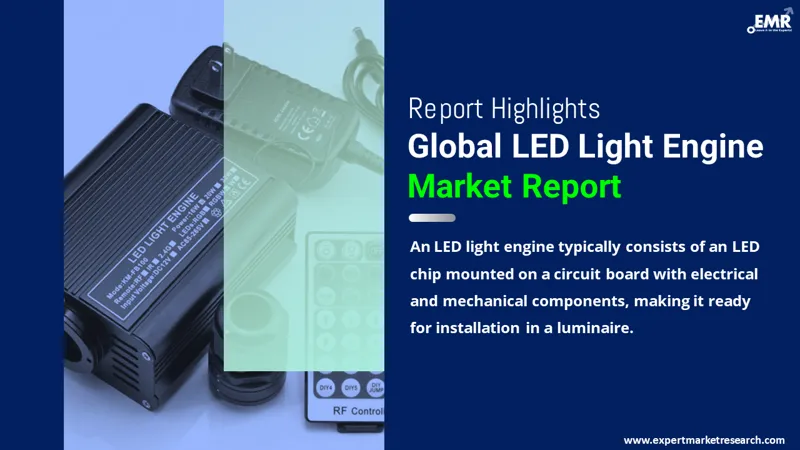
The global LED light engine market was valued at USD 51.61 Billion in 2025. The market is expected to grow at a CAGR of 12.20% during the forecast period of 2026-2035 to reach a value of USD 163.18 Billion by 2035. The market growth is mainly attributed to the rapid transition toward high-resolution, pixel-controlled and adaptive lighting architectures, particularly in automotive and intelligent mobility applications.
The global LED light engine market is witnessing steady growth due to rising demand for highly integrated optoelectronic systems and increasing adoption of customized lighting architectures. Manufacturers are developing compact light engines that integrate emission, drive, and thermal management systems into a single unit. Another driving factor is the growing shift towards industry-specific LED engines that are used in automotive adaptive lighting and precision display devices.
Many manufacturers are making the move from simple LED modules to sophisticated LED engines with ability for dynamic beam formation, projection and interaction with environment. The primary driving factor behind this trend is the requirement for higher road safety features, design flexibility and software capabilities in future automobiles. Moreover, in line with the development of digital vehicles, the market observes a shift from LEDs being used only for basic illumination purposes to being used as optical processing components for various functional uses such as signaling and branding projection among others.
The LED light engine market is also experiencing rapid developments due to robust investment in miniaturization and pixel level control technology, making innovations possible and broadening applications from automotive to industrial and architectural segments. The transformation process is fast-tracking innovation cycles and spurring stiff competition. For example, in March 2026, ams OSRAM introduced the EVIYOS Shape at Light + Building 2026 that allowed for symbol projection in automotive safety critical lighting systems.
Compound Annual Growth Rate
12.2%
Value in USD Billion
2026-2035
Read more about this report - REQUEST FREE SAMPLE COPY IN PDF
Hongshi Intelligent Technology unveiled the 24μm micro-pixel LED engine for applications in AR displays and optical computing. The technology bolsters the LED light engine market growth by increasing the demand for highly miniaturized, high density, and next generation micro-LED engines.
Robert Juliat launched the 8-color LED engine in the Bizet series to increase precision and accurate color rendition in professional stage lights. The technology drives demand in the LED light engine market by providing high-end multi-spectrum light engines.
Kino Flo unveiled its latest RGB-cW-wW LED engine capable of producing full power from five-color channels. The technology increases creative lighting precision by improving spectral control and output. It boosts demand in the LED light engine market.
Nichia and Infineon rolled out a high-definition micro-LED matrix incorporating individual pixel control. The technology is poised to drive demand in the LED light engine industry by boosting intelligent and high-resolution micro-LED engines.
One of the major factors affecting the growth of the LED light engine market globally is the advent of artificial intelligence into optical control technology to ensure adaptable brightness adjustment and energy-efficient beam control systems. Such developments are leading to the conversion of LED lights into intelligent systems capable of software-driven operation. These developments not only lead to more efficient use of the light engines but also allow for customization of the lighting process. For example, this trend was highlighted by demonstrations conducted by Sandia National Laboratories in January 2026.
The LED light engine market observes fast-paced innovation occurring in the micro-LED technology space that is allowing for ultra high pixel densities, excellent control over brightness, and energy efficiency. The development of such technologies is bringing about new prospects within AR/VR products, automotive displays, and AI-driven optical communication networks. Micro-LED technology is being increasingly adopted to help scale future optical integration. This is contributing significantly to the demand for semiconductor-based light engines. For example, SID emphasized in May 2025 the widening scope of micro-LED technology within the automotive and display ecosystems.
The LED light engine market development is driven by innovations across automotive intelligent systems and AI optical communication systems. This integration trend allows for the creation of multifunctional optical systems that incorporate illumination, sensing, and data communication functionality. LEDs are now being installed in cars to facilitate driver assistance, signaling, and communication using projection technology. The diversification of application areas and increasing need for multifunctional optical modules is also driving growth in the market. A major development in the global market was reported by Ennostar in May 2025 regarding the use of micro-LEDs in automotive and AI optical communication systems.
A major factor driving the global LED light engine market is the integration of LEDs and electronic drivers into a single system. As a result, manufacturers can create more advanced LED systems which are easier to operate and manage, have high energy efficiency, and possess superior thermal management capabilities. Companies are focusing on creating an all-in-one LED engine design that integrates COB structures with intelligent control systems. For instance, Bridgelux unveiled its new DriveLux line in March 2025, which is capable of increasing efficiency by integrating COB and LED drivers.
The major trend propelling the LED light engine industry growth is the development of micro-LEDs for applications including high-speed optical communication devices. These advances enable the use of LED light engines to facilitate AI data centers using optical communications at higher speeds and low power compared to conventional electrical signal processing. The increasing demand for greater bandwidth in computer infrastructure requires advanced LED-based photonic engines to meet such requirements. For example, ams OSRAM introduced MicroLED arrays for AI Optical Interconnects in March 2026.
Read more about this report - REQUEST FREE SAMPLE COPY IN PDF
“LED Light Engine Market Report and Forecast 2026-2035” offers a detailed analysis of the market based on the following segments:
Market Breakup by Product
Key Insight: The global LED light engine market can be divided based on products into two types. A key trend in the market is the development of LED engines integrated with lamps and luminaires to improve compactness and energy efficiency. Lamp innovations are largely focused on retrofit engines, while luminaire advancements involve modular COB and micro-LED engine designs. Companies like Bridgelux and Nichia increase efficiency and color quality of their engines, while OSRAM focuses on developing light engines for automotive applications.
Market Breakup by Form
Key Insight: The LED light engine market can be segmented into rigid and flexible LED engines according to form factor. The first type of LEDs is widely used in automotive, industrial, and display applications where thermal stability is important, while the second type can be found in architectural and wearable lights. Companies like AOTO and Ennostar improve rigid micro-LED engines for display and automotive optical systems, while flexible engines can be used for architectural lighting applications.
Market Breakup by Installation Type
Key Insight: LED light engine installation trends revolve around new installations and retrofits, both contributing to rising demand for energy-efficient solutions. New instalments include integrated COB and micro-LED engines while retrofit instalments comprise the process of replacing old lights with compact and high-efficiency modules. Companies such as Nichia and OSRAM allow retrofitting engines while Bridgelux provides modular solutions. Examples of easy-to-replace engines include DriveLux engines which facilitate widespread adoption in both residential and commercial instalments around the world.
Market Breakup by End Use
Key Insight: The LED light engine market is expanding across residential, commercial, and industrial applications. Demand from residential lighting includes demand for efficient smart LED light engines while the commercial segment covers architectural lighting and entertainment. The industrial segment includes applications in industries that need high-performance LED light engines. Firms like Luminii and AOTO cater to the commercial segment while Ennostar and OSRAM target the industrial and automotive segments. Bridgelux is noted for high adoption rates in architectural and commercial settings with its DriveLux RGBW engines.
Market Breakup by Region
Key Insight: Growth dynamics of the LED light engine market across different regions around the world are quite diverse, with the highest adoption rate observed in the Asia Pacific region owing to its dominance in the production of semiconductors, accelerated by countries such as China, Japan, and South Korea. North America concentrates on AI-enabled LED engines and automotive-based LED light engines. In Europe, there is a focus on developing automotive safety and energy-efficient lighting solutions. The Latin America and MEA regions also exhibit potential for infrastructure development.
Read more about this report - REQUEST FREE SAMPLE COPY IN PDF
By product, growing luminaire integration is driving optical efficiency in advanced lighting systems
The luminaire subsegment of the global LED light engine market is recording remarkable growth on account of rising demand for efficient modular designs specific to particular application sectors, such as the commercial, industrial, and architectural arenas. LED engines are increasingly being integrated with advanced optical systems to improve beam control, energy efficiency, and design flexibility. Leading vendors including OSRAM and Bridgelux are concentrating on building high-performance engine designs. LEDiL-based optical combinations, on the other hand, are expected to bring enhanced results through precise lighting effects. For instance, in June 2025, Audax Electronics launched an innovative light engine compatible with LEDiL IP8-MX optics.
The lamps subsegment of the LED light engine market is also recording stable growth owing to rising adoption for the replacement of inefficient incandescent, halogen, and fluorescent lighting units in domestic and small commercial spaces. The adoption of retrofitable LED lamps with superior lumens, longevity, and power conservation is identified as the key factor behind the growth of this subsegment. Vendors such as LEDVANCE, Signify (Philips Lighting), and OSRAM are developing compact lamp-based LED engines for broad applications.
By form, the flexible category shows notable growth rate driven by design flexibility and adaptive applications
The flexible form type in the LED light engine market is experiencing growth due to the growing requirement for lighting solutions that have a flexible and bendable structure. These flexible solutions find applications in architectural lighting, automobiles, wearables, and various other areas. Flexibility in the structure is facilitating innovative uses for LED light engines by offering greater installation capabilities along with a bendable structure and lightweight body. Companies such as OSRAM, Bridgelux, and Ennostar are developing flexible forms of LED light engines with increased heat dissipation properties and better optical performance.
Rigid LED light engines are registering significant advancements in the global market owing to the increasing demand for high power LED light engines which are thermally efficient and consist of multi-die emitters. High power light engines ensure effective heat dissipation and consistency in optical performance, which makes them suitable for use in high-power applications. Companies are using RGBW and high CRI emitter technologies for improving color accuracy and luminous intensity of LED light engines. For example, LED Engin offers a series of high CRI daylight LEDs and RGBW emitters.
By installation type, the retrofit category records notable growth rate driven by lifecycle extension and energy optimization
The retrofits category of the LED light engine market witness robust traction due to the increasing emphasis by organizations on retrofitting their existing lighting systems than replacing them entirely to reduce cost and lower greenhouse gas emissions. There is an increasing demand for LED engines, drivers, and modules that facilitate modernization of existing lighting fixtures without compromising on performance criteria. Organizations such as Zumtobel, BEGA, and RZB Lighting are emphasizing the importance of LED engine remanufacturing and easy plug-in upgrades for their lighting fixtures that help in extending the life of products while supporting their sustainability policies. For example, in April 2026, Zumtobel announced their remanufacturing capabilities of many popular lines of their luminaires.
The new installation segment is witnessing accelerated growth because urban areas, industrial sectors, and transportation networks are being reinvented with smart infrastructures and energy-efficient designs. The global LED light engine industry is experiencing a surge due to the extensive adoption of lighting designs using innovative lighting frameworks in newly developed smart structures, transportations, and automobiles, where efficiency, connectivity, and environmental friendliness are critical. Companies like OSRAM, Nichia, and Ennostar are developing innovative LED light engines with advanced controls, enhanced luminous efficacy, and small sizes, allowing them to be integrated easily into existing infrastructures.
By end-use, the commercial category shows robust uptake driven by energy-efficient LED display adoption
There is robust growth in the commercial sector owing to fast adoption of energy-efficient LED display units within retail environments, shopping centers, billboard signage, and corporate infrastructures. The market observes a rising demand for high brightness, modular, and low-energy LED engine-powered display products offering superior visual performance along with reduced energy consumption costs. Moreover, innovative development and production of advanced LED display modules powered by energy-saving technologies and smart control systems are being introduced by companies like Hikvision. For example, Hikvision introduced energy-efficient active LED displays for commercial establishments in India in December 2025, reflecting growing commercial interest in scalable LED engine-powered display products.
The residential sector is continuously expanding its share in the LED light engine market due to growing consumer adoption of smart home systems, energy-efficient lighting products, and customized ambient lighting solutions. The global market is experiencing growth due to rising demand for small-size and user-friendly LED engines that offer dimming, color adjustment, and easy integration with home automation platforms. Leading companies such as Signify (Philips Lighting), OSRAM, and LEDVANCE are innovating their residential LED engine products based on increased energy savings, improved lighting comfort, and extended operational life.
Read more about this report - REQUEST FREE SAMPLE COPY IN PDF
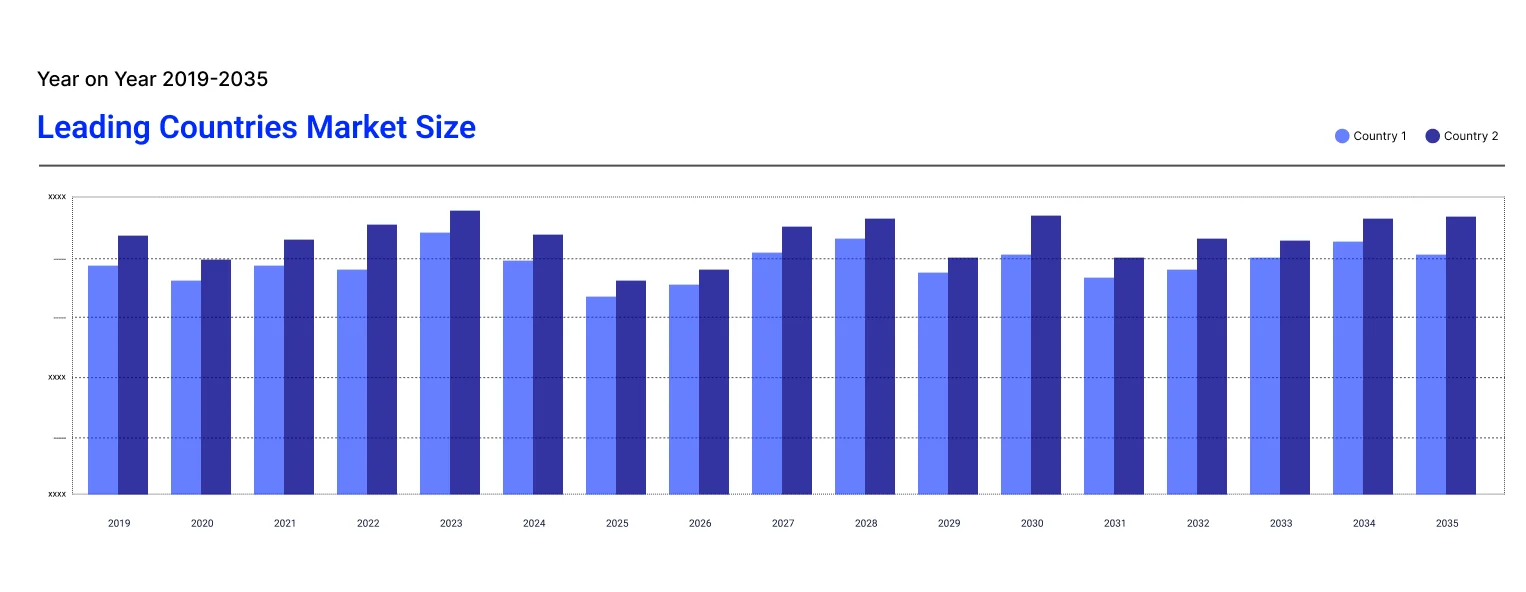
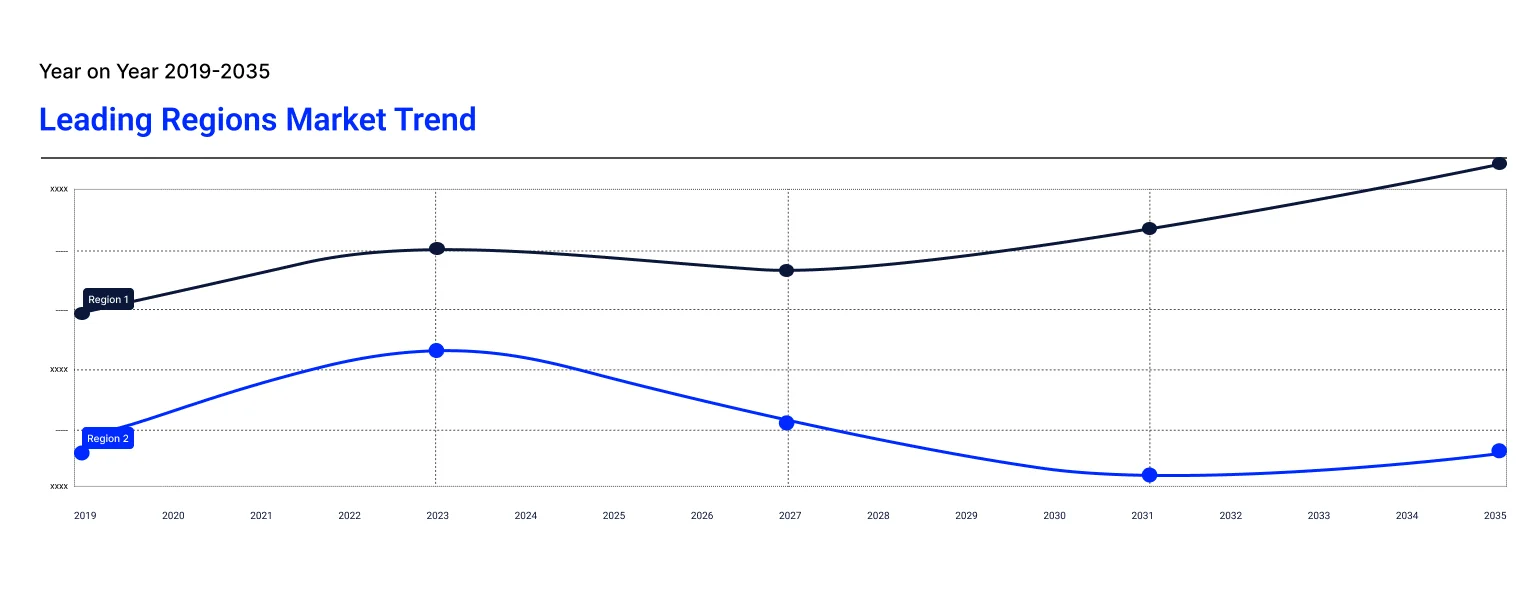
By region, Europe dominates the market driven by innovation and regulatory push driving advanced LED light engine adoption
Europe stands out as an innovative LED light engine market owing to the region's strict energy efficiency guidelines, high rate of adoption of smart buildings, and excellent automobile lighting requirements. In Europe, there is emphasis on high performing LED engines that can be incorporated into luminaire applications. Leading players such as OSRAM, LEDVANCE, and Nichia are investing heavily in advanced products and integration systems. This is evidenced by LEDVANCE's participation in Light + Building 2026 in Germany.
The rapid growth of the LED light engine market in Asia Pacific is attributable to its established semiconductor production industry, fast rate of industrialization, and increased construction of smart infrastructures within China, Japan, South Korea, and India. The market features huge capacity for producing light engines, efficient production, and technology advancement in micro-LEDs, COBs, and high-performing emitters. Major players in the region including Nichia, Ennostar, and Hongshi Intelligent Technology are producing more LED engines and increasing efficiency levels in order to cater to automotive, display, and architectural lighting applications.
In the global market, development is being propelled by a strong shift toward innovation-led engineering, where LED light engine market players are refining optical precision, thermal efficiency, and system miniaturization to unlock higher performance lighting solutions. Focus is increasingly placed on next-generation architectures such as micro-LED, COB, and multi-emitter platforms that enable richer color control, adaptive brightness, and lower energy consumption. Alongside this, integration of smart lighting capabilities and digitally controlled engines is transforming how lighting systems respond to varied environmental and application demands, strengthening technological depth across automotive, architectural, and commercial ecosystems.
Market growth is also being shaped by an expanding ecosystem approach where LED light engine companies are aligning with broader application sectors such as mobility, digital displays, and smart infrastructure. Efforts are focused on scaling production capabilities, enhancing modular design flexibility, and enabling seamless integration of LED engines into diverse lighting systems. Increasing emphasis on sustainability and lifecycle efficiency is also encouraging more optimized, energy-conscious designs.
Nichia Corporation, established in 1956 and headquartered in Tokushima, Japan, is a global leader in LED and phosphor technology innovation. The company focuses on high-efficiency LED light engines, micro-LEDs, and advanced semiconductor lighting solutions, driving applications across automotive, display, and general illumination markets worldwide.
Osram Licht AG, established in 1919 and headquartered in Munich, Germany, is a major global provider of optical semiconductor solutions and intelligent lighting technologies. The company develops advanced LED light engines, automotive lighting systems, and sensor-integrated solutions, strengthening its presence across mobility, industrial, and smart lighting applications.
Samsung Electronics Co. Ltd., established in 1969 and headquartered in Suwon, South Korea, is a leading global electronics and semiconductor manufacturer. The company is actively advancing LED and micro-LED display technologies along with high-performance lighting components, supporting innovation in digital displays, automotive lighting, and next-generation LED light engine systems.
Everlight Electronics Co., Ltd., established in 1983 and headquartered in Taipei, Taiwan, is a prominent LED component manufacturer specializing in optoelectronic solutions. The company develops energy-efficient LED packages, light engines, and automotive lighting components, catering to industrial, consumer electronics, and smart lighting applications across global markets.
Other key players in the market include Wipro Enterprises (P) Limited, Signify N.V., Lutron Electronics Co., Inc, Seoul Semiconductor Co ltd., Cree Inc., Lumileds, and Hubbell Incorporated, among others.
*Please note that this is only a partial list; the complete list of key players is available in the full report. Additionally, the list of key players can be customized to better suit your needs.*
Explore the latest trends shaping the global LED light engine market 2026-2035 with our in-depth report. Gain strategic insights, future forecasts, and key market developments that can help you stay competitive. Download a free sample report or contact our team for customized consultation on global LED light engine market trends 2026.


Upto 15% Off
USD
$2499 $2249
$3999 $3599
$4999 $4249
$5999 $5099


*While we strive to always give you current and accurate information, the numbers depicted on the website are indicative and may differ from the actual numbers in the main report. At Expert Market Research, we aim to bring you the latest insights and trends in the market. Using our analyses and forecasts, stakeholders can understand the market dynamics, navigate challenges, and capitalize on opportunities to make data-driven strategic decisions.*
In 2025, the global LED light engine market attained a value of nearly USD 51.61 Billion.
The market is projected to grow at a CAGR of 12.20% between 2026 and 2035.
The major market drivers are rising industrialisation, increasing demand for energy efficient lighting systems and developing infrastructure.
The key trends guiding the market are reduced prices of LED, the rising penetration of LEDs as a light source, and advancements in LED technology.
The major regions in the market are North America, Latin America, the Middle East and Africa, Europe, and the Asia Pacific.
The several products of LED light engine are lamp and luminaires.
The various forms of LED light engine in the market include flexible and rigid.
The major installation types of LED light engine considered in the market report are new installation and retrofit installation.
The significant end uses of LED light engine are residential, commercial, and industrial.
The key market players are Nichia Corporation, Osram Licht AG, Samsung Electronics Co. Ltd., Everlight Lighting Co., Ltd., Wipro Enterprises (P) Limited, Signify N.V., Lutron Electronics Co., Inc, Seoul Semiconductor Co ltd., Cree Inc., Lumileds, and Hubbell Incorporated, among others.
Explore our key highlights of the report and gain a concise overview of key findings, trends, and actionable insights that will empower your strategic decisions.
| REPORT FEATURES | DETAILS |
| Base Year | 2025 |
| Historical Period | 2019-2025 |
| Forecast Period | 2026-2035 |
| Scope of the Report |
Historical and Forecast Trends, Industry Drivers and Constraints, Historical and Forecast Market Analysis by Segment:
|
| Breakup by Product |
|
| Breakup by Form |
|
| Breakup by Installation Type |
|
| Breakup by End Use |
|
| Breakup by Region |
|
| Market Dynamics |
|
| Competitive Landscape |
|
| Companies Covered |
|
| Report Price and Purchase Option | Explore our purchase options that are best suited to your resources and industry needs. |
| Delivery Format | Delivered as an attached PDF and Excel through email, with an option of receiving an editable PPT, according to the purchase option. |
Datasheet
One User
USD 2,499
USD 2,249
tax inclusive*
Single User License
One User
USD 3,999
USD 3,599
tax inclusive*
Five User License
Five User
USD 4,999
USD 4,249
tax inclusive*
Corporate License
Unlimited Users
USD 5,999
USD 5,099
tax inclusive*
*Please note that the prices mentioned below are starting prices for each bundle type. Kindly contact our team for further details.*
Flash Bundle
Small Business Bundle
Growth Bundle
Enterprise Bundle
*Please note that the prices mentioned below are starting prices for each bundle type. Kindly contact our team for further details.*
Flash Bundle
Number of Reports: 3
20%
tax inclusive*
Small Business Bundle
Number of Reports: 5
25%
tax inclusive*
Growth Bundle
Number of Reports: 8
30%
tax inclusive*
Enterprise Bundle
Number of Reports: 10
35%
tax inclusive*
How To Order

Select License Type
Choose the right license for your needs and access rights.

Click on ‘Buy Now’
Add the report to your cart with one click and proceed to register.

Select Mode of Payment
Choose a payment option for a secure checkout. You will be redirected accordingly.
Strategic Solutions for Informed Decision-Making
Gain insights to stay ahead and seize opportunities.

Get insights & trends for a competitive edge.

Track prices with detailed trend reports.

Analyse trade data for supply chain insights.

Leverage cost reports for smart savings

Enhance supply chain with partnerships.

Connect For More Information
Our expert team of analysts will offer full support and resolve any queries regarding the report, before and after the purchase.
Our expert team of analysts will offer full support and resolve any queries regarding the report, before and after the purchase.
We employ meticulous research methods, blending advanced analytics and expert insights to deliver accurate, actionable industry intelligence, staying ahead of competitors.
Our skilled analysts offer unparalleled competitive advantage with detailed insights on current and emerging markets, ensuring your strategic edge.
We offer an in-depth yet simplified presentation of industry insights and analysis to meet your specific requirements effectively.




