

Consumer Insights
Uncover trends and behaviors shaping consumer choices today
Procurement Insights
Optimize your sourcing strategy with key market data
Industry Stats
Stay ahead with the latest trends and market analysis.
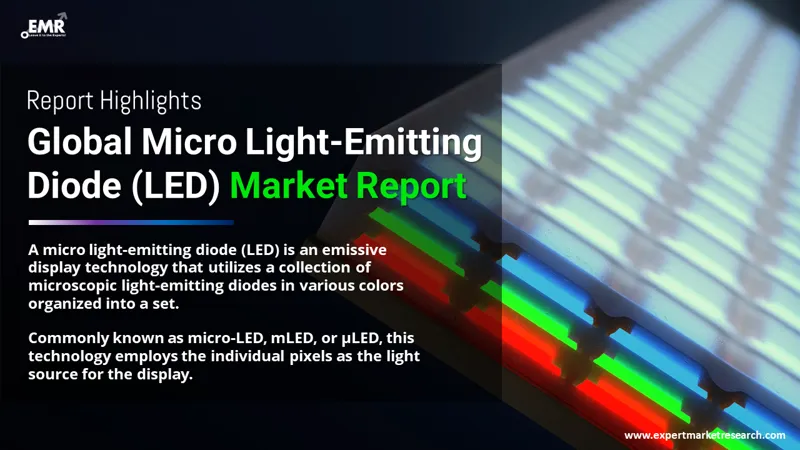
The global micro light-emitting diode (LED) market attained a value of USD 10214.18 Million in 2025 and is projected to expand at a CAGR of 85.00% through 2035. The market is further expected to achieve USD 1000000.00 Million by 2035. The rising uptake of AR wearable devices, adaptive automotive cockpit display systems, and energy-saving premium TVs is spurring investments in wafer handling solutions, semiconductor collaborations, and advanced micro display production.
The micro light-emitting diode (LED) market is observing increased traction due to investments in smart mobility and medical visualization platforms. Automobile manufacturers are incorporating micro-LED display systems in digital cockpits, adaptive dashboards, and intelligent lighting systems to enhance driver interaction and energy savings. At the same time, manufacturers of healthcare equipment are utilizing micro-LED systems in surgical imaging and diagnostic monitors needing high luminosity and color accuracy. One other significant factor driving growth in this industry is defense modernization initiatives, which are making extensive use of ruggedized micro displays for applications such as aviation helmets, surveillance gear, and wearable mission-critical systems needing low energy consumption and reliability.
Technology scaling is an emerging trend noticed in the micro light-emitting diode (LED) market scope. This is accelerated by competitive market participants for launching ultra-bright, power-efficient, and ultra-thin display designs for top-tier consumer electronics and automobile interface solutions. In September 2025, Garmin launched fēnix 8 MicroLED smartwatch featuring ultra-bright displays, advanced GPS tracking, and premium multisport performance capabilities. Firms are focusing on incorporating artificial intelligence (AI) picture optimization together with semiconductor-grade micro-LED chip designs for optimal brightness and reduced energy requirements.
Moreover, companies are making notable investment in the development of wafer-level processing, chip transfer capabilities, and advanced repair techniques that minimize defect rates in micro-LED panels. In May 2026, India approved Crystal Matrix’s MicroLED display fabrication project supporting domestic advanced display manufacturing and semiconductor ecosystem expansion. Display vendors are collaborating with semiconductor foundry firms to hasten commercial launch schedules and enhance scalability. The micro light-emitting diode (LED) market is concentrating on embedding micro-LED designs in flexible products, transparent displays, and power-sensitive commercial signage applications. Manufacturers are also increasing R&D allocations toward gallium nitride materials and micron-scale pixel integration to improve contrast ratios and operational lifespans.
Compound Annual Growth Rate
85%
Value in USD Million
2026-2035
Get a sample of the market report in PDF – REQUEST A FREE SAMPLE
PlayNitride contributed to the rapid development of the MicroLED display technology for automobiles by focusing on premium automobile dashboard applications, transparent displays, and future smart mobility systems. Innovations such as these provide opportunities for micro light-emitting diode (LED) market firms that can consider developing visualization systems, transparent displays, and MicroLED technology.
Samsung introduced innovative Micro RGB and MicroLED displays that offer superior brightness, precise color reproduction, and immersive entertainment experiences. Innovations like these encourage other firms to advance ultra-brightness display technologies and premium large-scale micro-LED products.
Three new VR headsets with Micro-OLED screens offering improved resolution and visual immersion were announced by Pimax. This development provides opportunities for companies to apply Micro-OLEDs to gaming devices, mixed-reality devices, and immersive entertainment products.
Apple Vision Pro 2 announced plans to employ bright, power-efficient Micro-OLED technology for spatial computing. This kind of development in the micro light-emitting diode (LED) market presents opportunities for companies to enhance their compact, high-resolution display technologies for AR and wearables.
Automotive producers are increasingly incorporating micro-LED screens in intelligent cockpit systems, head-up displays, and adaptive lighting systems to enhance visibility and lower energy use. The focus on extremely slim display modules that can function effectively in challenging environments continues to be prioritized by firms in the micro light-emitting diode (LED) market. In April 2026, Marelli introduced MicroLED headlamps, OLED rear lighting, and interactive automotive lighting systems supporting intelligent connected mobility experiences. Meanwhile, automotive authorities in Europe are emphasizing technologies that ensure driver safety, resulting in increased spending on sophisticated display interfaces among luxury automobiles.
The micro light-emitting diode (LED) market is progressively adopting semiconductor-style manufacturing approaches to boost chip transfer efficiency and decrease defects in manufacturing. Investments in automated mass transfer devices, wafer bonding techniques, and micron-scale repair machinery are being increased by firms to hasten commercial deployment. East Asian governments are investing in their national semiconductor infrastructures via industrial financial support schemes and tax cuts. For example, in May 2026, India approved new semiconductor facilities supporting GaN-based Mini/MicroLED display manufacturing, chip packaging, and advanced domestic electronics production expansion. The manufacturers are increasingly aiming for better yield rates since scalability in production is one of the most significant obstacles to adoption.
Vehicle manufacturers are employing micro-LED panels in intelligent cockpit applications, head-up displays, and adaptive lighting technologies in an attempt to improve vision quality and reduce energy consumption. This micro light-emitting diode (LED) market trend towards ultra-thin display units capable of functioning optimally under adverse conditions persists among companies. For instance, in May 2026, Tianma presented MicroLED HUDs, 610Hz AMOLED displays, and glasses-free 3D medical visualization technologies for advanced display applications. On the other hand, European automobile regulatory agencies highlight the need for driver safety technology, causing a rise in expenditure on complex display user interfaces in luxury cars.
There is a rising trend for the application of micro-LED technology in AR glasses, military visualization systems, and future wearables due to its high-brightness capabilities and small-sized pixels. The micro light-emitting diode (LED) market observes considerable investments made in display technologies that can be integrated into future immersive mixed reality wearables by technology giants. In May 2025, Samsung accelerated AR micro display development for smart glasses, strengthening next-generation micro-LED display commercialization efforts. Governments around the globe are also making heavy investments in the AR-assisted industrial training and defense simulation technologies, which are indirectly encouraging the adoption of advanced display technologies.
Due to increasing concerns related to environmental sustainability and energy savings, companies are opting for low-power display technology solutions. The use of micro-LEDs in display technology is proven to be more energy-efficient, and it also increases their lifespan. In May 2026, AUO showcased AI-integrated transparent micro-LED displays for AR, mobility, and ultra-low-power interactive applications. The European Union and Asian governments are setting higher standards for energy consumption among various electronic devices. Manufacturers are encouraged to develop more efficient display technologies that generate less heat and have a longer lifespan. Companies in the micro light-emitting diode (LED) market are adopting environmentally sustainable practices by using renewable materials in display technologies.
Read more about this report - REQUEST FREE SAMPLE COPY IN PDF
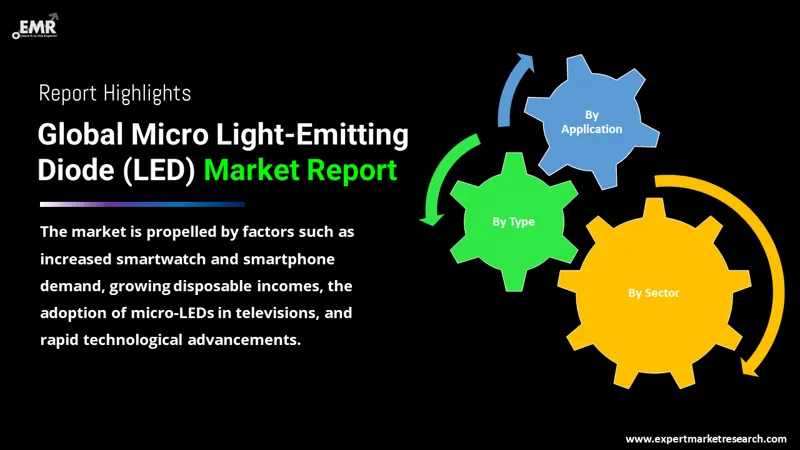
The Expert Market Research report titled “Global Micro Light-Emitting Diode (LED) Market Report and Forecast 2026-2035” offers a detailed analysis of the market based on the following segments:
Market Breakup by Type
Key Insight: The display sub-segment is dominating the micro light-emitting diode (LED) market owing to the growing preference for ultra-thin and high brightness visualization devices among end-users, including consumers of electronic goods, vehicle manufacturers, and companies that use these products in premium settings. For instance, in June 2024, Samsung expanded MICRO LED lineup with luxury 89-inch, 101-inch, and 114-inch premium home entertainment displays. The lighting sub-segment, on the other hand, is witnessing rapid growth as the infrastructural and industrial sectors are showing keen interest in lighting solutions that involve energy-efficient and intelligent lighting devices. Semiconductor integration, chip transfer, and module-based architecture are also becoming popular among suppliers in order to ensure growth in the two sub-segments. In the case of the display segment, companies are trying to provide immersive viewing experiences as well as transparent displays.
Market Breakup by Application
Key Insight: As per the micro light-emitting diode (LED) market report, the category for smartphone and tablet devices is receiving an added impetus due to increased interest in brighter, thin, and energy-saving displays capable of handling multimedia content. Computer and laptop market suppliers are working on visualization products that feature better color reproduction and less energy consumption. Television applications continue to dominate the market owing to high demands for entertainment-focused immersive visualization technologies and larger screens. Applications for smartwatches are proliferating as suppliers try to offer energy saving, small screen sizes, and outdoor display readability.
Market Breakup by Sector
Key Insight: Companies are increasingly focusing on creating immersive experiences for their customers, intelligent signage solutions, and high-end visual displays that enable luxurious experiences. The residential segment is experiencing steady growth in the micro light-emitting diode (LED) market owing to the proliferation of high-end television sets, intelligent home integration, and energy efficient entertainment devices suitable for contemporary homes. The industrial market is witnessing an increasing demand for tough and fast display solutions as these sectors require rugged and low latency display technologies which work well under extreme conditions. Companies in all industry segments are now focusing on manufacturing scalable semiconductors, enhanced energy efficiency, and robust modular architectures.
Market Breakup by Region
Key Insight: North America is taking advantage of robust innovation clusters for wearable electronics, military gadgets, and future auto-display technology. European players focus on efficient electronics, green manufacturing processes, and intelligent transportation systems utilizing high-end visualization devices. Asia Pacific remains dominant in the global micro light-emitting diode (LED) market, owing to its highly developed semiconductor industry, seamless supply chain management, and substantial investments in display technology commercialization. Latin America is steadily growing due to improvements in digital infrastructure and higher adoption of quality consumer electronics products. In addition, the Middle East and Africa regions observe rising demand for luxury retail displays, smart city initiatives, and commercial visualization systems.
Access Detailed Forecasts & Data-Driven Insights – Download Free PDF
Get a sample of the market report in PDF – REQUEST A FREE SAMPLE
By type, the display segment dominates the market owing to rising premium visualization technology integration.
Display applications capture a substantial share of the micro light-emitting diode (LED) market as there is an emphasis on extremely high-resolution visualizing tools for television screens, smartphone screens, automobiles' dashboard displays, and commercial displays. The advantages associated with micro-LED screens are their brightness level, color accuracy, and fewer chances of burn-ins when compared to OLED. Manufacturers are making extensive investments in transparent display solutions, modular panel displays, and chip transfer processes to enhance scalability. For example, in September 2025, AUO partnered with Garmin launching first micro-LED smartwatch targeting premium wearable display commercialization.
There is a notable surge in demand for lighting applications with the increasing development of smart lighting solutions for industrial infrastructure, automobile lighting, and advanced industrial lighting. These solutions surpass traditional LED solutions in terms of energy efficiency, design size, and high-intensity lighting, boosting demand in the micro light-emitting diode (LED) market. Companies are creating solutions that can be used in smart cities' infrastructure, medical devices, and industrial settings. In addition to this, automobile companies are using lighting micro-LED solutions for adaptive heads and interior ambient lighting.
TV applications witness significant demand driven by premium ultra-large display commercialization across consumers
TV applications are dominating the micro light-emitting diode (LED) market since the premium electronic brands are increasingly incorporating large and high-resolution display systems into their products. The reason behind this trend is that consumers prefer micro-LED televisions due to their contrast ratio and long-lasting nature compared to traditional displays. Companies are working on developing bezel-less modular television displays and transparent screens to be used by the luxury class, corporate settings, and entertainment facilities. Defect reduction and scalability through semiconductors are other issues receiving more attention. In addition, manufacturers are incorporating artificial intelligence-based display features.
Smartwatch applications are considered to be the fastest-growing category in the micro light-emitting diode (LED) market because of the increasing consumer preferences for small but efficient wearable electronic devices equipped with quality displays. Micro-LED displays have an added advantage of providing higher brightness, visibility in the outdoors, and reduced battery consumption. Electronic companies are trying to incorporate thinner displays with higher pixels. For example, in January 2026, Amazfit announced the development of T-Rex Ultra 2 microLED smartwatch featuring ultra-bright wearable display technology advancements.
The commercial sector registers the largest share of the market due premium digital visualization infrastructure modernization investments
Commercial applications form a major part of the micro light-emitting diode (LED) market scope owing to rising adoption of premium digital signage solutions, luxurious retail displays, and enterprise visualization tools. The use of ultra-high-definition modular screens in businesses is increasing significantly to improve consumer engagement and effective branding. Hospitality establishments, transport terminals, and recreational places are incorporating transparent and customizable micro-LED displays for creating immersive visual experiences. There is an increased need for interactive commercial display systems as well as display systems that integrate with AI technology. For instance, in March 2026, JBD launched Griffin automotive-grade MicroLED projection platform enabling intelligent vehicle interaction and dynamic safety visualization technologies.
Growth in industrial applications is becoming more prominent owing to increasing adoption of micro-LED technology in automation systems, precision measurement tools, and mission-critical industrial interfaces. Industrial grade displays can withstand extreme environmental conditions owing to features such as low latency, rugged design, high visibility, and high durability. Industrial operators are showing interest in building display platforms for industrial plants and facilities such as aerospace and energy infrastructure. Companies are also investing heavily in low-power consumption display systems.
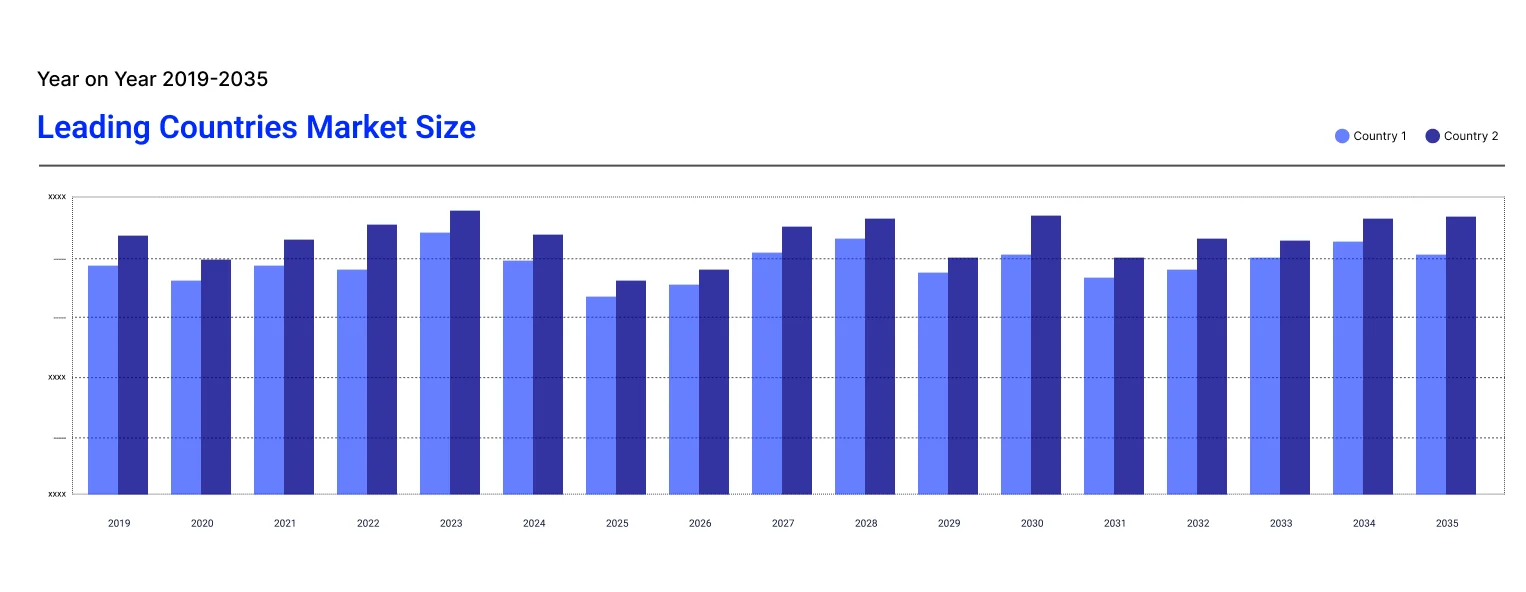
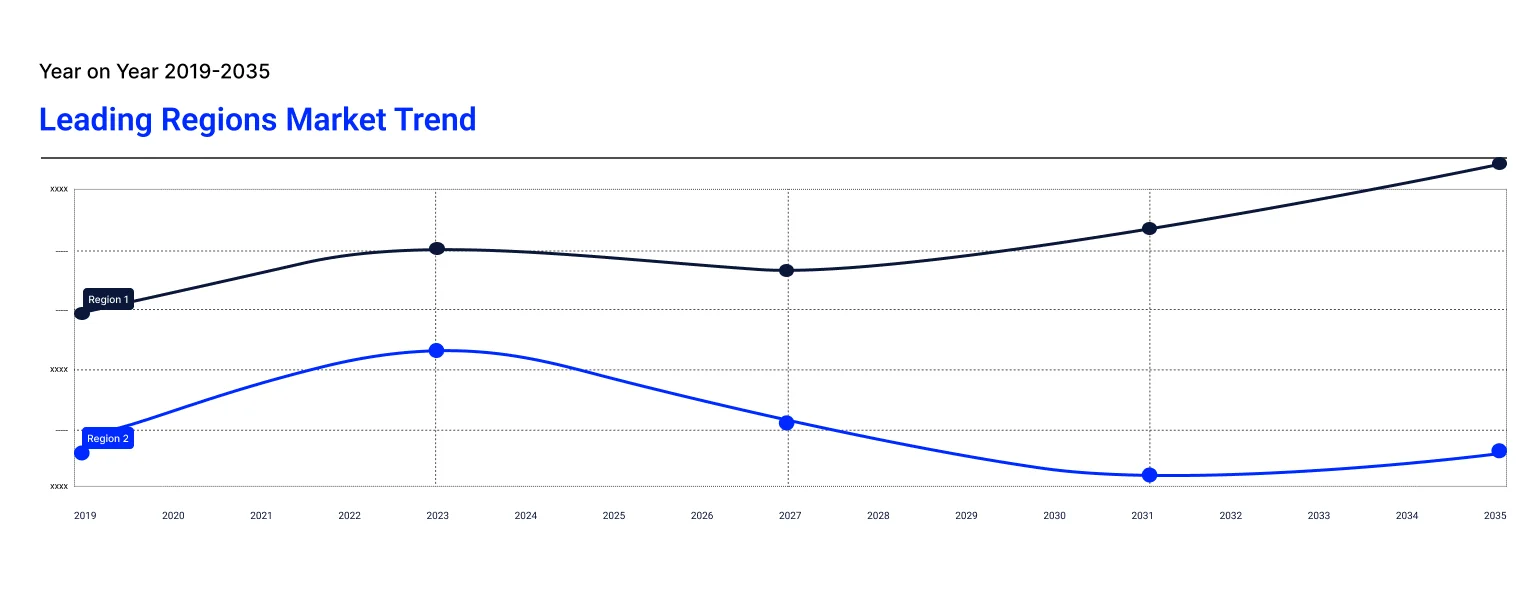
Asia Pacific registers notable demand in the market due to concentrated semiconductors and display manufacturing ecosystems
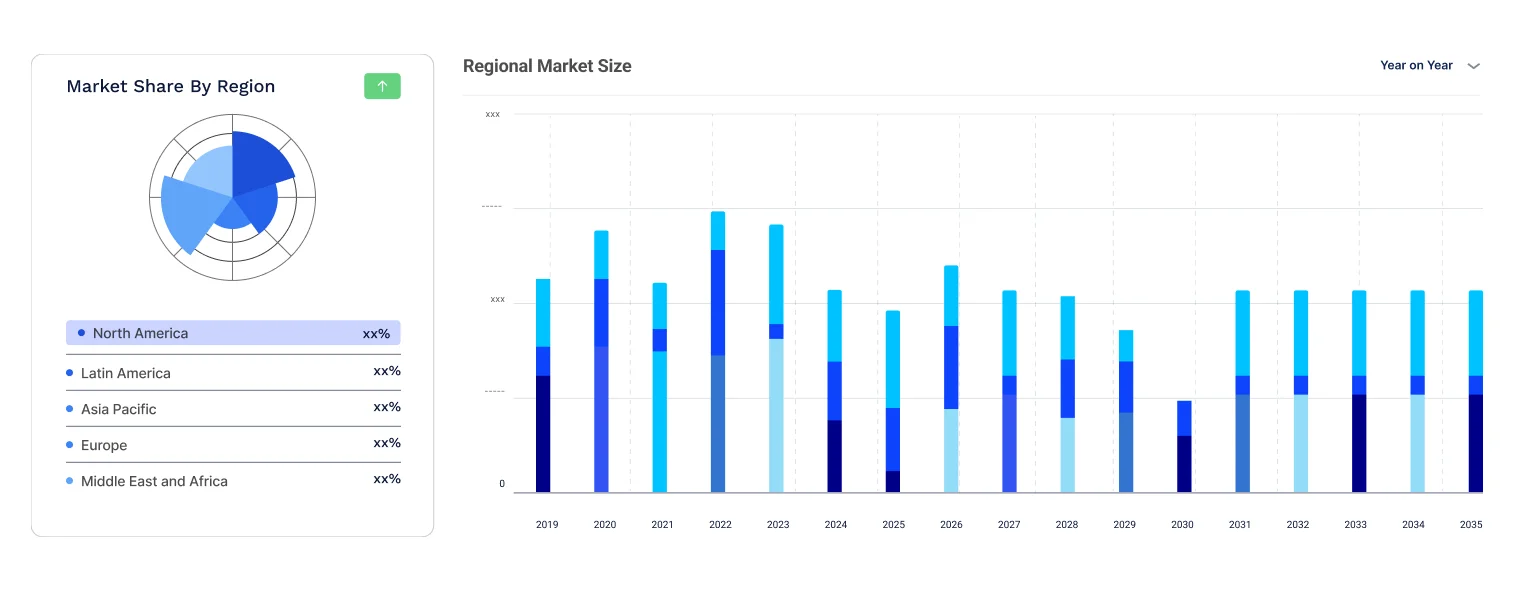
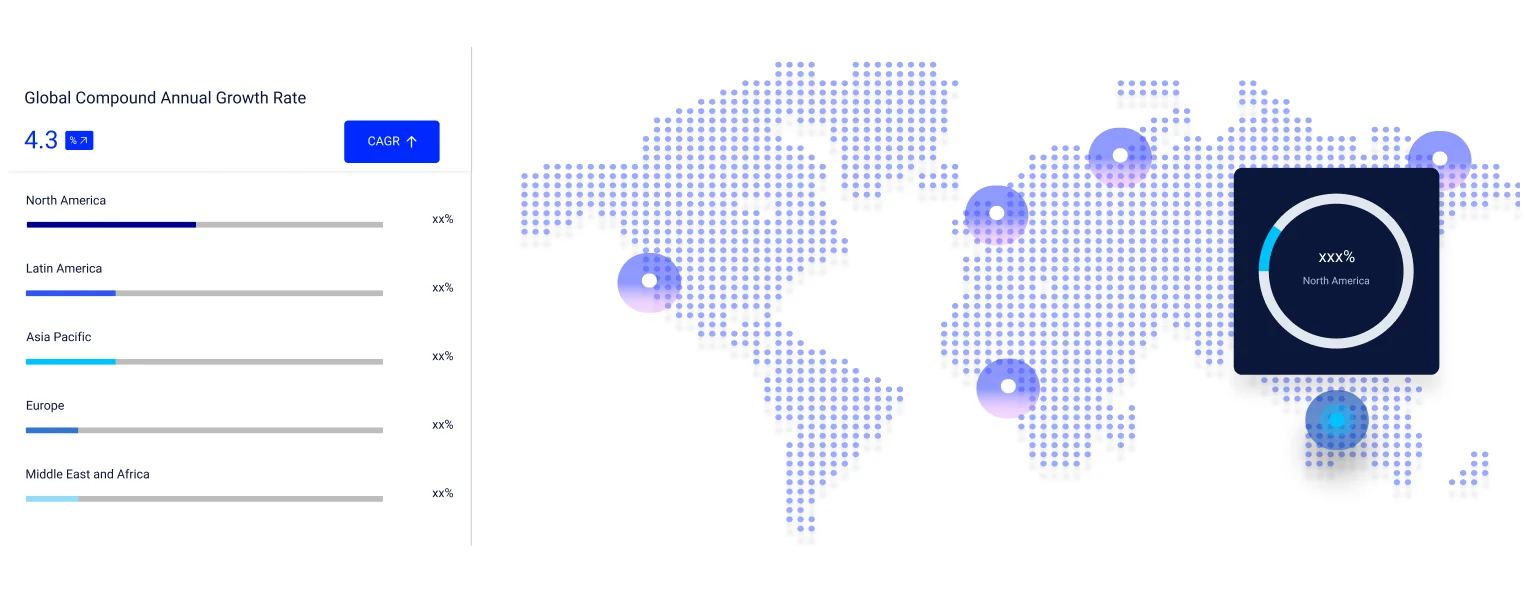
The Asia Pacific region registers the dominant share in the micro light-emitting diode (LED) market revenue owing to the presence of several semiconductor fabrication centers, display manufacturing hubs, and electronics assembly hubs. Countries such as China, South Korea, Taiwan, and Japan are making significant investments in the development of next-generation display products and semiconductor modernization projects. There is a growing emphasis on commercializing micro-LEDs for televisions, automobiles, and wearable electronics within the region. Government policies are providing support to indigenous display manufacturers through various financial incentives, research grants, and export-oriented manufacturing policies.
The North American region is projected to register the highest growth in terms of the micro light-emitting diode (LED) market value due to significant investments in wearable electronics, military visualization systems, and advanced automotive solutions. Leading technology firms in the United States are working on the integration of micro-LED displays in augmented reality devices, premium electronics, and aerospace applications. Semiconductor vendors, automobile OEMs, and display technology developers are forming strategic partnerships to expedite the commercialization process. For example, in March 2026, LG introduced new MAGNIT Micro LED displays targeting premium commercial spaces and luxury residential entertainment applications in the United States.
The market is observing intensified competition as display producers, semiconductor makers, and electronics firms ramp up their commercialization efforts for high-end visualization technology. Efforts toward miniaturizing chips, mass automation transfer systems, and defect repair systems are taking center stage among micro light-emitting diode (LED) market players with the objective of enhancing scalability and lowering production expenses. Collaborative partnerships between automakers, semiconductor facilities, and wearable device makers are leading to an increase in innovation within the sector.
The focus is not just limited to transparency and flexible display systems but also extends to energy efficient modular systems designed for industrial use cases and luxury consumer electronics products. There are also increasing efforts being made in AI-driven display optimization and semiconductors that ensure better brightness levels and reduced power consumption. Micro light-emitting diode (LED) companies that are able to localize their supply chains, optimize yields, and hasten their commercialization processes are expected to gain sustained competitive advantages.
Founded in 1958, with headquarters in Seoul, South Korea, LG Electronics Inc. is placing an emphasis on transparent micro-LED display technology, premium television systems, and visualization technology. The firm is engaging in developing modular display designs and AI-assisted image enhancement features tailored to high-end retail environments, business establishments, and smart infrastructure ventures that demand immersive high resolution visualization experience.
Founded in 2014 and based in Taiwan, PlayNitride Inc. engages in micro-LED chip technologies and innovative mass transfer solutions. It has partnered with various automotive and wearable electronics firms to enhance commercial scalability. The company’s specialization involves semiconductor-grade display integration and micron-grade chip technologies, and energy-saving display technologies for premium electronic applications.
Founded in 1956 and based out of Plymouth, United Kingdom, Plessey Semiconductors Ltd. specializes in gallium nitride semiconductors that can be used for next-generation micro-LED devices. Plessey Semiconductors Ltd. is focusing on the development of miniaturized display systems for use in augmented reality wearables. Wafer-level manufacturing optimization and licensing alliances are other focal areas for the company.
Founded in 1969 and located in Suwon, South Korea, Samsung Electronics Co., Ltd. is expanding its portfolio of premium quality micro-LED televisions and modular display screens. The company’s priority areas include developing transparent displays, artificial intelligence-assisted image processing software, and integrated semiconductor-based production systems.
Other key players in the market include VueReal Inc., and Sony Corporation, among others.
*Please note that this is only a partial list; the complete list of key players is available in the full report. Additionally, the list of key players can be customized to better suit your needs.*
Unlock the latest insights with our micro light-emitting diode (LED) market trends 2026 report. Discover regional growth patterns, consumer preferences, and key industry players. Stay ahead of competition with trusted data and expert analysis. Download your free sample report today and drive informed decisions in the market.
United Arab Emirates LED Lighting Market


Upto 15% Off
USD
$2499 $2249
$3999 $3599
$4999 $4249
$5999 $5099


*While we strive to always give you current and accurate information, the numbers depicted on the website are indicative and may differ from the actual numbers in the main report. At Expert Market Research, we aim to bring you the latest insights and trends in the market. Using our analyses and forecasts, stakeholders can understand the market dynamics, navigate challenges, and capitalize on opportunities to make data-driven strategic decisions.*
In 2025, the global micro light-emitting diode (LED) market attained a value of nearly USD 10214.18 Million.
The market is projected to grow at a CAGR of 85.00% between 2026 and 2035.
The market is estimated to witness a healthy growth in the forecast period of 2026-2035 to reach about USD 1000000.00 Million by 2035.
The major drivers of the market include the rising demand for smartwatches and smartphones, rising disposable incomes, the growing adoption of micro-LEDs for TVs, and rapid technological advancements.
The key trend guiding the market growth includes the development of GaN-on-Si technology.
The major regions in the market are North America, Latin America, the Middle East and Africa, Europe, and the Asia Pacific.
Display and lighting are the leading types of the product in the market.
Smartphone and tablet, PC and laptop, TV, and smartwatch, among others, are the significant applications of the product.
Commercial, residential, and industrial are the major sectors of the product in the market.
The major players in the market are LG Electronics Inc., Playnitride Inc., Plessey Semiconductors Ltd., Samsung Electronics Co., Ltd., VueReal Inc., and Sony Corporation, among others.
Explore our key highlights of the report and gain a concise overview of key findings, trends, and actionable insights that will empower your strategic decisions.
| REPORT FEATURES | DETAILS |
| Base Year | 2025 |
| Historical Period | 2019-2025 |
| Forecast Period | 2026-2035 |
| Scope of the Report |
Historical and Forecast Trends, Industry Drivers and Constraints, Historical and Forecast Market Analysis by Segment:
|
| Breakup by Type |
|
| Breakup by Application |
|
| Breakup by Sector |
|
| Breakup by Region |
|
| Market Dynamics |
|
| Competitive Landscape |
|
| Companies Covered |
|
| Report Price and Purchase Option | Explore our purchase options that are best suited to your resources and industry needs. |
| Delivery Format | Delivered as an attached PDF and Excel through email, with an option of receiving an editable PPT, according to the purchase option. |
Datasheet
One User
USD 2,499
USD 2,249
tax inclusive*
Single User License
One User
USD 3,999
USD 3,599
tax inclusive*
Five User License
Five User
USD 4,999
USD 4,249
tax inclusive*
Corporate License
Unlimited Users
USD 5,999
USD 5,099
tax inclusive*
*Please note that the prices mentioned below are starting prices for each bundle type. Kindly contact our team for further details.*
Flash Bundle
Small Business Bundle
Growth Bundle
Enterprise Bundle
*Please note that the prices mentioned below are starting prices for each bundle type. Kindly contact our team for further details.*
Flash Bundle
Number of Reports: 3
20%
tax inclusive*
Small Business Bundle
Number of Reports: 5
25%
tax inclusive*
Growth Bundle
Number of Reports: 8
30%
tax inclusive*
Enterprise Bundle
Number of Reports: 10
35%
tax inclusive*
How To Order

Select License Type
Choose the right license for your needs and access rights.

Click on ‘Buy Now’
Add the report to your cart with one click and proceed to register.

Select Mode of Payment
Choose a payment option for a secure checkout. You will be redirected accordingly.
Strategic Solutions for Informed Decision-Making
Gain insights to stay ahead and seize opportunities.

Get insights & trends for a competitive edge.

Track prices with detailed trend reports.

Analyse trade data for supply chain insights.

Leverage cost reports for smart savings

Enhance supply chain with partnerships.

Connect For More Information
Our expert team of analysts will offer full support and resolve any queries regarding the report, before and after the purchase.
Our expert team of analysts will offer full support and resolve any queries regarding the report, before and after the purchase.
We employ meticulous research methods, blending advanced analytics and expert insights to deliver accurate, actionable industry intelligence, staying ahead of competitors.
Our skilled analysts offer unparalleled competitive advantage with detailed insights on current and emerging markets, ensuring your strategic edge.
We offer an in-depth yet simplified presentation of industry insights and analysis to meet your specific requirements effectively.




