

Consumer Insights
Uncover trends and behaviors shaping consumer choices today
Procurement Insights
Optimize your sourcing strategy with key market data
Industry Stats
Stay ahead with the latest trends and market analysis.
The microcars market was valued at USD 24.80 Billion in 2025. The market is expected to grow at a CAGR of 4.90% during the forecast period of 2026-2035 to reach a value of USD 40.01 Billion by 2035. Rising electric microcar launches, purchase incentives for small electric vehicles, and steady demand for compact city transport are collectively driving the market growth.
The current microcars market dynamics reflect city access rules, ownership costs, and purchase incentives that favour very small vehicles, including quadricycles, kei cars, and mini electric models. Public support is central to this shift: in March 2026, Italy's Ministry of Enterprises and Made in Italy reopened its Ecobonus booking portal, covering light vehicles up to quadricycles at 30% of the price up to 3,000 euros, or 40% up to 4,000 euros with scrapping, on 30 million euros of 2026 funds. Such incentives steer buyers toward electric quadricycles and encourage makers to widen their ranges, while price conscious households keep comparing running costs against used small cars.
The overall microcars market value is also shaped by volumes in Japan, where kei cars form a large and steady part of new car sales. In January 2026, Japanese data showed that kei sales reached 1,667,360 units in 2025, up 7.0%, out of total new vehicle sales of 4,565,777, up 3.3%, or about 36.5% of the total. Such depth in one country supports platform sharing, supplier scale, and dealer networks, while buyers weigh tax savings, interior space, and safety features, and makers add electric versions. Companies with strong small platform skills are better placed.
Compound Annual Growth Rate
4.9%
Value in USD Billion
2026-2035
Read more about this report - REQUEST FREE SAMPLE COPY IN PDF
|
Microcars Market Report Summary |
Description |
Value |
|
Base Year |
USD Billion |
2025 |
|
Historical Period |
USD Billion |
2019-2025 |
|
Forecast Period |
USD Billion |
2026-2035 |
|
Market Size 2025 |
USD Billion |
24.80 |
|
Market Size 2035 |
USD Billion |
40.01 |
|
CAGR 2019-2025 |
Percentage |
XX% |
|
CAGR 2026-2035 |
Percentage |
4.90% |
|
CAGR 2026-2035 - Market by Region |
Europe |
6.8% |
|
CAGR 2026-2035 - Market by Vehicle Type |
Low-Speed Electric Vehicles |
7.6% |
|
CAGR 2026-2035 - Market by Propulsion Type |
Battery Electric |
10.4% |
|
2025 Market Share by Region |
Asia Pacific |
80.0% |
The microcars market is being shaped by the start of Japanese sales for Suzuki's production electric kei car, a refreshed low-cost mini electric car from Geely, a planned strategic investor for Spain's Silence quadricycle unit, and Microlino's entry into Norway. Electric models, investor interest, and wider distribution are further reshaping the competitive landscape for makers and suppliers.
Suzuki confirmed sales of its e SKY battery electric kei car start in Japan in November 2026. The model uses a 26 kWh LFP battery, offers up to 310 km WLTC range, and is built on the HEARTECT-e platform. Kei makers can leverage this by sharing batteries and platforms across several models and by pricing early for subsidy eligible buyers.
Geely launched the updated Panda Mini Karting Edition in China at 43,900 yuan. It swaps the older battery for a 17.2 kWh CATL LFP pack, offers up to 210 km CLTC range and a 30-kW rear motor, reaching 100 km/h. Microcar makers can leverage this by using low-cost LFP packs and sporty styling to win young urban buyers.
Acciona began an early-stage review of bringing a strategic investor into Silence, its electric quadricycle and moped unit, to support European expansion. Silence sold 3,717 units in its latest full year, up 41%, giving it 36.2% of Spain's electric quadricycle market. Investors and suppliers can leverage this by offering capital, production capacity, or distribution to scale a proven brand.
Microlino set up Microlino Norge AS in Sandnes, with Egeland Auto handling sales and service, to enter Norway. The Lite version runs at 45 km/h and the standard car at 90 km/h, with range of 95 to 228 km, and cars are built in Turin. Microcar makers can leverage this by appointing local partners to handle sales, service, and registration.
Makers are looking beyond Europe and Asia for demand, testing compact electric models in North America where low speed vehicle rules can open urban and fleet channels. For example, in July 2026, Stellantis began selling the Morocco built Fiat Topolino in the United States, shipping 300 units to selected dealers with orders from USD 13,995. The two-seat model has a 5.4 kWh battery and 46 miles of range, and a conversion kit is planned for low-speed vehicle status.
Monthly payment offers matter to private buyers who compare running costs, so dedicated finance partners are becoming part of the microcar’s sales model. For example, in June 2026, Creditplus Bank AG agreed a cooperation with Micro Mobility Systems to provide sales financing for the Microlino in Germany. The arrangement complements existing Credit Agricole financing partnerships in other European markets, no financial terms were publicly disclosed, and German dealers gain a simple monthly payment offer for a car built in Turin.
Japanese makers are preparing small car platforms for wider markets, as the home kei class is mature and export demand for compact electric cars is rising. For example, in April 2026, Honda published its Super-ONE story confirming the compact electric car for Japan in May 2026 and said it is exploring expansion to Asia and then Europe, including right hand drive markets, after repeated testing in the United Kingdom. The story gave no specifications or price details for any market.
Chinese makers keep entry prices low while lifting battery, motor, and charging specifications, which supports volumes in the price sensitive A00 segment. For example, in March 2026, SAIC-GM-Wuling launched the 2026 Hongguang Mini EV in four variants priced from 44,800 to 54,800 yuan, offering 205 km or 301 km CLTC range, a 30-kW motor, an LFP battery, and fast charging from 30% to 80% in 35 minutes, in a body only 3,268 millimetres long, which suits narrow city streets.
Quadricycle makers are widening powertrain and cargo choices so one platform can serve families, young drivers, and businesses. For example, in January 2026, Ligier unveiled the revamped Myli in LAB and MAX trims, with the MAX adding a folding passenger seat and 1.2 cubic metres of cargo space. Prices start at 11,249 euros for the six-kWh electric version, and Italian orders opened in March 2026, including an 11 kWh L7 at 13,999 euros and a diesel at 12,849 euros.
The Expert Market Research's report titled "Microcars Market Report and Forecast 2026-2035" offers a detailed analysis of the market based on the following segments:
Market Breakup by Vehicle Type
Key Insight: Kei and other microcars dominate the microcars market by vehicle type, as Japan's kei class supports very large annual volumes under lower tax and ownership costs, while low speed electric vehicles are the fastest growing on new electric models and city use. Light quadricycles suit young and licence limited drivers, and heavy quadricycles add speed and cargo room. Others include small utility and three wheeled models. Showing quadricycle demand, in February 2026, Italian data showed 17,989 quadricycles registered in 2025, down 14.6%, with L7 up 18.1% to 4,069 units while L6 fell 21.0% to 13,920.
Market Breakup by Propulsion Type
Key Insight: Gasoline dominates the microcars market by propulsion type, because kei cars and entry level quadricycles mostly use small petrol engines, while battery electric is the fastest growing on new models and subsidies. Diesel serves some European quadricycles, and others include hybrid and liquefied petroleum gas models. Showing how support can change, in October 2026, Japan's economy ministry announced lower electric vehicle subsidy ceilings from January 2027, cutting the maximum for kei electric vehicles from 550,000 yen to 440,000 yen and the Sakura's subsidy to 458,000 yen.
Market Breakup by Seating Capacity
Key Insight: Three and four seater models dominate the microcars market by seating capacity, as kei cars and mini electric cars are designed for family and worker use, while two seaters are the fastest growing on city second car demand. Others include single seat and cargo focused models. Showing export demand for compact quadricycles, in July 2026, Bajaj reported Qute exports of 2,928 units in April to June 2026, up 203%, with cumulative exports at 43,439 units and key markets including Egypt, Turkey, and some African countries.
Market Breakup by Application
Key Insight: Personal mobility dominates the microcars market by application, because individuals buy most kei cars, mini electric cars, and quadricycles for local trips, while shared mobility and fleets are the fastest growing as operators test compact electric models. Commercial and last mile use covers kei vans and trucks, and others include campus and resort transport. Showing commercial electrification, in February 2026, Daihatsu released its first mass produced electric kei vans, the e-Hijet Cargo at 3,146,000 yen and the e-Atrai at 3,465,000 yen, with about 257 km of range and a 350 kg maximum load.
Market Breakup by Region
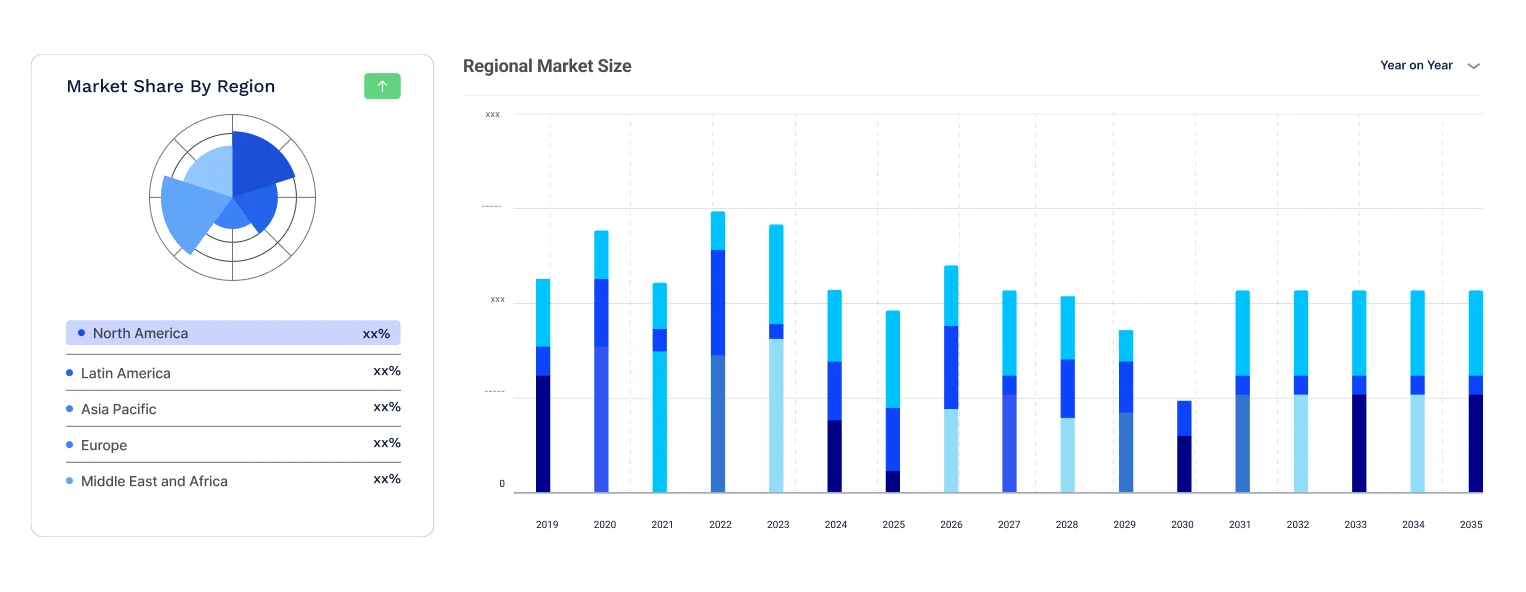
Key Insight: Asia Pacific dominates the microcars market on large kei and mini electric car volumes, while Europe is the fastest growing on electric quadricycles and city access rules. North America grows from a small base on low speed vehicles, Latin America expands as imports and local launches increase, and the Middle East and Africa gains from quadricycle exports. Showing European product activity, in October 2026, Micro unveiled the limited Microlino 55 Edition at the Paris Motor Show, with 55 units priced from 26,990 euros.
Read more about this report - REQUEST FREE SAMPLE COPY IN PDF
By vehicle type, kei and other microcars dominate on large Japanese volumes and mass market pricing
Kei and other microcars account for the largest share of the microcars market by vehicle type, because Japan's kei class, limited to 660 cc engines and about 3.4 metres in length, carries lower tax and ownership costs and sells in very large volumes every year. Makers such as Suzuki, Daihatsu, Honda, and Nissan build families of tall wagons, vans, and trucks on shared platforms, which spreads development cost and keeps prices low for private and business buyers across many cities.
Quadricycles form a smaller but fast-moving part of the microcars market. In June 2026, a French think tank report estimated that Europe sold about 60,000 L6 and L7 vehicles in 2025, roughly half of them in France. Light quadricycles suit teenage and licence limited drivers, while heavy quadricycles offer higher speeds and cargo space, and low speed electric vehicles are gaining ground as cities restrict older combustion cars and fleets look for compact, low-cost options for city trips.
By propulsion type, gasoline dominates as most kei and quadricycle models still use combustion engines
Gasoline accounts for the largest share of the microcars market by propulsion type, because the large Japanese kei fleet and many entry level quadricycles use small petrol engines that are cheap to build and simple to refuel. Buyers in rural areas and price sensitive markets value low purchase prices and fuelling access, and makers keep refreshing petrol and mild hybrid kei models. Diesel remains a niche choice in some European quadricycles, where it offers long range and low running costs.
Battery electric is the fastest growing propulsion type as new models arrive and subsidies support purchases. In July 2026, reports showed that the Nissan Sakura sold 14,093 units in 2025 and kept its place as Japan's bestselling electric vehicle. Rising choice from BYD, Honda, Suzuki, and Daihatsu are adding momentum, while others such as hybrid and liquefied petroleum gas models remain small, giving makers room to tailor powertrains to local rules. Home charging makes ownership simpler for city buyers.
By seating capacity, three-and-four-seater models dominate on family use and kei layouts
Three-and-four-seater models account for the largest share of the microcars market by seating capacity, because the kei class and mini EVs are designed to carry a family or several workers in a very small footprint. Tall body designs, sliding doors, and flexible rear seats make these models practical for school runs, shopping, and rural errands. Chinese mini EVs and the Bajaj Qute also use four seat layouts, which helps buyers justify a purchase as a household vehicle.
Two-seater models are the fastest growing seating group as city buyers look for second cars and short trip vehicles. In August 2026, Microlino and the Microlino Spiaggina launched in Uruguay through Signature Garage at USD 30,990 to 35,990, homologated as L7 vehicles. Two seat quadricycles take less parking space and cost less to run, though limited cargo room and highway use keep them from replacing larger microcars for families. Smaller batteries and lighter bodies also help reduce purchase prices.
By application, personal mobility dominates on private urban and rural car ownership
Personal mobility accounts for the largest share of the microcars market by application, because most kei cars, mini EVs, and quadricycles are bought by individuals for commuting, shopping, and local trips. Low prices, easy parking, and low running costs suit older drivers, second car households, and young drivers who hold limited licences. Retail financing offers and dealer networks make private purchases easier, while compact size keeps these vehicles useful in narrow streets and crowded city centres across many different markets.
Commercial and last mile use is the next largest application, with kei vans and trucks serving delivery, farming, and trades. In January 2026, Suzuki reported that its 2025 sales in Japan were 728,952 vehicles, of which 568,547 were minivehicles, showing how kei models underpin both private and business use. Shared mobility and fleets are a small but fast-growing group as operators test compact electric vehicles for short urban trips and campus transport. Operators value simple servicing and low costs.
Asia Pacific dominates the market due to large kei and mini electric car volumes
Asia Pacific dominates the microcars market, as Japan's kei class and China's mini-EV segment together account for most of the world's volume, and local makers build close to their buyers. In February 2026, Wuling reported that its Hongguang Mini EV family sold 435,598 units in 2025, lifting cumulative sales above 1.85 million since 2020. India adds further volume through quadricycles and small cars, while Japan's steady kei demand keeps the regional base large and resilient for suppliers and dealers.
Europe is the fastest growing region in the microcars market, led by electric quadricycles in France and Italy. In August 2026, Italian registration data showed that the Fiat Topolino reached nearly 4,000 units in 2025, the Citroen Ami about 3,400, and the Aixam e-City just under 1,500. Subsidies and city access rules help, while the Middle East and Africa and North America grow from smaller bases and Latin America expands as new models enter. City parking limits favour these vehicles.
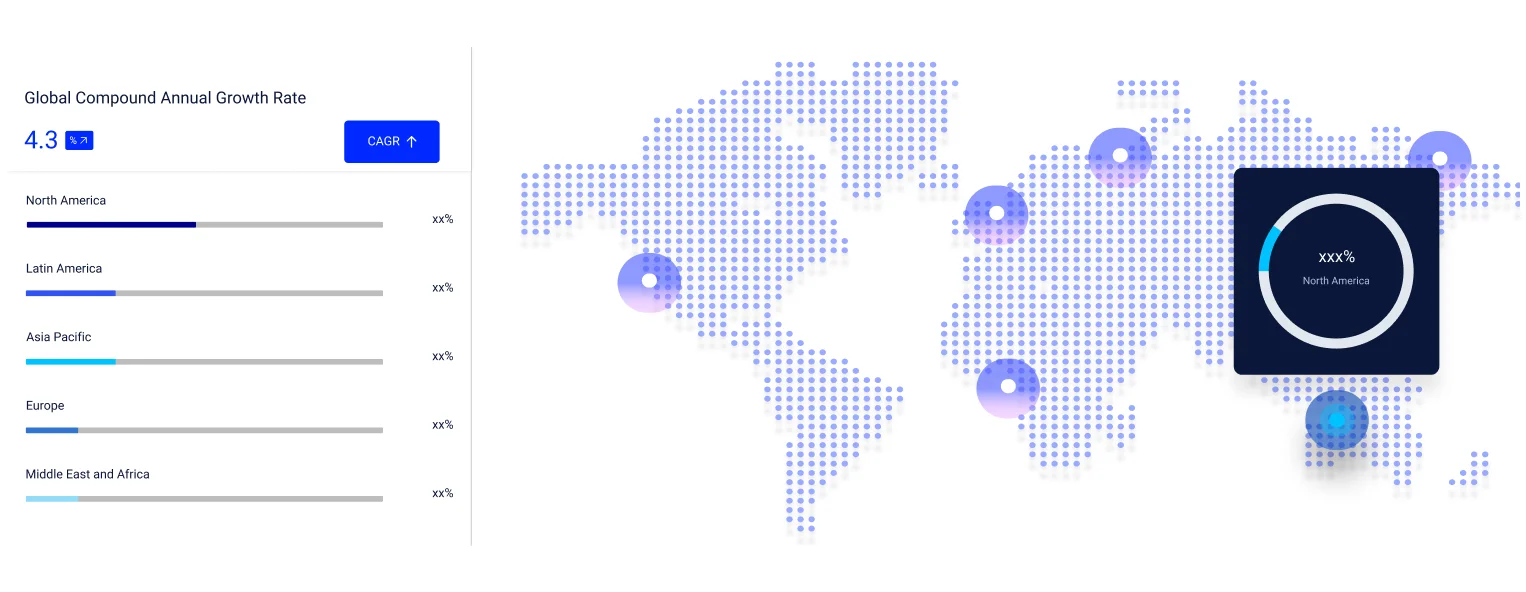
|
CAGR 2026-2035 - Market by |
Region |
|
North America |
6.0% |
|
Europe |
6.8% |
|
Asia Pacific |
4.5% |
|
Latin America |
5.2% |
|
Middle East and Africa |
6.4% |
The global market is fragmented, as microcars market players range from Japanese kei car makers and Chinese mini electric car producers to European quadricycle specialists and Indian small vehicle makers, and each competes within its own regulatory class. Companies like Suzuki Motor Corporation, SAIC-GM-Wuling Automobile Co., Ltd., Stellantis N.V., and Bajaj Auto Limited lead through scale and distinct local positions, while Renault Group, Ligier Group, Aixam Mega S.A.S., Micro Mobility Systems AG, and Daihatsu Motor Co., Ltd. add depth in specific regions.
Leading microcars market companies are differentiating through electric models, lower prices, new body styles, and wider dealer and financing networks. Several are also moving into export markets, adding cargo and fleet versions, and using shared platforms to control costs. Growing focus on range, safety, and city access is helping companies broaden portfolios, reach new buyer groups, and support sustained long term growth across several regions.
Suzuki Motor Corporation, headquartered in Hamamatsu, Japan, was founded in 1909 as Suzuki Loom Works. The company builds kei cars including the Alto, Wagon R, Every, Spacia, Hustler, and Jimny, alongside small cars. It reported 2025 global sales of 3,295,013 vehicles and sells automobiles in 188 countries and regions, helped by a strong small car platform and wide dealer reach.
SAIC-GM-Wuling Automobile Co., Ltd., headquartered in Liuzhou, Guangxi, China, was founded in 2002 and is owned by SAIC, General Motors, and Guangxi Automobile Group. The company makes the Hongguang Mini EV, Bingo, Air EV, and KiWi EV small electric cars. It reports more than 29 million vehicles sold cumulatively, and its Mini EV has led China's A00 class for years.
Stellantis N.V., headquartered in Hoofddorp, Netherlands, was founded in 2021 through the merger of PSA Group and Fiat Chrysler Automobiles. The company sells the Citroen Ami, Opel Rocks Electric, and Fiat Topolino quadricycles, all built at its Kenitra plant in Morocco. It sold about 5.34 million vehicles across 14 brands in 2025, with quadricycles sharing one platform.
Bajaj Auto Limited, headquartered in Pune, India, was founded in 1945. The company makes the Qute quadricycle, offered in petrol and CNG versions, alongside motorcycles and three wheelers from plants at Chakan, Waluj, and Pantnagar. The Qute is exported to markets across Africa, Latin America, and Southeast Asia, showing an export model built on low-cost manufacturing.
Other key players in the market report include Renault Group, Ligier Group, Aixam Mega S.A.S., Micro Mobility Systems AG, and Daihatsu Motor Co., Ltd., among others.
*Please note that this is only a partial list; the complete list of key players is available in the full report. Additionally, the list of key players can be customized to better suit your needs.*
Discover the key trends shaping the microcars market 2026-2035 through our in-depth report. Access strategic insights, forward looking forecasts, and major market developments that help you stay ahead of competitors. Request a free sample report or speak with our team for tailored guidance on the microcars market trends 2026.


Upto 15% Off
USD
$2499 $2249
$3999 $3599
$4999 $4249
$5999 $5099


*While we strive to always give you current and accurate information, the numbers depicted on the website are indicative and may differ from the actual numbers in the main report. At Expert Market Research, we aim to bring you the latest insights and trends in the market. Using our analyses and forecasts, stakeholders can understand the market dynamics, navigate challenges, and capitalize on opportunities to make data-driven strategic decisions.*
In 2025, the microcars market reached an approximate value of USD 24.80 Billion.
The market is projected to grow at a CAGR of 4.90% between 2026 and 2035.
The key players in the market include Stellantis N.V., Renault Group, Ligier Group, Aixam Mega S.A.S., Micro Mobility Systems AG, Bajaj Auto Limited, SAIC-GM-Wuling Automobile Co., Ltd., Suzuki Motor Corporation, and Daihatsu Motor Co., Ltd., among others.
Leading companies are launching electric models, widening powertrain and body choices, expanding plants and export markets, and adding retail financing to reach private buyers.
Key challenges include subsidy changes, limited safety and highway capability, thin unit margins, battery costs, and varied vehicle rules across countries.
Explore our key highlights of the report and gain a concise overview of key findings, trends, and actionable insights that will empower your strategic decisions.
|
Report Features |
Details |
|
Base Year |
2025 |
|
Historical Period |
2019-2025 |
|
Forecast Period |
2026-2035 |
|
Scope of the Report |
Historical and Forecast Trends, Industry Drivers and Constraints, Historical and Forecast Market Analysis by Segment:
|
|
Breakup by Vehicle Type |
|
|
Breakup by Propulsion Type |
|
|
Breakup by Seating Capacity |
|
|
Breakup by Application |
|
|
Breakup by Region |
|
|
Market Dynamics |
|
|
Competitive Landscape |
|
|
Companies Covered |
|
Datasheet
One User
USD 2,499
USD 2,249
tax inclusive*
Single User License
One User
USD 3,999
USD 3,599
tax inclusive*
Five User License
Five User
USD 4,999
USD 4,249
tax inclusive*
Corporate License
Unlimited Users
USD 5,999
USD 5,099
tax inclusive*
*Please note that the prices mentioned below are starting prices for each bundle type. Kindly contact our team for further details.*
Flash Bundle
Small Business Bundle
Growth Bundle
Enterprise Bundle
*Please note that the prices mentioned below are starting prices for each bundle type. Kindly contact our team for further details.*
Flash Bundle
Number of Reports: 3
20%
tax inclusive*
Small Business Bundle
Number of Reports: 5
25%
tax inclusive*
Growth Bundle
Number of Reports: 8
30%
tax inclusive*
Enterprise Bundle
Number of Reports: 10
35%
tax inclusive*
How To Order

Select License Type
Choose the right license for your needs and access rights.

Click on ‘Buy Now’
Add the report to your cart with one click and proceed to register.

Select Mode of Payment
Choose a payment option for a secure checkout. You will be redirected accordingly.
Strategic Solutions for Informed Decision-Making
Gain insights to stay ahead and seize opportunities.

Get insights & trends for a competitive edge.

Track prices with detailed trend reports.

Analyse trade data for supply chain insights.

Leverage cost reports for smart savings

Enhance supply chain with partnerships.

Connect For More Information
Our expert team of analysts will offer full support and resolve any queries regarding the report, before and after the purchase.
Our expert team of analysts will offer full support and resolve any queries regarding the report, before and after the purchase.
We employ meticulous research methods, blending advanced analytics and expert insights to deliver accurate, actionable industry intelligence, staying ahead of competitors.
Our skilled analysts offer unparalleled competitive advantage with detailed insights on current and emerging markets, ensuring your strategic edge.
We offer an in-depth yet simplified presentation of industry insights and analysis to meet your specific requirements effectively.




