

Consumer Insights
Uncover trends and behaviors shaping consumer choices today
Procurement Insights
Optimize your sourcing strategy with key market data
Industry Stats
Stay ahead with the latest trends and market analysis.
The global pharmaceutical processing seals market attained a value of USD 851.74 Million in 2025 and is projected to expand at a CAGR of 5.40% through 2035. The market is further expected to achieve USD 1441.16 Million by 2035. Increasing biologics production and stringent sterilization requirements are compelling drug makers to focus on sealing solutions that can handle harsh chemicals, maintain aseptic conditions, and enhance equipment durability.
Two important factors are driving the growth of the pharmaceutical processing seals market. The first one includes the rapid investments made by drug companies in sterile injectable drug production, which necessitates the use of superior seals that ensure there is no contamination from particulates during filling, mixing, and transfer processes. The second factor comprises advancements in pharmaceutical automation, which require rotary and static seals capable of sustaining continuous processes at high pressures and temperatures.
Product innovations in the pharmaceutical processing seals market are being driven by the need to control contamination, compatibility with chemicals, and extended service periods. Leading seal manufacturers like Trelleborg Group and Freudenberg Group are introducing innovative sealing products based on PTFE and elastomer materials for bioprocessing skids, sterile filling lines, and other high purity transfers. For example, in April 2025, Freudenberg launched PFAS-free battery sealing material, improving EV battery safety, durability, and environmental regulatory compliance. Further, the demand for sealing products suitable for use in mixers, pumps, reactors, and clean-in-place systems is increasing among pharmaceutical companies.
The global pharmaceutical processing seals market is significantly impacted by rising hygiene engineering standards, increasing aseptic processing, and plant modernizations driven by automation technologies. For example, in May 2025, Amneal and Apiject expanded sterile BFS manufacturing capabilities, strengthening advanced injectable pharmaceutical production capacity across United States facilities. Leading providers are currently focused on seal design that is resistant to aggressive sterilization processes such as steam-in-place and multiple temperature washes. Additionally, seal companies are designing custom lip seals, O-rings, and rotary shaft seals with increased capabilities to effectively perform during higher pressure and chemical reactions. Demand for seal products that can operate continuously in order to maximize batch efficiency is also on the rise.
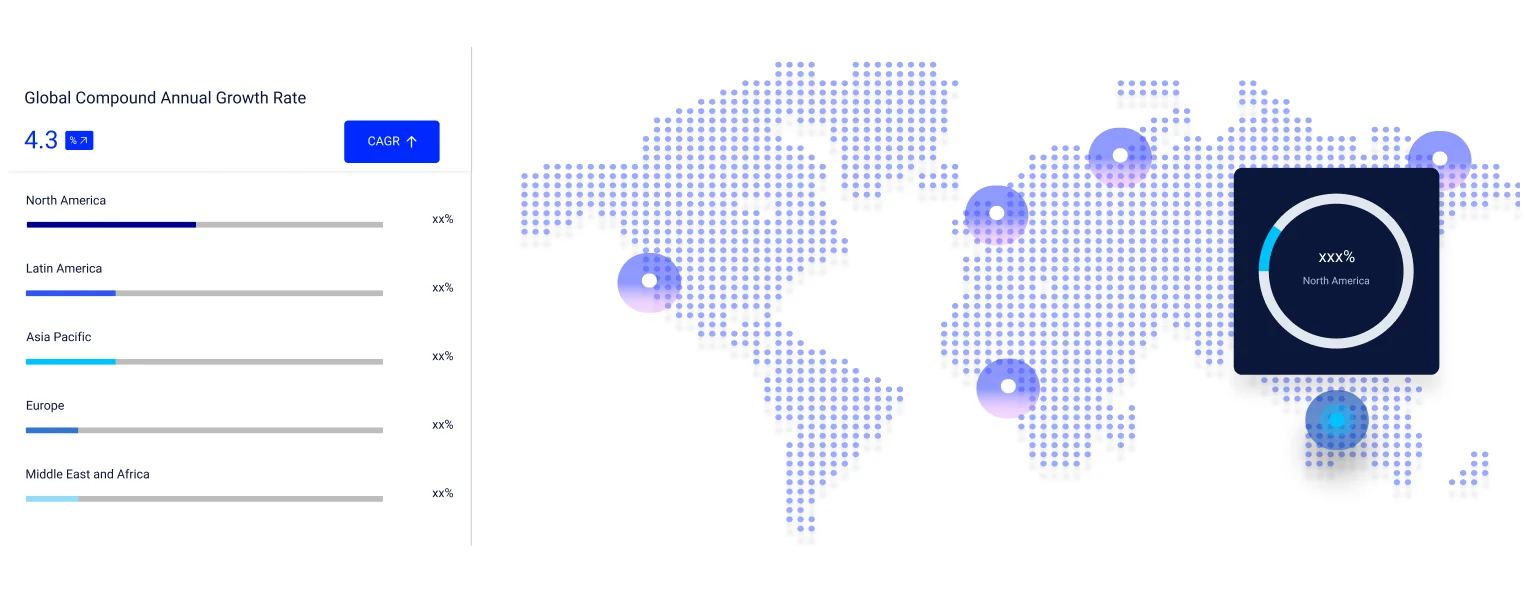
Compound Annual Growth Rate
5.4%
Value in USD Million
2026-2035
Read more about this report - REQUEST FREE SAMPLE COPY IN PDF
SmartSkin Technologies started offering seal assurance systems with real-time pharmaceutical container closure integrity and capping performance monitoring. Innovations such as these highlight pharmaceutical processing seals market opportunities to explore smart sealing technology, automated inspection equipment, and pharmaceutical quality assurance systems.
Schreiner MediPharm invented transparent deep freeze seals that enable traceability, toughness, and package sealing performance even at extremely low temperatures. Such innovations motivate firms to create specialized sealing materials for biologic products, vaccines, and pharmaceuticals, boosting the pharmaceutical processing seals market value.
SmartSkin developed advanced pharmaceutical seal verification technologies, which now allow manufacturers to check the integrity of the container seal and sealing effectiveness during the production process. This kind of development provides an excellent chance for businesses to improve their capacity for predictive maintenance, automation of quality control, and pharmaceutical production using data.
Kiefel introduced its modular form-fill-seal machine, which helps in improving flexibility in pharmaceutical packaging production, increases efficiency, and enables scalable sterile production. This type of development allows organizations to increase investment in packaging automation in pharmaceutical products and production facilities.
Increased utilization of biologics, vaccines, and sterile injectable drugs is resulting in an upsurge in the demand for pharmaceutical processing seals designed for aseptic purposes. Biotech companies need aseptic seals such as high purity O-rings, gaskets, and diaphragm seals for maintaining sterility within the processing and transfer lines. Governments are encouraging this trend in the pharmaceutical processing seals market via pharmaceutical production capacity expansions. The United States government, for instance, is consistently promoting domestic biomanufacturing by adopting new frameworks under the National Biotechnology and Biomanufacturing policy. In January 2026, Apiject planned North Carolina pharmaceutical facility expansion, strengthening sterile manufacturing capacity, and advanced pharmaceutical packaging infrastructure.
The regulatory trend is emerging as an effective driving factor for the advanced pharmaceutical processing seals market growth. Leading drug makers are favoring seals that are certified by the FDA, USP Class VI, and EU for their hygiene needs. Validation-based sealing systems are becoming essential for minimizing extractables, leachable, and cross-batch contamination risks. Governmental and regulatory agencies are increasingly enforcing stringent GMP standards in pharmaceutical facilities. The United States FDA, for instance, is intensifying its inspections regarding sterile manufacturing processes and contamination prevention. Aligning with this trend, in December 2025, TraceLink supported UNICEF’s TRVST system, enhancing pharmaceutical traceability, medicine verification, and secure global healthcare supply chains.
The development of single-use bioprocessing technologies is impacting the overall pharmaceutical processing seals market development because there is a requirement for lightweight, chemical-resistant, and sterilizable seals for these flexible assembly lines. The combination of stainless steel and single-use equipment necessitates special seals for fluids, connectors, and sterility barriers. Seal installations are being driven by government investments in biologics manufacturing processes. This can be seen, for instance, in the European initiatives concerning healthcare and pharmaceutical production. Firms are developing new seals made from silicone-based or fluoropolymer materials that facilitate easier validation and less downtime. For example, in June 2024, Syntegon launched a modular bioprocessing platform at ACHEMA, supporting flexible pharmaceutical manufacturing and scalable sterile production operations.
Pharmaceutical companies are now moving towards automation and continuous processing equipment, meaning that seals will have to endure pressure, temperature, and wear for an extended period of time. Gaskets, rotary seals, and lip seals are increasingly becoming important parts of pumps, centrifuges, mixers, and tableting machinery, expanding the pharmaceutical processing seals market scope. Governments are incentivizing companies for automation using advanced manufacturing initiatives. Programs to develop intelligent factories, are emerging in nations like Germany and the United States. Companies such as EagleBurgmann and Parker Hannifin are working on increasing resistance to wear and tear. Similarly, in May 2026, Tecan established direct sales and lab automation operations in India, strengthening pharmaceutical diagnostics and healthcare manufacturing support capabilities.
Seal manufacturers are currently focusing on making sustainable materials with highly aggressive chemicals. This is because pharmaceutical plants make use of sterilization chemicals, steams, and solvents that require tough materials. High-quality PTFE mixes, EPDM rubber compounds, and perfluoro elastomers are being increasingly used. Industrial sustainability regulations by governments and emissions objectives of industries are indirectly impacting their decisions, accelerating demand in the pharmaceutical processing seals market. For instance, European industry environmental laws are making companies consider reducing waste materials. Demonstrating this shift, in October 2025, Braskem unveiled bio-based product innovations at K 2025, advancing sustainable pharmaceutical packaging and renewable polymer application technologies.
Read more about this report - REQUEST FREE SAMPLE COPY IN PDF
The Expert Market Research's report titled “Global Pharmaceutical Processing Seals Market Report and Forecast 2026-2035” offers a detailed analysis of the market based on the following segments:
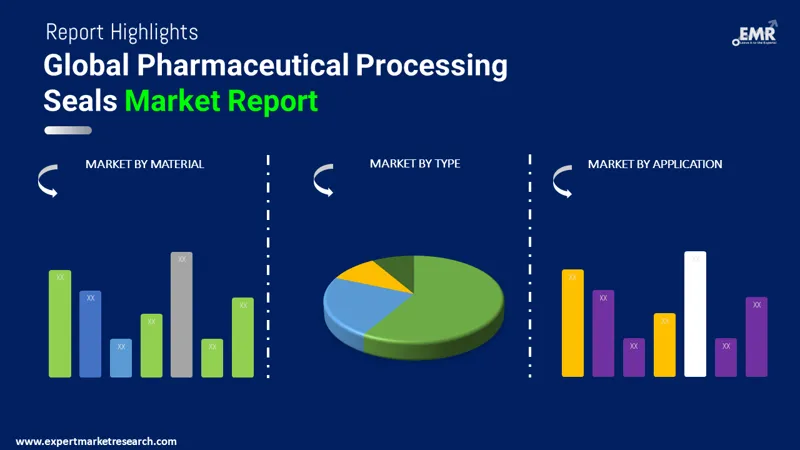
Market Breakup by Material
Key Insight: Metals continue to be indispensable in the case of high-pressure pharmaceutical machinery that demands structural strength and mechanical stress resistance throughout an extended manufacturing period. PTFE maintains its superiority with its remarkable chemical resistance and sterility-friendly nature, boosting the pharmaceutical processing seals market growth. Silicone rubber is becoming popular as biopharmaceutical plants increasingly rely on flexible and sterilizable sealing solutions. Nitrile rubber meets the needs of economically efficient pharmaceutical applications that involve oil resistance and temperature conditions. EPDM rubber is growing popular in cases of frequent steam-cleaning and aqueous processing. Advanced polymers and elastomers provide pharmaceutical applications with reliable sealing performance in challenging manufacturing processes.
Market Breakup by Type
Key Insight: The O-ring category accounts for a substantial share of the pharmaceutical processing seals market revenue since it ensures versatile sealing options within the pharmaceutical industry with effective sealing capabilities and ease of installation. Gasket continues to be a vital seal due to its contribution in ensuring contamination-free sealing of pharmaceutical pipes, reactors, and sterile transfers that are subjected to fluctuations in pressure. The lip seal category is experiencing increased demand among pharmaceutical equipment that requires dynamic sealing capability. The D-seal is becoming widely used owing to the requirement for enhanced compression recovery and stability in sealing operations. In December 2025, TRP Sealing Systems launched a new website showcasing sealing technologies, Industry 4.0 capabilities, and sustainable manufacturing innovation initiatives.
Market Breakup by Application
Key Insight: The use of manufacturing equipment is still the leading area of application since the pharmaceutical processing seals market observes an increasing need for pharmaceutical process seals that can withstand contamination and are automation-friendly. In addition, other application areas are witnessing continuous growth due to increasing demand for pharmaceutical packaging, laboratory operations, and liquid transfer control processes. Processing seals are being customized as pharmaceutical companies demand long-lasting seals that require minimal maintenance and can endure harsh sterilization procedures.
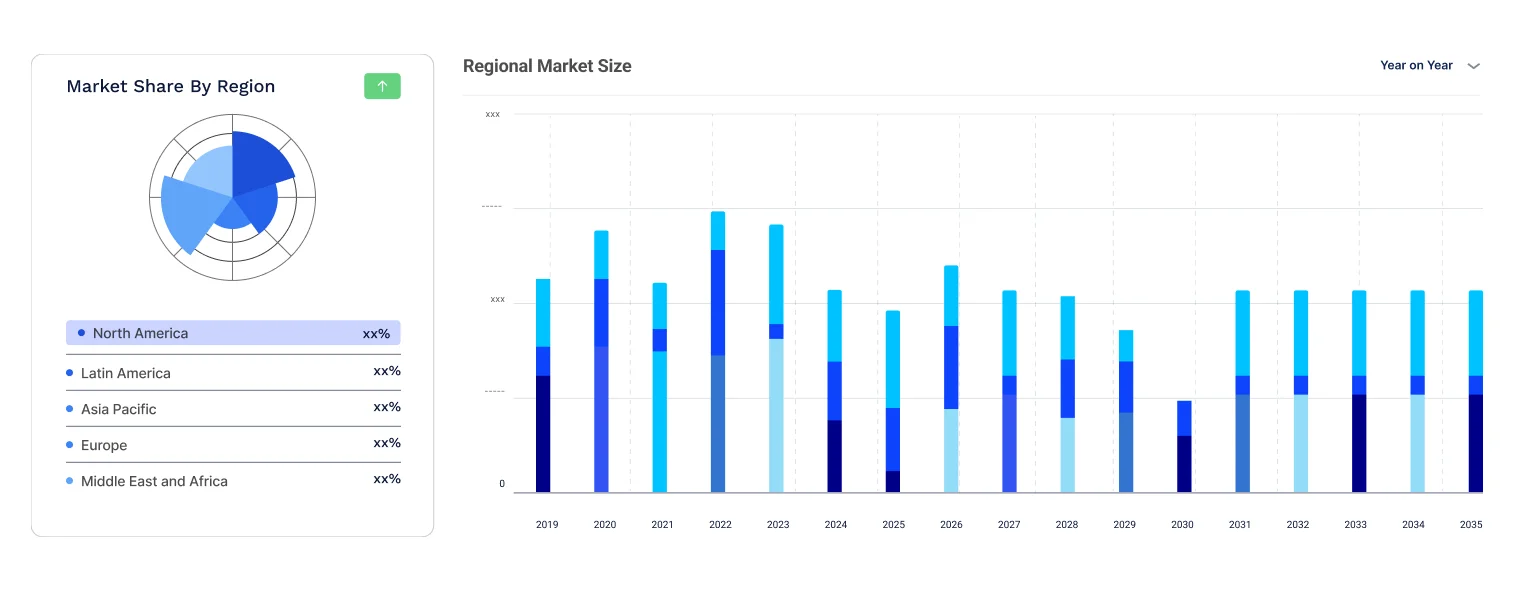
Market Breakup by Region
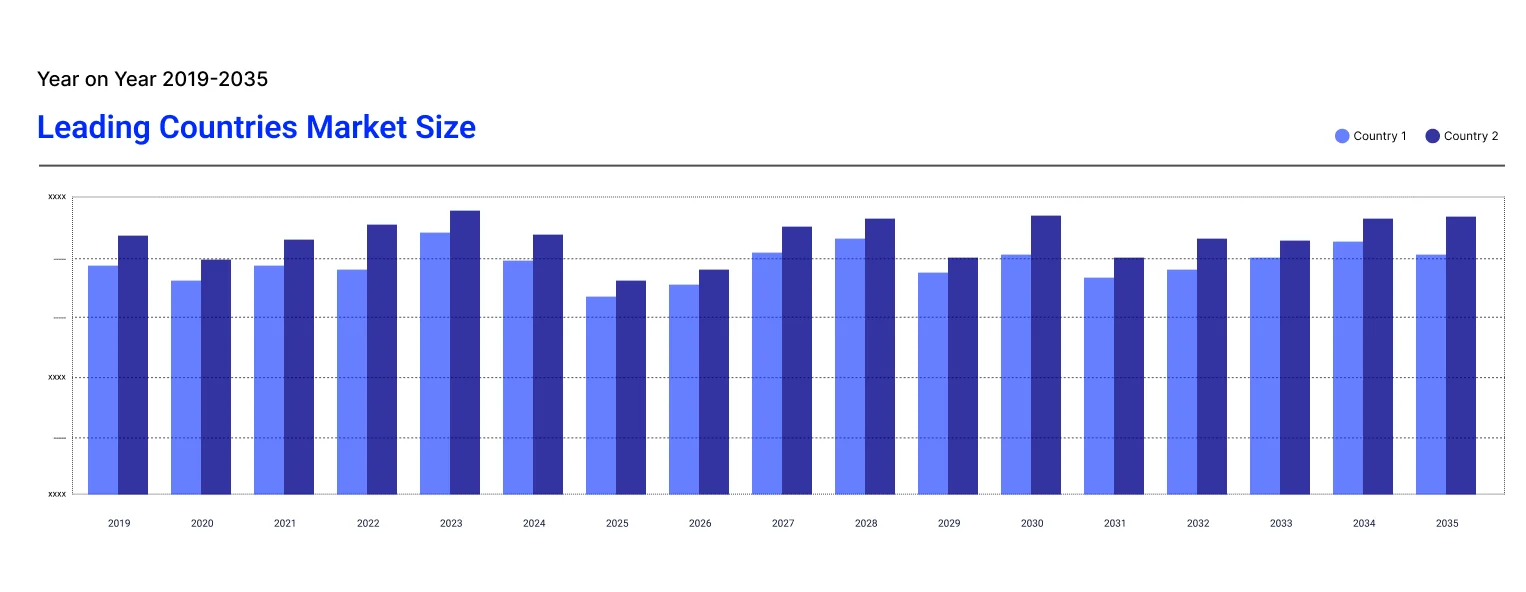
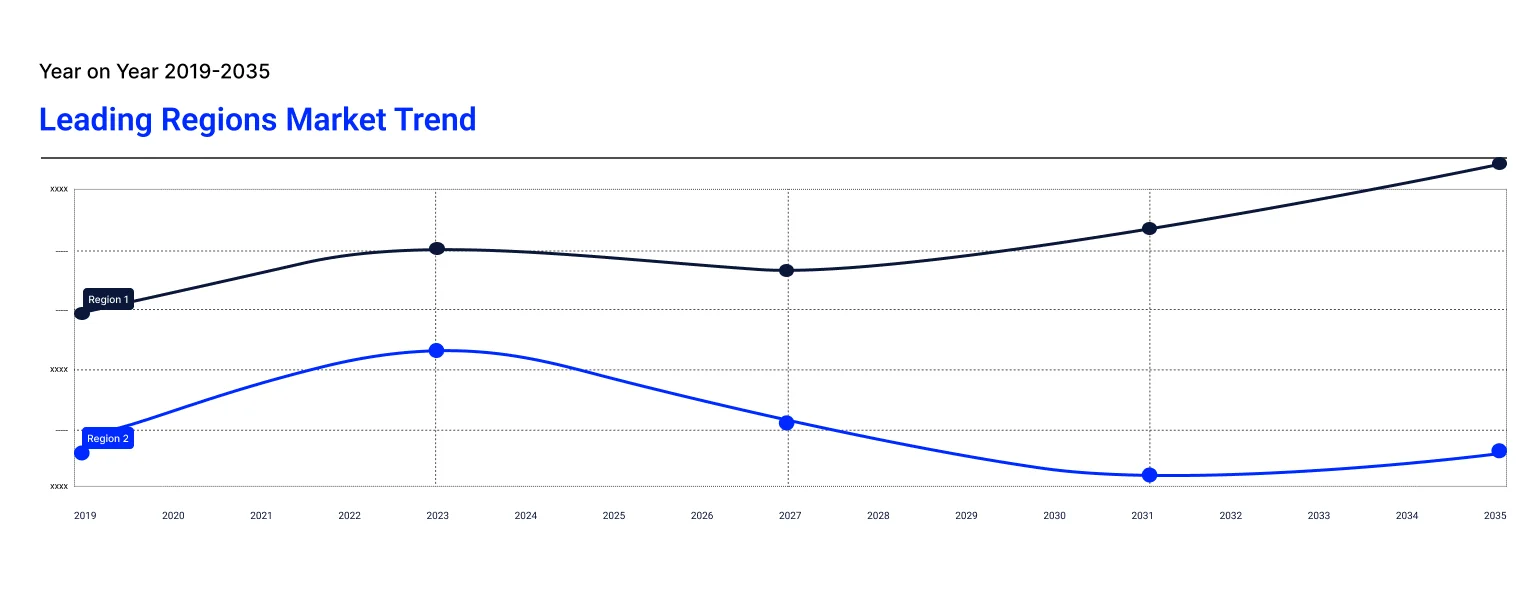
Key Insight: The dominant region in the global pharmaceutical processing seals market is North America, powered by its sophisticated pharmaceutical facilities, stringent regulations, and extensive adoption of automation. Europe remains an important contributor to this industry due to sustainable manufacturing processes and high levels of pharmaceutical hygiene in its manufacturing sector. The Asia Pacific region is witnessing tremendous growth in terms of rising pharmaceutical exports, biologics production, and contract manufacturing. Latin America anf Middle East and Africa regions are witnessing steady growth in the adoption of seals owing to facility upgrades and increased drug manufacturing capacity.
Read more about this report - REQUEST FREE SAMPLE COPY IN PDF
By material, PTFE dominates the market due to superior chemical resistance during sterile pharmaceutical processing
PTFE is considered to dominate the pharmaceutical processing seals market due to the increased demand for sealing materials that can withstand corrosive solvents, steam sterilization, and high-purity drug formulations. Seals made of PTFE are commonly found in pumps, valves, reactors, and aseptic fillers as they have proven to be extremely important in eliminating contamination. Modified types of PTFE with reduced friction coefficient and enhanced resistance against wear and tear are developed for continuous pharmaceutical production. In December 2024, Freudenberg launched advanced pharmaceutical sealing and tubing solutions in India, strengthening sterile manufacturing efficiency and contamination control capabilities.
Silicone is growing rapidly due to the increased need for flexible and sterilizable materials from biopharmaceutical companies. Silicone-based seals are commonly found in fluid transfer assemblies, tube fittings, and single-use pharmaceutical applications owing to their flexibility, temperature resistance, and biocompatibility. Silicone seals that are specifically formulated for use in aseptic and high purity processes are currently being offered by manufacturers. The rising vaccine production, cell therapies, and hybrid manufacturing solutions provide new pharmaceutical processing seals market growth opportunities. In November 2025, Wevo launched next-generation silicone rubbers supporting durable sealing, smart textiles, electronics integration, and advanced fuel-cell manufacturing applications.
By type, the O-rings category leads the market growth due to extensive pharmaceutical equipment integration across operations
The dominance of O-rings within the pharmaceutical processing seals market scope is based on their widespread application in pumps, mixers, valves, filters, and fluid management systems in the pharmaceutical industry. The simple design, cost-effectiveness, and ability to provide reliable sealing under diverse operating conditions make O-rings well-suited for pharmaceutical manufacturing processes. Manufacturers are offering high-quality O-rings that are resistant to aggressive chemical substances and sterilization procedures. Pharmaceutical companies favor custom geometries of O-rings due to the reduction of contamination risks and convenience in conducting maintenance work. In May 2026, Hydro Seals India introduced FDA and USP Class VI-certified silicone O-rings supporting sterile pharmaceutical sealing and contamination control.
The rise in the demand for lip seals is characterized by the increasing use of automated machinery in which it is necessary to ensure proper dynamic sealing. They are mainly applied in devices such as agitators, centrifugal pumps, and tablet production machines, as the operation of these units includes shaft rotation. Modern manufacturers are offering lip seals that can be characterized by low friction, wear, and compatibility with aggressive environments.
By application, manufacturing equipment secures the leading market share due to increasing pharmaceutical automation and sterile production expansion
The manufacturing equipment segment captures a significant share of the pharmaceutical processing seals market. The category is led by an increased adoption of advanced sterile processing lines, automated filling lines, and continuous manufacturing plants in the pharmaceutical industry. Process seals are required for processes involving pumps, mixers, compressors, filters, and tablet manufacturing equipment where any form of contamination is detrimental to the products. There is an increasing need for seals that can operate under high pressure, endure aggressive cleaning fluids, and are repeatedly subjected to sterilization procedures. The pharmaceutical industry is focusing on seal products that minimize maintenance downtime. In July 2025, Jinlu secured pharmaceutical equipment agreements after factory inspections, strengthening sterile packaging and advanced pharmaceutical sealing manufacturing capabilities.
Other application areas are witnessing steady growth due to rising demand for advanced pharmaceutical seals used in packaging, transfer, laboratory, and storage systems. High purity seals are becoming increasingly necessary for creating a sterile environment for pharmaceutical products at every level of manufacturing. The seal products, that can perform well in flexible operations and are made of chemically stable materials suitable for small batch pharmaceutical productions, are being developed.
Read more about this report - REQUEST FREE SAMPLE COPY IN PDF
North America clocks in the leading position of the market due to advanced pharmaceutical manufacturing and strict regulatory compliance infrastructure
The dominance of the North America pharmaceutical processing seals market is due to the fact that the region boasts highly advanced pharmaceutical manufacturing facilities, which are heavily invested in sterile processes and automation. Pharmaceutical companies are increasingly demanding high-performance sealing solutions to ensure contamination control and compliance with stringent regulatory standards. Leading seal manufacturers are focusing on producing more high purity sealers that cater to biologics, injectable, and continuous manufacturing. Research, pharmaceutical modernization initiatives, and advanced technology adoption continue to spur the market growth in the region.
Asia Pacific witnesses significant growth in the pharmaceutical processing seals market due to rapid expansion in pharmaceutical manufacturing capabilities in regions such as India, China, South Korea, and Southeast Asia. Contract manufacturing organizations and biopharmaceutical manufacturing companies are making massive investments in sterile processing capabilities and automation within their production facilities. Seal manufacturers are also focusing on localized production of products that fit well in such environments. In November 2025, HRV Pharma and MetroChem secured major CDMO partnership, accelerating complex API development and global pharmaceutical manufacturing expansion.
The industry is characterized by a high level of innovation due to the involvement of various techniques such as material engineering, contamination control mechanisms, and designing custom-made pharmaceutical sealing products. The main areas of innovation for pharmaceutical processing seals market players include high purity PTFE seals, platinum-cured silicon materials, and engineered materials with the capacity to resist repeated sterilizations and harsh chemical reactions. Collaboration with other key players in the market such as pharmaceutical equipment makers is making seal manufacturers provide application-specific sealing products in automated filling lines, bioreactors, and continuous processing systems.
Leading pharmaceutical processing seal companies are also making efforts to invest in product traceability, extractables tests, and compliance-friendly documentation in a bid to improve collaboration with pharmaceutical firms, which face stringent validation needs. Opportunities are emerging from the growing production of biologicals, single-use systems, and decentralized pharmaceutical manufacturing facilities, which require flexible sealing technology. Other manufacturers are aiming at providing predictive maintenance products by producing long-lasting seals to minimize downtimes. There are also opportunities associated with expansion to APAC pharmaceutical manufacturing hubs and support for CMOs.
Formed in 1896, Trelleborg is located in Trelleborg, Sweden. This company produces innovative pharmaceutical sealants made from PTFE, elastomers, and polymers. Trelleborg specializes in developing aseptic process technology sealants, biopharmaceutical sealants, and sealants that are resistant to contamination. Its custom-designed seals are employed in various pharmaceutical pumps, mixers, valves, and filling equipment that require long-lasting performance.
Founded in 1849, Freudenberg SE is a German company that is headquartered in Weinheim. It provides pharmaceutical grade sealants which can be used in sterile processes and aggressive processes. Freudenberg is concerned with the production of low extractable elastomer seals, chemical resistant seals, and hygienic engineering sealants. These are commonly used in fluid handling equipment for pharmaceutical applications.
Founded in 1997, and based in Texas, United States, Flowserve Corporation manufactures sealing systems used to assist pharmaceutical pumps, mixers, and fluid management system components, strengthening the pharmaceutical processing seals market value. The firm concentrates its efforts in developing mechanical seals that guarantee sterility of processes, lack of leaks, and heat resistance. Its products are designed for pharmaceutical facilities seeking greater efficiency, reliability, and contamination control throughout manufacturing processes.
Founded in 1880 and having headquarters in the United Kingdom, James Walker produces pharmaceutical sealing systems, which are specifically designed for their durability and chemical resistance to different substances. The company offers advanced gaskets, O-rings, and other hygiene seals for pharmaceutical production facilities.
Other key players in the market include Parker Hannifin Corporation, Saint-Gobain Group, Idex Corporation, and Garlock Sealing Technologies LLC, among others.
*Please note that this is only a partial list; the complete list of key players is available in the full report. Additionally, the list of key players can be customized to better suit your needs.*
Unlock the latest insights with our pharmaceutical processing seals market trends 2026 report. Discover regional growth patterns, consumer preferences, and key industry players. Stay ahead of competition with trusted data and expert analysis. Download your free sample report today and drive informed decisions in the market.


Upto 15% Off
USD
$2499 $2249
$3999 $3599
$4999 $4249
$5999 $5099


*While we strive to always give you current and accurate information, the numbers depicted on the website are indicative and may differ from the actual numbers in the main report. At Expert Market Research, we aim to bring you the latest insights and trends in the market. Using our analyses and forecasts, stakeholders can understand the market dynamics, navigate challenges, and capitalize on opportunities to make data-driven strategic decisions.*
In 2025, the global pharmaceutical processing seals market attained a value of nearly USD 851.74 Million.
The market is projected to grow at a CAGR of 5.40% between 2026 and 2035.
The market is estimated to witness a healthy growth in the forecast period of 2026-2035 to reach about USD 1441.16 Million by 2035.
The major drivers of the industry, such as the rising demand for cleanliness and hygiene, growing demand for new and innovative products, and increasing demand from the emerging economies, are expected to aid the market growth.
The key market trend guiding the industry growth includes the increasing healthcare industry in the emerging nations, such as India, China, and the South East Asian countries.
The major regions in the industry are North America, Latin America, the Middle East and Africa, Europe, and the Asia Pacific.
The leading materials of the product in the industry are metals, PTFE, silicone, nitrile rubber, and EPDM, among others.
The major types of pharmaceutical processing seals are O-rings, gaskets, lip seals, and D seals, among others.
The significant applications of the product in the industry are manufacturing equipment and others.
The major players in the industry are Trelleborg AB, Freudenberg SE, Flowserve Corporation, James Walker Sealing Products and Services Ltd, Parker Hannifin Corporation, Saint-Gobain Group, Garlock, Idex Corporation, Others.
Explore our key highlights of the report and gain a concise overview of key findings, trends, and actionable insights that will empower your strategic decisions.
| REPORT FEATURES | DETAILS |
| Base Year | 2025 |
| Historical Period | 2019-2025 |
| Forecast Period | 2026-2035 |
| Scope of the Report |
Historical and Forecast Trends, Industry Drivers and Constraints, Historical and Forecast Market Analysis by Segment:
|
| Breakup by Material |
|
| Breakup by Type |
|
| Breakup by Application |
|
| Breakup by Region |
|
| Market Dynamics |
|
| Competitive Landscape |
|
| Companies Covered |
|
| Report Price and Purchase Option | Explore our purchase options that are best suited to your resources and industry needs. |
| Delivery Format | Delivered as an attached PDF and Excel through email, with an option of receiving an editable PPT, according to the purchase option. |
Datasheet
One User
USD 2,499
USD 2,249
tax inclusive*
Single User License
One User
USD 3,999
USD 3,599
tax inclusive*
Five User License
Five User
USD 4,999
USD 4,249
tax inclusive*
Corporate License
Unlimited Users
USD 5,999
USD 5,099
tax inclusive*
*Please note that the prices mentioned below are starting prices for each bundle type. Kindly contact our team for further details.*
Flash Bundle
Small Business Bundle
Growth Bundle
Enterprise Bundle
*Please note that the prices mentioned below are starting prices for each bundle type. Kindly contact our team for further details.*
Flash Bundle
Number of Reports: 3
20%
tax inclusive*
Small Business Bundle
Number of Reports: 5
25%
tax inclusive*
Growth Bundle
Number of Reports: 8
30%
tax inclusive*
Enterprise Bundle
Number of Reports: 10
35%
tax inclusive*
How To Order

Select License Type
Choose the right license for your needs and access rights.

Click on ‘Buy Now’
Add the report to your cart with one click and proceed to register.

Select Mode of Payment
Choose a payment option for a secure checkout. You will be redirected accordingly.
Strategic Solutions for Informed Decision-Making
Gain insights to stay ahead and seize opportunities.

Get insights & trends for a competitive edge.

Track prices with detailed trend reports.

Analyse trade data for supply chain insights.

Leverage cost reports for smart savings

Enhance supply chain with partnerships.

Connect For More Information
Our expert team of analysts will offer full support and resolve any queries regarding the report, before and after the purchase.
Our expert team of analysts will offer full support and resolve any queries regarding the report, before and after the purchase.
We employ meticulous research methods, blending advanced analytics and expert insights to deliver accurate, actionable industry intelligence, staying ahead of competitors.
Our skilled analysts offer unparalleled competitive advantage with detailed insights on current and emerging markets, ensuring your strategic edge.
We offer an in-depth yet simplified presentation of industry insights and analysis to meet your specific requirements effectively.




