

Consumer Insights
Uncover trends and behaviors shaping consumer choices today
Procurement Insights
Optimize your sourcing strategy with key market data
Industry Stats
Stay ahead with the latest trends and market analysis.
The global property management software market was valued at USD 4.33 Billion in 2025 and is projected to reach USD 8.13 Billion by 2035, growing at a CAGR of 6.50% over the forecast period 2026 and 2035, according to Expert Market Research.
Landlords, housing associations, property managers and investors are moving leasing, rent collection, accounting and maintenance onto a single platform. Cloud delivery, tenant portals and portfolio analytics are widening the buyer base from large institutional portfolios to single-building owners. North America holds a significant share of demand, while Asia Pacific, Europe and the Middle East are adding subscribers as digital property practices spread across residential and commercial assets.
The outlook points to steady expansion through 2035. Platform consolidation, embedded payments and analytics-led decision making are expected to shape purchasing, and vendors that connect leasing, accounting and maintenance in one workflow are positioned to gain accounts. Mid-sized portfolios and first-time software buyers are the most active adopters during the forecast period, and professional managers who serve many owners continue to consolidate tools.
This report covers the market by solution, mode of deployment, application, end user and region. It also profiles the vendors that shape the competitive landscape, including Oracle Corporation, AppFolio Inc. and Yardi Systems, Inc.
Compound Annual Growth Rate
6.5%
Value in USD Billion
2026-2035
Read more about this report - REQUEST FREE SAMPLE COPY IN PDF
Property management software is a purpose-built platform that helps owners, agents and managers run rental portfolios from one centralised system. It handles tenant records, electronic leases, document storage, rent invoicing, online payment processing and maintenance tracking. Buyers also search for it as real estate management software, rental management software and lease administration software.
The market covers residential, commercial and mixed-use portfolios. Vendors sell rental and tenant management, property sale and purchase, accounting and cash flow management, and marketing and advertising solutions. Housing associations, property managers and agents, and property investors choose between cloud and on-premises deployment based on portfolio size, data policy and integration needs.
Growth in residential construction and rental stock raises the number of units that need tracked leases, payments and repairs. Software lets landlords and property owners manage the portfolio in-house and acts as a communication channel between suppliers, clients and tenants. Built-in analytics add visibility into portfolio performance, which supports faster decisions on rents, renewals and capital spending. Rising residential building activity also lifts demand for asset management systems that keep records of every unit in one place.
Paper leases and spreadsheets slow rent collection and invite errors. Automated invoicing, payment reminders and digital signatures shorten the collection cycle and release administrative hours for tenant service. North America sets the pace here, where the United States and Canada combine an advanced IT infrastructure with rapid uptake of new technology. External investment in the regional real estate sector adds further budget for platform upgrades.
SaaS removes manual data entry and lowers the cost and complexity of on-premises deployment. Subscription pricing suits small landlords and agencies, while multi-entity controls and integrations serve larger operators. This flexibility widens the addressable customer base for every vendor, from global enterprise suites to regional specialists such as PropertyMe Pty Ltd. in Australia and Innago, LLC in the United States.
Greater emphasis on workplace mobility is creating growth opportunities for vendors. Property managers need access to data and office resources from any location, and mobile apps for inspections, work orders and tenant messages meet that need. Integrating facility management tools with mobility management helps managers keep speed while coordinating a large workforce across several sites.
Vendors are adding virtual assistants for tenant enquiries, automated triage of repair requests and predictive maintenance alerts. These tools shorten response times and help managers schedule contractors before small faults turn into costly repairs. Buyers now ask for these features during vendor selection.
Platforms increasingly bundle rent collection, trust accounting, owner statements and tax reporting. A single ledger removes duplicate entry between the property system and the accounting package. This integration is a major reason mid-sized portfolios upgrade from basic rental tools to full property management suites.
Connections to smart locks, energy meters and building automation systems let managers monitor units remotely. Sensor data feeds maintenance schedules and utility billing inside the same software. Adoption is strongest in commercial buildings and in new residential developments, where sensors are installed during construction. Retrofit projects in older buildings follow as hardware costs fall and managers see lower repair bills.
Owners must keep records of deposits, safety checks, inspections and tenant communications. Software now timestamps these actions, stores documents against each unit and produces audit-ready reports. Housing associations and commercial landlords use these functions to reduce compliance risk and prepare for inspections.
Data migration from legacy systems and spreadsheets remains the first hurdle for buyers, since lease terms, ledgers and tenant histories must transfer without gaps. Integration with existing accounting, screening and payment tools adds project time, and tenant data security draws growing scrutiny from owners and regulators. Small landlords often need guided onboarding before they use the full feature set.
Subscription cost per unit can weigh on owners with small portfolios, and the return depends on how many functions they switch on. Rules on deposits, rent collection and data protection differ by country, which forces vendors to localise workflows and slows multi-region rollouts. Reliable internet access also remains a requirement for cloud tools in emerging regions.
The market is projected to grow steadily through the forecast period, which opens room for vendors across solutions and regions. Asia Pacific and the Middle East offer new subscriber pools, while small landlord plans, analytics modules and AI-driven maintenance add revenue per account. Readers who want the segment-level figures behind these opportunities can explore the full Expert Market Research report.
The market is segmented by solution, mode of deployment, application, end user and region. Each segment below carries a short insight on how buyers use the software.
Market Breakup by Solution
Key Insight: Rental and tenant management forms the operating core of most deployments, covering listings, applications, leases, renewals and tenant communication. Accounting and cash flow management software ties rent receipts to the ledger and owner reports, and it is the usual second module a buyer adds. Property sale and purchase tools serve agents who handle transactions alongside rentals, while marketing and advertising modules help fill vacancies through listing syndication and lead tracking. The Others group covers inspections, compliance and vendor management. Buyers usually start with one or two modules and add others as the portfolio grows, which makes module flexibility a key selection factor.
Market Breakup by Mode of Deployment
Key Insight: Cloud deployment suits the majority of new buyers because it needs no server setup, updates automatically and works across devices. On-premises deployment continues among large enterprises and institutions with strict data residency or customisation needs. The SaaS shift described in the growth drivers keeps cloud ahead as the preferred route for new contracts. Hybrid arrangements also appear, where sensitive records stay on private servers while tenant portals and mobile apps run in the cloud.
Market Breakup by Application
Key Insight: Residential applications hold a significant share of the property management software market. Tenant management, financial and rent management, integration and scalability features suit the needs of evolving residential portfolios. Automated rent invoices and collection streamline tenant-related activities. Commercial applications follow with lease administration, service charge billing and facility coordination for offices, retail and industrial space.
Market Breakup by End User
Key Insight: Property managers and agents use the software to run many owner accounts from one dashboard and to issue owner statements. Housing associations rely on it for large social housing stock, repairs and compliance records. Property investors value portfolio analytics, occupancy tracking and cash flow reporting. The Others group includes landlords with small portfolios and community associations, who prefer low-cost plans with simple rent tracking and automated reminders.
Market Breakup by Region
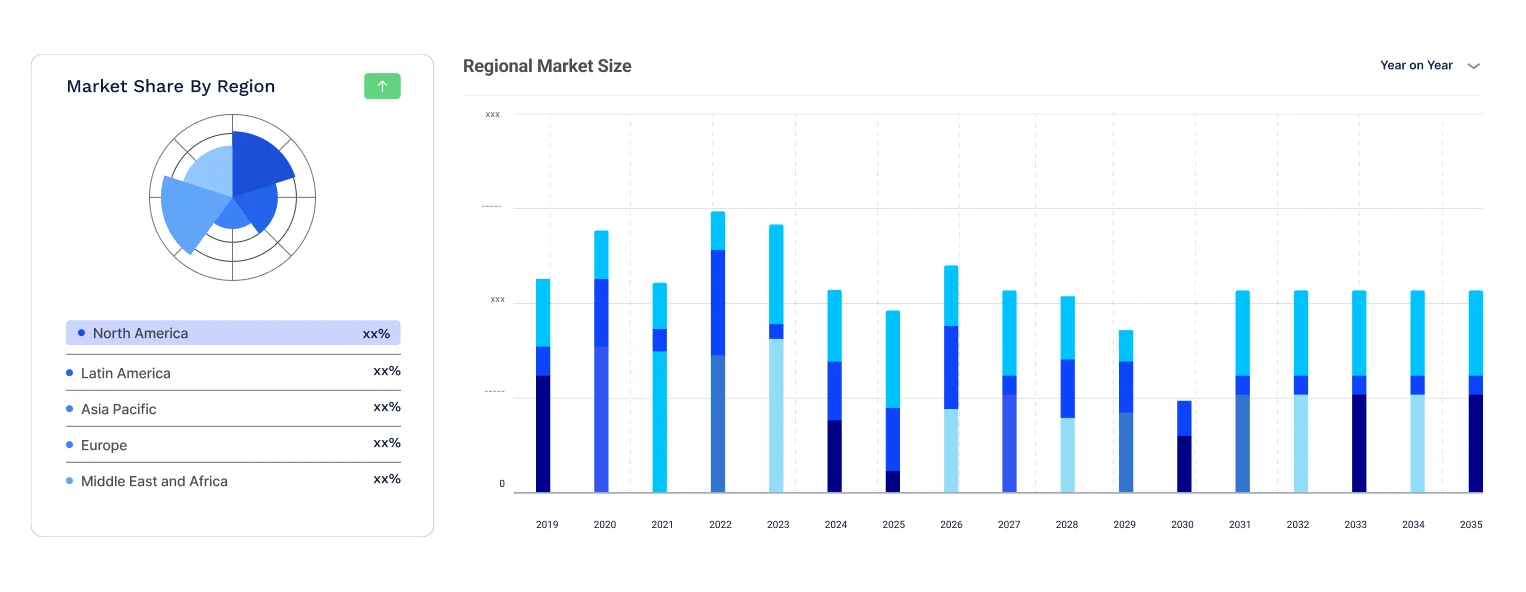
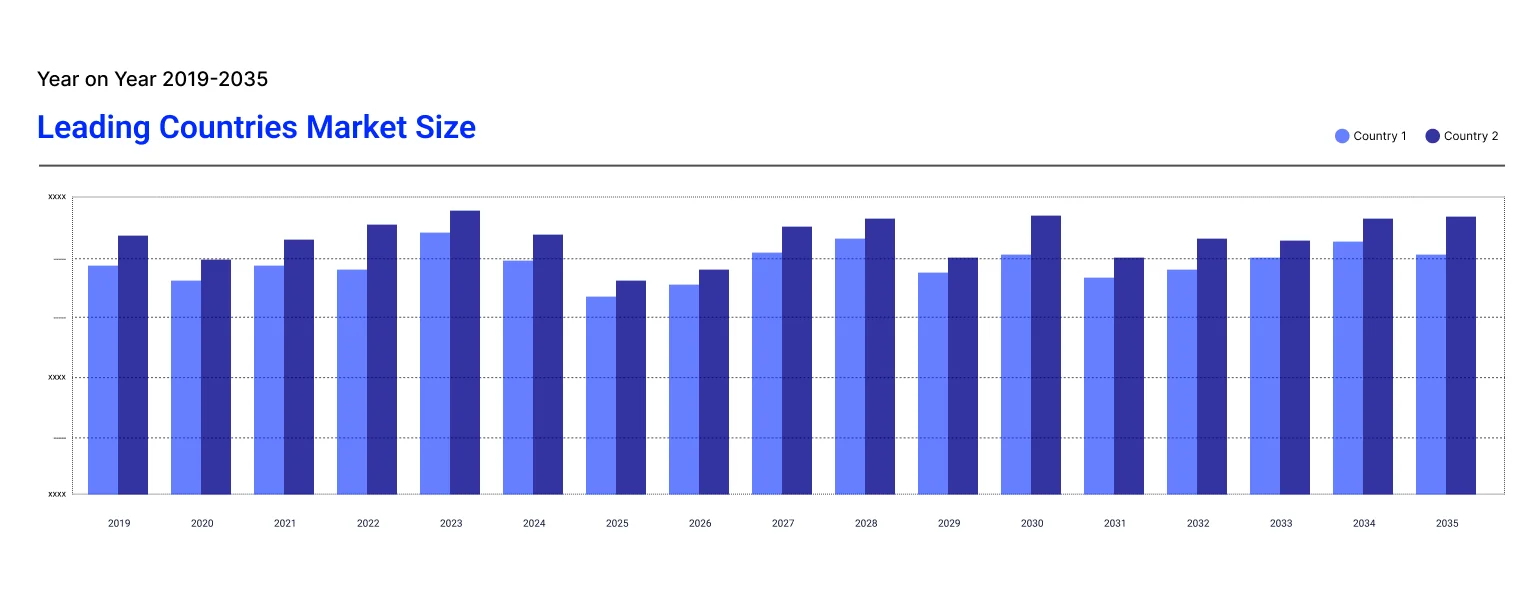
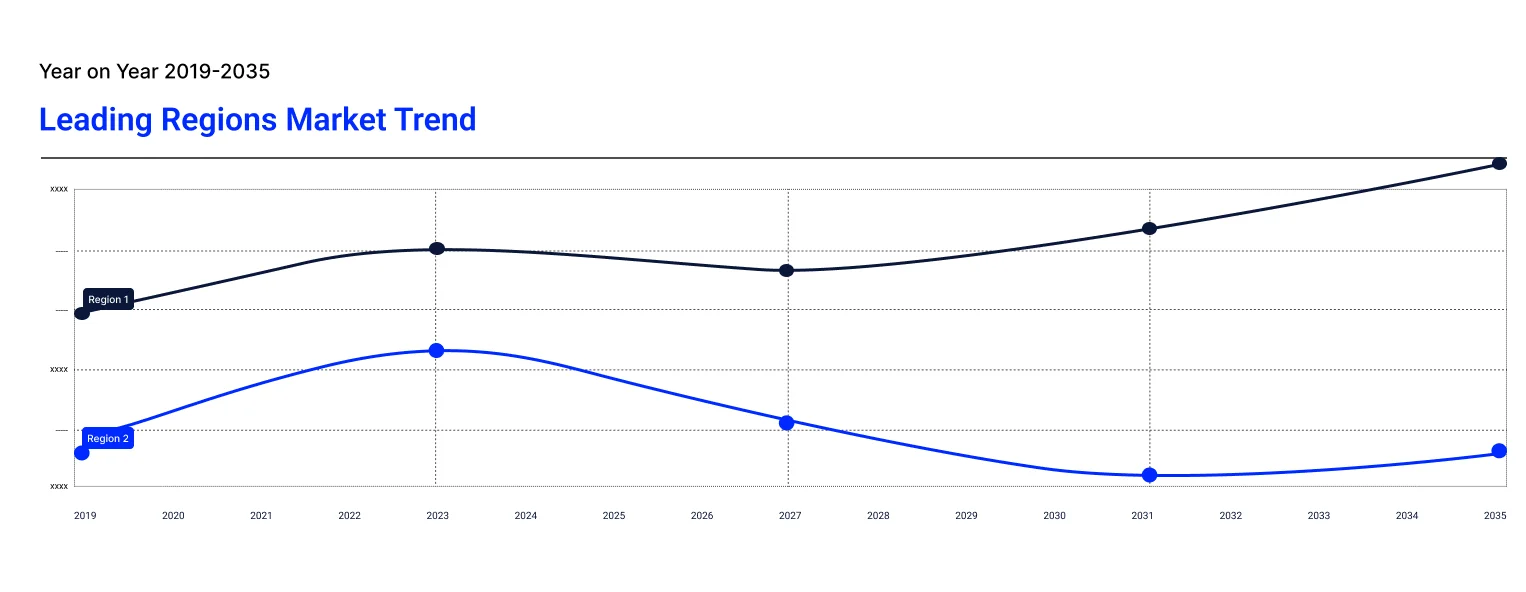
Key Insights: North America is expected to account for a significant share of the market over the forecast period. Rising automation and digitalisation of property management, strong external investment in real estate and advanced IT infrastructure support adoption in the United States and Canada.

Read more about this report - REQUEST FREE SAMPLE COPY IN PDF
The United States and Canada form the largest demand base. Property managers there run large multifamily and commercial portfolios and expect integrated payments, screening and maintenance in one platform. Active vendors in the region include AppFolio Inc., Yardi Systems, Inc., RealPage, Inc., Innago, LLC and Managecasa, Inc., which keeps feature competition high. Buyers there compare vendors on accounting depth, resident portals, screening integrations and the ability to scale from a few units to thousands without changing systems.
The United Kingdom, Germany, France and Italy show rising adoption among housing associations, professional managers and private landlords. Data protection rules and local tenancy law shape product design, so vendors tailor compliance and reporting modules for each country. Cloud migration among social housing providers adds steady demand, and energy performance reporting is becoming a new requirement for property records.
China, Japan, India, ASEAN and Australia are expanding digital property practices as urban rental stock grows. India and Southeast Asian markets such as Singapore and Vietnam draw growing interest from investors and managers who want standardised rent and maintenance workflows. Australia has an established base of local vendors, including PropertyMe Pty Ltd. and REI Master Pty Ltd.
Brazil, Argentina and Mexico are building demand as real estate agencies and developers digitise leasing and collections. Mobile-first tools and local payment integrations decide vendor success. Cloud subscriptions lower the entry cost for mid-sized agencies, and demand for rental management tools grows with urban migration.
Saudi Arabia, the United Arab Emirates, Nigeria and South Africa are growing from a smaller base. Large-scale urban development and a rising number of managed residential and commercial communities create demand for centralised tools. Reliable connectivity and local language support will decide the pace of adoption, and international operators entering the Gulf market often bring their preferred platforms with them.
The market combines global enterprise software groups, dedicated real estate platforms and regional specialists. Competition centres on module breadth, integration depth, payment features, analytics and ease of onboarding. Vendors also compete on support quality and on how quickly they adapt workflows to local regulations.
Large suites compete on enterprise integration and global reach, while specialised vendors compete on usability for small and mid-sized landlords. Partnerships with payment processors, tenant screening providers and smart device makers extend platform value, and subscription bundles encourage customers to add modules over time. Regional vendors hold advantages in local compliance, language and support.
Oracle Corporation, headquartered in Texas, United States, is one of the leading cloud technology companies supplying organisations worldwide with computing software and infrastructure that improve effectiveness and efficiency.
AppFolio Inc., headquartered in California, United States, offers a cloud-based platform for the real estate industry. The company specialises in community association management, investment management and property management.
Yardi Systems, Inc., headquartered in California, United States, is a leading provider of high-performance real estate software. The company develops and supports property management and real estate investment management software.
Other property management software market key players include MRI Software LLC, Accruent LLC, PropertyMe Pty Ltd., RealPage, Inc., REI Master Pty Ltd., Managecasa, Inc., IQware Inc. and Innago, LLC, among others.
*Please note that this is only a partial list; the complete list of key players is available in the full report. Additionally, the list of key players can be customized to better suit your needs.*
Expert Market Research publishes market size, forecast and segment data for more than 20,000 reports across industries, built to support planning, investment and market entry decisions. Analysts apply a consistent forecast structure, with historical and forecast trends by segment and country, so figures can be compared across related markets. Each report lists the companies covered, the segment breakups and the scope of analysis, which helps readers judge whether the study fits their question before purchase. Teams exploring real estate technology can pair this report with related coverage on PropTech, smart buildings and facility management.


Upto 15% Off
USD
$2499 $2249
$3999 $3599
$4999 $4249
$5999 $5099


*While we strive to always give you current and accurate information, the numbers depicted on the website are indicative and may differ from the actual numbers in the main report. At Expert Market Research, we aim to bring you the latest insights and trends in the market. Using our analyses and forecasts, stakeholders can understand the market dynamics, navigate challenges, and capitalize on opportunities to make data-driven strategic decisions.*
The market reached a value of approximately USD 4.33 Billion in 2025.
The market is projected to grow at a CAGR of 6.50% between 2026 and 2035.
The market is estimated to witness a healthy growth in the forecast period of 2026-2035 to reach USD 8.13 Billion by 2035.
The major market drivers include expansion of the real estate sector and increasing automation and digitalisation in the property management sector.
The key trends fuelling the growth of the market include rising emphasis on workplace mobility and increasing adoption of SaaS based software.
The major regions in the market are North America, Europe, the Asia Pacific, Latin America, and the Middle East and Africa.
The end users include housing associations, property managers/ agents, and property investors, among others.
The key players in the market are Orale Corporation, AppFolio Inc., Yardi Systems, Inc., MRI Software LLC, Accruent LLC, PropertyMe Pty Ltd., RealPage, Inc., REI Master Pty Ltd., Managecasa, Inc., IQware Inc., and Innago, LLC, among others.
Explore our key highlights of the report and gain a concise overview of key findings, trends, and actionable insights that will empower your strategic decisions.
| REPORT FEATURES | DETAILS |
| Base Year | 2025 |
| Historical Period | 2019-2025 |
| Forecast Period | 2026-2035 |
| Scope of the Report |
Historical and Forecast Trends, Industry Drivers and Constraints, Historical and Forecast Market Analysis by Segment:
|
| Breakup by Solution |
|
| Breakup by Mode of Deployment |
|
| Breakup by Application |
|
| Breakup by End User |
|
| Breakup by Region |
|
| Market Dynamics |
|
| Competitive Landscape |
|
| Companies Covered |
|
Datasheet
One User
USD 2,499
USD 2,249
tax inclusive*
Single User License
One User
USD 3,999
USD 3,599
tax inclusive*
Five User License
Five User
USD 4,999
USD 4,249
tax inclusive*
Corporate License
Unlimited Users
USD 5,999
USD 5,099
tax inclusive*
*Please note that the prices mentioned below are starting prices for each bundle type. Kindly contact our team for further details.*
Flash Bundle
Small Business Bundle
Growth Bundle
Enterprise Bundle
*Please note that the prices mentioned below are starting prices for each bundle type. Kindly contact our team for further details.*
Flash Bundle
Number of Reports: 3
20%
tax inclusive*
Small Business Bundle
Number of Reports: 5
25%
tax inclusive*
Growth Bundle
Number of Reports: 8
30%
tax inclusive*
Enterprise Bundle
Number of Reports: 10
35%
tax inclusive*
How To Order

Select License Type
Choose the right license for your needs and access rights.

Click on ‘Buy Now’
Add the report to your cart with one click and proceed to register.

Select Mode of Payment
Choose a payment option for a secure checkout. You will be redirected accordingly.
Strategic Solutions for Informed Decision-Making
Gain insights to stay ahead and seize opportunities.

Get insights & trends for a competitive edge.

Track prices with detailed trend reports.

Analyse trade data for supply chain insights.

Leverage cost reports for smart savings

Enhance supply chain with partnerships.

Connect For More Information
Our expert team of analysts will offer full support and resolve any queries regarding the report, before and after the purchase.
Our expert team of analysts will offer full support and resolve any queries regarding the report, before and after the purchase.
We employ meticulous research methods, blending advanced analytics and expert insights to deliver accurate, actionable industry intelligence, staying ahead of competitors.
Our skilled analysts offer unparalleled competitive advantage with detailed insights on current and emerging markets, ensuring your strategic edge.
We offer an in-depth yet simplified presentation of industry insights and analysis to meet your specific requirements effectively.




