

Consumer Insights
Uncover trends and behaviors shaping consumer choices today
Procurement Insights
Optimize your sourcing strategy with key market data
Industry Stats
Stay ahead with the latest trends and market analysis.
The global sandwich panels market attained a value of USD 14.63 Billion in 2025 and is projected to expand at a CAGR of 5.20% through 2035. The market is further expected to achieve USD 24.29 Billion by 2035. Expansion of temperature-controlled logistics facilities is accelerating adoption of high-performance sandwich panels that reduce energy losses while meeting stricter fire safety and insurance compliance requirements.
Industrial developers are shortening construction time and thus prefer factory-assembled envelope systems. On the other hand, insurers are imposing more stringent fire performance requirements on warehouses. These make manufacturers invest heavily in testing, documentation, and automation, accelerating the sandwich panels market growth. Panel suppliers whose products are fully compliant and whose deliveries are reliable are becoming the preferred suppliers of multinational developers who run standardized industrial building programs in several regions.
The market nowadays is driven by product upgrades aimed at specific features, rather than by the growth of the volume. Kingspan Group offers its new QuadCore insulated panel range, which is the next generation of cold storage and industrial building panels. As electricity prices and sustainability regulations intensify, cold storage operators are focusing on energy efficiency. Such developments in the sandwich panels market facilitate a reduction in the operating expenditure of storage and food processing facilities. The initial demand has been mainly from those leasing the physical infrastructure of the existing warehouses rather than the developers of new facilities.
Industrial construction keeps on being the major factor for boosting demand in the sandwich panels market, especially across logistics hubs, manufacturing facilities, and data centers. Developers are turning to prefabricated wall and roof systems that help them speed up the enclosure stage and become less dependent on onsite labor. Panel manufacturers are reacting by standardizing the formats while at the same time they have been increasing the number of fire-rated and acoustic-certified variants. In November 2025, Envitect launched fire-rated sandwich panels set new standards for industrial safety, durability, and modern design. This method allows them to increase production efficiency without giving up the flexibility of the projects.
Compound Annual Growth Rate
5.2%
Value in USD Billion
2026-2035
Mount Roofing & Structures invested INR 250 crores, unveiling a fully automated sandwich panel line and new PEB plant to scale construction manufacturing. Equipment suppliers and EPC partners can align with integrated manufacturers seeking speed, scale efficiency, and turnkey building solutions.
ArcelorMittal promoted organic-coated Kingspan Invespanel sandwich panels, enhancing corrosion resistance, aesthetics, and durability for demanding construction environments across industrial projects. Panel producers can differentiate through advanced coatings targeting harsh climates, infrastructure longevity, and premium architectural specifications, leveraging this sandwich panels market trend.
BASF and Wiskind co-created ISCC PLUS-certified PU sandwich panels for cold storage, advancing low-carbon insulation solutions for sustainable logistics infrastructure. Insulation and panel manufacturers can leverage certified materials to win ESG-driven cold-chain and food logistics contracts.
ThermHex Waben delivered the lightest-ever sandwich panels, enabling lightweighting, energy efficiency, and performance gains for mobility applications and industrial construction. Firms can invest in lightweight core technologies to access transport and modular construction, leveraging such sandwich panels market opportunities.
Cold storage build-up is rising as a main application for sandwich panels. Food processors and logistics outsourcing companies are enlarging their temperature, controlled capacity to make their supply chain stable. We have moved energy efficiency up the list of the purchasing criteria. Manufacturers of panels are coming up with cores that are thicker but still have better insulation properties, accelerating the growth in the sandwich panels market. Through food security and the modernization of logistics, governments are facilitating the development of cold chain infrastructure. For example, BASF in partnership with Shanghai Zhengming Modern Logistics Co., Ltd. offers insulating polyurethane (PU) sandwich panels, for use in the construction of refrigerated storages for the cold chain industry in China.
Changes in fire safety legislation are influencing the choice of sandwich panel materials. The fire in the warehouse has become an excuse for a tighter crackdown by the regulators and insurance companies. Mineral wool core panels are increasing their share of the market, especially in Europe. Companies are investing in fire testing on a big scale to confirm the performance of their products, accelerating the sandwich panels market value. The state authorities are revising the codes for industrial buildings so as to exclude the use of combustible insulation materials. Buyers are asking for certification documents at the tender stage. In December 2025, Lida Group unveiled its highly anticipated easy-install sandwich panel prefab house.
Speed is now deeply characterizing the field of industrial construction. In terms of exterior enclosing, sandwich panels give a much faster enclosure than the ones through the traditional methods of construction. Manufacturers are improving joint systems in order to lessen the time of installation. Labor shortage situation is making the demand for the pre, fabricated solutions even stronger. In November 2025, VICDOWEX introduced its upgraded line of Special-shaped Sandwich Panels, coveringS-shaped, Z-shaped, L Right-angle, L Arc-angle, and C-shaped configurations. Using standard panel systems makes it possible to repeat the deployment of the same system in different projects, boosting the sandwich panels market penetration.
Sustainability considerations are playing an increasing role in the design of panels and in sourcing strategies. Manufacturers are progressively using less material without compromising the insulation performance of their products. The use of recycled content in steel facings is becoming popular. Energy efficiency standards for industrial buildings are being ramped up by governments, sustaining the demand in the sandwich panels market. Panel manufacturers are changing their production processes to be able to comply with the documentation requirements. In October 2025, ArcelorMittal inaugurated its Helioroof production line in Contrisson, France, introducing an innovative roofing product that combines steel roofing panels, thermal insulation, and solar cells while also delivering significantly lower carbon emissions compared with conventional products.
Industrial clients increasingly sign long-term supply contracts for sandwich panels. Manufacturers are enjoying the benefits of a predictable order pipeline. Investments in capacity are gradually becoming more Christian. Governments are incentivizing the local production to reduce supply chain exposure. Panel manufacturers are setting up regional plants to limit the dependency on long, haul shipments. This sandwich panels market trend is working in favor of those suppliers who have scalable operations and efficient logistics. In December 2025, Mount Roofing and Structures Pvt. Ltd. launched its second automated continuous Sandwich Panel manufacturing unit and a PEB manufacturing unit at its sprawling campus in Tumkur.

Read more about this report - REQUEST FREE SAMPLE COPY IN PDF
The EMR’s report titled “Global Sandwich Panels Market Report and Forecast 2026-2035” offers a detailed analysis of the market based on the following segments:
Market Breakup by Core Material
Key Insight: When insulation efficiency and speed of construction are the main considerations, PUR and PIR cores continue to the first choice. With the increase in compliance and insurance requirements, mineral wool is becoming a preferred material in the industrial projects segment. EPS continues to be the another key motivator of the sandwich panels market growth for low-cost buildings with minimum regulatory constraints. Other core materials are used to meet very specific needs such as acoustic performance or special environments. The main reasons behind the choice of core materials nowadays include the developer's risk profile and the focus on long-term operation.
Market Breakup by Skin Material
Key Insight: Steel skins dominate the sandwich panels market due to strength, durability, and predictable performance across industrial buildings. CFRT is expanding where lightweight handling and corrosion resistance justify premium pricing. FRP supports environments exposed to chemicals or moisture. Aluminum serves design-led or weight-sensitive projects. In October 2025, Euro Panel Products launched SolidAl, a solid, non-combustible aluminium panel delivering strength, safety and sustainable facade solutions. Skin material selection balances structural performance, installation efficiency, and lifecycle durability. Manufacturers tailor skin options based on end-use exposure and compliance needs. Industrial buyers favor proven materials with stable supply chains.
Market Breakup by Technology
Key Insight: As per the sandwich panels market report, continuous production systems dominate large-scale standardized panel manufacturing. They deliver consistent quality, high throughput, and cost efficiency. Discontinuous systems support customization and retrofit requirements. Technology choice reflects production scale and project complexity. Large manufacturers prioritize continuous lines for contract stability. Continuous systems anchor volume supply, while discontinuous systems enable design adaptability.
Market Breakup by Application
Key Insight: Wall panels account for the largest share in the sandwich panels market due to universal enclosure requirements across building types. Roof panels are gaining attention as thermal efficiency expectations rise. Application selection depends on energy performance goals and structural design priorities. Developers prioritize envelope performance to control operating costs. Manufacturers refine panel systems to improve airtightness and load performance. Application strategy is increasingly influenced by lifecycle efficiency rather than initial construction cost.
Market Breakup by End Use Sector
Key Insight: Industrial projects anchor majority of the demand in the sandwich panels market due to scale and compliance needs. Commercial applications are expanding through modular construction adoption. Residential use remains limited due to cost sensitivity. Institutional buildings prioritize safety and documentation. End-use selection reflects project risk tolerance and speed requirements. Manufacturers focus on industrial clients for volume stability. Commercial demand supports incremental growth. Product development aligns with sector-specific expectations. Demand patterns favor standardized solutions over bespoke designs. End-use dynamics continue shaping capacity planning and product positioning.
Market Breakup by Region
Key Insight: Europe leads the global sandwich panels market through strict regulation and high compliance standards. In March 2022, Recticel announced that it has signed an agreement to acquire Trimo, one of Europe's leading providers of sustainable premium insulated panels. Asia Pacific drives volume growth through industrial expansion. North America balances efficiency and safety requirements. Latin America and the Middle East and Africa show selective adoption. Regional demand reflects policy enforcement and construction maturity. Manufacturers adjust product mix by region.
By core material, PUR and PIR account for the largest share of the market due to thermal efficiency
PUR and PIR continue to be the most popular cores as they offer insulation efficiency and lightweight construction benefits. These cores are most suitable for cold storage, logistics facilities, and data centers where energy control is of utmost importance. PIR versions provide better fire resistance than conventional PUR, which makes it easier to gain acceptance from regulators. Panel factories are constantly innovating foam chemistry to enhance aging stability and compressive strength. High insulation performance in thinner panels allows the efficient use of space.
Mineral wool is expanding its share in the sandwich panels market to gain popularity as fire safety requirements become more stringent. Insurers are more and more often requiring non-combustible building envelopes for warehouses and factories. Mineral wool also offers excellent fire resistance and sound insulation. Panel producers are expanding mineral wool capacity despite higher production complexity. Design improvements are reducing installation challenges. Buyers accept thicker panels to reduce risk exposure and large-scale industrial developers specify mineral wool panels as default. For example, PH Insulation offers PIR Premier sandwich panels made with discounted AISI 304 and AISI 430 metal, since May 2025.
By skin material, steel skins register a significant market share due to durability strength
Steel continues to be the main skin material that is used in sandwich panels for industrial projects. Its main features include structural strength, long, lasting nature, and performance predictability. Coated steel is a great option to enhance corrosion resistance and prolong service life. Steel skins are the right choice for roofing and wall systems that cover for a wide span. Steel offers excellent fire safety features as well as high mechanical stability. The production facilities that exist for steel panels are capable of producing them efficiently. In June 2024, Steelmaker ArcelorMittal completed the acquisition of Italpannelli, a specialized manufacturer of insulation panels for roofs and facades.
CFRT skins are also contributing to the sandwich panels market revenue due to weight reduction and corrosion resistance benefits. CFRT enables design flexibility and impact resistance. Installation becomes easier with lighter panels. Modular construction benefits from reduced structural load. Costs remain higher than steel, limiting adoption. Growth is selective and performance driven. Suppliers invest in composite processing expertise. CFRT aligns with recyclability goals. This segment expands where durability and lightweight performance justify premium pricing in high-specification industrial and controlled environment applications globally.
Continuous technology secures a substantial share of the market owing to its scalability
Continuous manufacturing dominates the sandwich panels market dynamics due to output efficiency and consistent quality. This technology supports high-volume standardized production. Automation reduces labor reliance and variability. Large manufacturers favor continuous lines for cost control. Production planning becomes predictable. Long-term contracts benefit from stable throughput. Continuous systems integrate advanced core materials effectively. Dominance continues because scale efficiency outweighs flexibility needs in most industrial projects requiring speed, consistency, and cost discipline across large multi-site construction programs today globally. In June 2025, EPACK Prefab Technologies Limited opened its sandwich panel manufacturing facility in India.
Discontinuous technology is growing due to demand for customized panels. It allows flexibility in size, thickness, and material combinations. Smaller manufacturers leverage this approach. Retrofit projects require non-standard dimensions. Short production runs suit discontinuous systems. Costs per unit remain higher. Lead times can be faster for small batches. Growth remains selective and project-driven rather than volume-based across industrial and commercial construction markets.
By application, wall panels account for the largest share of the market due to enclosure efficiency
Wall panels dominate the sandwich panels market due to universal enclosure needs. They form primary building envelopes. Installation speed is critical. Wall panels deliver insulation and structural support. Manufacturers refine joint systems for airtightness. Fire-rated wall panels are widely specified. Standardization supports repeat demand. Industrial developers prefer modular wall systems. This segment benefits from consistent usage across warehouses and factories. Suppliers focus on quality control. Wall panels remain central to demand. Their dominance reflects broad applicability rather than specialization across industrial, commercial, and institutional building projects. In April 2025, Kingspan Insulation North America announced the addition of OPTIM-R E to its OPTIM-R Series vacuum insulation panels.
Roof panels are becoming a bigger part of the sandwich panels market as the expectations for energy efficiency increased. Manufacturers have developed thicker cores that are specific to the roof of the building. Besides the increase in thermal performance, structural load performance also increases. Roof panels are designed to be able to span wide distances and be installed quickly. In addition, maintenance requirements for these panels are minimal. Industrial developers are making it a point that the insulation in roofs are upgraded. This is also in line with the regulatory pressure that serves as a driving factor for the adoption of new technologies.
Industrial sector dominates the market due to logistics growth
Industrial end use accounts for the largest sandwich panels market scope across the globe. Industrial sectors such as warehousing, production facilities and data centers need speedy construction and thus panels with certified systems are a first priority for developers. Panels are used to maintain stable temperature conditions. Industrial predominance is indicative of the increase in the logistics sector, the renewal of the manufacturing process, and the global preference of the industrial construction markets for prefabricated building envelopes. For example, TAFNEX Sandwich Panels, typically featuring a skin and core made of the same polymer (PP), are easily recyclable. They are often used as flat panels but can also be processed through Thermoforming, Compression Molding or Injection Molding.
Commercial demand in the sandwich panels market is growing fastest due to modular construction trends. Retail and office projects favor quick completion. Panels support standardized layouts. Acoustic and visual upgrades improve acceptance. Developers seek faster turnover. Commercial buyers value cost predictability. Growth remains selective. Adoption increases where speed matters. Panels gain traction in mixed-use developments. This segment expands as modular methods gain credibility across commercial construction markets.
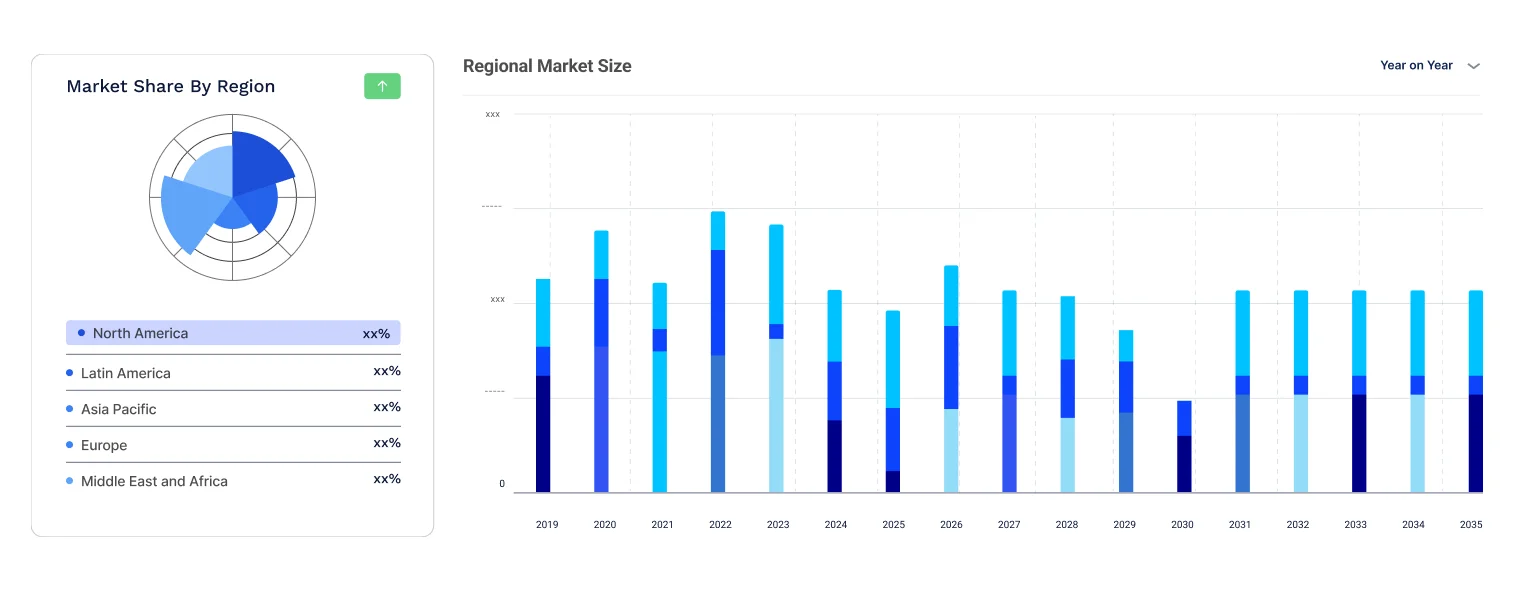
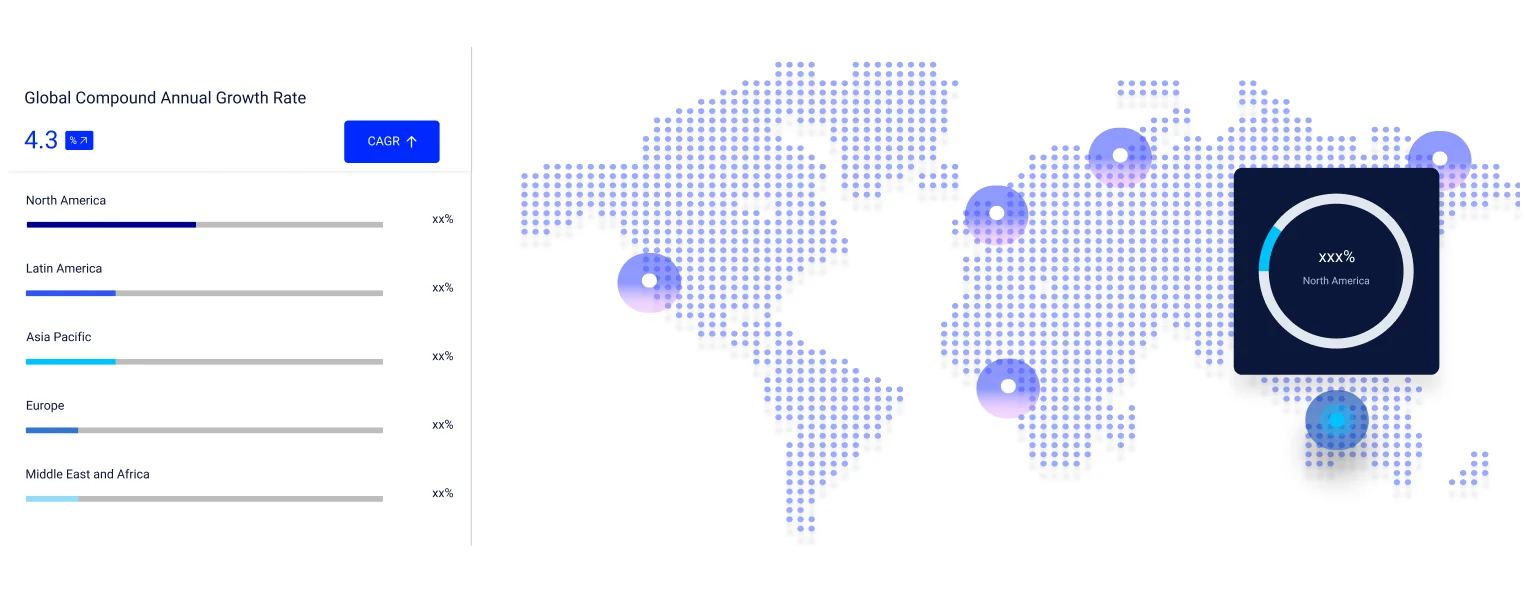
Europe locks in the leading market share due to strict building regulations
Europe dominates sandwich panel demand due to stringent building codes. Fire safety and energy efficiency requirements are strict. Manufacturers invest heavily in certified products. Retrofit activity remains strong. Sustainability standards are demanding. Buyers require documentation. This favors established suppliers. Europe drives premium product innovation. Regulatory enforcement sustains demand. European markets prioritize performance assurance over price. This region remains central to technical development and specification leadership across global sandwich panels manufacturing. For example, Duplicor biocomposite floor structures by Holland Composites are used instead of concrete for this series production of 24 houses in Nijverdal, Netherlands.
The sandwich panels market in Asia Pacific is growing at the fastest pace due to industrialization and logistics expansion. Manufacturing capacity continues rising. Warehousing demand accelerates. Prefabrication adoption increases. Cost sensitivity remains high. Manufacturers localize production. Governments support industrial infrastructure. Growth is volume driven. Standardized panels gain acceptance. This region offers scale rather than margin leadership. Expansion remains strong across emerging industrial hubs.
Prominent sandwich panels market players are concentrating their production capacity on fire, rated systems, high, performance insulation cores and panel platforms standardized for repeat industrial projects. Automation and digital quality control are going to the very core of investments. Competitors are also working on cutting installation time by rethinking joint systems, panel locking technologies, etc.
Sandwich panel companies are also finding opportunities in cold storage, data centers and industrial retrofits, where energy efficiency and compliance are the most important factors. Long, term supply agreements are substituting transactional sales and thus producers having a regional manufacturing footprint are favored. Sustainability documentation is affecting procurement decisions. Companies that can offer environmental declarations and recycling solutions are preferred. Smaller players are pressured to either specialize or join larger groups. The key to success is now consistency in execution, being certification, ready, and supporting multi, site industrial developments with predictable delivery and technical support.
Founded in 1965 and with a head office in Kingscourt, Ireland, Kingspan Group specializes in high, performance insulated building envelope solutions. Their main area of focus is cutting, edge core technologies, such as enhanced thermal and fire performance systems. Kingspan is geared towards industrial, logistics, and cold storage projects that require certified panels.
Tata Steel, founded in 1907 and with its main office in Mumbai, India, runs a diversified construction materials portfolio which includes sandwich panel systems. The firm takes advantage of an integrated steel production to guarantee material consistency. Tata Steel concentrates on durability, coated steel skins, and industrial, grade panels. Their products are compatible with warehouses, factories, and infrastructure projects.
Established in 1960 and headquartered in Helsinki, Finland, Rautaruukki Corporation operates under the Ruukki brand. The company specializes in steel-based building envelopes and sandwich panels. It targets industrial and commercial buildings requiring structural reliability.
Founded in 2006 and headquartered in Luxembourg, ArcelorMittal Construction provides steel-based sandwich panels and building systems. The company leverages global steel expertise to deliver durable panel solutions. It focuses on architectural flexibility, coated steel innovation, and sustainability compliance.
*Please note that this is only a partial list; the complete list of key players is available in the full report. Additionally, the list of key players can be customized to better suit your needs.*
Other key players in the market include ITALPANNELLI S.R.L., and DANA Group of Companies, among others.
Unlock the latest insights with our sandwich panels market trends 2026 report. Discover regional growth patterns, consumer preferences, and key industry players. Stay ahead of competition with trusted data and expert analysis. Download your free sample report today and drive informed decisions in the market.
Trade Surveillance System Market
Injection Moulding Machine Market
Optical Brightening Agents Market
Mexico Paints And Coatings Market
South Africa Conveyor Belt Market


Upto 15% Off
USD
$2499 $2249
$3999 $3599
$4999 $4249
$5999 $5099


*While we strive to always give you current and accurate information, the numbers depicted on the website are indicative and may differ from the actual numbers in the main report. At Expert Market Research, we aim to bring you the latest insights and trends in the market. Using our analyses and forecasts, stakeholders can understand the market dynamics, navigate challenges, and capitalize on opportunities to make data-driven strategic decisions.*
In 2025, the market reached an approximate value of USD 14.63 Billion.
The market is projected to grow at a CAGR of 5.20% between 2026 and 2035.
The market is estimated to witness a healthy growth in the forecast period of 2026-2035 to reach USD 24.29 Billion by 2035.
Manufacturers are upgrading fire performance, expanding regional capacity, investing in automation, securing long-term contracts, and strengthening sustainability documentation to improve competitiveness and margin stability.
The key trends guiding the growth of the market include the growing investments in infrastructural projects due to the rapid urbanisation and industrialisation and rising awareness about energy-efficient buildings.
The major regions in the market are North America, Latin America, the Middle East and Africa, Europe, and the Asia Pacific.
Polyurethane (PUR)/polyisocyanurate (PIR), mineral wool, and expanded polystyrene (EPS), among others are the leading core materials of sandwich panels in the market.
Continuous fibre reinforced thermoplastics (CFRT), fibreglass reinforced panel (FRP), aluminium, and steel, among others are the different skin materials in the market.
Wall panels, and roof panels, among others are the major applications in the market.
Residential, commercial, industrial, and institutional and others are the significant end use sectors in the market.
The key players in the market include Kingspan Group, Tata Steel, Rautaruukki Corporation, ArcelorMittal Construction, ITALPANNELLI S.R.L., and DANA Group of Companies, among others.
Rising compliance costs, fire certification complexity, raw material price volatility, skilled labor shortages, and pressure to deliver faster project timelines continue challenging sandwich panel manufacturers globally.
Explore our key highlights of the report and gain a concise overview of key findings, trends, and actionable insights that will empower your strategic decisions.
| REPORT FEATURES | DETAILS |
| Base Year | 2025 |
| Historical Period | 2019-2025 |
| Forecast Period | 2026-2035 |
| Scope of the Report |
Historical and Forecast Trends, Industry Drivers and Constraints, Historical and Forecast Market Analysis by Segment:
|
| Breakup by Core Material |
|
| Breakup by Skin Material |
|
| Breakup by Technology |
|
| Breakup by Application |
|
| Breakup by End Use Sector |
|
| Breakup by Region |
|
| Market Dynamics |
|
| Competitive Landscape |
|
| Companies Covered |
|
| Report Price and Purchase Option | Explore our purchase options that are best suited to your resources and industry needs. |
| Delivery Format | Delivered as an attached PDF and Excel through email, with an option of receiving an editable PPT, according to the purchase option. |
Datasheet
One User
USD 2,499
USD 2,249
tax inclusive*
Single User License
One User
USD 3,999
USD 3,599
tax inclusive*
Five User License
Five User
USD 4,999
USD 4,249
tax inclusive*
Corporate License
Unlimited Users
USD 5,999
USD 5,099
tax inclusive*
*Please note that the prices mentioned below are starting prices for each bundle type. Kindly contact our team for further details.*
Flash Bundle
Small Business Bundle
Growth Bundle
Enterprise Bundle
*Please note that the prices mentioned below are starting prices for each bundle type. Kindly contact our team for further details.*
Flash Bundle
Number of Reports: 3
20%
tax inclusive*
Small Business Bundle
Number of Reports: 5
25%
tax inclusive*
Growth Bundle
Number of Reports: 8
30%
tax inclusive*
Enterprise Bundle
Number of Reports: 10
35%
tax inclusive*
How To Order

Select License Type
Choose the right license for your needs and access rights.

Click on ‘Buy Now’
Add the report to your cart with one click and proceed to register.

Select Mode of Payment
Choose a payment option for a secure checkout. You will be redirected accordingly.
Strategic Solutions for Informed Decision-Making
Gain insights to stay ahead and seize opportunities.

Get insights & trends for a competitive edge.

Track prices with detailed trend reports.

Analyse trade data for supply chain insights.

Leverage cost reports for smart savings

Enhance supply chain with partnerships.

Connect For More Information
Our expert team of analysts will offer full support and resolve any queries regarding the report, before and after the purchase.
Our expert team of analysts will offer full support and resolve any queries regarding the report, before and after the purchase.
We employ meticulous research methods, blending advanced analytics and expert insights to deliver accurate, actionable industry intelligence, staying ahead of competitors.
Our skilled analysts offer unparalleled competitive advantage with detailed insights on current and emerging markets, ensuring your strategic edge.
We offer an in-depth yet simplified presentation of industry insights and analysis to meet your specific requirements effectively.




