

Consumer Insights
Uncover trends and behaviors shaping consumer choices today
Procurement Insights
Optimize your sourcing strategy with key market data
Industry Stats
Stay ahead with the latest trends and market analysis.
The global service robotics market reached USD 46.73 Billion in the year 2025. Between 2026 and 2035 it is expected to grow at a CAGR of 23.10%, taking the market to USD 373.40 Billion by 2035.This signals a shift from pilot projects to scaled fleets, as hospitals, warehouses, hotels, construction firms and households move from trialling service robots to budgeting for them.
The service robotics market covers robots that assist people by carrying out useful tasks outside traditional factory production lines. These machines operate semi-autonomously or fully autonomously, and they are built to take on work that is dangerous, repetitive or simply expensive to staff. Typical examples include surgical systems in hospitals, autonomous mobile robots in warehouses, cleaning and lawn robots in homes, inspection and rescue robots in hazardous sites, and robots used in research and space exploration.
Two product families define the market. Professional service robots are operated commercially, often by trained staff, in logistics, healthcare, construction, defence and security. Personal and domestic service robots serve households and individuals for cleaning, entertainment, education and assistance. This distinction matters when comparing forecasts across research firms, because scope definitions vary widely.
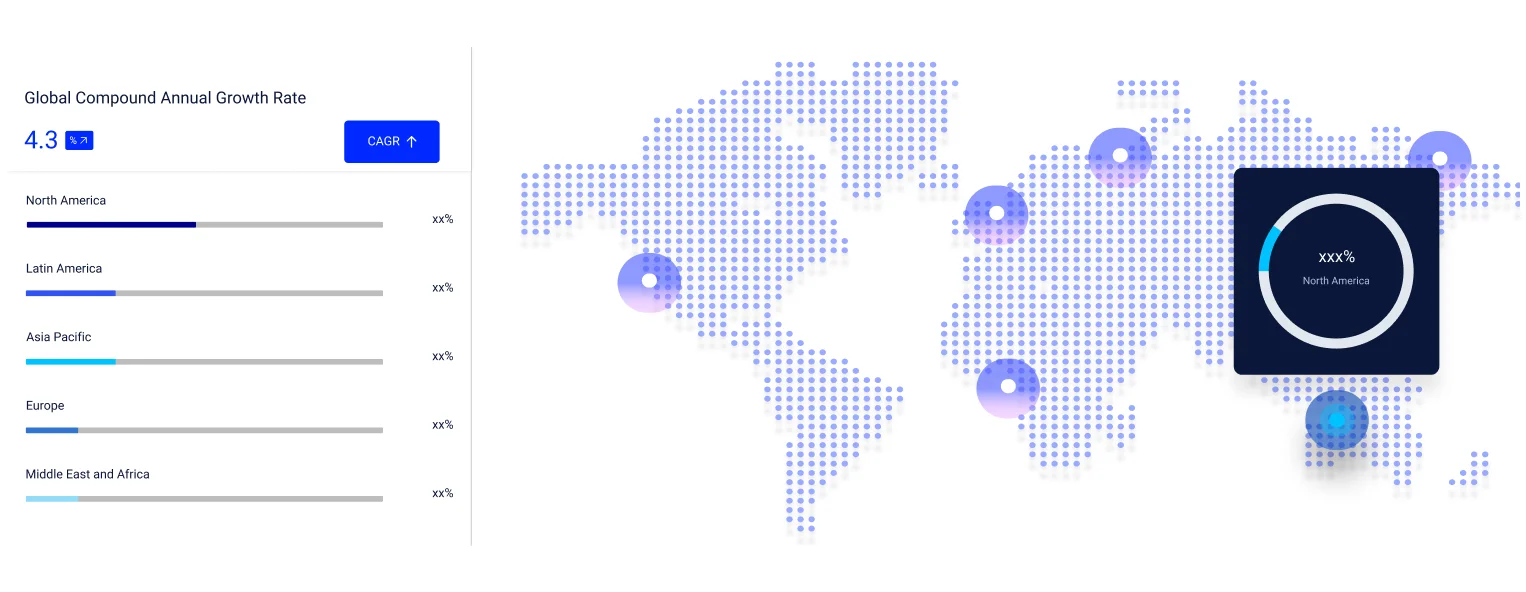
Compound Annual Growth Rate
23.1%
Value in USD Billion
2026-2035
Read more about this report - REQUEST FREE SAMPLE COPY IN PDF
Demand for service robots is being pulled by economics as much as by technology. Rising labour costs, ageing populations, urban growth and steady improvement in autonomy are all pointing buyers towards robotic labour.
Expert Market Research identifies rising labour costs and an expensive workforce in sectors such as healthcare, logistics, construction and cleaning as a core growth factor. When repetitive shifts become costly and hard to fill, a robot with a predictable running cost becomes the more attractive option. The added focus on reducing human error strengthens the case, particularly where precision or safety is critical.
Healthcare is one of the most prominent application areas. Vendors now offer service robots for a wide range of medical uses, from robotic-assisted surgery to disinfection, patient logistics and rehabilitation. Investment from major players, and their collaborations with leading healthcare companies, is expanding the installed base. Intuitive Surgical, Inc., for example, has continued to invest in improving its surgical systems and the overall patient experience, a pattern that lifts demand across the medical robotics ecosystem.
Progress in computer vision, LiDAR, machine learning and simultaneous localisation and mapping (SLAM) lets robots perceive cluttered, changing spaces such as hospital corridors and warehouse aisles. As perception and navigation improve, robots move from single-task machines to flexible platforms that can take on several jobs. Rapid technological advancement is one of the major drivers identified in the Expert Market Research report.
Rising urbanisation increases demand for cleaning, delivery, security and building-services robots, while the growth of e-commerce is pushing warehouse and last-mile operators towards automated material handling. Public funding for robotics research, smart-city programmes and infrastructure renewal further supports adoption in construction, inspection and public services.
The service robotics industry is moving from task-specific machines towards connected, learning systems that are sold as outcomes rather than equipment. Expert Market Research highlights the growing number of innovations in science and technology, together with rising demand for robots in defence, as the leading trends.
Large language and multimodal models are giving service robots more natural interaction and better task planning. Instead of scripted routines, robots can interpret spoken instructions, break a request into steps and adjust when the environment changes. This is most visible in hospitality, retail and eldercare, where interaction quality directly affects adoption. Vendors that combine capable hardware with strong perception and planning software are best placed to benefit.
Robotics-as-a-Service replaces upfront capital purchase with a subscription that bundles hardware, software, maintenance and updates. For small and mid-sized operators, this lowers the barrier created by high initial cost and makes budgeting predictable. It also moves revenue towards the recurring model, which is why software and services are becoming a larger part of vendor strategy. Interest in RaaS is high enough that it is now a search topic in its own right.
As robots share space with the public, safety standards for personal care and service robots, such as ISO 13482, and data-protection rules become part of every procurement checklist. Robots that use cameras and microphones in homes, hospitals and care settings collect sensitive data, so privacy, cybersecurity and liability frameworks influence design and deployment, especially in Europe under evolving digital and AI regulation.
Running perception on the robot itself (edge AI) cuts latency and reduces dependence on connectivity, which matters for rescue, marine and remote inspection work. Combined with sensor fusion, it improves reliability in poor conditions. Humanoid, telepresence and exoskeleton platforms are also moving from demonstration to early commercial roles in care, customer service and industrial support.
The principal challenge in the service robotics market is scaling from successful pilots to dependable fleets. A market expected to expand this rapidly must deploy, integrate and maintain robots at a scale the industry has not yet seen, and every deployment brings integration work with existing hospital, warehouse and building systems, along with unpredictable real-world conditions that robots cannot always handle. Technical complexity, skills gaps in installing and servicing robots, and the need for consistent performance in unstructured environments all determine how quickly buyers move from trial to rollout. The full report benchmarks these hurdles by application and region so that vendors and investors can see where deployment risk is lowest.
The main restraint is cost. High initial investment for hardware, sensors, integration and software, plus ongoing maintenance and upgrade expenses, continues to slow adoption among small and mid-sized organisations that cannot easily fund large capital projects with uncertain returns. Data privacy, cybersecurity and safety compliance add further cost, particularly for robots working near people in healthcare and homes. These pressures are easing as component prices fall and subscription models spread, but they still shape which segments grow fastest. The report’s segment-level analysis shows where cost barriers are already dropping and where they persist.
The largest opportunity lies in matching robots to sectors where labour is scarce and precision matters. Healthcare, logistics, defence, rescue and security, construction, agriculture and domestic services all offer clear demand, and Asia Pacific, together with early-adopting North America and Europe, offers scale. Growth in RaaS, AI-enabled software and services lets vendors capture recurring revenue beyond the initial hardware sale. Readers who want application-level forecasts, company profiles and regional opportunity maps can request the sample or the full Expert Market Research report.
Service robots are technical devices designed to assist humans and perform useful tasks, operating semi-automatically or fully automatically. They handle dangerous and tedious work, improve efficiency and are widely accepted for both professional and personal use.
Market Breakup by Type
Key Insights: Professional Service robots are used commercially in logistics, healthcare, construction, defence and security, and are typically operated by trained staff. This segment benefits directly from labour-cost pressure and the drive for productivity in enterprise settings. Personal and Domestic Service robots cover household cleaning, lawn care, entertainment, education and companionship. Adoption here is shaped by affordability, smart home integration and consumer comfort with autonomous devices, and it is the faster-changing side of the market for product design and pricing. Others includes specialised platforms that do not fit neatly into either group.
Market Breakup by Component
Key Insights: Hardware covers airframes, sensors, cameras, actuators, navigation systems, propulsion systems and power supply. It carries the bulk of upfront cost and is where falling component prices matter most. Software covers navigation, perception, fleet management and interaction layers. It increasingly differentiates vendors and supports recurring, subscription-based revenue.
Market Breakup by Application
Key Insights: Logistics robots automate storing, sorting and moving goods in warehouses and distribution centres. Construction and Demolition robots take on hazardous, heavy or repetitive site tasks. Medical robots support surgery, rehabilitation, disinfection and patient assistance. Defence, Rescue and Security robots perform surveillance, bomb disposal, firefighting and search-and-rescue work where human risk is high. Entertainment, Educational and Personal robots include toy, tutoring and companion devices. Domestic robots clean floors, mow lawns and clean pools. Marine robots inspect vessels, pipelines and the seabed. Research and Space Exploration robots work in laboratories and extreme environments. Others includes emerging niches such as food preparation.
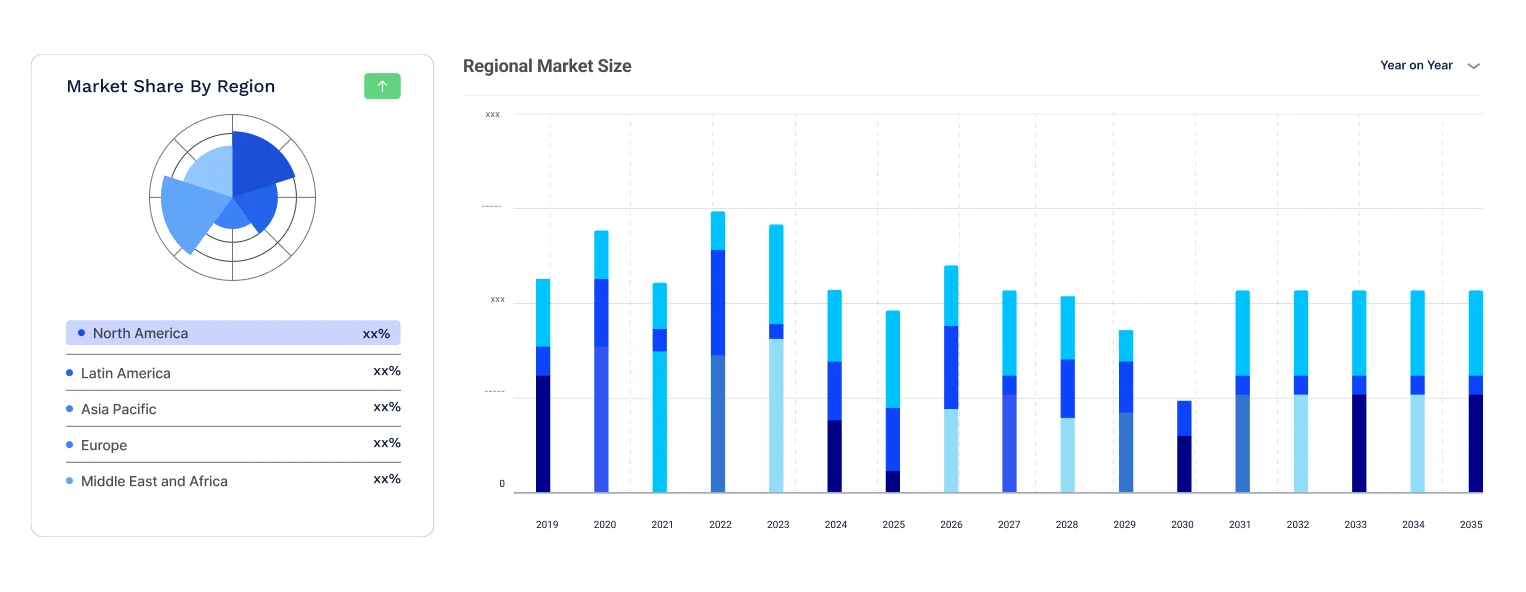
Market Breakup by Region
Key Insights: Each region is analysed in detail in the regional section below.
Read more about this report - REQUEST FREE SAMPLE COPY IN PDF
Regional demand reflects labour costs, ageing demographics, healthcare spending and industrial policy. The report covers North America, Europe, Asia Pacific, Latin America, and the Middle East and Africa, with country-level analysis for major markets.
North America is one of the significant regions, supported by early adoption of advanced technologies, a strong innovation ecosystem and heavy demand from healthcare, logistics and defence. The United States is the main market, with hospitals, warehouses and defence agencies leading adoption, while Canada contributes through healthcare and research. The report includes United States and Canada analysis.
Asia Pacific accounts for a significant share of the global service robotics market and is expected to dominate through the forecast period. Japan, a strong robotics solution provider, is likely to strengthen its market share and technical expertise. China, India, South Korea, ASEAN and Australia add scale through manufacturing depth, logistics growth, government automation programmes and ageing-population needs.
Europe is a significant region, driven by early technology adoption and strong healthcare, logistics and manufacturing bases. Germany, the United Kingdom, France, Italy and Spain are key national markets, and the region is shaped by demanding safety, privacy and AI regulation that influences product design and procurement.
The Middle East and Africa is an emerging market. The United Arab Emirates and Saudi Arabia are investing in automation, smart-city projects and healthcare technology as part of economic diversification, while South Africa and Nigeria are earlier-stage markets with growing interest in security, mining and logistics robotics.
Latin America is developing steadily, with Brazil, Mexico and Argentina leading. Adoption is centred on logistics, agriculture, retail and security, and is supported by growing digitalisation and by global vendors extending regional partnerships and distribution.
The competitive landscape combines automation specialists, logistics-system providers and medical-technology leaders. Expert Market Research’s coverage includes Omron Corporation, Daifuku Co., Ltd., Dematic Holding S.à r.l., Intuitive Surgical, Inc., Kollmorgen Corporation and KUKA AG, and the full report adds their product portfolios, geographic reach, certifications and recent developments, along with Porter’s Five Forces and SWOT analysis.
Omron is a Japanese automation and electronics group with a strong position in factory and mobile-robot automation, sensing and control. Its strength in sensors and control technology positions it well for autonomous mobile robots used in intralogistics.
Daifuku, based in Japan, is a leading provider of material handling and intralogistics systems for warehouses, factories and distribution centres. Its automated storage, conveying and handling solutions tie service robotics to the growth of e-commerce logistics.
Dematic is a global supplier of warehouse automation and supply-chain technology, part of the KION Group. Its integrated systems and robotics support high-volume order fulfilment for retailers and logistics operators.
Intuitive Surgical, based in the United States, is a benchmark in robotic-assisted surgery. Continued investment in its surgical systems and patient experience supports its role as the anchor of the medical service robotics segment.
KUKA, headquartered in Germany, is a major robotics and automation supplier serving industrial, logistics and healthcare customers. Its engineering depth and mobile-platform capability extend its reach into service applications.
Kollmorgen Corporation, a motion-control and automation specialist, is also covered in the report for the actuation and drive systems that underpin many service robots.
The comprehensive Expert Market Research report provides an in-depth assessment of the market based on the Porter's five forces model along with giving a SWOT analysis.
*Please note that this is only a partial list; the complete list of key players is available in the full report. Additionally, the list of key players can be customized to better suit your needs.*


Upto 15% Off
USD
$2499 $2249
$3999 $3599
$4999 $4249
$5999 $5099


*While we strive to always give you current and accurate information, the numbers depicted on the website are indicative and may differ from the actual numbers in the main report. At Expert Market Research, we aim to bring you the latest insights and trends in the market. Using our analyses and forecasts, stakeholders can understand the market dynamics, navigate challenges, and capitalize on opportunities to make data-driven strategic decisions.*
The global service robotics market is being driven by the increasing sales of service robots, which reached a value of USD 46.73 Billion in the year 2025.
The sales of service robots is anticipated to grow at a CAGR of 23.10% in the forecast period of 2026-2035.
The sales of service robots is estimated to witness healthy growth in the forecast period of 2026-2035 to reach USD 373.40 Billion by 2035.
The major drivers of the market include the increasing sales of service robots, rising urbanisation, and rapid technological advancement.
The increasing innovations in the field of science and technology and the surging demand for robots in the field of defence are the major market trends aiding the market growth.
The major regions in the market are North America, Latin America, the Middle East and Africa, Europe, and the Asia Pacific.
Professional service and personal and domestic service, among others are the leading product types in the market.
Hardware and software are the various components in the market. Hardware is further segmented into airframes, sensors, cameras, actuators, navigation systems, propulsion systems, and power supply, among others.
Logistics, construction and demolition, medical, defence, rescue and security, entertainment, educational and personal, domestic, marine, and research and space exploration, among others are the leading applications in the market.
The key players in the global service robotics market are Omron Corporation, Daifuku Co., Ltd., Dematic Holding S.à.r.l., Intuitive Surgical, Inc., Kollmorgen Corporation, and KUKA AG, among others.
Explore our key highlights of the report and gain a concise overview of key findings, trends, and actionable insights that will empower your strategic decisions.
| REPORT FEATURES | DETAILS |
| Base Year | 2025 |
| Historical Period | 2019-2025 |
| Forecast Period | 2026-2035 |
| Scope of the Report |
Historical and Forecast Trends, Industry Drivers and Constraints, Historical and Forecast Market Analysis by Segment:
|
| Breakup by Product Type |
|
| Breakup by Component |
|
| Breakup by Application |
|
| Breakup by Region |
|
| Market Dynamics |
|
| Competitive Landscape |
|
| Companies Covered |
|
| Report Price and Purchase Option | Explore our purchase options that are best suited to your resources and industry needs. |
| Delivery Format | Delivered as an attached PDF and Excel through email, with an option of receiving an editable PPT, according to the purchase option. |
Datasheet
One User
USD 2,499
USD 2,249
tax inclusive*
Single User License
One User
USD 3,999
USD 3,599
tax inclusive*
Five User License
Five User
USD 4,999
USD 4,249
tax inclusive*
Corporate License
Unlimited Users
USD 5,999
USD 5,099
tax inclusive*
*Please note that the prices mentioned below are starting prices for each bundle type. Kindly contact our team for further details.*
Flash Bundle
Small Business Bundle
Growth Bundle
Enterprise Bundle
*Please note that the prices mentioned below are starting prices for each bundle type. Kindly contact our team for further details.*
Flash Bundle
Number of Reports: 3
20%
tax inclusive*
Small Business Bundle
Number of Reports: 5
25%
tax inclusive*
Growth Bundle
Number of Reports: 8
30%
tax inclusive*
Enterprise Bundle
Number of Reports: 10
35%
tax inclusive*
How To Order

Select License Type
Choose the right license for your needs and access rights.

Click on ‘Buy Now’
Add the report to your cart with one click and proceed to register.

Select Mode of Payment
Choose a payment option for a secure checkout. You will be redirected accordingly.
Strategic Solutions for Informed Decision-Making
Gain insights to stay ahead and seize opportunities.

Get insights & trends for a competitive edge.

Track prices with detailed trend reports.

Analyse trade data for supply chain insights.

Leverage cost reports for smart savings

Enhance supply chain with partnerships.

Connect For More Information
Our expert team of analysts will offer full support and resolve any queries regarding the report, before and after the purchase.
Our expert team of analysts will offer full support and resolve any queries regarding the report, before and after the purchase.
We employ meticulous research methods, blending advanced analytics and expert insights to deliver accurate, actionable industry intelligence, staying ahead of competitors.
Our skilled analysts offer unparalleled competitive advantage with detailed insights on current and emerging markets, ensuring your strategic edge.
We offer an in-depth yet simplified presentation of industry insights and analysis to meet your specific requirements effectively.




