

Consumer Insights
Uncover trends and behaviors shaping consumer choices today
Procurement Insights
Optimize your sourcing strategy with key market data
Industry Stats
Stay ahead with the latest trends and market analysis.

The Vietnam beer market size was valued at USD 10.17 Billion in 2025. The industry is expected to grow at a CAGR of 6.60% during the forecast period of 2026-2035 to reach a value of USD 19.27 Billion by 2035. The market is undergoing notable transformation due to a series of measures taken by authorities and public health institutions to control alcohol consumption, drunk driving, and risks related to social security.
Over the past few years, the authorities have been more stringent in enforcing drink driving laws and the public has also been more vocal about responsible consumption. This has led to a change in consumer behavior and brewers now face higher costs and compliance pressures. As a result, foreign and local companies Iin the have been forced to rethink their product portfolios, pricing strategies and growth levers for the long-term. The regulatory recalibration was essentially the National Assembly of Vietnam in June 2025 when it passed a roadmap for increasing the special consumption tax on beer and spirits, thus directly raising production and retail costs of conventional alcoholic beverages and accelerating the strategic adaptation.
On the other hand, brewers have bet on the non-alcoholic and low-alcohol segments to safeguard their volumes and come up with new consumption occasions. To illustrate this rising trend in the Vietnam beer market, Heineken Vietnam offers Heineken 0.0, thus attracting health conscious and moderation driven consumers and at the same time, being positioned as a suitable option for daytime, work related, and drive safe occasions where alcohol consumption is restricted.
Base Year
Historical Period
Forecast Period
Globally, Vietnam ranks as the ninth largest country in terms of beer consumption, with the population consuming more than 3.8 million kiloliters of beer annually.
In 2023, the country’s beer consumption per capita stood at around 68 litres.
In Q1 2023, the beer-producing sector’s output increased by around 27% year-on-year in Vietnam.
Compound Annual Growth Rate
6.6%
Value in USD Billion
2026-2035
*this image is indicative*
Vietnam’s beer market narrative is lavishly decorated with growth and capacity augmentations, especially through the large foreign brewers. They seem to be on a quest for scale, efficiency, and steep supply continuity. The foreign giants see Vietnam as a hub for both production and distribution in the South-East Asian region. Case in point: HEINEKEN Vietnam has, between 2023 and 2025, allotted an extra 142 million USD to its Vung Tau Brewery to enlarge its capacity, which in turn leads to output increase and operational capability upgrade along with the core beer brand network. The expanded production is hence free to flow both on the local market and for exports.
The brewers in Vietnam are in the process of making Research and Development their core and speeding up product diversification and quality improvement through R&D. Exclusive innovation skills allow quick formulation of new recipes and product forms from the ever-changing taste trend consideration. One prominent example is SABECO’s opening of its Beer Research and Development Center last November, which enables the company to experiment with new variants and improve brewing methods prior to scaling to its nationwide network. This not only stabilizes a firm’s competitive position but also leads to a continuous flow of value.
Vietnamese brewers have been breathing new life into vintage brands, as well as creating more luxurious variants in their relentless pursuit of capturing consumers' premiumisation trends. Urban and affluent consumers are putting more weight on taste, packaging, and brand experience than ever before, thus incumbents are forced to reposition heritage labels. For instance, in June 2023, SABECO relaunched Bia Saigon Export Premium elevating its quality perception and appeal among modern drinkers. These repositioned offerings not only facilitate the increment of average selling prices but also play the role of the shield in the battle against the pressure of imported premium beers.
The beer scene in Vietnam is not only limited to traditional mass-market brands. Many new players such as craft brewers and experiential concept providers are gaining popularity and, therefore, influence the face of the market. As the new entrants target urban consumers and tourists, they are likely to attract them by offering unique flavor profiles and novel consumption experience. The first batch launch of Sun KraftBeer at Bana Brew House on July 7, 2024, a high-altitude craft brewery at Ba Na Hills that integrates experiential tourism with premium beer offerings, serves as a perfect illustration. Craft and local microbreweries are opening up the market’s competitive dynamics.
Investments in sustainability are becoming a key strategic move for the beer industry in Vietnam. By implementing energy-efficient measures and making use of renewable energy, the industry is not only cutting its costs for the long run but also meeting the expectations of its stakeholders when it comes to environmental friendliness. An excellent example would be HEINEKEN Vietnam switching to heat pump technology at its Vung Tau plant in 2024, which was key in lowering energy purchases and carbon emissions per hectolitre. These kinds of initiatives facilitate operational resilience, improve brand reputation, and help achieve industry sustainability goals.
The EMR’s report titled “Vietnam Beer Market Report and Forecast 2026-2035” offers a detailed analysis of the market based on the following segments:
Market Breakup by Price
Key Insights: The Vietnam beer market comprises different price levels such as the premium category, middle-priced beer and economy beer. Each category is independent of each other and has its distinct demands. In a way, the premium sector addresses well-to-do and urban-city dwellers. A new variation or limited edition of a brand like Heineken or Tiger being the most visible example. The middle-priced range is the most significant part of the market, the main reasons being a good quality southern lager and 333, which together make up most of the volume. This segment is aimed at consumers living in urban and semi-urban areas. The economy category, which also contains bia hơi, is primarily oriented towards cheap alternatives that are basically local and on-trade traditions. Growth is witnessed in all categories due to factors like increasing disposable income, changing lifestyle, and product innovation.
Market Breakup by Trade Channel
Key Insights: The on-trade segment of the Vietnamese beer market is socializing and creating demand for premium consumption by experiential offerings and partnerships that enhance brand visibility and engagement, in particular in urban centres where there is a strong growth of tourism. The off-trade segment comprises of supermarkets, convenience stores, and expanding e-commerce platforms is becoming more important as consumers are moving toward at-home and digital purchase preferences and this is the main reason brewers are working on retail distribution and have a strong online presence. As an example, in November 2024, SABECO took part in the "Pride in Vietnamese Goods" campaign that happens annually to deepen retail engagement and drive the off-trade brand recognition of different channels of supermarkets and modern outlets. Working closely with two channels ensures not only wide market coverage but also supports sustained volume growth.
Market Breakup by Region
Key Insights: Vietnamese beer market is segmentation based on different geographical areas within the country, showed the Red River Delta and Southeast can be identified as major-consumption hubs resulting urbanisation, rising incomes, and well-developed retail and on-trade networks. While North Central the Central areas and Mekong River Delta are benefiting from the rising tourism and growing urban centres, on the other hand, other regions are at a stage of gradual rural penetration. Brewing companies like SABECO and Heineken Vietnam are increasing distribution and localized marketing activities as an industry example would be Heineken’s organization of the Central Coast Beer Festival in May 2025, that extends regional brand exposure and consumer engagement.
By price, premium beer is gaining traction
The premium beer segment in Vietnam is growing as consumers are looking for more high-quality and differentiated taste experiences, which is resulting in brewers concentrating on brand strength and innovation. Firms are expanding their premium portfolios with the help of heritage positioning, limited editions, and quality-focused products. For instance, towards the end of 2025, SABECO brands like Saigon Chill, 333 Pilsner, and Saigon Export Premium were given gold and silver medals at different international beer competitions, thus, highlighting not only the company's commitment to product development in the premium segment but also its competitiveness at the global level. This makes them popular among urban and affluent consumers.
The mid-priced segment is still the main source of Vietnam's market volume that is largely kept by wide consumption and increased production capabilities. Producers are putting money into local breweries so that their efficiency, distribution, and reliability may be improved not only in the urban but also in the rural areas. For example, in July 2024, Hanoi Nghe Tinh Beer JSC made public a plan to invest USD 11 million in doubling its annual production capacity, thus signaling both the confidence in mid-market demand and the commitment to supply of widely consumed brands. These ambitious expansions lead to the securing of the mid-priced segment as the primary volume driver.
By trade channel, on trade channel generate substantial revenue
The on-trade channel, which consists of pubs, bars, restaurants, and hotels, is still very important for experiential beer consumption in Vietnam and is mainly responsible for the consumption of premium and social occasion beers, thus being the main drivers of brand engagement and volume during the peak leisure periods. Producers are strengthening their position in these places by means of collaborations and tailored offerings that not only upgrade the experiences but also cultivate loyalty. For instance, in October 2023, Carlsberg, to get the most out of on-trade promotional platforms and to be highly visible, collaborated with a local entrepreneurial TV show Shark Tank Vietnam. At the same time, this was the company's way to move the brand engagement to other on trade locations beyond traditional sales points. On trade relevance and attractiveness are thereby supported by such partnerships.
The Vietnam beer market has grown because of the off-trade channels that include supermarkets, convenience stores, modern trade, and e-commerce—which are expanding fast as consumers are switching their purchasing habits towards at-home consumption and online convenience. Producers are broadening their distribution network, establishing retail partnerships, and upgrading their supply chains to get a share of the segment that is growing quickly. With the help of modern retail outlets and online platforms, which are more and more accessible to both local and international brands, the latter can reach not only a larger number of consumers but also in different locations. At the same time, growing incomes and urbanisation are positive factors for off-trade sales, thus making this channel critical for sustained volume growth.
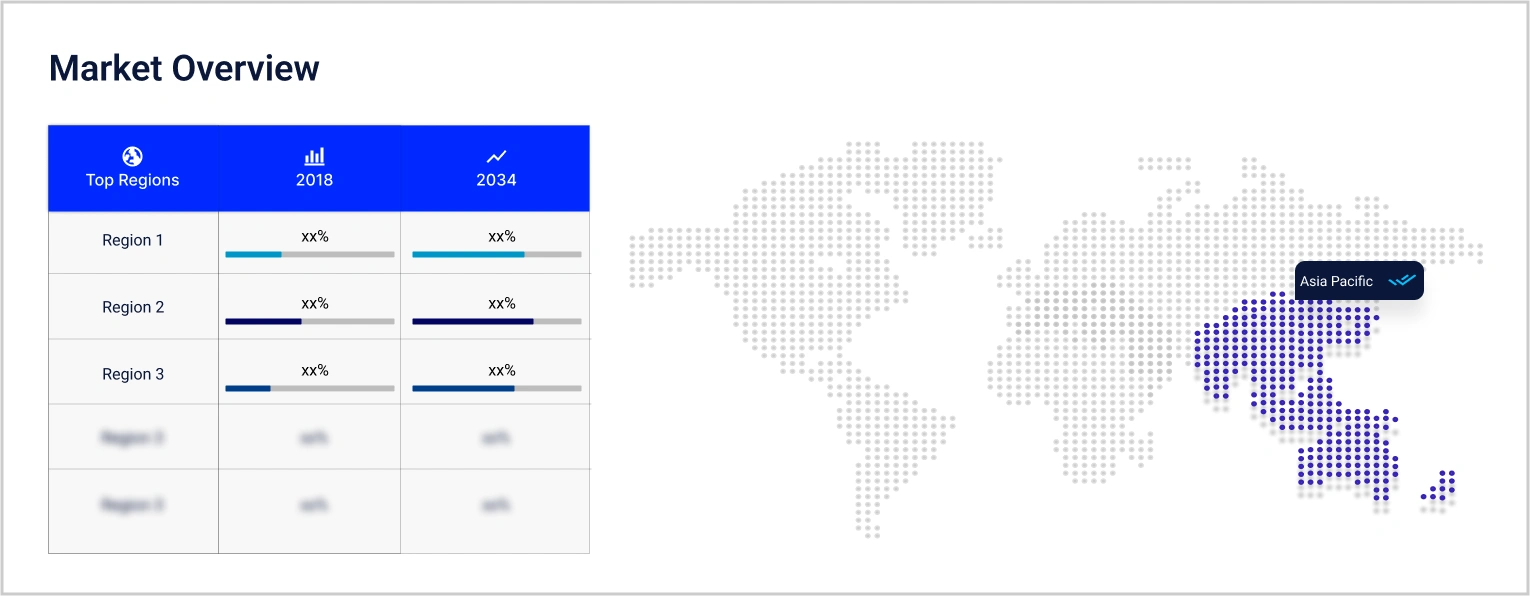

By region, Red River Delta lead the market growth
The Red River Delta, which includes Hanoi and the areas around it, is a major beer consumption area as a result of rapid urbanisation, increased incomes, and a vibrant on-trade activity. Brewers are extending local production and distribution to keep up with the rising demand. One good example is Carlsberg Vietnam, which, in August 2025, opened an expanded Phu Bai Brewery in Hue, thus investing close to USD 90 million to improve supply and distribution efficiency in the whole northern urban and semi-urban areas. Such investments not only strengthen the regional market presence but also ensure availability.
The Southeast region, which comprises Ho Chi Minh City, has emerged to be a lucrative destination in the Vietnam beer market, owing to the increasing premium and mainstream beer consumption due to the presence of affluent urban populations and penetration of modern trade. Brewers are using sustainability and brand engagement as tools to increase their presence in the market. So, HEINEKEN Vietnam collaborated with WWF-Vietnam in March 2025 for a water conservation project in major river basins that support sustainable operations, which are the core for brewery and supply chain reliability. The initiatives build regional brand trust while facilitating the co-existence with environmentally conscious consumers.
Major Vietnam beer market players such as SABECO, Heineken, and Carlsberg are actively pursuing portfolio diversification, premiumization, and locally produced offerings to seize changing consumer trends. Apart from this, these companies are also investing in brewery expansions, modern trade distribution, and various launches like that of non-alcoholic and craft to generate more revenue. Besides these, there are also other key strategies like strategic partnerships, regional marketing campaigns, and sustainability initiatives to build up brand presence and thus, be able to compete not only in urban but also in rural markets.
Furthermore, brewers constantly look for technological innovation and supply chain optimization solutions to stay efficient and agile. In fact, product innovation is one of the many ways that can lead to the introduction of low-alcohol variants and experiential formats, which, in turn can change the consumer's lifestyle. Market players are doing several things, to name a few, they are moving on-trade and off-trade activities more aggressively, engaging in collaborative strategic business initiatives, and launching sustainability programs such as water conservation and energy efficiency. All these efforts combined, help to improve brand visibility, strengthen operational resilience and uphold the market share growth in Vietnam's highly dynamic beer industry.
Saigon Beer – Alcohol – Beverage Corporation (SABECO) was established in 1875 and is situated in Ho Chi Minh City. SABECO is counted among the top three breweries of Vietnam, and it has the most diversified portfolio of beer and beverage products. In order to both retain and extend its leadership position in the domestic and foreign markets, the company mainly focuses on premiumisation, regional distribution, and brand innovation.
Hanoi Beer – Alcohol – Beverage Joint Stock Company (HABECO) was established in 1890 and is located in Hanoi. It is a big Vietnamese brewery and a provider of household brands, in particular, Hanoi Beer and Truc Bach. The company is very active in promoting its regional presence through the upgrade of production facilities and the establishment of partnerships that are in line with the highly competitive beer industry to support its business.
Heineken N.V is located in Amsterdam and was built in 1864. Heineken is one of the core global beer brands and has a significant presence in Vietnam. It works on offering the most premium beers, inovating the brand, and carrying out the initiatives of sustainability which are some of the ways to meet the demands of contemporary urban consumers.
The Carlsberg Group was founded in 1847, headquartered in Copenhagen, Denmark. The company is a global player, operating in Vietnam among other countries, offering a mix of international and local beer brands.
*Please note that this is only a partial list; the complete list of key players is available in the full report. Additionally, the list of key players can be customized to better suit your needs.*
Explore the latest trends shaping the Vietnam Beer Market 2026-2035 with our in-depth report. Gain strategic insights, future forecasts, and key market developments that can help you stay competitive. Download a free sample report or contact our team for customized consultation on Vietnam beer market trends 2026.


Upto 15% Off
USD
$2499 $2249
$3999 $3599
$4999 $4249
$5999 $5099


*While we strive to always give you current and accurate information, the numbers depicted on the website are indicative and may differ from the actual numbers in the main report. At Expert Market Research, we aim to bring you the latest insights and trends in the market. Using our analyses and forecasts, stakeholders can understand the market dynamics, navigate challenges, and capitalize on opportunities to make data-driven strategic decisions.*
Get in touch with us for a customized solution tailored to your unique requirements and save upto 35%!
In 2025, the Vietnam beer market reached an approximate value of USD 10.17 Billion.
The market is projected to grow at a CAGR of 6.60% between 2026 and 2035.
The market is estimated to witness a healthy growth in the forecast period of 2026-2035 to reach a value of around USD 19.27 Billion by 2035.
Key strategies driving the market include premiumisation, expansion of non-alcoholic and low-alcohol products, capacity expansion, stronger on-trade and off-trade distribution, and increased focus on sustainability and brand partnerships.
The major provinces include the Red River Delta, North Central and Central Coastal Areas, Southeast, Mekong River Delta, and others.
The major classifications based on price include premium, mid-priced beer, and economy beer.
The trade channels include on-trade and off-trade.
The key players in the market include Saigon Beer – Alcohol – Beverage Corporation (SABECO), Hanoi Beer – Alcohol – Beverage Joint Stock Company (Habeco), Heineken N.V, and Carlsberg Group.
Major challenges include rising excise taxes, strict drink-driving regulations, price sensitivity, intense competition, and margin pressure from higher production and operating costs.
Explore our key highlights of the report and gain a concise overview of key findings, trends, and actionable insights that will empower your strategic decisions.
| REPORT FEATURES | DETAILS |
| Base Year | 2025 |
| Historical Period | 2019-2025 |
| Forecast Period | 2026-2035 |
| Scope of the Report |
Historical and Forecast Trends, Industry Drivers and Constraints, Historical and Forecast Market Analysis by Segment:
|
| Breakup by Price |
|
| Breakup by Trade Channel |
|
| Breakup by Region |
|
| Market Dynamics |
|
| Competitive Landscape |
|
| Companies Covered |
|
Datasheet
One User
USD 2,499
USD 2,249
tax inclusive*
Single User License
One User
USD 3,999
USD 3,599
tax inclusive*
Five User License
Five User
USD 4,999
USD 4,249
tax inclusive*
Corporate License
Unlimited Users
USD 5,999
USD 5,099
tax inclusive*
*Please note that the prices mentioned below are starting prices for each bundle type. Kindly contact our team for further details.*
Flash Bundle
Small Business Bundle
Growth Bundle
Enterprise Bundle
*Please note that the prices mentioned below are starting prices for each bundle type. Kindly contact our team for further details.*
Flash Bundle
Number of Reports: 3
20%
tax inclusive*
Small Business Bundle
Number of Reports: 5
25%
tax inclusive*
Growth Bundle
Number of Reports: 8
30%
tax inclusive*
Enterprise Bundle
Number of Reports: 10
35%
tax inclusive*
How To Order

Select License Type
Choose the right license for your needs and access rights.

Click on ‘Buy Now’
Add the report to your cart with one click and proceed to register.

Select Mode of Payment
Choose a payment option for a secure checkout. You will be redirected accordingly.
Gain insights to stay ahead and seize opportunities.

Get insights & trends for a competitive edge.

Track prices with detailed trend reports.

Analyse trade data for supply chain insights.

Leverage cost reports for smart savings

Enhance supply chain with partnerships.

Connect For More Information
Our expert team of analysts will offer full support and resolve any queries regarding the report, before and after the purchase.
Our expert team of analysts will offer full support and resolve any queries regarding the report, before and after the purchase.
We employ meticulous research methods, blending advanced analytics and expert insights to deliver accurate, actionable industry intelligence, staying ahead of competitors.
Our skilled analysts offer unparalleled competitive advantage with detailed insights on current and emerging markets, ensuring your strategic edge.
We offer an in-depth yet simplified presentation of industry insights and analysis to meet your specific requirements effectively.





Share