

Consumer Insights
Uncover trends and behaviors shaping consumer choices today
Procurement Insights
Optimize your sourcing strategy with key market data
Industry Stats
Stay ahead with the latest trends and market analysis.
The global virtual fitting room market attained a value of USD 7.38 Billion in 2025 and is projected to expand at a CAGR of 18.30% through 2035. The market is further expected to achieve USD 39.62 Billion by 2035. The rapid expansion of online fashion and apparel shopping is increasing demand for virtual fitting rooms as retailers seek to replicate the convenience of physical fitting experiences digitally. AI, augmented reality, and 3D body technologies enable shoppers to assess fit, size, and appearance before purchase, helping retailers improve purchase confidence, customer engagement, and return management.
The industry is gaining traction as retailers from fashion, beauty, eyewear, jewelry, and footwear sectors are striving to emulate the offline shopping experience on online platforms. Higher penetration of fashion online, issues related to product fitment and refunds, and consumers' need for personalized shopping experiences are leading the retailers to consider virtual try-on technologies.
Generative AI technologies are reshaping the industry through the use of which consumers will be able to upload one image and visualize clothes, accessories or entire outfits without even resorting to traditional 3D modeling. A recent example is Google Photos’ digital wardrobe feature, announced in April 2026. The AI automatically identifies clothing from users’ existing photos, organizes items into categories, and enables users to mix and match pieces into outfits. Users can then virtually preview selected combinations on themselves, demonstrating how generative AI can deliver personalized styling without requiring conventional 3D garment modelling. Virtual try-on of apparels in India by Google and fashion and accessory products by Perfect Corp. are two prominent examples, thereby boosting the virtual fitting room market value.
Virtual fitting room technology is increasingly shifting towards realistic, movement-responsive experiences. In August 2026, Remark launched a real-time virtual try-on solution that renders garments as shoppers move, capturing changes in drape, fit, and body-to-fabric interaction. This innovation can support market growth by improving online purchase confidence, reducing uncertainty around garment appearance, and helping fashion retailers deliver a more immersive digital fitting-room experience. It may particularly benefit premium and luxury brands seeking to replicate the realism of physical store trials while strengthening customer engagement and conversion rates, thus aiming more towards the virtual fitting room market developments.
Compound Annual Growth Rate
18.3%
Value in USD Billion
2026-2035
Read more about this report - REQUEST FREE SAMPLE COPY IN PDF
| Global Virtual Fitting Room Market Report Summary | Description | Value |
| Base Year | USD Billion | 2025 |
| Historical Period | USD Billion | 2019-2025 |
| Forecast Period | USD Billion | 2026-2035 |
| Market Size 2025 | USD Billion | 7.38 |
| Market Size 2035 | USD Billion | 39.62 |
| CAGR 2019-2025 | Percentage | XX% |
| CAGR 2026-2035 | Percentage | 18.30% |
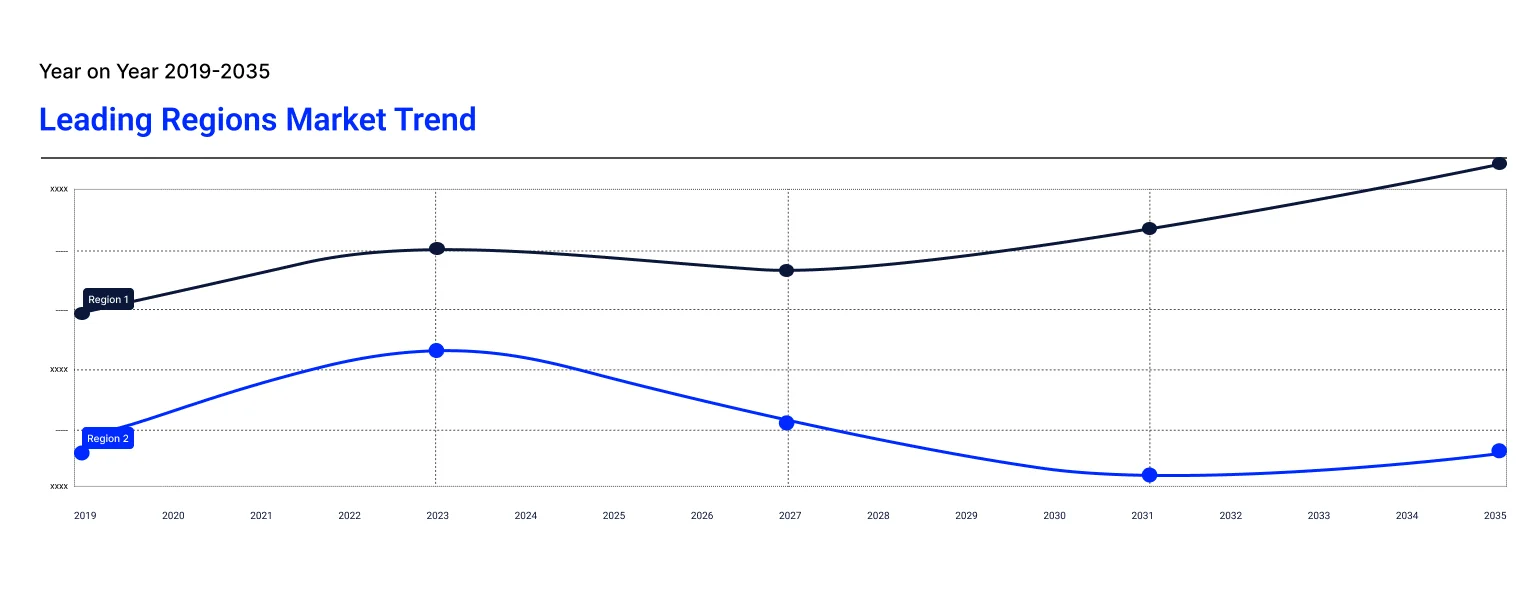
| CAGR 2026-2035 - Market by Region | Europe | 18.4% |
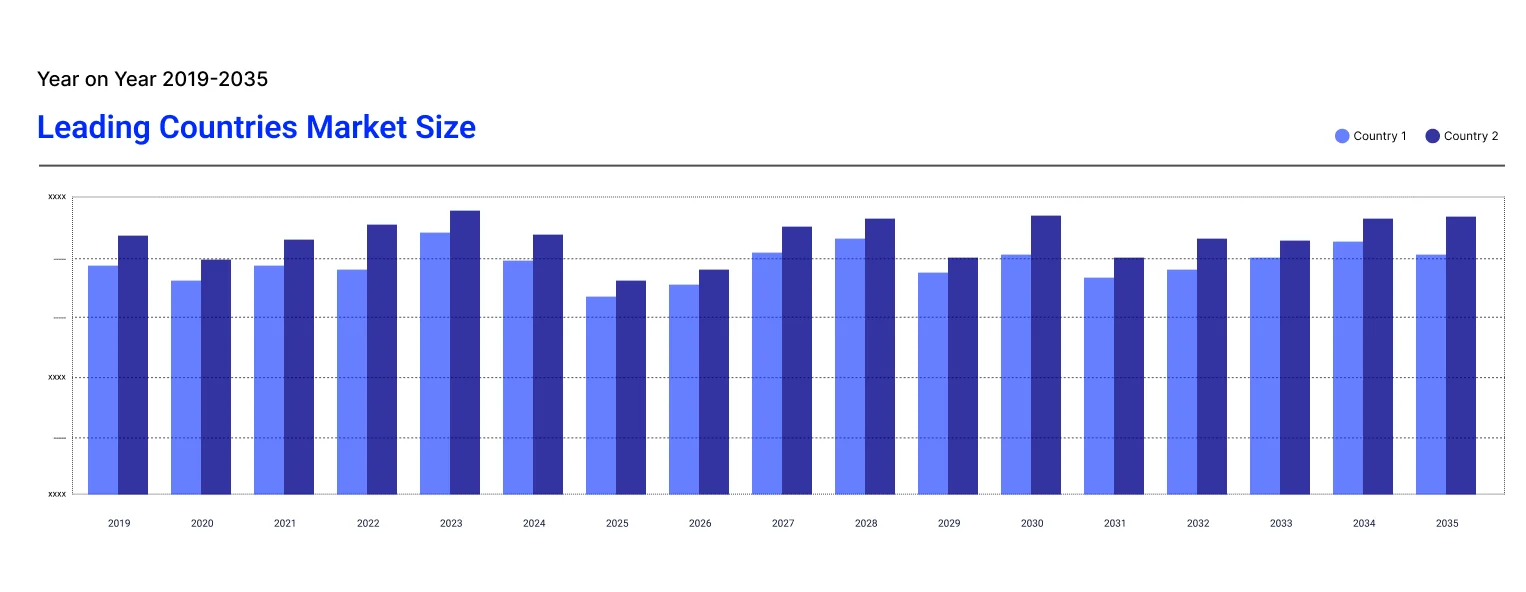
| CAGR 2026-2035 - Market by Country | Italy | 19.2% |
| CAGR 2026-2035 - Market by Country | France | 18.8% |
| CAGR 2026-2035 - Market by Application | Beauty and Cosmetics | 20.7% |
| CAGR 2026-2035 - Market by Component | Services | 19.4% |
| Market Share by Country 2025 | Italy | 4.1% |
Aditya Birla Fashion and Retail (ABFRL) introduced AI-powered virtual try-on technology in collaboration with PointAI. The solution includes an in-store virtual trial room and AI Fashion Advisor, with plans for deployment across ABFRL’s brand stores. This development is significant because it demonstrates the expansion of virtual fitting technology beyond e-commerce into physical retail, supporting wider enterprise adoption.
Google expanded its AI-powered “Try On” feature to Singapore. The tool enables shoppers to upload a full-length photograph and visualize how apparel and footwear may look on them through Google Search, Shopping, and Images. The expansion strengthens AI-driven virtual try-on adoption and increases competitive pressure on retailers to provide personalized digital shopping experiences, thus aiming for growth of the virtual fitting room market.
ASOS launched a hybrid virtual try-on experience with AIUTA, allowing shoppers to upload their own photos or select an AI-generated virtual model. Initially covering around 10,000 products on its iOS app, the feature aims to increase purchase confidence and personalize online fashion shopping.
Google introduced an upgraded virtual try-on experience using shoppers’ personal photos. The feature enables users to visualize apparel on themselves rather than relying only on generic models. This represented an important shift toward personalized AI shopping, encouraging fashion retailers and technology providers to invest in more individualized virtual fitting experiences, thereby boosting the trends in the virtual fitting room market.
Generative AI is pushing virtual try-ons from asset-intensive AR to image-to-garment generation. The recent technologies allow simulating clothes on user photos by understanding the body shape, behavior of the material, folding, texture, and lighting. There is less need to create 3D models manually, which speeds up the process of cataloguing for stores. With increasing reliability of the generative models, virtual try-on technology can be applied to larger collections of products and thus becomes more commercially viable for medium-sized companies, thus affecting the virtual fitting room market dynamics and trends.
Virtual fitting is increasingly targeting products where visual confidence strongly influences purchase decisions, including watches, jewelry, eyewear, handbags, footwear, scarves, and hats. Perfect Corp.’s January 2026 launch of nine Fashion APIs covering these categories reflects this expansion. Accessories can often be visualized without the complex garment simulation required for clothing, enabling faster deployment across product pages. This category of diversification is creating new revenue opportunities for technology providers while helping retailers extend virtual try-on across more of their digital catalogues.
Another revolutionary development in technology is the transition from static try-on pictures to dynamic garments visualization. In August 2026, Remark highlighted this feature through a dynamic try-on service that reacts to movements made by the user, which allows for the changing of visuals when turning or moving. These developments will help solve one of the major issues of the traditional virtual try-on approach because of its tendency to be realistic in a static image but not while moving, thereby boosting the trends in the virtual fitting room market.
Digital wardrobes are becoming more than repositories of clothing images, with AI increasingly using wardrobe data to generate outfit combinations and styling suggestions. Google Photos’ 2026 wardrobe functionality illustrates this direction by organizing clothing from users’ photographs and supporting outfit experimentation. The emerging opportunity lies in connecting these wardrobes with shopping platforms, recommendation engines, and virtual try-on systems. This could allow AI assistants to identify gaps in a consumer’s wardrobe, recommend complementary products, and virtually demonstrate complete outfits before purchasing.
Virtual fitting platforms are increasingly adapting to region-specific clothing rather than focusing exclusively on Western apparel. India presents a notable opportunity because garments such as sarees, lehengas, kurtas, and occasion wear involve distinctive silhouettes, draping patterns, and styling requirements. Technology capable of accurately representing these garments can unlock underserved customer segments and regional fashion catalogues. This localization trend could encourage Indian retailers, marketplaces, and technology providers to develop fitting models trained around local body profiles, apparel structures, and cultural styling preferences.
The Expert Market Research’s report titled “Virtual Fitting Room Market Report and Forecast 2026-2035” offers a detailed analysis of the market based on the following segments:
Market Breakup by Component
Key Insight: The hardware segment is gaining traction through smart mirrors, cameras, depth sensors, and interactive kiosks, which are used for creating immersive experiences in stores. The software component is evolving quite fast as AI, AR, computer vision, and 3D technologies make it possible to create virtual try-ons, personalized recommendations, and visualization of fit through digital channels. Services have become quite significant as the retailers are looking for services related to integration, customization, implementation, and maintenance from specialists. The combination of these elements allows for using virtual fitting solutions through various channels, thereby opening up new opportunities and boosting the growth of the virtual fitting room market.
Market Breakup by Application
Key Insight: Apparel remains the dominant application as AI-powered try-on helps shoppers assess garment appearance, fit, and styling before purchase. Eyewear is gaining strong traction through face mapping and 360-degree visualization, while Jewelry and Watches are expanding through highly realistic placement and scale simulation. Beauty and Cosmetics benefit from AI-based makeup, hair-color, and skincare visualization, encouraging experimentation and personalized recommendations. Others, including footwear, handbags, scarves, and hats, are emerging as retailers extend virtual try-on across broader fashion catalogues.
Market Breakup by End Use
Key Insight: As per virtual fitting room market study, physical stores continue to become more popular due to the implementation of smart mirrors, interactive screens, and virtual trial rooms powered by AI technology to increase engagement in the store and give customers an opportunity to try out different models in digital form. Virtual Stores continue to be a key part of growth for fashion brands, because e-commerce sites incorporate virtual try-on functionality into their websites and mobile applications, providing customers with an easy way to visualize and personalize product choices.
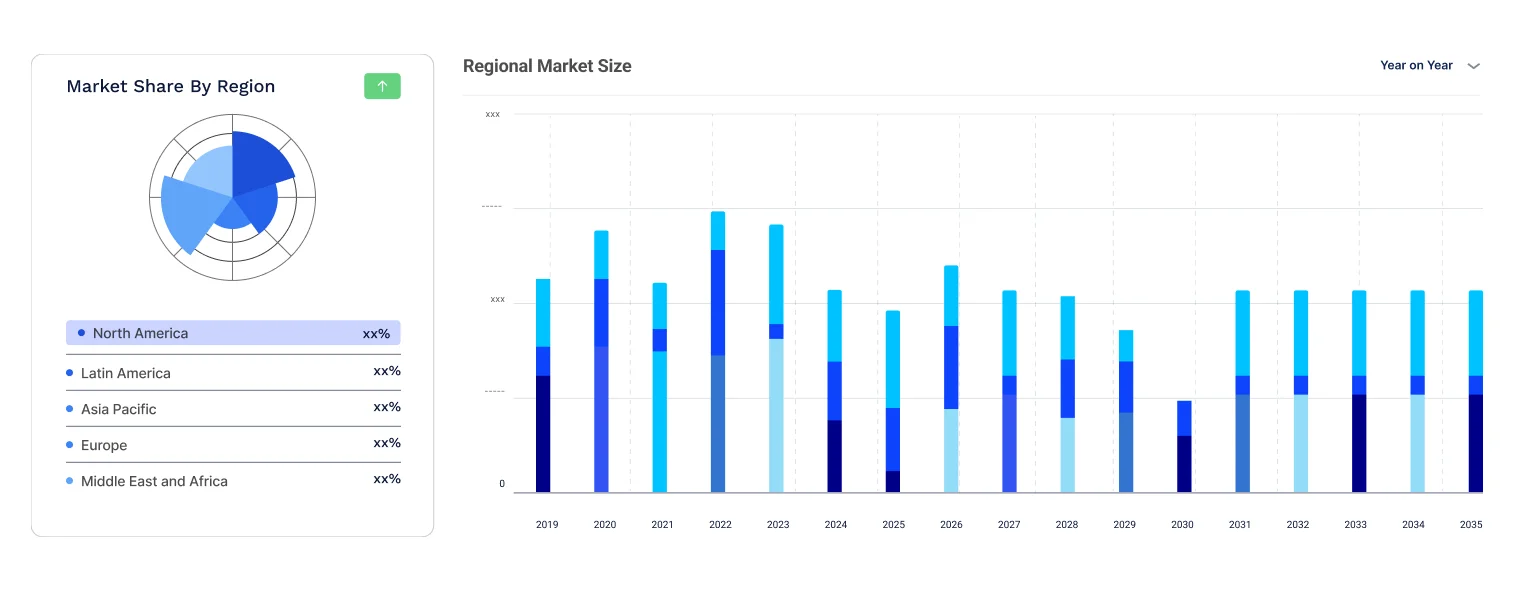
Market Breakup by Region
Key Insight: North America remains the leading regional market, supported by advanced retail technology adoption, strong e-commerce penetration, and investments in AI, AR, and personalized shopping experiences. Europe is witnessing steady adoption as fashion retailers integrate virtual fitting into stores and digital platforms. Asia Pacific is the fastest-growing region, driven by mobile commerce, large digital consumer bases, and rapid adoption of AI and AR, particularly across China, India, Japan, and South Korea. Latin America and the Middle East and Africa represent emerging opportunities as e-commerce infrastructure, smartphone usage, and digital retail ecosystems expand.
By component, software dominates through scalable AI, AR, and personalized fitting platforms
Software is gaining the strongest traction as virtual fitting increasingly depends on AI-driven image generation, body analysis, fit visualization and recommendation engines. Perfect Corp., for example, reports more than 800,000 AR-ready product SKUs across its beauty and fashion technology ecosystem, illustrating how software platforms can support large-scale product digitization. Its enterprise solutions are also designed for websites, mobile applications and social platforms, allowing brands to deploy virtual experiences across multiple customer touchpoints without installing dedicated equipment, thus boosting the overall virtual fitting room market development.
Services are gaining momentum as brands require specialized support for integrating virtual fitting with their existing digital infrastructure. 3DLOOK, for example, provides body-scanning technology and fit solutions designed for retailers, enabling companies to capture body measurements and use them for sizing and personalized shopping. As retailers increasingly combine body data, product data and AI recommendations, demand is expanding implementation, integration, customization and ongoing technical support rather than standalone software alone.
By application, apparel dominates as virtual fitting directly addresses clothing fit uncertainty
Apparel continues to attract the greatest commercial attention because AI can now transform ordinary clothing images into personalized outfit visualizations without requiring conventional 3D garment modelling. Perfect Corp.’s current AI Clothes Changer allows users to upload a full-body image and generate different outfit variations, while its platform supports jackets, trousers, shirts and formalwear. The company says its technology is used by 800+ global brands and has created more than 800,000 AR-ready product SKUs, demonstrating the extensive apparel-oriented ecosystem being built around virtual fitting, and hence bolstering the virtual fitting room market revenues.
Eyewear is experiencing strong adoption because facial mapping makes frames comparatively straightforward to visualize accurately. Titan Eye+ has deployed GlamAR’s virtual try-on technology, enabling customers to see how eyeglass and sunglass frames appear on their faces while the system tracks facial landmarks and head movement. The application is particularly valuable because consumers can compare numerous frame shapes remotely, reducing the uncertainty associated with purchasing eyewear online and encouraging digital-first shopping.
By end-use, virtual stores dominate through scalable, convenient digital fitting experiences
Virtual stores are gaining traction because digital fitting can be embedded directly into the online purchasing journey without requiring customers to install specialist equipment. For example, Zara has introduced digital fitting options into its mobile shopping ecosystem, and this represents the general trend among clothing brands toward visualizing their goods through an app. In addition, digital technology provides an opportunity to expand the capability of fitting a wide variety of products at once in several locations.
Physical-store adoption is accelerating as retailers use virtual fitting to supplement traditional changing rooms and create more interactive experiences. ABFRL’s collaboration with PointAI is one recent example, with an in-store virtual trial room and AI Fashion Advisor being demonstrated for potential rollout across its brand stores. The development shows how retailers are beginning to combine AI-based product visualization with physical shopping, creating opportunities for faster product discovery, and personalized recommendations inside stores.

Read more about this report - REQUEST FREE SAMPLE COPY IN PDF
By region, North America dominates through advanced technology adoption and retailer investment
North America benefits from early commercial adoption of virtual fitting by major retailers and technology companies. Walmart’s acquisition of Israeli virtual-fitting company Zeekit was an important development in the region, giving the retailer technology capable of placing clothing virtually onto shoppers’ photographs. Such strategic investments demonstrate how North American retailers have treated virtual fitting not merely as an experimental AR feature but as part of their broader e-commerce and fashion technology strategy. Such factors are directly boosting the virtual fitting room market regional growth.
Asia-Pacific is emerging as a key expansion market, with virtual fitting gaining momentum through mobile-first commerce and technologically advanced fashion industries. With Titan Eye+ having rolled out GlamAR in India outside the realm of clothing, especially with regards to eyewear, where facial tracking technology can enable real-time product visualization, the convergence of large user base for smartphones, fashion/beauty ecommerce, and investments in AI-driven retail in the region is shaping up to be conducive for virtual fitting service providers to extend beyond their Western base.
Virtual fitting room market players are trying to ensure scalability by creating AI-enabled, cloud-based, and software-driven solutions for deployment across multiple retailers and ecommerce sites. The firms are enhancing AR, computer vision, 3D modeling, and machine learning technology to provide precise fitting while minimizing deployment complexities.
Virtual fitting room companies are also looking to create strategic partnerships, platform integrations, and increased applicability into apparel, footwear, eyewear, cosmetics, and physical stores. Strategic partnerships allow them to penetrate the market quickly, while scalable APIs and omnichannel solutions allow them to scale across geographies and customer bases without increasing their infrastructure costs proportionally.
ELSE Corp Srl, founded in 2014 and headquartered in Milan, Italy, provides virtual retail and virtual fitting technologies for fashion brands and retailers. Its offering includes integrated virtual fitting and try-on capabilities, AR/VR/MR applications, 3D avatars, personalised product visualisation, and Virtual Fitting APIs that can integrate with e-commerce platforms and custom-manufacturing systems.
Autumn Rock Limited, established in 2016 and headquartered in Nicosia, Cyprus, owns the AstraFit virtual fitting solution. Its Virtual Sizer enables shoppers to receive personalised clothing size and fit recommendations, helping online retailers improve purchase confidence and reduce sizing-related returns. The platform uses customer measurements and apparel data to provide more relevant recommendations during online shopping.
Magic Mirror is a British technology company established in 2007, with its European office in Guildford, United Kingdom. Its virtual fitting offering includes interactive virtual dressing, real-time outfit and color visualization, product recommendations, and 3D virtual gown fitting. Its solutions are designed for retail stores and fitting rooms, enabling shoppers to explore apparel and accessories digitally.
Fit Analytics, founded in 2010 and headquartered in Berlin, Germany, specializes in AI-driven apparel sizing and personalization technology. Its flagship Fit Finder provides personalized size recommendations based on machine learning and extensive apparel data, helping retailers improve conversion rates and reduce returns. The company supports e-commerce brands with scalable sizing solutions and shopper insights.
Other key players in the market include True Fit Corporation, and FXGear Inc., among others.
*Please note that this is only a partial list; the complete list of key players is available in the full report. Additionally, the list of key players can be customized to better suit your needs.*
Unlock the potential of the rapidly evolving virtual fitting room market with comprehensive insights from Expert Market Research. Leverage our market analysis, forecasts, competitive intelligence, and emerging trend assessments to identify opportunities, strengthen business strategies, and gain a competitive edge. Get the latest virtual fitting room market report today and make informed decisions with confidence.


Upto 15% Off
USD
$2499 $2249
$3999 $3599
$4999 $4249
$5999 $5099


*While we strive to always give you current and accurate information, the numbers depicted on the website are indicative and may differ from the actual numbers in the main report. At Expert Market Research, we aim to bring you the latest insights and trends in the market. Using our analyses and forecasts, stakeholders can understand the market dynamics, navigate challenges, and capitalize on opportunities to make data-driven strategic decisions.*
The market is projected to grow at a CAGR of 18.30% between 2026 and 2035.
Key strategies include AI-powered fit recommendations, augmented reality integration, personalized shopping experiences, partnerships with retailers, mobile optimization, data-driven personalization, omnichannel deployment, enhanced privacy measures, and continuous technology innovation.
Key industry trends of the market include favourable spending of the government towards healthcare.
The major regions in the industry are North America, Latin America, the Middle East and Africa, Europe, and the Asia Pacific.
The leading products in the market are intraocular lenses, orbital implants, ocular prosthesis, glaucoma implants, and corneal implants, among others.
The significant application segments in the industry are oculoplasty, glaucoma surgery, drug delivery, and age-related macular degeneration (AMD), among others.
The major end use sectors in the market are hospital, clinics, and specialty eye institutes, among others.
The key players in the market include ELSE Corp Srl, Autumn Rock Limited, Magic Mirror, Fit Analytics GmbH, True Fit Corporation, and FXGear Inc., among others.
In 2025, the market reached an approximate value of USD 7.38 Billion.
The market is estimated to witness a healthy growth in the forecast period of 2026-2035 to reach USD 39.62 Billion by 2035.
Key challenges in the virtual fitting room market include privacy concerns, inaccurate fit predictions, high implementation costs, limited consumer adoption, technological limitations, data security risks, and integration complexities.
Explore our key highlights of the report and gain a concise overview of key findings, trends, and actionable insights that will empower your strategic decisions.
| REPORT FEATURES | DETAILS |
| Base Year | 2025 |
| Historical Period | 2019-2025 |
| Forecast Period | 2026-2035 |
| Scope of the Report |
Historical and Forecast Trends, Industry Drivers and Constraints, Historical and Forecast Market Analysis by Segment:
|
| Breakup by Component |
|
| Breakup by Application |
|
| Breakup by End Use |
|
| Breakup by Region |
|
| Market Dynamics |
|
| Competitive Landscape |
|
| Companies Covered |
|
| Report Price and Purchase Option | Explore our purchase options that are best suited to your resources and industry needs. |
| Delivery Format | Delivered as an attached PDF and Excel through email, with an option of receiving an editable PPT, according to the purchase option. |
Datasheet
One User
USD 2,499
USD 2,249
tax inclusive*
Single User License
One User
USD 3,999
USD 3,599
tax inclusive*
Five User License
Five User
USD 4,999
USD 4,249
tax inclusive*
Corporate License
Unlimited Users
USD 5,999
USD 5,099
tax inclusive*
*Please note that the prices mentioned below are starting prices for each bundle type. Kindly contact our team for further details.*
Flash Bundle
Small Business Bundle
Growth Bundle
Enterprise Bundle
*Please note that the prices mentioned below are starting prices for each bundle type. Kindly contact our team for further details.*
Flash Bundle
Number of Reports: 3
20%
tax inclusive*
Small Business Bundle
Number of Reports: 5
25%
tax inclusive*
Growth Bundle
Number of Reports: 8
30%
tax inclusive*
Enterprise Bundle
Number of Reports: 10
35%
tax inclusive*
How To Order

Select License Type
Choose the right license for your needs and access rights.

Click on ‘Buy Now’
Add the report to your cart with one click and proceed to register.

Select Mode of Payment
Choose a payment option for a secure checkout. You will be redirected accordingly.
Strategic Solutions for Informed Decision-Making
Gain insights to stay ahead and seize opportunities.

Get insights & trends for a competitive edge.

Track prices with detailed trend reports.

Analyse trade data for supply chain insights.

Leverage cost reports for smart savings

Enhance supply chain with partnerships.

Connect For More Information
Our expert team of analysts will offer full support and resolve any queries regarding the report, before and after the purchase.
Our expert team of analysts will offer full support and resolve any queries regarding the report, before and after the purchase.
We employ meticulous research methods, blending advanced analytics and expert insights to deliver accurate, actionable industry intelligence, staying ahead of competitors.
Our skilled analysts offer unparalleled competitive advantage with detailed insights on current and emerging markets, ensuring your strategic edge.
We offer an in-depth yet simplified presentation of industry insights and analysis to meet your specific requirements effectively.




