

Consumer Insights
Uncover trends and behaviors shaping consumer choices today
Procurement Insights
Optimize your sourcing strategy with key market data
Industry Stats
Stay ahead with the latest trends and market analysis.
The global asset performance management market size attained a value of USD 5.76 Billion in 2025. The market is expected to grow at a CAGR of 10.10% during the forecast period of 2026 and 2035, reaching USD 15.08 Billion by 2035.
The growth reflects a simple economic reality. Power plants, refineries, mines, factories and utility grids carry enormous capital value, and an unexpected failure is far more expensive than a planned repair. Asset performance management (APM) software gives operators the data and analytics to predict failures, plan maintenance and manage risk before equipment stops. Expert Market Research tracks the market across component, deployment mode, organisation size, industry vertical and region.
Asset performance management is a category of software and services that monitors the health, reliability and performance of physical assets such as turbines, transformers, pumps, compressors, production lines and buildings. It combines condition monitoring, predictive analytics, maintenance planning and risk analysis so that operators can move from reactive repairs to condition-based and predictive maintenance.
APM sits alongside, and often integrates with, enterprise asset management (EAM) and computerised maintenance management systems (CMMS). It is also distinct from application performance management, which monitors software rather than physical equipment; the two are frequently confused in search. Related terms include asset reliability management, plant asset management, predictive asset management and asset strategy. Scope definitions vary between research firms, which is why published market sizes differ widely.
Compound Annual Growth Rate
10.1%
Value in USD Billion
2026-2035
Prometheus Group, a maintenance and asset management software provider, completed the acquisition of VisualAIM's business assets, which include integrated software solutions for industrial asset management, mechanical integrity and inspection. The deal expands Prometheus Group's asset performance management software with mechanical integrity and inspection capabilities, supporting asset-intensive operators in managing asset risk and compliance.
Emerson announced the next evolution of its AspenTech Asset Performance Management portfolio through a new release of Aspen Mtell. The update enables faster deployment of AI-driven asset health monitoring, improved alert prioritisation and deeper integration with enterprise systems. It helps companies scale from foundational condition monitoring to AI-enabled failure prediction and continuous reliability improvement.
Vertiv introduced Vertiv Next Predict, an AI-powered predictive maintenance service that analyses asset behaviour in real time and identifies risks before failures occur. The service uses AI-based anomaly detection and predictive algorithms to improve uptime and operational reliability across power, cooling and IT infrastructure in data centres, showing how predictive asset management is spreading beyond traditional industrial sectors.
Baker Hughes won a multi-year contract with China Petroleum Engineering & Construction Corporation, on behalf of Aramco, to deploy its Cordant Asset Performance Management suite across four gas compression stations in Saudi Arabia. The project supports the expansion of the Kingdom's Master Gas System and aims to improve asset reliability, reduce downtime and enhance operational efficiency through AI-driven digital solutions.
The asset performance management market is expected to gain significant momentum in the coming years as companies continue to commit themselves to decarbonization and energy usage reduction in sustainable asset operations. To that effect, for example, BNP Paribas REIM has deployed aedifion's cloud-based asset performance platform across 66 buildings in Germany, Austria, Switzerland, and the Netherlands. The platform integrates data from building systems, occupancy, and weather to enable AI-driven optimization of asset performance, energy consumption, and carbon footprint.
Industries such as automotive and electronics, especially in countries like Germany and Japan, integrate APM with Industry 4.0 architectures. German automakers, for instance, have already reduced unplanned downtime by 25% by connecting APM with their MES systems, which bolsters predictive maintenance and real-time analytics. It also fortifies cybersecurity and data governance needed to keep increasingly connected assets and IoT devices within smart factories safe from cyber threats.
Companies are increasingly deploying predictive analytics to forecast asset failure, thus driving the growth of the asset performance management market. In June 2024, Hexagon introduced HxGN APM-a solution to help asset-intensive organizations optimize maintenance, reduce downtime, mitigate risk, and improve their return on investment. It integrates IoT and AI with real-time monitoring to deliver insights in real-time and helps organizations improve asset reliability while extending equipment life and fostering operational excellence with sustainability outcomes.
The increasing integration of asset performance management with ERP, MES, and supply chain systems leads to greater operational efficiency. A practical example is Siemens' integration, effective 2024, of its APM solutions with SAP ERP systems across the manufacturing plants worldwide. The system enabled real-time data sharing between maintenance, production, and procurement teams to optimize asset utilization and reduce downtimes. This drives the trend toward unified digital ecosystems that drive smarter, quicker decision-making across industrial settings.
IoT sensors create proactive asset performance management demand with real-time data. In 2024, General Electric introduced an AI-enabled digital twin platform to offer predictive insights and decrease maintenance costs for industrial assets. The platform will integrate machine learning with advanced analytics to optimize asset utilization, reduce unplanned downtime, and provide energy efficiency with sustainability initiatives across all industrial operations. By providing continuous monitoring and enabling predictive maintenance, it allows them to extend the life of assets and enhance the overall operational resilience of organizations.
Adoption is being pulled by cost, risk and regulation, and pushed by cheaper sensors and analytics.
Expert Market Research identifies the rise of digital transformation as a core growth factor. Companies are building digital solutions that reduce risk and cost across asset lifecycles. In October 2023, Hitachi Energy introduced Lumada APM, aimed at improving asset performance across energy and industrial sectors, which shows how strategically important digital APM has become in energy, manufacturing and utilities.
Downtime is the most visible cost in asset-intensive industries. Operators in oil and gas, power and mining rely on APM to avoid hazards, protect workers and extend the life of high-value equipment. Expert Market Research reports that German automakers reduced unplanned downtime by 25% by connecting APM with their manufacturing execution systems, which illustrates the size of the prize for plant reliability.
Industrial IoT sensors stream real-time data, and machine learning turns it into failure forecasts. In June 2024, Hexagon introduced HxGN APM to help asset-intensive organisations optimise maintenance, reduce downtime, mitigate risk and improve return on investment, combining IoT and AI with real-time monitoring. As sensors and models improve, predictive maintenance becomes the practical default rather than an experiment.
Energy efficiency and emissions reduction are now operating targets. BNP Paribas REIM has deployed aedifion’s cloud-based asset performance platform across 66 buildings in Germany, Austria, Switzerland and the Netherlands, using building, occupancy and weather data to optimise energy use and carbon footprint. Safety, reporting and environmental rules add a compliance reason to monitor assets continuously.

Read more about this report - REQUEST FREE SAMPLE COPY IN PDF
The APM industry is shifting from stand-alone monitoring tools towards connected, AI-driven platforms that sit inside the wider enterprise stack. Expert Market Research recent-development tracking shows launches from ABB, Baker Hughes, IBM, Hexagon and GE within roughly two years.
Digital twins create a virtual model of an asset that is fed by live sensor data. In 2024, General Electric introduced an AI-enabled digital twin platform to give predictive insight and cut maintenance cost for industrial assets. In February 2025, Baker Hughes announced general availability of its advanced Cordant APM platform, which uses analytics, IoT and predictive maintenance to improve efficiency, safety and sustainability. In May 2024, Honeywell launched Forge Performance+ for Utilities, an AI-driven platform for grid asset performance that combines real-time sensor data, predictive analytics and digital twin technology.
Cloud APM offers scalability, lower upfront cost, remote access and fast deployment. Schneider Electric launched EcoStruxure Asset Advisor in 2024, a cloud-based solution that brings monitoring and analytics from multiple facilities into one place. Rockwell Automation’s Plex asset performance management offers cloud-based monitoring and predictive maintenance for manufacturing assets. These offerings make APM viable for small and medium enterprises that lack large IT infrastructure, while on-premise options such as AVEVA’s PI Data Infrastructure (launched October 2023) remain important where legacy systems and data sovereignty matter.
The value of APM rises when maintenance, production and procurement teams share one data set. Since 2024, Siemens has integrated its APM solutions with SAP ERP across manufacturing plants, enabling real-time data sharing to optimise asset utilisation and reduce downtime. Integration with ERP, EAM and MES platforms is now a standard buying criterion.
As assets become connected, cybersecurity becomes part of asset management. In May 2024, Qualys launched CyberSecurity Asset Management 3.0 for real-time discovery of IoT and OT assets and continuous monitoring of the external attack surface. In renewables, IBM introduced Maximo Renewables in November 2024 and acquired Prescinto in October 2024, an AI-driven APM SaaS provider for renewable energy, extending APM into solar, wind and storage operations.
The main challenge in the asset performance management market is turning monitoring into decisions at scale. Industrial operators run thousands of assets across many sites, and each new APM deployment has to connect to control systems, historians, ERP and maintenance platforms that were often built decades apart. Data quality, sensor coverage, cybersecurity for connected IoT and OT assets, and the skills needed to interpret predictive models all decide whether a pilot becomes a plant-wide programme. Expert Market Research’s full report benchmarks these integration and data hurdles by industry vertical and region, so vendors and asset owners can see where deployment risk is lowest.
The principal restraint is cost and infrastructure fit. Enterprise-grade APM involves software licences, sensors, integration and change management, which is easier for large enterprises with big budgets than for smaller operators. Organisations with legacy infrastructure, strict regulation or data-sovereignty requirements often stay on-premise, which slows cloud adoption and lengthens rollout. Buyers also weigh the effort of connecting APM to existing ERP and EAM systems. The report’s segment-level analysis shows how deployment mode and organisation size shape these adoption barriers, and where subscription pricing is already lowering them.
The largest opportunity lies in the sectors where a single failure is most expensive and the data already exists. Energy and utilities, oil and gas, manufacturing, mining and metals all hold large, ageing asset bases, and renewable energy operators are a fast-emerging APM user group. Expert Market Research reports that connecting APM with manufacturing execution systems helped German automakers cut unplanned downtime by 25%, a result that makes the business case tangible. APM services, cloud APM for small and mid-sized organisations, and AI-enabled digital twins add further paths to recurring revenue. Readers who want vertical-level forecasts, company profiles and regional opportunity maps can request a sample or the full Expert Market Research report.
The Expert Market Research report titled “Asset Performance Management Market Report and Forecast 2026-2035” offers a detailed analysis of the market based on the following segments:
Market Breakup by Component
Key Insight: Solution covers software platforms, analytics tools, digital twins and condition-monitoring suites. It delivers core functions such as asset health monitoring, predictive failure forecasting, maintenance planning and risk analytics. Yokogawa, for example, combines APM with its Sushi Sensor IIoT devices and supports cloud or on-premise deployment with AI-based alarm notification. Service covers implementation, integration, managed and support services. Services are expanding as enterprises seek measurable reliability gains; CAMS launched new APM services in January 2025 to improve asset reliability and performance.
Market Breakup by Deployment Mode
Key Insight: On-Premise remains significant in asset-intensive industries with legacy infrastructure and strict regulatory or data-sovereignty requirements. Cloud is gaining share because of scalability, lower upfront cost, remote access and rapid deployment, and AI and machine learning features are accelerating it.
Market Breakup by Organisation Size
Key Insight: Large Enterprises dominate because of extensive asset portfolios, higher budgets and a strategic focus on operational efficiency, notably in oil and gas, energy, utilities and manufacturing. Small and Medium Enterprises are a growing share as SaaS and cloud APM reduce infrastructure needs and shorten deployment time.
Market Breakup by Industry Vertical
Key Insight: Energy and Utilities leads adoption across power generation, transmission and distribution, and water and gas networks. Oil and Gas relies on APM to reduce downtime, avoid hazards and extend asset life; SymphonyAI’s APM 360 was selected by aluminium maker Novelis for a multi-plant rollout in November 2022. Manufacturing covers discrete and process industries that use APM to raise uptime and cut scrap and rework. Mining and Metals, Chemical and Pharmaceuticals, Healthcare and Life Sciences, Government and Defence, IT and Telecom and Food and Beverages apply APM to keep critical equipment and infrastructure available.
Market Breakup by Region
Key Insight: North America dominates, driven by early adoption of digital technologies, strong industrial infrastructure, and regulatory compliance requirements. The United States and Canada lead in deploying IoT, AI, and digital twin-based APM solutions across energy, oil & gas, manufacturing, and utilities. For example, General Electric launched its AI-powered digital twin platform in 2024 to optimize industrial assets and predictive maintenance. Large-scale enterprises in this region prioritize reducing downtime, improving operational efficiency, and achieving sustainability targets.
APM Services to Gain Popularity during the Forecast Period
The service segment of the asset performance management market is expanding. In January 2025, CAMS launched new asset performance management services that would enable organizations to improve asset reliability and performance more effectively. APM services utilize data analytics, predictive maintenance, and real-time monitoring to identify potential issues, optimize performance, and reduce downtime. This enables enterprises of all sizes to adopt scalable, cost-effective APM strategies and realize measurable improvements.
Growing Adoption of Cloud APM
Scalability, lower upfront cost, remote accessibility, and rapid deployment have caused cloud-based APM solutions to capture increasing market share. For instance, Schneider Electric launched EcoStruxure Asset Advisor in 2024, a cloud-based APM solution that brings real-time monitoring and analytics from multiple facilities into one place, enabling customers to optimize asset reliability while reducing operational costs. The adoption of cloud-based APM is further accelerated by advanced AI and machine learning capabilities that enable organizations to predict equipment failures and perform proactive maintenance.
SMEs to Boost Asset Performance Management Deployment
Small and medium enterprises represent a major asset performance management industry share. Unlike large enterprises, SMEs usually do not possess huge IT infrastructure, due to which SaaS-based or cloud-deployed APM solutions are a key attraction for SMEs. For instance, Micro Focus introduced "Application Performance Management Advanced for SaaS" that offers an on-demand APM solution, decreasing upfront costs, quick deployment within days, and no heavy internal infrastructure.
Surging APM Application in Oil and Gas & Manufacturing
Major vertical for APM solutions includes the oil and gas industry. Operators, given the huge value and risk involved in upstream and downstream assets, rely heavily on APM to reduce downtime, avoid hazards, ensure safety, and prolong the life of those assets. SymphonyAI's "APM 360™" was selected by the manufacturer of aluminum Novelis, for a multi-plant rollout in a manufacturing environment in November 2022. The solution merges IIoT, AI, and physics-based modelling in order to monitor machine health and reduce unplanned outages.
Manufacturing represents a vertical that is strong and growing within the asset performance management market, as it includes both discrete manufacturing and process manufacturing. Manufacturers implement APM solutions to improve production uptime, optimize maintenance scheduling, monitor equipment health, and reduce scrap/rework. For example, Rockwell Automation’s Plex asset performance management is a cloud‑based solution for manufacturing assets offering real‑time monitoring, predictive maintenance, and analytics to reduce unplanned downtime and improve machine reliability.
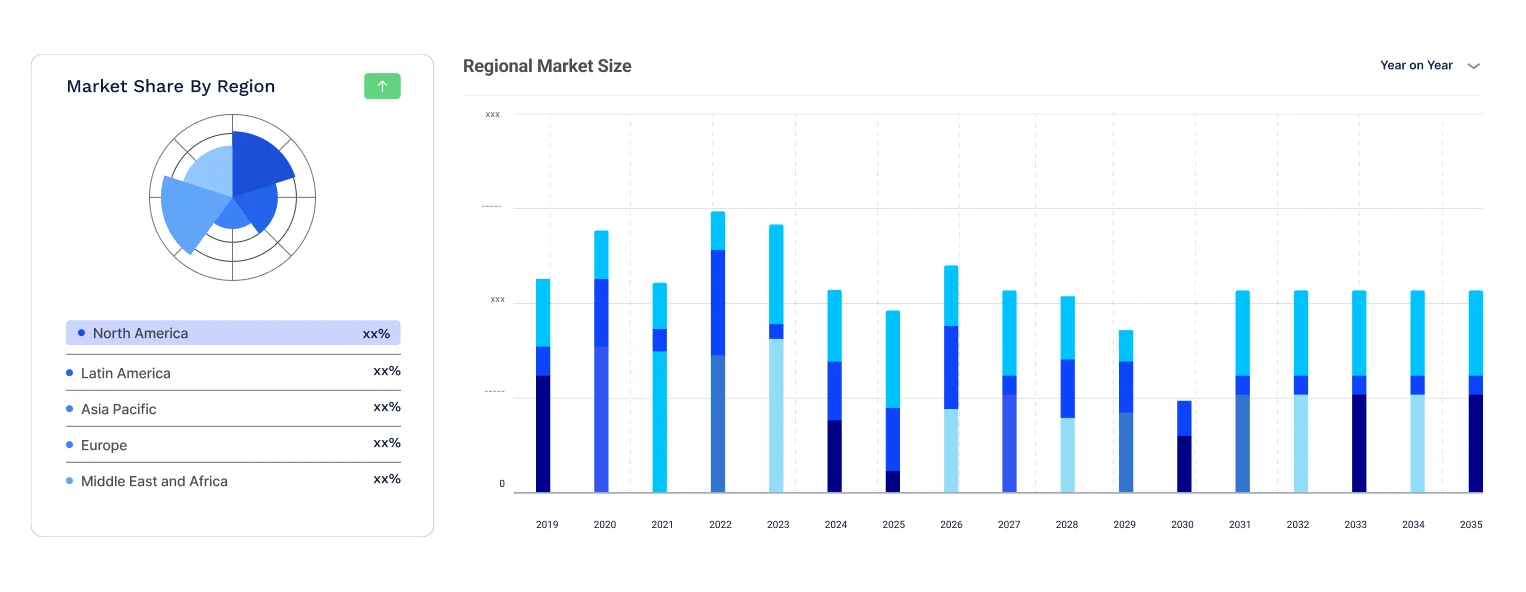
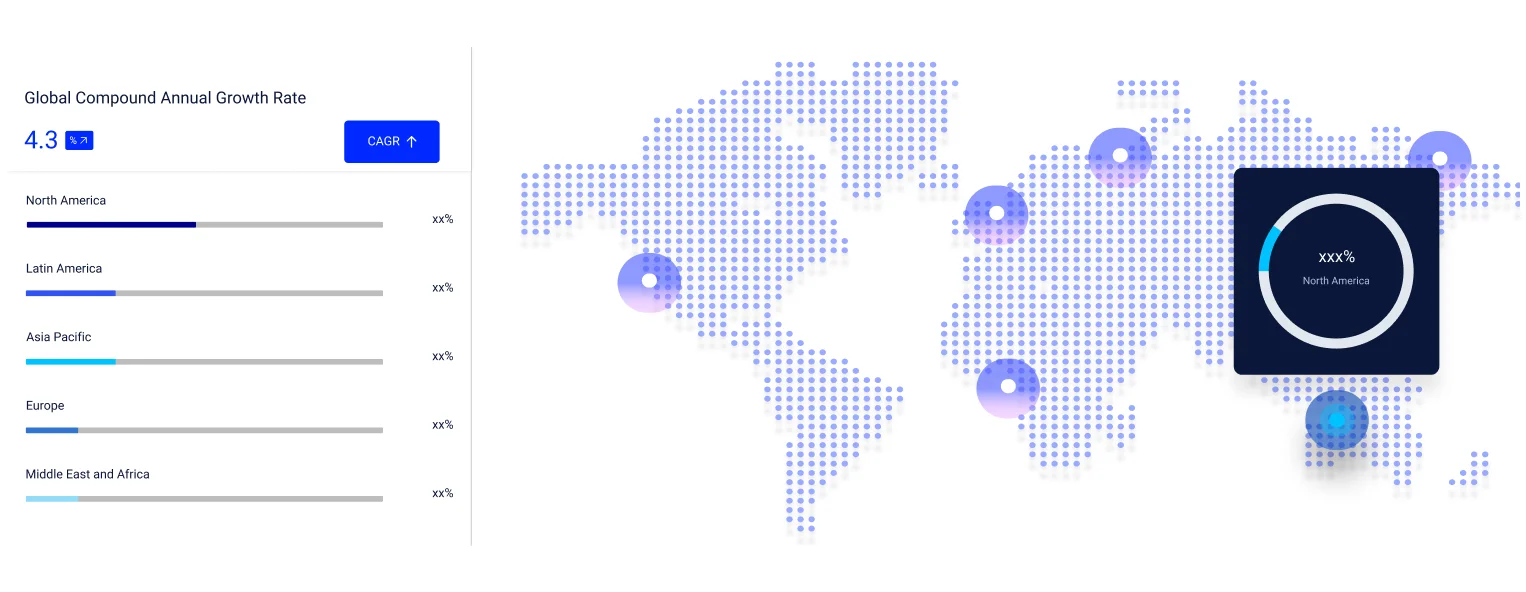
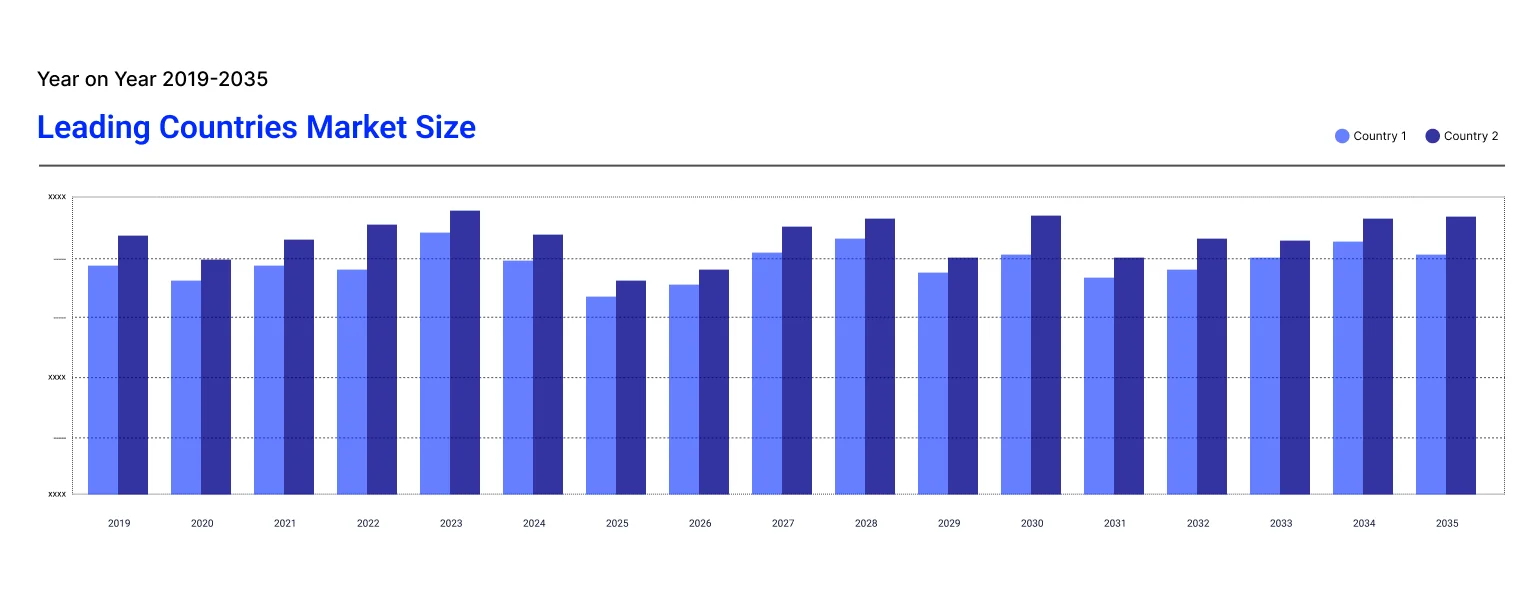
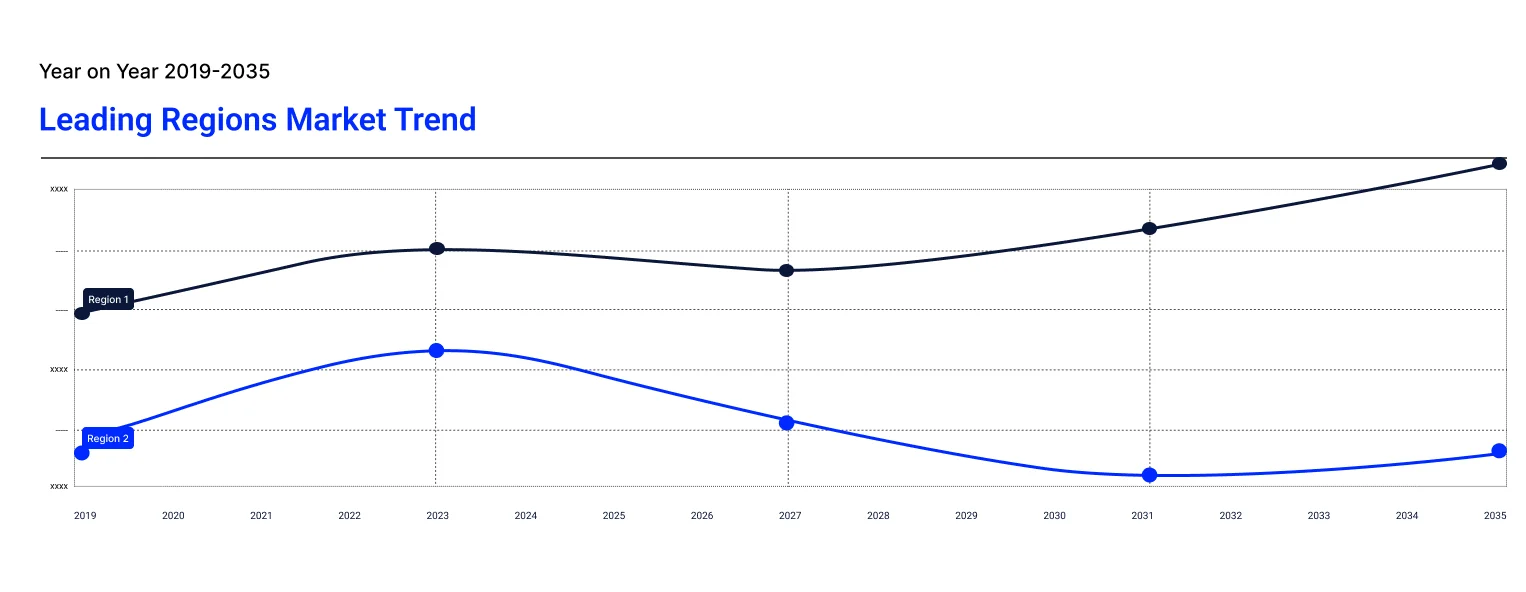
Regional demand reflects industrial asset bases, regulation, energy transition programmes and digital maturity. The report covers North America, Europe, Asia Pacific, Latin America, and the Middle East and Africa, with country-level analysis for major markets.
North America dominates on early adoption of digital technologies, strong industrial infrastructure and compliance requirements. The United States and Canada lead deployment of IoT, AI and digital twin-based APM across energy, oil and gas, manufacturing and utilities. Large enterprises prioritise less downtime, higher operational efficiency and sustainability targets. GE’s AI-powered digital twin platform launched in 2024 is a representative example.
Europe is driven by stringent regulation, sustainability initiatives and industrial modernisation. Germany, the United Kingdom and France lead adoption in energy, automotive, chemicals and manufacturing, and Italy is a covered national market; Spain is included within the wider regional coverage. Siemens Energy offers IoT-enabled digital twins and predictive maintenance for European power plants. The region’s focus on decarbonisation, energy efficiency and smart factories supports continued demand.
Asia Pacific is expected to grow fastest on rapid industrialisation, infrastructure expansion and digitalisation across China, India, Japan and South Korea, with ASEAN and Australia adding scale. Large energy, manufacturing and mining enterprises are deploying cloud-based APM and IoT to monitor critical assets and prevent downtime. Advantech’s WISE-PaaS/APM as a Service framework in China, which monitors fixed and mobile assets in real time through edge-cloud integration, is one example. India, in particular, combines a large industrial base with fast-growing digital adoption.
The Middle East and Africa is an emerging APM market. Saudi Arabia and the United Arab Emirates, along with wider GCC energy and utility operators, run large oil, gas, power and water assets where availability and safety are critical. Nigeria and South Africa are earlier-stage markets with interest in mining, energy and infrastructure asset management.
Latin America is developing steadily, with Brazil, Argentina and Mexico covered in the report. Demand is centred on oil and gas, mining, power and manufacturing operators that are digitising maintenance, supported by global vendors extending regional partnerships.
Key players are working to reduce downtime and raise asset reliability by integrating AI, IoT and predictive analytics for real-time monitoring and evidence-based maintenance decisions. Many are investing in cloud APM platforms for scalability and integration with ERP and EAM systems, and partnerships with industrial automation and software providers are common. Expert Market Research’s coverage includes ABB Ltd, SAP SE, Oracle Corporation, IBM, AVEVA Group plc and Siemens Energy Global GmbH & Co. KG, and the full report adds product portfolios, demographic reach, achievements and certifications, along with Porter’s Five Forces and SWOT analysis.
Founded in 1988 and headquartered in Zurich, Switzerland, ABB focuses on electrification, automation and digital solutions. Its ABB Ability platform integrates AI, IoT and data analytics to improve operational reliability, and in November 2023 it launched a digital asset performance platform for instrumentation.
Headquartered in Walldorf, Germany, and founded in 1972, SAP is a global enterprise software leader. Its SAP APM suite uses machine learning and IoT to improve asset efficiency, reduce downtime and support sustainability-focused operations.
Founded in 1977 and based in Austin, United States, Oracle focuses on cloud software and database technology. Oracle Cloud APM applies AI, automation and predictive analytics to maintenance strategy and asset lifecycle performance.
IBM was founded in 1911 and is headquartered in Armonk, United States. Its IBM Maximo Application Suite offers predictive maintenance, IoT integration and sustainability analytics, and IBM extended it into renewables with Maximo Renewables and the Prescinto acquisition.
Other players in the global asset performance management market are AVEVA Group plc, and Siemens Energy Global GmbH & Co. KG, among others.
*Please note that this is only a partial list; the complete list of key players is available in the full report. Additionally, the list of key players can be customized to better suit your needs.*
Download your free sample of the asset performance management market report 2026 to explore key trends, forecasts, and real-life APM solution launches. Discover growth opportunities, regional insights, and actionable data to optimize your strategy in the rapidly evolving APM market. Stay ahead with expert analysis on deployment modes, industry adoption, and emerging technologies shaping 2026 and beyond.


Upto 15% Off
USD
$2499 $2249
$3999 $3599
$4999 $4249
$5999 $5099


*While we strive to always give you current and accurate information, the numbers depicted on the website are indicative and may differ from the actual numbers in the main report. At Expert Market Research, we aim to bring you the latest insights and trends in the market. Using our analyses and forecasts, stakeholders can understand the market dynamics, navigate challenges, and capitalize on opportunities to make data-driven strategic decisions.*
In 2025, the market reached an approximate value of USD 5.76 Billion.
The market is projected to grow at a CAGR of 10.10% between 2026 and 2035.
The market is estimated to witness a healthy growth in the forecast period of 2026-2035 to reach about USD 15.08 Billion by 2035.
Key strategies driving the market include integrating AI, IoT, and predictive analytics for real-time monitoring, adopting cloud-based platforms for scalability, and leveraging digital twins for virtual asset modeling. Companies also focus on cybersecurity, sustainability, and partnerships to enhance operational efficiency, reliability, and data-driven maintenance.
Rising concerns regarding labour safety and the increasing cost-effectiveness of asset performance management are the key trends of the market.
The major regions in the market are North America, Latin America, the Middle East and Africa, Europe, and the Asia Pacific.
The leading components of asset performance management in the market are solution and service.
The significant deployment modes of asset performance management are on-premise and cloud.
The different organisation sizes of asset performance management are large enterprises, and small and medium enterprises.
The various industry verticals of asset performance management are energy and utilities, oil and gas, manufacturing, mining and metals, healthcare and life sciences, chemical and pharmaceuticals, government and defence, IT and telecom, and food and beverages, among others.
The key players in the market report include ABB Ltd, SAP SE, Oracle Corporation, International Business Machines Corporation, AVEVA Group plc, and Siemens Energy Global GmbH & Co. KG, among others.
Large enterprises dominate the market due to their extensive asset portfolios, higher budgets, and strategic focus on operational efficiency.
Explore our key highlights of the report and gain a concise overview of key findings, trends, and actionable insights that will empower your strategic decisions.
| REPORT FEATURES | DETAILS |
| Base Year | 2025 |
| Historical Period | 2019-2025 |
| Forecast Period | 2026-2035 |
| Scope of the Report |
Historical and Forecast Trends, Industry Drivers and Constraints, Historical and Forecast Market Analysis by Segment:
|
| Breakup by Component |
|
| Breakup by Deployment Mode |
|
| Breakup by Organisation Size |
|
| Breakup by Industry Vertical |
|
| Breakup by Region |
|
| Market Dynamics |
|
| Competitive Landscape |
|
| Companies Covered |
|
| Report Price and Purchase Option | Explore our purchase options that are best suited to your resources and industry needs. |
| Delivery Format | Delivered as an attached PDF and Excel through email, with an option of receiving an editable PPT, according to the purchase option. |
Datasheet
One User
USD 2,499
USD 2,249
tax inclusive*
Single User License
One User
USD 3,999
USD 3,599
tax inclusive*
Five User License
Five User
USD 4,999
USD 4,249
tax inclusive*
Corporate License
Unlimited Users
USD 5,999
USD 5,099
tax inclusive*
*Please note that the prices mentioned below are starting prices for each bundle type. Kindly contact our team for further details.*
Flash Bundle
Small Business Bundle
Growth Bundle
Enterprise Bundle
*Please note that the prices mentioned below are starting prices for each bundle type. Kindly contact our team for further details.*
Flash Bundle
Number of Reports: 3
20%
tax inclusive*
Small Business Bundle
Number of Reports: 5
25%
tax inclusive*
Growth Bundle
Number of Reports: 8
30%
tax inclusive*
Enterprise Bundle
Number of Reports: 10
35%
tax inclusive*
How To Order

Select License Type
Choose the right license for your needs and access rights.

Click on ‘Buy Now’
Add the report to your cart with one click and proceed to register.

Select Mode of Payment
Choose a payment option for a secure checkout. You will be redirected accordingly.
Strategic Solutions for Informed Decision-Making
Gain insights to stay ahead and seize opportunities.

Get insights & trends for a competitive edge.

Track prices with detailed trend reports.

Analyse trade data for supply chain insights.

Leverage cost reports for smart savings

Enhance supply chain with partnerships.

Connect For More Information
Our expert team of analysts will offer full support and resolve any queries regarding the report, before and after the purchase.
Our expert team of analysts will offer full support and resolve any queries regarding the report, before and after the purchase.
We employ meticulous research methods, blending advanced analytics and expert insights to deliver accurate, actionable industry intelligence, staying ahead of competitors.
Our skilled analysts offer unparalleled competitive advantage with detailed insights on current and emerging markets, ensuring your strategic edge.
We offer an in-depth yet simplified presentation of industry insights and analysis to meet your specific requirements effectively.




