

Consumer Insights
Uncover trends and behaviors shaping consumer choices today
Procurement Insights
Optimize your sourcing strategy with key market data
Industry Stats
Stay ahead with the latest trends and market analysis.
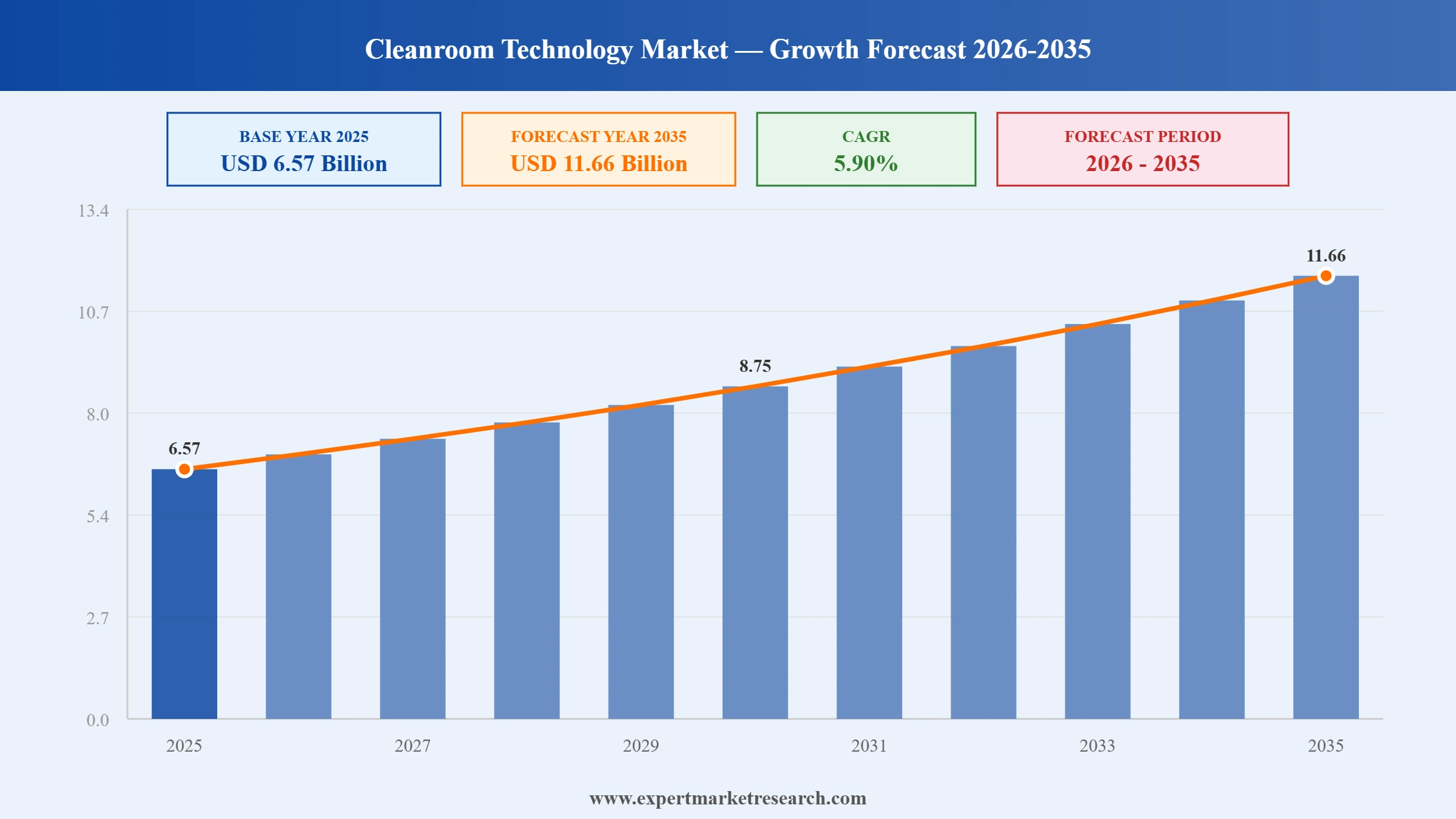
The global cleanroom technology market attained a value of USD 6.57 Billion in 2025 and is projected to expand at a CAGR of 5.90% through 2035. The market is further expected to achieve USD 11.66 Billion by 2035. Due to the increased biologics manufacturing capacity in Asia and North America, pharmaceutical companies are being compelled to develop modular cleanrooms that are flexible and can easily be reorganized or extended.
The global cleanroom technology market witnesses a growing number of semiconductor fabrication plants that require contamination control precision. For example, India is building a large semiconductor fabrication plant in Gujarat, led by the Tata Group, boosting domestic chip manufacturing and supply-chain resilience, since August 2025. Each of such facilities will be dependent on environments with extremely low particle concentrations and advanced filtration systems. Moreover, equipment suppliers are focusing on systems that can be installed quickly, and they use automation to continuously monitor and control contamination levels.
The cleanroom technology market is undergoing significant changes as manufacturers are not only using traditional contamination control systems but also creating highly automated and digitally monitored clean environments. One of the latest demonstrations of this trend occurred in January 2023 when ABN Cleanroom Technology developed IoT-enabled smart cleanrooms, enabling an as-a-service model with predictive maintenance, lifecycle optimization, and performance-based customer payments. International Society for Pharmaceutical Engineering shows that majority of the new biopharmaceutical production facilities between 2024 and 2028 is expected to adopt modular cleanroom formats to minimize capital build time and operational delays.
The industry witnesses a general trend of manufacturers inclining towards intelligent infrastructure. New installations by firms include real-time particle monitoring, automated airflow control, and digital twins, accelerating the cleanroom technology market value. Using these technologies, pharmaceutical and semiconductor manufacturers can assess contamination risks even before the deployment of the equipment. For example, in August 2025, Plair, a Switzerland-based specialist in advanced particle monitoring solutions, entered a strategic partnership with Germany-based Merck. Further, the suppliers of equipment are dedicating investments to modular wall panels, advanced HEPA filtration systems, and robotics compatible clean spaces.
Read more about this report - REQUEST FREE SAMPLE COPY IN PDF
| Global Cleanroom Technology Market Report Summary | Description | Value |
| Base Year | USD Billion | 2025 |
| Historical Period | USD Billion | 2019-2025 |
| Forecast Period | USD Billion | 2026-2035 |
| Market Size 2025 | USD Billion | 6.57 |
| Market Size 2035 | USD Billion | 11.66 |
| CAGR 2019-2025 | Percentage | XX% |
| CAGR 2026-2035 | Percentage | 5.90% |
| CAGR 2026-2035 - Market by Region | Asia Pacific | 6.6% |
| CAGR 2026-2035 - Market by Country | India | 7.6% |
| CAGR 2026-2035 - Market by Country | Brazil | 7.0% |
| CAGR 2026-2035 - Market by Construction | Softwall Cleanroom | 6.7% |
| CAGR 2026-2035 - Market by End Use | Biotechnology Industry | 7.1% |
| Market Share by Country 2025 | Japan | 5.8% |
Polar Cleanroom Systems introduced modular turnkey cleanrooms with Faster Air filtration technology. This allows companies in the cleanroom technology market to invest in emerging pharmaceutical, biotech, and advanced manufacturing industries. Modular and containerized cleanroom systems provide opportunities for companies to invest in emerging biotech and semiconductor industries.
Guardtech Group introduced new and emerging cleanroom construction technologies. These include Guardware hardware range and Cleancube mobile cleanroom solutions. These solutions are designed for fast-deployment and scalable laboratory environments. Competitors in the cleanroom technology market can invest in emerging hardware ecosystems and mobile cleanroom solutions to create fast-deployment environments for research centers.
AES Cleanroom Technology introduced a technology called Omni-Ascent, which can be used for integrated modular utilities and easy deployment of infrastructure in pharmaceutical cleanroom facilities. This technology is inspiring other companies to develop plug-and-play utility integration technology, which can help in easy cleanroom engineering and deployment of pharmaceutical manufacturing plants.
Pfizer introduced advanced cleanroom technology in its facility located in Tokyo, Japan. This technology is enabling the implementation of efficient drug manufacturing processes. Similarly, other companies can develop smart cleanroom technology, which can help in efficient monitoring, energy-efficient cleanroom technology, and efficient production.
Modular cleanroom architecture is one of the most popular trends in the cleanroom technology market, widely used in pharma and semiconductor industries. The main reason for that is the short time it takes to deploy a new plant. For example, G-CON Manufacturing offers prefabricated cleanroom pods that are fully assembled with HVAC systems, filtration units, and contamination monitoring technology. Such buildings can be set up in the factory warehouses within a few weeks. Besides that, the United States Food and Drug Administration has also recognized modular facilities as compliant for certain biologics manufacturing applications. Recently in December 2023, G-CON Texas team announced the enhancement of its modular cleanroom manufacturing capacity to serve cell therapy manufacturers in the United States.
Cleanroom environmental monitoring systems are increasingly being supplemented with artificial intelligence. Sensors that are planted in cleanroom zones constantly send data about particle concentration, air velocity, humidity, and microbial activity. Companies like Particle Measuring Systems are working on an AI-based platform that uses contamination data to analyze patterns and predict equipment faults. This cleanroom technology market trend helps in minimizing machine downtimes and avoid production shutdowns, which can be costly. Aligning with this trend, in March 2026, LabVantage launched CORTEX, an AI-driven platform extending LIMS with automation, predictive analytics, and intelligent workflows to improve laboratory efficiency and data insights.
Government-backed efforts to ramp up semiconductor manufacturing are making high-quality cleanrooms a top priority. The CHIPS and Science Act has driven significant investments by companies such as Intel Corporation and Taiwan Semiconductor Manufacturing Company, accelerating the cleanroom technology market value. Such workspaces must meet ultra-clean ISO Class 1 standards, where the presence of airborne particles is virtually negligible. The fabs scheduled to be built in Arizona, Texas, and Ohio in the United States are leading the way with plans for bigger filtration systems, high-tech air handling units, and contamination surveillance networks. On the other hand, in February 2026, Samsung accelerated construction of the P5 cleanroom at its Pyeongtaek semiconductor facility to support rising demand for AI-focused HBM memory production.
The infusion of robots in cleanroom environments as a part of sterile manufacturing is another trend in the cleanroom technology market. Robots are becoming the standard requirement, notably in pharmaceutical filling lines, wafer handling, and precision assembly processes. For instance, The DRR Group and other companies are designing cleanroom-compliant robotic systems that are capable of operating with minimal particle release in an automated task scenario. These robots operate inside highly restricted laminar air flow settings so that they do not exceed contamination limits. In 2024, the International Federation of Robotics quantified a nearly 10% increase in the implementation of industrial robots in pharmaceutical manufacturing. In January 2026, Ardmac deployed autonomous robotic layout technology on construction projects to improve accuracy and efficiency for on-site operations.
Energy use has become a concern for companies since air filtering systems operate 24/7. The latest air purification methods are offering effective solutions to this problem. For instance, Camfil is one of the firms creating top-notch HEPA and ULPA filters that reduce air resistance without compromising the extremely high particle removal efficiency. When resistance is minimized, less power is needed by the fans to move the air. According to the cleanroom technology market analysis, cleanrooms may use up to 50 times more energy than an ordinary commercial building. In October 2025, Camfil opened a Manesar facility with a new production line for ISO-compliant HEPA and ULPA filters, strengthening cleanroom air filtration supply.
The EMR’s report titled “Global Cleanroom Technology Market Report and Forecast 2026-2035” offers a detailed analysis of the market based on the following segments:
Market Breakup by Product Type
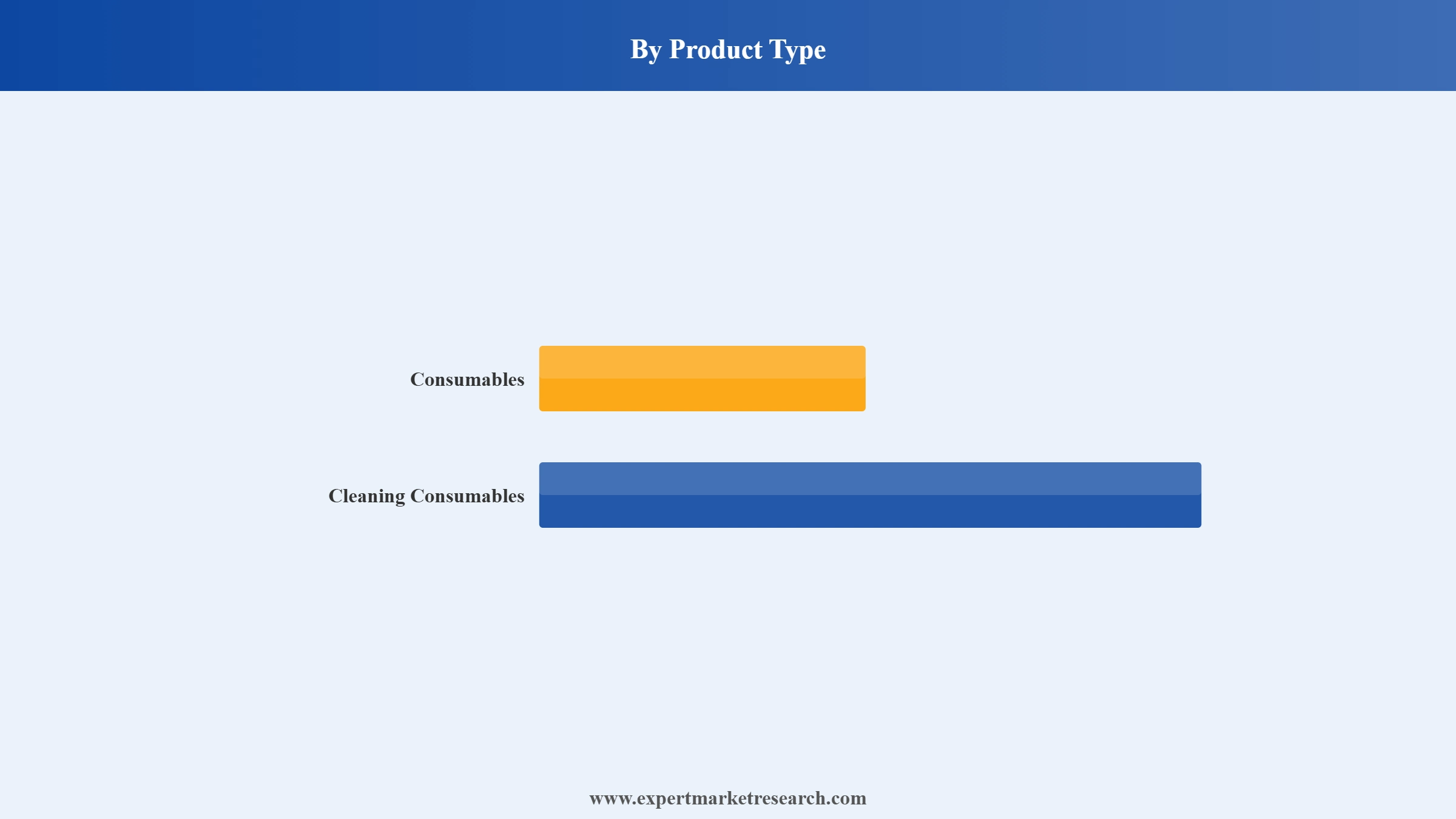
Key Insight: Consumables are an essential element in the contamination control maintenance of cleanroom environments. Among the consumables, safety ones continue to be the most preferred as it is mainly through protective garments that operators are able to minimize the particle transfer from personnel in the course of production of highly sensitive products. Facilities that are changing their sanitation protocols and microbial monitoring procedures are the ones that are making use of cleaning consumables the most, accelerating the cleanroom technology market penetration. In December 2025, Vileda Professional CE launched a single-use microfiber mopping system designed for cleanrooms, enhancing contamination control, operational efficiency, and compliance with hygiene standards. Equipment product categories are also becoming essential as air filtration systems, monitoring instruments, and laminar airflow units are the ones that preserve environmental stability within cleanrooms.
Market Breakup by Construction
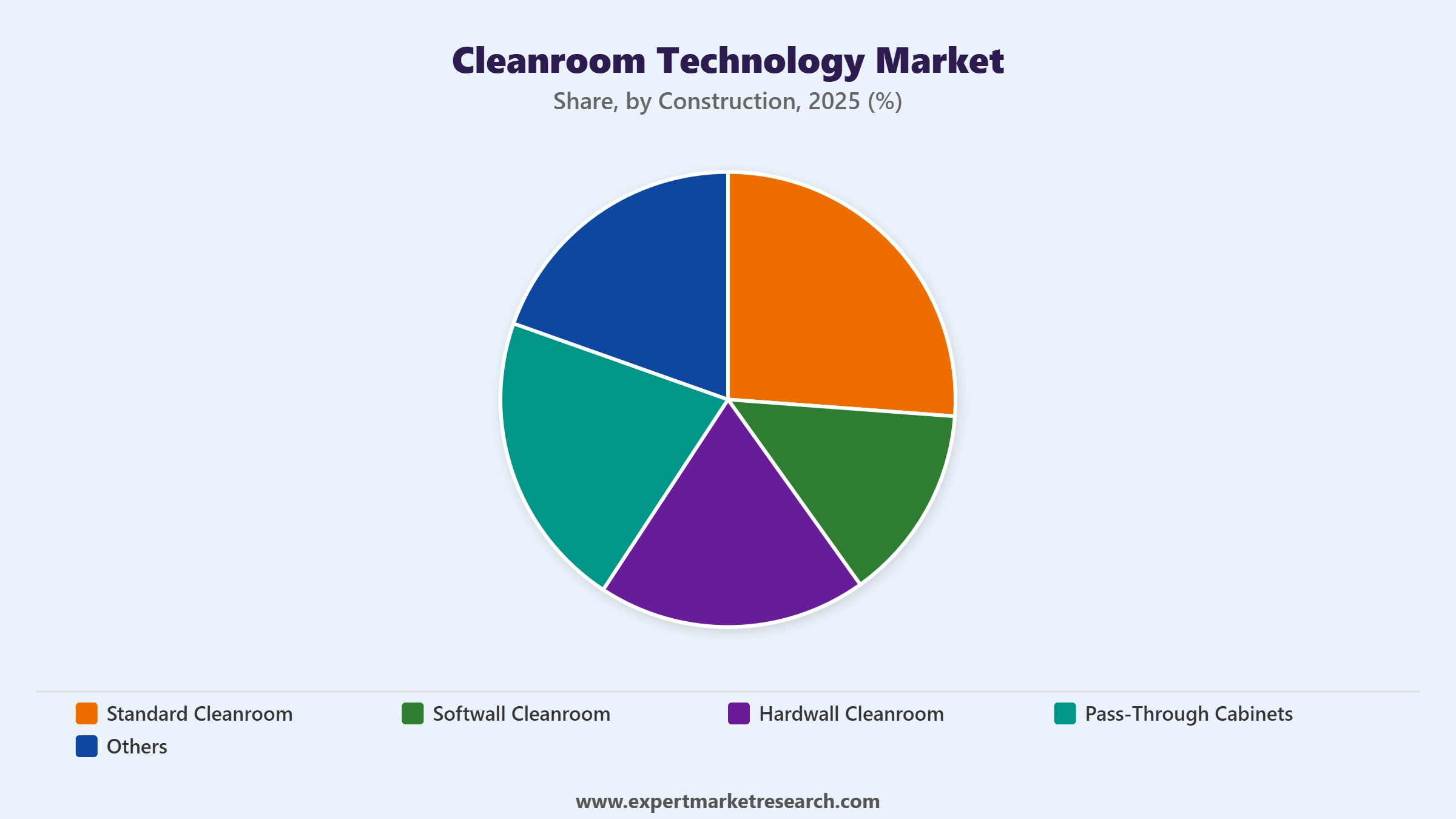
Key Insight: For general pharmaceutical and laboratory purposes, standard cleanrooms are often chosen due to their regulated airflow systems. On the other hand, hardwall cleanrooms continue to be the dominant choice for extremely sensitive manufacturing industries as they offer durable structures and tight contamination control for a long time. Softwall cleanrooms attract companies that want modular and versatile clean spaces which can be set up rapidly within current buildings, accelerating demand in the cleanroom technology market. In July 2025, C2C launched a predesigned ISO Class 7 cleanroom range with hardwall and softwall options, enabling scalable, rapid deployment for life sciences manufacturing. Pass-through cabinets are another method of contamination control as they enable the movement of materials between clean rooms without the environment being exposed to the outside particles.
Market Breakup by End Use
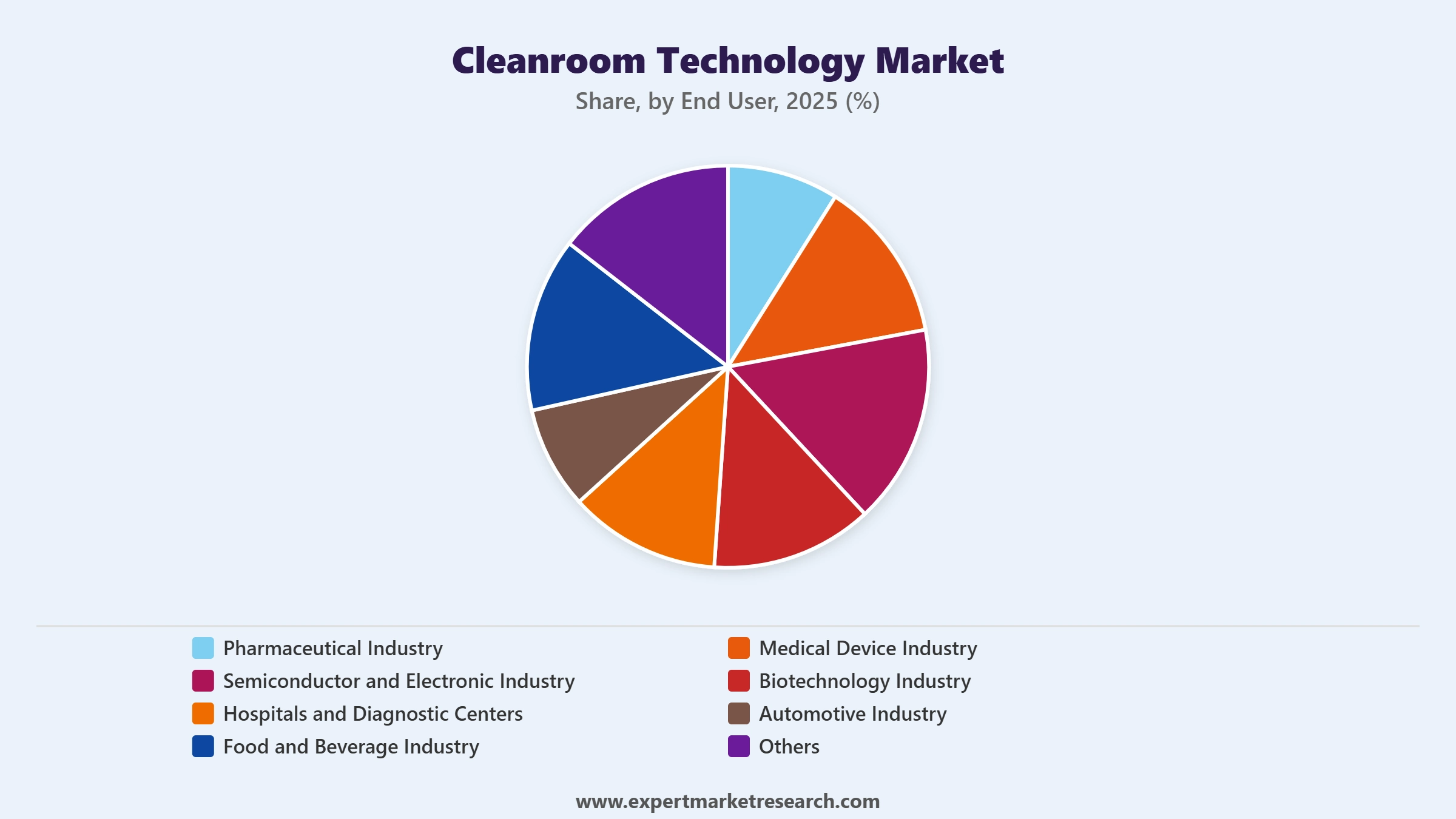
Key Insight: As per the cleanroom technology market report, the pharmaceutical industry is becoming highly dependent on sterile production areas for ensuring drug safety and regulatory compliance. Different phases of cell therapy research and biologics development require biotechnology companies to have access to flexible clean environments. Manufacturers of medical devices introduce controlled environments in their production areas for assembly of highly precise surgical instruments. Hospitals and diagnostic labs equip smaller cleanrooms which serve as areas for laboratory testing and sterile preparations. The electronics and semiconductor industry is one of the most dependent sectors on ultra-clean environments globally, particularly for wafer fabrication processes.
Market Breakup by Region
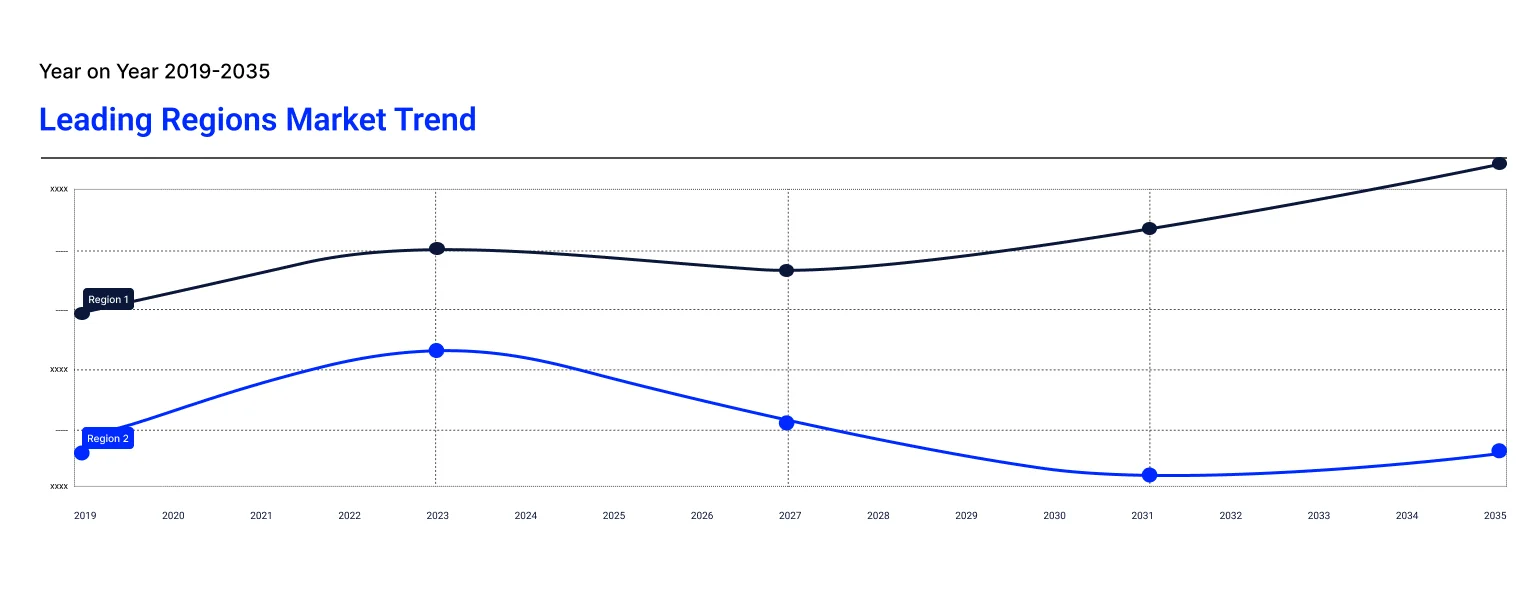
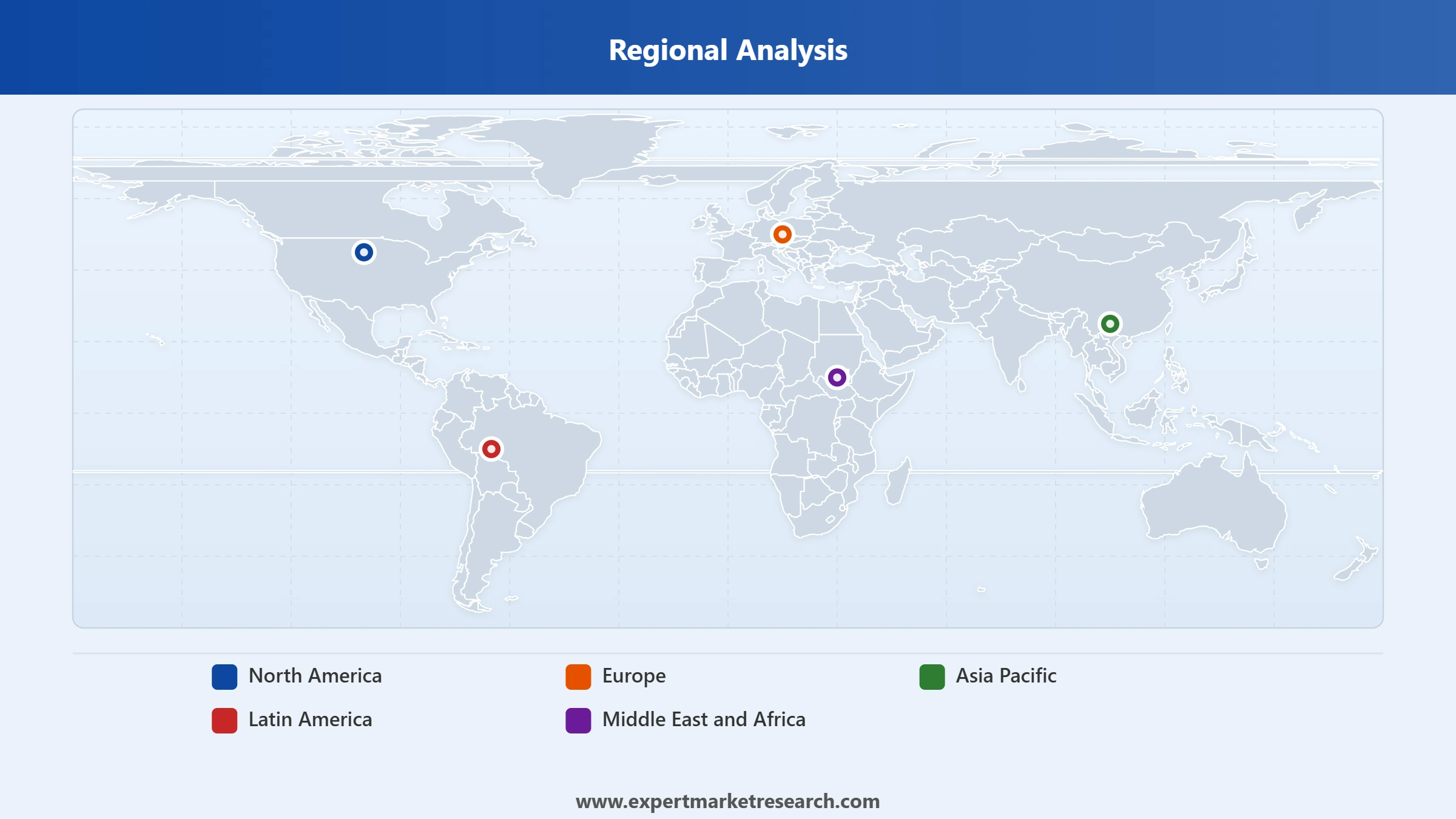
Key Insight: Regional demand in the cleanroom technology market depends on the type of industries and the level of manufacturing capabilities. For instance, North America is a leading center for pharmaceutical innovative and semiconductor research, which constantly provides a strong market for highly sophisticated cleanroom systems. Europe partly depends on its cleanroom facilities to support its biotechnology sector and also precision medical device manufacturing. Asia Pacific is emerging to be the fastest growing region due to semiconductor fabrication investments and an increase in pharmaceutical production capacity. Latin America is slowly changing with more pharmaceutical manufacturing, and so their adoption of cleanrooms is also rising. At the same time, Middle East and Africa are building up their healthcare infrastructure and labs, therefore these are the areas that are opening new opportunities for cleanroom technology suppliers.
Read more about this report - REQUEST FREE SAMPLE COPY IN PDF
By product type, safety consumables capture the dominant market share due to strict contamination control protocols
Safety consumables represent the largest category in the cleanroom technology market since both the pharmaceutical and semiconductor sectors require the use of contamination control mechanisms around the clock. Products such as sterile gloves, masks, gowns, shoe covers, and head covers that are specifically produced for use in controlled environments. Leading suppliers such as DuPont and Kimberly-Clark Corporation are continuously unveiling new lines of protective apparel to meet the needs of particle-sensitive production areas. Moreover, pharmaceutical companies heavily depend on the top-notch disposable garments at the time of aseptic filling operations.
Read more about this report - REQUEST FREE SAMPLE COPY IN PDF
Equipment product types are gaining significant momentum within the cleanroom technology market dynamics, as there is a greater emphasis on providing advanced equipment in such environments for maintaining high standards in contamination control. Equipment product types include air filtration equipment, HVAC equipment, laminar flow cabinets, pass-through chambers, and cleanroom monitoring equipment. Companies such as Camfil and Terra Universal are introducing advanced HEPA/ULPA filters and environmental monitoring equipment to maintain high standards in such environments. In November 2025, Freudenberg expanded its portfolio with next-generation cleanroom filtration systems, including FFUs, BIBO containment units, and NMP-resistant filters for battery manufacturing.
By construction, hardwall cleanrooms dominate installations due to permanent high precision manufacturing requirements
Hardwall cleanrooms remain the most significant construction type across the cleanroom technology market scope due to their capacity to offer the highest level of environmental control and long-lasting structures. Such facilities are often seen at semiconductor plants and pharmaceutical manufacturing units where contamination levels must be kept minimum. Hardwall cleanrooms consist of rigid panels made of aluminum or stainless steel that help sustain smooth airflow. AES Clean Technology and Clean Air Products are some of the companies that manufacture high-tech hardwall systems with the latest air filtration and airflow management features. In January 2026, Connect 2 Cleanrooms (C2C) completed a hardwall cleanroom for Dubai-based computing contact lens pioneer, XPANCEO.
Read more about this report - REQUEST FREE SAMPLE COPY IN PDF
On the other hand, softwall cleanrooms are increasingly becoming popular as production companies need contamination control measures that are not only effective but also flexible and quick to set up. Plants can easily set up clean zones within their existing facilities without the need for major construction work. Firms like Terra Universal offer portable softwall units that feature HEPA filters and airflow mini-modules. Biotech companies and labs generally opt for these kinds of solutions as their production environments keep on changing.
By end use, the pharmaceutical industry holds largest share of the market revenue driven by strict sterile manufacturing requirements
The pharmaceutical industry is the largest production sector that is propelling the cleanroom technology market revenue growth since it is the only one that requires sterile production environments for drug manufacturing. Aseptic filling operations, vaccine production lines, and injectable drug packaging must work within closely controlled contamination limits. Firms like Pfizer and Novartis are expanding facilities for manufacturing advanced biologics that mainly use ISO-classified cleanrooms.
Read more about this report - REQUEST FREE SAMPLE COPY IN PDF
The electronics and semiconductor sector is turning into the leading user of cleanroom technology owing to a sharp increase in demand for advanced chip manufacturing. Semiconductor fabrication necessitates handling of extremely enclosed environments since even the smallest particles can damage the fragile wafer structures, boosting demand in the cleanroom technology market. Top manufacturers such as Intel Corporation and Samsung Electronics run fabrication plants that mainly depend on cleanrooms with ultra-low particle levels. Government support for semiconductor manufacturing through national technology programs is contributing to the rise in the number of new fabrication plants being built all over the world. For example, in March 2026, Exicom opened a INR 216-crore India plant with ISO-8 cleanroom facilities and automation for precision manufacturing of EV and power electronics.
North America secures the leading position in the market driven by pharmaceutical manufacturing expansion
North America retains its dominance as the largest cleanroom technology market. The region has a large pharmaceutical manufacturing infrastructure, and its semiconductor research facilities are advanced. The United States is home to many biotechnology companies as well as large-scale drug production plants that considerably depend on controlled environments. Thermo Fisher Scientific and other such companies offer state-of-the-art cleanroom instruments to drug manufacturers along with integrated contamination tracking systems. For instance, in November 2025, AES Cleanroom Technology opened a new Research Triangle Park office to expand modular cleanroom project delivery and support growing United States life sciences demand.
On the other hand, Asia Pacific is becoming the most rapidly expanding cleanroom technology market due to the rise of semiconductor and pharmaceutical production. Along with China, South Korea, and India, other countries in the region are heavily investing in their domestic manufacturing capabilities. Semiconductor producers such as TSMC are to continue constructing ultra-modern fabrication facilities that require cleanroom environments. In addition, industrial policies and infrastructure programs are leading many governments across the region to support pharmaceutical production.
Read more about this report - REQUEST FREE SAMPLE COPY IN PDF
Competition in the market has shifted from being primarily equipment-driven to increasingly engineering-driven. Currently, the emphasis of cleanroom technology companies is on modular cleanroom systems, intelligent contamination monitoring, and developing airflow technologies that are energy efficient. Manufacturers of pharmaceutical and semiconductor industries are looking forward to having their facilities designed in such a way that these can be scaled up quickly without experiencing long construction-related delays. This is why vendors are now devoting their resources to prefabricated cleanroom units and digital monitoring platforms.
In addition, infrastructure supporting robotics is becoming a key focus area, especially in sterile drug manufacturing and semiconductor fabrication. Equipment suppliers are broadening their scope of services by including airflow modelling, facility design consulting, and predictive maintenance. Cell therapy manufacturing, semiconductor fabrication expansion, and facilities for the production of advanced batteries are some areas where major opportunities exist. Leading cleanroom technology market players that are capable of integrating modular cleanroom construction, compatibility of automation, and energy-efficient filtration methods are the ones that will be able to secure a more dominant position in long-term industrial projects.
Established in 1872, Kimberly-Clark Corporation is headquartered in Irving, United States. The company offers cleanroom protective clothing and contamination control consumables that are widely utilized in pharmaceutical and semiconductor facilities. The Kimtech ranges are specifically intended for particle-sensitive environments.
Founded in 1969, Clean Air Products have their head office in Missouri, United States. The company is engaged in the designing and manufacturing of modular cleanrooms, air handling systems, and pass through chambers. They are mainly focused on customized cleanroom construction for pharma, biotech, and aerospace industries.
Exyte Group was founded in 1912, and the company has its head office located in Stuttgart, Germany. It is a firm that offers engineering solutions for high technology manufacturing facilities. It makes designs for large-scale semiconductor cleanrooms and pharmaceutical production plants.
Taikisha Ltd. established in the year 1913 and currently its head office is based in Tokyo, Japan. The company offers environmental engineering systems such as cleanroom building and highly sophisticated air conditioning solutions. Taikisha is recognized globally for its high precision cleanrooms built especially for semiconductor production plants.
*Please note that this is only a partial list; the complete list of key players is available in the full report. Additionally, the list of key players can be customized to better suit your needs.*
Other key players in the market include DuPont de Nemours, Inc., Ardmac Group, Simplex Isolation Systems, Lennox International Inc., Azbil Corporation, Ansell Ltd., ABN Cleanroom Technology, Nicos Group, Inc., and Galvani S.r.l., among others.
Unlock the latest insights with our cleanroom technology market trends 2026 report. Discover regional growth patterns, consumer preferences, and key industry players. Stay ahead of competition with trusted data and expert analysis. Download your free sample report today and drive informed decisions in the market.
Saudi Arabia Structural Steel Market
Europe Freeze-Dried Fruit Products Market
Saudi Arabia Electric Motors and Transformers Maintenance Market


Upto 15% Off
USD
$2499 $2249
$3999 $3599
$4999 $4249
$5999 $5099


*While we strive to always give you current and accurate information, the numbers depicted on the website are indicative and may differ from the actual numbers in the main report. At Expert Market Research, we aim to bring you the latest insights and trends in the market. Using our analyses and forecasts, stakeholders can understand the market dynamics, navigate challenges, and capitalize on opportunities to make data-driven strategic decisions.*
In 2025, the market reached an approximate value of USD 6.57 Billion.
The market is projected to grow at a CAGR of 5.90% between 2026 and 2035.
Investing in modular cleanroom infrastructure, expanding semiconductor partnerships, developing smart contamination monitoring systems, improving energy efficient airflow technologies, and strengthening engineering consulting services to secure long term manufacturing facility contracts globally.
The key market trend guiding the growth of the industry is the increasing demand for customised cleanrooms.
The major regions in the industry are North America, Europe, the Asia Pacific, Latin America, and the Middle East and Africa.
The leading product types in the industry are consumables and equipment.
The major construction segments include standard cleanroom, softwall cleanroom, hardwall cleanroom, and pass-through cabinets, among others.
The major end-use sectors in the industry are pharmaceutical industry, medical device industry, biotechnology industry, hospitals and diagnostic centres, automotive industry, and food and beverage industry, among others.
The key players in the cleanroom technology market include Kimberly-Clark Corporation, Clean Air Products, Exyte Group, Taikisha Ltd., COLANDIS GmbH, DuPont de Nemours, Inc., Ardmac Group, Simplex Isolation Systems, Lennox International Inc., Azbil Corporation, Ansell Ltd., ABN Cleanroom Technology, Nicos Group, Inc., and Galvani S.r.l., among others.
High installation costs, complex regulatory compliance requirements, and rising energy consumption remain major challenges for cleanroom technology providers while maintaining contamination control standards across pharmaceutical, semiconductor, and biotechnology manufacturing facilities.
Explore our key highlights of the report and gain a concise overview of key findings, trends, and actionable insights that will empower your strategic decisions.
| REPORT FEATURES | DETAILS |
| Base Year | 2025 |
| Historical Period | 2019-2025 |
| Forecast Period | 2026-2035 |
| Scope of the Report |
Historical and Forecast Trends, Industry Drivers and Constraints, Historical and Forecast Market Analysis by Segment:
|
| Breakup by Product Type |
|
| Breakup by Construction |
|
| Breakup by End User |
|
| Breakup by Region |
|
| Market Dynamics |
|
| Supplier Landscape |
|
| Companies Covered |
|
Datasheet
One User
USD 2,499
USD 2,249
tax inclusive*
Single User License
One User
USD 3,999
USD 3,599
tax inclusive*
Five User License
Five User
USD 4,999
USD 4,249
tax inclusive*
Corporate License
Unlimited Users
USD 5,999
USD 5,099
tax inclusive*
*Please note that the prices mentioned below are starting prices for each bundle type. Kindly contact our team for further details.*
Flash Bundle
Small Business Bundle
Growth Bundle
Enterprise Bundle
*Please note that the prices mentioned below are starting prices for each bundle type. Kindly contact our team for further details.*
Flash Bundle
Number of Reports: 3
20%
tax inclusive*
Small Business Bundle
Number of Reports: 5
25%
tax inclusive*
Growth Bundle
Number of Reports: 8
30%
tax inclusive*
Enterprise Bundle
Number of Reports: 10
35%
tax inclusive*
How To Order

Select License Type
Choose the right license for your needs and access rights.

Click on ‘Buy Now’
Add the report to your cart with one click and proceed to register.

Select Mode of Payment
Choose a payment option for a secure checkout. You will be redirected accordingly.
Strategic Solutions for Informed Decision-Making
Gain insights to stay ahead and seize opportunities.

Get insights & trends for a competitive edge.

Track prices with detailed trend reports.

Analyse trade data for supply chain insights.

Leverage cost reports for smart savings

Enhance supply chain with partnerships.

Connect For More Information
Our expert team of analysts will offer full support and resolve any queries regarding the report, before and after the purchase.
Our expert team of analysts will offer full support and resolve any queries regarding the report, before and after the purchase.
We employ meticulous research methods, blending advanced analytics and expert insights to deliver accurate, actionable industry intelligence, staying ahead of competitors.
Our skilled analysts offer unparalleled competitive advantage with detailed insights on current and emerging markets, ensuring your strategic edge.
We offer an in-depth yet simplified presentation of industry insights and analysis to meet your specific requirements effectively.




