

Consumer Insights
Uncover trends and behaviors shaping consumer choices today
Procurement Insights
Optimize your sourcing strategy with key market data
Industry Stats
Stay ahead with the latest trends and market analysis.
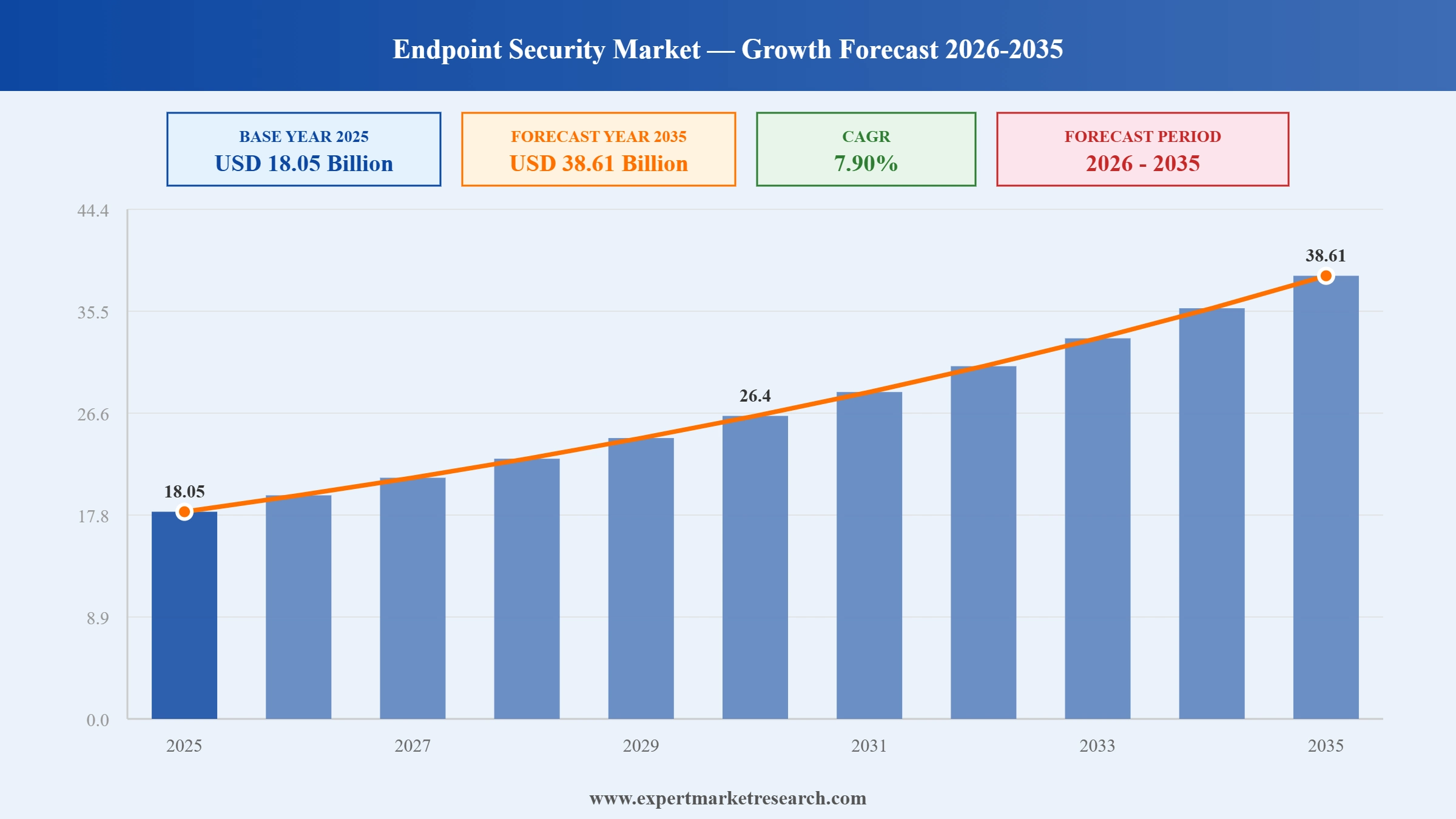
The global endpoint security market attained a value of USD 18.05 Billion in 2025 and is projected to expand at a compound annual growth rate CAGR of 7.90% during the forecast period of 2026 and 2035, reaching USD 38.61 Billion by 2035. This sustained growth trajectory reflects the structural escalation of cybersecurity risk across enterprise and government computing environments, driven by the proliferation of connected devices, the normalization of remote and hybrid work models, and the increasing frequency and sophistication of threat actors targeting endpoint devices as the primary entry vector for network intrusions, data exfiltration, and ransomware deployments.
Endpoint security encompasses a broad and evolving portfolio of software solutions, hardware-based protections, and managed services designed to prevent, detect, and respond to cyber threats targeting end-user devices including laptops, desktops, smartphones, servers, point-of-sale terminals, virtual desktops, operational technology endpoints, and IoT devices. The market has undergone a fundamental architectural transition over the past decade, shifting from perimeter-based antivirus software toward integrated platforms incorporating endpoint detection and response (EDR), extended detection and response (XDR), next-generation antivirus (NGAV), behavioral analytics, threat intelligence feeds, and automated incident response capabilities.
The competitive landscape of the endpoint security market features established cybersecurity technology vendors, cloud-native security platforms, and managed security service providers operating across enterprise, government, and small-to-mid-size business segments. North America holds the largest regional market share, supported by mature enterprise cybersecurity budgets, mandatory regulatory compliance frameworks, and a high density of endpoint security technology providers. Asia Pacific is positioned as the fastest-growing region, driven by accelerating digital transformation across financial services, healthcare, and government sectors in India, China, South Korea, Singapore, and Japan.
Read more about this report - REQUEST FREE SAMPLE COPY IN PDF
Endpoint security refers to the practice of protecting network-connected devices, commonly called endpoints, from cyber threats including malware, ransomware, credential theft, unauthorized access, and data exfiltration. Endpoints include any device that communicates with a network, spanning desktop computers, laptops, smartphones, tablets, servers, point-of-sale systems, industrial control terminals, medical devices, and IoT sensors. Because endpoints represent the most frequent initial access point for cyber intrusions, they have become the primary focus of enterprise cybersecurity investment globally.
The endpoint security market encompasses the full commercial ecosystem of solutions and services deployed to protect these devices. Core product categories include endpoint protection platforms (EPP), which provide prevention-focused capabilities such as NGAV, anti-malware, firewall, and device control; endpoint detection and response (EDR) platforms, which add investigation, threat hunting, and incident response capabilities; and extended detection and response (XDR) platforms that integrate endpoint telemetry with signals from network, identity, email, cloud, and SaaS environments for cross-domain threat correlation. Managed detection and response (MDR) services provide outsourced 24/7 endpoint monitoring and incident response to organizations without in-house security operations capabilities.
Read more about this report - REQUEST FREE SAMPLE COPY IN PDF
The endpoint security market is shaped by regulatory frameworks that mandate endpoint protection across specific sectors and geographies. These include the NIST Cybersecurity Framework and FISMA requirements in the United States, the NIS2 Directive in the European Union, the PDPA in Singapore, the Personal Data Protection Bill in India, and sector-specific requirements under PCI DSS for payment card environments, HIPAA for healthcare data, and SOX for financial reporting systems. Compliance with these frameworks is a significant driver of endpoint security investment, particularly among enterprises managing sensitive data across distributed device fleets.
The volume and destructive potential of cyberattacks targeting endpoint devices has increased consistently across every major geography and industry vertical. Ransomware groups are deploying increasingly sophisticated techniques including double extortion, supply chain compromise, and living-off-the-land attacks that exploit legitimate system tools to evade traditional signature-based detection. According to the FBI IC3 Annual Report, ransomware incidents continue to be the most financially damaging category of cybercrime reported by US businesses and government agencies, with endpoint devices serving as the primary initial compromise vector in the majority of confirmed cases. The escalating financial, operational, and reputational consequences of successful endpoint attacks are compelling boards of directors and senior executives across sectors to authorize significantly larger endpoint security investments, creating durable demand growth throughout the forecast period.
The normalization of hybrid and remote work models following the COVID-19 pandemic has permanently expanded the attack surface that enterprise security teams must defend. Employees accessing corporate systems from personal devices, home networks, and public Wi-Fi environments significantly increase the probability of endpoint compromise through credential phishing, unpatched software vulnerabilities, and unauthorized application installations. Bring Your Own Device (BYOD) policies, adopted by a majority of enterprise organizations to reduce hardware procurement costs and improve workforce flexibility, introduce diverse and often unmanaged device populations into corporate network environments. Managing, monitoring, and protecting these heterogeneous endpoint fleets requires advanced endpoint security platforms with device discovery, behavioral monitoring, and remote isolation capabilities that traditional perimeter-based security tools cannot provide.
The migration of enterprise workloads to cloud infrastructure and the proliferation of IoT devices across industrial, healthcare, and retail environments are creating new categories of endpoints that require dedicated security coverage. Cloud workload protection platforms (CWPP) are extending endpoint security principles to virtual machines, containers, and serverless functions running in public and private cloud environments. The global installed base of IoT devices is projected to approach 40 billion units by 2025 according to industry connectivity surveys, each representing a potential network entry point susceptible to firmware exploitation, default credential abuse, and botnet recruitment. The convergence of IT and operational technology (OT) networks in critical infrastructure sectors including energy, manufacturing, and transportation is creating particularly high-risk endpoint environments where the consequences of compromise extend beyond data loss to physical operational disruption.
Read more about this report - REQUEST FREE SAMPLE COPY IN PDF
Governments and industry regulators across all major markets are progressively strengthening mandatory cybersecurity requirements that directly drive endpoint security investment. The European Union's NIS2 Directive, which entered enforcement in October 2024, requires operators of essential services across the EU28 to implement comprehensive endpoint protection, incident response, and supply chain security programs with significant financial penalties for non-compliance. The US Cybersecurity and Infrastructure Security Agency has published Secure by Design guidance and mandatory vulnerability disclosure requirements that shape endpoint security procurement for federal contractors and critical infrastructure operators. The Monetary Authority of Singapore and the Reserve Bank of India have both issued technology risk management guidelines that include specific endpoint security requirements for financial institutions, creating regulatory compliance-driven demand across Asia Pacific banking and financial services sectors.
Artificial intelligence and machine learning are fundamentally transforming endpoint threat detection capabilities, enabling security platforms to identify and respond to previously unknown malware variants, zero-day exploits, and behavioral anomalies that evade signature-based detection methods. ML models trained on large datasets of malicious and benign endpoint activity can classify file behavior, process execution patterns, network connections, and memory operations in real time, generating threat alerts with high accuracy and low false-positive rates. Generative AI tools are beginning to accelerate threat intelligence analysis, automated incident summarization, and investigation guidance for security operations analysts, reducing the time required to understand and contain endpoint incidents from hours to minutes. The integration of AI into endpoint agents is also enabling autonomous response capabilities including process termination, network isolation, and file quarantine that operate faster than human intervention timelines, limiting the lateral movement window available to attackers following initial endpoint compromise.
The endpoint security market is experiencing a structural convergence trend as buyers shift from point endpoint solutions toward integrated XDR platforms that combine endpoint telemetry with signals from identity, email, network, cloud, and SaaS environments. XDR architectures provide security operations teams with unified visibility across the full kill chain of a cyberattack, enabling faster detection and containment of threats that traverse multiple security domains. This platform consolidation trend is compressing the number of security vendors enterprises maintain, favoring large integrated platform providers capable of delivering endpoint protection, cloud security, identity security, and network security through a single management console. The shift toward XDR is the fastest-growing transition in enterprise endpoint security architecture and is expected to be the primary driver of premium market expansion through the forecast period.
Zero-trust security principles, which assume that no device or user should be inherently trusted regardless of network location, are reshaping how organizations approach endpoint security policy. Zero-trust endpoint security requires continuous verification of device health, user identity, and behavioral context before granting access to corporate resources, replacing the implicit trust model of traditional perimeter-based security architectures. The integration of endpoint security with identity and access management (IAM), privileged access management (PAM), and multi-factor authentication (MFA) platforms is creating identity-centric endpoint security architectures where the endpoint device, user identity, and access permissions are evaluated holistically in each access request. US federal agencies are subject to mandatory zero-trust architecture implementation timelines under Office of Management and Budget memorandum M-22-09, creating a significant government procurement driver for zero-trust-aligned endpoint security platforms in North America.
Cloud-delivered endpoint security platforms are gaining market share relative to on-premises deployments, driven by SaaS delivery advantages including reduced infrastructure overhead, automatic signature and intelligence updates, elastic scalability, and centralized management across geographically distributed device fleets. Cloud-native endpoint security architectures enable security teams to deploy, update, and manage endpoint agents without requiring on-premises infrastructure, significantly reducing the total cost of ownership for mid-market and enterprise customers managing complex hybrid IT environments. The integration of cloud-based threat intelligence networks that aggregate anonymized telemetry from millions of protected endpoints enables continuous improvement of detection models without requiring manual rule updates, providing cloud-delivered platforms with a structural detection quality advantage over isolated on-premises deployments. SMEs are adopting cloud-delivered endpoint security at accelerating rates as managed service providers package enterprise-grade protection as affordable monthly subscription services.
Read more about this report - REQUEST FREE SAMPLE COPY IN PDF
The endpoint security market faces significant operational and technical challenges that constrain adoption and effectiveness, particularly among mid-market and public sector organizations. The global shortage of qualified cybersecurity professionals represents one of the most acute structural barriers to effective endpoint security deployment. Organizations deploying advanced EDR and XDR platforms require skilled security analysts capable of interpreting complex threat telemetry, conducting threat hunting investigations, and executing incident response procedures capabilities that are in short supply relative to demand across all major geographies. Alert fatigue caused by high volumes of low-quality security alerts from poorly tuned endpoint platforms is causing analyst burnout and missed threat detection in security operations centers, undermining the operational value of technology investments. The accelerating sophistication of adversary tactics, including living-off-the-land techniques that leverage legitimate system tools, fileless malware, and AI-assisted attack automation, is continuously pressuring detection capabilities and requiring constant platform innovation to maintain protection efficacy.
Structural cost and integration restraints further moderate the pace of market expansion, particularly in the SME segment and across emerging market geographies. Advanced endpoint security platforms incorporating EDR and XDR capabilities carry licensing costs that represent a significant percentage of IT security budgets for smaller organizations, creating accessibility barriers that limit adoption to large enterprises and well-funded government agencies. The technical complexity of deploying, configuring, and maintaining endpoint security across heterogeneous device fleets operating on multiple operating systems and hardware architectures creates integration challenges that increase total cost of ownership beyond headline licensing costs. The proliferation of legacy endpoints, particularly in healthcare, manufacturing, and critical infrastructure environments, creates protection gaps where modern endpoint agents cannot be deployed due to operating system compatibility limitations or operational continuity requirements. Vendor lock-in concerns are leading some organizations to delay platform consolidation decisions, extending evaluation cycles and slowing market conversion from legacy antivirus to modern EDR and XDR architectures.
Read more about this report - REQUEST FREE SAMPLE COPY IN PDF
Despite these headwinds, the endpoint security market presents substantial and diversifying growth opportunities for strategically positioned participants across the forecast period. The USD 20-billion+ addressable market gap between the current 2025 market value and the 2035 forecast represents compound growth across every geographic market and industry vertical. The SME segment remains significantly underpenetrated relative to large enterprises, with managed detection and response (MDR) service offerings providing a capital-efficient path to delivering enterprise-grade endpoint protection to smaller organizations through subscription-based models. The mandatory regulatory requirements imposed by NIS2 in Europe, DPDPA in India, and PDPA in Singapore are creating non-discretionary demand pools that will sustain endpoint security investment regardless of macroeconomic conditions. The intersection of endpoint security with AI, identity security, and cloud security is creating new premium product categories with higher average selling prices and stronger renewal economics than legacy antivirus. Stakeholders seeking granular intelligence on segment-level revenue forecasts, vendor landscape evolution, and strategic entry opportunities are invited to access the complete Expert Market Research Endpoint Security Market Report and Forecast 2026-2035.
The study on the endpoint security market delivers detailed analysis on region-level perspective depending on specific contemporary industry trends. It considers various segments, such as component, deployment, organization, and application. By assessing all these segments, this report presents a thorough discussion of market drivers, regulations, and emerging opportunities observed in the market.
Breakup by Component
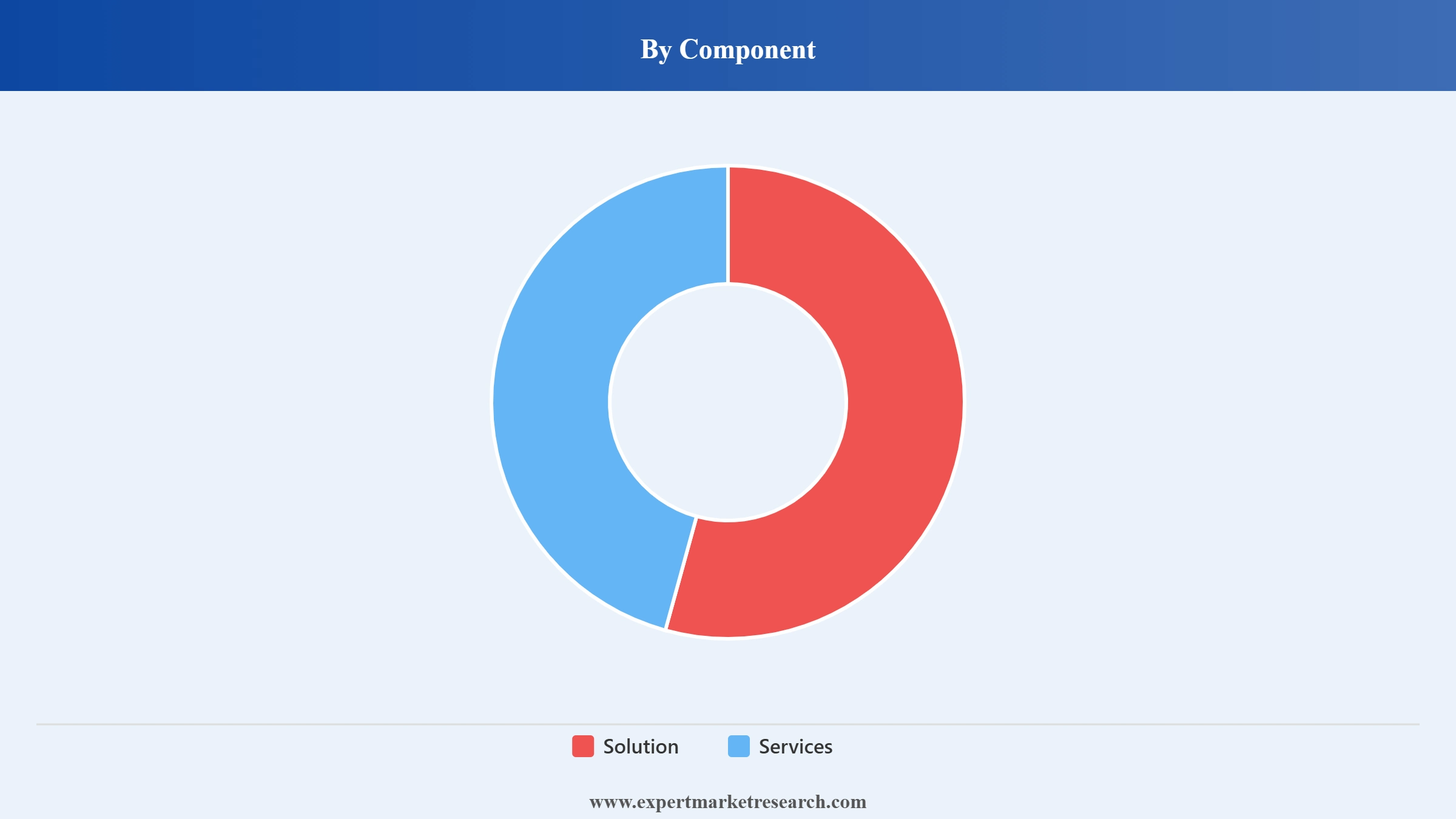
Key Insights:The endpoint security market is segmented into solutions and services. The solutions segment dominates, encompassing EPP, EDR, XDR, and NGAV platforms that provide prevention, detection, and automated response capabilities. The services segment is the fastest-growing category, driven by rising demand for managed detection and response, incident response, professional deployment services, and ongoing security consulting as organizations seek expert operational support beyond software deployment.
Breakup by Deployment
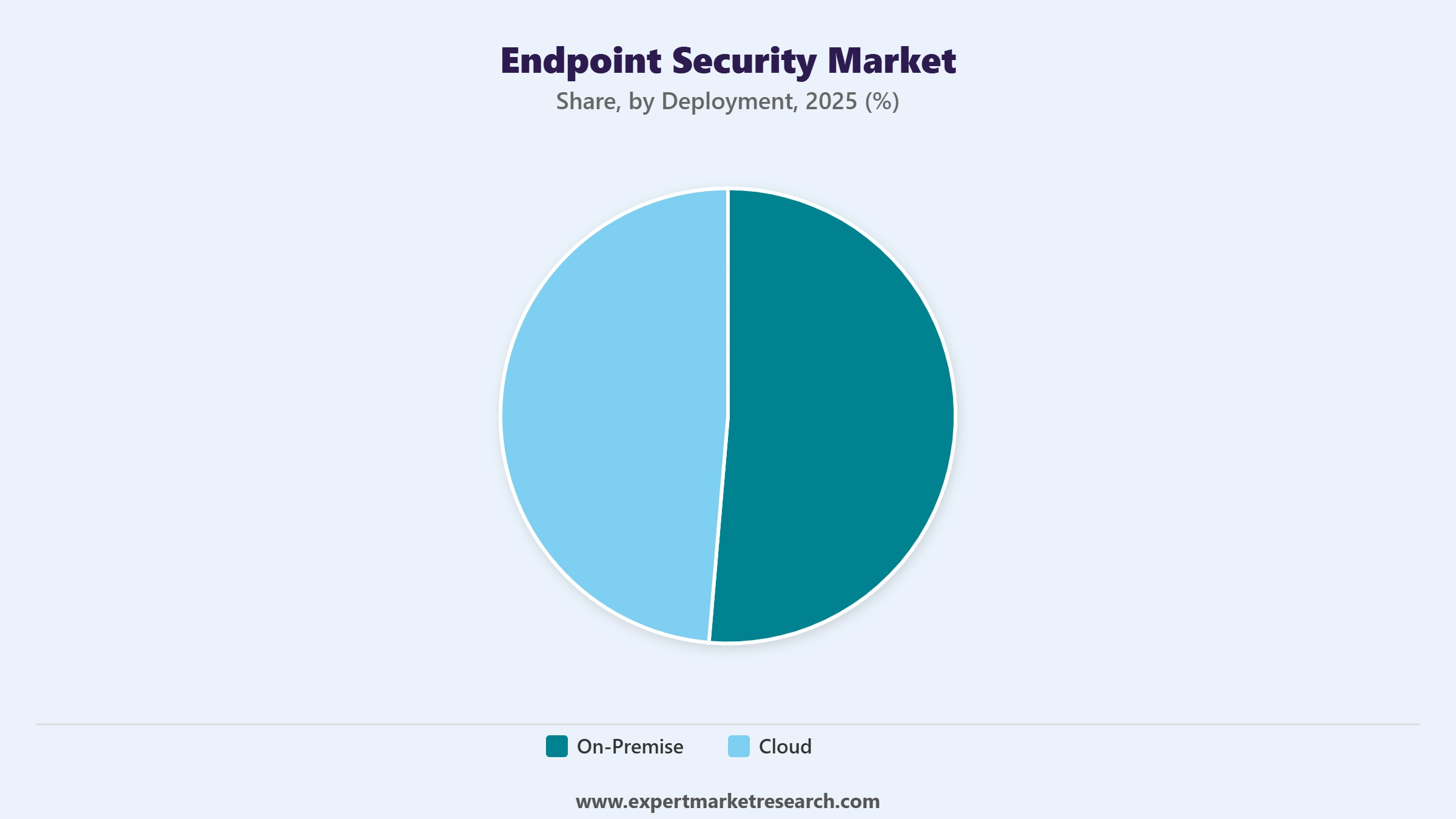
Key Insights: On-premises deployment holds the dominant market share, preferred by large enterprises and government organizations requiring direct infrastructure control and data sovereignty compliance. Cloud-based deployment is the fastest-growing mode, driven by SaaS delivery advantages including reduced overhead, automatic updates, and elastic scalability across distributed device fleets. SMEs are increasingly shifting toward cloud delivery as managed service providers package enterprise-grade endpoint protection into affordable subscription models.
Breakup by Organization
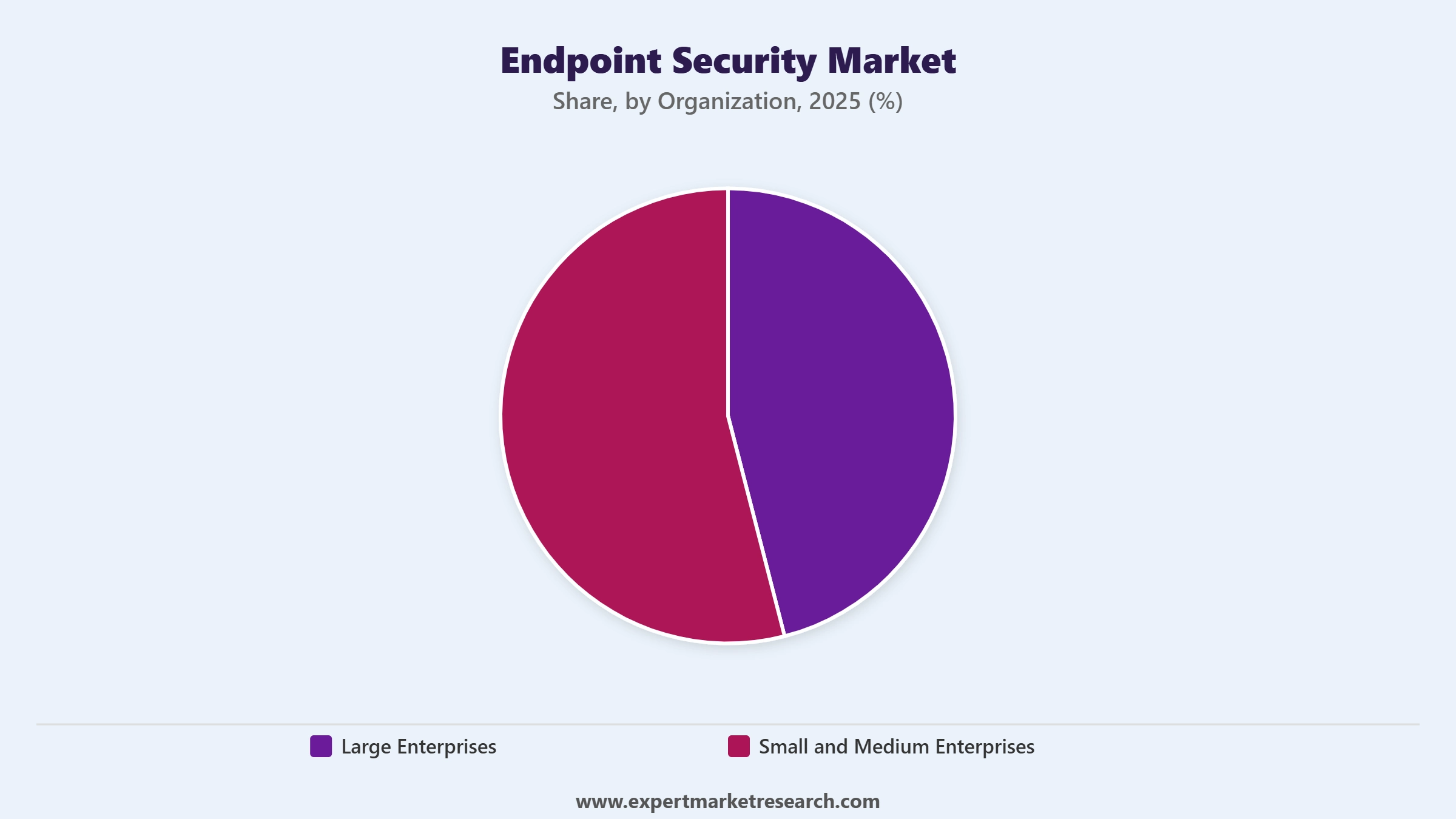
Key Insights: Large enterprises represent the dominant segment, accounting for approximately 70% of market revenue, driven by complex multi-site device fleets, dedicated security operations teams, and mandatory regulatory compliance requirements demanding advanced EDR and XDR deployments. Small and medium enterprises are the fastest-growing segment, as cloud delivery models and managed detection and response services progressively lower the cost and complexity of deploying enterprise-grade endpoint protection at SME scale.
Breakup by Application
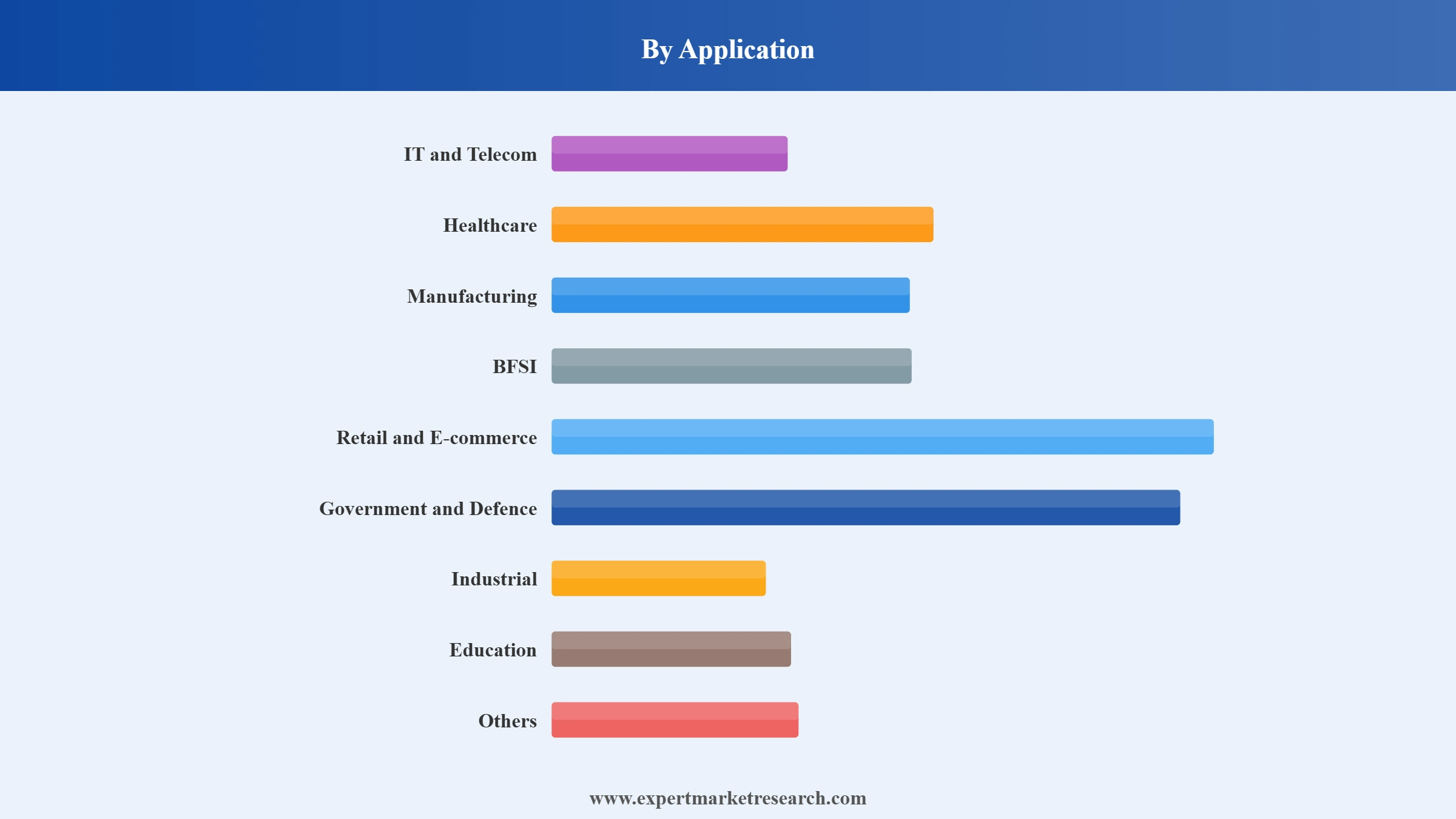
Key Insights: The endpoint security market serves diverse industry verticals with differentiated security requirements. BFSI leads at approximately 39-40% share, driven by high data sensitivity and strict PCI DSS compliance. Healthcare is the fastest-growing vertical, propelled by connected medical device proliferation and ransomware targeting clinical systems. IT and telecom, government and defence, retail and e-commerce, manufacturing, industrial, education, and other sectors collectively represent significant and growing demand pools shaped by sector-specific regulatory mandates and expanding digital infrastructure.
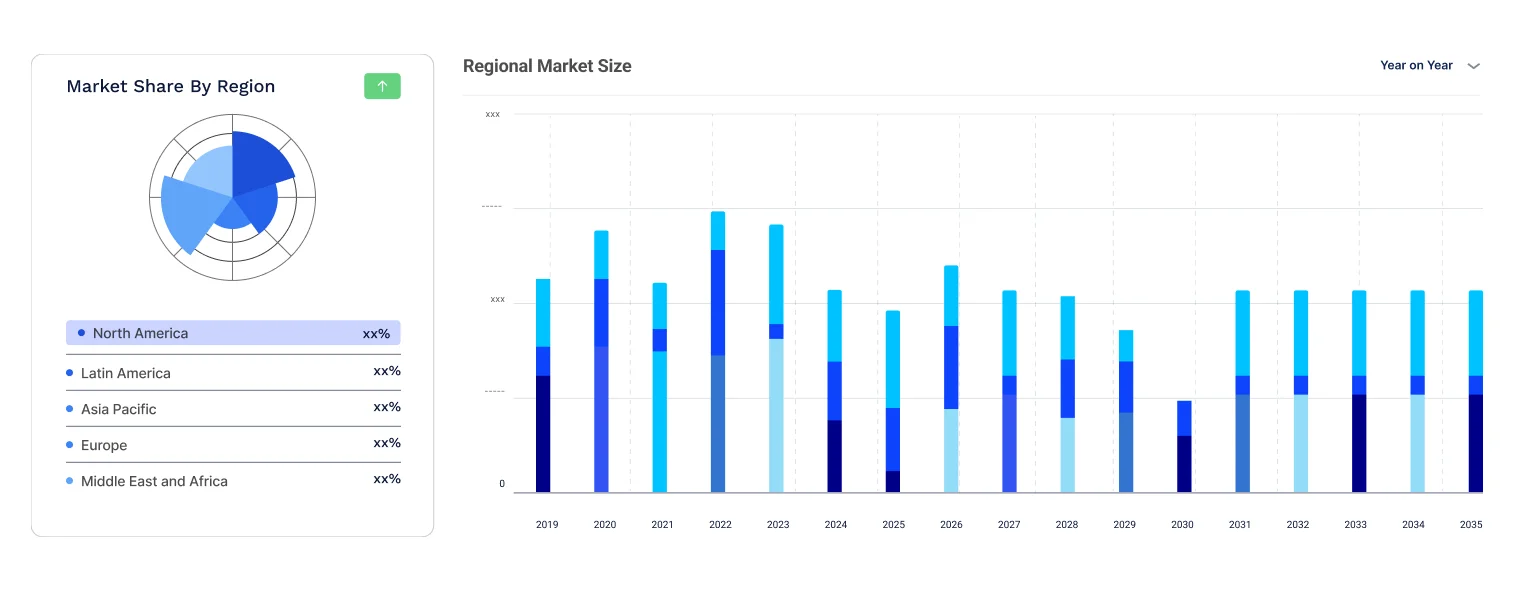
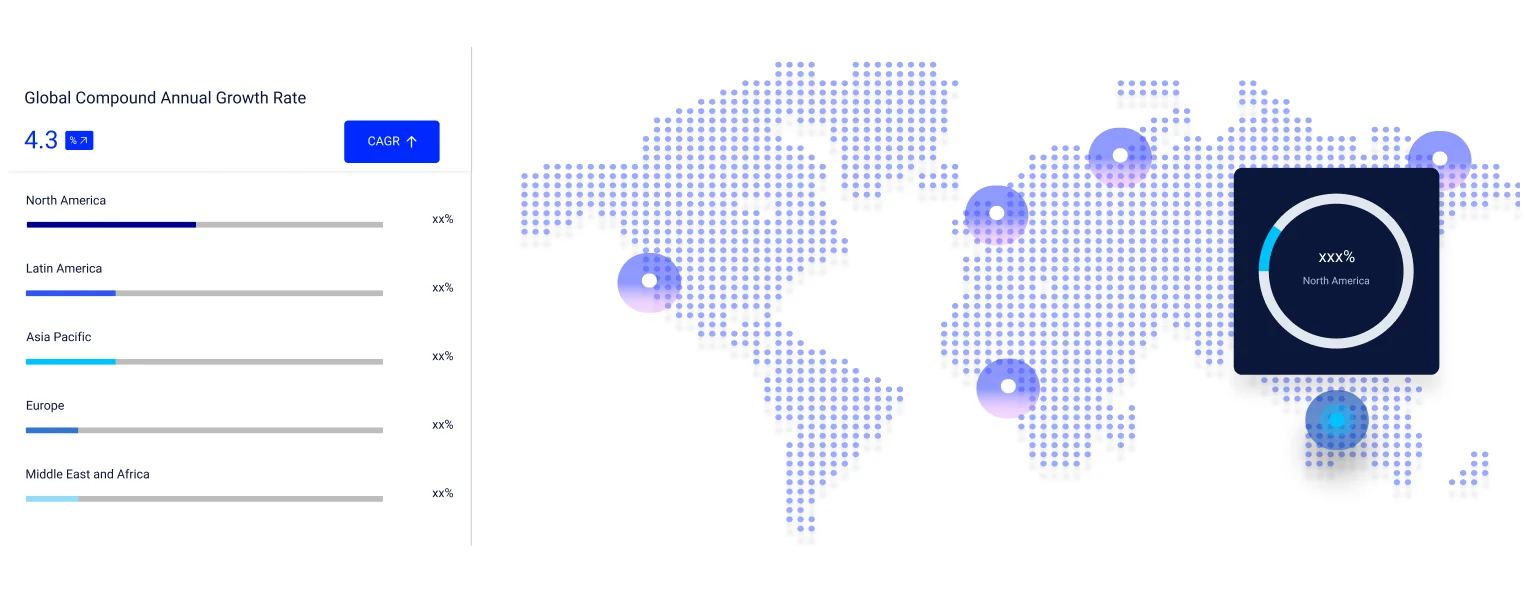
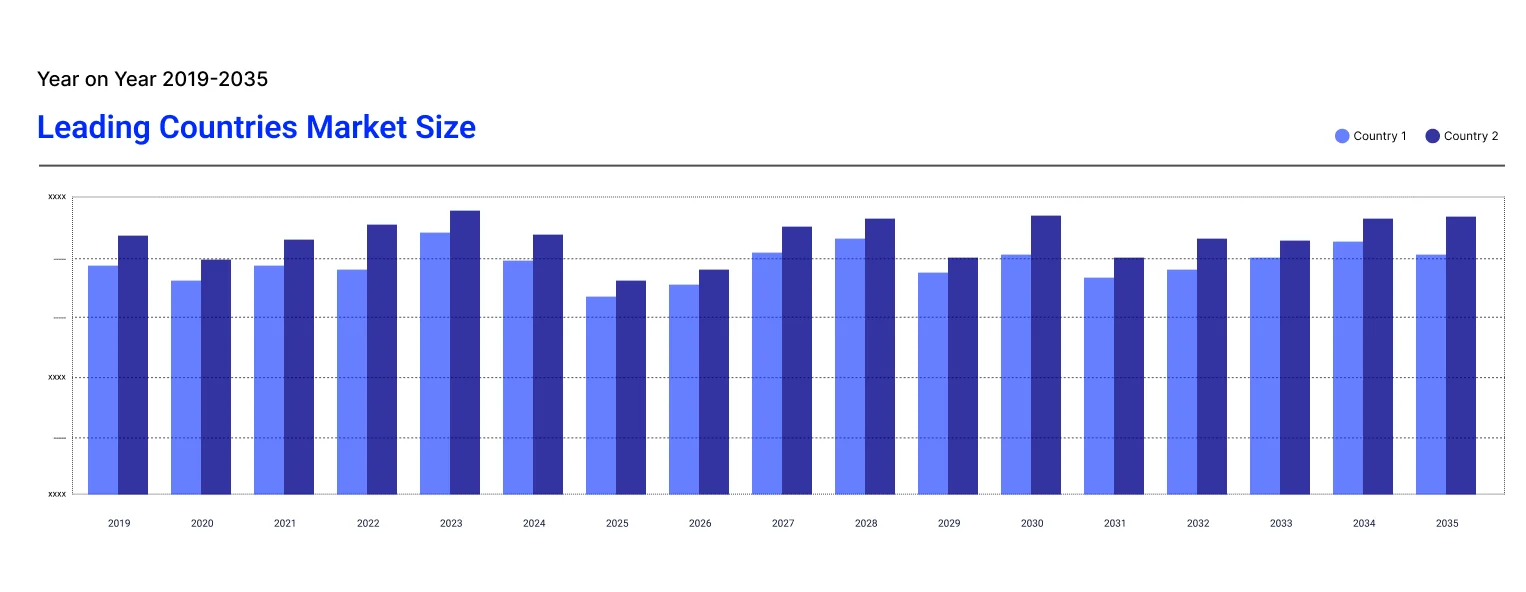
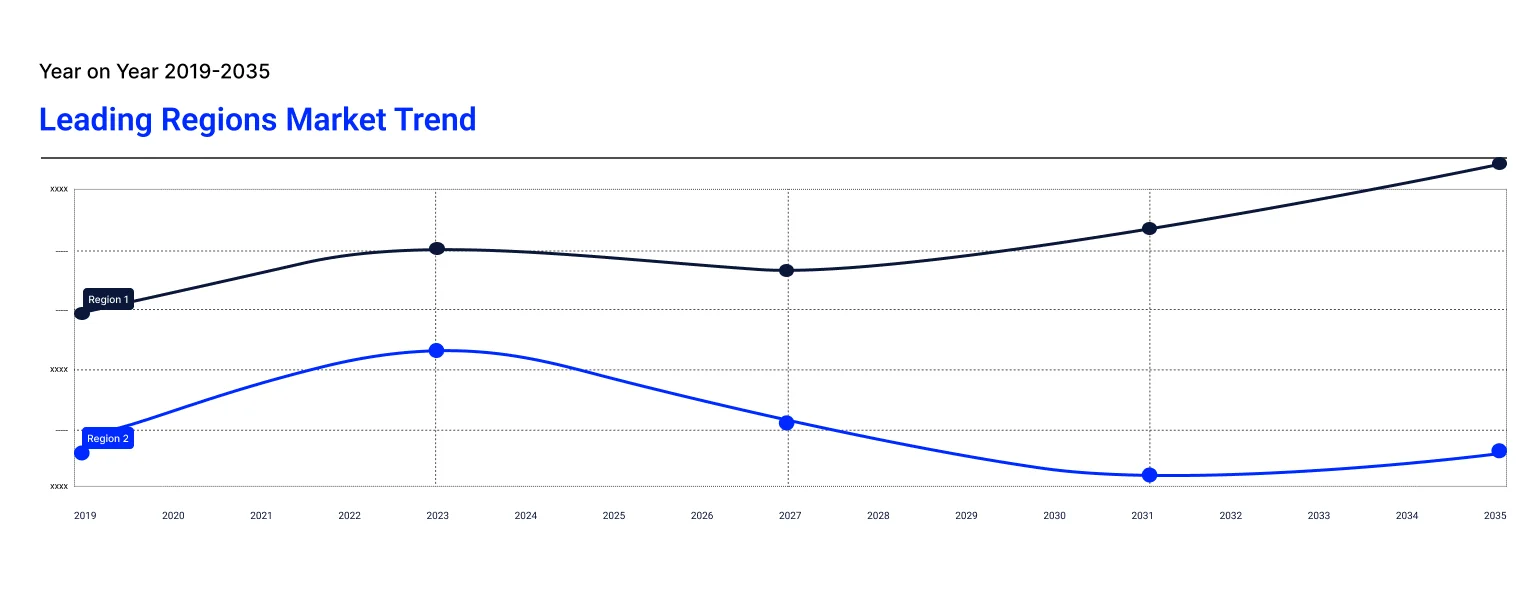
Region Outlook (Revenue, Billion, 2026-2035)
Read more about this report - REQUEST FREE SAMPLE COPY IN PDF
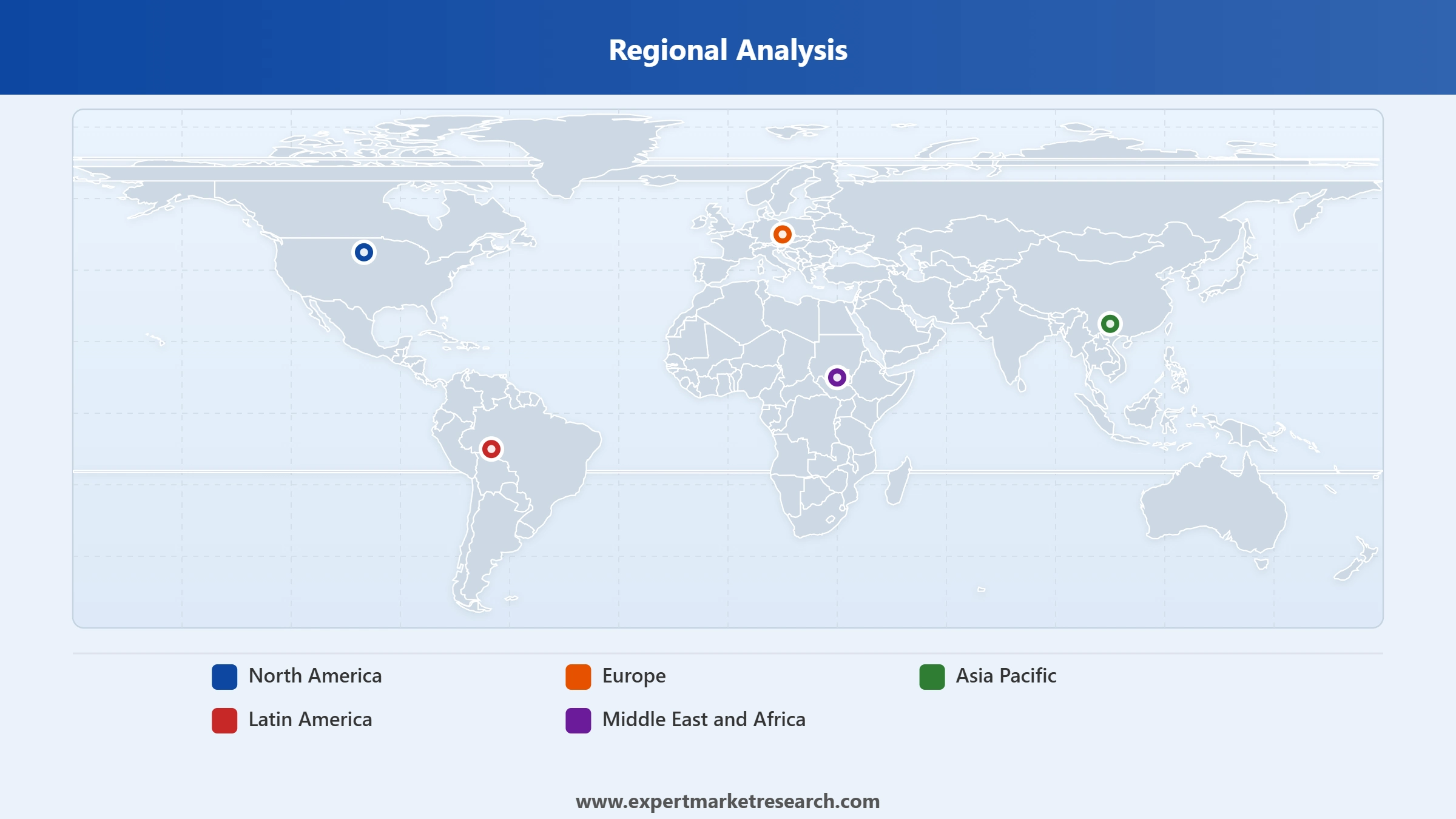
North America is the largest regional market for endpoint security, accounting for approximately 40% of global market revenue, anchored by the comprehensive cybersecurity ecosystem of the United States. The US market benefits from mandatory federal cybersecurity requirements including FISMA, CMMC for defense contractors, and OMB zero-trust architecture mandates, creating a significant non-discretionary government procurement channel. The high density of endpoint security technology providers including CrowdStrike, SentinelOne, Microsoft, Palo Alto Networks, and Broadcom contributes to a competitive and innovative market environment. Corporate cybersecurity investment is also driven by cyber insurance requirements that increasingly mandate specific endpoint security controls including EDR deployment and MFA. Canada follows with a developed financial services and government cybersecurity market, supported by the Canadian Centre for Cyber Security guidance frameworks.
Europe is the second-largest regional market, experiencing accelerated growth following the October 2024 enforcement of the NIS2 Directive, which created mandatory endpoint security investment obligations for operators of essential services and critical infrastructure across all 27 EU member states. Germany and the United Kingdom represent the largest national markets within Europe. German enterprises are increasing IT security budgets in response to both regulatory requirements and a high volume of industrial cyberattacks targeting the country's manufacturing and critical infrastructure sectors. The UK National Cyber Security Centre has issued end-user device security guidance that shapes enterprise endpoint configuration standards across British industries. France, the Netherlands, and Scandinavia are also significant markets, supported by ENISA-led cybersecurity capability development programs and strong digital economy investment.
Read more about this report - REQUEST FREE SAMPLE COPY IN PDF
Asia Pacific is the fastest-growing regional market, driven by accelerating digital transformation across financial services, healthcare, e-commerce, and government sectors in India, South Korea, Singapore, Japan, and China. India represents one of the highest-growth national markets, supported by the government's National Cybersecurity Policy framework, the Digital Personal Data Protection Act mandating data breach controls, and a large and rapidly expanding enterprise IT base. South Korea and Singapore are mature, high-value markets where enterprises and government agencies maintain sophisticated cybersecurity architectures and adopt advanced EDR and XDR platforms at high penetration rates. Japan is characterized by high reliability requirements and vendor trust sensitivity, favoring established providers with demonstrated enterprise deployment records. China represents the largest national market within Asia Pacific by installed base, supported by national data security law requirements and significant state investment in cybersecurity infrastructure.
Latin America is an emerging growth market for endpoint security, led by Brazil and Mexico. Brazil represents the largest national market within Latin America, supported by the Lei Geral de Proteção de Dados (LGPD) data protection law creating compliance-driven demand for endpoint security controls, and a large enterprise and financial services sector with high cybersecurity awareness. Mexico is the second-largest market, experiencing growth from manufacturing sector digitalization, nearshoring investment, and expanding financial services infrastructure. The region faces challenges including constrained cybersecurity budgets in the SME segment and a shortage of local security expertise, creating favorable conditions for MDR service adoption as an alternative to building in-house security operations capabilities.
The Middle East and Africa region is experiencing strong growth momentum, driven by significant digital transformation investment across GCC countries and improving cybersecurity regulatory frameworks across the broader region. Saudi Arabia represents the leading MEA market, supported by Vision 2030 digital economy investments, mandatory SAMA cybersecurity framework compliance for financial institutions, and significant government and defense sector endpoint security procurement. The UAE is the second-largest market, with the Telecommunications and Digital Government Regulatory Authority establishing cybersecurity standards for critical infrastructure operators. South Africa is the most developed sub-Saharan African market, with banks and telecommunications companies representing the primary endpoint security buyers. Across the broader MEA region, growing mobile banking adoption and expanding government digitization are creating new endpoint security demand from both enterprise and public sector customers.
The global endpoint security market is served by a combination of large cybersecurity platform providers, specialized endpoint security vendors, enterprise software companies with integrated security capabilities, and managed security service providers. Key companies covered in the Expert Market Research report include:
S.C. Bitdefender s.r.l. is a leading creator of fast and effective lines of internationally certified internet security software. The company was founded in 2001 and is headquartered in Bucharest, Romania.
ESET, spol. s r. o. is a leading software company specialising in cybersecurity. Established in 1992 and headquartered in Bratislava, Slovakia, this company provides security software solutions to several companies.
HCL Technologies Limited is a multinational information technology services and consultation services provider, offering a variety of software services. Founded in 1991, HCL Technologies is currently headquartered in Uttar Pradesh, India.
The major players in the global endpoint security market include The International Business Machines Corporation, Trend Micro Incorporated, Palo Alto Networks, Inc., Broadcom, Inc., Microsoft Corporation, CrowdStrike, Inc., Sophos Limited, AO Kaspersky Lab, Panda Security, F-Secure, McAfee, LLC., Cisco Systems, Inc., and others. These companies are actively investing in advanced threat intelligence, AI-driven detection capabilities, and cloud-native security architectures to strengthen their competitive positioning and expand their global customer base across enterprise, government, and SME segments.
*Please note that this is only a partial list; the complete list of key players is available in the full report. Additionally, the list of key players can be customized to better suit your needs.*


Upto 15% Off
USD
$2499 $2249
$3999 $3599
$4999 $4249
$5999 $5099


*While we strive to always give you current and accurate information, the numbers depicted on the website are indicative and may differ from the actual numbers in the main report. At Expert Market Research, we aim to bring you the latest insights and trends in the market. Using our analyses and forecasts, stakeholders can understand the market dynamics, navigate challenges, and capitalize on opportunities to make data-driven strategic decisions.*
The current size of endpoint security market is USD 18.05 Billion.
The market is projected to grow at a CAGR of 7.90% between 2026 and 2035.
The endpoint security market size is estimated to reach USD 38.61 Billion by 2035.
The key driving factors of the market growth are increasing concerns about mobile device security, increasing remote work culture, and growing threat of cyberattacks.
The key trends in the market include increasing adoption of cloud-based security solutions across enterprises and rising spending on cybersecurity amidst the emerging hybrid workforce environment.
Solution and Services are the primary component of endpoint security in the market.
On-premise and cloud are the major deployment modes of endpoint security in the market.
The key players considered in the market report are S.C. Bitdefender s.r.l., ESET, spol. s r. o., HCL Technologies Limited, The International Business Machines Corporation, Trend Micro Incorporated, Palo Alto Networks, Inc., Broadcom, Inc., Microsoft Corporation, CrowdStrike, Inc., Sophos Limited, AO Kaspersky Lab, Panda Security, F-Secure, McAfee, LLC., and Cisco Systems, Inc., among others.
The segment that has accounted for the largest endpoint security market share is the software segment.
The region that shows the most rapid expansion in the endpoint security market is Asia Pacific.
According to the market report, the region that has the largest share in the endpoint security market is North America.
Explore our key highlights of the report and gain a concise overview of key findings, trends, and actionable insights that will empower your strategic decisions.
| REPORT FEATURES | DETAILS |
| Base Year | 2025 |
| Historical Period | 2019-2025 |
| Forecast Period | 2026-2035 |
| Scope of the Report |
Historical and Forecast Trends, Industry Drivers and Constraints, Historical and Forecast Market Analysis by Segment:
|
| Breakup by Component |
|
| Breakup by Deployment |
|
| Breakup by Organization |
|
| Breakup by Application |
|
| Breakup by Region |
|
| Market Dynamics |
|
| Competitive Landscape |
|
| Companies Covered |
|
Datasheet
One User
USD 2,499
USD 2,249
tax inclusive*
Single User License
One User
USD 3,999
USD 3,599
tax inclusive*
Five User License
Five User
USD 4,999
USD 4,249
tax inclusive*
Corporate License
Unlimited Users
USD 5,999
USD 5,099
tax inclusive*
*Please note that the prices mentioned below are starting prices for each bundle type. Kindly contact our team for further details.*
Flash Bundle
Small Business Bundle
Growth Bundle
Enterprise Bundle
*Please note that the prices mentioned below are starting prices for each bundle type. Kindly contact our team for further details.*
Flash Bundle
Number of Reports: 3
20%
tax inclusive*
Small Business Bundle
Number of Reports: 5
25%
tax inclusive*
Growth Bundle
Number of Reports: 8
30%
tax inclusive*
Enterprise Bundle
Number of Reports: 10
35%
tax inclusive*
How To Order

Select License Type
Choose the right license for your needs and access rights.

Click on ‘Buy Now’
Add the report to your cart with one click and proceed to register.

Select Mode of Payment
Choose a payment option for a secure checkout. You will be redirected accordingly.
Strategic Solutions for Informed Decision-Making
Gain insights to stay ahead and seize opportunities.

Get insights & trends for a competitive edge.

Track prices with detailed trend reports.

Analyse trade data for supply chain insights.

Leverage cost reports for smart savings

Enhance supply chain with partnerships.

Connect For More Information
Our expert team of analysts will offer full support and resolve any queries regarding the report, before and after the purchase.
Our expert team of analysts will offer full support and resolve any queries regarding the report, before and after the purchase.
We employ meticulous research methods, blending advanced analytics and expert insights to deliver accurate, actionable industry intelligence, staying ahead of competitors.
Our skilled analysts offer unparalleled competitive advantage with detailed insights on current and emerging markets, ensuring your strategic edge.
We offer an in-depth yet simplified presentation of industry insights and analysis to meet your specific requirements effectively.




