

Consumer Insights
Uncover trends and behaviors shaping consumer choices today
Procurement Insights
Optimize your sourcing strategy with key market data
Industry Stats
Stay ahead with the latest trends and market analysis.
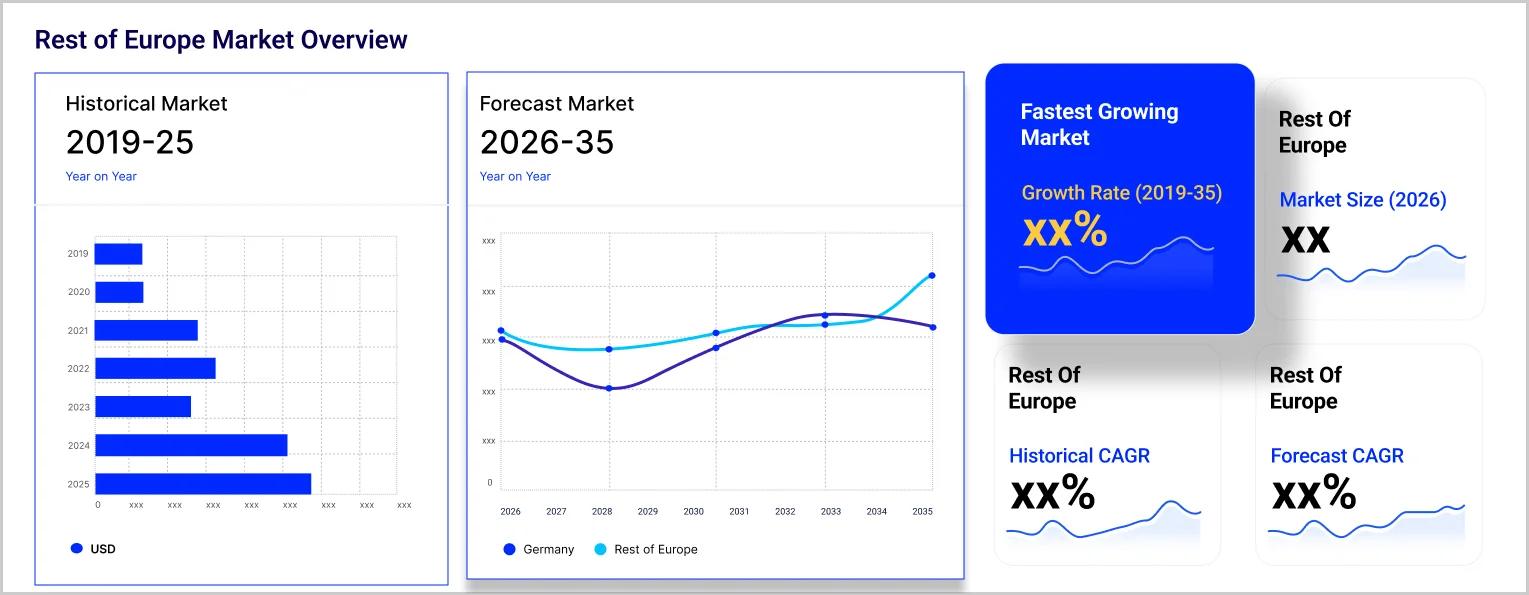
The Europe Stool Antigen Testing market was valued at USD 871.10 Million in 2025 and is expected to grow at a CAGR of 7.90%, reaching USD 1863.30 Million by 2035, driven by the rising prevalence of gastrointestinal infections, increasing burden of Helicobacter pylori infection, expanding colorectal cancer screening initiatives, growing adoption of non-invasive diagnostic methods, technological advancements in immunoassay-based testing, and strong government support for early disease detection and preventive healthcare.
Compound Annual Growth Rate
7.9%
Value in USD Million
2026-2035
Read more about this report - Request a Free Sample
The Europe Stool Antigen Testing Market comprises a broad range of immunoassay-based diagnostic tests, antigen detection kits, automated laboratory platforms, point-of-care testing systems, and associated reagents designed for the detection of gastrointestinal pathogens, including Helicobacter pylori, bacterial, viral, and parasitic infections. Stool antigen testing plays a critical role in the non-invasive diagnosis and monitoring of gastrointestinal diseases by enabling rapid, accurate pathogen identification without the need for invasive procedures. The market was valued at USD 871.10 Million in 2025, driven by the rising prevalence of Helicobacter pylori infection and gastrointestinal disorders, increasing colorectal cancer and gastric cancer screening initiatives, growing adoption of non-invasive diagnostic technologies, expanding use of automated immunoassay platforms in clinical laboratories, supportive government healthcare programs, and continuous advancements in diagnostic assay sensitivity, specificity, and laboratory automation.
|
Analysis Type |
Factors |
Example |
|
Market Drivers |
The increasing prevalence of Helicobacter pylori infection, bacterial gastroenteritis, and other gastrointestinal disorders is driving demand for rapid, accurate, and non-invasive diagnostic testing. |
Europe's clinical guidelines recommend stool antigen testing for Helicobacter pylori diagnosis and post-eradication confirmation, increasing routine diagnostic utilization nationwide. |
|
Market Restraints |
Market growth is constrained by increasing adoption of molecular diagnostic assays, endoscopy-based investigations, and urea breath testing, which may be preferred in specific clinical settings. |
PCR-based gastrointestinal pathogen panels provide broader pathogen detection, reducing reliance on standalone stool antigen assays in tertiary healthcare facilities. |
|
Market Opportunities |
Growing demand for rapid syndromic testing, decentralized healthcare, and early infectious disease diagnosis is creating opportunities for multiplex stool antigen assays and point-of-care diagnostic platforms. |
Multiplex stool antigen assays simultaneously detect multiple gastrointestinal pathogens, improving diagnostic efficiency, clinical decision-making, and laboratory workflow productivity. |
The following section outlines the key factors influencing the growth of the market, including major drivers, restraints, and emerging opportunities.
EU-Funded Gastric Cancer Prevention Programs Accelerate Adoption of Stool Antigen Testing
The Europe stool antigen testing market is gaining momentum through coordinated gastric cancer prevention initiatives and harmonized diagnostic strategies. According to the European Commission EU4Health Programme, 2025, the EU-GAINS project is advancing evidence-based primary prevention of gastric cancer by supporting standardized Helicobacter pylori screening and diagnostic pathways across Member States. Complementing this effort, the EUROHELICAN initiative continues implementing population-based H. pylori screen-and-treat strategies. From a macroeconomic perspective, expanding preventive healthcare reduces future oncology costs while supporting sustained investment in non-invasive stool antigen diagnostics throughout European healthcare systems.
Pre-Analytical Factors and Clinical Protocol Compliance Continue to Limit Diagnostic Performance
Despite widespread clinical adoption, stool antigen testing remains sensitive to pre-analytical variables that can influence diagnostic performance. As per Chika Kusano et al., 2025, proton pump inhibitor therapy may reduce stool antigen test sensitivity, requiring temporary treatment interruption before testing to minimize false-negative results. In addition, inconsistent specimen handling and post-treatment testing intervals may affect diagnostic reliability. These challenges necessitate strict laboratory protocols and clinician adherence to guideline-recommended testing procedures, increasing operational complexity for diagnostic providers across Europe.
European Laboratory Modernization and IVD Investment Create Significant Commercial Potential
Europe's continued investment in laboratory modernization and in-vitro diagnostics is creating favorable opportunities for stool antigen testing manufacturers. According to R-Biopharm AG, 2025, the company expanded its gastrointestinal diagnostics portfolio with automated solutions supporting standardized stool pathogen testing across European laboratories. Additionally, bioMérieux, 2025 continued strengthening its clinical microbiology and immunodiagnostics capabilities through investments in laboratory automation and digital connectivity. From a financial economics perspective, scalable automated laboratories improve operational efficiency, reduce processing costs, and encourage broader adoption of advanced stool antigen testing technologies.
Transition Toward Standardized Non-Invasive Stool Antigen Testing Across European Clinical Practice
The European stool antigen testing market is increasingly characterized by the adoption of standardized non-invasive diagnostic pathways for both Helicobacter pylori detection and post-eradication monitoring. According to the European Medicines Agency (EMA), 2026 product information update, validated non-invasive diagnostic methods remain integral to routine clinical management of H. pylori infection across Europe. Healthcare providers continue emphasizing patient-friendly diagnostics that reduce dependence on invasive procedures while improving clinical efficiency. Increasing digital laboratory integration and quality-focused healthcare investment further reinforce this long-term diagnostic trend.
Expansion of Standardized Non-Invasive Helicobacter Pylori Testing Across European Healthcare Systems
The Europe stool antigen testing market is increasingly characterized by standardized implementation of non-invasive Helicobacter pylori diagnostics supported by national healthcare systems and laboratory harmonization. According to the Dutch Society for Medical Microbiology (NVMM), 2025, updated laboratory recommendations continue supporting standardized stool antigen testing for active H. pylori infection. Meanwhile, Cerba Research Europe, 2025 expanded integrated gastrointestinal diagnostic services supporting multicenter clinical studies and routine testing. Increasing laboratory automation, quality assurance programs, and digital pathology integration continue strengthening adoption of stool antigen testing throughout Europe.
Read more about this report - Request a Free Sample
Germany Expected to Lead the Europe Stool Antigen Testing Market Through Advanced Diagnostic Infrastructure and Preventive Healthcare Policies
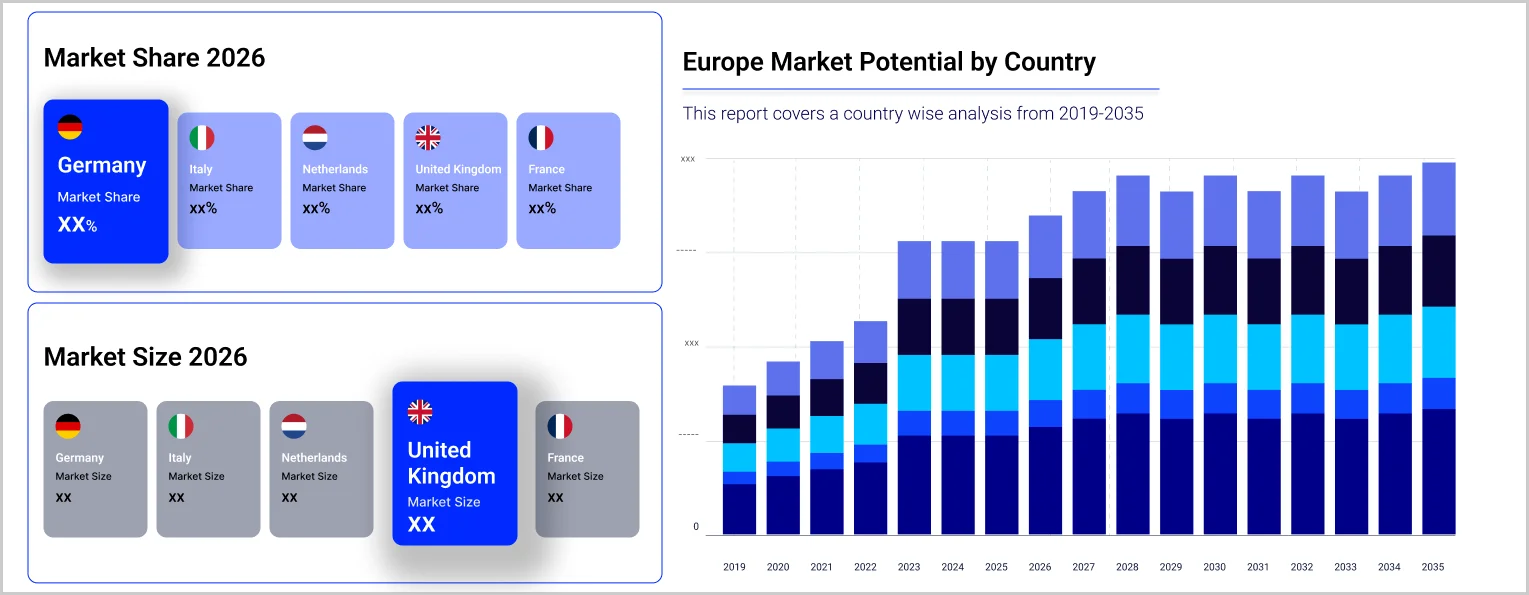
Germany is expected to lead the Europe stool antigen testing market owing to its well-established clinical laboratory infrastructure, broad adoption of evidence-based gastrointestinal diagnostics, and strong commitment to gastric cancer prevention. According to the International Agency for Research on Cancer (IARC), 2025, the EUROHELICAN initiative is guiding implementation of population-based Helicobacter pylori screen-and-treat strategies across Europe, with Germany playing a prominent role through its advanced healthcare ecosystem and research participation. Additionally, Germany's sustained investment in laboratory automation, preventive medicine, and healthcare digitalization supports efficient outpatient diagnostics. From a macroeconomic perspective, stable healthcare expenditure and continued capital investment in diagnostic technologies strengthen procurement capacity, reinforcing Germany's leadership in the regional stool antigen testing market.
The key features of the market report include patent analysis, funding and investment analysis, and strategic initiatives by leading players. The major companies in the market are as follows:
Abbott Laboratories is a global healthcare company specializing in diagnostics, medical devices, nutrition, and pharmaceuticals. Its diagnostics division offers immunoassay platforms and infectious disease testing solutions, including assays relevant to gastrointestinal pathogen detection. Abbott's extensive global presence and continuous innovation make it a leading supplier of clinical laboratory diagnostics.
bioMérieux S.A. is a France-based in vitro diagnostics company focused on infectious disease detection and microbiology. The company provides immunoassays, molecular diagnostics, and automated laboratory systems supporting gastrointestinal pathogen identification, antimicrobial stewardship, and public health surveillance across hospitals, diagnostic laboratories, and research institutions worldwide.
Thermo Fisher Scientific Inc. is a leading provider of scientific instruments, laboratory diagnostics, and specialty reagents. The company offers comprehensive immunodiagnostic technologies, clinical laboratory solutions, and molecular testing platforms supporting infectious disease diagnosis, gastrointestinal pathogen detection, translational research, and routine clinical laboratory operations across global healthcare markets.
F. Hoffmann-La Roche AG is a global biotechnology and diagnostics company headquartered in Switzerland. Through its Roche Diagnostics division, the company develops advanced immunodiagnostic and molecular testing platforms for infectious diseases, gastrointestinal disorders, and precision medicine, serving hospitals, clinical laboratories, and healthcare providers with integrated diagnostic solutions.
Other key players in the market include Meridian Bioscience, Inc., Beckman Coulter, Inc., Becton, Dickinson and Company, TECHLAB, Inc., QuidelOrtho Corporation, DiaSorin S.p.A.
*Please note that this is only a partial list; the complete list of key players is available in the full report. Additionally, the list of key players can be customized to better suit your needs.*
The market report offers a detailed analysis of the market based on the following segments:
Market Breakup by Test Type
The Europe stool antigen testing market is segmented by test type based on the targeted pathogen and diagnostic purpose. Bacterial antigen tests dominate the market owing to the high prevalence of Helicobacter pylori infection and other bacterial gastrointestinal diseases, while viral, parasitic, and multiplex tests continue to gain adoption through broader infectious disease screening.
Market Breakup by Technology
The market is categorized by technology, reflecting differences in diagnostic accuracy, turnaround time, laboratory workflow, and clinical utility. Enzyme-Linked Immunosorbent Assay (ELISA) remains the leading technology due to its high sensitivity, specificity, cost-effectiveness, and widespread use in hospital and reference laboratory settings across Europe.
Market Breakup by Application
Application-based segmentation highlights the expanding use of stool antigen testing across multiple gastrointestinal disease indications. Helicobacter pylori detection represents the largest application, driven by Europe's significant disease burden, national clinical guidelines supporting non-invasive diagnosis, and increasing emphasis on early detection to reduce gastric cancer risk.
Market Breakup by End User
The market is segmented by end user according to the primary healthcare settings utilizing stool antigen testing. Hospitals account for the largest share due to their high patient volumes, comprehensive diagnostic capabilities, advanced laboratory infrastructure, and routine use of stool antigen assays for gastrointestinal disease diagnosis and clinical management.
Market Breakup by Region
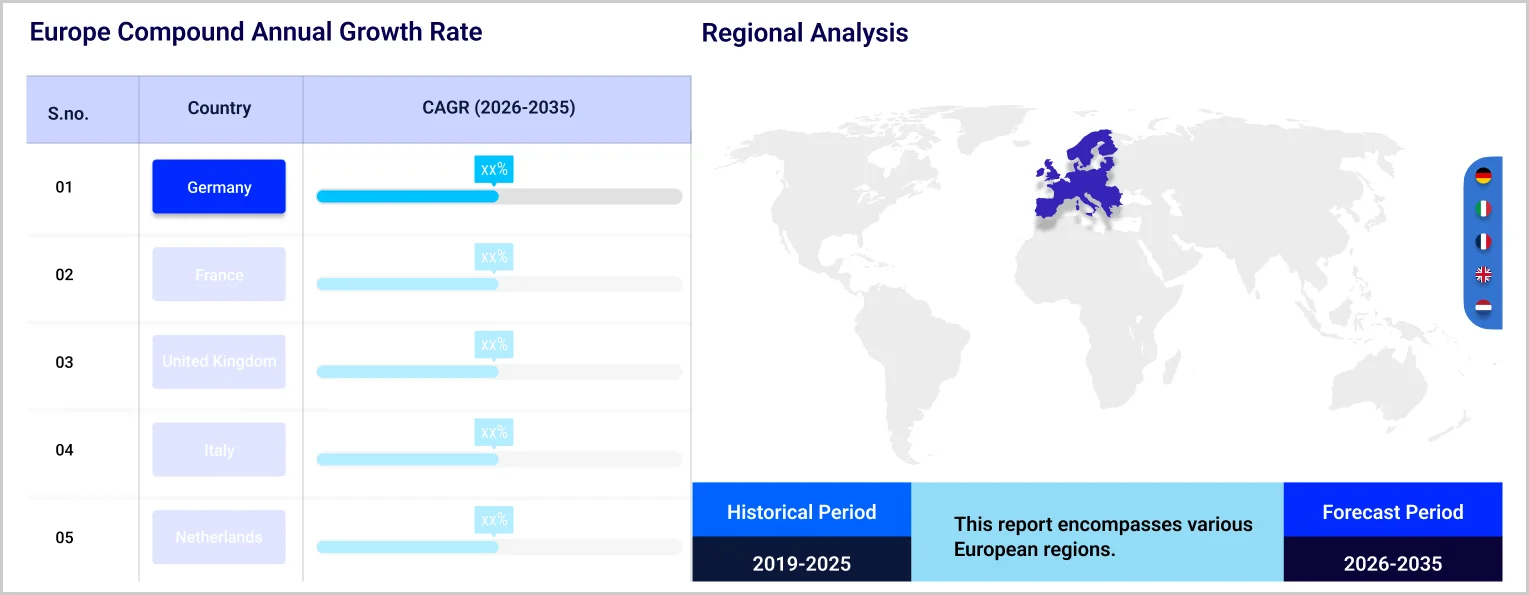
The market is segmented by region into the United Kingdom, Germany, France, Italy, Spain, and Others. Germany accounts for the largest regional share owing to its advanced healthcare infrastructure, robust clinical laboratory network, favorable reimbursement policies, strong adoption of evidence-based gastrointestinal diagnostics, and the presence of leading in-vitro diagnostics manufacturers.


Upto 15% Off
USD
$4299 $3869
$2699 $2429
$5799 $4949
$6999 $5949


*While we strive to always give you current and accurate information, the numbers depicted on the website are indicative and may differ from the actual numbers in the main report. At Expert Market Research, we aim to bring you the latest insights and trends in the market. Using our analyses and forecasts, stakeholders can understand the market dynamics, navigate challenges, and capitalize on opportunities to make data-driven strategic decisions.*
Explore our key highlights of the report and gain a concise overview of key findings, trends, and actionable insights that will empower your strategic decisions.
| REPORT FEATURES | DETAILS |
| Base Year | 2025 |
| Historical Period | 2019-2025 |
| Forecast Period | 2026-2035 |
| Scope of the Report |
Historical and Forecast Trends, Industry Drivers and Constraints, Historical and Forecast Market Analysis by Segment:
|
| Breakup by Test Type |
|
| Breakup by Technology |
|
| Breakup by Application |
|
| Breakup by End User |
|
| Breakup by Region |
|
| Market Dynamics |
|
| Supplier Landscape |
|
| Companies Covered |
|
Single User License
One User
USD 4,299
USD 3,869
tax inclusive*
Datasheet
One User
USD 2,699
USD 2,429
tax inclusive*
Five User License
Five User
USD 5,799
USD 4,949
tax inclusive*
Corporate License
Unlimited Users
USD 6,999
USD 5,949
tax inclusive*
*Please note that the prices mentioned below are starting prices for each bundle type. Kindly contact our team for further details.*
Flash Bundle
Small Business Bundle
Growth Bundle
Enterprise Bundle
*Please note that the prices mentioned below are starting prices for each bundle type. Kindly contact our team for further details.*
Flash Bundle
Number of Reports: 3
20%
tax inclusive*
Small Business Bundle
Number of Reports: 5
25%
tax inclusive*
Growth Bundle
Number of Reports: 8
30%
tax inclusive*
Enterprise Bundle
Number of Reports: 10
35%
tax inclusive*
How To Order

Select License Type
Choose the right license for your needs and access rights.

Click on ‘Buy Now’
Add the report to your cart with one click and proceed to register.

Select Mode of Payment
Choose a payment option for a secure checkout. You will be redirected accordingly.
Strategic Solutions for Informed Decision-Making
Gain insights to stay ahead and seize opportunities.

Get insights & trends for a competitive edge.

Track prices with detailed trend reports.

Analyse trade data for supply chain insights.

Leverage cost reports for smart savings

Enhance supply chain with partnerships.

Connect For More Information
Our expert team of analysts will offer full support and resolve any queries regarding the report, before and after the purchase.
Our expert team of analysts will offer full support and resolve any queries regarding the report, before and after the purchase.
We employ meticulous research methods, blending advanced analytics and expert insights to deliver accurate, actionable industry intelligence, staying ahead of competitors.
Our skilled analysts offer unparalleled competitive advantage with detailed insights on current and emerging markets, ensuring your strategic edge.
We offer an in-depth yet simplified presentation of industry insights and analysis to meet your specific requirements effectively.




