

Consumer Insights
Uncover trends and behaviors shaping consumer choices today
Procurement Insights
Optimize your sourcing strategy with key market data
Industry Stats
Stay ahead with the latest trends and market analysis.
The halal dairy products market was valued at USD 48.50 Billion in 2025. The market is expected to grow at a CAGR of 6.40% during the forecast period of 2026-2035 to reach a value of USD 90.19 Billion by 2035. Rising Muslim populations, growing demand for certified products, expanding dairy processing in Gulf and Asian markets, and wider retail and online access are collectively driving the market growth.
The current halal dairy products market dynamics reflect steady everyday household demand for certified milk, cheese, and yogurt, supported by large Muslim populations, rising urban incomes, and growing modern retail access. Consumption levels in leading markets remain high: in May 2026, a review of Saudi Arabia's dairy sector reported a market of 5.32 million tons of milk equivalent in 2023, with per capita consumption of 159.8 kilograms, up from 76.5 kilograms in 2009. This shows how quickly household dairy use can rise with incomes, encouraging producers to invest in capacity, cold chain reach, and product variety, while buyers look for clear halal labeling and consistent quality across brands, formats, and sales channels in established and emerging regional markets, and retailers widen chilled ranges and promotions to match demand.
The overall halal dairy industry dynamics through 2025 and 2026 are also shaped by supply security, farm investment, and local production. In August 2026, Al Rawabi's chief executive cited average regional dairy growth of 4.5% CAGR, worth roughly USD 1 billion annually, and said the company was building a new farm starting with 4,000 milking cows to secure its own milk supply in the region. This shows how producers are tying growth to controlled raw material, encouraging steady investment in herds, feed, cold chain, and processing, while buyers also compare certification credentials, ingredient sourcing, and storage standards before choosing brands and retailers.
Compound Annual Growth Rate
6.4%
Value in USD Billion
2026-2035
Read more about this report - REQUEST FREE SAMPLE COPY IN PDF
|
Halal Dairy Products Market Report Summary |
Description |
Value |
|
Base Year |
USD Billion |
2025 |
|
Historical Period |
USD Billion |
2019-2025 |
|
Forecast Period |
USD Billion |
2026-2035 |
|
Market Size 2025 |
USD Billion |
48.50 |
|
Market Size 2035 |
USD Billion |
90.19 |
|
CAGR 2019-2025 |
Percentage |
XX% |
|
CAGR 2026-2035 |
Percentage |
6.40% |
|
CAGR 2026-2035 - Market by Region |
Middle East and Africa |
7.9% |
|
CAGR 2026-2035 - Market by Product Type |
Cheese |
7.6% |
|
CAGR 2026-2035 - Market by Source |
Goat and Camel |
8.9% |
|
2025 Market Share by Region |
Middle East and Africa |
27.0% |
The halal dairy products market is being reshaped by consolidation among global dairy brands, new Gulf plant capacity, specialty camel milk launches, and large integrated dairy farms. Halal-compliant ingredient innovation, harmonized certification marks, and national self-sufficiency programs are further reshaping the competitive landscape.
Interloop announced a new Rs15 billion dairy processing plant with Rella Gida of Türkiye, through subsidiary IL Foods, to make cheese, butter, and whey protein concentrate. Milk processing capacity across its operations was expected to reach 180 million liters annually, with part planned for export. The project shows how value-added processing is becoming central to dairy growth in Muslim-majority markets.
Global Dairi Bersama, part of Savoria Group, broke ground on a 710 hectare dairy farm in Brebes, Central Java, planned for up to 30,000 dairy cows and 180,000 tons of fresh milk a year, one fifth of national output. The Rp 1.2 trillion project supported milk self-sufficiency. The project reflects a wider shift toward large integrated farms in import-dependent markets.
Baladna signed contracts worth over USD 635 million for the second phase of its project and began airlifting 30,000 Holstein cows from the United States. The USD 3.5 billion project targeted a herd of 270,000 cows and up to half of Algeria's powdered milk demand. The deal reflects how Gulf dairy expertise is moving into North African food security projects.
Camelicious unveiled camel milk powder for food manufacturers, with one liter UHT camel milk and 180 milliliter flavored formats, at Gulfood in Dubai. The UHT line carried no preservatives and a shelf life of up to nine months, reducing dependence on cold chains. The launch shows specialty milk moving from a regional tradition toward an export-ready ingredient and retail category.
Import dependence is pushing governments in Muslim-majority markets to build local milk supply. Larger and better managed domestic herds give processors more traceable raw material for halal certification, although financing, feed, and animal health remain constraints. In May 2026, Nigeria's livestock minister said local output of 600,000 to 700,000 tons met well under half of 1.7 million tons of annual demand, with imports costing over USD 1.5 billion a year, and announced a new USD 496 million integrated dairy venture.
Alternative protein technology is entering the dairy ingredient chain. Developers use precision fermentation to make animal-free dairy proteins that avoid livestock sourcing and can supply steady volumes to food and nutrition brands, although halal suitability still depends on certification of each process, and approval, scale-up costs, and price parity remain hurdles. In January 2026, Perfect Day began construction work on a precision fermentation plant in Gujarat, India, with Zydus, scheduled to start commercial operations in the second half of 2026.
Fragmented national halal rules are complicating cross-border dairy trade. A shared mark can cut duplicate audits and testing, shorten approvals, and build buyer and regulator trust, which benefits exporters serving several Muslim-majority markets at once, as regulators align technical standards and processes and recognize each other's certificates. In February 2026, the Saudi Halal Center's Global Halal Mark alliance had four countries on board, including Indonesia and Thailand, with a stated target of ten participating countries by the end of 2026.
Dairy exporters are increasingly looking beyond mature markets toward fast-growing Muslim-majority economies with young and urbanizing populations. Rising incomes, young populations, and expanding modern retail increase demand for packaged milk, cheese, and yogurt, while import rules, halal certification, cold chain access, brand trust, and logistics shape market entry for foreign suppliers and local dairy processors alike. In August 2026, the International Dairy Foods Association's Project Diversify market report identified Uzbekistan as a promising emerging dairy export market in Central Asia.
Domestic processing capacity is expanding across North Africa. Processors are building new plants to serve growing urban populations and reduce reliance on imported milk powder, while strengthening local collection networks and supporting rural farmers, and consistent halal controls help fresh, long-life, and cheese lines reach more shoppers. In April 2026, Morocco's EXTRALAIT opened a USD 10.8 million milk plant in Kenitra, adding a new pasteurized milk unit and upgrading the yogurt and butter lines, expected to create 139 direct jobs.
The Expert Market Research's report titled "Halal Dairy Products Market Report and Forecast 2026-2035" offers a detailed analysis of the market based on the following segments:
Market Breakup by Product Type
Key Insight: Milk dominates the halal dairy products market by product type, as fresh, UHT, and powdered milk are daily staples. Cheese is the fastest-growing on halal-approved rennet and wider use in snacks and foodservice, yogurt grows on probiotic and protein trends, and butter and ghee support traditional cooking and baking. Others include cream, ice cream, and dairy desserts. Reflecting protein-led milk innovation, in January 2026, Lactasoy launched a shelf-stable UHT milk with 31 grams of protein in Thailand.
Market Breakup by Source
Key Insight: Cow milk dominates the halal dairy products market by source, supported by large herds, low unit costs, and established collection networks. Goat and camel milk are the fastest-growing on wellness positioning and Gulf production, while buffalo milk remains important in South Asia for yogurt, butter, and ghee. Others include sheep milk and other specialty milk. Showing cattle genetics cooperation, in October 2026, Nigeria and Uganda discussed dairy cattle genetics, feeding systems, and milk processing, as Nigeria targets 1.4 million tons of milk annually by 2030.
Market Breakup by Distribution Channel
Key Insight: Supermarkets and hypermarkets dominate the halal dairy products market by distribution channel, offering wide chilled ranges, private labels, frequent promotions, and clear halal labeling. Online retail is the fastest-growing as quick commerce brings chilled dairy straight to doorsteps, while convenience stores serve neighborhood top-up and daily purchases. Others include foodservice, specialty shops, and direct sales. Reflecting quick commerce growth, in October 2025, Jahez and noon announced a partnership to build an integrated quick commerce and food delivery network in Saudi Arabia.
Market Breakup by Region
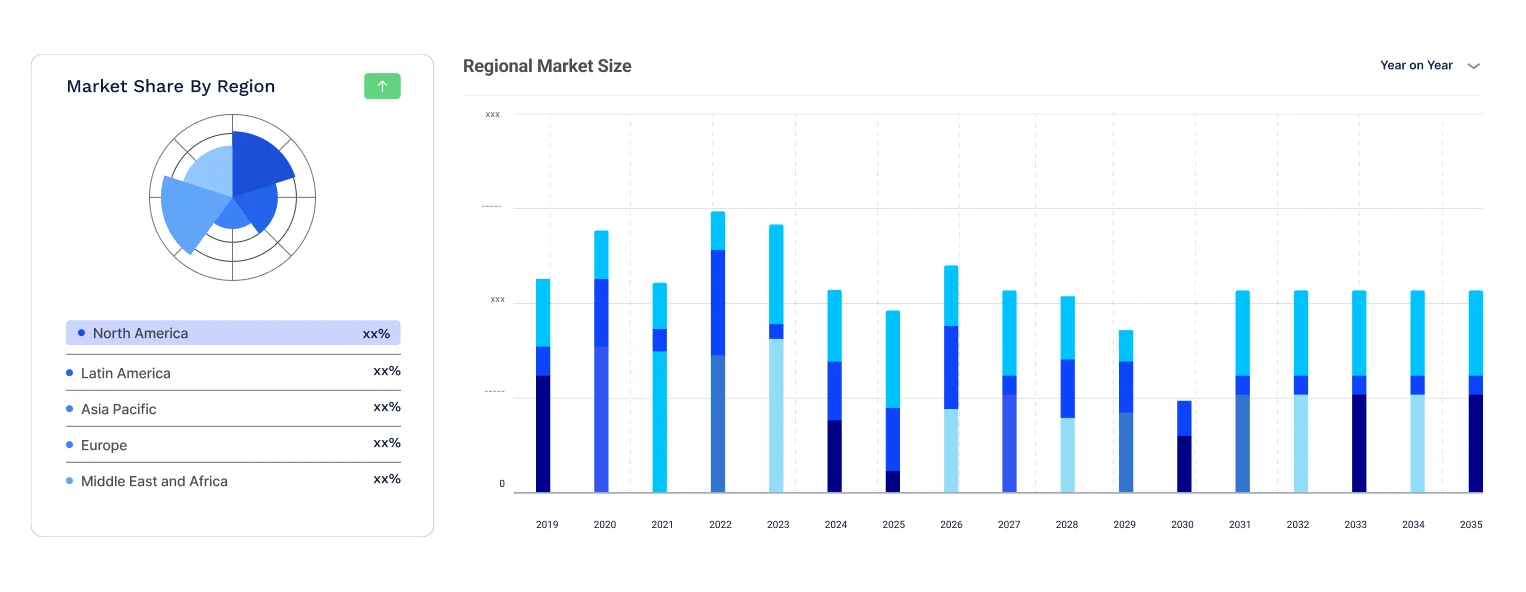
Key Insight: Asia Pacific dominates the halal dairy products market, supported by large Muslim populations in Indonesia, Pakistan, Bangladesh, and Malaysia. Middle East and Africa is the fastest-growing region on young populations and local dairy investment, Europe and North America grow through Muslim communities and certified exports, and Latin America expands from a smaller base. Showing large-scale processing investment, in June 2026, Amul announced plans to invest about USD 74.8 million in a new dairy processing plant in West Bengal, India.
Read more about this report - REQUEST FREE SAMPLE COPY IN PDF
By product type, milk dominates the market due to everyday household demand across Muslim-majority regions
Milk accounts for the largest share of the halal dairy products market by product type, because fresh, UHT, and powdered milk are daily dietary staples in households across Muslim-majority countries and are consumed directly and in cooking. Halal certification adds buyer confidence on ingredients, processing aids, and plant hygiene standards, supporting repeat purchases. In May 2026, Kyrgyzstan reported milk and cream exports of 629 tons in the first two months of the year, up from 427 tons a year earlier.
Cheese is the fastest-growing product type as halal-certified cheese, made with microbial or halal-approved rennet, reaches more households through spreads, slices, and children's snacks. Rising restaurant, pizza, and bakery use also lifts demand across cities. In January 2026, Bel Group committed EUR 16.7 million to double its cheese capacity in Vietnam to 20,000 tons a year. Yogurt grows steadily on probiotic, protein, and health trends, butter and ghee support traditional cooking, and others include cream, ice cream, and milk powders.
By source, cow milk leads the market due to large herds and established supply chains
Cow milk accounts for the largest share of the halal dairy products market by source, because cattle supply most of the world's milk, and large herds, collection networks, and processing plants already serve Muslim-majority and export markets. Cow milk suits fresh drinking milk, cheese, and yogurt, which keeps unit costs lower. In February 2026, Malaysia's agriculture minister set a target of 100% fresh milk self-sufficiency by 2028, from 66.7% in 2024, backed by RM 30 million for national dairy production.
Goat and camel milk are the fastest-growing source, supported by wellness positioning, cultural familiarity, and Gulf production. Camel milk also holds traditional value in Gulf households and hospitality. In October 2026, Al Ain Farms Group announced plans to export Camelait camel milk powder to China and Europe, from annual output of two million liters. Premium pricing and limited supply keep volumes small, while buffalo milk remains important in South Asia for yogurt, butter, and ghee, and others include sheep milk.
By distribution channel, supermarkets and hypermarkets lead due to wide halal ranges and strong chilled storage
Supermarkets and hypermarkets account for the largest share of the halal dairy products market by distribution channel, because they stock broad chilled assortments, private labels, and imported brands under one roof, and families buy dairy as part of regular grocery trips. Chilled display, promotions, and trusted halal labels build strong shopper confidence. In January 2026, Lulu Hypermarket in Kuwait ran a promotion featuring 13 British dairy brands, including cheeses and yoghurts, across five stores, supporting product trial and brand awareness.
Online retail is the fastest-growing channel as quick commerce and grocery delivery apps bring fresh and chilled dairy to doorsteps in minutes. In March 2026, talabat Mart offered over 2,000 local products in the United Arab Emirates and locked weekly prices on more than 300 essential everyday items. Subscription delivery, app-based halal labeling, and competitive pricing support adoption among urban, working households, while convenience stores serve neighborhood top-up and late-night purchases and others include foodservice, specialty shops, and direct sales.
Asia Pacific dominates the market due to its large Muslim population and expanding processing capacity
Asia Pacific dominates the halal dairy products market, supported by large Muslim populations in Indonesia, Pakistan, Bangladesh, and Malaysia, rising dairy consumption, and growing local processing. Growing urban middle classes are also shifting toward packaged certified dairy. Governments back halal certification as part of food import and export policy. In September 2026, the Malaysia International Halal Showcase recorded sales of RM6.78 billion, up 12.0% from 2025, with visitors from 93 countries, reinforcing the region's role as a halal trade hub.
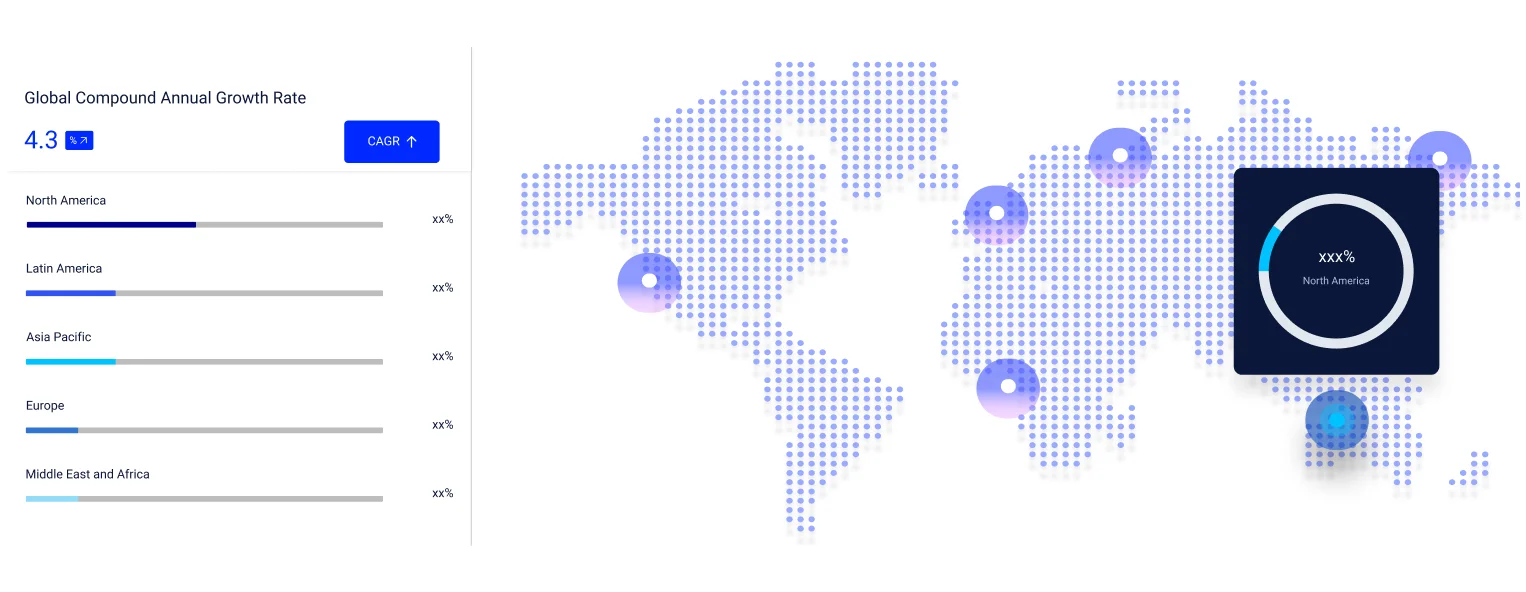
Middle East and Africa is the fastest-growing region as young, growing populations, rising incomes, and investment in local dairy farming lift demand for certified products. Gulf states also back dairy self-sufficiency, and African cities add demand. In May 2026, NADEC agreed to acquire the remaining 49% of Al Raie National Livestock for SAR 23.7 million. Europe and North America grow through Muslim communities and halal-certified exports, while Latin America expands from a smaller base through halal-certified supply to Gulf buyers.
|
CAGR 2026-2035 - Market by |
Region |
|
North America |
5.6% |
|
Europe |
5.5% |
|
Asia Pacific |
6.2% |
|
Latin America |
5.0% |
|
Middle East and Africa |
7.9% |
The global halal dairy products market is moderately fragmented, and halal dairy products market players compete on certification credibility, product range, price, and distribution reach, from regional dairy champions to global cooperatives. Companies like Almarai Company, Fonterra Co-operative Group Limited, FrieslandCampina N.V., and Arla Foods amba lead through large milk supply bases and retail relationships, while Nestlé S.A., Danone S.A., Lactalis Group, Saudia Dairy and Foodstuff Company, and Saputo Inc. strengthen positions through branded portfolios.z
Leading halal dairy products market companies are focusing on local production in Gulf and Southeast Asian markets, wider cheese and yogurt ranges, and stricter traceability to strengthen their competitive position. Increasing emphasis on certification credibility, cold chain reach, and e-commerce partnerships is also enabling companies to broaden portfolios, deepen customer loyalty, and support sustained long term market growth across several regions.
Almarai Company, headquartered in Riyadh, Saudi Arabia, was founded in 1977 and is listed on the Saudi Exchange. The food and beverage company makes dairy, juice, bakery, and poultry products, and supplies supermarkets, convenience stores, and foodservice customers across Gulf Cooperation Council countries, Egypt, and other markets.
Fonterra Co-operative Group Limited, headquartered in Auckland, New Zealand, was founded in 2001 and is owned by New Zealand dairy farmers. The cooperative collects and processes milk into dairy ingredients, foodservice products, and nutrition solutions, and sells to food manufacturers and foodservice customers across Asia, Gulf countries, and other regions.
FrieslandCampina N.V., headquartered in Amersfoort, the Netherlands, was formed in 2008 through the merger of Friesland Foods and Campina. The farmer-owned cooperative produces consumer dairy, infant nutrition, and dairy ingredients, and markets brands in Europe, Asia, Africa, and Gulf countries through retailers and food manufacturers.
Arla Foods amba, headquartered in Aarhus, Denmark, was founded in 2000 through the merger of MD Foods and Arla. The farmer-owned dairy cooperative makes milk, cheese, butter, and yogurt under brands such as Arla and Lurpak, and sells in more than 100 countries, including major Gulf markets.
Other key players in the market report include Nestlé S.A. (founded in 1866), Danone S.A. (founded in 1919), Lactalis Group (founded in 1933), Saudia Dairy and Foodstuff Company (founded in 1976), and Saputo Inc. (founded in 1954), among others.
*Please note that this is only a partial list; the complete list of key players is available in the full report. Additionally, the list of key players can be customized to better suit your needs.*
Explore the latest trends shaping the halal dairy products market 2026-2035 with our in-depth report. Gain strategic insights, future forecasts, and key market developments that can help you stay competitive. Download a free sample report or contact our team for customized consultation on the market trends 2026.


Upto 15% Off
USD
$2499 $2249
$3999 $3599
$4999 $4249
$5999 $5099


*While we strive to always give you current and accurate information, the numbers depicted on the website are indicative and may differ from the actual numbers in the main report. At Expert Market Research, we aim to bring you the latest insights and trends in the market. Using our analyses and forecasts, stakeholders can understand the market dynamics, navigate challenges, and capitalize on opportunities to make data-driven strategic decisions.*
In 2025, the halal dairy products market reached an approximate value of USD 48.50 Billion.
The market is projected to grow at a CAGR of 6.40% between 2026 and 2035.
The key players in the market include Almarai Company, Fonterra Co-operative Group Limited, FrieslandCampina N.V., Arla Foods amba, Nestlé S.A., Danone S.A., Lactalis Group, Saudia Dairy and Foodstuff Company, and Saputo Inc., among others.
Leading companies are pursuing local production, stronger certification credentials, broader product portfolios, and online retail partnerships to deepen reach.
Key challenges include fragmented certification rules, cold chain gaps, higher compliance costs, limited milk supply in several regions, and price sensitivity among buyers.
Explore our key highlights of the report and gain a concise overview of key findings, trends, and actionable insights that will empower your strategic decisions.
|
Report Features |
Details |
|
Base Year |
2025 |
|
Historical Period |
2019-2025 |
|
Forecast Period |
2026-2035 |
|
Scope of the Report |
Historical and Forecast Trends, Industry Drivers and Constraints, Historical and Forecast Market Analysis by Segment:
|
|
Breakup by Product Type |
|
|
Breakup by Source |
|
|
Breakup by Distribution Channel |
|
|
Breakup by Region |
|
|
Market Dynamics |
|
|
Competitive Landscape |
|
|
Companies Covered |
|
Datasheet
One User
USD 2,499
USD 2,249
tax inclusive*
Single User License
One User
USD 3,999
USD 3,599
tax inclusive*
Five User License
Five User
USD 4,999
USD 4,249
tax inclusive*
Corporate License
Unlimited Users
USD 5,999
USD 5,099
tax inclusive*
*Please note that the prices mentioned below are starting prices for each bundle type. Kindly contact our team for further details.*
Flash Bundle
Small Business Bundle
Growth Bundle
Enterprise Bundle
*Please note that the prices mentioned below are starting prices for each bundle type. Kindly contact our team for further details.*
Flash Bundle
Number of Reports: 3
20%
tax inclusive*
Small Business Bundle
Number of Reports: 5
25%
tax inclusive*
Growth Bundle
Number of Reports: 8
30%
tax inclusive*
Enterprise Bundle
Number of Reports: 10
35%
tax inclusive*
How To Order

Select License Type
Choose the right license for your needs and access rights.

Click on ‘Buy Now’
Add the report to your cart with one click and proceed to register.

Select Mode of Payment
Choose a payment option for a secure checkout. You will be redirected accordingly.
Strategic Solutions for Informed Decision-Making
Gain insights to stay ahead and seize opportunities.

Get insights & trends for a competitive edge.

Track prices with detailed trend reports.

Analyse trade data for supply chain insights.

Leverage cost reports for smart savings

Enhance supply chain with partnerships.

Connect For More Information
Our expert team of analysts will offer full support and resolve any queries regarding the report, before and after the purchase.
Our expert team of analysts will offer full support and resolve any queries regarding the report, before and after the purchase.
We employ meticulous research methods, blending advanced analytics and expert insights to deliver accurate, actionable industry intelligence, staying ahead of competitors.
Our skilled analysts offer unparalleled competitive advantage with detailed insights on current and emerging markets, ensuring your strategic edge.
We offer an in-depth yet simplified presentation of industry insights and analysis to meet your specific requirements effectively.




