

Consumer Insights
Uncover trends and behaviors shaping consumer choices today
Procurement Insights
Optimize your sourcing strategy with key market data
Industry Stats
Stay ahead with the latest trends and market analysis.
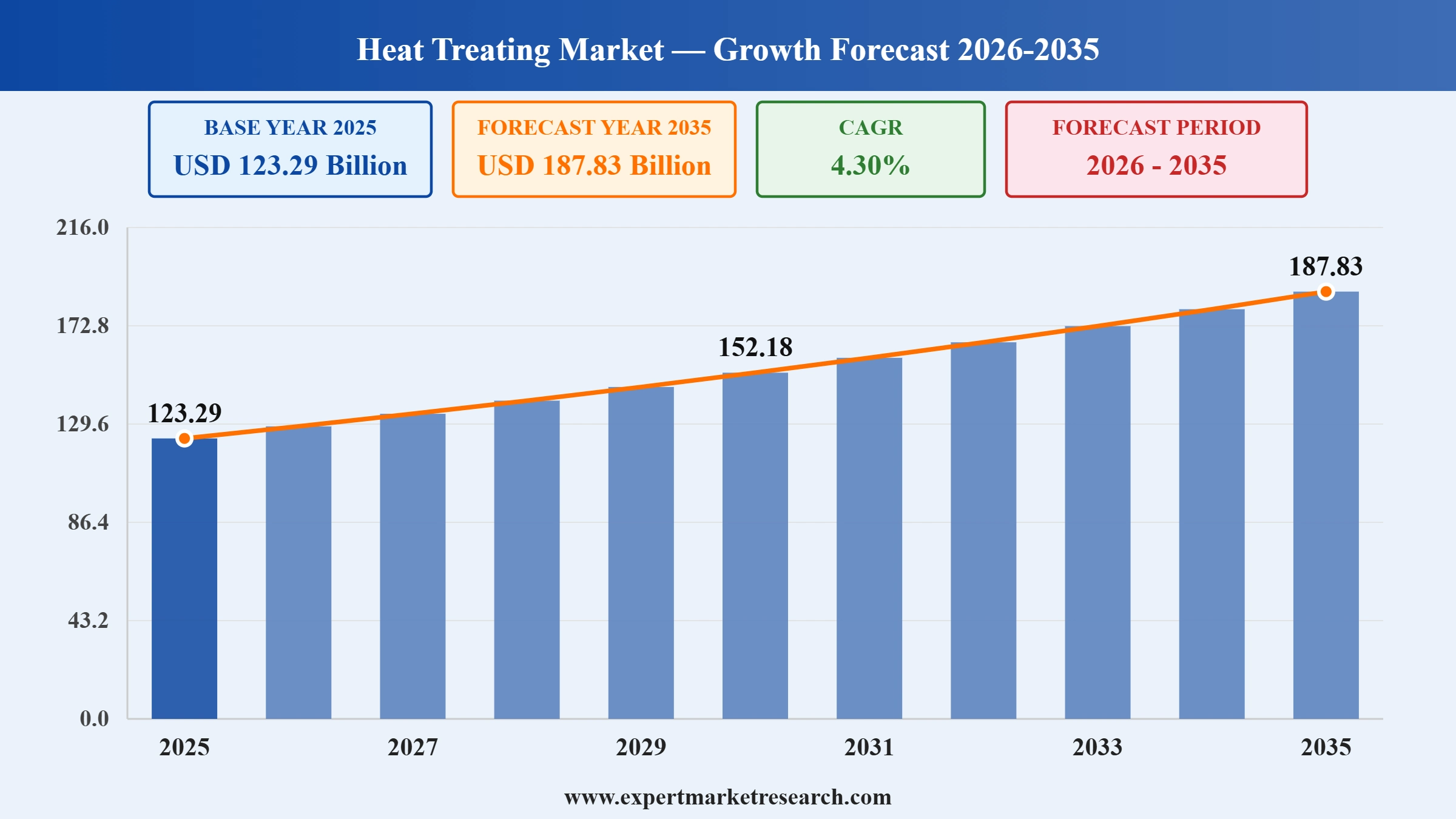
The global heat treating market attained a value of USD 123.29 Billion in 2025 and is projected to expand at a CAGR of 4.30% through 2035. The market is further expected to achieve USD 187.83 Billion by 2035. Increased adoption of low-pressure carburization and high-pressure gas quenching processes is motivating companies to opt for atmosphere process alternatives, which offer superior surface quality, lower distortion, and automation for high-volume production.
Electric vehicle production is leading to the growing need for heat treatment of various components including gears, bearings, shafts, and light weight drive train components. As per the heat treating market analysis, global production of electric vehicles increased to about 22 million units in 2025, an increase of more than 25% compared to the previous year. Additive manufacturing is another important driving factor, as producers in the aerospace industry are increasingly demanding vacuum stress relief and HIP processes to enhance density and mechanical uniformity in metallic components.
Companies are currently integrating thermal treatment technology with metallurgy. Bodycote is stretching the boundaries of traditional furnace capabilities for heat treatments. In July 2026, Bodycote invested over EUR 20 million to increase capacity for HIP and powder metallurgy at its Magny-Cours plant in France. It added HIP systems with large cavities. Companies are highlighting that the demand for aerospace and defense is increasing double digits annually, which has made it essential for suppliers to be able to process materials in larger volumes.
Providers in the heat treating market are focusing on the precision of the process and localizing production facilities. In July 2026, SECO/WARWICK launched a new high efficiency horizontal vacuum furnace for Godrej Aerospace in India. The furnace is designed for brazing and heat treatment of nickel, titanium, and stainless-steel alloys up to 1300°C. It includes the combination of 10⁻⁵ millibars of vacuum, almost 2-bar argon quench, Class 2 temperature uniformity, as well as AMS2750 and AMS2769 certification.
Read more about this report - REQUEST FREE SAMPLE COPY IN PDF
| Global Heat Treating Market Report Summary | Description | Value |
| Base Year | USD Billion | 2025 |
| Historical Period | USD Billion | 2019-2025 |
| Forecast Period | USD Billion | 2026-2035 |
| Market Size 2025 | USD Billion | 123.29 |
| Market Size 2035 | USD Billion | 187.83 |
| CAGR 2019-2025 | Percentage | XX% |
| CAGR 2026-2035 | Percentage | 4.30% |
| CAGR 2026-2035- Market by Region | Asia Pacific | 4.8% |
| CAGR 2026-2035 - Market by Country | India | 4.9% |
| CAGR 2026-2035 - Market by Country | China | 4.7% |
| CAGR 2026-2035 - Market by By Material | Steel | 5.0% |
| CAGR 2026-2035 - Market by By Process | Case Hardening | 5.2% |
| Market Share by Country 2025 | Brazil | 2.7% |
ZIFS researched heat treatment technology through quantum computing methods, outlining possible ways to achieve better thermal management and enhance the efficiency of metals' processing. Other corporations in the heat treating market can also make use of advanced process control technologies to ensure higher precision and energy efficiency.
GMG introduced G FLUID, an innovative water coolant additive based on graphene, which is supposed to increase heat transfer capacity and inhibit the growth of microorganisms in industry-cooling processes. Corporations may create novel thermal management materials to decrease energy consumption.
SECO/WARWICK supplied a vacuum furnace to Kalírna Desire, supporting its new commercial heat-treatment facility with local vacuum hardening capabilities. Companies can establish localized heat-treatment services using flexible vacuum technologies to reduce lead times and address underserved regional demand.
A 12-foot vacuum furnace was commissioned by Solar Atmospheres. It helped to increase capacity for processing of titanium HDH and other heat treatments that require precise control of thermal processes. Other firms may increase their capacity for material processing by installing high-capacity vacuum furnaces, boosting growth in the heat treating market.
Vacuum heat treatment is becoming increasingly common as the current trend in industry is the demand for clean surfaces, tight distortion controls, and metallurgical repeatability. A vector vacuum furnace equipped with 15-bar high-pressure gas quenching and optional low-pressure carburizing was provided by SECO/WARWICK to the United States aerospace bearing producers in May 2026. In addition, Bodycote is expanding vacuum carburizing in Poland with FineCarb technology to achieve more efficient processing and lower operating costs, widening the heat treating market scope. Meanwhile, the United States Department of Energy is prioritizing industrial heat efficiency and low-carbon thermal technologies, thus facilitating equipment design to reduce energy intensity. Therefore, suppliers seem to be moving away from atmosphere furnaces to integrated vacuum furnaces.
Additive manufacturing results in the emergence of unique demands in post-processing of metal parts, specifically controlling their residual stresses, porosity, and microstructure variations. According to NIST research of powder-bed-fused Inconel 718 conducted in May 2025, heat treatment between 1050°C and 1200°C influences carbonitride and secondary phase formation. To meet the growing requirements of additive manufacturing, Bodycote is extending its capabilities in Hot Isostatic Pressing, powder metallurgy, and additive manufacturing in the United States heat treating market. According to NIST, heat treatment and HIP are important post-processing processes for qualification of aerospace, defense, and medical additive-manufactured parts. In August 2026, Valiant Products expanded advanced metal additive manufacturing capabilities, enabling complex, lightweight, high-performance components for aerospace, energy, transportation, and medical applications.
The decarbonization trend in the heat treating market is compelling the furnace suppliers to develop furnaces based on alternative, less-polluting fuel sources, electrification, energy recovery, and more efficient thermal cycles. The United States Department of Energy's Industrial Heat Shot project focuses on industrial heating technologies, which should provide at least 85% reduction in greenhouse-gas emissions by 2035. The Department of Energy also allocated USD 25.3 million for 10 projects aimed at developing decarbonized industrial heat technologies. As a result, the equipment suppliers start developing hydrogen-fired furnaces, electrified furnaces, and less atmospheric heat treatments. For example, in March 2026, ERM, Secaro, and AstraZeneca launched the Clean Heat Program to help supply chains adopt low-carbon industrial heating solutions.
The aerospace and defense programs are investing in certified heat-treating capacity due to strict metallurgical requirements and high production needs. SECO/WARWICK is supplying advanced vacuum furnaces for aerospace bearings manufacturing, accelerating growth in the heat treating market. Similarly, in July 2026, Bodycote expanded Eastern United States aerospace and defense capacity through new vacuum heat treatment, HIP, and additive manufacturing capabilities. In India, the national aerospace programs focus on local manufacturing capabilities including fabrication and heat treating. The supplier requirements of ISRO specify the need for disclosing in-house or subcontracted heat treating and stress relieving capabilities.
Localization of heat treatment capabilities is emerging as an increasingly crucial factor for manufacturers in the heat treating market looking for quicker deliveries, less exposure to the supply chain and technical support. In October 2025, Shital Vacuum Treat ordered its third locally produced vacuum furnace catering to applications in the automotive, aerospace, tooling, and machinery industries. Godrej Aerospace is also opting for a high efficiency vacuum furnace for its brazing and heat treatment requirements.
The Expert Market Research's report titled “Heat Treating Market Report and Forecast 2026-2035” offers a detailed analysis of the market based on the following segments:
Market Breakup by Material
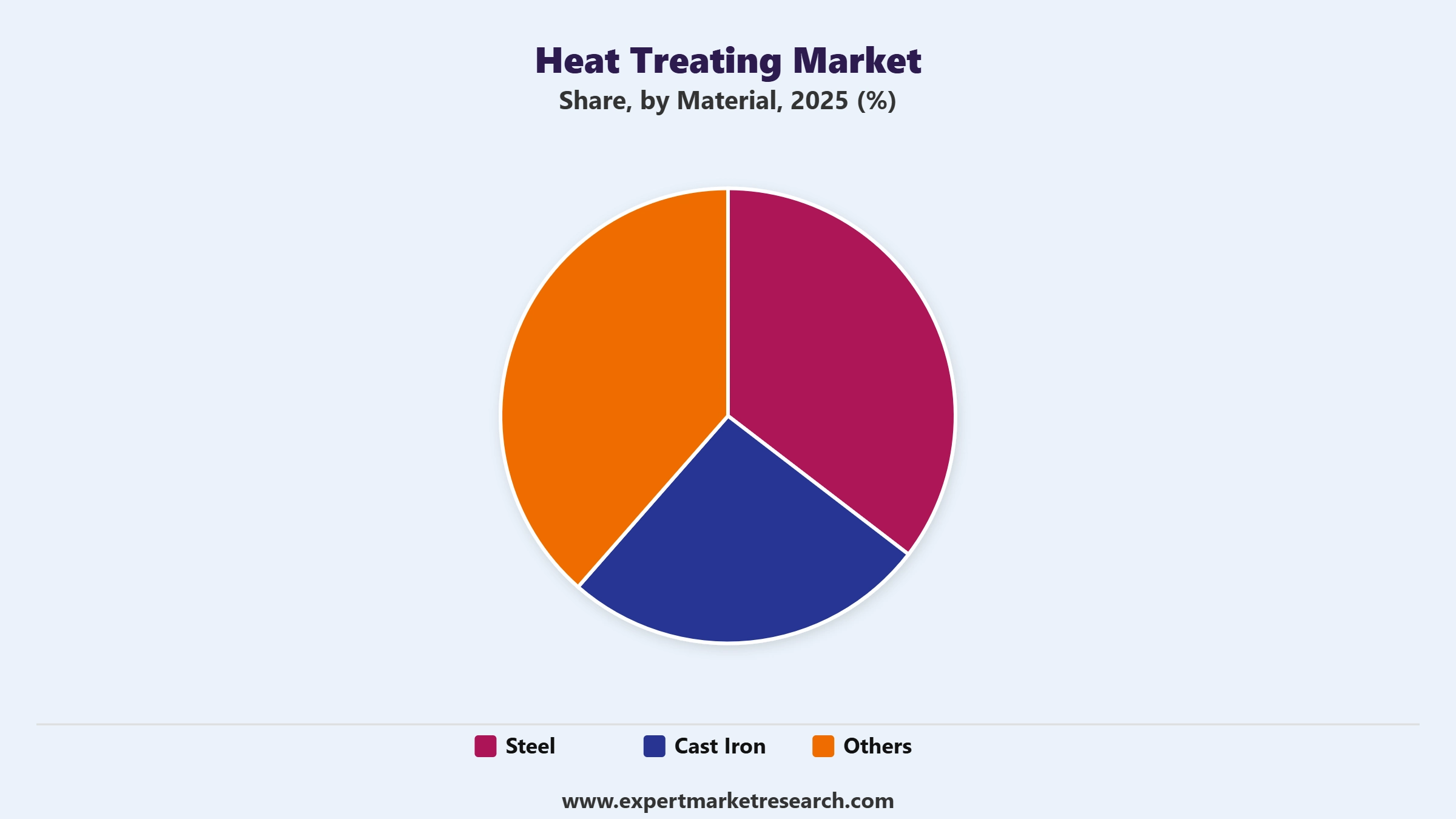
Key Insight: Steel is vital since steelmakers seek to maintain hardenability, fatigue strength, and known treatment sequences, boosting the heat treating market value. The use of cast iron is sustained by the use of engine blocks, braking system components, and mechanical components that need to be wear-resistant. Meanwhile, other materials are becoming popular where the aerospace, energy, medical, and additive manufacturing industries demand treatment of aluminum, titanium, and nickel alloys. Consequently, processers segregate furnaces' atmospheres, cooling schedules, and thermal sequences based on how the material reacts to them while consumers value repeatability, distortion minimization, surface quality, and suitability for machining and assembling processes.
Market Breakup by Process
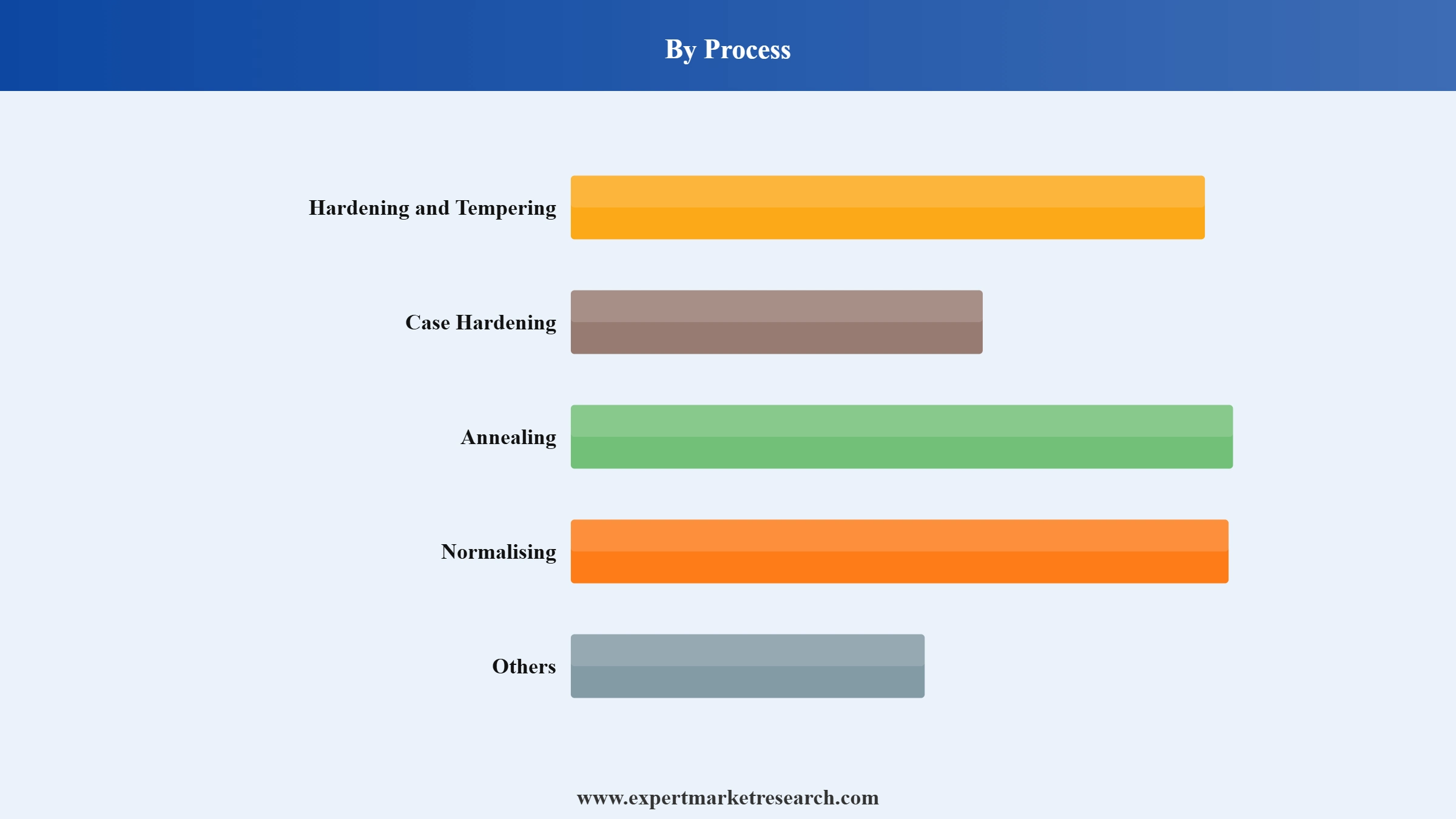
Key Insight: As per the heat treating market report, hardening and tempering continue to be indispensable when the required attribute is a balance between strength and toughness on shafts, tools, bearing and machine parts. Case hardening is becoming more popular when the required part needs surfaces that are hard and wear resistant with tougher inner parts. Annealing provides machinability, relieves stress, and prepares the metal for forming or machining. In September 2025, YES received multiple VertaCure G3 system orders from Asia’s leading foundry, expanding advanced semiconductor manufacturing and thermal processing capabilities. Normalizing improves grain structure and mechanical uniformity in ferrous metals.
Market Breakup by Equipment
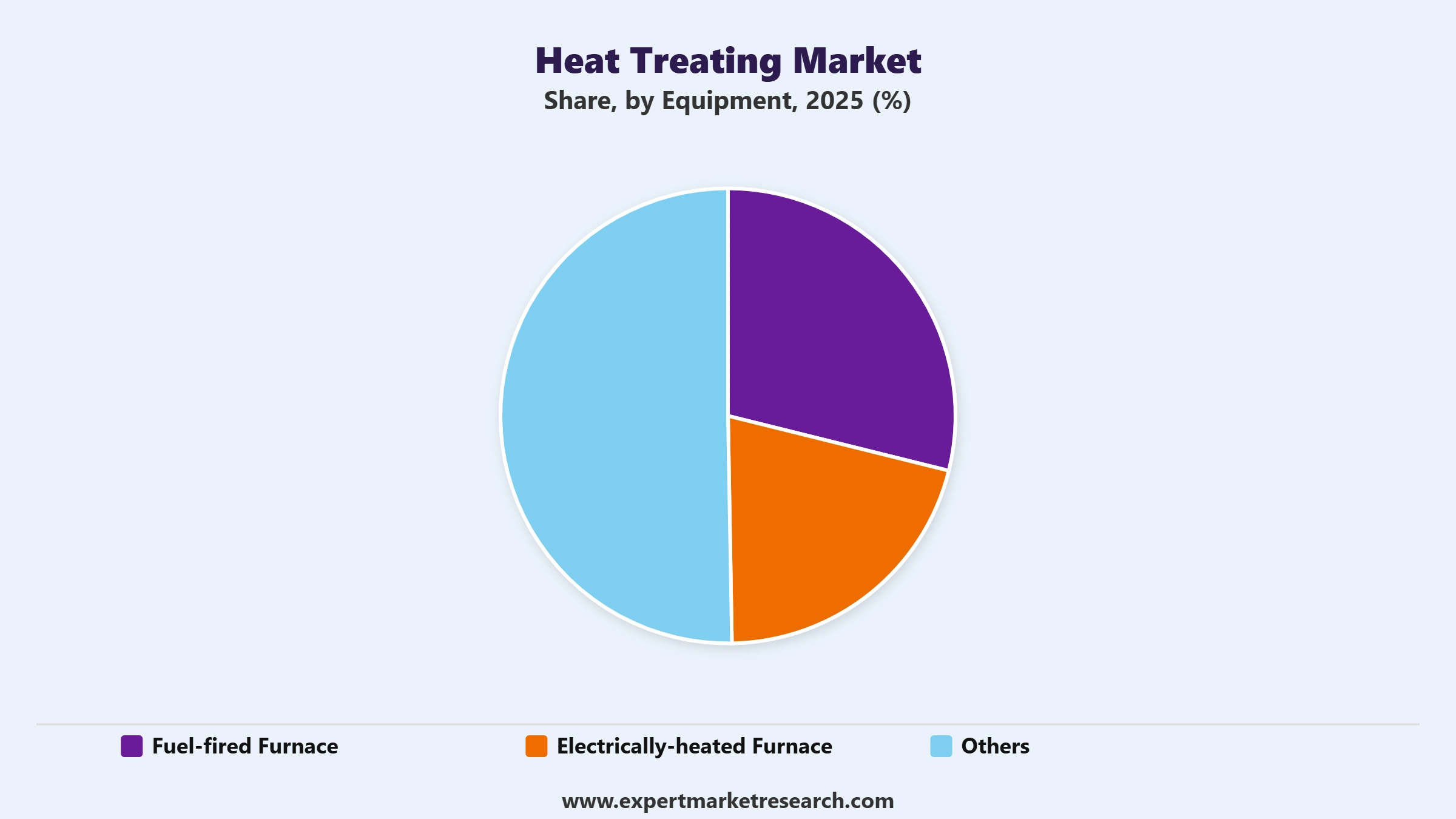
Key Insight: Equipment choices are guided by production scale, energy strategy, atmospheric considerations, and accuracy of the process. Fuel-based furnaces hold relevance across the heat treating market scope for large-scale operations involving significant heat output, whereas electric furnaces are gaining popularity when cleanliness of the process and accuracy of temperature control become critical. Other pieces of equipment, such as vacuum, induction, salt bath, and specially designed continuous furnaces, are used in processes requiring fast heating, atmosphere control, or specific areas of processing. Manufacturers tend to evaluate various systems according to automation levels, quenching ability, heat recovery capabilities, maintainability, and traceability.
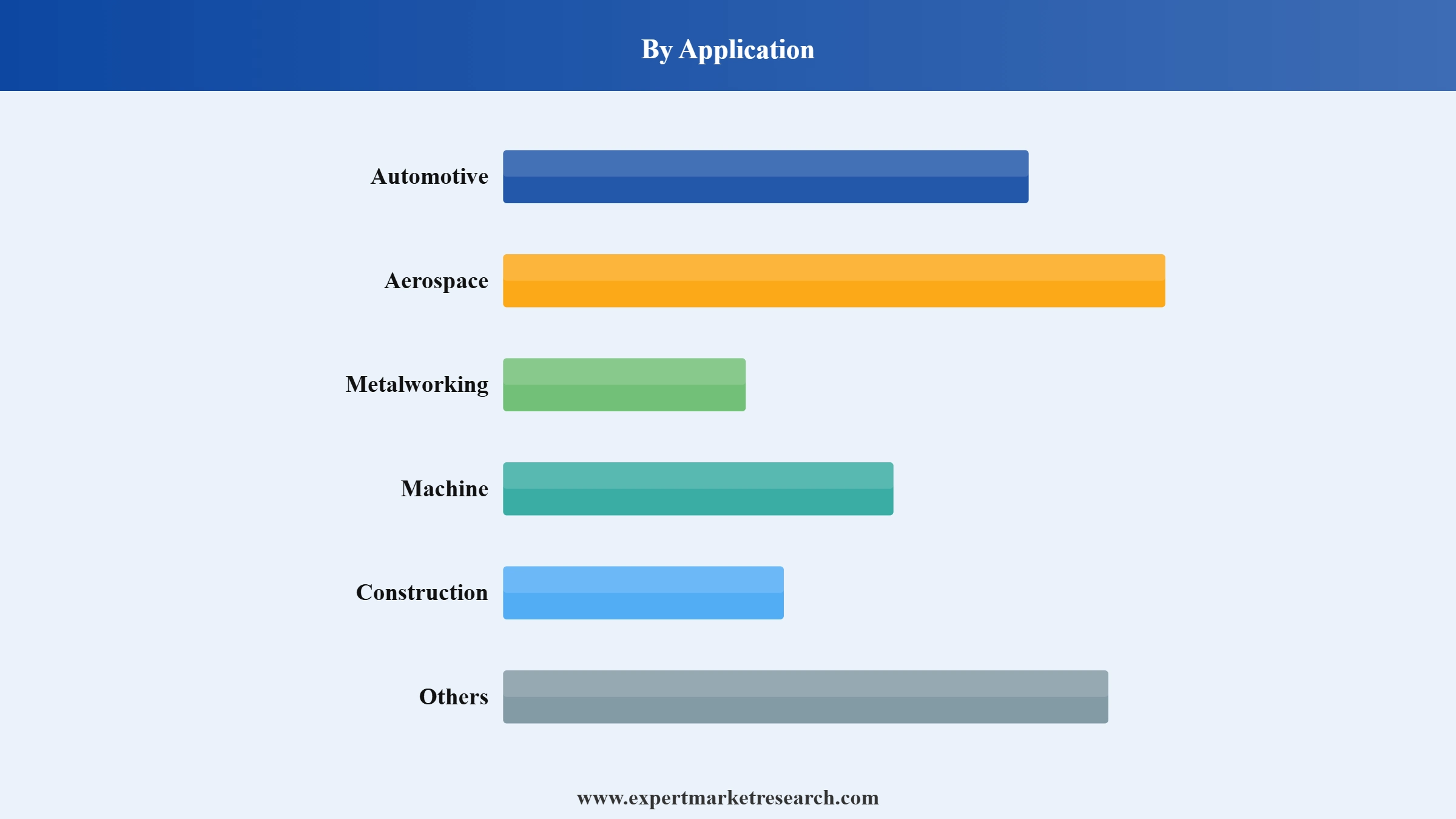
Market Breakup by Application
Key Insight: Demand dynamics in the heat treating market are determined by industries that need components to be resistant to fatigue and deformation. The automotive industry needs components such as gears, shafts, bearings, transmissions, and electrified powertrain components to be processed. The aerospace industry utilizes the processing of titanium, superalloys, and additive-manufactured components. In May 2025, Phoenix Heat Treating added a third Pratt & Whitney-certified representative, strengthening aerospace material control, in-house certification, and processing capacity. The metalworking industry needs processing of tooling, dies, and formed components, whereas machine manufacturing needs processing across precision components. The construction industry utilizes processed fasteners, machine components, and wear components.
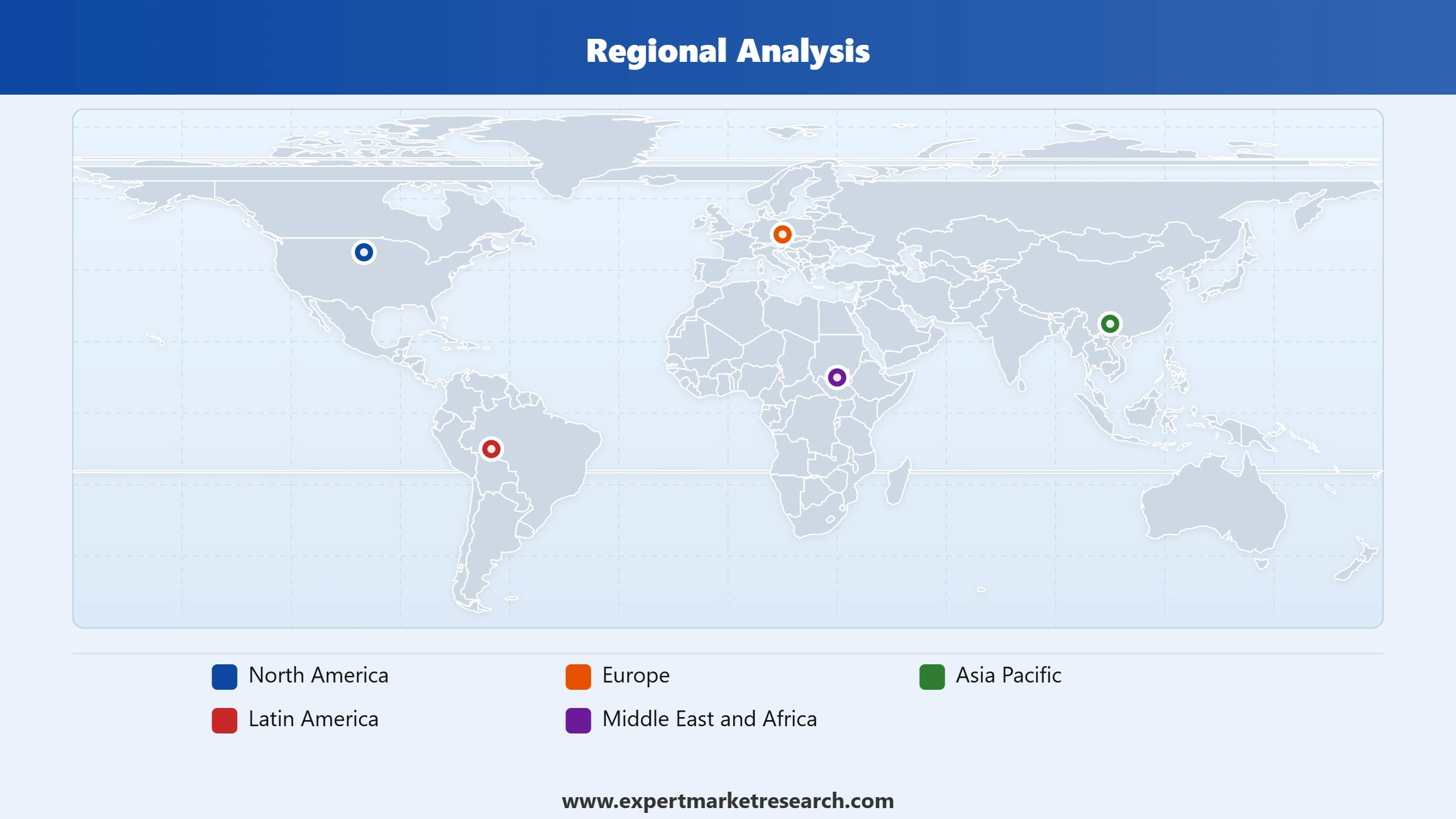
Market Breakup by Region
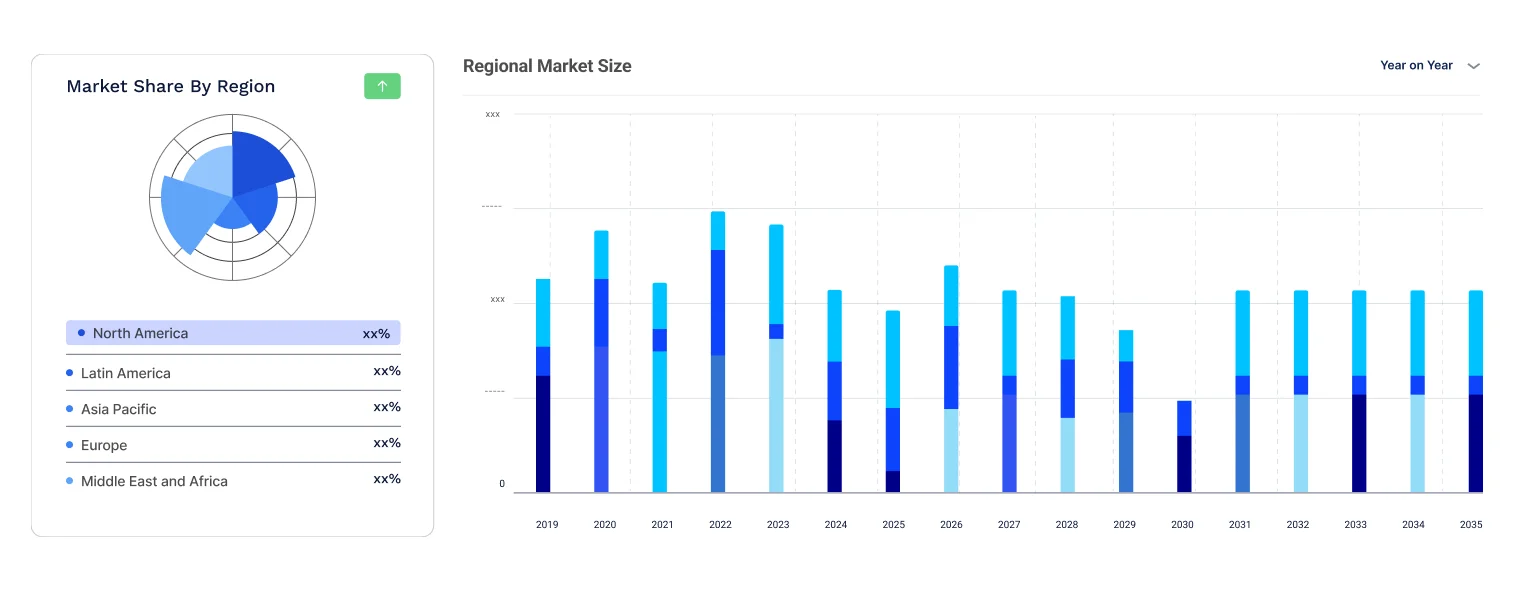
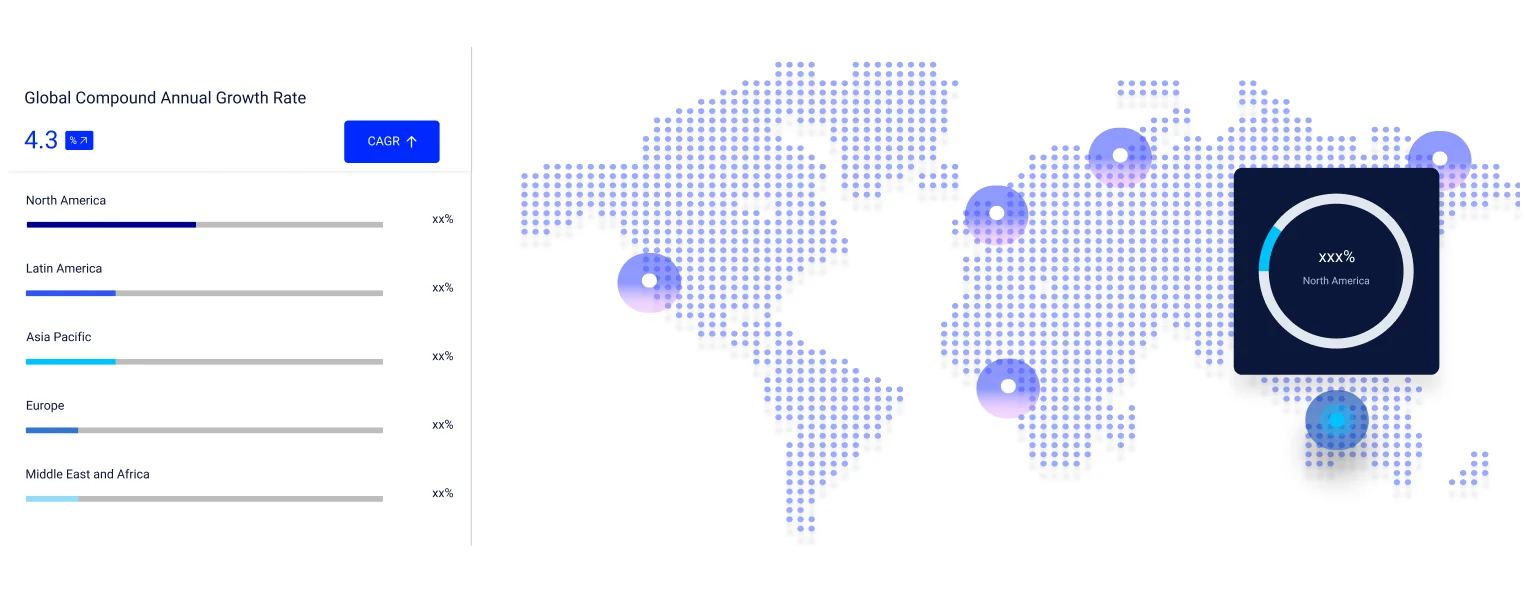
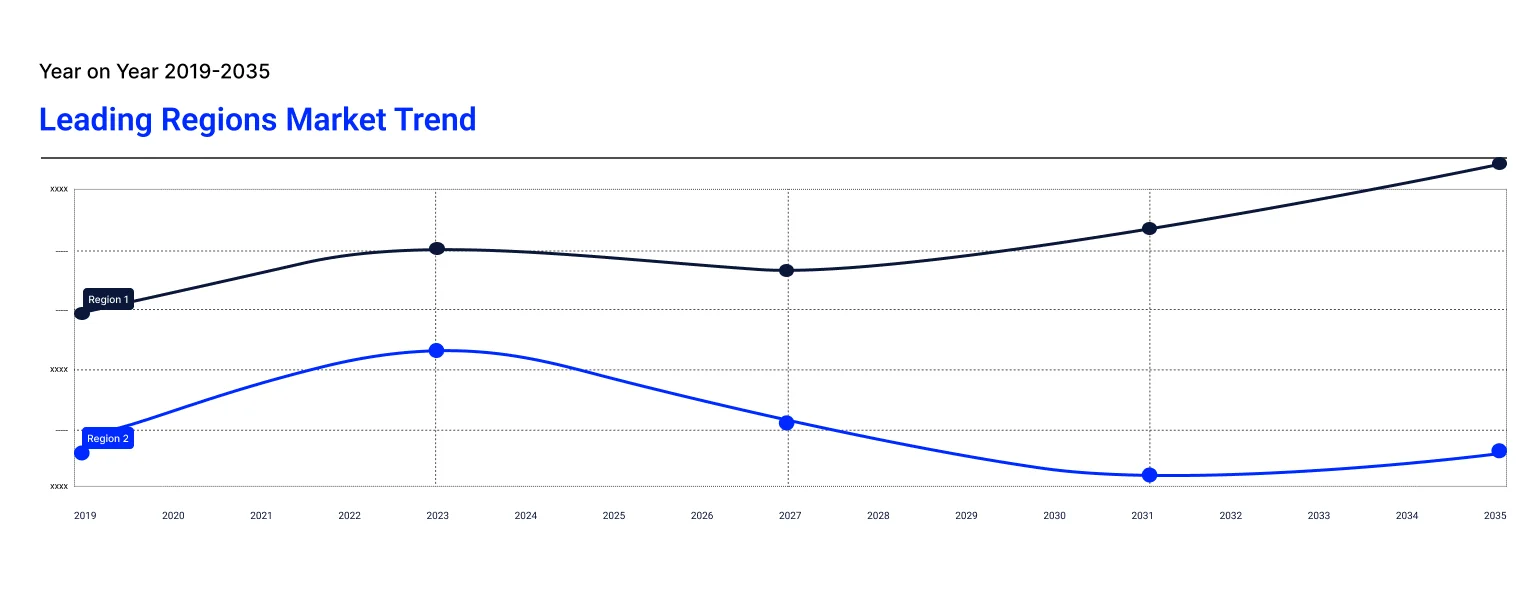
Key Insight: The regional demand for heat treatment services is driven by concentration, industrial policy, component complexity, and the availability of competent processing facilities. Asia Pacific observes the highest growth in the heat treating market, owing to its extensive automotive, machinery, electronic and metalworking manufacturing, including furnaces and services. In North America, the industry benefits from aerospace and defense manufacturing, automotive reshoring, and advanced manufacturing operations. Europe, on the other hand, focuses on energy efficiency, precision engineering, and processing. The region that is supported by automotive, mining equipment and industrial manufacturing is Latin America, while the region whose demand is associated with energy equipment, construction and projects is Middle East and Africa.
Read more about this report - REQUEST FREE SAMPLE COPY IN PDF
Steel dominates the overall material demand in the market due to broad use and durability
Steel continues to dominate the heat treating market as gears, shafts, bearings, dies, fasteners, and machine components need controlled hardness, fatigue strength, and dimensional stability. Heat treating companies tailor-make the cycles for steel based on the alloy type, section size, quenching needs, and post-heating requirements. Demand is driven by applications in automotive drivelines, machinery, tooling, energy equipment, and heavy engineering. Existing steel grades, heat treating practices that have been standardized, and wide furnace compatibility help in mass production with metallurgical uniformity in large volume component manufacturing programs. In July 2026, Kalírna Desire launched a commercial vacuum hardening operation, expanding local processing capacity, improving flexibility, and shortening manufacturers’ lead times.
Read more about this report - REQUEST FREE SAMPLE COPY IN PDF
Materials from the others category in the heat treating market are growing at an exponential rate as companies process nickel alloys, titanium, aluminum, and advanced materials used in aerospace, energy, medical applications, and additively manufactured components. Materials such as these require controlled heating, cooling, aging, stress relieving, or HIP cycles as they behave differently from steel during the heat treatment process. Thus, companies are focusing on special vacuum, inert atmosphere, and high-pressure furnaces. The growth is fueled by lightweight design concepts and materials where apart from using conventional materials, alloys are being developed for high performance and lightweight.
Hardening and tempering processes account for the dominant share of the market due to widespread strength requirements
Hardening and tempering processes remain the most popular method as it offers a combination of properties such as strength, toughness, wear resistance, and fatigue performance in industrial components. Gears, shafts, bearings, tools, fasteners, and machine parts need the treatment to obtain desired mechanical characteristics, stimulating new opportunities in the heat treating market. The optimal heating rates, soaking time, quenching severity, and tempering regime are selected depending on the geometry of the product and chemical composition of the alloy. In May 2025, Nitrex showcased advanced heat-treating technologies, highlighting innovations in furnace systems, process optimization, and sustainable thermal treatment for manufacturers.
Read more about this report - REQUEST FREE SAMPLE COPY IN PDF
Case hardening is becoming the most rapidly developing method since the heat treating market observes a growing necessity to make wear resistant surfaces with ductile core of the component. Low pressure carburizing, carbonitriding and controlled quenching are performed for gears, shafts, bearings, and transmission parts that need high dimensional tolerance. The popularity of the process grows where manufacturers want to minimize finishing allowances, distortion, and machining operations. Heat treatment companies offer programmable atmosphere, gas quenching, loading and recipe control in order to improve repeatability.
Fuel-fired furnaces capture a substantial share of the market due to scale and throughput
Fuel fired furnaces retain their share in the heat treating market owing to their ability to meet the demands of higher throughput, batching, and other requirements for manufacturing processes. Fuel-fired furnaces continue to be popular for applications such as hardening, tempering, annealing, normalizing, and others which require effective handling of large thermal loads in an economical manner. They gain an advantage through the availability of combustion infrastructure, maintenance, and furnace designs. Heat treatment facilities improve their efficiency through improvements in burner efficiency, atmosphere control, heat recovery, and temperature uniformity, thereby reducing their losses. In January 2026, Toyota Industries and Daigas Group successfully demonstrated ammonia-fueled metal heat treatment, achieving mass-production-quality results while advancing industrial decarbonization
Read more about this report - REQUEST FREE SAMPLE COPY IN PDF
The electrically heated furnaces are the fastest growing equipment segments as facilities seek temperature control, cleaner operation, and integration into manufacturing lines, accelerating the heat treating market expansion. The electric heaters can provide the required heating profile for vacuum, inert atmosphere, annealing, aging, brazing, and alloy treatment applications. Electric furnace controllers allow operators to manage the recipes, monitoring, alarms, and process traceability. With manufacturers evaluating electrification along with electricity procurement, the electrically heated furnaces are becoming more desirable for facilities looking to minimize their emission and contamination risks.
Automotive applications register notable demand in the market due to extensive drivetrain and component treatment
Automotive continues to dominate among application segments since there are needs for heat treatment of gears, shafts, bearings, transmissions, engines, fasteners, and systems. Heat treatment determines the surface hardness, fatigue life, dimensional stability, and wear resistance under loads. Electric drive trains and hybrids develop needs for heat treatments on gears, rotors, bearings, and lightweight components, accelerating growth in the heat treating market. In August 2026, DELO advanced super-low-temperature curing adhesives, enabling faster production, reduced thermal stress, lower energy consumption, and reliable bonding of sensitive components.
Read more about this report - REQUEST FREE SAMPLE COPY IN PDF
Aerospace continues to be the fastest growing application segment boosting the heat treating market revenue due to the needs of aerospace and propulsion manufacturers for heat treatment on nickel alloys, titanium, aluminum, steel, and components. Processors will have to meet needs in microstructure, fatigue strength, dimensional stability, cleanliness, and traceability, thus leading to the adoption of vacuum heat treatment, HIP, solution treatment, aging, and stress relief processes. The growth of aircraft manufacture and defense platforms is encouraging suppliers to build capacity in manufacturing clusters.
Asia Pacific clocks in the largest share of the market due to manufacturing scale capacity
Asia Pacific remains the leading heat treating market since it involves car production and machinery, electronics, construction equipment, and metalworking production. Demand for carburizing, hardening, annealing, vacuum treatment, and continuous furnaces is created in China, Japan, South Korea, India, and other Southeast Asian countries. Local manufacturers increase their heat-treatment capacity as a means of lowering outsourcing, production time, and working with complicated components. In July 2026, SECO/WARWICK secured a contract to supply a high-performance Vector vacuum furnace for precision gas turbine component heat treatment in Japan.
Read more about this report - REQUEST FREE SAMPLE COPY IN PDF
North America represents the fastest growing regional heat treating market since aerospace, defense, automotive and other manufacturers develop domestic production and heat treatment. There is an increase in demand for heat treatment due to certified processing of components through reshoring projects. Aerospace suppliers are particularly interested in vacuum treatment, HIP, and additive-manufacturing capability, while automotive suppliers require a controlled treatment of electrified powertrain components and precision gears. Heat-treatment companies react to such tendencies by supplying automated furnaces, high-pressure gas quenching, digital traceability, and metallurgical services.
Heat treating is a highly fragmented industry in which competition is defined around cutting-edge thermal treatment, state-of-the-art machinery, application engineering, and geographic reach. Leading heat treating market players including Bodycote, Ipsen, SECO/WARWICK, Aalberts, Nitrex, and ALD Vacuum Technologies are leveraging vacuum processing, low pressure carburizing, HIP, automation, and digitally-controlled furnaces. Firms are increasingly focusing on applications in aerospace and defense, electric vehicles, and alloy systems, where stringent metallurgy requirements open up avenues for premium value-added services.
Heat treating companies can stand out through their energy-efficient heat sources, high-pressure gas quench, predictive maintenance, and process monitoring, whereas commercial heat treaters can meet demand through expansion of certified capacities closer to manufacturing concentrations. Localization is another area of opportunity as customers look to reduce lead times and build resilient supply chains. Companies with furnace technology, metallurgy expertise, digital traceability, aftermarket services, and certified processing facilities are well-positioned to build stronger customer relationships and defend margins.
Bluewater Thermal Solutions LLC is a business that was founded in 2001 and has its headquarters in Greenville, South Carolina United States. Bluewater Thermal Solutions LLC has several locations within North America that specialize in heat-treating, brazing, boronizing, powder metal, and special processes. Powder metal parts and boronizing services provided by this firm can help manufacturers make components more resistant to wear and improve their performance in automotive, aerospace, oil and gas, and heavy-equipment industries.
American Metal Treating Inc. is a business that was established in 1976 and has its headquarters in High Point, North Carolina, United States. American Metal Treating Inc. is a provider of metallurgical processing services for aerospace, military, nuclear, automotive, and commercial manufacturing companies. American Metal Treating Inc. uses vacuum processing that includes 5-bar and 6-bar equipment with fast quenching for components that require precise dimensions.
East-Lind Heat Treat Inc. was formed in 1976 and is based in Michigan, United States. It is a heat-treatment facility that offers solutions to automotive, aerospace, military, gear, machining, stamping, and fabrication companies. It operates round the clock, has pick-up and delivery services, straightening facilities, and also offers metallurgy consultation to its clients who require quick turnaround and specification-oriented operations.
Unitherm Engineers Limited was set up in 1993 and is headquartered in Parel, Mumbai, India. It is a commercial heat treatment company offering services like carburizing, carbonitriding, gas nitriding, nitrocarburizing, hardening, tempering, and steaming. Its plants located at Pune, Bengaluru, Bhiwadi, and Chennai are close to automotive and components clusters.
*Please note that this is only a partial list; the complete list of key players is available in the full report. Additionally, the list of key players can be customized to better suit your needs.*
Unlock the latest insights with our heat treating market trends 2026 report. Discover regional growth patterns, consumer preferences, and key industry players. Stay ahead of competition with trusted data and expert analysis. Download your free sample report today and drive informed decisions in the market.


Upto 15% Off
USD
$2499 $2249
$3999 $3599
$4999 $4249
$5999 $5099


*While we strive to always give you current and accurate information, the numbers depicted on the website are indicative and may differ from the actual numbers in the main report. At Expert Market Research, we aim to bring you the latest insights and trends in the market. Using our analyses and forecasts, stakeholders can understand the market dynamics, navigate challenges, and capitalize on opportunities to make data-driven strategic decisions.*
In 2025, the global heat treating market attained a value of nearly USD 123.29 Billion.
The market is estimated to grow at a CAGR of 4.30% between 2026 and 2035.
The market is estimated to witness a healthy growth in the forecast period of 2026-2035 to reach USD 187.83 Billion by 2035.
The major regions in the market are North America, Latin America, the Middle East and Africa, Europe, and the Asia Pacific.
Stakeholders are expanding vacuum and HIP capacity, adopting automated monitoring, improving energy efficiency, developing certified aerospace capabilities, localizing facilities, and integrating digital traceability across heat-treatment operations.
The key trends guiding the market growth include technological advancements in the automotive and aerospace sectors, the robust growth of the metalworking sector, and the growing use of hardened steel in diverse applications.
Steel and cast iron, among others, are the different materials considered within the market report.
The major segments based on process of heat treating considered in the market report are hardening and tempering, case hardening, annealing, and normalising, among others.
The various equipment included in the market report are fuel-fired furnace and electrically-heated furnace, among others.
Automotive, aerospace, metalworking, machine, and construction, among others, are the significant applications of heat treating.
The major players in the market are Bluewater Thermal Solutions LLC, American Metal Treating Inc., East-Lind Heat Treat Inc., and Unitherm Engineers Limited, among others.
Companies are facing high energy costs, stringent emission requirements, skilled-labor shortages, equipment modernization costs, tight quality certifications, process variability, distortion control, and pressure to deliver faster turnaround without increasing operational expenses.
Explore our key highlights of the report and gain a concise overview of key findings, trends, and actionable insights that will empower your strategic decisions.
| REPORT FEATURES | DETAILS |
| Base Year | 2025 |
| Historical Period | 2019-2025 |
| Forecast Period | 2026-2035 |
| Scope of the Report |
Historical and Forecast Trends, Industry Drivers and Constraints, Historical and Forecast Market Analysis by Segment:
|
| Breakup by Material |
|
| Breakup by Process |
|
| Breakup by Equipment |
|
| Breakup by Application |
|
| Breakup by Region |
|
| Market Dynamics |
|
| Competitive Landscape |
|
| Companies Covered |
|
| Report Price and Purchase Option | Explore our purchase options that are best suited to your resources and industry needs. |
| Delivery Format | Delivered as an attached PDF and Excel through email, with an option of receiving an editable PPT, according to the purchase option. |
Datasheet
One User
USD 2,499
USD 2,249
tax inclusive*
Single User License
One User
USD 3,999
USD 3,599
tax inclusive*
Five User License
Five User
USD 4,999
USD 4,249
tax inclusive*
Corporate License
Unlimited Users
USD 5,999
USD 5,099
tax inclusive*
*Please note that the prices mentioned below are starting prices for each bundle type. Kindly contact our team for further details.*
Flash Bundle
Small Business Bundle
Growth Bundle
Enterprise Bundle
*Please note that the prices mentioned below are starting prices for each bundle type. Kindly contact our team for further details.*
Flash Bundle
Number of Reports: 3
20%
tax inclusive*
Small Business Bundle
Number of Reports: 5
25%
tax inclusive*
Growth Bundle
Number of Reports: 8
30%
tax inclusive*
Enterprise Bundle
Number of Reports: 10
35%
tax inclusive*
How To Order

Select License Type
Choose the right license for your needs and access rights.

Click on ‘Buy Now’
Add the report to your cart with one click and proceed to register.

Select Mode of Payment
Choose a payment option for a secure checkout. You will be redirected accordingly.
Strategic Solutions for Informed Decision-Making
Gain insights to stay ahead and seize opportunities.

Get insights & trends for a competitive edge.

Track prices with detailed trend reports.

Analyse trade data for supply chain insights.

Leverage cost reports for smart savings

Enhance supply chain with partnerships.

Connect For More Information
Our expert team of analysts will offer full support and resolve any queries regarding the report, before and after the purchase.
Our expert team of analysts will offer full support and resolve any queries regarding the report, before and after the purchase.
We employ meticulous research methods, blending advanced analytics and expert insights to deliver accurate, actionable industry intelligence, staying ahead of competitors.
Our skilled analysts offer unparalleled competitive advantage with detailed insights on current and emerging markets, ensuring your strategic edge.
We offer an in-depth yet simplified presentation of industry insights and analysis to meet your specific requirements effectively.




