

Consumer Insights
Uncover trends and behaviors shaping consumer choices today
Procurement Insights
Optimize your sourcing strategy with key market data
Industry Stats
Stay ahead with the latest trends and market analysis.
The India clinical microbiology market was valued at USD 199.71 Million in 2025 driven by the rising investment in improving healthcare R&D infrastructure across the region. The market is anticipated to grow at a CAGR of 5.70% during the forecast period of 2026-2035 to achieve a value of USD 347.66 Million by 2035. The market growth is driven by increasing prevalence of infectious diseases, diagnostic technique advancements, infection diagnosis awareness, and rising healthcare budget.
Compound Annual Growth Rate
5.7%
Value in USD Million
2026-2035
Clinical microbiology is used in the diagnosis, treatment, and management of infections by performing detection, characterization, and quantification of pathogens in the patient’s sample. The market is expanding due to a rise in infectious diseases and the requirement for timely diagnosis of illness. According to the World Population Prospects (WPP) 2024 report by UNDESA, India's youth population (ages 15–24) made up a significant portion of the country's demographic profile between 2000 and 2020 and is projected to remain substantial beyond 2020. However, as the demographic transition advances, this age group’s share is expected to gradually decline, while the proportion of the elderly population (65 years and above) steadily increases. The market growth is also impacted by the rising incidence of an aging population across the region. It is expected to grow at a CAGR of 5.70% during the forecast period of 2026-2035.
Rising Prevalence of Respiratory Diseases Poised to Propel the Market Growth
The increasing prevalence of respiratory diseases is projected to significantly drive market growth. According to the latest Global Burden of Disease Report, India bears one of the heaviest burdens of chronic respiratory diseases worldwide. While the country accounts for 15.69% of global chronic respiratory disease cases, it is responsible for a disproportionate 30.28% of all related global deaths. India has the highest number of Chronic Obstructive Pulmonary Disease (COPD) cases globally, with an estimated 55.23 million people affected. It also records the second-highest number of COPD-related deaths worldwide, with nearly 850,000 fatalities. Additionally, India leads the world in asthma-related deaths, accounting for a staggering 43% of global asthma mortality. As respiratory diseases often involve infectious triggers or complications, such as bacterial or viral infections, the demand for rapid, accurate microbiological diagnostics is rising.
Increase in Healthcare Investments Resulting in Rapid Market Growth
The market is witnessing heavy investments by leading market players. For instance, in December 2024, Laurus Bio, a subsidiary of Laurus Labs Ltd., a Hyderabad-based biopharma venture, secured INR 120 crores of investment from Eight Roads Ventures and F-Prime Capital. The money will be used to expand microbial-fermentation capabilities that will generate faster development of new products, which will further improve the essential microbes required for a healthy human body.
Molbio Diagnostics reported continued expansion of its Truenat molecular diagnostics platform in September 2026, with more than 12,500 Truenat devices installed across over 90 countries as of March 2026. The company reported that Q1 FY27 growth was driven by higher Truenat test-kit consumption, while its pipeline included 34 additional assays covering 22 diseases. Molbio also announced plans to deploy proceeds from its August 2026 listing toward automation and a new R&D facility in Bengaluru. The development strengthens India’s capacity for decentralised molecular testing across infectious diseases and other diagnostic applications.
ICMR invited technology-transfer proposals in August 2026 covering diagnostic innovations including a CRISPR-Cas12a assay for detecting Burkholderia pseudomallei and a DNA-based HIV-2 diagnostic assay. ICMR also sought technology partners for a multiplex qPCR kit capable of identifying gastrointestinal parasites including Giardia lamblia and Entamoeba. These initiatives demonstrate the expansion of India’s clinical microbiology pipeline toward multiplex and molecular testing for pathogens that can be difficult to identify through conventional methods. The emphasis on technology transfer also supports movement of domestically developed diagnostic technologies from research institutions toward commercial and clinical deployment.
The Ministry of Health and Family Welfare reported in July 2026 that India had expanded its ICMR Viral Research and Diagnostic Laboratory network to 163 laboratories, comprising 11 regional, 27 state and 125 medical college laboratories. Four regional next-generation sequencing hubs were also established to strengthen genomic characterisation of pathogens and standardise diagnostic data generation. The expansion is increasing the country's distributed capacity for infectious disease detection, surveillance and outbreak response. For clinical microbiology laboratories, the development supports wider adoption of molecular testing, genomic surveillance and coordinated reporting across different levels of India's healthcare system.
The Technology Development Board under India's Department of Science and Technology provided financial assistance to Chennai-based Acrannolife Genomics in March 2026 to establish an advanced manufacturing facility for indigenous in-vitro diagnostic kits. The project covers the company's Trunome GrafAssure and TBFYND IVD kits and uses cell-free DNA and LAMP-based diagnostic technologies for applications including infectious disease and transplant diagnostics. The initiative supports domestic manufacturing of advanced diagnostic technologies and reflects India's broader effort to develop locally produced molecular and microbiology testing solutions while reducing dependence on imported diagnostic products.
Indian clinical microbiology is increasingly moving from conventional culture-based identification toward molecular and multiplex testing that can identify several pathogens in a single workflow. ICMR has highlighted that infectious-disease testing in India remains fragmented and often relies on sequential testing for individual diseases. Its recent work on real-time multiplex molecular diagnostic assays aims to address this gap by developing testing approaches for important pathogens associated with critical infectious syndromes. The shift is particularly relevant for laboratories handling sepsis, respiratory infections and gastrointestinal infections, where faster identification can support earlier treatment decisions. This trend is also encouraging domestic development of multiplex PCR, isothermal amplification and other molecular diagnostic platforms.
Antimicrobial resistance is increasing demand for faster diagnostic methods capable of identifying resistant organisms and guiding appropriate antibiotic selection. ICMR's AMR programme has identified rapid and affordable diagnostics as a priority and is working toward validation of suitable technologies for pathogen identification and antimicrobial susceptibility testing. The organisation's 2025 guidance specifically addresses validation of rapid diagnostics for pathogen identification and AST. ICMR also reports that reliable, validated rapid AMR diagnostics remain limited in India, creating opportunities for domestic diagnostic developers. As hospitals strengthen antimicrobial stewardship programmes, clinical microbiology laboratories are expected to place greater emphasis on rapid resistance detection alongside conventional culture and susceptibility testing.
Genomic sequencing is becoming increasingly integrated into India's infectious disease surveillance and clinical microbiology infrastructure. In July 2026, the national Viral Research and Diagnostic Laboratory network reached 163 laboratories, while four regional next-generation sequencing hubs were established to support genomic characterisation of pathogens and standardised data generation. Research is also linking whole-genome sequencing with antimicrobial susceptibility testing to understand resistance mechanisms. A 2026 study analysed 266 resistant bacterial isolates from Northern and Western India using both AST and whole genomes, while another study curated 871 AST-linked Indian genomes. These developments are increasing the role of sequencing and bioinformatics in pathogen identification, outbreak investigation and AMR monitoring.
Clinical microbiology capacity is increasingly moving beyond major tertiary hospitals as India expands decentralised diagnostic infrastructure. The ICMR VRDL network now includes 11 regional laboratories, 27 state laboratories and 125 medical college laboratories, creating a broader network for infectious disease diagnosis and surveillance. The expansion is particularly important for smaller cities and regional healthcare centres that previously depended more heavily on central laboratories for specialised testing. Decentralised molecular platforms can further support this transition by allowing infectious disease testing closer to patients. The trend is also strengthening India's ability to generate geographically distributed data for outbreak detection, pathogen surveillance and public health response.
Clinical microbiology surveillance is increasingly extending beyond patient samples to environmental sources, particularly hospital wastewater. Research institutions are using metagenomic surveillance to identify antimicrobial resistance signatures in wastewater and compare them with clinical antibiograms. The Translational Health Science and Technology Institute's infectious-disease programme, in collaboration with ICMR and VRDL centres, is developing targeted AMR detection assays based on metagenomic signatures from hospital wastewater. The programme aims to track geographical and temporal changes in AMR and connect environmental findings with clinical microbiology data. This broader surveillance approach is strengthening the One Health perspective in India's microbiology ecosystem and creating demand for metagenomics, sequencing and targeted molecular assays.
The market report offers a detailed analysis of the market based on the following segments:
Market Breakup by Product
Market Breakup by Application
Market Breakup by End User
Market Breakup by Region
Reagents to Witness Increased Demand for Segmentation by Product
Laboratory instruments are essential for the cultivation, identification, and analysis of microorganisms in clinical labs. They include essential tools such as incubators, gram stainers, autoclave sterilizers, and automated cell culture systems, all of which support microbial cultivation and analysis. Microbiology analyzers assist in advanced diagnostic testing, identification, and susceptibility profiling of microorganisms. Reagents, comprising stains, culture media, and molecular kits, represent a high-demand segment due to their recurring use in diagnostics. This segmentation reflects a growing market driven by the rising need for rapid, accurate testing and infection control across healthcare and research settings in India.
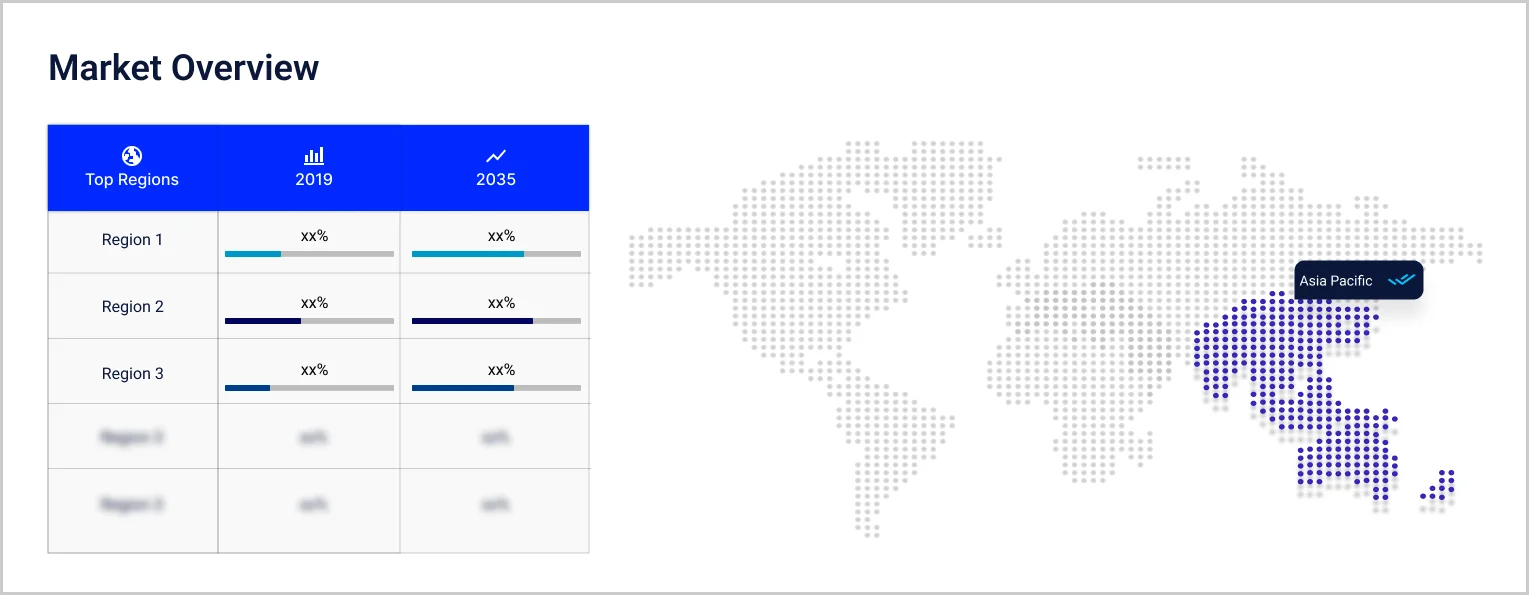
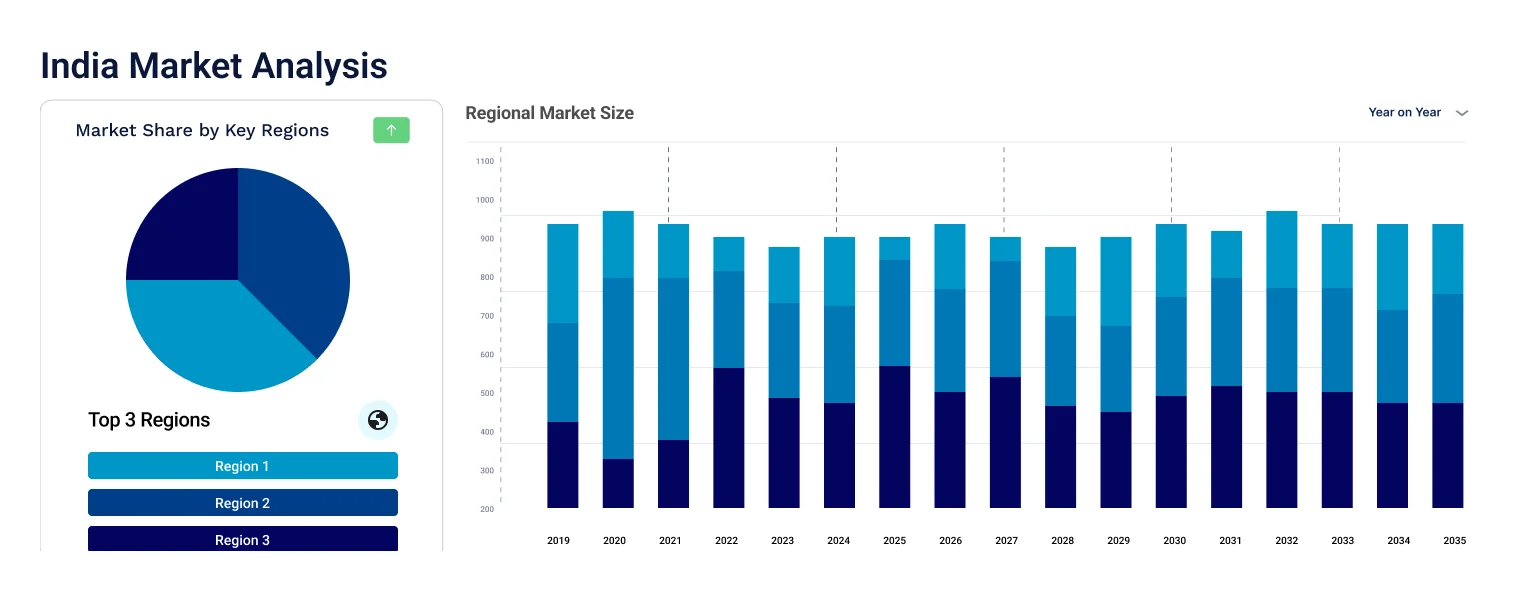
The market is regionally segmented into Northern and Central, Eastern, Western, and Southern regions. Each region contributes uniquely to the market's growth based on healthcare infrastructure, government initiatives, and the presence of diagnostic and research facilities. The Southern region, including states like Tamil Nadu, Karnataka, and Kerala, is witnessing rapid expansion due to strong healthcare networks and recent investments in microbiological labs. Northern and Central India benefit from large-scale government hospitals and research institutions, while the Western region, led by Maharashtra and Gujarat, contributes significantly through its robust pharmaceutical and biotech presence.
The key features of the market report comprise funding and investment analysis and strategic initiatives by the leading players. The major companies in the market are as follows:
Founded in 1897 and headquartered in Franklin Lakes, New Jersey, USA, Becton, Dickinson, and Company is a large global medical company focused on improving healthcare. The company develops and manufactures medical devices, instruments, and reagents, and is known for its work in areas like discovery and diagnostics. In April 2025, the company launched a new hemodynamic monitoring platform with predictive artificial intelligence (AI) based algorithms to address blood pressure instability and optimize blood flow, which helps prevent life-threatening situations during procedures.
Headquartered in Basel, Switzerland, and founded in 1896, this company is one of the world’s largest biotech companies that provides in-vitro diagnostics, transformative innovative solutions across major disease areas. It is the subsidiary of Roche Holding AG and has two divisions: pharmaceuticals and diagnostics. The company focuses primarily on oncology, immunology, infectious diseases, neuroscience, and rare diseases.
Established in 1952 and headquartered in Hercules, California, USA, it is one of the global leaders in developing and manufacturing innovative products for life science research and global diagnostic markets. In March 2025, the company launched XP-Design Assay Salmonella Serotyping Solution for rapid and accurate food safety testing. The product detects and characterizes the microorganisms in food, water, and environmental samples for better healthcare.
Headquartered in Marcy-l'Étoile, France, near Lyon and founded in 1963, the company has greatly contributed to public health with its in vitro diagnostics. In April 2025, they launched WATCHFIRE molecular testing solutions, a device that will run on the BIOFIRE FILMARRAY TORCH instrument integrated with FIREWORKS software to provide real-time trending of viruses and bacteria present in wastewater samples.
*Please note that this is only a partial list; the complete list of key players is available in the full report. Additionally, the list of key players can be customized to better suit your needs.*
Other key players in the market include Sysmex Corporation, Abbott, Thermo Fisher Scientific Inc., QIAGEN, Agilent Technologies, Inc., and Danaher Corporation.


Upto 15% Off
USD
$1999 $1799
$3099 $2789
$4599 $3909
$5999 $5099


*While we strive to always give you current and accurate information, the numbers depicted on the website are indicative and may differ from the actual numbers in the main report. At Expert Market Research, we aim to bring you the latest insights and trends in the market. Using our analyses and forecasts, stakeholders can understand the market dynamics, navigate challenges, and capitalize on opportunities to make data-driven strategic decisions.*
Explore our key highlights of the report and gain a concise overview of key findings, trends, and actionable insights that will empower your strategic decisions.
| REPORT FEATURES | DETAILS |
| Base Year | 2025 |
| Historical Period | 2019-2025 |
| Forecast Period | 2026-2035 |
| Scope of the Report |
Historical and Forecast Trends, Industry Drivers and Constraints, Historical and Forecast Market Analysis by Segment:
|
| Breakup by Product |
|
| Breakup by Application |
|
| Breakup by End User |
|
| Breakup by Region |
|
| Market Dynamics |
|
| Supplier Landscape |
|
| Companies Covered |
|
Datasheet
One User
USD 1,999
USD 1,799
tax inclusive*
Single User License
One User
USD 3,099
USD 2,789
tax inclusive*
Five User License
Five User
USD 4,599
USD 3,909
tax inclusive*
Corporate License
Unlimited Users
USD 5,999
USD 5,099
tax inclusive*
*Please note that the prices mentioned below are starting prices for each bundle type. Kindly contact our team for further details.*
Flash Bundle
Small Business Bundle
Growth Bundle
Enterprise Bundle
*Please note that the prices mentioned below are starting prices for each bundle type. Kindly contact our team for further details.*
Flash Bundle
Number of Reports: 3
20%
tax inclusive*
Small Business Bundle
Number of Reports: 5
25%
tax inclusive*
Growth Bundle
Number of Reports: 8
30%
tax inclusive*
Enterprise Bundle
Number of Reports: 10
35%
tax inclusive*
How To Order

Select License Type
Choose the right license for your needs and access rights.

Click on ‘Buy Now’
Add the report to your cart with one click and proceed to register.

Select Mode of Payment
Choose a payment option for a secure checkout. You will be redirected accordingly.
Strategic Solutions for Informed Decision-Making
Gain insights to stay ahead and seize opportunities.

Get insights & trends for a competitive edge.

Track prices with detailed trend reports.

Analyse trade data for supply chain insights.

Leverage cost reports for smart savings

Enhance supply chain with partnerships.

Connect For More Information
Our expert team of analysts will offer full support and resolve any queries regarding the report, before and after the purchase.
Our expert team of analysts will offer full support and resolve any queries regarding the report, before and after the purchase.
We employ meticulous research methods, blending advanced analytics and expert insights to deliver accurate, actionable industry intelligence, staying ahead of competitors.
Our skilled analysts offer unparalleled competitive advantage with detailed insights on current and emerging markets, ensuring your strategic edge.
We offer an in-depth yet simplified presentation of industry insights and analysis to meet your specific requirements effectively.




