

Consumer Insights
Uncover trends and behaviors shaping consumer choices today
Procurement Insights
Optimize your sourcing strategy with key market data
Industry Stats
Stay ahead with the latest trends and market analysis.
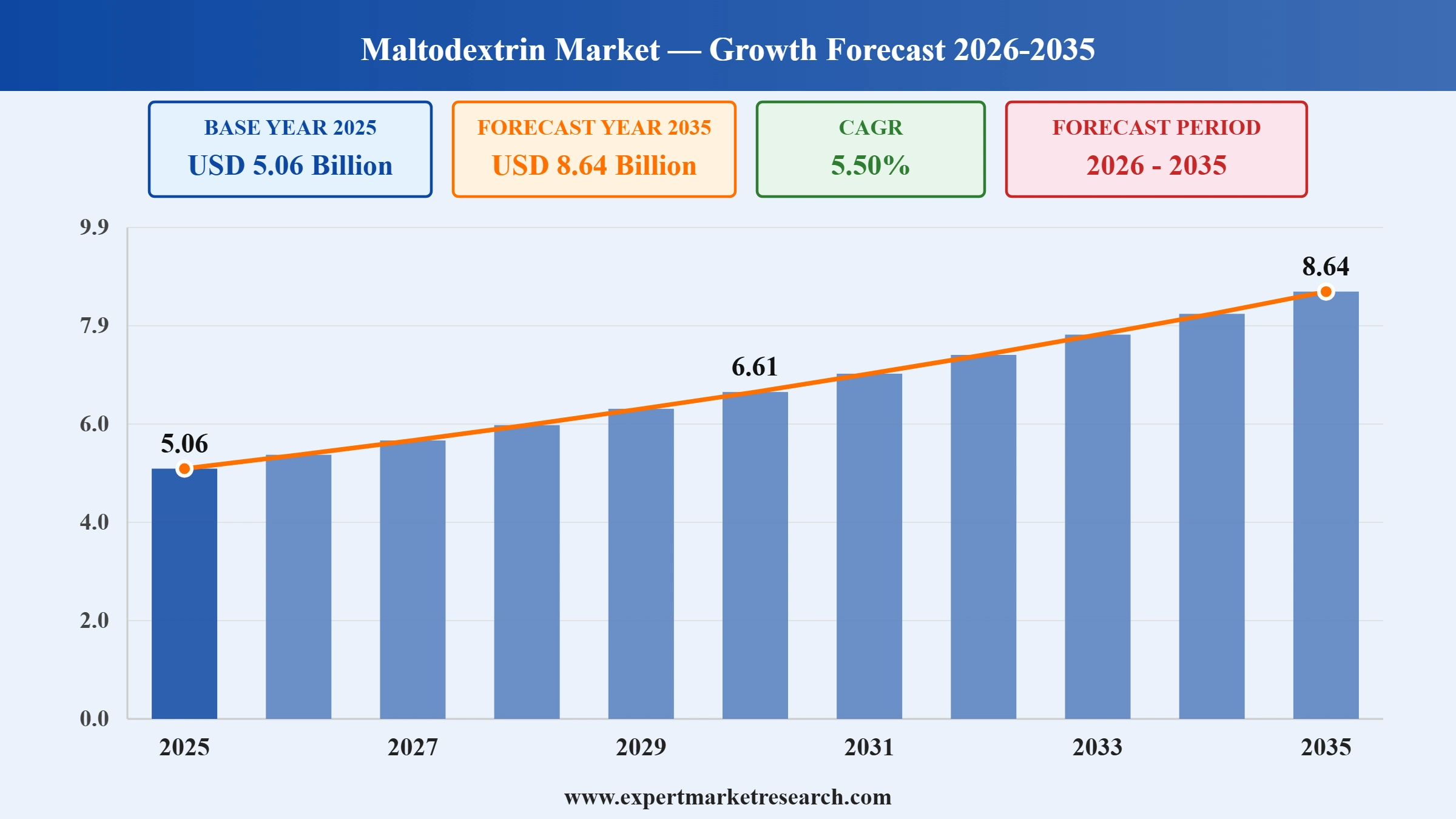
The global maltodextrin market attained a value of USD 5.06 Billion in 2025 and is projected to grow at a CAGR of 5.50% through 2035. The market is further expected to reach USD 8.64 Billion by 2035. Growing use of maltodextrin as a low-cost bulking agent, carrier, and texturizing ingredient across processed foods, pharmaceuticals, personal care formulations, and agricultural inputs, combined with expanding corn and wheat wet milling capacity among major starch processors, continues to support steady growth in the maltodextrin market.
Demand for maltodextrin is anchored by its versatility as a neutral tasting, easily digestible carbohydrate derived from corn, wheat, rice, tapioca, or potato starch. Food and beverage manufacturers rely on maltodextrin for its bulking, thickening, and carrier properties across bakery, confectionery, dairy, and sports nutrition products, while its low-cost relative to other starch derivatives keeps it a staple ingredient across both developed and developing food processing industries.
Starch processors are also investing to modernize plants and broaden specialty portfolios to serve this demand base. In December 2025, Avebe reported EUR 60 million of investment during its 2024/25 financial year and the launch of PerfectaGEL, a vegan gelatin alternative, showing how established starch producers are pairing capacity upgrades with new product development in the maltodextrin market.
Major starch processors are directing growth capital toward both capacity modernization and portfolio diversification. Established producers are prioritizing upgrades to existing wet milling infrastructure and exploring specialty ingredient adjacencies, a pattern consistent with the broader strategic repositioning underway among leading starch processors as buyers seek cleaner labels, lower sugar formulations, and consistent supply.
Read more about this report - REQUEST FREE SAMPLE COPY IN PDF
Tate & Lyle's board backed Ingredion's recommended cash offer of GBP 2.7 billion in June 2026, with Ingredion expecting USD 130 million of annual synergies by 2030 and completion targeted for the second half of 2027. The deal consolidates specialty starch and texturizer capabilities across the industry. Producers can leverage this trend by pursuing partnerships with enlarged global ingredient suppliers.
Riddhi Siddhi Gluco Biols bought Cargill's Davangere corn processing plant in Karnataka for about INR 250 crore in April 2026, adding 300,000 tonnes a year of capacity to its milling base. The purchase shows regional processors scaling starch capacity in India. Regional producers can leverage such acquisitions to secure feedstock and serve growing starch derivative demand from food customers.
Emsland Group launched Emjel LC 15, a functional starch for vegan jellies and gums that cooks at atmospheric pressure, in January 2026. The launch reflects rising demand for plant-based starch solutions across the industry. Starch suppliers can leverage this trend by developing vegan texturizing systems that help confectionery customers cut gelatin use and meet vegan label claims worldwide.
Roquette launched AMYSTA L 123, a thermally soluble pea starch, in October 2025 as the first product in its label friendly AMYSTA starch range. The launch responds to clean label reformulation demand across the industry. Ingredient suppliers can leverage this trend by offering label friendly starch alternatives that help food brands simplify ingredient lists and meet clean label targets.
Starch and sweetener processors across Europe are managing weaker selling prices as industrial overcapacity persists and demand stays below pre-pandemic levels. In May 2026, Tereos reported fiscal 2025/26 starch and sweeteners revenue of EUR 1,557 million, down 12.5 percent, with adjusted EBITDA falling 45.7 percent to EUR 106 million, citing lower selling prices and overcapacity in Europe. Producers are responding by trimming output, cutting costs, and shifting capacity toward higher margin specialty starches and sweeteners across plants.
Sports nutrition brands are launching higher carbohydrate formats built on fast digesting carbohydrate systems for endurance athletes. In July 2026, Maurten introduced Gel Mix 480, a hydrogel carbohydrate mix delivering 120 grams of carbohydrate per serving, with maltodextrin and fructose listed among its ingredients, as covered in an industry new product roundup that month. Brands are also pairing carbohydrate blends with electrolytes and caffeine to support longer training sessions, expanding demand for fast digesting carbohydrate carriers among performance nutrition formulators.
Indian starch processors are competing with fuel ethanol distilleries for maize as blending programs expand. In September 2026, reports estimated that about 37 percent of India's ethanol in 2025-26 came from maize, using roughly 12.6 million tonnes, with distilleries projecting a 17 million tonne maize shortfall even as record production lifted feed maize prices. Starch makers are responding by securing contracted grain supply, expanding storage, and exploring cassava and sorghum as alternative feedstocks, while buyers negotiate longer term supply agreements.
European regulators are tightening additive rules that affect modified starches used in infant and specialty foods. In January 2026, the European Commission published an additives regulation, in force from February 2026, that cuts the maximum level of modified starch E 1450 to 10,000 milligrams per kilogram by February 2028 and requires gluten free E 1450 in infant formula. Manufacturers are reformulating products, retesting ingredient specifications, and engaging suppliers early to ensure compliance ahead of the phase in deadlines.
Tapioca starch markets are showing mixed signals as falling finished product prices meet higher raw cassava costs, squeezing processor margins in Southeast Asia. In September 2026, Thai tapioca starch fell to USD 700 per tonne FOB Bangkok, its first decline of 2026, while cassava root rose to 3.65 baht per kilogram and northeastern Thai starch plants operated below 50 percent utilization. Processors are slowing purchases and diversifying export destinations to protect margins while waiting for firmer demand.
The Expert Market Research's report titled " Global Maltodextrin Market Report and Forecast 2026-2035" offers a detailed analysis of the maltodextrin market based on the following segments:
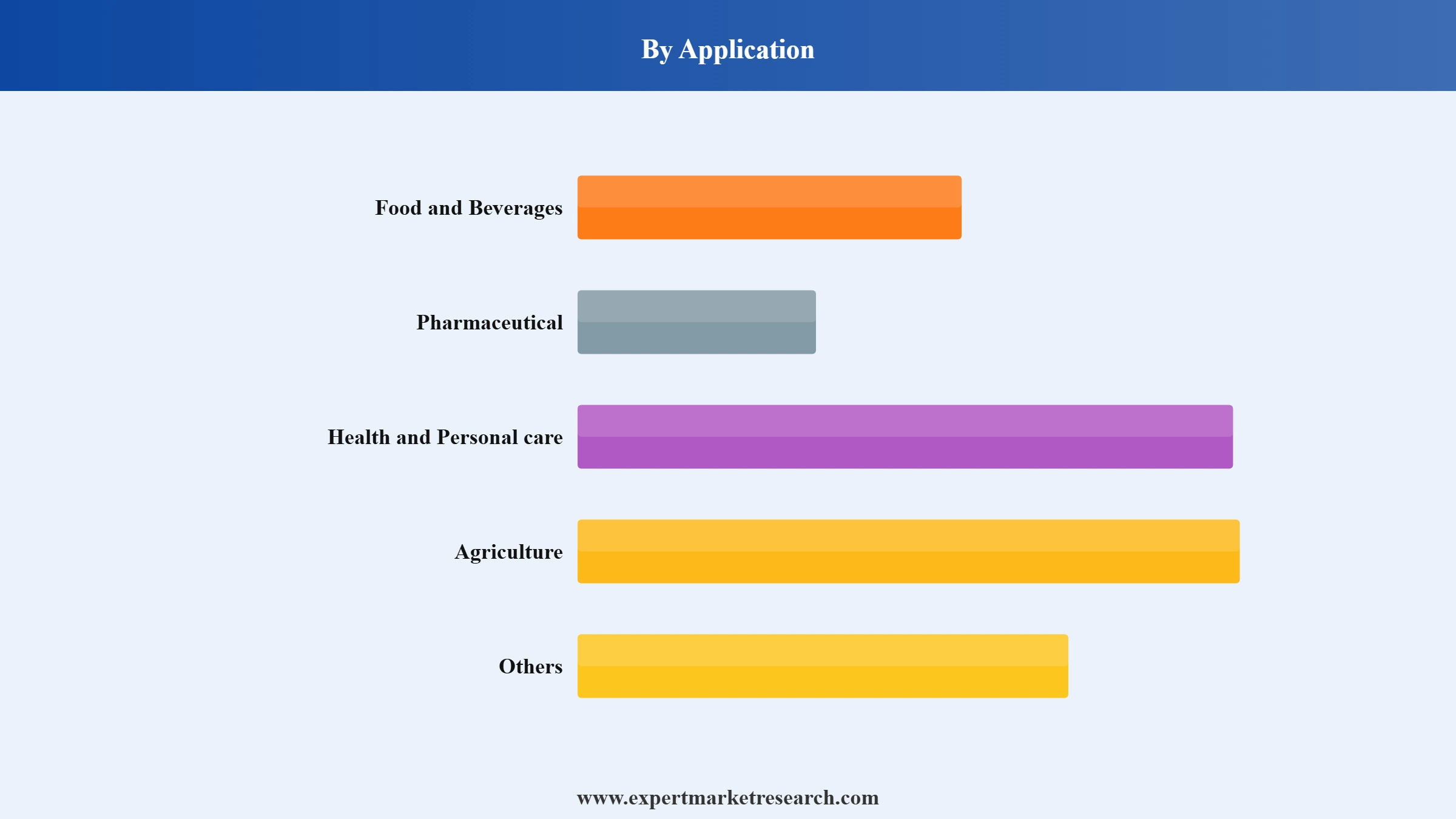
Market Breakup by Application
Key Insight: Food and beverages represent the leading application segment, reflecting the ingredient's widespread use as a bulking agent, fat replacer, and carrier, and in March 2025 Cargill and Saatvik Agro Processors inaugurated a Gwalior corn mill making starch derivatives at 500 tonnes per day for confectionery, infant formula, and dairy customers. Pharmaceutical use is expanding as maltodextrin serves as a tablet binder and encapsulation carrier. Health and personal care draw on fibre and texturizing roles, and in July 2026 ADM and Matsutani marked 20 years of their Fibersol soluble fibre joint venture. In August 2025, Fufeng reported first half revenue up 4.4 percent to RMB 13.96 billion, led by animal nutrition, a pointer for agriculture.
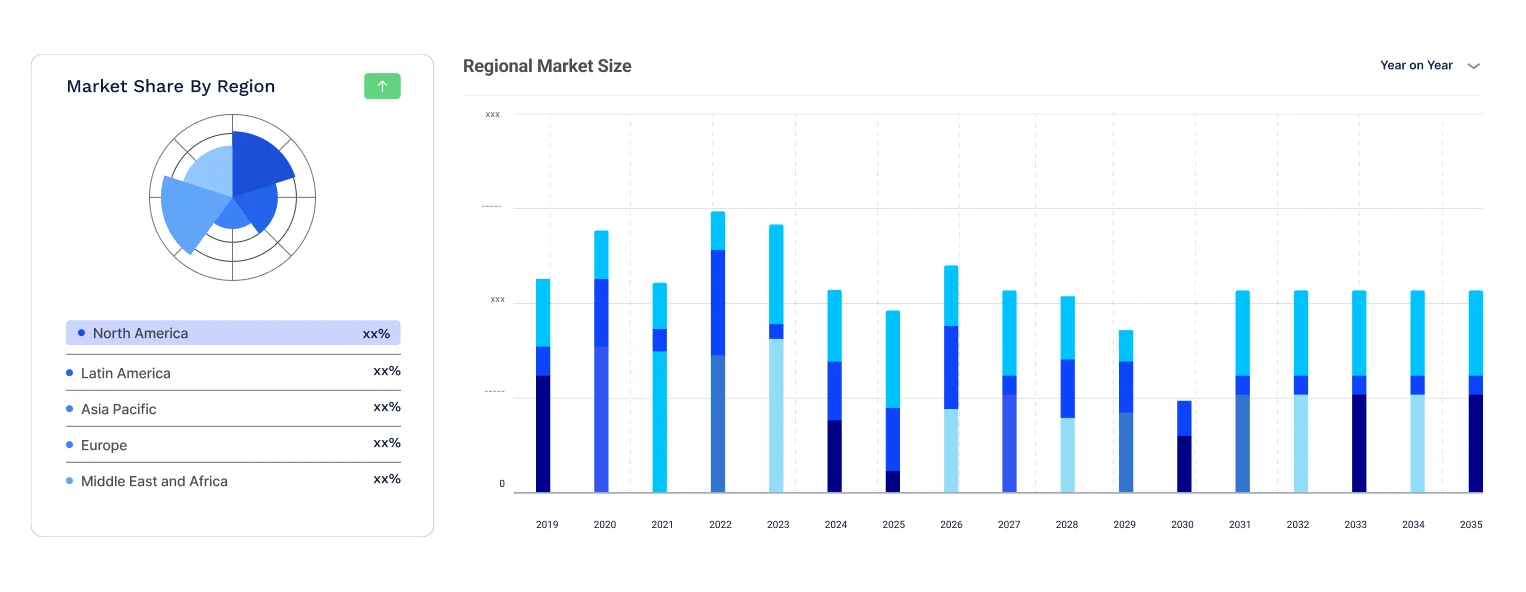
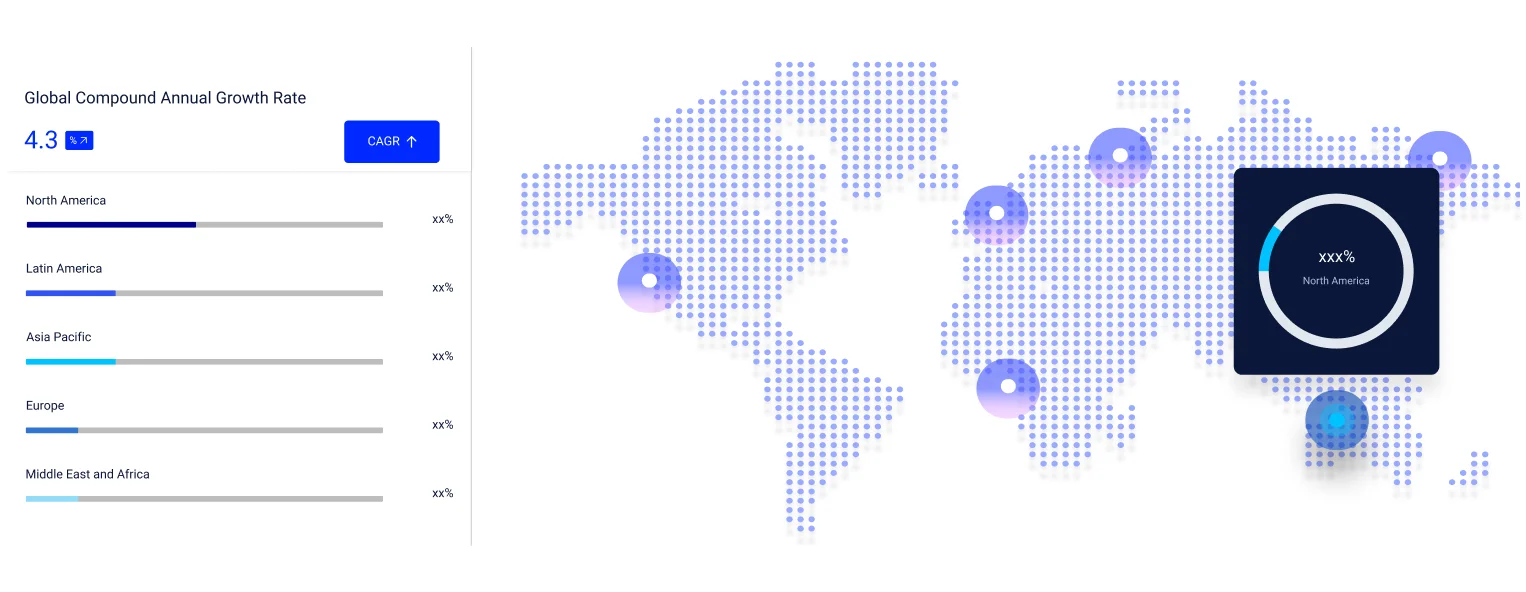
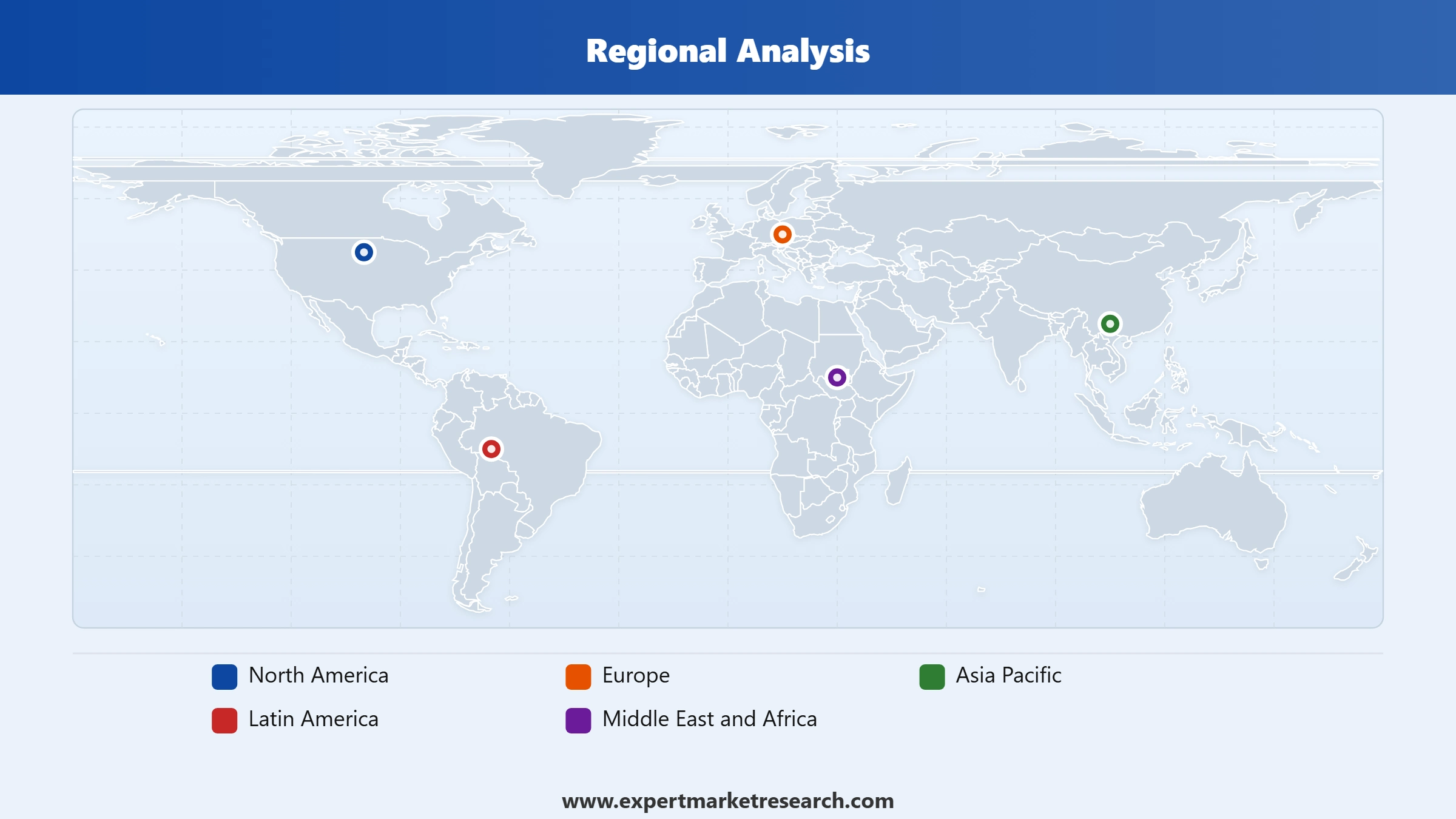
Market Breakup by Region
Key Insight: North America and Europe together account for a substantial share of global supply, underpinned by large scale integrated corn and wheat wet milling capacity. In May 2026, Sudzucker reported its starch segment result fell to EUR 21 million from EUR 36 million on lower prices and volumes. Asia Pacific is the fastest growing region, and in March 2026 a USDA report put China's corn deep processing capacity at about 130 million tonnes, over 70 percent of it for starch.
Read more about this report - REQUEST FREE SAMPLE COPY IN PDF
By application, food and beverages dominate the maltodextrin market owing to the ingredient's broad use as a bulking agent and carrier across bakery, confectionery, and sports nutrition products
Food and beverages account for the largest share of the application segment of the maltodextrin market, as manufacturers rely on its neutral taste, ready solubility, and favorable cost to bulk up and stabilize bakery, confectionery, dairy, and infant nutrition formulations. In September 2026, Nestle announced a SFr94 million second infant nutrition factory in Ituiutaba, Brazil, due to start operations in the second quarter of 2028, widening downstream demand for carbohydrate ingredients. Sports nutrition makers also value its rapid digestibility.
Read more about this report - REQUEST FREE SAMPLE COPY IN PDF
Pharmaceutical applications are registering the fastest growth within the application segment of the maltodextrin market as drug formulators specify maltodextrin as a tablet binder, filler, and spray dried encapsulation carrier. In February 2026, Kerry reported that its pharma volumes grew 8 percent in fiscal 2025, outpacing most other end markets, reflecting strong demand across pharmaceutical ingredient supply chains that use excipient and nutraceutical carriers. Growing oral solid dosage output reinforces this shift. Nutraceutical tablet demand adds further momentum.
Read more about this report - REQUEST FREE SAMPLE COPY IN PDF
North America commands the largest regional share of the maltodextrin market, underpinned by extensive integrated corn wet milling capacity and a mature food and pharmaceutical manufacturing base
North America's position as the largest regional maltodextrin market rests on its deep base of integrated corn wet milling infrastructure operated by major starch processors. In August 2026, Ingredion reported that second quarter United States and Canada operating income fell 33 percent to USD 58 million on production problems at its Argo plant, showing how plant reliability shapes regional supply, while a mature food and pharmaceutical sector sustains steady demand. Established supply chains reinforce this depth across both countries.
Asia Pacific is registering the fastest regional growth, driven by rapid urbanization, rising disposable incomes, and an expanding middle class across China, India, and Southeast Asia lifting demand for packaged foods and functional beverages. In April 2025, a USDA attache report forecast India's 2025/26 corn crop at a record 42 million tonnes, with the starch industry using 5 million tonnes, underpinning domestic starch derivative capacity and supporting above average regional growth. Rising packaged food demand reinforces this trend.
The competitive landscape remains moderately consolidated, with established maltodextrin companies competing on integrated corn and wheat wet milling scale, raw material sourcing strength, and breadth of specialty starch derivative portfolios. Leading maltodextrin companies continue to invest in capacity modernization, flash drying efficiency, and sustainability focused process upgrades to maintain cost competitiveness while serving both bulk industrial buyers and higher margin specialty customers across food, pharmaceutical, and personal care end markets.
Major maltodextrin market players are also pursuing portfolio diversification and strategic consolidation to strengthen their competitive position, as reflected in recent large scale acquisition activity among leading specialty ingredient groups. Continued emphasis on clean label formulation support, regulatory compliance across food and agricultural uses, and expansion into pharmaceutical and personal care applications is allowing established processors to broaden their addressable customer base and defend margins against lower cost regional competitors.
Founded in 1865 and headquartered in Minneapolis, Minnesota, United States, Cargill, Incorporated is one of the largest integrated corn and wheat processors supplying starch derivative ingredients, operating starch and sweetener production facilities across North America, Europe, and Asia. The company's starches and sweeteners portfolio spans maltodextrins, glucose syrups, and specialty texturizing ingredients serving food, beverage, and industrial customers. Cargill's scaled agricultural sourcing network and global logistics footprint support consistent raw material supply for its starch derivative operations.
Founded in 1902 and headquartered in Chicago, Illinois, United States, Archer Daniels Midland Company is a major integrated agricultural processor supplying starch derivative ingredients through its extensive corn wet milling operations, including its flagship Decatur, Illinois complex. The company produces a broad range of starches, sweeteners, and specialty carbohydrate ingredients for food, beverage, and industrial applications. Its ongoing facility modernization investments support continued output of starch derivative products including maltodextrin.
Founded in 1906 and headquartered in Westchester, Illinois, United States, Ingredion Incorporated supplies starch derivative ingredients through its global network of corn, wheat, tapioca, and potato-based starch processing facilities. The company's ingredient portfolio spans texturizers, sweeteners, and specialty starches serving food, beverage, brewing, and industrial customers worldwide. Its planned combination with Tate and Lyle PLC is expected to further broaden its specialty ingredients and texture solutions portfolio.
Founded in 1933 and headquartered in Lestrem, France, Roquette Freres S.A. is a leading European starch and plant-based ingredient processor supplying starch derivative ingredients through its Nutrition and Bioindustry business segment. The company's product range includes maltodextrins, glucose syrups, proteins, and fibers derived from corn, wheat, and potato starch, serving food, pharmaceutical, and nutraceutical customers globally. Roquette's pharmaceutical excipient technologies complement its broader starch derivative manufacturing base.
Other key players in the market include Tereos Group, AGRANA Beteiligungs-AG, Tate & Lyle PLC, and Matsutani Chemical Industry Co., Ltd., among others.
*Please note that this is only a partial list; the complete list of key players is available in the full report. Additionally, the list of key players can be customized to better suit your needs.*
Unlock the latest insights with our global maltodextrin market trends 2026 report. Discover regional growth patterns, application shifts, and key industry players. Stay ahead of competition with trusted data and expert analysis. Download your free sample report today and drive informed decisions in the market.
Europe Middle East and Africa Maltodextrin Market
United States Maltodextrin Market
Latin America Maltodextrin Market
North America Maltodextrin Market
Asia Pacific Maltodextrin Market


Upto 15% Off
USD
$2499 $2249
$3999 $3599
$4999 $4249
$5999 $5099


*While we strive to always give you current and accurate information, the numbers depicted on the website are indicative and may differ from the actual numbers in the main report. At Expert Market Research, we aim to bring you the latest insights and trends in the market. Using our analyses and forecasts, stakeholders can understand the market dynamics, navigate challenges, and capitalize on opportunities to make data-driven strategic decisions.*
The maltodextrin market reached a value of USD 5.06 Billion in 2025.
The maltodextrin market is projected to grow at a CAGR of 5.50% between 2026 and 2035, reaching USD 8.64 Billion by 2035.
Key strategies include investment in organic and non GMO variants, expansion of production capacity in high demand regions, partnerships with food and pharma manufacturers, and development of specialty grades that support clean label, sports nutrition and functional food innovation.
The rising demand from the chemical and animal feed industries is a key trend for the market.
North America leads the market by region, while Asia Pacific is registering the fastest growth.
Food and beverages lead the market by application, while pharmaceutical applications are the fastest growing segment.
Key players in the maltodextrin market include Cargill, Incorporated, Archer Daniels Midland Company, Ingredion Incorporated, Roquette Freres S.A., Tereos Group, AGRANA Beteiligungs-AG, Tate & Lyle PLC, and Matsutani Chemical Industry Co., Ltd., among others.
The market is estimated to witness healthy growth in the forecast period of 2026-2035 to reach a value of around USD 8.64 Billion by 2035.
Key challenges include rising clean label expectations, scrutiny over synthetic ingredients, fluctuating raw material costs, growing demand for organic alternatives, and competitive pressure from natural sweeteners and starch derivatives across food, beverage and nutraceutical applications.
Explore our key highlights of the report and gain a concise overview of key findings, trends, and actionable insights that will empower your strategic decisions.
| REPORT FEATURES | DETAILS |
| Base Year | 2025 |
| Historical Period | 2019-2025 |
| Forecast Period | 2026-2035 |
| Scope of the Report |
Historical and Forecast Trends, Industry Drivers and Constraints, Historical and Forecast Market Analysis by Segment:
|
| Breakup by Application |
|
| Breakup by Region |
|
| Market Dynamics |
|
| Competitive Landscape |
|
| Companies Covered |
|
| Report Price and Purchase Option | Explore our purchase options that are best suited to your resources and industry needs. |
| Delivery Format | Delivered as an attached PDF and Excel through email, with an option of receiving an editable PPT, according to the purchase option. |
Datasheet
One User
USD 2,499
USD 2,249
tax inclusive*
Single User License
One User
USD 3,999
USD 3,599
tax inclusive*
Five User License
Five User
USD 4,999
USD 4,249
tax inclusive*
Corporate License
Unlimited Users
USD 5,999
USD 5,099
tax inclusive*
*Please note that the prices mentioned below are starting prices for each bundle type. Kindly contact our team for further details.*
Flash Bundle
Small Business Bundle
Growth Bundle
Enterprise Bundle
*Please note that the prices mentioned below are starting prices for each bundle type. Kindly contact our team for further details.*
Flash Bundle
Number of Reports: 3
20%
tax inclusive*
Small Business Bundle
Number of Reports: 5
25%
tax inclusive*
Growth Bundle
Number of Reports: 8
30%
tax inclusive*
Enterprise Bundle
Number of Reports: 10
35%
tax inclusive*
How To Order

Select License Type
Choose the right license for your needs and access rights.

Click on ‘Buy Now’
Add the report to your cart with one click and proceed to register.

Select Mode of Payment
Choose a payment option for a secure checkout. You will be redirected accordingly.
Strategic Solutions for Informed Decision-Making
Gain insights to stay ahead and seize opportunities.

Get insights & trends for a competitive edge.

Track prices with detailed trend reports.

Analyse trade data for supply chain insights.

Leverage cost reports for smart savings

Enhance supply chain with partnerships.

Connect For More Information
Our expert team of analysts will offer full support and resolve any queries regarding the report, before and after the purchase.
Our expert team of analysts will offer full support and resolve any queries regarding the report, before and after the purchase.
We employ meticulous research methods, blending advanced analytics and expert insights to deliver accurate, actionable industry intelligence, staying ahead of competitors.
Our skilled analysts offer unparalleled competitive advantage with detailed insights on current and emerging markets, ensuring your strategic edge.
We offer an in-depth yet simplified presentation of industry insights and analysis to meet your specific requirements effectively.




