

Consumer Insights
Uncover trends and behaviors shaping consumer choices today
Procurement Insights
Optimize your sourcing strategy with key market data
Industry Stats
Stay ahead with the latest trends and market analysis.
The global corn glucose market attained a volume of 3.90 Million Tons in 2025 and is projected to grow at a CAGR of 1.30% through 2035. The market is further expected to reach a volume of 4.44 Million Tons by 2035. The market is driven by rising consumption of processed foods, bakery products, confectionery, and soft drinks, where corn glucose serves as a cost-effective sweetening and thickening agent. Food and beverage manufacturers continue to rely on corn-derived glucose and syrup to manage ingredient costs while maintaining consistent product texture and sweetness across large-scale production runs.
The corn glucose market covers glucose syrup, crystalline glucose, and related starch-based sweeteners derived from wet-milled corn, serving the food and beverage, pharmaceutical, and confectionery industries. Processed food consumption and bakery production anchor demand, while corn glucose's role as a cost-effective sweetening and thickening agent keeps it embedded across everyday consumer products. Established infrastructure in North America and Europe is complemented by expanding capacity across Asia Pacific, Africa, and the Middle East.
Corn processors are directing capital toward higher-value glucose derivatives and larger wet-milling capacity to meet steady food and beverage demand in the corn glucose market. In India, Gujarat Ambuja Exports disclosed in September 2026 a planned 850 tonne-per-day greenfield expansion at its existing Hubli, Karnataka plant, adding 400 tonnes per day of corn starch and 150 tonnes per day of sweeteners, funded through internal accruals. Such expansions are reinforcing supply security for downstream sweetener buyers.
Manufacturers across the value chain are widening portfolios beyond standard glucose syrup into crystalline glucose, maltodextrin, and specialty starch derivatives that command better margins and meet clean-label preferences. Companies are also investing in process efficiency and non-GMO sourcing to differentiate their offerings, while diversifying production footprints to stay closer to growing demand centers and reduce exposure to single-region feedstock disruptions.

Read more about this report - REQUEST FREE SAMPLE COPY IN PDF
Corn glucose or glucose syrup is a type of sugar that is obtained from the hydrolysis of corn starch. It contains a concentrated number of calories and is widely used as a sweetener. It is extensively employed in the food and beverage industry as a sweetener, thickener, and humectant. Also, it aids in enhancing the taste of food items while extending their shelf life. It is principally used as a key ingredient in commercially prepared foods for improving colour, enhancing flavour, adding volume, and providing a smooth texture to the food. As corn glucose helps in the prevention of crystallisation of sugar, it is also extensively used in tinned fruits, jams, ice cream, cookies, beverages, sorbets, and dairy, among others. As per corn glucose market overview, approximately 60 bushels (or 1,524 kg) of corn are needed to produce 1 tonne of glucose syrup, highlighting the need for extensive corn production.
As per industry reports, the expected rise in global corn production for the 2023/24 season, projected to reach 1,230.2 million tonnes (an increase of 6.3% from the previous season's 1,157.5 million tonnes), will likely have a considerable effect on the growth of the corn glucose syrup market. Given that corn serves as the primary raw material for glucose syrup production, a boost in production generally enhances the availability of raw corn, which may lead to rising demand from sectors such as food and beverages, pharmaceuticals, and confectionery.
The anticipated increase in the global workforce, projected to exceed 3.4 billion by 2024, coupled with rising per capita income levels expected to reach USD 13,920 by 2025, along with increasingly hectic lifestyles, has notably heightened the demand for convenient and packaged food options. Since the product is a key ingredient in packaged and processed food items, the market for corn glucose is experiencing significant growth. For instance, beverages like Gatorade and Powerade use corn glucose for its rapid energy provision. Additionally, brands like Kellogg’s and General Mills incorporate corn glucose in cereals and snack bars to enhance taste and texture.
Additionally, the 12.3% increase in global corn exports for the 2023/24 season, rising from 180.2 million tonnes to 202.3 million tonnes, is anticipated to positively influence the corn glucose syrup market dynamics and trends by enhancing the global corn supply. This surge can lead to lower input costs for manufacturers, stabilise market prices, and improve access to raw materials in regions reliant on corn imports.
Biostarch Technologies developed a new wet-milling plant in Ukraine's Odesa region, built to process around 600 metric tons of corn daily into starch, gluten, and corn germ, with grain storage of 36,400 tonnes. The project positioned the company to diversify the region's corn glucose market sourcing and capturing emerging Eastern European demand. The investment also reduced reliance on imported starch.
CJ CheilJedang sounded out financial investors about spinning off its starch sugar division, which made corn-based syrup, glucose, and fructose for food and beverage customers. The division sat in a domestic corn glucose market where four producers held over 90 percent combined share. The move motivated the company to redirect capital toward faster-growing, higher-margin sweetener lines. Analysts viewed this positively.
Sanstar Limited commissioned expanded native starch capacity at its Dhule, Maharashtra plant, raising capacity from 1,100 to 2,350 tonnes per day using maize as the primary feedstock. The expansion, funded through IPO proceeds, positioned the company to supply more maize-based starch to India's growing markets and pursue similar brownfield growth. The added output also supported growing domestic food processing demand.
Tate & Lyle and Manus launched Yume, a stevia sweetener brand that gave food and beverage makers a scalable way to cut sugar content without sacrificing taste. The first product, sourced from the Americas and produced at a dedicated bioconversion facility in Georgia, supported end-to-end traceability and positioned the companies to diversify portfolios amid shifting sugar-reduction preferences. This broadened choices across the corn glucose market.
African countries are increasingly building domestic capacity in the corn glucose market instead of importing refined starch and glucose, supporting local manufacturing and farmer incomes. Zambia's Kingsworth Group, a Trade Kings Group subsidiary, is operating a USD 110 million glucose and starch plant in the Lusaka Multi-Facility Economic Zone, which President Hichilema inaugurated in October 2025 and which draws roughly 126,000 tonnes of maize annually from local farmers. This strategy is also creating additional agricultural jobs across several rural regions.
Middle Eastern food producers investing in local corn-processing infrastructure as regional governments push to reduce import reliance in the corn glucose market. Al Ghurair Foods confirmed in October 2025 that construction of the UAE's first corn starch plant at Abu Dhabi's Khalifa Economic Zones was progressing, with the initial phase targeted for completion in the first quarter of 2026 at an initial 650 tonnes of corn processed daily. This facility is positioning the country to meet domestic sweetener demand.
Egyptian and neighboring agribusiness groups are broadening corn-processing operations beyond basic starch to cut dependence on imported specialty ingredients. Cairo 3A is advancing modified starch production through its Egyptian Company for Starch and Glucose subsidiary, confirming in November 2025 a three-year, USD 150 million investment plan covering starch derivatives and citric acid, building on the group's existing maize-processing lines. This diversification reduces the group's reliance on single-product output and strengthens its position in broader higher-value specialty ingredient categories.
Established European processors are pairing with global partners to modernize plants and widen starch output serving Europe, Africa, and the Middle East. AGRANA's joint venture with a global ingredients partner secured regulatory clearance in June 2025 for a EUR 35 million starch-production expansion at its Tandarei, Romania facility, with construction beginning that same month and running roughly two and a half years. This cross-border partnership is also giving the company access to additional technical expertise and much broader customer reach across the corn glucose market.
Large Chinese processors are extending wet-milling and deep-processing capacity beyond their home market to secure feedstock access and diversify output closer to new demand centers. China's Fufeng Group began commercial production in March 2026 at a new corn deep-processing complex in Kazakhstan's Zhambyl region, backed by a USD 1.5 billion investment and designed to process up to 3 million tonnes of corn annually. This overseas expansion is also helping the company secure long-term feedstock supply and strengthen broader regional ties.
Advancements in production technologies is a vital trend in the market as it is improving the efficiency of corn glucose manufacturing processes. Enhanced enzymatic treatments allow for better yields and product quality. Companies like Archer Daniels Midland (ADM) are investing in innovative processing technologies to optimise their production lines for corn-based ingredients. The USDA reports that ongoing improvements in agricultural technology are expected to facilitate higher corn yields, projected at 1,230.2 million tonnes globally for the 2023/24 season, which will positively impact the corn glucose supply chain.
Moreover, regulatory bodies are encouraging manufacturers to adopt cleaner labels that feature natural ingredients like corn glucose. The Philippines has recently raised import tariffs on artificial sweeteners derived from corn starch, aiming to boost local production of natural sweeteners. Furthermore, companies such as Coca-Cola are reformulating their beverages to reduce added sugars while maintaining sweetness through natural alternatives like corn glucose syrup. This regulatory shift is likely to enhance the market presence of corn glucose.
A significant opportunity within the market is the growing demand for natural and organic sweeteners, which is largely influenced by health-conscious consumers and the clean label trend. As awareness of the adverse effects associated with high sugar intake increases, corn glucose market opportunities are expected to increase, especially in industries like beverages, snacks, and baked goods. The Organic Trade Association (OTA) reported that organic food sales in the United States reached an unprecedented USD 57.5 billion in 2022. Organic corn glucose, as a natural sweetener is highly preferred in this sector. Furthermore, the rising incidence of diabetes worldwide, projected to impact 643 million individuals by 2030 according to the International Diabetes Federation (IDF), presents an additional opportunity for corn glucose to be used in sugar-free products, thereby enhancing its market potential.
Moreover, the projected 10% increase in the area allocated for corn grain harvesting, estimated at 86.5 million acres in 2023, is expected to positively impact corn glucose demand forecast. With a larger area dedicated to corn cultivation, the resulting increase in corn supply could increase production capacity, which would be advantageous for industries such as food, beverages, and pharmaceuticals that depend on glucose syrup.
One of the major restraints in the market is the growing concern about the health impacts of high fructose corn syrup (HFCS), a derivative of corn glucose. With rising awareness of obesity, many consumers are shifting away from products containing HFCS and similar sweeteners. For instance, a report by the Centres for Disease Control and Prevention (CDC) highlights that more than 42% of adults in the United States are affected by obesity, leading to increased scrutiny of high-sugar diets, and slowing down corn glucose demand growth. This has prompted several food and beverage companies, such as PepsiCo and Kraft Heinz, to reformulate their products with healthier alternatives like cane sugar.
Moreover, the implementation of regulatory measures, including sugar taxes in various countries like the UK, Mexico, and certain regions of the United States, has significantly influenced the demand for corn glucose in sugary beverages and processed foods. Research from the World Health Organisation (WHO) has shown that nations that have adopted sugar taxes experienced a reduction of up to 20% in the consumption of sugar-sweetened beverages, which has further impacted the market.
The Expert Market Research’s report titled “Global Corn Glucose Market Report and Forecast 2026-2035” offers a detailed analysis of the market based on the following segments:
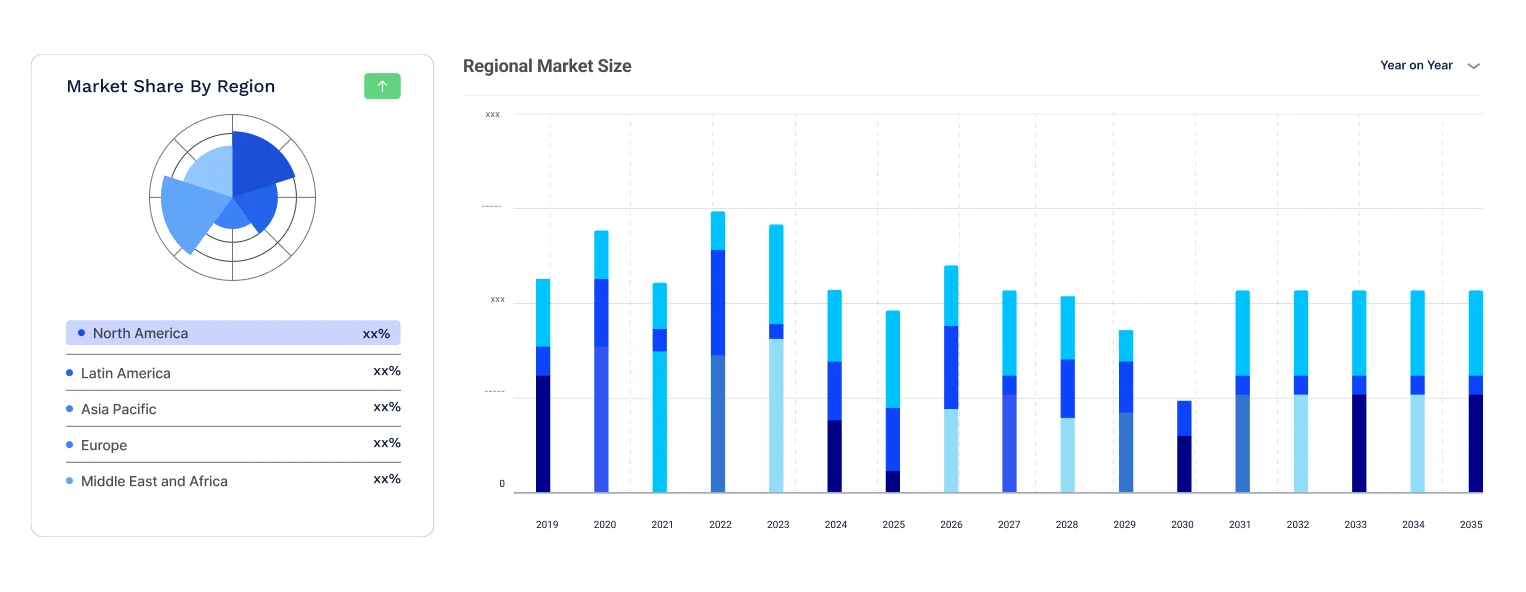
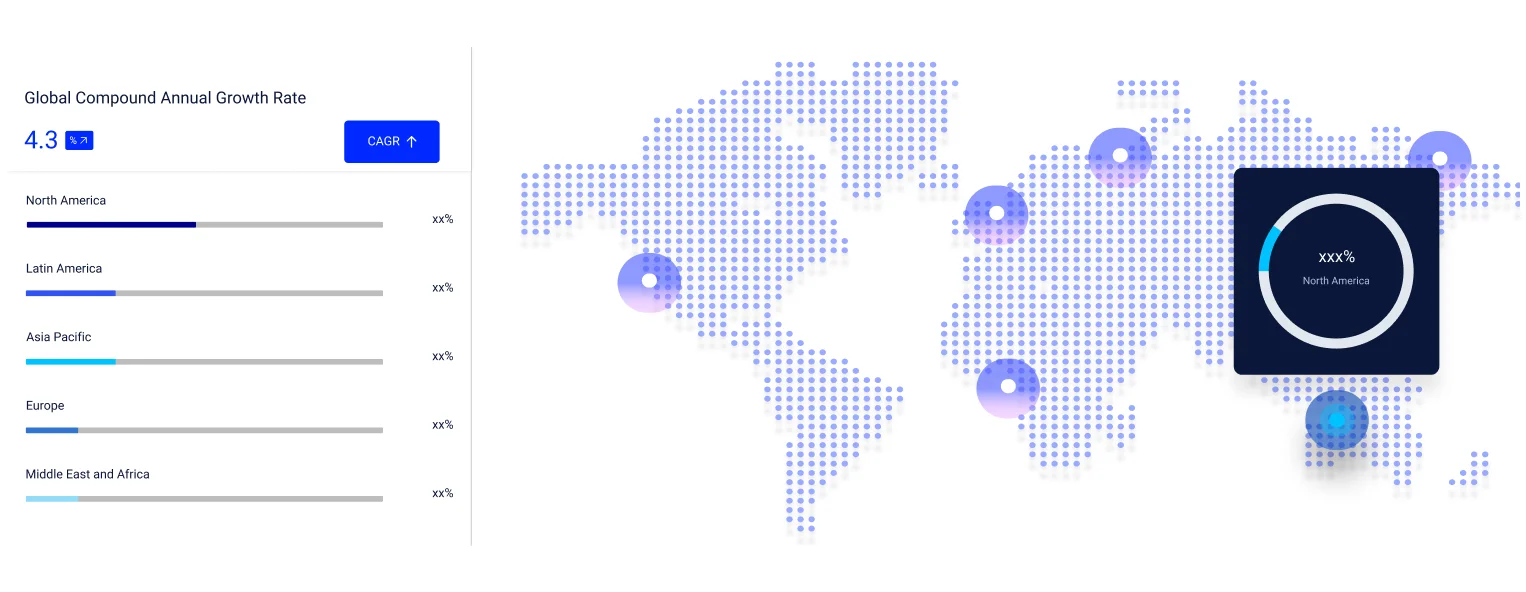
Market Breakup by Region
Key Insight: North America leads the corn glucose market, supported by its large, long-established wet-milling base and steady demand from food, beverage, and pharmaceutical manufacturers. Asia Pacific is registering the fastest growth as rising processed food consumption and new wet-milling capacity in India and China lift regional output. Europe maintains a mature, technically advanced processing base; Russia's RUSTARK confirmed in November 2025 that a new modified starch plant built around waxy corn feedstock was on track to open in the second quarter of 2026, reducing reliance on imported modified starches. Latin America is gradually expanding domestic starch-derivative output to reduce dependence on imported sweeteners. The Middle East and Africa are building new corn-processing capacity to serve growing local food industries.
Read more about this report - REQUEST FREE SAMPLE COPY IN PDF
North America Corn Glucose Market Share
North America holds a substantial share of the market, driven by its large food and beverage industry and the increasing demand for convenience foods. According to the U.S. Department of Agriculture (USDA), corn production in the U.S. was over 13.7 billion bushels in 2022, making the U.S. one of the leading producers of corn-derived products like glucose. Additionally, in the 2022/23 season, the United States exported approximately 42.5 million metric tonnes of corn, positioning it as the world's second-largest corn exporter. Moreover, the United States is expected to export 53.3 Mt of corn in 2023/24, which is a 26.4% increase compared to the 2023 season. The rising export levels demonstrates the high demand for corn among other regions to produce corn by-products such as corn glucose. This region is also witnessing the use of glucose syrup in cough syrups used in the pharmaceutical sector.
Asia Pacific Corn Glucose Market Drivers
Asia Pacific is the fastest-growing market for corn glucose, driven by changing dietary habits, increasing corn production, and the expansion of the processed food industry. Recent data indicates that China's corn production is expected to grow by 4.2% in the end of 2024, reaching 288.8 Mt. Moreover, India is seeing significant demand due to its large population and growing middle-class income levels. The region's demand for corn glucose is evident in the growing imports levels of corn from USA, LATAM region, and Brazil for the India’s food and beverage sectors. As per industry reports, India imported corn valued at approximately USD 223.16 million from South Africa and Argentina in 2023.

Read more about this report - REQUEST FREE SAMPLE COPY IN PDF
Europe Corn Glucose Market Opportunities
Europe possesses a well-established market for corn glucose. The European Food Information Council (EUFIC) forecasts an annual growth rate of 5.2% for the market of natural sweeteners, including corn glucose. Prominent European companies, such as Tate & Lyle and Cargill, are concentrating on the production of GMO-free and sustainable corn glucose to cater to consumer preferences. Additionally, the robust regulatory environment in the region, exemplified by the EU's initiatives aimed at reducing sugar consumption, is compelling manufacturers to seek alternatives to high-sugar products, influencing product’s demand.
Latin America Corn Glucose Market Growth
In Latin America, the market is witnessing consistent growth, propelled by the burgeoning food and beverage industry. Brazil and Mexico stand out as significant contributors due to their agricultural capabilities and expanding processed food sectors. Mexico's food processing industry has experienced a significant growth in recent years, which has increased the demand for corn glucose as a sweetening agent in snacks, beverages, and baked goods. Moreover, International Grain Council has retained an optimistic perspective on corn production in Brazil, which is anticipated to reach 124.6 million metric tonnes in FY 2024, an increase from previous years. This will also affect market growth.
Middle East and Africa Corn Glucose Market Dynamics
The market in the Middle East and Africa is currently in its early development phase, yet it exhibits significant growth potential. The escalating demand for processed foods and confectionery items in nations such as South Africa and the UAE is contributing to market expansion. Furthermore, the burgeoning pharmaceutical industry, especially in South Africa, is enhancing the need for corn glucose, which is used in medicinal syrups and tonics. The region is also experiencing a rise in investments aimed at improving food processing infrastructure, particularly within the Gulf Cooperation Council (GCC) countries.
Start-ups within the corn glucose sector are concentrating on the creation of healthier, organic, and sustainable alternatives to conventional corn glucose products. Many are leveraging advancements in biotechnology to develop low-calorie or sugar-free options in response to the increasing demand from health-conscious consumers. Furthermore, they are focused on using eco-friendly production methods to reduce nitrous oxide emissions and foster sustainable agricultural practices. Some start-ups that have contributed significantly to overall corn glucose market revenue are:
Sweetgreen BioSolutions, founded in 2016 and located in Berlin, Germany, has experienced significant success in the European organic sweeteners market. Since 2018, they have reported an annual growth rate of 30%, with their organic corn glucose now used by over 50 major confectionery brands across Europe. In 2021, they achieved sales surpassing EUR 75 million, driven by their commitment to GMO-free and natural sweeteners. Additionally, their innovative production methods have reduced waste by 15%, further solidifying their corn glucose market share in Europe and other regions.
Ingredion Bio, established in 2014 and based in Illinois, United States, offers corn glucose derivatives and low-calorie sweeteners. A notable milestone for the company is achieving over USD 1.2 billion in revenue by 2022, due to their use of plant-based ingredients in flagship products. They have also successfully reduced their carbon emissions by 25% through environmentally friendly production methods and have formed partnerships with more than 200 food manufacturers worldwide to offer sustainable sweetener solutions.
Major corn glucose companies are focused on expanding wet-milling capacity, diversifying into higher-value derivatives such as crystalline glucose and specialty starches, and securing non-GMO or sustainable corn supply to meet clean-label demand from customers worldwide. Competition is intensifying as regional processors in Asia Pacific, the Middle East, and Eastern Europe add fresh capacity, gradually narrowing the gap with long-established producers in North America and Europe. Companies are also investing in process efficiency gains to control costs amid volatile corn prices.
Corn glucose market players are increasingly restructuring portfolios, with some producers reviewing or divesting lower-margin starch-sugar businesses to focus capital on faster-growing specialty ingredient lines. Others are pursuing greenfield capacity in underserved markets across Africa and South Asia to capture rising domestic demand and reduce import dependence on established suppliers. Strategic partnerships and targeted capacity upgrades remain common tools for players seeking to defend share and widen their reach into pharmaceutical and industrial end uses beyond traditional food and beverage applications.
Founded in 1865 and headquartered in Minnetonka, Minnesota, United States, Cargill Inc. is a leading agribusiness and food corporation operating across the agricultural supply chain, including corn wet-milling and starch-based ingredient production. The company supplies glucose syrup, starches, and sweeteners to food, beverage, and industrial customers from processing facilities spanning more than 70 countries worldwide.
Founded in 1906 and headquartered in Westchester, Illinois, United States, Ingredion Inc. produces starches, sweeteners, and nutritional ingredients derived from corn, tapioca, and other renewable raw materials. The company operates manufacturing facilities across more than 120 countries, supplying corn-based glucose and derivative ingredients to customers in the food, beverage, paper, and textile industries.
Founded in 1902 and headquartered in Chicago, Illinois, United States, Archer Daniels Midland is a global agricultural processing company with an extensive corn wet-milling network that produces glucose syrup, starches, and sweeteners for food, beverage, and industrial applications. The company continues to invest in upgrading its corn processing facilities to improve throughput and support growing customer demand.
Founded in 1933 and headquartered in Lestrem, France, Roquette Frères is a global plant-based ingredients company producing starches, sweeteners, and specialty ingredients including corn glucose for the food, pharmaceutical, and cosmetics industries. The company draws on corn, wheat, and potato feedstocks across its global processing network to serve a broad range of industrial and consumer end uses.
Other key players in the market include Global Sweeteners Holding Limited, among others.
*Please note that this is only a partial list; the complete list of key players is available in the full report. Additionally, the list of key players can be customized to better suit your needs.*
Unlock the latest insights with our global corn glucose market trends 2026 report. Discover regional growth patterns, segment-wise economics, and key industry players. Stay ahead of competition with trusted data and expert analysis. Download your free sample report today and drive informed decisions in the market.


Upto 15% Off
USD
$2499 $2249
$3999 $3599
$4999 $4249
$5999 $5099


*While we strive to always give you current and accurate information, the numbers depicted on the website are indicative and may differ from the actual numbers in the main report. At Expert Market Research, we aim to bring you the latest insights and trends in the market. Using our analyses and forecasts, stakeholders can understand the market dynamics, navigate challenges, and capitalize on opportunities to make data-driven strategic decisions.*
In 2025, the market reached an approximate volume of 3.90 Million Tons.
The market is projected to grow at a CAGR of 1.30% between 2026 and 2035.
The market is estimated to witness healthy growth in the forecast period of 2026-2035 to reach a volume of around 4.44 Million Tons by 2035.
The major drivers of the market are the thriving food and beverage industry, and inflating per capita income levels.
The key trends guiding the growth of the market includes increasing the number of working population, and shifting dietary preferences.
The major regions in the market are North America, Latin America, the Middle East and Africa, Europe, and the Asia Pacific.
The glycaemic index of corn is 52.
The key players in the market include Cargill Inc., Ingredion Inc., Archer Daniels Midland, Roquette Frères, and Global Sweeteners Holding Limited, among others.
Companies face volatile corn feedstock costs, competition from alternative sweeteners, tightening environmental and food-safety regulations, and the capital intensity of expanding wet-milling capacity in new regions.
Expanding wet-milling capacity in Asia Pacific and the Middle East and Africa, diversifying into crystalline glucose and specialty starch derivatives, pursuing non-GMO and sustainable sourcing, and strengthening regional self-sufficiency in starch-based sweeteners.
Explore our key highlights of the report and gain a concise overview of key findings, trends, and actionable insights that will empower your strategic decisions.
| REPORT FEATURES | DETAILS |
| Base Year | 2025 |
| Historical Period | 2019-2025 |
| Forecast Period | 2026-2035 |
| Scope of the Report |
Historical and Forecast Trends, Industry Drivers and Constraints, Historical and Forecast Market Analysis by Segment:
|
| Breakup by Region |
|
| Market Dynamics |
|
| Competitive Landscape |
|
| Companies Covered |
|
| Report Price and Purchase Option | Explore our purchase options that are best suited to your resources and industry needs. |
| Delivery Format | Delivered as an attached PDF and Excel through email, with an option of receiving an editable PPT, according to the purchase option. |
Datasheet
One User
USD 2,499
USD 2,249
tax inclusive*
Single User License
One User
USD 3,999
USD 3,599
tax inclusive*
Five User License
Five User
USD 4,999
USD 4,249
tax inclusive*
Corporate License
Unlimited Users
USD 5,999
USD 5,099
tax inclusive*
*Please note that the prices mentioned below are starting prices for each bundle type. Kindly contact our team for further details.*
Flash Bundle
Small Business Bundle
Growth Bundle
Enterprise Bundle
*Please note that the prices mentioned below are starting prices for each bundle type. Kindly contact our team for further details.*
Flash Bundle
Number of Reports: 3
20%
tax inclusive*
Small Business Bundle
Number of Reports: 5
25%
tax inclusive*
Growth Bundle
Number of Reports: 8
30%
tax inclusive*
Enterprise Bundle
Number of Reports: 10
35%
tax inclusive*
How To Order

Select License Type
Choose the right license for your needs and access rights.

Click on ‘Buy Now’
Add the report to your cart with one click and proceed to register.

Select Mode of Payment
Choose a payment option for a secure checkout. You will be redirected accordingly.
Strategic Solutions for Informed Decision-Making
Gain insights to stay ahead and seize opportunities.

Get insights & trends for a competitive edge.

Track prices with detailed trend reports.

Analyse trade data for supply chain insights.

Leverage cost reports for smart savings

Enhance supply chain with partnerships.

Connect For More Information
Our expert team of analysts will offer full support and resolve any queries regarding the report, before and after the purchase.
Our expert team of analysts will offer full support and resolve any queries regarding the report, before and after the purchase.
We employ meticulous research methods, blending advanced analytics and expert insights to deliver accurate, actionable industry intelligence, staying ahead of competitors.
Our skilled analysts offer unparalleled competitive advantage with detailed insights on current and emerging markets, ensuring your strategic edge.
We offer an in-depth yet simplified presentation of industry insights and analysis to meet your specific requirements effectively.




