

Consumer Insights
Uncover trends and behaviors shaping consumer choices today
Procurement Insights
Optimize your sourcing strategy with key market data
Industry Stats
Stay ahead with the latest trends and market analysis.
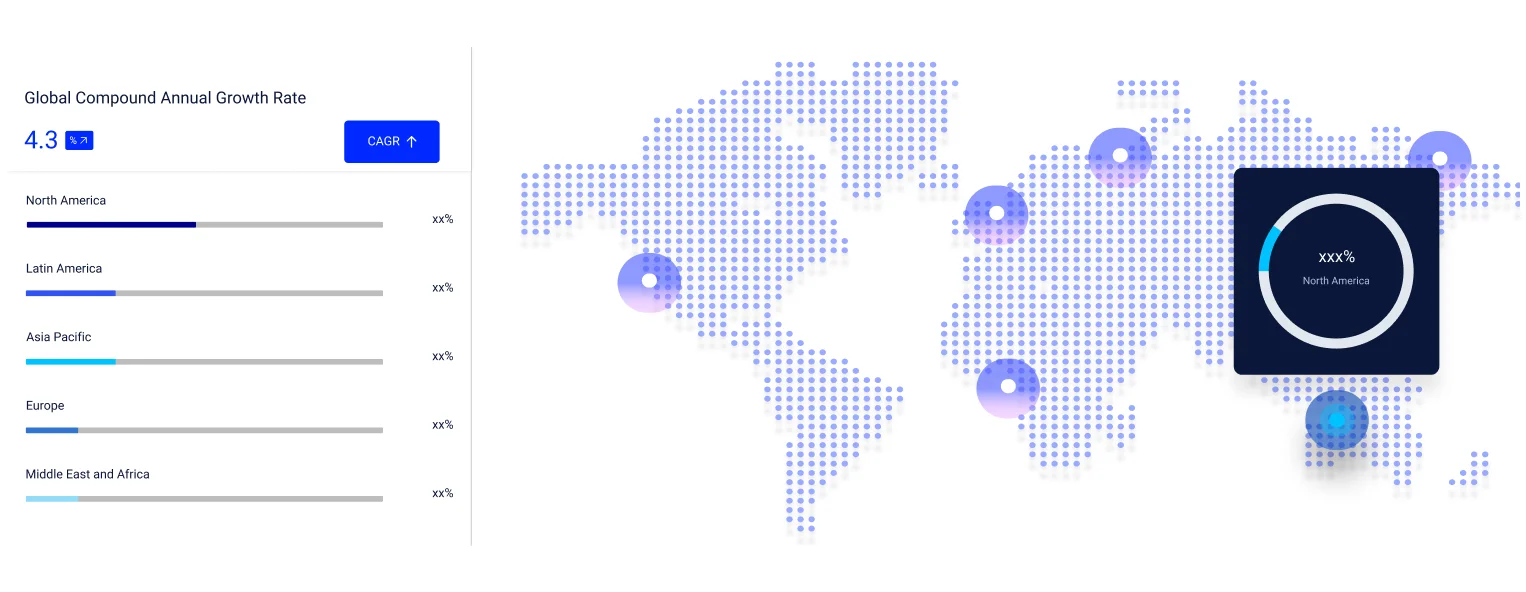
The global desiccants market was valued at USD 1.30 Billion in 2025. The market is expected to grow at a CAGR of 6.10% during the forecast period of 2026-2035 to reach a value of USD 2.35 Billion by 2035. Factors like increasing requirements for moisture protection in pharmaceuticals, food packaging, electronics, and industrial goods are boosting growth in the market. Growth in global trade and the need to maintain product quality throughout storage and transportation are further supporting adoption.
Compound Annual Growth Rate
6.1%
Value in USD Billion
2026-2035
Read more about this report - REQUEST FREE SAMPLE COPY IN PDF
The word desiccants refer to hygroscopic material or products. Desiccants absorb the surrounding moisture, which reduces moisture content and makes them ideal for low relative humidity conditions. Desiccants work by absorbing and trapping moisture inside surfaces or capillaries without modifying the characteristics of water – this is known as physical absorption. Some desiccants, on the other hand, absorb and react with humidity to form a new mixture-called chemical absorption.
Increasing demand from the pharmaceutical, food, and electronics industries for moisture control and longer shelf life of products is a major driver supporting desiccants market expansion. Also, stringent regulations in the pharmaceutical sector require the use of desiccants to maintain drug stability and efficacy. Moreover, the growth of e-commerce has also increased demand for desiccants in packaging materials to protect products from moisture damage during transit and storage.
Source One Packaging launched Desiccant Direct on September 16, 2026, creating a dedicated online division for industrial silica gel packets, bulk desiccants and customised moisture-control solutions. The platform provides commercial buyers with transparent pricing, stock sizes and a minimum order quantity of one case, while also supporting high-volume customised requirements. Available packet sizes range from 0.5 g to 10 g, covering applications including pharmaceuticals, food pouches, electronics, storage containers and freight packaging. The launch reflects the increasing digitisation of industrial desiccant procurement and provides manufacturers, co-packers and logistics companies with a direct purchasing channel for moisture-control products.
Clariant expanded its pharmaceutical desiccant manufacturing capabilities at its Cuddalore, Tamil Nadu, India facility in September 2026. The site now produces both continuous-roll desiccant packets and individually cut packets for pharmaceutical customers. The expanded production includes Sorb-It silica gel, Tri-Sorb molecular sieve, Getter Pak activated carbon and 2-in-1 Pak combinations, allowing customers to select moisture-control formats according to container requirements and intended shelf life. The development strengthens Clariant’s regional supply capabilities for pharmaceutical packaging while increasing the availability of specialised desiccant formats in India. It also demonstrates the continued localisation of moisture-control manufacturing for regulated pharmaceutical packaging applications.
Clariant expanded its continuous-strip desiccant packet portfolio in April 2026, introducing reel-based Desi Pak™, Sorb-It™ and Tri-Sorb™ Strips for high-speed automated packaging operations in the Americas. The formats are designed to integrate with automated packet-insertion equipment, supporting applications requiring consistent moisture protection at higher packaging speeds. The portfolio covers bentonite clay, silica gel and molecular sieve chemistries, allowing manufacturers to select different moisture-adsorption characteristics. Clariant also highlighted quality-control measures for packet integrity and the progressive use of AI-based inspection systems across its manufacturing network. The development connects desiccant delivery formats with increasing automation in pharmaceutical, nutraceutical and other packaging operations.
Colorcon launched OneLock™ in April 2026, an all-in-one closure system that integrates a desiccant directly into the closure for pharmaceutical and nutraceutical packaging. The design eliminates the need for a separate desiccant canister or packet while providing moisture protection for moisture-sensitive solid oral dosage products. By combining closure and moisture-control functions into one component, OneLock is intended to simplify filling operations and reduce packaging complexity. The system is designed for integration into existing production lines and aims to maintain moisture protection throughout the product lifecycle. The launch expands the role of desiccants from separate packaging inserts toward integrated active-packaging components.
Desiccant technology is increasingly moving from separate sachets and canisters toward packaging components that incorporate moisture protection directly into the closure or barrier structure. This trend is particularly relevant to pharmaceutical and nutraceutical products, where reducing components can simplify packaging operations and improve protection consistency. Recent technical evidence shows that desiccant quantity has a measurable effect on moisture-related drug degradation, while package moisture ingress also depends on moisture-vapour transmission and headspace conditions. Research published in the Journal of Pharmaceutical Sciences found that increasing desiccant quantity reduced degradation rates in moisture-sensitive tablets. This is encouraging packaging suppliers to develop integrated formats that provide controlled moisture adsorption without adding separate components.
With the increasing complexity and moisture sensitivity of semiconductors and electronic components, there is an increased need for engineered desiccants in place of traditional moisture scavengers. Non-hermetically sealed electronic components can take up moisture from the atmosphere, which, upon sudden expansion during high-temperature solder reflow process, can cause damage to the material interface. The amount of desiccant needed in accordance with IPC/JEDEC dry-pack requirement is to be determined on the basis of moisture barrier performance and package conditions. Under J-STD-033, the objective is to maintain the interior of a moisture-barrier bag below 10% relative humidity at 25°C at the end of its calculated shelf life. This is pushing suppliers toward application-specific desiccants, humidity indicators and complete dry-packing systems for semiconductor logistics.
Automation is changing the physical format in which desiccants are supplied, particularly for high-volume pharmaceutical packaging. Instead of manually placing individual packets into containers, manufacturers are increasingly using continuous strips or reels compatible with automated insertion equipment. This method can ensure proper dosage, minimize manual handling, and enable fast packaging. For instance, Clariant's range of pharmaceutical desiccant products includes continuous roll desiccants and individually packed desiccants, with silica gel, molecular sieve, and clay desiccants among the technologies offered. The technical rationale is strong because desiccants can lose protection capacity when exposed to ambient humidity before packaging, some common desiccants can absorb around 10% water at 25°C and 75% RH within one hour, demonstrating the importance of controlled handling and rapid insertion.
The market is shifting away from treating desiccants as interchangeable commodities toward selection based on the moisture sensitivity, package architecture and required humidity range of the protected product. Pharmaceutical packaging research shows that moisture protection depends on several variables, including initial product moisture, moisture-vapour transmission through packaging and the sorption behaviour of the desiccant. Over-drying can also create problems for certain formulations, for example, gelatin capsules require approximately 12–16% water to maintain physical strength, while relative humidity below 30% at 25°C can increase brittleness. Consequently, suppliers are developing different adsorption technologies and capacities for pharmaceuticals, electronics, food, nutraceuticals and industrial products rather than relying on one universal desiccant formulation.
The use of desiccants with the technology of humidity indication is becoming increasingly common in order to provide a visual record of moisture exposure without simply checking if there is an absorber present. This is especially true of electronic products, drugs and cargo transportation, where packages might be exposed to variable temperatures and humidity levels during storage and transport. Clariant, for instance, supplies desiccants alongside humidity indicator cards for semiconductor and surface-mount-device dry packing and designs these systems around JEDEC requirements. Moisture indicators can help operators identify compromised packaging, excessive exposure or seal failures before moisture-sensitive products are assembled or used. This is encouraging the market to evolve from standalone moisture absorption toward integrated absorption-plus-monitoring systems, particularly for high-value and moisture-sensitive products.
An example of an eco-friendly desiccant product is the silica gel alternative made from natural materials like activated charcoal or clay. These desiccants are biodegradable and offer effective moisture control while being environmentally sustainable. Another innovative product is the use of plant-based materials in desiccant packets, providing a greener alternative to traditional synthetic desiccants. These eco-friendly options not only meet consumer demand for sustainable products but also align with regulatory requirements, thereby favourable shaping the desiccants market outlook.
In the processed food industry, desiccants like oxygen absorbers are commonly used in packaging to extend the shelf life of products such as snacks, baked goods, and dehydrated foods. Electronic manufacturers utilise desiccants like silica gel, activated alumina, and molecular sieve in product packaging to prevent moisture-related issues like corrosion and malfunction in devices like smartphones, cameras, and medical equipment.
The EMR’s report titled “Desiccants Market Report and Forecast 2026-2035” offers a detailed analysis of the market based on the following segments:
Market Breakup by Process of Absorption
Market Breakup by Type
Market Breakup by Application
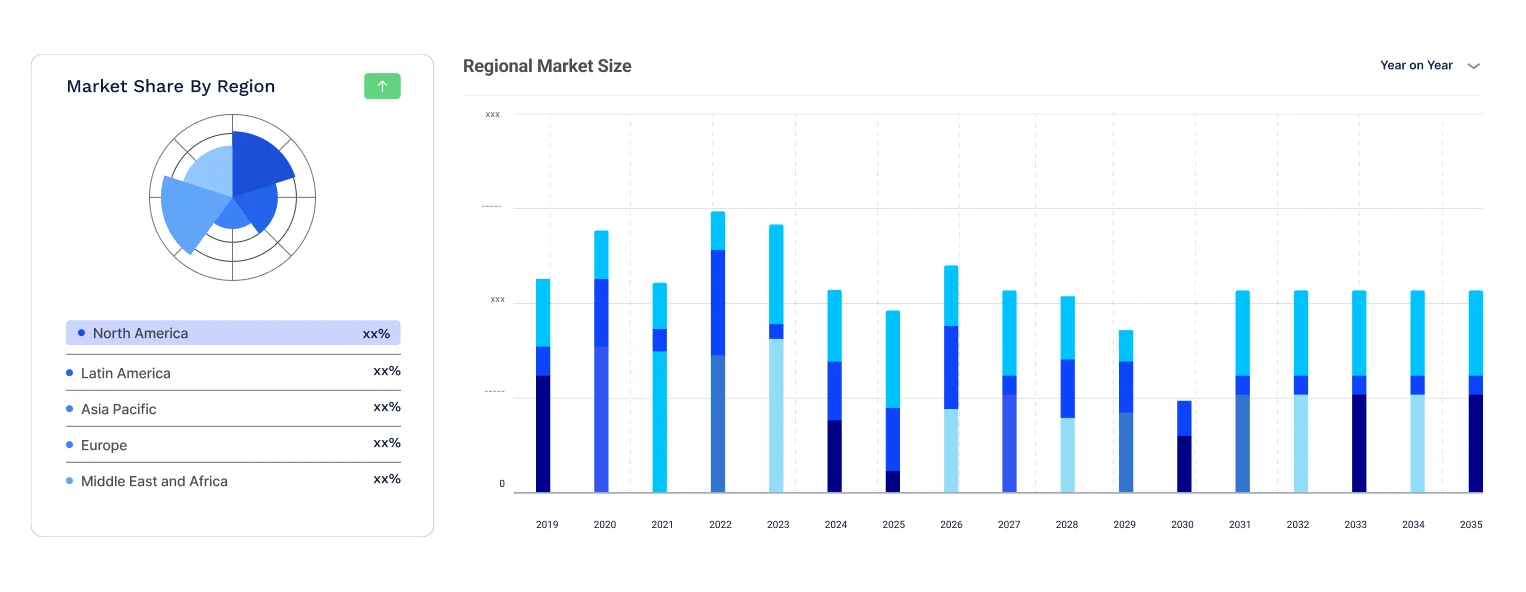
Market Breakup by Region
Read more about this report - REQUEST FREE SAMPLE COPY IN PDF
The silica gel desiccant is projected to witness a steady growth trajectory due to rising demand from chemical industries
Silica gel, a porous form of silicon dioxide, serves as a popular desiccant utilised for moisture removal in liquids and gases, safeguarding commercial and food products. Zeolite, another prominent desiccant type, finds extensive application in air conditioning systems to uphold operational efficiency by absorbing moisture. Additionally, as per desiccants market analysis, zeolite plays a crucial role in chemical reactions like the Grignard reaction, aiding in solvent dehydration.
Activated alumina, a porous solid alumina form, is widely employed as a desiccant for drying compressed air, gases, and liquids. Activated charcoal, clay, and calcium chloride are other significant desiccant types, which are known for their moisture-absorbing properties. The market is poised for substantial growth due to increasing government support and escalating demand for desiccants in chemical industries.

Read more about this report - REQUEST FREE SAMPLE COPY IN PDF
Rising demand for desiccants from diverse application sectors is bolstering the desiccants market growth
In the food sector, desiccants are used in packaging to absorb moisture and prevent spoilage, maintaining the quality and extending the shelf life of food products. The growing consumption of processed foods is driving demand for desiccants in this industry.
In the electronics domain, desiccants protect devices from moisture damage during transit and storage, ensuring the integrity of electronic products. Manufacturers are working to reduce the impact of moisture on electronic goods, further boosting desiccant demand. The rising popularity of smart electronics is a significant driver for the desiccant market.
Pharmaceuticals rely heavily on desiccants for packaging, reducing moisture content and preserving the quality and stability of medicines. Silica gel, activated alumina, and molecular sieves are among the most used desiccants in this sector. Additionally, air conditioning systems employ desiccants, particularly zeolite, to remove moisture, latent heat, and sensible heat from process air, maintaining refrigerant efficiency.

Read more about this report - REQUEST FREE SAMPLE COPY IN PDF
Asia Pacific leads the market due to increased desiccant production in China
The Asia Pacific is one of the fastest-growing regional market for the desiccants. China is one of the leading countries in the regional market in terms of the production of desiccants. The desiccants market share in the region is driven by the increased pharmaceutical desiccant production in China and the higher rate of product utilisation in Chinese plants. The high-value pharmaceutical desiccant from China is currently being expanded to include matting agents for plastics, paints, catalysts, and other anti-adhesives.
North America is another key region in the market, characterised by a strong presence of major players and a robust industrial infrastructure. The region is witnessing steady growth in the desiccants market, driven by factors such as technological advancements, stringent regulations, and a growing demand for desiccants in various sectors like food, electronics, and pharmaceuticals.

Read more about this report - REQUEST FREE SAMPLE COPY IN PDF
Market players are focused on strategic partnerships, new product launches, commercialisation for market expansion, and heavy investments in research to introduce new products and maximise revenue.
Porocel Corporation (Acquired by Evonik Industries) was founded in 1937 and is headquartered in Texas, United States. The company specialises in producing speciality adsorbents, support media, and activated alumina for various industries.
Hengye Inc. was established in 1965 and is based in Aichi, Japan. The company offers a wide range of products, including molecular sieves, activated alumina, silica gels, activated carbon, screens, support balls, and pseudoboehmite, catering to diverse market needs.
Fuji Silysia Chemical Ltd. was founded in 1994 and is headquartered in Maharashtra, India. As a manufacturer of silica, synthetic amorphous, and various innovative products, the company is committed to contributing to a sustainable world through its offerings.
Desicca Chemicals Pvt. Ltd. was established in 2014 and is based in Maharashtra, India. The company specialises in producing desiccants, industrial chemicals, silica gel, and providing comprehensive services for refineries, ensuring efficient and reliable solutions for its clients.
*Please note that this is only a partial list; the complete list of key players is available in the full report. Additionally, the list of key players can be customized to better suit your needs.*
Other key players in the global desiccants market include TROPACK Packmitel GmbH, among others.


Upto 15% Off
USD
$2499 $2249
$3999 $3599
$4999 $4249
$5999 $5099


*While we strive to always give you current and accurate information, the numbers depicted on the website are indicative and may differ from the actual numbers in the main report. At Expert Market Research, we aim to bring you the latest insights and trends in the market. Using our analyses and forecasts, stakeholders can understand the market dynamics, navigate challenges, and capitalize on opportunities to make data-driven strategic decisions.*
The desiccants market value is expected to grow at a CAGR of 6.10% between 2026 and 2035.
The major drivers of the market include rising disposable incomes, enhancing standards of living, growing investments into key application sectors, and rising demand from the electronics, food, pharmaceutical, and household sectors.
Key trends aiding market expansion include the rising use of desiccants in various applications, the growing consumption of processed food, and the increasing use of desiccants to reduce moisture infiltration in electronic devices.
Regions considered in the market are North America, Europe, the Asia Pacific, Latin America, and the Middle East and Africa.
The major processes of absorption in the market are physical absorption and chemical absorption.
The significant types of desiccants in the market are silica gel, zeolite, activated alumina, activated charcoal, calcium chloride, and clay, among others.
The different applications of desiccants in the market include foods, electronics, pharmaceuticals, packing, and air and gas drying, among others.
Key players in the market are Porocel Corporation (acquired by Evonik Industries), Hengye Inc, Fuji Silysia Chemical Ltd., Desicca Chemicals Pvt. Ltd., and TROPACK Packmitel GmbH, among others.
In 2025, the global desiccants market reached an approximate value of USD 1.30 Billion.
The market is expected to attain approximately USD 2.35 Billion by 2035.
Explore our key highlights of the report and gain a concise overview of key findings, trends, and actionable insights that will empower your strategic decisions.
| REPORT FEATURES | DETAILS |
| Base Year | 2025 |
| Historical Period | 2019-2025 |
| Forecast Period | 2026-2035 |
| Scope of the Report |
Historical and Forecast Trends, Industry Drivers and Constraints, Historical and Forecast Market Analysis by Segment:
|
| Breakup by Process of Absorption |
|
| Breakup by Type |
|
| Breakup by Application |
|
| Breakup by Region |
|
| Market Dynamics |
|
| Competitive Landscape |
|
| Companies Covered |
|
| Report Price and Purchase Option | Explore our purchase options that are best suited to your resources and industry needs. |
| Delivery Format | Delivered as an attached PDF and Excel through email, with an option of receiving an editable PPT, according to the purchase option. |
Datasheet
One User
USD 2,499
USD 2,249
tax inclusive*
Single User License
One User
USD 3,999
USD 3,599
tax inclusive*
Five User License
Five User
USD 4,999
USD 4,249
tax inclusive*
Corporate License
Unlimited Users
USD 5,999
USD 5,099
tax inclusive*
*Please note that the prices mentioned below are starting prices for each bundle type. Kindly contact our team for further details.*
Flash Bundle
Small Business Bundle
Growth Bundle
Enterprise Bundle
*Please note that the prices mentioned below are starting prices for each bundle type. Kindly contact our team for further details.*
Flash Bundle
Number of Reports: 3
20%
tax inclusive*
Small Business Bundle
Number of Reports: 5
25%
tax inclusive*
Growth Bundle
Number of Reports: 8
30%
tax inclusive*
Enterprise Bundle
Number of Reports: 10
35%
tax inclusive*
How To Order

Select License Type
Choose the right license for your needs and access rights.

Click on ‘Buy Now’
Add the report to your cart with one click and proceed to register.

Select Mode of Payment
Choose a payment option for a secure checkout. You will be redirected accordingly.
Strategic Solutions for Informed Decision-Making
Gain insights to stay ahead and seize opportunities.

Get insights & trends for a competitive edge.

Track prices with detailed trend reports.

Analyse trade data for supply chain insights.

Leverage cost reports for smart savings

Enhance supply chain with partnerships.

Connect For More Information
Our expert team of analysts will offer full support and resolve any queries regarding the report, before and after the purchase.
Our expert team of analysts will offer full support and resolve any queries regarding the report, before and after the purchase.
We employ meticulous research methods, blending advanced analytics and expert insights to deliver accurate, actionable industry intelligence, staying ahead of competitors.
Our skilled analysts offer unparalleled competitive advantage with detailed insights on current and emerging markets, ensuring your strategic edge.
We offer an in-depth yet simplified presentation of industry insights and analysis to meet your specific requirements effectively.




