

Consumer Insights
Uncover trends and behaviors shaping consumer choices today
Procurement Insights
Optimize your sourcing strategy with key market data
Industry Stats
Stay ahead with the latest trends and market analysis.
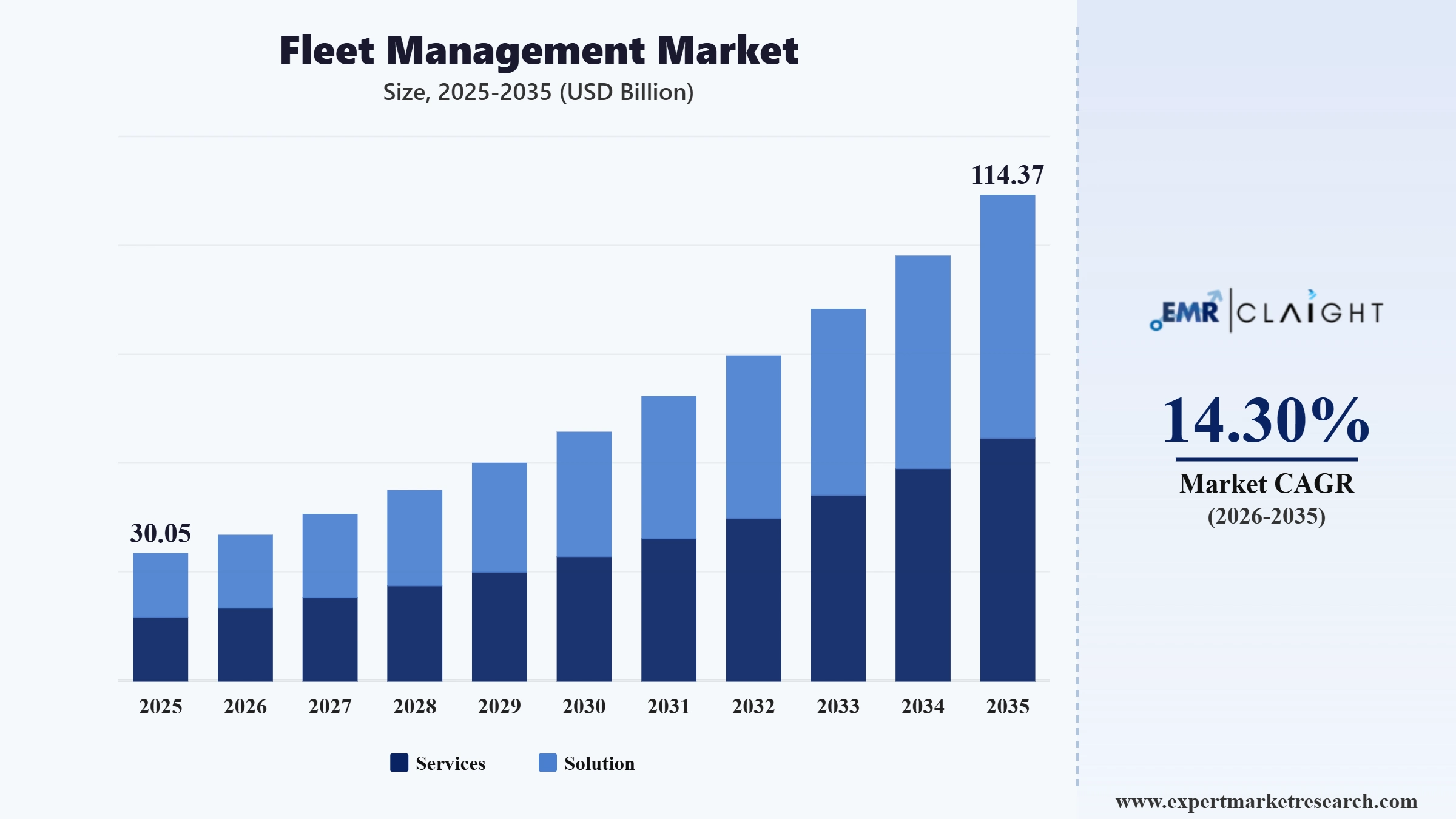
The global fleet management market was valued at USD 30.05 Billion in 2025. The industry is expected to grow at a CAGR of 14.30% during the forecast period of 2026-2035 to reach a value of USD 114.37 Billion by 2035. The market growth is mainly driven by strategic partnerships and alliances, as fleet operators and solution providers seek to deliver broader, integrated capabilities across regions and service domains.
The fleet management market is at the center of one of the most consequential transitions in the history of commercial transportation. Three structural forces are simultaneously reshaping the industry: the maturation of connected telematics and the Internet of Things into real-time operational intelligence platforms; the accelerating electrification of commercial vehicle fleets in response to regulatory pressure and falling total cost of ownership for battery electric vehicles; and the integration of artificial intelligence across every layer of fleet operations, from predictive maintenance and AI-assisted route planning to in-cab driver coaching powered by computer vision and natural language AI. These forces are expanding both the addressable market for fleet management solutions and the technological sophistication required to compete within it.
Collaboration allows firms to combine complementary strengths, from full-service leasing and mobility solutions to managed services that enhance operational efficiency, thereby creating more compelling value propositions for multinational and enterprise clients. For example, in March 2025, Element Fleet Management and Arval celebrated 30 years of their global alliance, underscoring how long-standing strategic partnerships support fleet electrification planning and mobility solutions across 55 countries and 4.5 million vehicles. This is further helping clients deploy tailored strategies at both local and global scales. Similarly, integrated service offerings have expanded through partnerships such as Verizon Connect’s collaboration with managed services from Verra Mobility in 2025, which extends operational services, including tolling and regulatory support, to a broader base of fleet customers. These alliances collectively enhance service breadth and strengthen competitive positioning in an increasingly connected market.
Read more about this report - REQUEST FREE SAMPLE COPY IN PDF
| Global Fleet Management Market Report Summary | Description | Value |
| Base Year | USD Billion | 2025 |
| Historical Period | USD Billion | 2019-2025 |
| Forecast Period | USD Billion | 2026-2035 |
| Market Size 2025 | USD Billion | 30.05 |
| Market Size 2035 | USD Billion | 114.37 |
| CAGR 2019-2025 | Percentage | XX% |
| CAGR 2026-2035 | Percentage | 14.30% |
| CAGR 2026-2035 - Market by Region | Asia Pacific | 16.5% |
| CAGR 2026-2035 - Market by Country | India | 18.9% |
| CAGR 2026-2035 - Market by Country | China | 15.8% |
| CAGR 2026-2035 - Market by Component | Solution | 15.6% |
| CAGR 2026-2035 - Market by End Use | Transportation and Logistics | 16.3% |
| Market Share by Country 2025 | UK | 3.5% |
E-Commerce Expansion and Last-Mile Delivery Demand
The extraordinary expansion of global e-commerce has placed unprecedented demand on logistics and last-mile delivery networks, driving adoption of fleet management technology across the full spectrum of delivery fleet operators. The volume of parcels, food deliveries, and same-day consumer shipments requiring real-time fleet visibility, optimized routing, and precise delivery time windows has increased substantially year over year, making fleet management platforms operationally essential for competitive service delivery.
Last-mile delivery operators face dual pressures: consumers demand increasingly precise delivery time windows and real-time visibility into driver locations, while operators must manage rising fuel costs, driver shortages, regulatory compliance requirements, and mounting sustainability commitments. Fleet management platforms that provide AI-powered route optimization, real-time traffic integration, electronic proof of delivery, and customer communication tools are directly addressing these pain points, driving rapid adoption among courier companies, grocery delivery networks, and third-party logistics providers.
Telematics Maturation and IoT Integration
The integration of connected telematics and IoT technologies into commercial vehicle operations has evolved significantly beyond simple GPS position tracking. Modern fleet telematics platforms aggregate and analyze data from multiple in-vehicle and environmental data streams: vehicle diagnostics via OBD-II and J1939 protocols, dashcam video for driver behavior analysis and incident documentation, refrigeration unit temperature monitoring for cold chain compliance, tire pressure sensors, fuel consumption telemetry, and driver ID hardware. The aggregation of these data streams within unified fleet management platforms enables a level of operational visibility and predictive capability that was unachievable with previous generations of fleet tracking systems.
By 2026, telematics technology is shifting from reactive dashboards and alert systems toward proactive, predictive, and increasingly autonomous fleet operations support. AI-driven predictive maintenance models that identify mechanical failure risk before breakdown occurs are reducing costly unplanned downtime. Computer vision systems embedded in dashcams are providing real-time in-cab coaching to reduce distracted driving, tailgating, harsh braking, and fatigue-related risk events. These capabilities are converting fleet management from a cost-management tool into a comprehensive safety and operational excellence platform.
Electric Vehicle Fleet Adoption
Electric vehicles crossed 20% of global new vehicle sales in 2025, and EV adoption within commercial fleets reached 12% in 2025, with projections indicating this will reach 22% by the end of 2026. The total cost of ownership for medium-duty electric commercial vehicles is now 18 to 24% lower than diesel equivalents over a seven-year lifecycle when accounting for fuel savings, reduced maintenance costs, and applicable government incentives, a crossover that is accelerating fleet electrification decisions for delivery vans, urban buses, and light commercial vehicles.
EV fleet management introduces a new category of operational requirements that traditional fleet management platforms are adapting to address. Charging infrastructure management, including energy consumption optimization, charging session scheduling during off-peak electricity pricing windows, driver range anxiety management, and charging network reservation, requires fundamentally different telematics and workflow capabilities compared to fuel-based fleet management. The EV fleet management system market was valued at USD 12.5 billion in 2025 and is projected to grow to USD 38.7 billion by 2034, growing at its own CAGR of 12.1%, representing a substantial incremental opportunity for fleet management platform providers.
Regulatory Compliance and Mandated Telematics
Government regulations mandating electronic logging devices (ELDs), tachograph data recording, vehicle inspection compliance, and emissions monitoring are a significant structural driver of fleet management adoption in major markets. In the United States, the Federal Motor Carrier Safety Administration (FMCSA) mandate for ELD adoption among commercial motor carriers has made basic telematics a compliance requirement rather than an optional investment. In Europe, the EU Digital Tachograph regulations and Smart Tachograph Version 2 mandates are requiring progressive implementation of advanced driver activity recording across commercial vehicles, similarly creating a compliance-driven adoption baseline for fleet management technology.
Sustainability reporting requirements are creating new fleet management demand in the corporate sector. Environmental, Social, and Governance (ESG) reporting frameworks now require large companies to quantify and disclose Scope 1 emissions from owned vehicle fleets, creating demand for fleet management platforms that provide accurate emissions tracking, carbon footprint reporting, and EV charging energy accounting.
Artificial Intelligence: From Reactive Tracking to Autonomous Fleet Operations
Artificial intelligence is the most transformative technology shaping the fleet management market's near-term evolution. Fleet management platforms are integrating AI at multiple operational layers: machine learning models for predictive maintenance that analyze historical telematics and maintenance data to predict component failure probability; computer vision models that analyze dashcam footage in real time to detect and alert on driver distraction, fatigue, and risky driving behaviors; natural language AI assistants that surface operational insights and answer driver and dispatcher queries via voice interfaces; and generative AI tools that assist fleet managers with maintenance report drafting, compliance documentation, and performance analysis.
Approximately 65% of fleet maintenance teams are planning AI adoption for predictive maintenance applications by the end of 2026. A research-backed product launch in September 2025 demonstrated the commercial viability of in-cab AI coaching: one platform's AI-based verbal in-cab alert system reported a 90% reduction in tailgating incidents and a 95% reduction in mobile phone use among participating driver populations in a large-scale commercial pilot.
The direction of AI in fleet management is toward agentic systems: AI agents that take autonomous action within defined operational parameters rather than simply surfacing insights for human review. Early agentic fleet AI applications include automated maintenance work order creation when diagnostic alerts trigger predetermined thresholds, autonomous route reoptimization in response to real-time traffic events, and automated regulatory compliance exception reporting.
SelectCam AI, a Shenzhen-based technology company established in 2024, launched its flagship AI-powered video telematics solutions, including the M8 8-channel 4G MDVR and DC20 6-channel 4G dashcam. The launch supports SelectCam AI’s strategy to expand into Europe and North America with localized, high-end fleet safety solutions.
Robert Bosch LLC launched FleetME, an artificial intelligence driven fleet maintenance management solution under its Logistics Operating System. FleetME integrates telematics, vehicle diagnostics, original equipment manufacturer maintenance schedules, and repair workflows into a single platform, enabling predictive maintenance, dynamic scheduling, and reduced vehicle downtime for commercial fleets.
Hitachi ZeroCarbon introduced an all-in-one electric fleet management platform to support end-to-end fleet electrification. The solution integrates planning, financing, charging management, and battery optimisation, helping operators reduce complexity and accelerate decarbonisation.
HERE Technologies launched its Fleet Optimization software package to enhance logistics efficiency through AI-driven, location-based routing and planning capabilities. The solution supports multi-vehicle and multi-job delivery optimization, helping fleets reduce operating costs, improve vehicle utilization, and increase driver productivity.
The global fleet management market is driven by increased investment and strategic acquisitions as companies aim to scale service offerings and integrate complementary capabilities. In March 2025, Fleetio secured over USD 450 million in Series D funding and acquired maintenance platform Auto Integrate, creating a combined entity valued at over USD 1.5 billion and serving more than 8 million vehicles with streamlined maintenance workflows. This infusion of capital and consolidation enables fleet operators to access unified solutions that reduce downtime and improve operational efficiency, reinforcing competitive positioning.
Sustainability mandates and electrification goals are significantly influencing fleet management growth, prompting capital allocation to EV-focused platforms that offer integrated solutions. In August 2025, Macquarie Asset Management raised $405 million for Vertelo, a fleet electrification solutions platform in India, representing a substantial investment in charging infrastructure, energy management, and EV fleet services to support clean transportation. Such funding accelerates the adoption of electric fleets and reflects broader industry shifts toward lowering emissions and meeting regulatory targets through scalable, green mobility solutions.
Predictive maintenance technologies are emerging as a key growth driver in the global fleet management market, enabling operators to shift from reactive repairs to proactive vehicle health management. In October 2025, Webfleet and Questar Auto Technologies launched an AI-powered Predictive Vehicle Health Management solution that applies machine learning to identify potential vehicle failures in advance. By enabling early maintenance planning and reducing unexpected downtime, such innovations help lower total cost of ownership and improve fleet availability, supporting wider adoption of AI-driven fleet platforms.
Innovative product launches tailored to fleet needs are expanding market growth as operators seek solutions that improve compliance, safety, and operational visibility. In November 2025, Samsara introduced a commercial navigation solution designed for United States trucking fleets that accounts for weight restrictions, bridge heights, and hazmat regulations, offering enhanced routing precision and regulatory compliance. Specialized software like this enables operators to prioritize route safety and efficiency, addressing sector-specific challenges and facilitating adoption of advanced fleet management technologies.
Vendor rankings and industry recognition are critical growth drivers in the global fleet management market, as they validate technology investments, build customer trust, and influence procurement decisions among fleet operators. For example, in December 2025, Samsara was ranked No. 1 in fleet management on the G2 platform for all of 2025, based on verified customer reviews that highlight satisfaction, usability, and market presence. This leadership status reinforces customer confidence in AI-driven safety and operations solutions and strengthens Samsara’s competitive differentiation, encouraging broader adoption of advanced fleet technologies.
High Implementation and Integration Costs
Fleet management technology implementation requires significant capital investment in hardware, software licensing, installation, and training. For small and medium-sized fleet operators, the upfront cost of deploying telematics hardware across a full fleet and integrating fleet management software with existing enterprise systems can be prohibitive. While cloud-based SaaS pricing models have reduced initial software acquisition costs, the hardware and installation expenditure remains a barrier to adoption for operators of small and micro-fleets, a segment that represents a large share of vehicle fleet operators globally but has historically been underserved by enterprise-grade fleet management platforms.
Data Security, Privacy, and Cybersecurity Risk
Fleet management platforms aggregate highly sensitive operational data: real-time vehicle locations, driver behavior records, delivery manifests, client information, and increasingly, live video from in-cab and external cameras. The cybersecurity implications of this data concentration are significant. Fleet telematics platforms are increasingly targeted by cybercriminals seeking to steal cargo routing data for theft operations, hold operational data for ransomware, or disrupt logistics operations through denial-of-service attacks. The proliferation of connected telematics devices also creates a large attack surface at the hardware level, with improperly secured telematics control units representing a potential vector for vehicle system compromise.
Driver privacy concerns regarding continuous location tracking and in-cab video monitoring are creating regulatory and labor relations challenges in jurisdictions with strong data protection laws. In the European Union, GDPR compliance requirements for driver data collected through fleet management systems require careful data governance frameworks, consent management, and retention limitation policies.
Driver Shortage and Workforce Adoption Barriers
The commercial trucking industry is experiencing a structural driver shortage that will intensify over the forecast period as an aging driver workforce retires without sufficient replacement. Fleet management technology can help mitigate driver shortage impacts through route optimization and predictive scheduling that reduces driver idle time. However, driver acceptance of fleet monitoring technology, particularly in-cab video systems and continuous behavioral tracking, remains a significant adoption barrier that requires careful change management, transparent communication, and, in unionized transport environments, negotiated deployment frameworks.
Market Fragmentation and Integration Complexity
The fleet management market remains fragmented across hardware providers, telematics platforms, fleet management software vendors, fuel card networks, and maintenance management systems. Many fleet operators today manage their operations across multiple disconnected tools, creating data silos, administrative inefficiency, and incomplete operational visibility. The integration of these disparate systems into a unified fleet operations platform is the primary architectural challenge facing both fleet operators and technology providers, and the quality of API connectivity and third-party integration support is increasingly a key competitive differentiator among fleet management solution providers.
The Expert Market Research report titled “Global Fleet Management Market Report and Forecast 2026-2035” offers a detailed analysis of the market based on the following segments:
Market Breakup by Component
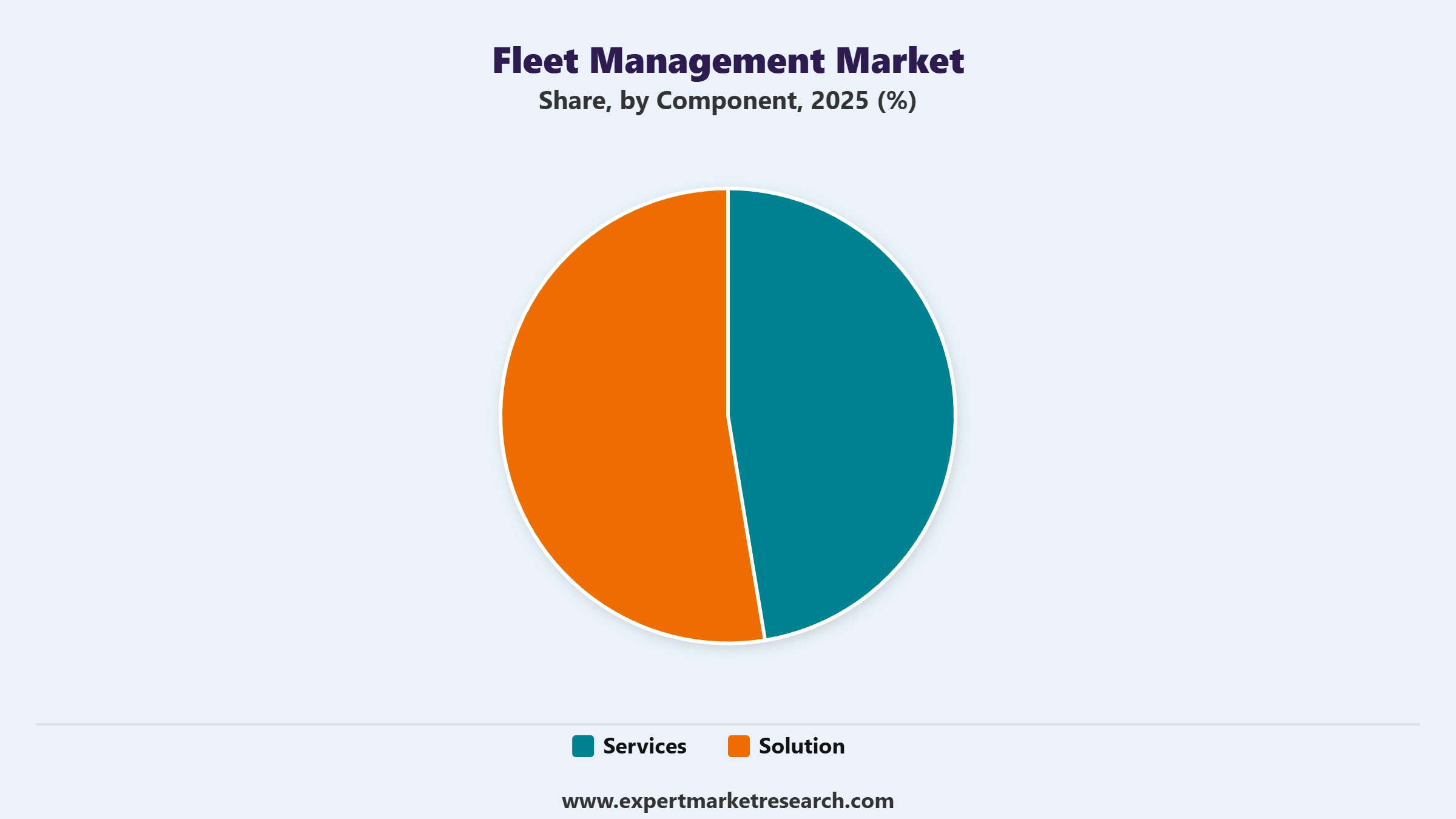
Key Insights: The market for fleet management solutions grows with an increased need for comprehensive services and solutions. Professional services are offered by Accenture, whereas managed services are offered by Verizon Connect and Samsara. Solution offerings include asset management, performance, safety & compliance, risk, and operations management solutions. Oracle Corporation announced an agreement with E2Open in December 2024 to improve real-time logistics operations with increased visibility into fleet operations.
Market Breakup by Development Type
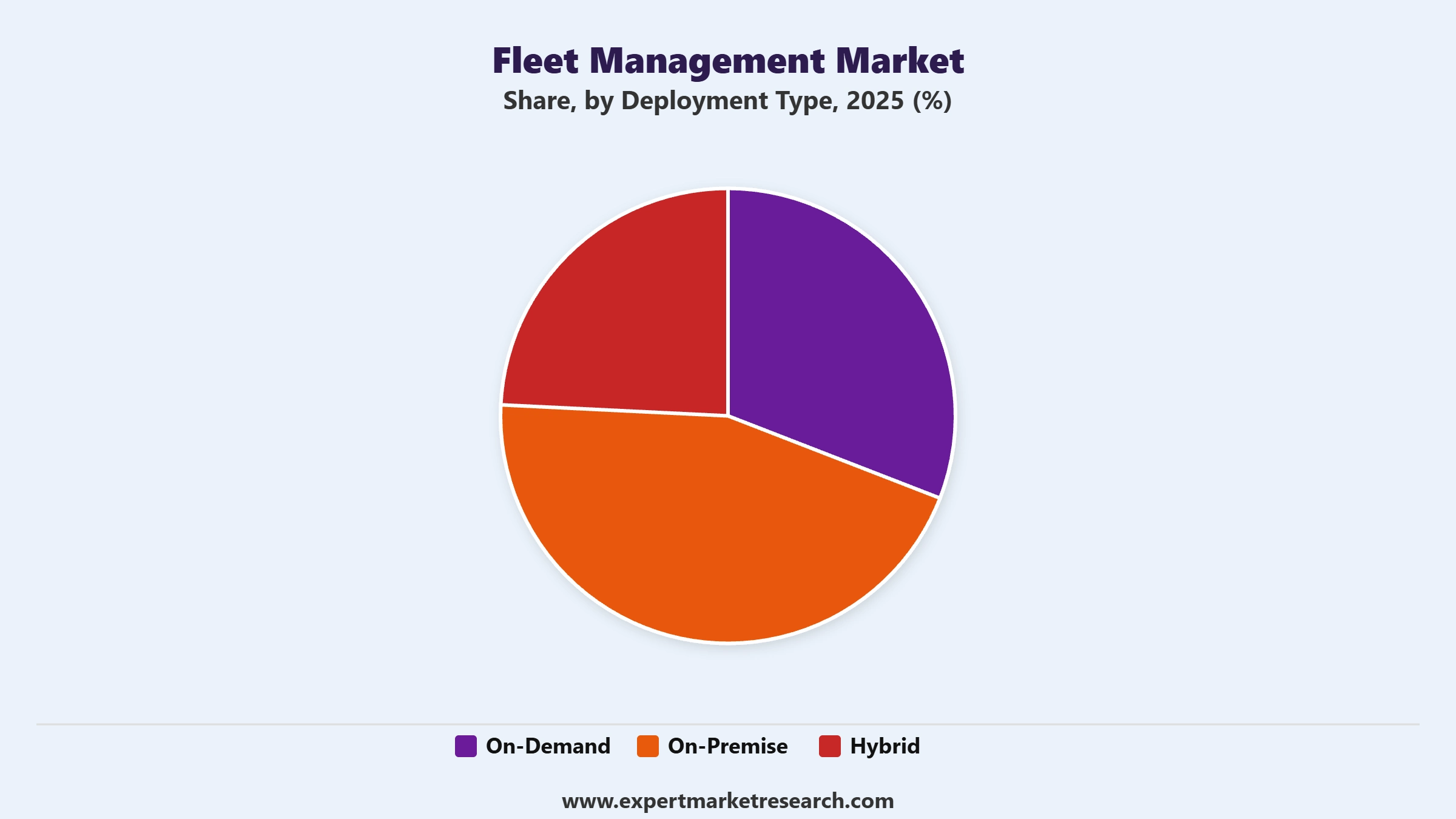
Key Insights: Fleet management solutions can be adopted in the on-demand pattern, on purchase pattern, and a combination of the two in the form of hybrid solutions. On demand solutions in the form of cloud Sahs systems include solutions like the Samsara Cloud and the Verizon Connect Fleet. On purchase solutions in the form of Sahs systems include the Teletrac Navman Director. Hybrid solutions include the Geotab’s MyGeotab system. Trimble and SAP came together in July of 2025 to leverage the power of the ERP system and the management of the fleet.
Market Breakup by Vehicle Type
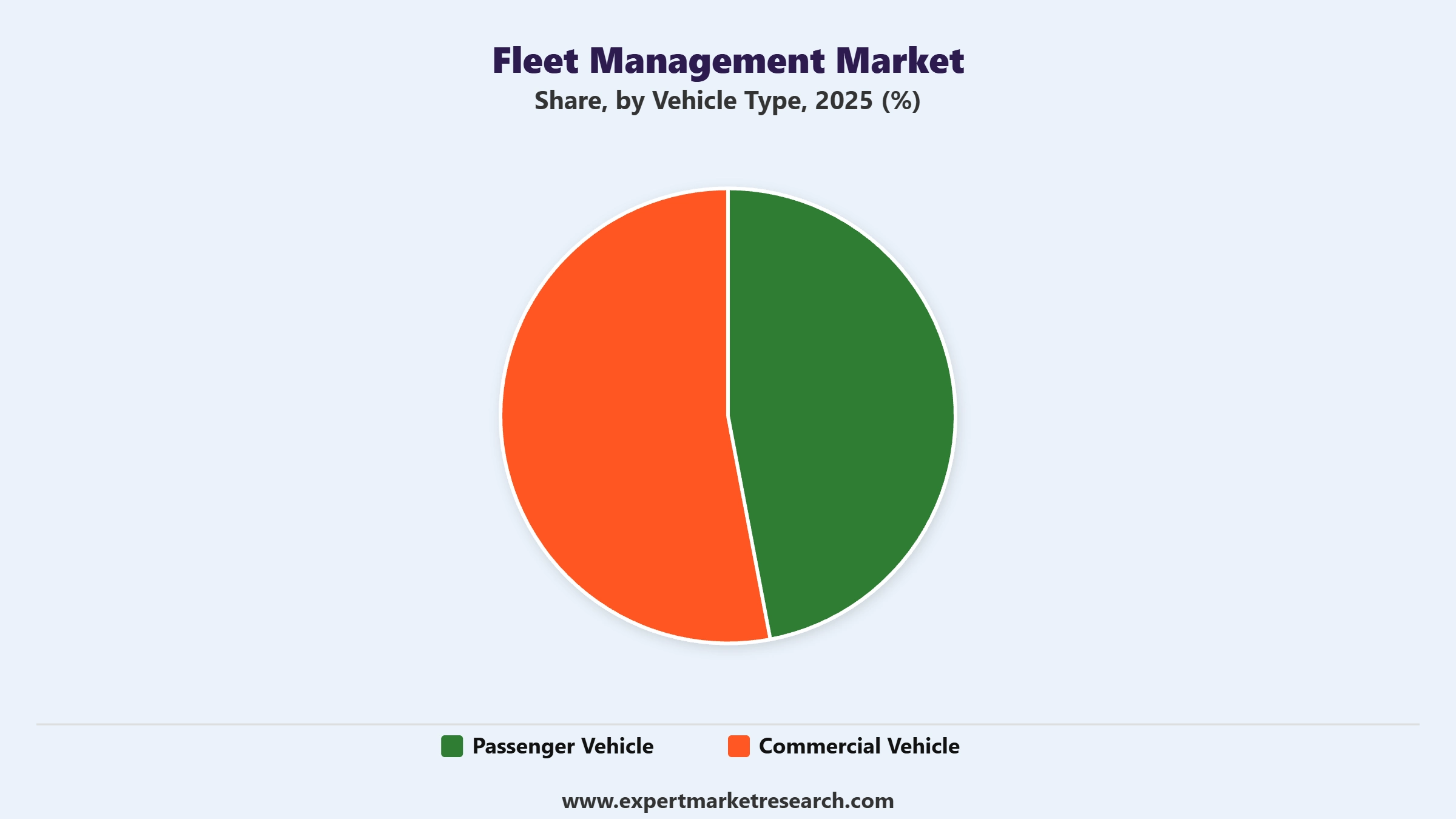
Key Insights: Fleet management systems range from passenger car-based fleets to commercial fleets. Passenger car-based fleets employ Geotab GO9, Verizon Connect Passenger Solution, and Fleetio Essentials. On the other hand, commercial fleets such as heavy-duty and delivery fleets use Samsara Commercial Telematics, Omnitracs XRS, and Teletrac Navman Director. Notably, this need led a collaboration between Volvo and Zonar, extending telematics solution support to commercial fleets as of August 2025, as the two companies improved OEM level visibility and diagnostic capabilities of heavy-duty commercial fleets across the world.
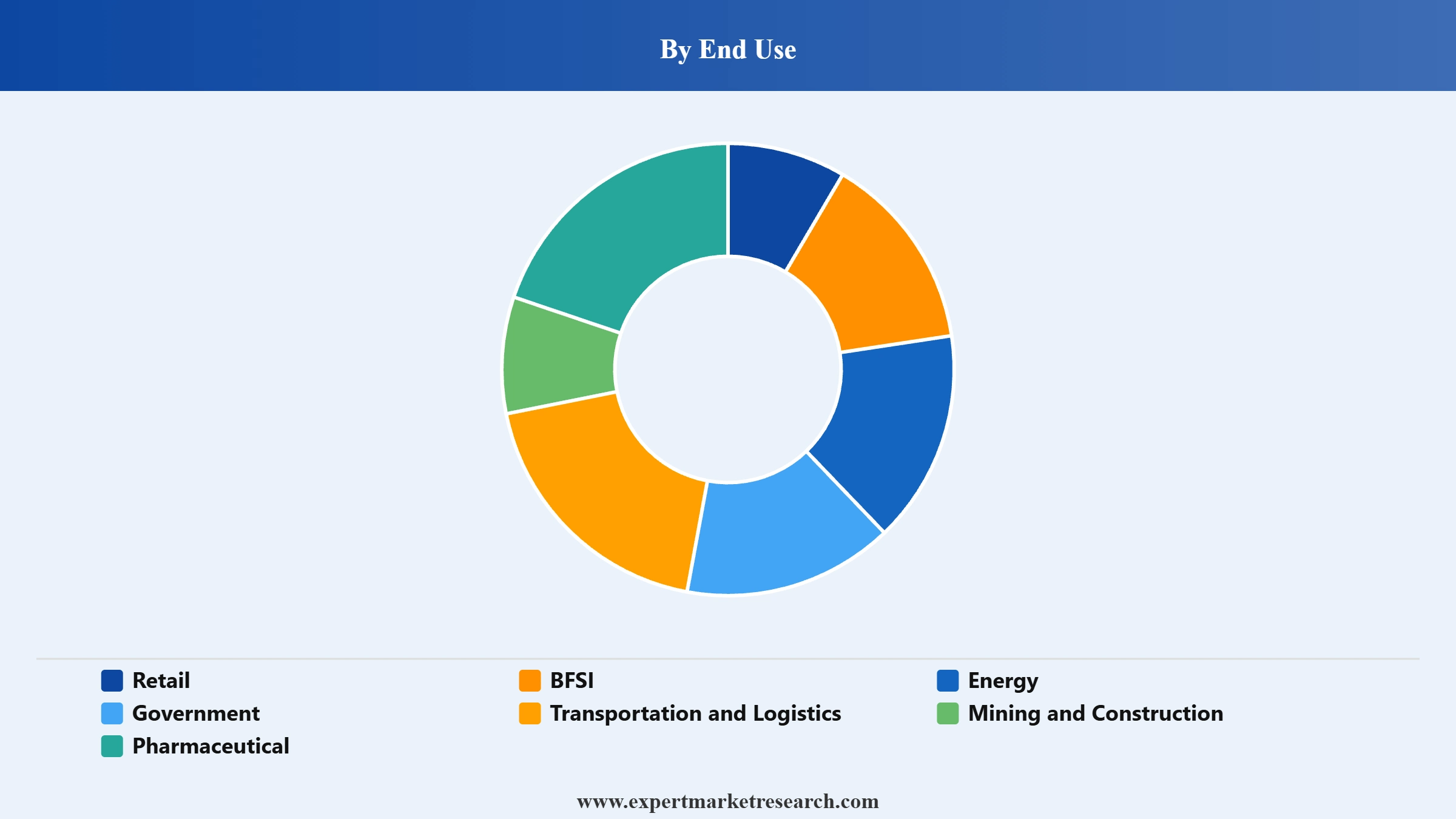
Market Breakup by End-Use
Key Insights: Fleet solutions are widely used in retail, BFSI, energy, government, transport & logistics, mining and construction, pharmaceutical, and other sectors. In transport and logistics, Trimble TMW Suite and Samsara Connected Operations Cloud are used for freight planning and visibility. In government and BFSI, Verizon Connect is known for its widespread use for compliance and life cycle management. In energy and mines, rugged product offerings from Teletrac Navman are used for safety and increased uptime, while pharmaceutical companies utilize cold chain monitoring capabilities available in advanced telematics offerings for quality compliance.
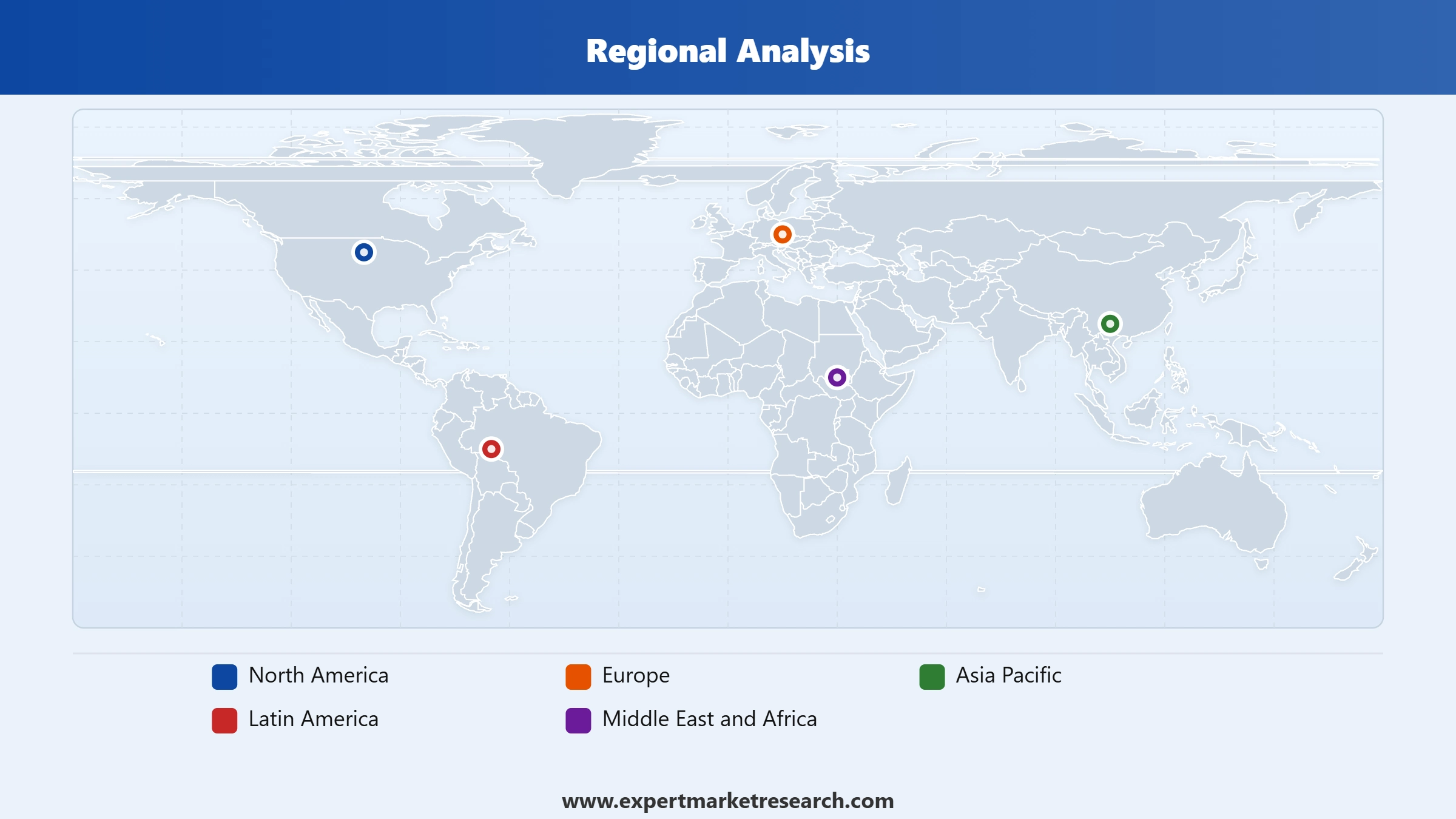
Market Breakup by Region
Key Insights: Regional adoption patterns for fleets are different for North America, Europe, Asia Pacific, Latin America, and Middle East & Africa. Leaders in North America are Samsara, Geotab, and Verizon Connect, whose product lines are focused on analytics and compliance. Multi-country optimization and sustainability solutions are in favor of Webfleet and Trimble solutions in Europe. The Asia Pacific region has been boosted by partnerships and expansions by Fleet Complete and Verizon Connect. In June 2025, Teletrac Navman entered Colombia, improving telematics in Latin America.
Read more about this report - REQUEST FREE SAMPLE COPY IN PDF
By components, managed services are gaining traction
Managed services for fleet management are also gaining popularity, where companies are outsourcing their complex operational processes, like maintenance scheduling, data analysis, and monitoring for compliance, to third-party companies with special know-how. Companies like Verizon Connect Managed Services, Samsara Professional Services, and Fleetio's Shop Network help manage and reduce operational burden for companies. To mark its expansion in this part of the industry, Siemens announced Depot360® Home Charging Reimbursement in April 2025 to enable fleets to combine their charging expenses with their data from telematics on managed services for better EV economics.
Read more about this report - REQUEST FREE SAMPLE COPY IN PDF
Performance management systems assist fleet managers in tracking KPIs related to fuel efficiency, driver performance, and asset use to manage their businesses optimally. The performance management systems available online are Teletrac Navman TN360, Samsara Fleet Performance, and Geotab Analytics, which offer reports and notifications to put telematics data into perspective. Mentioning innovation, Teletrac Navman introduced OEM Telematics integration in July 2025 to enable fleet operators to integrate factory-installed telematics systems into the TN360 system to provide enhanced performance analysis data without the need to install hardware.
By development type, on-purchase category witnesses notable uptake
In relation to purchase, fleet management software is applicable within large businesses that need complete data ownership, personalization, as well as interaction with internal systems like ERP and data regulatory compliance software. Systems such as Teletrac Navman Director, Fleetio Enterprise Edition, among others, are premises-based, providing businesses with complete system sovereignty. One of the signs of growth within the sector is Fleet Rocket’s extension of their GPS coverage to 54 carriers as of October 2025.
Read more about this report - REQUEST FREE SAMPLE COPY IN PDF
Hybrid models of deployment therefore allow flexibility between the agility of the cloud and the need to control from an in-house environment, thus allowing fleets to handle scalability and security to an extent. Services from firms such as Geotab MyGeotab, Trimble Fleet Edge, and Verizon Connect Hybrid Solutions allow scalability and flexibility in the ingestion of data from the cloud and an internal environment based on the IT strategy. To complement this, Mercedes-Benz Connectivity Services launched new additions to their partnerships in May and June 2025 to allow telematics data to enter platforms such as Way Data Technologies.
By vehicle type, passenger vehicles show robust growth
In the passenger vehicle market, the key drivers of fleet management include the safety of the drivers, route optimization, and cost-effective solutions for businesses and passenger cars rented for specific purposes. Services such as the Geotab GO9, the Verizon Connect Passenger Solutions, and the Fleetio Essentials enable real-time tracking and analytics specific to lighter vehicles. Showing innovation in products, in October 2025, Netstar recently demonstrated its STARtag asset tracking solutions and AI dash cam solutions at the Mobility Live 2025 event.
Read more about this report - REQUEST FREE SAMPLE COPY IN PDF
Commercial fleets of vehicles, including heavy-duty trucks and courier van fleets, require effective approaches to routing, Hours of Service regulation compliance, as well as commercial fleet uptime. The top solutions include the XRS solution from Omnitracs, the Samsara Commercial Telematics solution from Samsara Labs, as well as the TN360 solution from Teletrac Navman. In August 2025, EROAD strengthened the worldwide relationships it has with both HERE Technologies and Geotab. The update enhances commercial fleet navigation support as well as support for electric vehicles.
By end use, the energy sector generates substantial revenue
Fleet management in the energy industry revolves around safety and vehicle uptime in both field and plant operations. The solutions available in this industry include Teletrac Navman Director, Samsara Safety, and Trimble TMW Suite. These enable energy industry fleets to adhere to required regulations and allow them to efficiently manage their operations in far-off and hard-to-reach destinations. Aligning with this spirit of innovation, Bluedot introduced its new product lines, including Shared Private Chargers at NAFA I&E Expo 2025. These allow energy and utility industry fleets to easily adopt depot charging infrastructure without spending on new infrastructure.
Read more about this report - REQUEST FREE SAMPLE COPY IN PDF
In transport and logistics fleets, these applications of technology emphasize efficiency, regulatory compliance, and visibility of freight. Solutions like GPS Insight, Trimble TMW Suite, or Samsara Connected Operations Cloud enable transportation companies to make better use of routes. Against this background, Koch Disruptive Technologies participated in a funding of USD 40 million for Optimal Dynamics in May 2025, furthering artificial intelligence-enabled route optimization tools, as well as freight matching tools, that directly enhance transport fleets.
By Region, North America leads the market growth
North America continues to lead the adoption of fleet management solutions related to AI, safety, and government regulations. Vendors like Samsara, Geotab, and Teletrac Navman extend the strengths of their solutions related to augmented analytics, predictive maintenance, and optimisation for hybrid fleets. To support the growth in AI-enabled fleet management tools for the focus areas of safety, regulation, and assets in the logistics and construction verticals, Motive Technologies announced its IPO filing in the United States in December 2025.
Read more about this report - REQUEST FREE SAMPLE COPY IN PDF
The Europe fleet management market is experiencing growth due to efforts by service providers who are broadening integrated, subscription-based fleet and device management platforms to meet the needs of operations that are scalable, compliant, and cost-efficient. Enterprises are progressively focusing on innovation-led markets that have a robust digital infrastructure for the localization of support and the speeding up of the adoption process. As an example, in 2025, Fleet made an announcement regarding its expansion in the Netherlands, which, in turn, deepens its European presence and provides Dutch businesses with the transient use of a complete fleet and device solution, backed by local teams and extensive lifecycle management capabilities.
The players in the global fleet management market are concentrating on innovation at the platform level, data analytics, and cloud scalability in their offerings in order to address the requirements of the customers. They are also focusing on increasing the use of analytics in AI, predictive maintenance activities, as well as real-time visibility in their offerings in order to enhance efficiency. They are also concentrating on investments in product modularity in their offerings.
Current leading fleet management solution providers are now committed to further augmenting their competitive differential by means of expanding their reach, portfolios, and other ecosystems. In this regard, solution providers, along with original equipment manufacturers, telematic providers, as well as other mobility solution providers, are now increasingly working together to provide comprehensive solutioning in the realm of compliance, electrification, as well as management. Acquisitions as well as venture capital outlays are also being directed at accelerating innovation, portfolios, as well as growth in commercial, government, as well as enterprise fleets.
Founded in the year 1968 and headquartered in Paris, France, ALD Automotive Pvt Ltd has come out as a worldwide leader in fleet management and related mobility services. The firm provides full-service leasing and mobility services to various corporates and public sector entities in different zones.
Arval BNP Paribas Group has been established since 1989 in Rueil-Malmaison, France. The service provider focuses on vehicle leasing as well as complete fleet management services to support clients in their mobility plans and data solutions.
The firm has headquarters in Amsterdam, Netherlands, and it was founded back in 1963 as a worldwide entity that focuses on the leasing of fleets of vehicles alongside telematics integration, sustainability advice, as well as managing the overall life cycle for different clients from institutions and companies.
Wheels, Inc. operates from Des Plaines, Illinois in the United States of America. The company was established in 1939. The company offers customized fleet management services and mobility solutions for their clients. The services also comprise a vehicle supply, management of maintenance activities, analysis, and consultation that assist in optimizing the efficiency of the fleet and managing the associated costs.
Other players in the market include Volkswagen Financial Services, among others.,
*Please note that this is only a partial list; the complete list of key players is available in the full report. Additionally, the list of key players can be customized to better suit your needs.*
Explore the latest trends shaping the Global Fleet Management Market 2026-2035 with our in-depth report. Gain strategic insights, future forecasts, and key market developments that can help you stay competitive. Download a free sample report or contact our team for customized consultation on global fleet management market trends 2026.


Upto 15% Off
USD
$2499 $2249
$3999 $3599
$4999 $4249
$5999 $5099


*While we strive to always give you current and accurate information, the numbers depicted on the website are indicative and may differ from the actual numbers in the main report. At Expert Market Research, we aim to bring you the latest insights and trends in the market. Using our analyses and forecasts, stakeholders can understand the market dynamics, navigate challenges, and capitalize on opportunities to make data-driven strategic decisions.*
In 2025, the global fleet management market reached an approximate value of USD 30.05 Billion.
The market is projected to grow at a CAGR of 14.30% between 2026 and 2035.
By 2035, the market is expected to attain a value of USD 114.37 Billion.
Key strategies driving the market include expanding cloud-based and AI-enabled fleet platforms to improve real-time visibility, safety, and operational efficiency. Market players are also focusing on strategic partnerships, electrification support, and integrated managed services to deliver end-to-end fleet solutions across regions and vehicle types.
The key trends guiding the market growth include the growing adoption of wireless technologies and innovative solutions to optimise fleet management and the introduction of affordable fleet management solutions.
The major regional markets for fleet management are North America, Europe, Asia Pacific, Latin America, Middle East, and Africa.
The major deployment types considered in the market report include on-purchase, on-demand, and hybrid.
The various end uses of fleet management include retail, BFSI, energy, government, transportation and logistics, mining and construction, and pharmaceutical, among others.
The significant vehicle types in the market are passenger vehicle and commercial vehicle.
The major components in the market are services and solutions.
The key players in the market include ALD Automotive Pvt Ltd, Arval BNP Paribas Group, LeasePlan, Wheels, Inc., and Volkswagen Financial Services, among others.
The global fleet management market faces challenges related to high implementation costs, data integration complexity, and varying regulatory requirements across geographies. Additionally, cybersecurity risks, data privacy concerns, and the need to manage mixed fleets during electrification transitions continue to pressure fleet operators and solution providers.
Explore our key highlights of the report and gain a concise overview of key findings, trends, and actionable insights that will empower your strategic decisions.
| REPORT FEATURES | DETAILS |
| Base Year | 2025 |
| Historical Period | 2019-2025 |
| Forecast Period | 2026-2035 |
| Scope of the Report |
Historical and Forecast Trends, Industry Drivers and Constraints, Historical and Forecast Market Analysis by Segment:
|
| Breakup by Component |
|
| Breakup by Deployment Type |
|
| Breakup by Vehicle Type |
|
| Breakup by End Use |
|
| Breakup by Region |
|
| Market Dynamics |
|
| Competitive Landscape |
|
| Companies Covered |
|
| Report Price and Purchase Option | Explore our purchase options that are best suited to your resources and industry needs. |
| Delivery Format | Delivered as an attached PDF and Excel through email, with an option of receiving an editable PPT, according to the purchase option. |
Datasheet
One User
USD 2,499
USD 2,249
tax inclusive*
Single User License
One User
USD 3,999
USD 3,599
tax inclusive*
Five User License
Five User
USD 4,999
USD 4,249
tax inclusive*
Corporate License
Unlimited Users
USD 5,999
USD 5,099
tax inclusive*
*Please note that the prices mentioned below are starting prices for each bundle type. Kindly contact our team for further details.*
Flash Bundle
Small Business Bundle
Growth Bundle
Enterprise Bundle
*Please note that the prices mentioned below are starting prices for each bundle type. Kindly contact our team for further details.*
Flash Bundle
Number of Reports: 3
20%
tax inclusive*
Small Business Bundle
Number of Reports: 5
25%
tax inclusive*
Growth Bundle
Number of Reports: 8
30%
tax inclusive*
Enterprise Bundle
Number of Reports: 10
35%
tax inclusive*
How To Order

Select License Type
Choose the right license for your needs and access rights.

Click on ‘Buy Now’
Add the report to your cart with one click and proceed to register.

Select Mode of Payment
Choose a payment option for a secure checkout. You will be redirected accordingly.
Strategic Solutions for Informed Decision-Making
Gain insights to stay ahead and seize opportunities.

Get insights & trends for a competitive edge.

Track prices with detailed trend reports.

Analyse trade data for supply chain insights.

Leverage cost reports for smart savings

Enhance supply chain with partnerships.

Connect For More Information
Our expert team of analysts will offer full support and resolve any queries regarding the report, before and after the purchase.
Our expert team of analysts will offer full support and resolve any queries regarding the report, before and after the purchase.
We employ meticulous research methods, blending advanced analytics and expert insights to deliver accurate, actionable industry intelligence, staying ahead of competitors.
Our skilled analysts offer unparalleled competitive advantage with detailed insights on current and emerging markets, ensuring your strategic edge.
We offer an in-depth yet simplified presentation of industry insights and analysis to meet your specific requirements effectively.




