

Consumer Insights
Uncover trends and behaviors shaping consumer choices today
Procurement Insights
Optimize your sourcing strategy with key market data
Industry Stats
Stay ahead with the latest trends and market analysis.
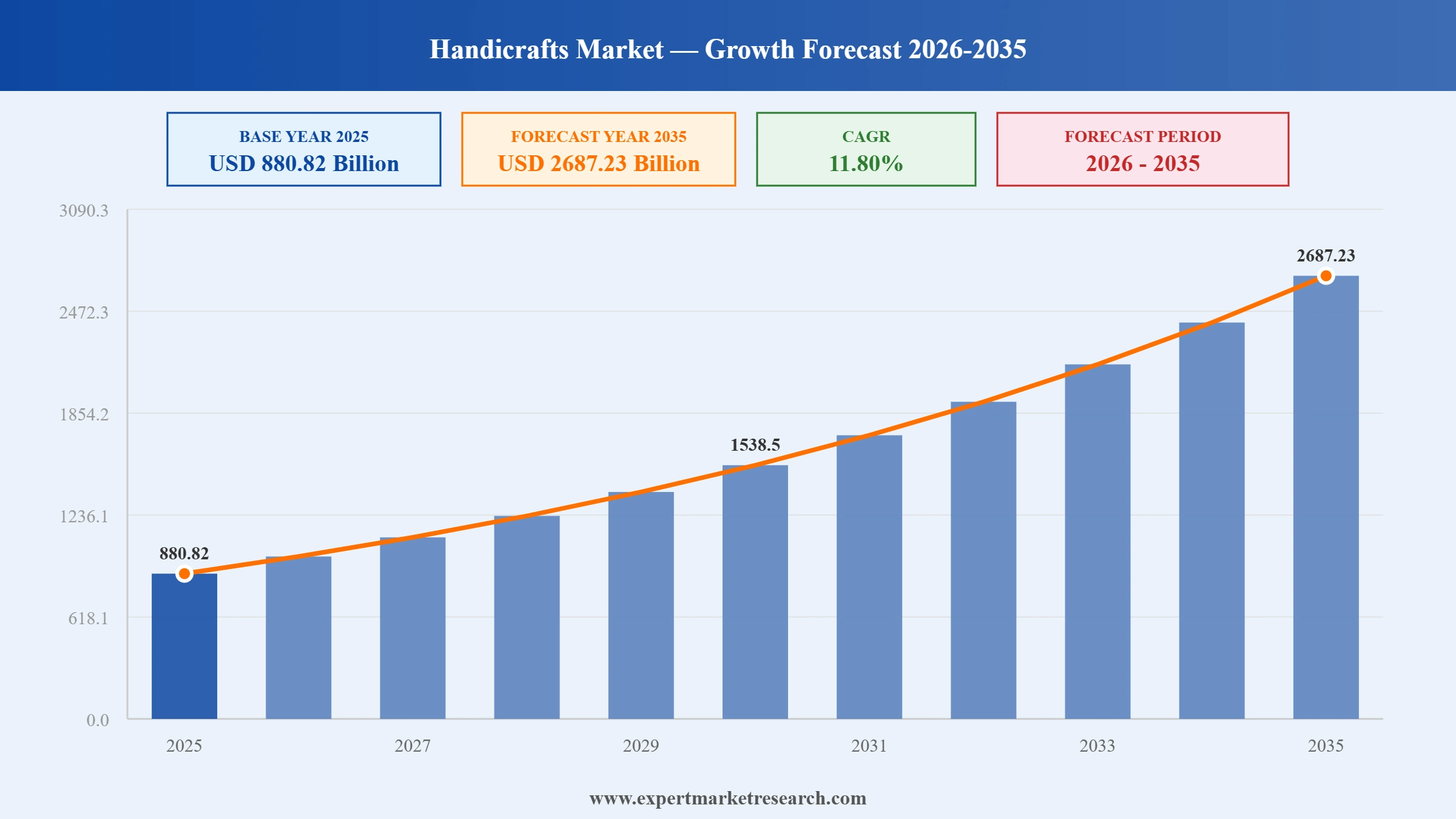
The global handicrafts market attained a value of USD 880.82 Billion in 2025 and is projected to expand at a CAGR of 11.80% through 2035. The market is further expected to achieve USD 2687.23 Billion by 2035. The increased use of traceability systems and sustainable sourcing certificates for artisans is increasing competitiveness in exports, as artisans gain access to high-profile international retail partners and lucrative procurement contracts.
There are two primary factors behind the rapid expansion in the global handicrafts market. First, hospitality businesses and real estate projects are increasingly buying handmade items such as decorations, furniture, and even art pieces to distinguish themselves from competitors. The second factor is that there are now more e-commerce websites where artisans can export their products internationally without solely depending on conventional marketing channels.
In November 2024, UNESCO and the World Crafts Council introduced new collaborative projects meant to help artisan clusters gain better market access through digital certification and heritage branding. This is an important development in the global handicrafts market considering that international buyers are now increasingly interested in traceable and authentic products. UNESCO says that the creative economy accounts for more than 3% of the global GDP. Hence, these developments are prompting handicraft enterprises to get ready for export markets, improve product authenticity, and participate in high-end retail and institutional procurement chains.
The handicrafts market observes a paradigm shift where traditional souvenir demand is making way for premium lifestyle, home decorations, sustainable fashion, and customized corporate gift-giving applications. Manufacturers, cooperatives, and artisans are making substantial investments in digital commerce infrastructure, product innovation, and improved transparency in their supply chains in order to attract international buyers. For example, in March 2026, India launched RISA: Timeless Tribal, a premium brand promoting tribal weaves, crafts, sustainable livelihoods, and global market access. Brands are increasingly using QR technology for storytelling, traceable artisans, and sustainable sourcing certification in their product offerings.
Read more about this report - REQUEST FREE SAMPLE COPY IN PDF
| Handicrafts Market Report Summary | Description | Value |
| Base Year | USD Billion | 2025 |
| Historical Period | USD Billion | 2019-2025 |
| Forecast Period | USD Billion | 2026-2035 |
| Market Size 2025 | USD Billion | 880.82 |
| Market Size 2035 | USD Billion | 2687.23 |
| CAGR 2019-2025 | Percentage | XX% |
| CAGR 2026-2035 | Percentage | 11.80% |
| CAGR 2026-2035 - Market by Region | Asia Pacific | 13.3% |
| CAGR 2026-2035 - Market by Country | India | 14.1% |
| CAGR 2026-2035 - Market by Country | China | 12.9% |
| CAGR 2026-2035 - Market by Product | Handprinted Textiles and Scarves | 13.5% |
| CAGR 2026-2035 - Market by End User | Residential | 12.2% |
| Market Share by Country | Saudi Arabia | 2.4% |
(NEHHDC), a Central Public Sector Enterprise under India's Ministry of Development of North Eastern Region, formally launched "Padma Doree" a cross-cultural textile initiative integrating Eri silk traditions from Northeast India with Chanderi weaving heritage from Madhya Pradesh, unveiled at an official event inaugurated by MDoNER Secretary Sanjay Jaju.
Several endangered traditional arts and crafts were included in UNESCO’s Urgent Safeguarding List that promotes preservation, documentation of culture, and artisan involvement and support from the international community. Businesses can therefore work together with the artisans to create heritage products, cultural tourism products, and handcrafted exports, accelerating the handicrafts market value.
Narimade launched a global digital marketplace where women artisans could connect with the international consumers through curated handmade products and their stories. Companies can therefore create artisan-friendly digital marketplaces, ethical sourcing platforms, and global handmade products collections for premium lifestyle consumers.
Seven projects were launched by the European Union and India's Ministry of Textiles for the promotion of sustainable handicrafts, sustainable dyes, bamboo crafts, handloom, branding, and market access. Such developments in the handicrafts market encourage companies to invest in the production of sustainable handicrafts, use eco-friendly material, and follow circular manufacturing principles.
HGS Interactive collaborated with Streax Craft on the development of A+ content, digital banners, and e-commerce launch communications. This collaboration is an example of the way that effective digital branding and marketplace optimization boost product visibility and sales performance.
Digital markets are revolutionizing the handicrafts market dynamics through the establishment of direct connections between the artisans and global buyers through marketplaces like Etsy, Amazon Handmade, and regional craft marketplaces that are providing logistics and international payment support services to sellers. Governments around the world are also playing an active role through various digitalization programs. The Indian Ministry of Textiles is taking measures to enhance the online presence of artisan clusters through digitalization of the process. Companies are trying to make their product catalogue more attractive through the addition of virtual story-telling, artisan profiles, and origin verification. For instance, in April 2026, Jiaara Jewellery fused Indian handcrafted artistry with global aesthetics, empowering women artisans through sustainable, handmade jewellery collections.
There is an increasing awareness among corporate buyers and international retailers about the ethical sourcing of the handicrafts products. The handicrafts market observes a growing trend of the companies adopting ethical procurement practices including certification of the product, sustainable raw material, and transparent supply chain. Such practices are quite prevalent especially in the case of hand-crafted textiles, fashion accessories, and interior decorations. Various organizations like World Fair Trade Organization are advocating for such procurement methods to enhance market credibility of producers. Aligning with this trend, in June 2026, India launched a nationwide initiative targeting USD 100 billion textile and apparel exports by 2030 through sustainability, innovation, technical textiles, and stronger global trade partnerships. Some of the exporters of the handicrafts are also incorporating QR code verification into their processes.
The growth of cultural tourism is opening up new handicrafts market opportunities. Various governments and tourism authorities are incorporating their native crafts in destination marketing in order to boost interaction and spending among visitors. Nations such as India, Morocco, Thailand and Peru are investing in their artisan communities, heritage markets and other tourism projects focusing on the crafts. Firms are leveraging this trend through creation of special collections that are reflective of the regional culture and historical crafts. For example, in May 2026, UNESCO launched cash-for-work programs engaging local artists and heritage guides to strengthen sustainable tourism through community-led cultural preservation.
Product authentication technologies are becoming increasingly essential as global interest in genuine, handcrafted items continues to grow. Blockchain solutions, digital certification and smart labeling technologies are being adopted by various companies in a bid to authenticate the product sources and artisans. This trend in the handicrafts market is meant to alleviate the problems that come with imitation products and lack of transparency in the supply chains. Several handicraft exporters are partnering with technology companies in developing digital identities for their artisanal products. Further, in November 2025, Creative Tech Textile and Hans Global launched a sustainable Seawool-cotton blend using recycled oyster shells and ocean plastics.
There is a growing trend of handcrafted products being used in corporate gifting, corporate interiors, and workspace design industries. The increasing need among businesses for custom and culturally significant gifts which help them achieve their social and sustainable goals are further accelerating demand in the handicrafts market. Businesses are designing special business-to-business products, such as stationery, décor items, accessories, and corporate gifting. Developers of commercial real estate and hospitality businesses are also using handcrafted furniture and art pieces to develop unique spaces. In May 2026, Starbucks introduced limited-edition Miffy mugs, tumblers, plush toys, and accessories, strengthening collectible merchandise appeal and customer engagement.
The Expert Market Research’s report titled “Global Handicrafts Market Report and Forecast 2026-2035” offers a detailed analysis of the market based on the following segments:
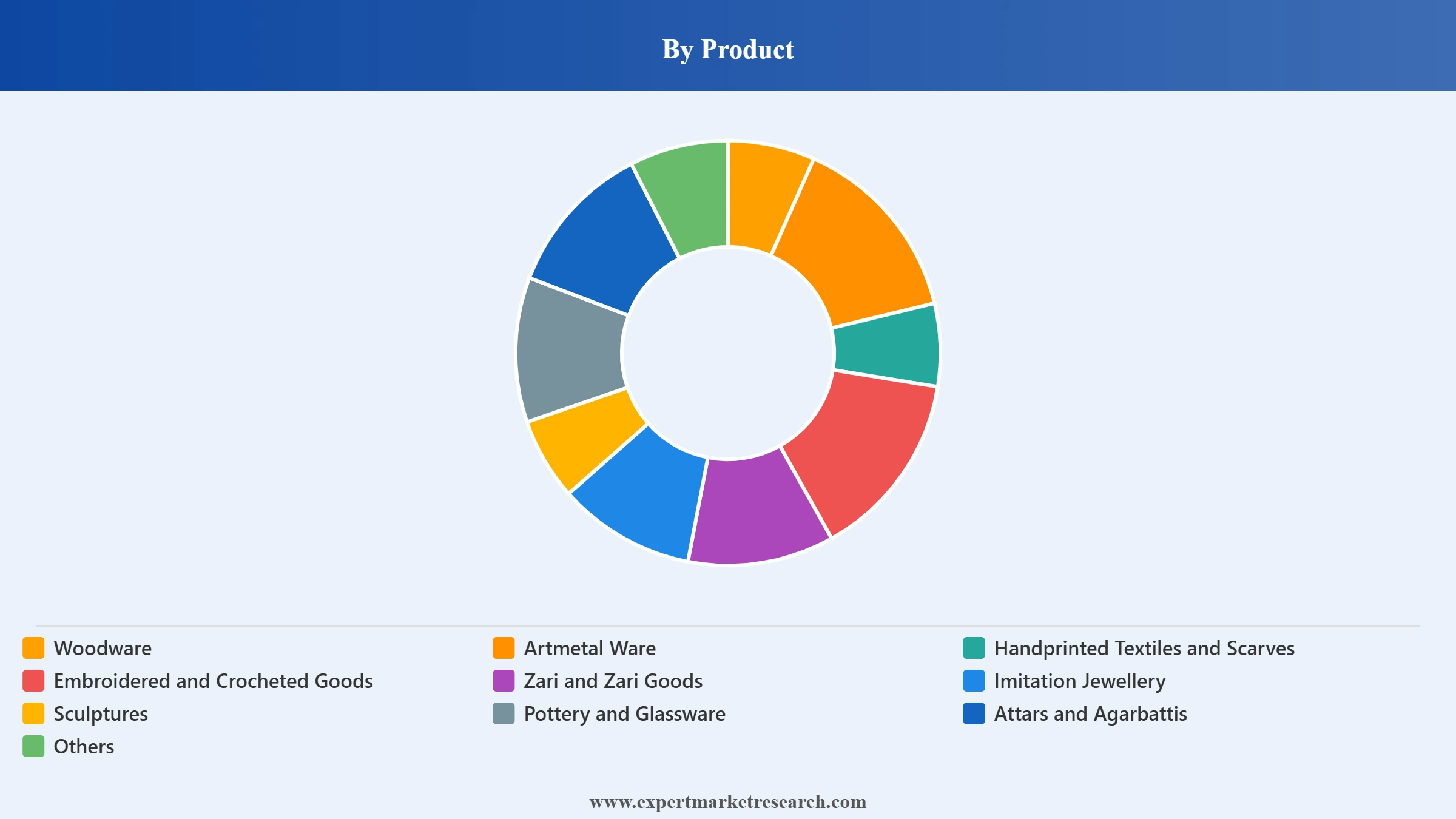
Market Breakup by Product
Key Insight: The handicrafts market shows varied growth dynamics depending on various product categories. The demand for woodware is high due to its application in high-end interior designs. Art metal ware is becoming more popular owing to its decorative and luxurious uses for gifting. Hand printed fabrics and scarfs find support due to fashion personalization. Embroidered and crocheted products are popular amongst those who want skilled handiwork. Zari and zari products find their use in ceremonies and luxury textiles. Imitation jewelry segments generate significant demand due to consumer preference for sustainable fashion at an affordable price range. For example, in August 2025, Senava unveiled durable, American-inspired anti-tarnish jewelry designed for everyday wear, blending contemporary fashion with lasting craftsmanship. Sculptures find buyers in the form of collectors and hospitality projects.
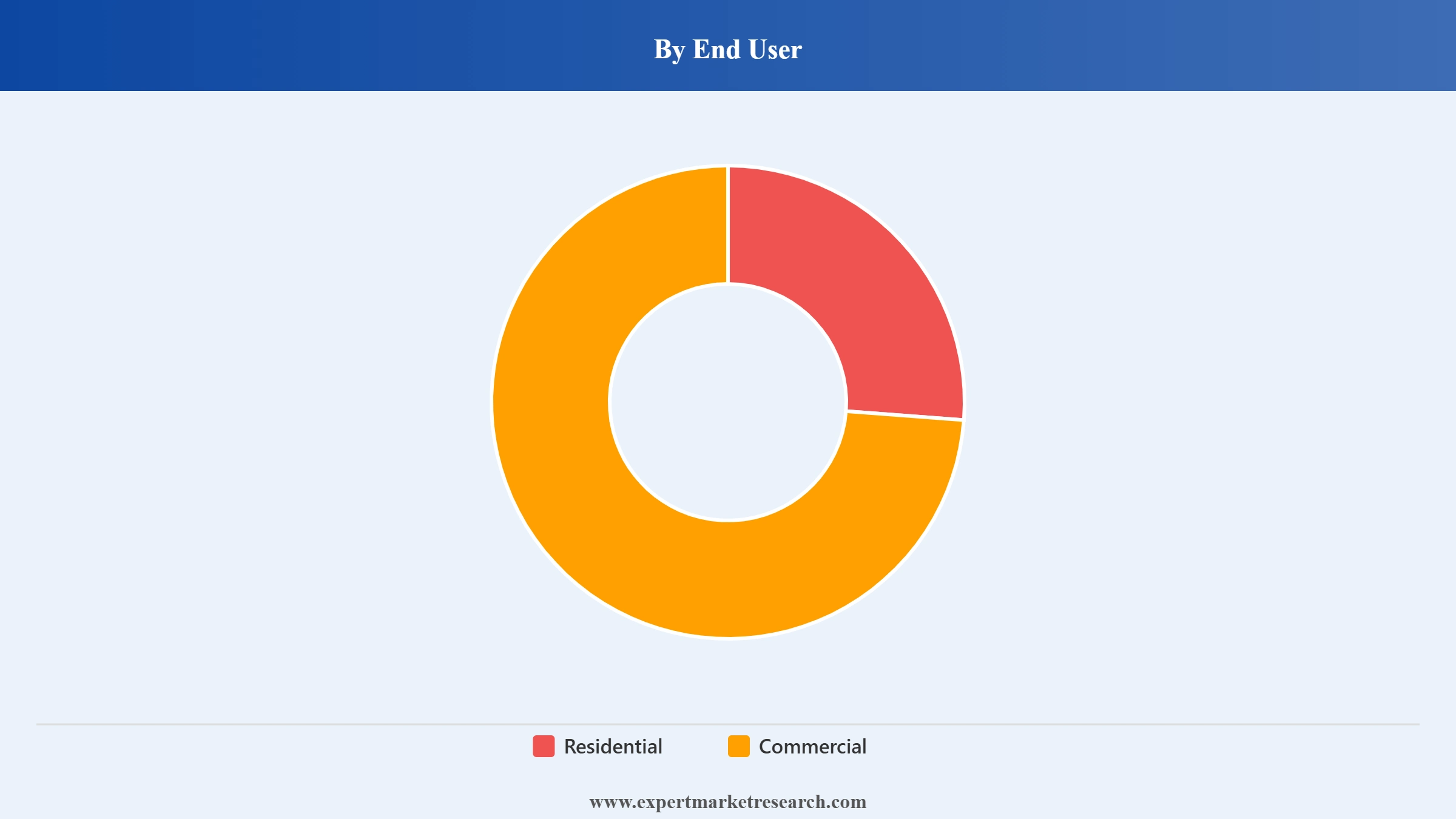
Market Breakup by End User
Key Insight: Residential demand in the handicrafts market continues to be largely prevalent because of the presence of trends such as personalization, home decoration, and appreciation of craftsmanship among other reasons. Commercial demand, on the other hand, is increasing due to the expansion of the hospitality sector, retail outlets, corporate offices, and the rising popularity of corporate gifting. In residential markets, buyers consider aesthetics, cultural aspects, and uniqueness; however, in the commercial markets, buyers emphasize customization, differentiations, and sustainability. These two sets of end-users help create a well-balanced market structure that will benefit both artisans and handicraft makers/exporters.
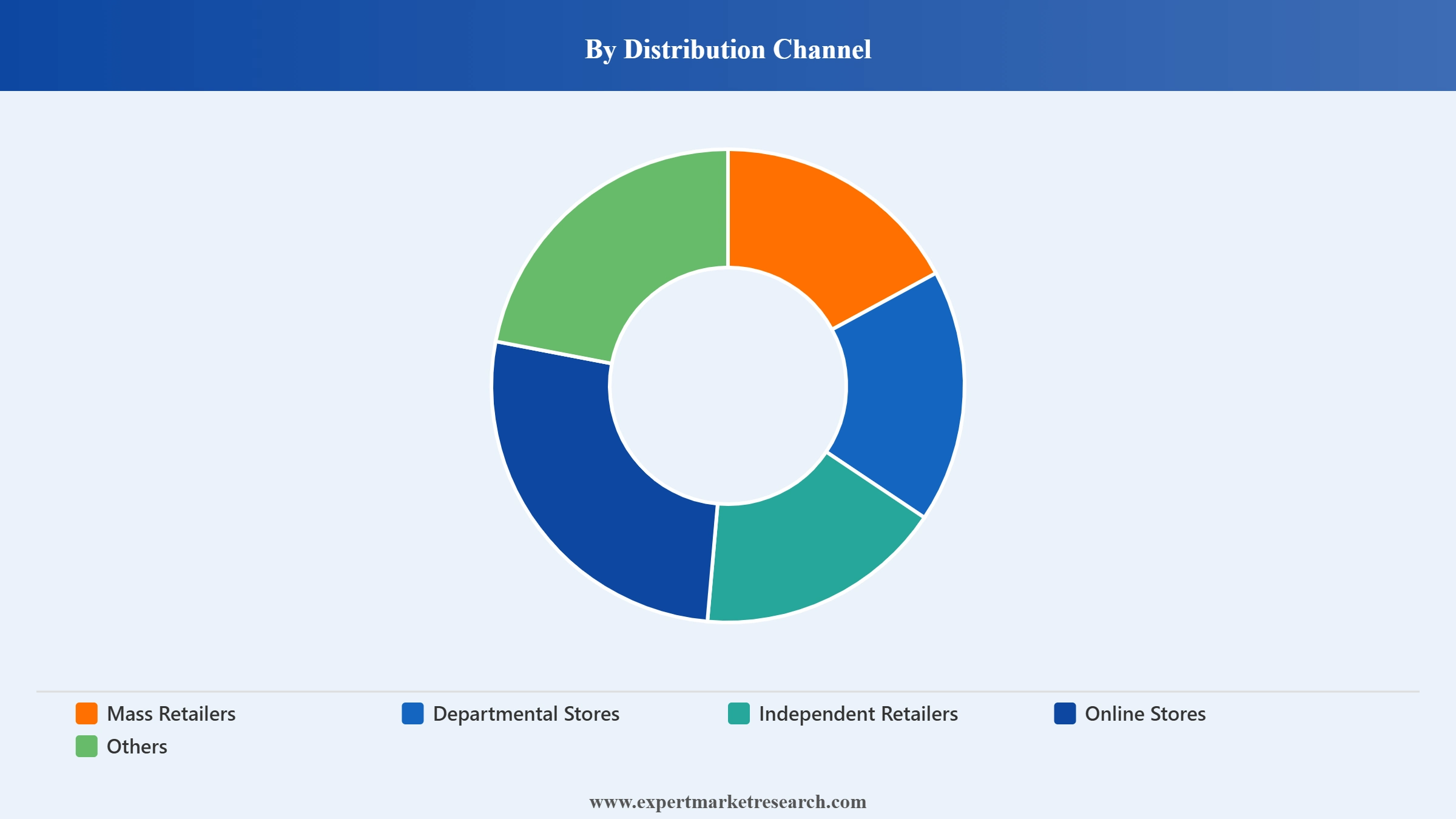
Market Breakup by Distribution Channel
Key Insight: The various distribution channels of the handicrafts market have their own unique strategic functions. Mass merchandisers bring about scale and increased accessibility, whereas the departmental stores help to position the products in the premium category. The independent retailers ensure authenticity and representation by artisans through selected collections. The online stores help in expanding international reach, building consumer interaction directly, and discovering niche products. There are other distribution channels as well as trade shows, specialty stores, and tourism-oriented ones that help in adding value through increased visibility and purchases.
Market Breakup by Region
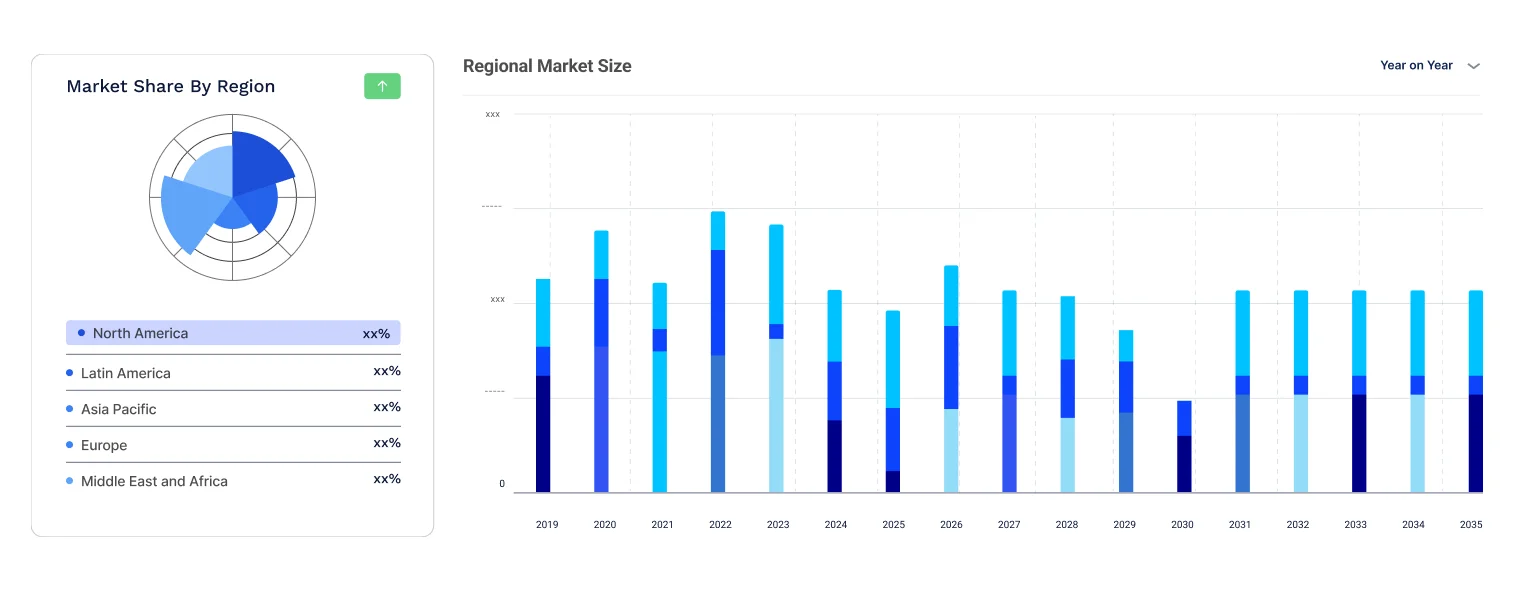
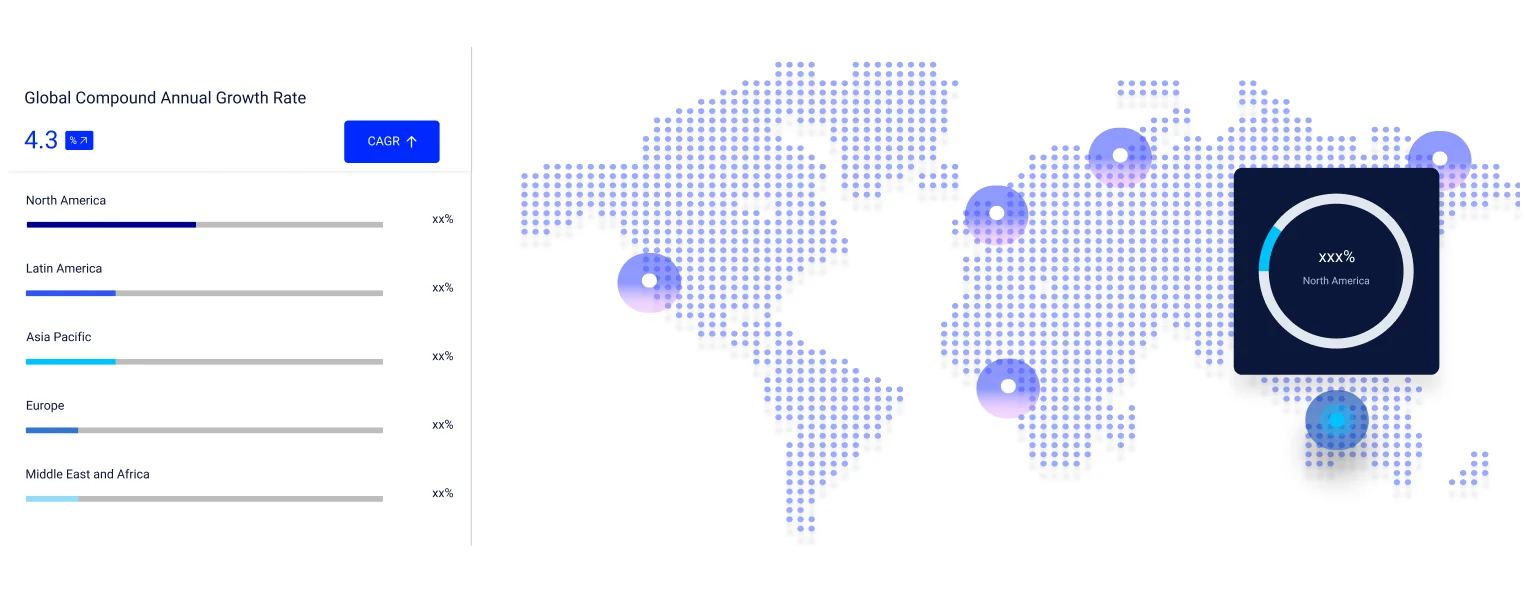
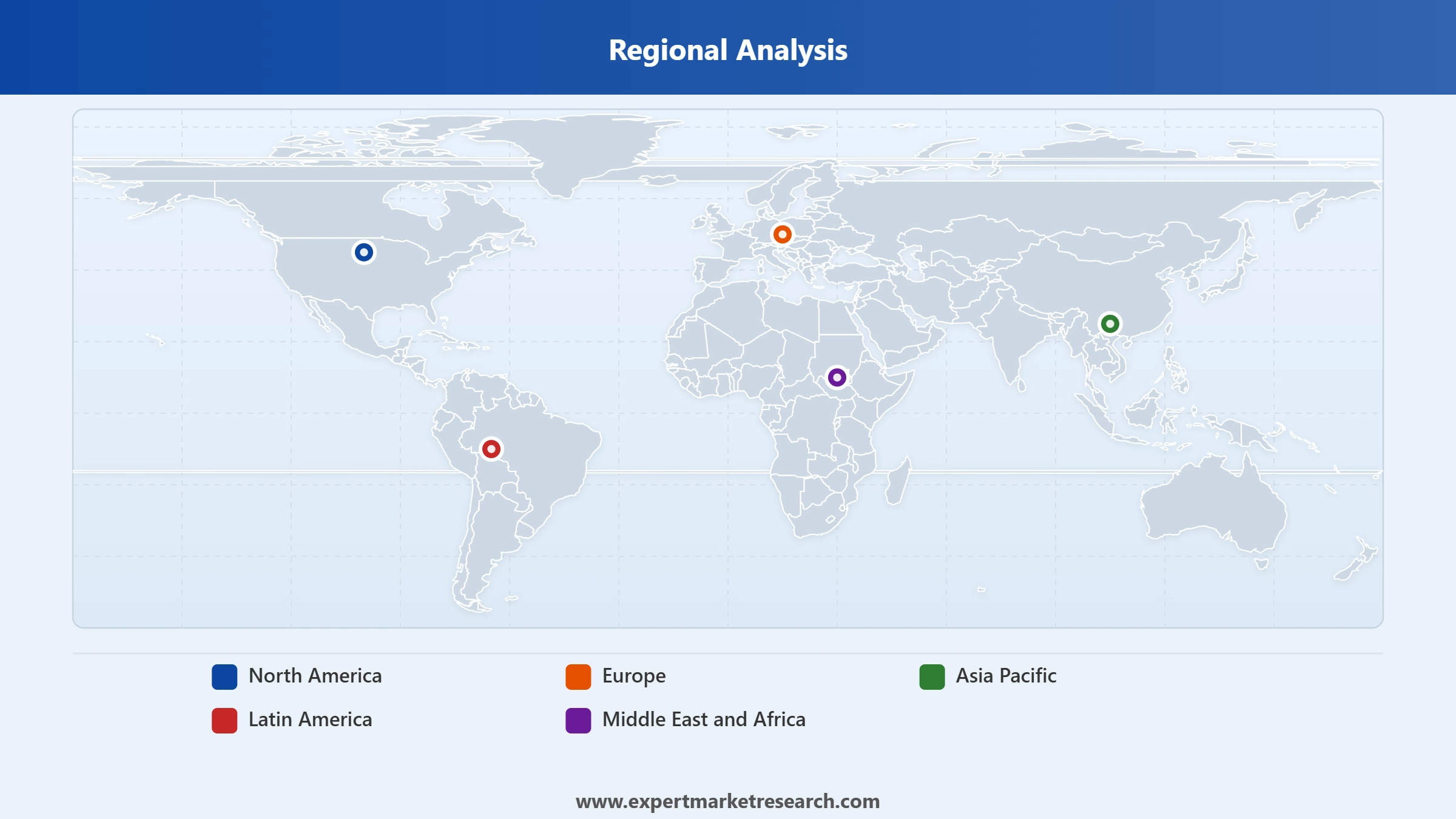
Key Insight: The Asia Pacific region serves as the production and exporting base for the global handicrafts market due to the strong presence of craftsmen and manufacturing infrastructure. The North American market is driven by demands for sustainable and culturally unique products. In Europe, the focus is on craftsmanship, heritage, and ethics. Latin America makes use of indigenous arts and culture to enhance their participation in the marketplace. The Middle East and Africa regions are increasingly making use of handicrafts for tourism and heritage purposes.
Read more about this report - REQUEST FREE SAMPLE COPY IN PDF
By product, woodware dominates the market due to premium home décor demand
Woodware is the leading segment within the handicrafts market due to the use of wooden items for various purposes, including home decor, furniture, gifting, hotel interiors, and luxurious retailing. Handcrafted wooden products are gaining favor among consumers as they are sustainable, durable, and unique. Hotels, resorts, and upscale residential construction projects are using handcrafted wooden decor items to offer differentiated products. The skills of artisans to blend traditional and contemporary styles are expected to drive sales by international retailers and procurement agencies. In September 2024, Handmade Wooden Crafts launched an e-commerce platform offering sustainable handcrafted wooden décor, supporting artisans, and expanding global accessibility.
Read more about this report - REQUEST FREE SAMPLE COPY IN PDF
The imitation jewelry segment is experiencing rapid growth in the handicrafts market due to changes in fashion trends, rising demand for handmade products, and the influence of online platforms. An increasing number of customers are demanding unique pieces of jewelry with cultural elements and sustainable materials. Designers and fashion retailers are extending their ranges with handcrafted products at affordable prices. The segment records good demand for gift purposes and increased involvement of independent designers working with artisan communities.
Residential users account for the largest share of the market due to décor demand
The residential category largely contributes to the global handicrafts market revenue as more consumers are spending on creating personalized homes with handcrafted decorations, furniture, fabrics and accessories. The shift from mainstream products to artisan-made products is taking place as people recognize that there is much more cultural value associated with the latter than the former. Increased consumer interest in sustainable living, home improvements, and bespoke interiors further fuel the growth potential of this market segment. In June 2026, Nesterra unveiled premium upholstery and curtain fabrics blending heritage craftsmanship, durability, responsible manufacturing, and contemporary interior aesthetics.
Read more about this report - REQUEST FREE SAMPLE COPY IN PDF
Commercial represents an increasingly important segment of the global handicrafts market as the hospitality sector, luxury retailers, and even real estate developers are increasingly incorporating handmade products into their projects. Companies are using artisanal decoration, furniture, and custom installations as a means of distinguishing themselves from other players in the marketplace. Gifting programs within corporations also present ample opportunities for handicraft companies to sell their products. Firms that pursue sustainable and culturally inspired designs represent a significant part of the customer base. In October 2023, Reliance Retail planned global Swadesh luxury stores showcasing Indian handcrafted products, strengthening artisan exports and premium handicraft retail.
By distribution channel, independent retailers lead the market growth through artisan-focused product offerings
Independent retailers continue to lead the handicrafts market growth because of the excellent relationships that they have built with artisan communities as well as the ability to provide unique product collections. They specialize in providing genuine, handcrafted products that attract customers who seek exclusivity and authenticity. Independent retailers are flexible and can source niche handicraft products from artisans, which makes them a significant source of market revenue generation. In June 2026, a former Joann store transformed into a two-day artisan festival, promoting local makers, workshops, and creative entrepreneurship
Read more about this report - REQUEST FREE SAMPLE COPY IN PDF
The other channel that is growing rapidly is online store channels due to the availability of digital technologies which remove geographical constraints and bring artisans together with global customers. Online marketplaces help the handicraft producers to present their wide product portfolio and reduce dependency on the intermediaries. Improved digital marketing, secure payments, and efficient logistics networks make e-commerce performance better, boosting the handicrafts market value.
Asia Pacific accounts for the dominant share of the market through strong artisan ecosystems
The Asia Pacific region is considered to be the largest regional handicrafts market owing to the presence of a vast artisan labor force in the region, its rich cultural legacy, and established handicraft manufacturing locations. Countries such as India, China, Indonesia, Thailand, and Vietnam act as major manufacturing and exporting centers for handmade products. The role of government in promoting artisans, increasing tourism activities, and strong overseas demand for traditional handicrafts makes this region sustain its dominant position. In addition to an abundance of raw materials and craftsmanship tradition, the region enables mass production of authentic items. In August 2025, Amazon Karigar highlighted over 200,000 handmade products from 18 lakh artisans, promoting India's rich handicraft heritage.
Read more about this report - REQUEST FREE SAMPLE COPY IN PDF
Another region that shows fast-growing trends is the Middle East and Africa owing to increased investments made by governments into cultural heritage protection, diversification of tourism and creative economy development. Demand for locally produced items is increasing across the hospitality industry, luxury retail, and heritage tourism sectors. This regional handicrafts market observes increased visibility of artisan businesses at international exhibitions and promotion of exports. Increased interest in authentic cultural items along with investments in heritage-oriented business projects provide good prospects for handicraft producers and exporters. In May 2026, Irthi launched an e-commerce platform connecting global consumers with sustainable Emirati handcrafted collections and contemporary artisan-made products.
As handicraft companies emphasize merging craftsmanship with modern sales and technology, the international industry becomes increasingly competitive. The most influential players make significant investments into developing product traceability systems based on artisanship, QR code product story lines, sustainable sourcing initiatives, and online distribution modes. There is an increasing tendency of partnerships between manufacturers with hospitality companies, luxury retail chains, and corporate gift suppliers to increase purchasing agreements. Opportunities are associated with customization of handcrafting, heritage-related premium collections, and eco-responsible materials.
Additionally, there is a growing use of social commerce and online marketplaces that can be used by companies for reaching international consumers without relying on intermediaries. Key handicrafts market players that specialize in exporting pay special attention to product design, limited edition collections and artisanship programs in order to increase product value. In connection with growing consumer interest in authentic and culturally relevant as well as sustainable products, the most targeted categories for international businesses are premium décor, fashion accessories, luxury gifting solutions and commercial interior projects.
Asian Handicrafts Pvt. Ltd., founded in 1976 and headquartered in India, is an eminent exporter of handcrafted home décor products, furniture, and lifestyle merchandise. The company supplies its products to foreign retailers and wholesalers through large networks of artisans. Innovation in design, sustainability and customization of collections helps the company cater to changing demands of premium handcrafts in the global market.
Native Crafts and Arts, Inc., founded in 1966 and based in the Philippines, is engaged in supplying handmade decorative products, furniture, gifts, and artistic products. The company cooperates with the artisans' community to maintain their traditions of crafting while producing collections suitable for exporting.
Fakih Group of Companies was founded in 1994 and is based in Dubai, UAE. It operates in various industries such as handicrafts, gifts, and decorative items. The firm focuses on catering to tourism, hospitality, and retail industry via artisan collections. It has a wide distribution channel and a focus on culturally oriented products that enable the firm's strength in both regional and international markets.
Gangamani Fashions (Art & Crafts) was founded in 1998 and is based out of Jaipur, India. The firm is involved in manufacturing and exporting hand-crafted fashion accessories, textiles, jewelry, and decorative home goods. It works in collaboration with artisan clusters and aims at creating contemporary designs with traditional craftsmanship.
Other key players in the market include HN Handicrafts, S. N. Handicrafts, Unique Handicrafts Ltd, Vietnam Handicraft Co., Ltd, Haswani Handicrafts, and Sushil Craft., among others.
*Please note that this is only a partial list; the complete list of key players is available in the full report. Additionally, the list of key players can be customized to better suit your needs.*
The global handicrafts market faces significant structural challenges rooted in quality standardisation, intellectual property vulnerability, and the proliferation of mass-produced imitations. The increasing availability of machine-manufactured goods marketed as handmade products directly undermines artisan livelihoods and erodes consumer trust in authentic craftsmanship. Counterfeit and replica products flooding digital marketplaces make it difficult for genuine craftspeople to compete on price without compromising the quality and labour intensity that defines their work. Supply chain fragmentation, inconsistent raw material sourcing, and limited access to professional packaging and logistics infrastructure further constrain the ability of independent artisans to meet large-scale commercial orders reliably.
Structural restraints moderate the pace of handicrafts market formalisation and global expansion. The predominantly informal nature of artisan production creates barriers to institutional financing, government support access, and participation in formal export channels that require compliance documentation, quality certifications, and consistent production capacity. Geographic concentration of artisan clusters in rural and semi-urban areas limits connectivity to urban retail buyers and international trade platforms. Low digital literacy among traditional craftspeople restricts independent access to e-commerce channels, making them dependent on intermediaries who capture a disproportionate share of end-consumer pricing. Regulatory complexities around cross-border cultural goods trade and varying import standards across markets add compliance costs that disadvantage smaller producers.
Despite these challenges, the handicrafts market presents compelling and diversifying growth opportunities across product, channel, and geographic dimensions. The accelerating global shift toward sustainable consumption is creating structural demand for handmade, low-carbon, and ethically produced goods among environmentally conscious consumers in North America, Europe, and urban Asia. Cultural tourism recovery is expanding revenue opportunities for destination-based artisan retail and workshop experiences. AI-powered design tools are enabling artisans to scale creative output while preserving traditional craftsmanship. The rapid growth of direct-to-consumer digital platforms is eliminating intermediary layers, allowing skilled craftspeople to access global audiences and command premium pricing. The full Expert Market Research Handicrafts Market report provides granular analysis across product type, distribution channel, and region to support strategic decision-making.
Unlock the latest insights with our handicrafts market trends 2026 report. Discover regional growth patterns, consumer preferences, and key industry players. Stay ahead of competition with trusted data and expert analysis. Download your free sample report today and drive informed decisions in the market.


Upto 15% Off
USD
$2999 $2699
$4399 $3959
$5599 $4759
$6659 $5660


*While we strive to always give you current and accurate information, the numbers depicted on the website are indicative and may differ from the actual numbers in the main report. At Expert Market Research, we aim to bring you the latest insights and trends in the market. Using our analyses and forecasts, stakeholders can understand the market dynamics, navigate challenges, and capitalize on opportunities to make data-driven strategic decisions.*
In 2025, the market reached an approximate value of USD 880.82 Billion.
The market is projected to grow at a CAGR of 11.80% between 2026 and 2035.
The market is estimated to witness a healthy growth in the forecast period of 2026-2035 to reach about USD 2687.23 Billion by 2035.
The key strategies driving the market include expanding global reach through e-commerce, adopting sustainable materials, offering personalized products, and leveraging government support. Collaborations and participation in international fairs enhance visibility, while digital marketing and storytelling build brand loyalty and connect artisans with modern consumers effectively.
The key market trend guiding the growth of the handicrafts market includes the rising demand for the product as an important source of huge exports and potential foreign exchange in the forecast period.
The major regions in the industry are North America, Latin America, the Middle East and Africa, Europe, and the Asia Pacific.
Woodware is the leading product of handicrafts in the market.
The mass retailer segment leads the distribution channel segment.
The residential segment accounted for the leading end user sector of handicrafts.
The key players in the market report include Asian Handicrafts Pvt. Ltd., Native Crafts and Arts, Inc., Fakih Group of Companies, Gangamani Fashions (Art & Crafts), HN Handicrafts, S. N. Handicrafts, Unique Handicrafts Ltd, Vietnam Handicraft Co., Ltd, Haswani Handicrafts, and Sushil Craft, among others.
Top players are Asian Handicrafts Pvt. Ltd., Noah’s Ark International Exports, Matr Boomie, The Citizenry, and Novica, among others.
The Asia Pacific holds the highest share in the region.
The woodware segment dominates the market as it is prized for its blend of utility and artistry.
Explore our key highlights of the report and gain a concise overview of key findings, trends, and actionable insights that will empower your strategic decisions.
| REPORT FEATURES | DETAILS |
| Base Year | 2025 |
| Historical Period | 2019-2025 |
| Forecast Period | 2026-2035 |
| Scope of the Report |
Historical and Forecast Trends, Industry Drivers and Constraints, Historical and Forecast Market Analysis by Segment:
|
| Breakup by Product |
|
| Breakup by End User |
|
| Breakup by Distribution Channel |
|
| Breakup by Region |
|
| Market Dynamics |
|
| Competitive Landscape |
|
| Companies Covered |
|
Datasheet
One User
USD 2,999
USD 2,699
tax inclusive*
Single User License
One User
USD 4,399
USD 3,959
tax inclusive*
Five User License
Five User
USD 5,599
USD 4,759
tax inclusive*
Corporate License
Unlimited Users
USD 6,659
USD 5,660
tax inclusive*
*Please note that the prices mentioned below are starting prices for each bundle type. Kindly contact our team for further details.*
Flash Bundle
Small Business Bundle
Growth Bundle
Enterprise Bundle
*Please note that the prices mentioned below are starting prices for each bundle type. Kindly contact our team for further details.*
Flash Bundle
Number of Reports: 3
20%
tax inclusive*
Small Business Bundle
Number of Reports: 5
25%
tax inclusive*
Growth Bundle
Number of Reports: 8
30%
tax inclusive*
Enterprise Bundle
Number of Reports: 10
35%
tax inclusive*
How To Order

Select License Type
Choose the right license for your needs and access rights.

Click on ‘Buy Now’
Add the report to your cart with one click and proceed to register.

Select Mode of Payment
Choose a payment option for a secure checkout. You will be redirected accordingly.
Strategic Solutions for Informed Decision-Making
Gain insights to stay ahead and seize opportunities.

Get insights & trends for a competitive edge.

Track prices with detailed trend reports.

Analyse trade data for supply chain insights.

Leverage cost reports for smart savings

Enhance supply chain with partnerships.

Connect For More Information
Our expert team of analysts will offer full support and resolve any queries regarding the report, before and after the purchase.
Our expert team of analysts will offer full support and resolve any queries regarding the report, before and after the purchase.
We employ meticulous research methods, blending advanced analytics and expert insights to deliver accurate, actionable industry intelligence, staying ahead of competitors.
Our skilled analysts offer unparalleled competitive advantage with detailed insights on current and emerging markets, ensuring your strategic edge.
We offer an in-depth yet simplified presentation of industry insights and analysis to meet your specific requirements effectively.




