

Consumer Insights
Uncover trends and behaviors shaping consumer choices today
Procurement Insights
Optimize your sourcing strategy with key market data
Industry Stats
Stay ahead with the latest trends and market analysis.
The global rice bran oil market reached a volume of 1.77 Million Tons in 2025 and is projected to expand at a CAGR of 2.40% through 2035. The market is further expected to achieve 2.24 Million Tons by 2035. Rising health consciousness in edible oil consumption, expanding industrial and oleochemical applications, and continued capacity investment across major rice-producing economies are encouraging producers to widen their refined and derivative rice bran oil portfolios.
Rising global demand for healthier cooking oils is pushing food manufacturers and edible oil brands to reformulate products with rice bran oil, sustaining steady consumption growth across household, food service, and processed food channels. At the same time, growing use of rice bran oil and its derivatives in nutraceuticals, cosmetics, and biofuel applications is broadening the addressable market beyond conventional edible segments.
The rice bran oil market is witnessing sustained investment as producers expand capacity and modernise refining operations to serve increasingly quality-sensitive buyers. This momentum was underscored in September 2026, when market assessments indicated that the market is set to reach 18.24 billion dollars by 2033, supported by significant investments across extraction and refining capacity in major producing countries. Established manufacturers continue to prioritise high-purity refining and oryzanol retention, where enhanced nutritional positioning and premium edible grades deliver the clearest return on investment.
In addition, rice bran oil market players are allocating capital toward integrated extraction capacity, advanced refining technology, and derivative product lines spanning gamma oryzanol, sterols, and specialty food ingredients, with companies such as Ricela Health Foods Ltd, Zhejiang Delekang Food Co., Ltd. (DELEKANG), Kasisuri Co., Ltd., Gustav Heess GmbH, and Cargill pursuing expansion and product diversification strategies. Similarly, in September 2026, market assessments pointed to an expansion trajectory toward 20.6 billion dollars by 2033, driven by a 9.7% CAGR, reinforcing the scale of investment flowing into processing capacity and distribution networks.
Compound Annual Growth Rate
2.4%
Value in Million Tons
2026-2035
Read more about this report - REQUEST FREE SAMPLE COPY IN PDF
LPP Group established LPP Rice Bran Oil Co. in Thailand in September 2026, creating a dedicated production and marketing entity for refined rice bran oil aimed at food processors and retail brands across Southeast Asia. The launch adds organised capacity in one of the region's principal rice-milling hubs. Companies can use dedicated local subsidiaries to secure bran sourcing and accelerate distribution across the rice bran oil market.
A trial launched at Yamagata Airport used the ion exchange resin method developed by Tohoku University to produce biodiesel fuel from rice bran oil processing byproducts, marking Japan's first such initiative. The project demonstrates a new industrial outlet for rice bran oil residues. Producers can develop similar byproduct-to-fuel partnerships to monetise processing residues and support the industrial segment of the rice bran oil market.
India lifted its two-year ban on de-oiled rice bran exports, restoring a trade channel that had moved roughly 500,000 tonnes annually to Vietnam, Thailand, and other Asian buyers before the restriction. The policy reversal is expected to lift returns for rice millers and solvent extractors in eastern India, encouraging higher rice bran oil extraction volumes to supply both edible oil demand and the restored byproduct export trade. Extractors can use the reopened export channel to improve byproduct economics and justify fresh investment in extraction capacity across the rice bran oil market.
Yihai Kerry Food Marketing Co., Ltd. launched its RICEVITA rice bran oil brand in the United States, placing the product on shelves at Costco locations across Seattle, Los Angeles, San Francisco, Texas, and Chicago. The entry marks a direct push by an established Asian edible oil producer into premium retail channels in a major import market for the rice bran oil market. Producers can pursue similar retail partnerships to accelerate rice bran oil adoption among health-conscious consumers in new geographies.
Consumer focus on heart health and blood sugar management is pushing food and nutraceutical companies to formulate with rice bran oil, lifting demand across premium edible and supplement segments of the rice bran oil market. In August 2026, Singapore's Tong Seng Produce Pte Ltd launched a month-long consumer campaign for its RiceField rice bran oil, promoting the product's Healthier Choice Symbol rating and lower saturated-fat profile ahead of the country's planned Nutri-Grade labelling rules for cooking oils. Producers can build on this momentum by developing certified heart-health and functional formulations that command premium pricing.
Industry bodies estimate that a large share of feasible global rice bran oil output remains unexploited, given that bran availability is tied to rice milling volumes that far exceed current extraction capacity. In August 2026, the Solvent Extractors' Association of India highlighted that nearly 70% of potential global rice bran oil capacity remains unutilised, signalling significant runway for new production capacity and commercial oil launches. Investors can target bran-rich milling clusters to establish extraction units ahead of competitors in the rice bran oil market.
Edible oil brands and processors are simultaneously expanding product lines and announcing capacity additions to capture health-oriented demand, moving the market from a niche specialty position toward mainstream shelf presence. In March 2026, industry coverage documented edible oil brands expanding product lines while tracking major historical and current capacity expansion announcements by major rice bran oil producers. Companies can sequence capacity investment with brand launches to secure distribution ahead of rising competition in the rice bran oil market.
Producers are extending rice bran processing into derivatives such as rice bran coffee, oryzanol concentrates, and specialty ingredients, deepening value capture from the same raw material base. In June 2026, market analysis of the rice bran coffee segment documented expansion, product launches, and strategic partnerships involving established players such as Kasisuri Co., Ltd. through 2026 and beyond. Rice bran oil companies can invest in derivative portfolios to raise margins and differentiate offerings across the rice bran oil market.
The Expert Market Research's report titled "Rice Bran Oil Market Report and Forecast 2026-2035" offers a detailed analysis of the market based on the following segments:
Market Breakup by End Use
Key Insight: Edible applications account for the largest share of the rice bran oil market, supported by the oil's high smoke point, favourable fatty acid composition, and gamma oryzanol content, which sustain demand across cooking, frying, blended oils, and processed foods. Industrial use is the fastest-growing end use, driven by biodiesel, cosmetics, soap, and oleochemical applications, alongside rising interest in premium extraction methods; this was reflected in September 2026, when market analyses of cold-pressed rice bran oil variants documented growing sales projections and industrial share through 2032.
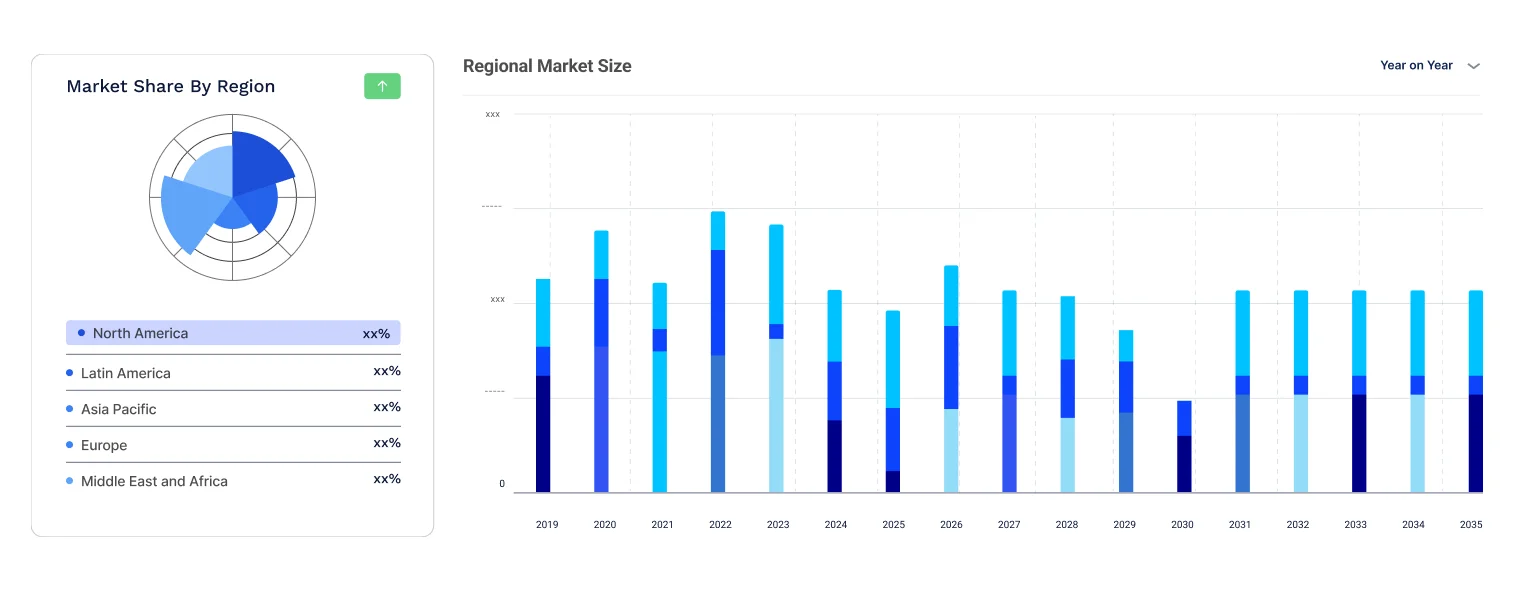
Market Breakup by Region
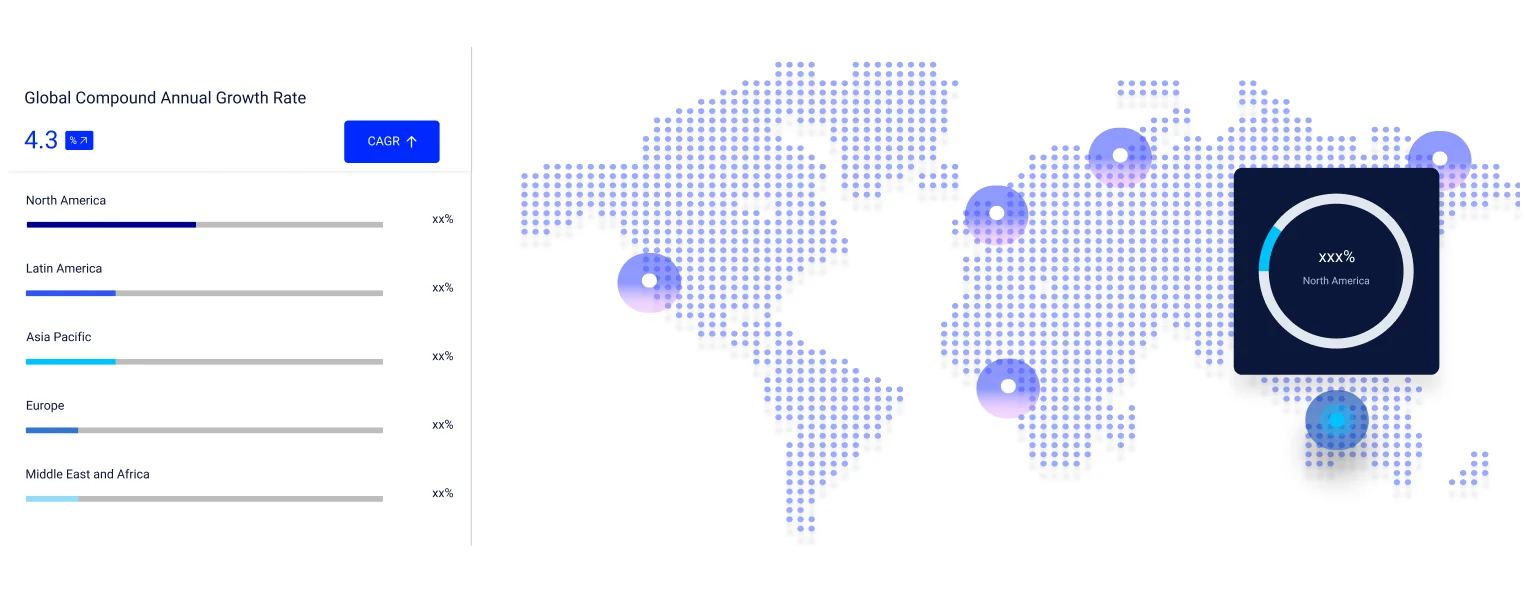
Key Insight: Asia Pacific accounts for the largest share of the rice bran oil market, underpinned by extensive rice milling in India, China, Thailand, and Japan, well-established consumption habits, and abundant bran availability from modern rice processing. The Middle East and Africa are expected to grow significantly through the forecast period as health awareness rises and import dependence deepens. North America and Europe continue to see steady demand growth from premium edible oil adoption, while Latin America remains a smaller but gradually expanding consumer base.
Read more about this report - REQUEST FREE SAMPLE COPY IN PDF
By end use, edible applications lead the market on the back of health-driven cooking oil demand
Edible applications hold the largest share of the rice bran oil market, supported by the oil's high smoke point, balanced fatty acid profile, and gamma oryzanol content that appeal to health-conscious households and food processors. In January 2026, supplier evaluations highlighted continued investment in refining standards among global producers as procurement shifted toward premium edible grades. Blended and refined formats continue to widen adoption across Asian kitchens.
Industrial use is the fastest-growing end use segment as manufacturers adopt rice bran oil in biodiesel, cosmetics, soaps, and oleochemical formulations, extending revenue beyond food applications. In May 2026, industry assessments tracked strategic capacity developments across rice bran oil processing operations serving both food and industrial buyers. Byproducts such as wax, fatty acids, and sterols add value, strengthening the economics of integrated extraction and refining facilities.
Asia Pacific accounts for the largest share of the market due to extensive rice milling and established consumption
Asia Pacific holds the largest share of the rice bran oil market, anchored by extensive rice milling across India, China, Thailand, and Japan, well-established edible consumption habits, and large-scale bran availability from modern rice processing. India's Ricela Health Foods Ltd, the country's leading refined rice bran oil exporter, exemplifies the region's integrated production and branding scale. Proximity to raw material and established distribution networks keeps regional processing costs competitive and supports continued capacity investment.
The Middle East and Africa is expected to grow at the fastest pace as health awareness rises and import dependence deepens across Gulf and African food markets. In September 2026, industry analyses projected strong growth in rice bran derivatives and health-focused food ingredients, with values expanding at a 9.2% CAGR to 12.01 billion dollars by 2030. Importers can secure long-term supply arrangements with Asian producers to capture this rising demand.
The global industry is moderately consolidated at the top and fragmented at the regional level, with rice bran oil companies ranging from large integrated edible oil groups to specialised rice bran processors competing across edible and industrial applications. Established players operate across the full value chain, from bran procurement at rice mills to solvent extraction, refining, and branded consumer packaging, with differentiation increasingly built on oryzanol retention, purity standards, and derivative portfolios.
Competitive dynamics among rice bran oil market players are shaped by raw material availability tied to rice milling cycles, refining technology investment, and the race to certify health-focused product claims. Companies are prioritising capacity expansion in bran-rich regions, derivative diversification into oryzanol and sterols, and long-term supply contracts with food manufacturers to secure recurring volumes and defend margins against edible oil price volatility.
Founded in 1994 and headquartered in Rajpura, Punjab, India, Ricela Health Foods Ltd is among India's largest producers of refined rice bran oil and the country's leading exporter of the product, serving household, food processor, and institutional buyers. The company operates integrated extraction and refining facilities in Punjab and markets its refined oil under the Ricela brand, with a focus on value-added innovation in edible applications.
Founded in 1999 and headquartered in Changshan, Zhejiang, China, Zhejiang Delekang Food Co., Ltd. specialises in comprehensive rice bran processing, producing first-grade rice bran oil alongside gamma oryzanol, ferulic acid, and rice bran sterols. The company operates dedicated production lines across facilities in Zhejiang, Jiangsu, and Hubei, supplying high-purity edible and industrial-grade products compliant with HACCP, Halal, and ISO standards in bulk and retail packaging.
Founded in 1890 and headquartered in Stuttgart, Germany, Gustav Heess GmbH is a long-established trader and refiner of vegetable oils and fats, including rice bran oil, serving food, cosmetic, and industrial customers across Europe. The company's sourcing network and refining capabilities position it as a key European supply partner for rice bran oil and specialty oil derivatives.
Founded in 1978 and headquartered in Bangkok, Thailand, Kasisuri Co., Ltd. produces and exports refined rice bran oil from Thailand's extensive rice milling base, serving edible oil brands and industrial buyers internationally. The company has expanded its manufacturing facilities and global trading footprint over successive decades and participates in rice bran derivative segments extending beyond bulk oil supply.
*Please note that this is only a partial list; the complete list of key players is available in the full report. Additionally, the list of key players can be customized to better suit your needs.*
Unlock the latest insights with our rice bran oil market trends 2026 report. Discover regional growth patterns, end use and region trends, and key industry players. Stay ahead of competition with trusted data and expert analysis. Download your free sample report today and drive informed decisions in the market.
Latin America Vegetable Oil Market
South Korea Rice Bran Oil Market
Latin America Palm Oil Market
Reserve Crude Oil Market
Vegetable Oil Market
Soybean Oil Market
Peanut Oil Market
Castor Oil Market
Jojoba Oil Market
Palm Oil Market


Upto 15% Off
USD
$2499 $2249
$3999 $3599
$4999 $4249
$5999 $5099


*While we strive to always give you current and accurate information, the numbers depicted on the website are indicative and may differ from the actual numbers in the main report. At Expert Market Research, we aim to bring you the latest insights and trends in the market. Using our analyses and forecasts, stakeholders can understand the market dynamics, navigate challenges, and capitalize on opportunities to make data-driven strategic decisions.*
In 2025, the market reached an approximate value of 1.77 Million Tons.
The market is projected to grow at a CAGR of 2.40% between 2026 and 2035.
The market is estimated to witness healthy growth in the forecast period of 2026-2035 to reach a volume of around 2.24 Million Tons by 2035.
Expanding extraction and refining capacity in bran-rich regions, investing in high-purity refining and oryzanol retention technology, diversifying into derivatives such as gamma oryzanol, sterols, and rice bran coffee, and securing long-term supply contracts with food manufacturers and industrial buyers.
The rising penetration of the product in developed and emerging due to aggressive marketing campaigns is a leading trend expected to guide the market growth.
The Asia Pacific is the leading in the market for the product. North America, Europe, Latin America, and the Middle East and Africa are the other major regions in the market.
The major end-use sector in the market is the edible sector.
The key players in the market include Ricela Health Foods Ltd, DELEKANG, Gustav Heess GmbH, and Kasisuri Co., Ltd., among others.
Producers face volatile raw material availability tied to rice milling cycles, price competition from alternative edible oils, stringent food safety and refining compliance requirements, and the capital intensity of modern extraction and refining capacity.
Explore our key highlights of the report and gain a concise overview of key findings, trends, and actionable insights that will empower your strategic decisions.
| REPORT FEATURES | DETAILS |
| Base Year | 2025 |
| Historical Period | 2019-2025 |
| Forecast Period | 2026-2035 |
| Scope of the Report |
Historical and Forecast Trends, Industry Drivers and Constraints, Historical and Forecast Market Analysis by Segment:
|
| Breakup by End Use |
|
| Breakup by Region |
|
| Market Dynamics |
|
| Competitive Landscape |
|
| Companies Covered |
|
| Report Price and Purchase Option | Explore our purchase options that are best suited to your resources and industry needs. |
| Delivery Format | Delivered as an attached PDF and Excel through email, with an option of receiving an editable PPT, according to the purchase option. |
Datasheet
One User
USD 2,499
USD 2,249
tax inclusive*
Single User License
One User
USD 3,999
USD 3,599
tax inclusive*
Five User License
Five User
USD 4,999
USD 4,249
tax inclusive*
Corporate License
Unlimited Users
USD 5,999
USD 5,099
tax inclusive*
*Please note that the prices mentioned below are starting prices for each bundle type. Kindly contact our team for further details.*
Flash Bundle
Small Business Bundle
Growth Bundle
Enterprise Bundle
*Please note that the prices mentioned below are starting prices for each bundle type. Kindly contact our team for further details.*
Flash Bundle
Number of Reports: 3
20%
tax inclusive*
Small Business Bundle
Number of Reports: 5
25%
tax inclusive*
Growth Bundle
Number of Reports: 8
30%
tax inclusive*
Enterprise Bundle
Number of Reports: 10
35%
tax inclusive*
How To Order

Select License Type
Choose the right license for your needs and access rights.

Click on ‘Buy Now’
Add the report to your cart with one click and proceed to register.

Select Mode of Payment
Choose a payment option for a secure checkout. You will be redirected accordingly.
Strategic Solutions for Informed Decision-Making
Gain insights to stay ahead and seize opportunities.

Get insights & trends for a competitive edge.

Track prices with detailed trend reports.

Analyse trade data for supply chain insights.

Leverage cost reports for smart savings

Enhance supply chain with partnerships.

Connect For More Information
Our expert team of analysts will offer full support and resolve any queries regarding the report, before and after the purchase.
Our expert team of analysts will offer full support and resolve any queries regarding the report, before and after the purchase.
We employ meticulous research methods, blending advanced analytics and expert insights to deliver accurate, actionable industry intelligence, staying ahead of competitors.
Our skilled analysts offer unparalleled competitive advantage with detailed insights on current and emerging markets, ensuring your strategic edge.
We offer an in-depth yet simplified presentation of industry insights and analysis to meet your specific requirements effectively.




