

Consumer Insights
Uncover trends and behaviors shaping consumer choices today
Procurement Insights
Optimize your sourcing strategy with key market data
Industry Stats
Stay ahead with the latest trends and market analysis.
The Vietnam waste management market attained a value of USD 6.84 Billion in 2025 and is projected to expand at a CAGR of 6.60% through 2035. The market is further expected to reach USD 12.96 Billion by 2035. Rapid urbanisation, mandatory waste sorting at source, and extended producer responsibility rules are strengthening demand for collection, recycling, and treatment services across the country. Growing investment in waste to energy plants, rising e-waste volumes, and tighter environmental standards are further encouraging operators to expand capacity in every segment.
Waste management refers to the collection, transportation, treatment, recycling, and disposal of municipal, medical, industrial, and electronic waste in a way that limits harm to health and the environment. Landfill still handles the largest share of waste in the Vietnam waste management market, while recycling and waste to energy capacity is expanding as landfills near capacity. Rising urban populations, stricter environmental laws, and producer recycling obligations continue to widen the customer base among local authorities, manufacturers, hospitals, and households.
Demand is concentrating around operators able to combine collection networks with modern treatment capacity. In September 2025, the Vietnam Environment Agency reported that Vietnam generates around 69,400 tons of waste daily, with 91 percent treated, while urban areas reach a treatment rate of 97.28 percent against 80.5 percent in rural areas. This treatment gap driven positioning is converting rising waste volumes directly into expanded adoption across the Vietnam waste management market.
Companies across the Vietnam waste management market are converging on a common development direction, widening from basic collection and landfilling toward integrated sorting, recycling, and waste to energy services. Operators are increasingly pursuing incineration plants, recycling facilities, and digital collection systems to broaden their customer base. This shift is reshaping competitive dynamics among waste companies, favouring those able to demonstrate compliant treatment capacity, producer recycling services, and reliable collection over those offering conventional collection and landfill disposal alone.

Read more about this report - REQUEST FREE SAMPLE COPY IN PDF
| Vietnam Waste Management Market Report Summary | Description | Value |
| Base Year | USD Billion | 2025 |
| Historical Period | USD Billion | 2019-2025 |
| Forecast Period | USD Billion | 2026-2035 |
| Market Size 2025 | USD Billion | 6.84 |
| Market Size 2035 | USD Billion | 12.96 |
| CAGR 2019-2025 | Percentage | XX% |
| CAGR 2026-2035 | Percentage | 6.60% |
| CAGR 2026-2035 - Market by Region | Southeast | 7.1% |
| CAGR 2026-2035 - Market by Region | South Central Coast | 6.4% |
| CAGR 2026-2035 - Market by Waste Type | E-waste | 7.8% |
| CAGR 2026-2035 - Market by Disposal Method | Recycling | 7.5% |
| Market Share by Region | Red River Delta | 22.1% |
Gia Lai Urban Works Joint Stock Company broke ground on the Long My Quy Nhon construction waste treatment and recycling plant in September 2026, an investment of VND 57.5 billion designed to process 480 tonnes of waste a day. Recycling construction debris into reusable material cuts landfill demand and gives contractors across the Vietnam waste management market a disposal option, due to operate by February 2027.
Ben Tre Solid Waste Treatment Joint Stock Company, a subsidiary of AMACCAO Group, held the groundbreaking of a VND 1.92 trillion waste to energy plant in Vinh Long in June 2026, designed for 650 tons of municipal waste a day and 13 MW of electricity. Grate incineration from Germany lets operators across the Vietnam waste management market treat unsorted waste while meeting strict European emission standards.
Hung Yen Province broke ground on a waste to energy plant in March 2026 with a total investment of about VND 4 trillion (about USD 153 million), using incineration technology from Belgium and scheduled to begin operation in the second quarter of 2027. Converting household waste into clean power reduces pressure on local landfills and creates jobs for local workers across the Vietnam waste management market.
VietStar JSC began construction of a VND 3.5 trillion waste to energy plant in the Northwest Waste Treatment Complex in Cu Chi district, Ho Chi Minh City, in March 2025, with capacity of 2,000 tons of waste a day. Once operating, the plant is expected to handle 45 to 50 percent of the city's household waste using incineration and sorting.
Households are increasingly required to sort waste at source before collection, giving recyclers cleaner material and giving collectors clearer routes. This is reshaping collection and sorting demand across the Vietnam waste management market. Since January 2025, Vietnam's Law on Environmental Protection has required household solid waste to be sorted at each household before it is collected, gathered, and transported, a change described as a breakthrough in turning waste into resources. This pushes collectors and recyclers to build separate collection streams.
Producers and importers are increasingly facing clearer recycling obligations for packaging and products, which steers waste toward formal recycling channels. This is raising recycling volumes across the Vietnam waste management market. In January 2025, the Government issued Decree 05/2025/ND-CP, amending Decree 08/2022/ND-CP and clarifying which producers and importers must recycle or treat waste under the extended producer responsibility framework. Producers can either organise recycling at mandatory rates or pay into a national environmental protection fund. Producers also prioritise clear compliance.
Regulators are increasingly setting national emission standards for waste incinerators, which gives investors and operators clear limits for new plants and upgrades. This is shaping technology choices across the Vietnam waste management market, since plants must prove that flue gas always meets defined limits. In August 2025, the Ministry of Agriculture and Environment issued Circular 45/2025/TT-BNNMT with the national technical regulation QCVN 30:2025/BNNMT on waste incinerators, effective from early February 2026 and replacing older medical, industrial, and domestic incinerator standards.
Developers of large waste to energy plants are increasingly seeking longer timelines as foundation work and city approvals take time. This is shaping investment schedules across the Vietnam waste management market, since delayed plants keep more waste flowing to landfills. In July 2025, Bamboo Capital Group asked Ho Chi Minh City to extend completion of its Tam Sinh Nghia plant, designed for 2,000 to 2,600 tons a day and 60 MW, to the end of 2026, as foundation work continued.
Regulators are increasingly defining which industrial waste streams count as hazardous, which sets clearer rules for storage, transport, and treatment. This is widening demand for licensed treatment across the market as factories reclassify residues. In August 2025, the Ministry of Agriculture and Environment issued Circular 44/2025/TT-BNNMT promulgating the national technical regulation on hazardous waste thresholds, QCVN 07:2025/BNNMT. Operators continue to prioritise waste testing and profiling, since correct classification decides whether a residue needs a licensed waste treater.
The Expert Market Research's report titled "Vietnam Waste Management Market Report and Forecast 2026-2035" offers a detailed analysis of the market based on the following segments:
Market Breakup by Waste Type
Key Insight: Municipal waste dominates the waste type segment of the Vietnam waste management market given the volume of household and commercial waste generated in growing cities. E-waste is registering the fastest growth as device use rises and recycling obligations widen. In April 2026, the Ministry of Health urged localities to tighten medical waste management, noting that some localities had not standardised rules for collecting, transporting, and treating medical waste after administrative changes. Industrial waste and medical waste sustain steady demand through factories and hospitals, while Others, including construction and agricultural waste, are gaining attention.
Market Breakup by Disposal Method
Key Insight: Landfill dominates the disposal method segment of the Vietnam waste management market given its low cost and long-standing use across provinces. Recycling is registering the fastest growth as sorting at source, producer recycling obligations, and private recyclers expand. Incineration, including waste to energy, sustains rising demand as landfills near capacity and provinces approve new plants. In February 2025, a Da Nang science and technology advisory council concluded that Martin mechanical grate incineration technology suits household waste for the Khanh Son plant, an 18 MW project of Vietnam Environment Corporation designed for 650 tons a day.
Market Breakup by Service Type
Key Insight: Collection dominates the service type segment of the Vietnam waste management market given the need to gather household, commercial, and industrial waste from a growing number of customers and collection points. Disposal is registering the fastest growth as new treatment plants and recycling facilities start operating. Transportation sustains steady demand through transfer stations, compactor trucks, and longer hauls to regional treatment complexes.
Market Breakup by Region
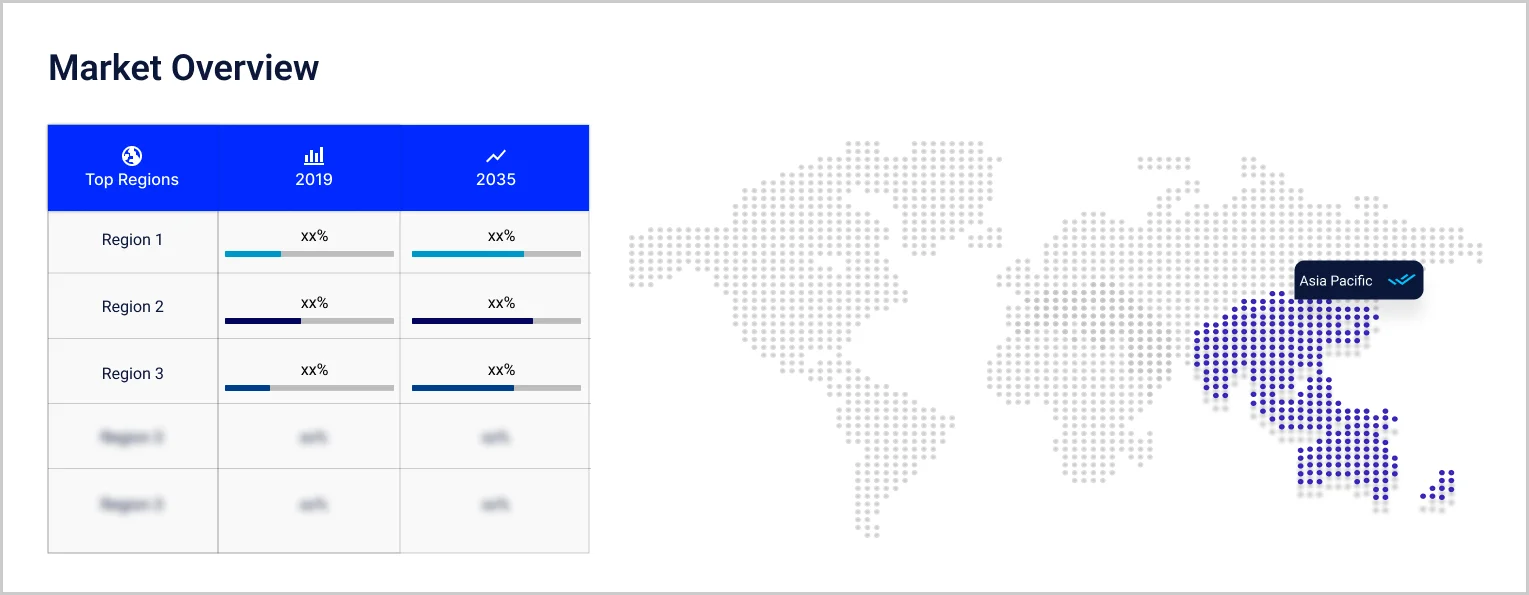
Key Insight: Red River Delta dominates the regional breakup of the Vietnam waste management market given the waste volumes of Hanoi and its surrounding provinces. Southeast is registering the fastest growth given industrial parks, the waste volumes of Ho Chi Minh City, and new treatment plants. Mekong River Delta and South-Central Coast sustain steady demand through provincial treatment projects, while Others, including the Central Highlands and Northern Midlands, expand collection and processing capacity.
Read more about this report - REQUEST FREE SAMPLE COPY IN PDF
By waste type, municipal waste dominates the market owing to the volume of household and commercial waste from growing cities
Municipal waste dominates the waste type segment of the Vietnam waste management market given the volume of household and commercial waste generated in growing cities and the fees local authorities pay to collect it. In December 2025, Hue reported about 720 tons of municipal waste a day, with more than 194,474 tons incinerated at the Phu Son waste to energy plant, as cities move municipal waste into energy recovery, which eases pressure on landfills nearing capacity, especially in dense districts and food markets.

Read more about this report - REQUEST FREE SAMPLE COPY IN PDF
E-waste is registering the fastest waste type growth across the Vietnam waste management market as smartphones, laptops, appliances, and batteries reach end of life faster and producers face recycling duties. Operators serving this category continue to prioritise dismantling and metal recovery, since copper, plastics, and precious metals inside discarded devices support recycling revenue while informal handling raises health and pollution risks for workers and neighbourhoods near recycling villages. Rules that treat e-waste as hazardous add licensing steps, which favours licensed processors with proper storage and reporting.
By disposal method, landfill accounts for the largest share owing to its low cost and long-standing use across provinces
Landfill dominates the disposal method segment of the Vietnam waste management market given its low cost and long-standing use across provinces, and only about 20 percent of landfill sites meet national sanitary standards. In May 2026, Hanoi leaders reported about 30 million tons of accumulated waste at Nam Son and 4 million tons at Xuan Son and asked an investor to start building 1,000 tons a day plant in early June 2026 to treat it. Operators continue to prioritise leachate treatment.
Recycling is registering the fastest disposal method growth as sorting at source, producer recycling obligations, and private recyclers expand. In May 2026, Decree 110/2026/ND-CP took effect, requiring producers and importers to organise recycling at mandatory rates or contribute financially, and no longer accepting plastic flakes as the final recyclate for self-organised plastic packaging recycling, which pushes recyclers toward higher grade output. Recyclers supplying higher grade material gain pricing power as brands seek more recycled content for their own products.
By service type, collection dominates the market owing to the need to gather waste from a growing number of households and businesses
Collection dominates the service type segment of the Vietnam waste management market given the need to gather household, commercial, and industrial waste from a growing number of customers and collection points. In January 2026, Decree 48/2026/ND-CP set requirements for the collection and transfer of hazardous waste not listed in an environmental permit, which tightens rules for collectors serving factories and hospitals. Operators continue to prioritise route density and fleet upgrades, since fuller trucks cut fuel costs and deliver cleaner material to treatment plants.
Disposal is registering the fastest service type growth as new incineration plants, recycling facilities, and treatment complexes start operating and replace open dumping. In April 2026, the Hanoi People's Committee broke ground on the expansion of the Soc Son waste to energy plant, which lifts total power capacity from 90 MW in the first phase to 135 MW, with full operation expected in the fourth quarter of 2027. Operators continue to prioritise emission control and ash handling at new plants.
Red River Delta leads the market through the waste volumes of Hanoi and its surrounding provinces
Red River Delta dominates the regional breakup of the Vietnam waste management market, holding a 22.1 percent share, given the waste volumes of Hanoi and its surrounding provinces and the concentration of government, industry, and dense housing. In May 2026, Xuan Mai Urban Environment Company and Green Marble Joint Stock Company broke ground on the large Nui Thoong high tech waste to energy plant in Hanoi, designed for 2,000 tons of waste a day and 45 MW, with investment above VND 5.25 trillion.
Southeast is registering the fastest regional growth, projected at a CAGR of 7.1 percent, given industrial parks and the waste volumes of Ho Chi Minh City. In March 2025, Ho Chi Minh City set a target to treat at least 80 percent of household waste with waste to energy and recycling by the end of 2025, rising to 100 percent by 2030, which is driving new treatment plants in the region. The city produces the most waste in the country.
Competition is fragmented, with public urban environment firms such as CITENCO, private treatment operators, hazardous waste specialists, and international testing and service groups competing for municipal contracts and industrial customers. Vietnam waste management companies are investing in incineration plants, recycling lines, and digital collection systems, while producer responsibility rules and new landfill limits shape which projects move ahead. Municipal contracts are awarded by city and provincial authorities, so companies with local approvals, land access, and financing hold an advantage in winning long term treatment projects.
Vietnam waste management market players are also responding to sorting at source and higher standards for emissions and ash handling, which raise the cost of running older plants and open dumps. Opportunities are emerging in waste to energy plants, e-waste dismantling, medical waste treatment, and construction waste recycling. Consumer goods producers face packaging recycling duties, which creates demand for compliance services from recyclers and testing firms. Operators that combine dependable collection with compliant treatment capacity and producer recycling services are expected to strengthen their competitive position over the coming years.
Founded in 1962 and headquartered in Mumbai, India, Tata Consumer Products Limited is listed among the participants of the market as a consumer products group whose packaged food and beverage packaging is affected by producer recycling rules. The company continues to align packaging design and end of life recycling with regulatory requirements. Tata Consumer Products draws on its position as one of India's largest consumer products groups to serve markets where extended producer responsibility applies to packaging.
Founded in 1878 and headquartered in Geneva, Switzerland, SGS SA supports the market through inspection, testing, and certification services, including environmental testing of waste, wastewater, and emissions for industrial and public customers. The company continues to widen its sustainability and environmental compliance services. SGS draws on its position as a global testing, inspection, and certification leader, operating in Vietnam through SGS Vietnam, to serve manufacturers, treatment plants, and regulators that need verified environmental data.
Founded in 1975 and headquartered in Ho Chi Minh City, Vietnam, Ho Chi Minh City Urban Environment Company Limited (CITENCO) supports the market as a city owned public utility providing environmental sanitation, waste collection and transport, and treatment of household, medical, and hazardous waste. The company continues to generate electricity from solid waste and sell recycled products. CITENCO draws on its position as the leading urban environment service provider of Ho Chi Minh City to serve households, hospitals, and industrial customers.
Founded in 1999 and headquartered in Ho Chi Minh City, Vietnam, Green Environment Production and Trade Services Co., LTD. supports the market through hazardous waste treatment and disposal services for industrial customers. The company continues to serve factories in and around Ho Chi Minh City from its base in the Le Minh Xuan Industrial Park. Green Environment draws on its position as a specialised hazardous waste treatment provider to help manufacturers meet hazardous waste rules.
Other key players in the market include Vietnam Water and Environmental Sanitation Company Limited, Tan Phat Tai Co., Ltd., Dai Lam Son Company Limited, RecyGlo Company Pte. Ltd., Viet Green Environmental Production Trading Service Company Limited, and Hoa Binh High-Tech Environment Joint Stock Company, among others.
*Please note that this is only a partial list; the complete list of key players is available in the full report. Additionally, the list of key players can be customized to better suit your needs.*
Unlock the latest insights with our Vietnam waste management market trends 2026 report. Discover regional growth patterns, waste type and disposal method economics, and key industry players. Stay ahead of the competition and identify emerging opportunities in the evolving market landscape.


Upto 15% Off
USD
$2499 $2249
$3999 $3599
$4999 $4249
$5999 $5099


*While we strive to always give you current and accurate information, the numbers depicted on the website are indicative and may differ from the actual numbers in the main report. At Expert Market Research, we aim to bring you the latest insights and trends in the market. Using our analyses and forecasts, stakeholders can understand the market dynamics, navigate challenges, and capitalize on opportunities to make data-driven strategic decisions.*
In 2025, the market reached an approximate value of USD 6.84 Billion.
The market is projected to grow at a CAGR of 6.60% between 2026 and 2035.
The market is estimated to witness a healthy growth during 2026-2035 to reach around USD 12.96 Billion by 2035.
Building waste to energy and recycling plants, complying with sorting and producer responsibility rules, adding digital collection systems, and investing in e-waste and medical waste treatment are key strategies driving the market.
The key trends aiding the waste management market in Vietnam include the incorporation of smart bins in public places and active government initiatives to manage waste.
The major regions considered in the market are Southeast, Red River Delta, Mekong River Delta, and South Central Coast, among others.
The different waste management service types considered in the market report include collection, transportation, and disposal.
The key players in the market include Tata Consumer Products Limited, SGS SA, Ho Chi Minh City Urban Environment Company Limited (CITENCO), Green Environment Production and Trade Services Co., LTD., Vietnam Water and Environmental Sanitation Company Limited, Tan Phat Tai Co., Ltd., Dai Lam Son Company Limited, RecyGlo Company Pte. Ltd., Viet Green Environmental Production Trading Service Company Limited, and Hoa Binh High-Tech Environment Joint Stock Company, among others.
Operators in the market face overloaded landfills, low collection fees, land acquisition delays for treatment plants, informal recycling, and heavy capital needs for waste to energy and recycling facilities.
Explore our key highlights of the report and gain a concise overview of key findings, trends, and actionable insights that will empower your strategic decisions.
| REPORT FEATURES | DETAILS |
| Base Year | 2025 |
| Historical Period | 2019-2025 |
| Forecast Period | 2026-2035 |
| Scope of the Report |
Historical and Forecast Trends, Industry Drivers and Constraints, Historical and Forecast Market Analysis by Segment:
|
| Breakup by Waste Type |
|
| Breakup by Disposal Method |
|
| Breakup by Service Type |
|
| Breakup by Region |
|
| Market Dynamics |
|
| Competitive Landscape |
|
| Companies Covered |
|
Datasheet
One User
USD 2,499
USD 2,249
tax inclusive*
Single User License
One User
USD 3,999
USD 3,599
tax inclusive*
Five User License
Five User
USD 4,999
USD 4,249
tax inclusive*
Corporate License
Unlimited Users
USD 5,999
USD 5,099
tax inclusive*
*Please note that the prices mentioned below are starting prices for each bundle type. Kindly contact our team for further details.*
Flash Bundle
Small Business Bundle
Growth Bundle
Enterprise Bundle
*Please note that the prices mentioned below are starting prices for each bundle type. Kindly contact our team for further details.*
Flash Bundle
Number of Reports: 3
20%
tax inclusive*
Small Business Bundle
Number of Reports: 5
25%
tax inclusive*
Growth Bundle
Number of Reports: 8
30%
tax inclusive*
Enterprise Bundle
Number of Reports: 10
35%
tax inclusive*
How To Order

Select License Type
Choose the right license for your needs and access rights.

Click on ‘Buy Now’
Add the report to your cart with one click and proceed to register.

Select Mode of Payment
Choose a payment option for a secure checkout. You will be redirected accordingly.
Strategic Solutions for Informed Decision-Making
Gain insights to stay ahead and seize opportunities.

Get insights & trends for a competitive edge.

Track prices with detailed trend reports.

Analyse trade data for supply chain insights.

Leverage cost reports for smart savings

Enhance supply chain with partnerships.

Connect For More Information
Our expert team of analysts will offer full support and resolve any queries regarding the report, before and after the purchase.
Our expert team of analysts will offer full support and resolve any queries regarding the report, before and after the purchase.
We employ meticulous research methods, blending advanced analytics and expert insights to deliver accurate, actionable industry intelligence, staying ahead of competitors.
Our skilled analysts offer unparalleled competitive advantage with detailed insights on current and emerging markets, ensuring your strategic edge.
We offer an in-depth yet simplified presentation of industry insights and analysis to meet your specific requirements effectively.




